Montana DIY Elk Hunting Guide
The dream of chasing elk across Montana's vast, wild landscapes is one that captivates many hunters, but the thought of tackling it without a guide can feel incredibly overwhelming. From deciphering complex regulations and draw odds to navigating millions of acres of public land and preparing for the sheer physical grind, it's easy to feel lost before you even start. This comprehensive guide is here to demystify the process, breaking down everything you need to know to plan and execute a successful do-it-yourself (DIY) elk hunt in Montana.
The Allure and Reality of DIY Montana Elk Hunting
There's something uniquely satisfying about earning an elk through your own grit, research, and self-reliance. It's an experience that transcends a simple harvest, forging a deeper connection with the land and with yourself. But let's be real: it's not a walk in the park.
Why Go DIY in Big Sky Country?
For many, the appeal of a DIY hunt in Montana boils down to a few key factors. First and foremost, there's the incredible sense of independence and accomplishment. Imagine spending weeks pouring over maps, training your body, and then finally staring down a bull you found and stalked all on your own. That feeling is unmatched. You dictate the pace, choose the terrain, and make all the critical decisions, from where to set up camp to which drainage to explore next. It's a true test of woodsmanship and personal fortitude.
Secondly, and often a big motivator, is the cost factor. Guided hunts in Montana can range anywhere from $5,000 to upwards of $15,000, not including licenses, travel, or gear. While a DIY hunt still requires a significant investment in licenses, fuel, food, and quality equipment, it drastically reduces the overall financial burden, making the dream of a Montana elk hunt accessible to more people. You're investing in experiences and skills that will serve you for a lifetime, rather than just a week with an outfitter. It truly allows you to immerse yourself in the journey, free from the constraints or expectations of a hired professional.
Dispelling Common Myths and Facing the Challenges
Let's address the elephant in the room: many people believe that a successful DIY nonresident elk hunt in Montana is an impossible feat. You'll hear stories of impossible draw odds, overcrowded public lands, and hunters returning home empty-handed. While these stories contain grains of truth, they often paint an overly bleak picture. It's certainly not impossible; it simply requires meticulous planning, realistic expectations, and an unwavering commitment to the process.
The challenges are real, though. Montana's sheer scale can be daunting. You're talking about millions of acres of public land, from dense timbered mountains to sprawling prairies, and elk can be incredibly elusive in such vast and varied terrain. The weather can be extreme, swinging from warm and sunny to blizzard conditions in a single day, especially in the high country. Physical demands are intense, often requiring daily hikes covering thousands of feet in elevation gain with a heavy pack. Furthermore, the limited entry permit system and nonresident draw odds can be frustrating, often requiring several years to build up enough preference points for highly sought-after units. You'll also face pressure from other hunters, particularly in easily accessible areas during the general rifle season. However, these challenges are precisely what makes a successful DIY hunt so incredibly rewarding. They force you to grow as a hunter, pushing your limits both physically and mentally.
Understanding Montana's Elk Hunting Landscape and Regulations
Before you even think about packing a backpack, you need to understand the nuts and bolts of hunting in Montana. The state's system, while comprehensive, can be a labyrinth for first-timers, especially nonresidents.
Navigating Licenses, Tags, and Draw Odds
The first step for any nonresident aiming to hunt elk in Montana is securing the appropriate licenses and tags. This starts with a base hunting license, which is a prerequisite for all other big game tags. In addition, you'll need a Conservation License and an Aquatic Invasive Species (AIS) Prevention Pass. The main event, however, is the Montana Nonresident Combination License. For elk, you're typically looking at either the nonresident Elk Combo or the Big Game Combo. The Big Game Combo includes both a general elk and a general deer tag, offering more versatility if you want to pursue multiple species.
Understanding the draw is paramount. Montana employs a preference point system for nonresident deer and elk combination licenses. For every year you apply and are unsuccessful, you accrue a preference point, which then gives you a statistical advantage in subsequent draws. These points are typically purchased separately during the application period. There are also bonus points for species-specific limited-entry permits (like those coveted bull elk permits in certain districts), where points accumulate and are squared for each year you apply unsuccessfully, giving a larger mathematical advantage over time. It's crucial to understand the Montana Preference Points vs Bonus Points system and how to strategically acquire them to maximize your draw odds for a general tag or a specific permit. GoHunt, for example, offers excellent resources and data analytics to help you understand current draw odds and plan your application strategy year after year. Knowing the How to Apply for a Montana Hunting License process is vital to avoid any costly mistakes that could invalidate your application.
Here's a simplified look at the combination license draw:
| License Type | Includes | Point System | Nonresident Cost (Approx. 2024) | Draw Odds Strategy |
|---|---|---|---|---|
| Nonresident Elk Combo | General Elk Tag | Preference Pts. | $1,200 | Build points annually, apply for general units. |
| Nonresident Big Game Combo | General Elk Tag, General Deer Tag | Preference Pts. | $1,500 | Build points, allows for either-sex deer in general units, and elk. |
| Limited Entry Permits (Elk) | Specific District/Antlered Elk | Bonus Pts. | Variable (additional to Combo) | Long-term strategy, accumulate bonus points for high-demand units. |
Note: Costs are estimates and subject to change by Montana Fish, Wildlife & Parks (FWP).
The application timeline is critical. Generally, applications for nonresident combination licenses are due in late March, with results typically released in April or May. Researching past draw odds and understanding which units require fewer points is key to setting realistic expectations for your first few years.
General vs. Permit Units and Season Dates
Montana's hunting districts (HDs) are divided into two primary categories for elk: general units and limited-entry permit units. A general elk tag, obtained through the combination license draw, allows you to hunt in any HD designated as "general" for elk. These units typically encompass vast tracts of public land, often in the more mountainous regions. The advantage here is flexibility; if one area isn't producing, you can move to another within a general unit. The downside is that these areas can see more hunting pressure, especially closer to roads.
Limited-entry permit units, on the other hand, require a special draw on top of your general license. These permits are highly sought after, often in units known for higher elk populations, older age-class bulls, or specific hunting opportunities (like archery-only or late-season hunts). Drawing one of these permits usually takes many years of accumulating bonus points. While a general tag is where most DIY nonresident hunters start, understanding the Montana General vs Permit Tags Explained strategy can help you decide if it’s worth building bonus points for a future dream hunt.
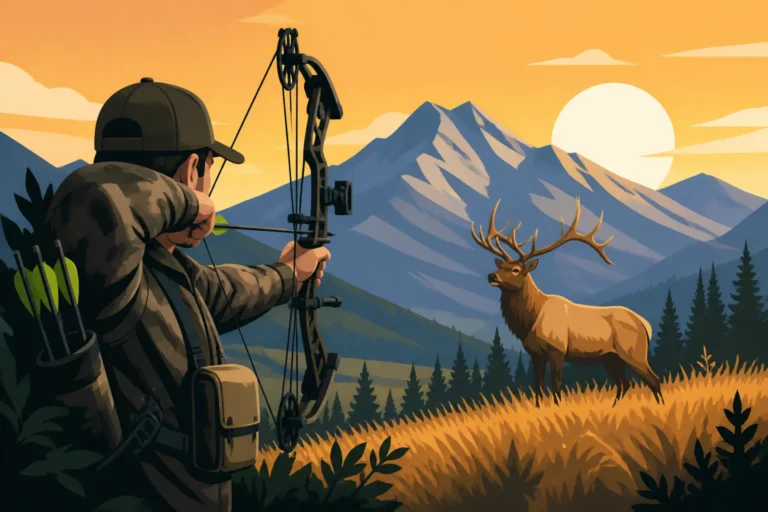
Regarding season dates, Montana offers distinct archery and general rifle seasons. The archery season typically runs from early September through mid-October, encompassing the famed elk rut. This is a thrilling time to hunt, with bulls bugling and being more vocal, making calling tactics highly effective. However, it requires specific archery equipment and proficiency. The general rifle season usually kicks off in late October and extends through Thanksgiving weekend, lasting about five weeks. This season generally sees higher hunter numbers, but also often coincides with colder weather and snow, which can push elk to lower elevations and make them more visible. Knowing the specific Montana Elk Season Dates Guide and the broader Montana Hunting Seasons Explained is crucial for planning your trip.
The Crucial Role of E-Scouting and Planning
Once you understand the regulatory landscape, the real work begins: breaking down the vastness of Montana into manageable hunting prospects. This is where meticulous e-scouting and strategic planning become your most powerful tools.
Becoming a Digital Pathfinder
Think of e-scouting as your virtual reconnaissance mission. Before you ever set foot in Montana, you can spend countless hours analyzing terrain, identifying elk habitat, and pinpointing potential hunting spots using digital mapping software. Tools like onX Hunt, BaseMap, and Google Earth are indispensable. Your goal is to identify areas that offer a combination of public land access, suitable elk habitat, and potentially reduced hunter pressure. Learning How to Use onX for Montana Hunting effectively is a game-changer for a DIY hunter.
Start by focusing on public land boundaries. Overlay maps to clearly distinguish between National Forest, Bureau of Land Management (BLM), State Trust Land, and private holdings. Pay close attention to wilderness areas, which often hold excellent elk numbers but require significant physical effort to access, potentially deterring less committed hunters. Look for the "four food groups" of elk habitat: thermal cover (dark timber, north-facing slopes for bedding), foraging areas (open meadows, south-facing slopes for sun exposure, clear-cuts), water sources (springs, creeks, wallows), and escape routes (steep canyons, heavy timber). Elk are creatures of comfort and security; they'll utilize terrain that provides these essentials. You can even identify natural funnels and pinch points where elk are likely to travel, like saddles between ridges or narrow canyons. Many experienced hunters also identify How to Find Elk in Montana Dark Timber as a prime location during hunting season.
Beyond satellite imagery, most mapping platforms offer topographical maps. Use these to identify elevation changes, steepness of slopes, and potential travel corridors. Look for benches, saddles, and small pockets of timber or meadows that might not be obvious from a high-level view. Rivers, streams, and lakes can also act as natural barriers or travel routes. Understanding the lay of the land digitally will save you countless miles of wasted walking once you're on the ground.
Strategic District Selection and Back-up Plans
Choosing the right hunting district is perhaps the most critical decision for a DIY hunter. It involves balancing draw odds, public land access, elk populations, and your physical capabilities. Resources like the Montana FWP website provide harvest data, population estimates, and permit quotas by hunting district. This data, combined with insights from platforms like GoHunt's Insider, can help you make an informed decision. GoHunt's detailed unit breakdowns, historical draw odds, and filtering tools allow you to zero in on districts that align with your point totals and hunting style. For example, some districts may have higher elk densities but less public land, while others have vast public acreage but more dispersed herds. Understanding How to Choose a Montana Hunting District goes beyond just looking at numbers; it’s about aligning the district’s characteristics with your personal hunting goals and physical prowess.
It's also wise to have a primary district and at least one or two solid backup plans. Draw odds are never 100%, and even if you draw your first choice, conditions on the ground might necessitate a change. Perhaps early season wildfires push elk out, or unexpected hunting pressure makes your primary spots less viable. Having alternative districts researched, even if they're general units you can hunt with your statewide tag, provides crucial flexibility. These backup areas should also align with your e-scouting efforts, offering similar habitat and public access opportunities. For a first-time DIY hunter, choosing one of the Best Districts for Elk Hunting in Montana known for solid general tag success and ample public land access can be a great starting point, rather than chasing a trophy-only unit that requires many years of points. Consider units with good Block Management Areas as well, as these can offer additional public access points into otherwise private lands. Don't forget to research the Montana Block Management Areas Explained program.
Physical and Mental Preparation for the Backcountry
Montana elk hunting isn't just a physical challenge; it's a mental marathon. Success, especially on a DIY hunt, often hinges on how well you've prepared your body and mind for the rigors of the backcountry.
Building a Hunter's Body and Mind
Let's not sugarcoat it: elk hunting is tough. You'll be climbing steep slopes, navigating uneven terrain, and potentially covering many miles daily, often with significant elevation changes. And that's before you even factor in packing out hundreds of pounds of meat. Therefore, How to Physically Prepare for a Montana Elk Hunt cannot be overstated. Your fitness regimen should begin months, if not a full year, before your hunt.
Focus on three key areas:
- Cardiovascular Endurance: This is paramount. Incorporate activities like trail running, stair climbing, and cycling into your routine. The best training, however, is hiking with a weighted pack. Start with a lighter pack (20-30 lbs) and gradually increase the weight (up to 50-70 lbs) and distance. Simulate hunting conditions by hiking up and down hills or stairs.
- Strength Training: Build core strength, leg strength, and back strength. Squats, deadlifts, lunges, and plyometrics are excellent. Don't neglect your upper body, as you'll be pulling yourself over obstacles and potentially quartering an animal.
- Flexibility and Mobility: Prevent injuries by incorporating stretching and mobility exercises. Elk country demands agile movements, and a tight body is an injured body.
Beyond the physical, mental toughness is equally vital. You will face discomfort: cold, wet, tired, hungry. You'll experience frustration: busted stalks, blown calls, or simply not finding elk. Developing perseverance, resilience, and a positive mindset is crucial. Practice problem-solving under duress. Visualize challenging scenarios and how you'll react. A Montana Elk Hunt Fitness Plan isn't just about the body; it's about conditioning your mind to push through when every fiber of your being wants to quit. This mental fortitude often makes the difference between success and failure on a physically demanding DIY hunt.
Essential Gear and Logistics for a DIY Expedition
A successful DIY hunt is built on reliable gear. Investing in quality equipment isn't just about comfort; it's about safety, efficiency, and ultimately, success. Don't skimp on the essentials. Your Montana Backcountry Hunting Gear List will be extensive, but some items are non-negotiable.
Key Gear Categories:
- Boots: This is arguably your most important piece of gear. Invest in high-quality, broken-in mountaineering or heavy-duty backpacking boots with excellent ankle support and waterproofing. Brands like Kenetrek or Crispi are popular for a reason. Have a backup pair or plan for drying if possible.
- Backpack: For packing in and packing out. A durable pack frame (e.g., Mystery Ranch, Stone Glacier, KUIU) capable of comfortably carrying 80-100+ pounds is essential. You'll live out of this pack, so comfort and fit are paramount. Learning How to Pack for a Montana Backcountry Hunt efficiently will make or break your trip.
- Shelter & Sleep System: Depending on your style, this could be a lightweight backpacking tent, a bivy sack, or a more substantial wall tent for a base camp. Ensure your sleeping bag is rated for temperatures well below what you expect, as mountain nights can be brutally cold. A good sleeping pad is crucial for insulation and comfort.
- Optics: High-quality binoculars (10×42 or 10×50), a spotting scope (15-45x or 20-60x) with a tripod, and a rangefinder are vital for glassing vast terrain and judging distances accurately.
- Navigation: A reliable GPS device (like a Garmin inReach or Alpha) or a smartphone with downloaded onX maps and a backup physical map and compass are non-negotiable. Redundancy is key in the backcountry.
- First Aid & Emergency: A comprehensive first-aid kit, emergency shelter, fire starter, headlamp with extra batteries, and a satellite communication device (Garmin inReach, Zoleo) are essential safety items.
- Game Processing: Sharp knives (fixed blade and replaceable blade options), bone saw, quality game bags (synthetic breathable ones are best), and paracord for hanging meat are crucial for field dressing and packing out.
Logistics:
- Food and Water: Plan calorie-dense, lightweight meals. Dehydrated meals, jerky, nuts, and energy bars are staples. Carry a reliable water filter or purification tablets. Identify potential water sources during your e-scouting phase.
- Transportation: Whether you're flying in and renting a truck, or driving your own, ensure your vehicle is capable of handling rough Forest Service roads. A reliable 4×4 with good tires is often a necessity.
- Meat Care: Research local meat processors if you plan to get your elk professionally butchered after packing it out. Have a plan for keeping meat cool, especially during warmer early season hunts.
On-the-Ground Tactics for DIY Success
With your permits in hand and your body and gear ready, it's time to talk about finding and harvesting an elk. This is where all your preparation culminates into real-world application.
Locating and Intercepting Elk
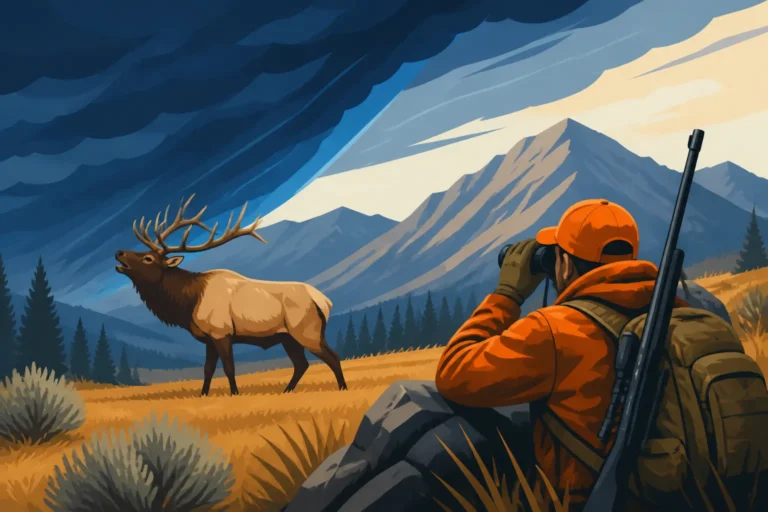
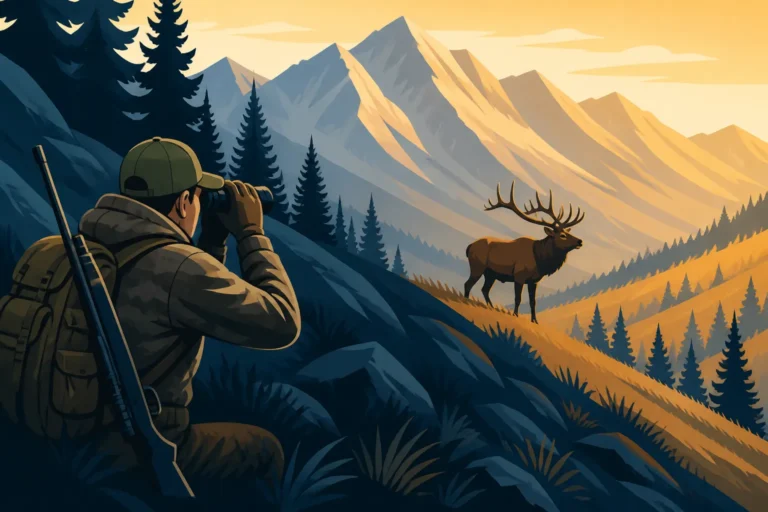
Montana's diverse landscape means elk can be anywhere, from dense timber to open sagebrush. Effective glassing is your number one tool for locating elk, particularly in the open, expansive country of the eastern front or high mountain basins. Get to a high vantage point early in the morning and late in the evening and systematically glass all likely looking areas: timber edges, meadows, shadowed slopes, and creek bottoms. Take your time, break up the landscape into grids, and look for subtle movements or pieces of an animal. Mastering How to Glass Montana's Big Country is a skill that takes practice but yields huge rewards.
Once you spot an animal or fresh sign, understanding elk behavior is key. Elk are creatures of habit and will often follow similar patterns of feeding, bedding, and watering. Look for fresh tracks, droppings, rubs on trees, and wallows. Wallows are particularly active during the rut and can be great ambush points. Pay close attention to the wind and thermals. Elk have an incredible sense of smell, and a single whiff of human scent will send them scattering. In mountainous terrain, thermals typically rise in the morning as the sun warms the air and fall in the evening as the air cools. Always try to approach with the wind in your face or across your body, using topography to your advantage. Knowing How to Use the Wind Hunting Montana Elk and How to Use Thermals in Montana Elk Country is fundamental to getting close to elk.
Hunting Strategies: Spot-and-Stalk, Calling, and Still-Hunting
There's no single "best" method for hunting elk; successful DIY hunters often employ a combination of strategies based on the terrain, season, and elk behavior.
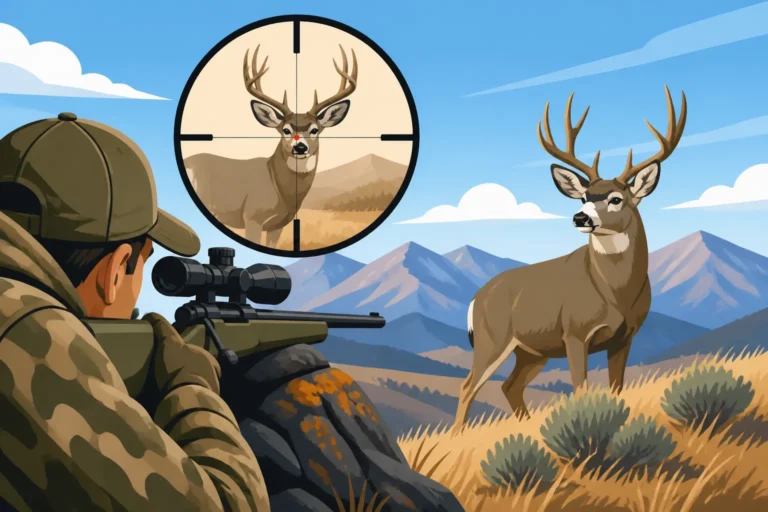
- Spot-and-Stalk: This is incredibly effective in more open country or when you've located a group of elk from a distance. The goal is to close the distance undetected, using terrain features, timber, and the wind to conceal your approach. Patience is critical, as is knowing when to commit and when to back out. This method often overlaps with Montana Rifle Elk Hunting Guide tactics, where long-range shooting opportunities might arise.
- Calling: During the archery season, especially during the peak of the rut (mid-September), calling can be highly effective. Learning How to Call Elk in Montana involves mastering various cow calls, chuckles, and bugles. You can use calls to locate bulls, stimulate curiosity, or challenge an aggressive bull. Often, a combination of cow calls and light bugling works best to draw a bull in, especially if you set up with a caller behind the shooter to mimic a herd moving away. For detailed archery tactics during the rut, consult the Montana Archery Elk Hunting Guide.
- Still-Hunting: This method is often employed in dense timber where visibility is limited, or during the late season when elk are quieter. It involves moving incredibly slowly and deliberately through elk habitat, stopping frequently to look and listen. Every step should be intentional, quietly placing your foot to avoid snapping twigs. You're essentially moving like a predator, using your eyes and ears to detect elk before they detect you. Learning How to Still-Hunt Montana Timber requires immense patience and acute senses, but it can be incredibly productive in areas where elk feel secure.
Often, the most successful approach is a hybrid: glassing to locate a herd, then using calls to bring them closer, or still-hunting through timber until you cut a fresh track, then switching to a stalk. Adaptability is the hallmark of a successful DIY hunter.
Dealing with Hunting Pressure
It's a reality: Montana public land can get crowded, especially on easily accessible roads during the general rifle season. However, this doesn't mean DIY success is out of reach. It simply means you need to be smarter and work harder than the average hunter.
One of the most effective strategies is to hunt where others won't. This often means going further, deeper, or steeper. Look for roadless areas or wilderness boundaries on your maps. While many hunters stick to within a mile of a road, elk will often retreat several miles into dense cover once hunting pressure starts. Be prepared to hike those extra miles, even if it means an early start or packing in for a night or two. Climbing higher elevations or descending into steep, nasty canyons that deter others can pay dividends. For specific strategies on how to navigate busy public lands, check out How to Hunt Montana Public Land Pressure and How to Beat the Crowds on Montana Public Land. Often, hunting mid-week rather than on weekends can also reduce encounters with other hunters. Embrace the grind, and you'll often find the solitude and the elk you're looking for.
Post-Harvest: Processing and Preservation
Taking an elk in the backcountry is exhilarating, but the real work often begins after the shot. How you handle your animal in the field can drastically impact the quality of the meat.
Field Dressing and Quartering in the Backcountry
Once an elk is down, speed and efficiency are paramount, especially in warmer early season conditions. The goal is to get the hide off, meat cooled, and packaged as quickly as possible to prevent spoilage. While traditional gutting is an option, many backcountry hunters opt for the "gutless method." This technique involves quartering the animal without removing the entrails, which can be faster and cleaner, especially if you're alone or in steep terrain.
To perform the gutless method, you typically roll the elk onto its side, remove the hide from the top side, and then quarter the visible side: front shoulder, hindquarter, and backstrap. Don't forget the tenderloins, which can be accessed from the cavity side or by cutting along the spine from the outside. Then, roll the elk over and repeat the process on the other side. Pack the meat into high-quality game bags immediately. These bags protect the meat from dirt, insects, and debris while allowing it to breathe and cool. For a detailed walkthrough, refer to How to Quarter an Elk in the Montana Backcountry. Always be prepared with sharp knives, a sharpener, and multiple game bags.
Packing Out Your Hard-Earned Meat
This is the moment all your physical preparation comes into play. Packing out an elk is arguably the most demanding part of the hunt. An adult bull elk can yield 200-300 pounds or more of boned-out meat, hide, and antlers.
Strategies for Packing Out:
- Solo Hunter: If you're alone, you'll likely need to make multiple trips. Break the animal down into manageable loads. A hindquarter might weigh 60-80 pounds, a front shoulder 40-60 pounds, and the backstraps and tenderloins another 30-50 pounds. Prioritize cooling the meat. Hang the game bags in a shady, airy spot, ideally off the ground, between trips. Knowing How to Pack Out Elk Meat Solo in Montana is a crucial skill for independent hunters.
- Group Hunt: With a hunting partner or two, you can distribute the load more efficiently, often allowing you to pack out an entire elk in one or two trips.
- Pack Frames: A sturdy external frame backpack is essential for comfortably distributing heavy loads. Practice hiking with a weighted pack beforehand to know your limits.
Meat Care:
Once the meat is in game bags, focus on cooling it rapidly. If temperatures are warm, hang the bags where air can circulate around them, ideally in the shade. If possible, fan the meat to help it cool. If you anticipate warm weather, carrying a few lightweight emergency blankets to reflect sun off the hanging meat can help. For early season hunts, ensuring How to Keep Elk Meat Cool in Montana's Early Season is paramount to preventing spoilage. Once the meat is back at your vehicle, transport it to a cooler with ice, or directly to a processing facility or your home freezer as quickly as possible. Don't let your hard work go to waste by neglecting proper meat care.
The Journey Continues: Learning and Adapting
A DIY Montana elk hunt is rarely a one-and-done affair. It’s a journey of continuous learning, adaptation, and deepening connection with the wild.
Reflecting on Your Hunt and Planning for Next Time
Whether you filled your tag or came home with an empty freezer, every hunt is a valuable learning experience. Take the time to reflect on what went well and what didn't. Keep a hunting journal to record details: where you hunted, weather conditions, elk sightings, calls used, what gear performed well, and what failed. This data, combined with FWP harvest reports and your e-scouting observations, forms the foundation for refining your strategy for future hunts.
Did you choose the right district? Was your physical conditioning sufficient? Did you react effectively to elk behavior? Analyzing your successes and failures objectively will help you identify areas for improvement. Perhaps your calling needs work, or maybe you need to invest in better optics to spot elk further out. This ongoing process of evaluation and refinement is what transforms a novice DIY hunter into a seasoned backcountry expert. Remember, every year offers new challenges and opportunities, and being able to adapt is key.
Embracing the Spirit of DIY Hunting
Ultimately, a DIY Montana elk hunt is about more than just pulling the trigger; it's about the entire experience. It's about the solitude of the wilderness, the challenging climbs, the beauty of an alpine sunrise, and the satisfaction of relying on your own skills and knowledge. The true reward isn't solely the meat in your freezer or the antlers on your wall, but the growth you achieve as a hunter and as an individual. It's the self-reliance, the deep connection to nature, and the stories that will resonate for a lifetime.
For many, the DIY approach becomes a way of life, an annual pilgrimage to test oneself against the wild. Don't be discouraged by initial setbacks; embrace them as learning opportunities. The mountains of Montana have a way of humbling and teaching you, forging a spirit of perseverance that extends far beyond the hunt. So, embrace the challenge, do your homework, prepare diligently, and head into the vastness of Montana with confidence. The elk are waiting, and the adventure of a lifetime is yours for the taking.
Disclaimer
Please be aware that hunting regulations, season dates, and license costs in Montana can change annually. Always consult the official Montana Fish, Wildlife & & Parks (FWP) website for the most current and accurate information before planning any hunting trip. This guide provides general information and should not be considered a substitute for official FWP regulations.