How to Hunt Montana Public Land Pressure
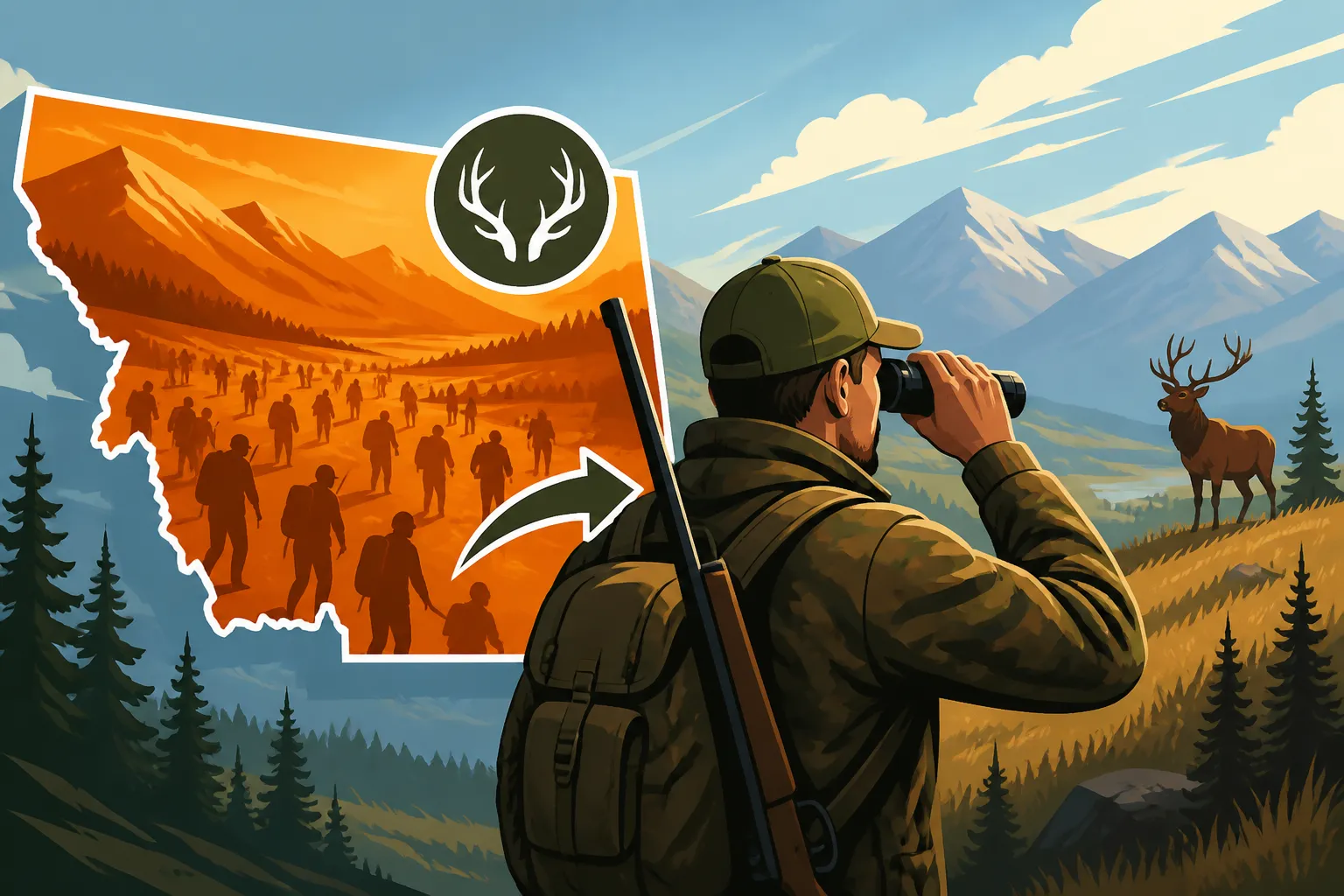
Hunting Montana public land can feel like a contact sport, especially when opening day arrives or the rut kicks into high gear. You've spent countless hours e-scouting, dreaming of undisturbed wilderness, only to pull up to the trailhead and find a dozen other rigs already there. The frustration is real, and it can quickly deflate your spirits. This guide is dedicated to helping you navigate the challenges of hunting pressured public land, offering strategies to find success where others might give up, and ultimately, put you on more game.
Understanding Public Land Pressure in Montana
The sheer beauty and accessibility of Montana's public lands are a double-edged sword. While it offers incredible opportunities for all, it also means that during peak seasons, certain areas can feel more like a campground than a hunting ground. This pressure isn't just an inconvenience; it fundamentally changes animal behavior and requires a different approach to hunting.
Why Public Lands See High Pressure
It's no secret that Montana is a hunting mecca, drawing both residents and nonresidents alike. The simple truth is that vast stretches of accessible public land are a finite resource, especially when you consider areas with good road access, favorable terrain, and a history of producing game. These "honey holes" quickly become well-known, thanks to word-of-mouth, online forums, and increasingly sophisticated e-scouting tools. Hunters are generally passionate and determined, and when everyone converges on the same promising areas, pressure skyrockets. This can manifest as overcrowded trailheads, constant vehicle traffic on forest service roads, and even direct encounters with other hunters in the timber, all of which alert wildlife to human presence.
Furthermore, specific times of the year naturally concentrate hunters. The opening day of general rifle season, for instance, sees an explosion of activity. Weekends, particularly during the archery rut or the early rifle season, also draw significantly more hunters than weekdays. These predictable surges in human activity force elk and deer to alter their patterns dramatically. They become more nocturnal, move into thicker cover, or relocate to areas that offer greater security and less disturbance. Understanding these patterns of human behavior is just as crucial as understanding animal behavior, because it directly dictates where and when animals will feel safe enough to move and feed.
The Psychological Impact on Hunters and Elk
For us hunters, encountering high pressure can be mentally exhausting. You've invested time, money, and emotional energy into a hunt, only to feel like you're constantly competing for space or bumping into other orange-clad figures. This can lead to frustration, impatience, and even a loss of confidence. It’s easy to get discouraged when you’re busting elk out of timber, only to realize another hunter was just ahead of you, or to hear bugles that suddenly go silent as soon as vehicles start rolling down the road. The feeling of being "beaten to the punch" or hunting "secondhand ground" is a tough pill to swallow, and it can push hunters to make rushed decisions or abandon their planned strategies prematurely.
From the animals' perspective, constant pressure makes them incredibly wary and resourceful. Elk, especially mature bulls, and big mule deer bucks are not stupid. They learn quickly. They understand vehicle sounds, human scent, and the sight of hunters. They'll shift their bedding areas to thicker, steeper, or more remote locations. They'll adjust their feeding times to the dead of night or during the midday lull when most hunters are taking a break. They'll utilize subtle drainages, shadowed north-facing slopes, or dense timber stands that offer maximum concealment. This is why you often hear of "ghost elk" or "timber phantoms" – these are simply animals that have become masters at evading detection due to consistent human disturbance. Successfully hunting these animals means getting inside their heads and anticipating where they’ll go to escape you and everyone else.
E-Scouting to Avoid Crowds and Locate Unpressured Areas
In today's hunting world, e-scouting is no longer a luxury; it's a necessity, especially when you're trying to outsmart pressure on Montana's public lands. Before you even set foot on the ground, you can leverage mapping software to gain a significant advantage, helping you identify pockets of solitude and predict animal movement.
Utilizing Mapping Software for Deep Dives
Modern mapping applications like onX Hunt, BaseMap, or the tools available through GoHunt are indispensable for tackling pressured public land. They allow you to virtually explore vast tracts of land from your couch, identifying key features that might deter other hunters but attract game. Look for areas far from established roads and trails – typically, the further you get from easy access, the less human pressure you'll encounter. Pay close attention to elevation changes, steep canyons, dense timber blocks, and obscure saddles or benches that might be overlooked. These maps allow you to draw routes, measure distances, and calculate elevation gain, giving you a realistic understanding of the physical challenge involved in accessing certain spots. If it looks like a grind on the map, chances are fewer hunters will be willing to put in the effort.
Beyond just identifying remote pockets, use your e-scouting tools to analyze historical imagery, if available, to spot changes in timber density, clear-cuts, or natural openings that might have occurred over time. Cross-reference public land boundaries with private land holdings, looking for "landlocked" public parcels that require navigating private property (always with permission, of course) or long public access routes. Think about where animals might be pushed from – if there's a popular trailhead or a major road system, identify the thickest, nastiest, most unforgiving terrain adjacent to it. These are often the places pressured animals flee to. Remember, the goal is to find spots that look unappealing to the average hunter, but offer sanctuary to wildlife. This strategy is critical for successful Montana Public Land Hunting Strategy.
Identifying Sanctuary and Travel Corridors
Pressured animals seek sanctuary – places where they feel safe from human disturbance. These sanctuaries are rarely found right off a forest service road. Instead, they're typically nestled deep within dark timber, on steep, north-facing slopes, in dense creek bottoms, or in remote basins that require significant effort to access. When e-scouting, zoom in and identify these potential sanctuary areas. Look for patches of old-growth timber, areas with heavy blowdowns, or places with thick underbrush that would be difficult for a hunter to navigate quietly. These are the spots where elk and deer will bed down during daylight hours, especially after being bumped.
Once you've identified potential sanctuaries, the next step is to locate their travel corridors. Even pressured animals need to move between bedding, feeding, and water sources. These corridors are often subtle: faint game trails through thick timber, narrow saddles between ridgelines, or brushy draws that offer cover. Animals will use routes that provide the most concealment and the least exposure, avoiding open areas during daylight. Look for pinch points created by terrain features, such as a narrow neck of timber between two open clearings, or a natural funnel in a canyon. During peak hunting pressure, these travel corridors become even more critical, as animals will use them to silently slip away from disturbances. Your e-scouting should focus on how to intercept animals in these corridors as they move, rather than trying to bust them out of their sanctuary. For a deeper dive, check out our guide on How to E-Scout Montana Hunting Units.
| Key E-Scouting Features for Pressured Public Land | Description | Why It Helps |
|---|---|---|
| Distance from Roads/Trails | Areas 1+ mile from any vehicle access or well-used hiking trails. | Most hunters stick close to easy access. Further equals less pressure. |
| Steep, Rugged Terrain | Areas with significant elevation changes, cliffs, or extremely broken ground. | Deterrent for many hunters due to physical demands and difficulty of travel. Offers animals natural barriers. |
| Dense, Dark Timber Blocks | Large, contiguous areas of thick forest, often conifer stands, especially on north-facing slopes. | Provides maximum visual and thermal cover for pressured animals to bed and hide. |
| Water Sources (Hidden) | Small springs, seeps, or high-elevation potholes that might not be obvious. | Animals need water, and less obvious sources attract fewer human encounters. |
| Landlocked Public Land | Public parcels surrounded by private land, requiring specific access or long hikes through other public land. | Difficult access limits hunter numbers; often holds undisturbed game. (Always respect private property and gain permission!) |
| North-Facing Slopes | Often hold snow longer, have denser timber, and offer cooler bedding in warmer early seasons. | Preferred bedding areas for elk and deer seeking security and relief from sun/heat. |
| Hidden Benches or Saddles | Subtle flat spots or narrow passages on steep terrain, often overlooked. | Natural travel routes and bedding spots that provide good visibility without being exposed. |
| Adjacent to Private Land | Public land bordering large, undisturbed private ranches. | Animals pushed from public land often escape to private, and then filter back into less pressured public sections. |
Tactical Approaches for Hunting Pressured Elk and Deer
When hunting grounds are heavily used, you can't rely on textbook tactics alone. Pressured animals require a more strategic, often physically demanding, and always patient approach. It means hunting smarter, not just harder, and making deliberate choices about when and where you hunt.
Hunting Off-Hours and Mid-Week
One of the most straightforward ways to mitigate public land pressure is to simply hunt when other people aren't. While most hunters are enjoying breakfast, hitting the sack early, or saving their hunt for the weekend, you can be in the woods. This means embracing the dark. Getting to your chosen spot well before first light, allowing you to be settled and quiet as animals move from feeding to bedding. Similarly, hunting during the midday "lull" can be incredibly productive. Most hunters head back to camp or their vehicle for lunch, a nap, or to warm up. This quiet period is often when pressured elk and deer feel safe enough to get up, stretch, grab a quick bite, or shift bedding locations.
Mid-week hunting is another potent strategy. If your schedule allows, taking a Tuesday, Wednesday, or Thursday off can put you in areas with significantly fewer people. The difference in hunter density between a Saturday and a Wednesday can be astonishing. Even if you're restricted to weekends, focusing your efforts on these less popular times can pay dividends. For instance, instead of being at the trailhead at 6 AM with twenty other trucks on a Saturday, consider parking at noon and hunting through to dark, capitalizing on the mid-day quiet and the evening movement. This willingness to adapt your schedule to the animals' revised patterns is a key element in How to Hunt Montana Public Land Pressure.
Embracing Remote and Difficult Terrain
The single biggest deterrent to hunting pressure is difficult access. Most hunters, understandably, prefer convenience. This creates a golden opportunity for those willing to put in the extra effort. Seek out areas that require significant hiking, steep climbs, or navigation through dense, broken country. Think about drainages and ridges that are a few miles in, or those that have no clear trail. Look for routes on your map that involve substantial elevation gain and descent, or require crossing multiple drainages. These are the places where pressured animals will seek refuge, knowing that fewer humans will follow.
Backcountry hunting is the ultimate expression of this strategy. Packing into a remote wilderness area for multiple days not only gets you away from day-hunter pressure but also allows you to pattern animals that are less accustomed to human scent and noise. While it demands a higher level of physical fitness and self-sufficiency, the rewards can be immense. For those contemplating such an adventure, our Montana Backcountry Hunting Guide offers invaluable insights. Even if a multi-day pack trip isn't feasible, simply pushing a mile or two further than everyone else, or choosing a notoriously steep ridge over an easy game trail, can make all the difference. Remember, if it's hard for you, it's hard for most other hunters too, and that's precisely where you'll find less pressured game.
Adaptable Hunting Methods for Pressured Animals
When elk and deer are constantly being pushed, their behavior changes dramatically. They become more elusive, more cautious, and less responsive to traditional hunting tactics. To succeed in these conditions, you need to be versatile, employing a range of methods that prioritize stealth, patience, and understanding subtle animal cues.
Still-Hunting Timber and Thick Cover
Still-hunting is perhaps the most effective method for hunting pressured animals in dense cover. This isn't about covering ground quickly; it's about moving at a snail's pace, often taking minutes to move just a few yards, meticulously scanning every shadow and listening for the slightest sound. Pressured animals will often hide in the thickest, nastiest timber they can find, sometimes bedding just a hundred yards off a busy road. Your job is to become a ghost in their world. Use the wind to your advantage, moving into it or crosswind, never with it blowing to where you suspect animals are.
Focus on broken terrain, blowdowns, and pockets of heavy regeneration where elk and deer will feel most secure. Look for subtle signs: a flicker of an ear, a patch of hide through the brush, the horizontal line of a back amidst vertical trees. Pause frequently, often for 5-10 minutes at a time, allowing the woods to settle and listening intently. Animals that are bedded down will often betray their presence with a soft stomp, a huff, or the snapping of a twig as they shift position. This method requires immense patience and keen observation skills, but it's often the only way to get close to a wary animal that has learned to avoid open areas. Learning How to Still-Hunt Montana Timber is a game-changer for pressured areas.
Glassing from a Distance and Patience
While still-hunting is crucial in the timber, glassing remains vital, especially in Montana's expansive landscapes. The key difference on pressured land is how you glass. Instead of focusing on open slopes where animals might feed undisturbed, shift your attention to the fringes of thick timber, shaded north-facing slopes, and the tops of ridges where animals might be bedded. Pressured elk and deer are less likely to be feeding out in the open during daylight hours, so you need to look for them in their security cover.
Find a good vantage point, often far away from popular access points, and spend hours behind your optics. Don't just scan; grid the area meticulously, looking for small details that betray an animal's presence – a patch of hair, a horizontal backline, an antler tip, or even a subtle flick of a tail. Use high-quality binoculars and a spotting scope on a tripod. The goal is to locate animals without disturbing them, giving you the chance to plan a stealthy stalk. This requires an almost zen-like patience, as you might spend half a day glassing before spotting anything. It's a strategy of waiting and observing, letting the animals make the first move, and only then initiating your approach. You can hone these skills by reviewing our guide on How to Glass Montana's Big Country.
Calling Tactics for Wary Game
Calling elk and deer on pressured public land is an art form that requires extreme caution and nuance. Aggressive, loud calling often backfires, as pressured animals quickly recognize it as a human trick. Instead, think subtle, soft, and realistic. For elk, focus on cow calls and mews rather than loud bugles, especially if you're not in the heart of the rut or if the area has seen a lot of bugling pressure. A soft, pleading cow call can sometimes pique the curiosity of a bull that's otherwise shutting down. If you do bugle, make it sound authentic and less "human." Avoid sounding like the typical hunter on a YouTube video.
Consider using calling as a locator, but then immediately switch to stealth. A soft "location bugle" might get a distant response, but then you should use the wind and terrain to close the distance silently. Once you're closer, subtle cow or calf calls can sometimes draw an animal into shooting range. For deer, fawn bleats or subtle grunts can be effective, but again, less is often more. The key is to sound like an animal, not a hunter. If you know other hunters are in the area, be extra careful with your calling; you might inadvertently call in another hunter, or worse, alert the animals to your position with unrealistic sounds. For comprehensive advice on this, check out How to Call Elk in Montana.
Post-Season Scouting and Off-Season Prep
The hunt doesn't end when the season closes, especially when you're dealing with pressured public land. The off-season is a crucial time for reflection, learning, and preparing yourself for future success. By investing time and effort in the months leading up to next season, you can significantly improve your odds.
Learning from Past Seasons
Every hunt, successful or not, offers valuable lessons. Take the time after the season to review your hunting experiences, especially those on pressured public land. Where did you encounter other hunters? Where did you see fresh sign? Where did animals seem to vanish? Go back to your maps and mark these observations. Did you get busted by a bull because you were too loud, or because the wind shifted? Did you find a consistent bedding area that you didn't know about before? These detailed notes, combined with your e-scouting tools, become a powerful resource.
Consider going back into your hunting areas in the late winter or early spring. Without foliage, you can see terrain features more clearly, identify old game trails, and find shed antlers that reveal wintering grounds. This is a fantastic time to see how animals move without human pressure. You might discover escape routes, bedding areas, or travel corridors that were obscured during the hunting season. This kind of hands-on scouting provides invaluable knowledge about how game utilizes the landscape and how they react to pressure. It's about building a mental database of information that will inform your strategy for the next season. The more you understand how game responds to pressure in your specific hunting area, the better equipped you'll be.
Physical and Mental Conditioning for Tough Hunts
Hunting pressured public land, by its very nature, often means going where others won't. This typically translates to more physically demanding hunts. Steep climbs, long hikes, and navigating dense timber require a high level of physical fitness. Therefore, the off-season is the time to get in shape. Focus on exercises that build endurance, strength, and stamina, particularly those that mimic uphill climbs and carrying weight. Incorporate hiking with a loaded pack into your routine. The better your physical condition, the more comfortable you'll be pushing deeper, covering more ground, and ultimately, staying out longer when others have gone home.
Beyond the physical, mental conditioning is equally important. Hunting pressured animals can be frustrating. You'll have days where you don't see a single animal, or where another hunter beats you to the punch. It's easy to get discouraged. Practice patience, persistence, and problem-solving. Remind yourself that success often comes down to who is willing to put in the consistent effort and who can adapt to changing conditions. Embrace the challenge. View each blank day or blown stalk as a learning opportunity, not a failure. A strong mental game, combined with robust physical fitness, are cornerstones of any successful Montana Elk Hunt Fitness Plan, especially on crowded public lands.
Disclaimer
Please note that hunting regulations, season dates, and access rules in Montana can change frequently. Always consult the most current Montana Fish, Wildlife & Parks (FWP) regulations before planning any hunt. This guide is for informational purposes only and should not replace official FWP documentation or professional advice. Respect private property, practice ethical hunting, and prioritize safety.