Montana General vs Permit Tags Explained
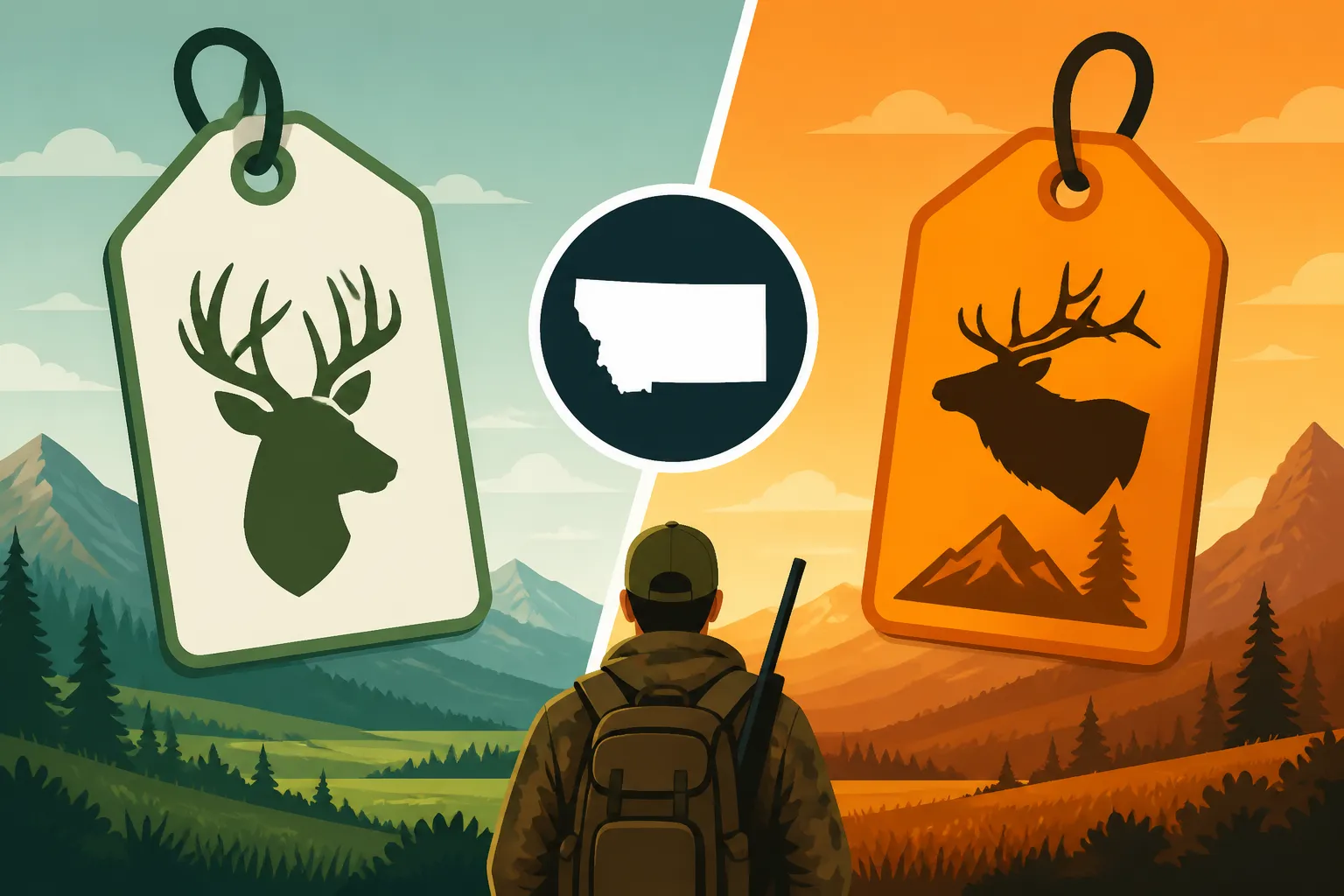
Navigating Montana's hunting regulations can feel like trying to find your way through a dense timber stand in the dark. Many hunters, especially those new to the state or non-residents, get truly frustrated trying to decipher the differences between general tags and permit tags. This comprehensive guide is here to shed light on this often-confusing system, helping you understand how each type works, what they offer, and how to strategically approach your application to maximize your hunting opportunities in Big Sky Country.
Understanding the Montana Hunting Tag System
The Big Sky State is a hunter's paradise, but its licensing and tag system can be notoriously complex. It’s not just about buying a license; it’s about understanding the specific types of tags, how they interact with different hunting districts, and what opportunities they truly unlock. Many seasoned hunters from other states still scratch their heads trying to make sense of the myriad of codes, deadlines, and draw processes. It's a rite of passage, almost, to feel a bit overwhelmed when first diving into the Montana Fish, Wildlife & Parks (FWP) regulations.
Why the System is Complex
The intricacy of Montana's hunting tag system isn't designed to be a barrier, but rather a tool for responsible wildlife management. Montana boasts a diverse array of big game species, from the iconic elk and mule deer to elusive bighorn sheep and mountain goats. Each of these species thrives in different habitats and faces unique conservation challenges. The tag system allows the FWP to fine-tune harvest numbers, ensuring that animal populations remain healthy and sustainable across varied landscapes. Without this granular control, some areas would quickly become over-hunted, while others might not see adequate harvest to maintain ecological balance.
Beyond species management, the system also aims to balance hunting pressure. Montana's vast public lands draw hunters from all over the world, creating significant demand. By limiting entry in certain areas or for specific animals, FWP can distribute pressure, enhance the quality of the hunting experience for those who draw, and protect sensitive wildlife populations from excessive disturbance. This often means creating specific "hunting districts" (HDs) and attaching particular rules, seasons, or tag requirements to them, leading to the confusing web of codes and rules.
The Core Goal of Montana FWP
At its heart, the Montana Fish, Wildlife & Parks’ primary goal is to manage wildlife resources for the benefit of both the animals and the people of Montana. This means maintaining robust, healthy populations of big game species for current and future generations. The tag system, with its division into general and permit tags, is a critical mechanism for achieving this. It allows for flexible management strategies that can be adjusted year to year based on population surveys, habitat conditions, and hunter demand.
Another crucial objective is to provide equitable hunting opportunities. This doesn't necessarily mean everyone gets a tag every year, but rather that the system offers various avenues for participation, from readily available general tags to highly coveted, once-in-a-lifetime permits. For residents, there are often more accessible options, while non-residents contend with a different set of challenges and costs, reflecting the state's responsibility to its own citizens while still welcoming hunters from afar. The hope is that through this system, FWP can ensure quality experiences, manage expectations, and continue Montana's rich hunting heritage.
What are Montana General Tags?
General tags are often the entry point for many hunters in Montana. They represent the more broadly available opportunities and typically cover large areas of the state without being restricted to a single, small hunting district. For most non-residents, acquiring a general tag is tied directly to the purchase of a combination license, which serves as your gateway to hunting in Montana. These tags provide a great opportunity to explore the vast landscapes Montana has to offer, albeit sometimes with more company in the field.
Widespread Availability and Species
The "general" designation means these tags are not restricted to a specific hunting district (HD) or a highly limited quota. Instead, they allow you to hunt a given species in any hunting district designated as "general" for that animal. For elk, this means many units across western and central Montana are open to a general elk tag, allowing hunters a vast amount of country to explore. Similarly, a general deer tag typically covers most of the state for either mule deer or whitetail, depending on the specific regulations of a given HD.
For Montana residents, many general tags, like the general deer or elk tags, are either available over-the-counter or through a relatively high-odds draw process as part of their base license package. Non-residents, on the other hand, typically obtain their general elk or deer tags by drawing one of the coveted non-resident combination licenses. While the draw odds for these combination licenses can be tough, especially for the elk combo, once drawn, you have a general tag that can be used in most general hunting districts. It's important to remember that even with a general tag, certain weapon restrictions (archery-only, muzzleloader-only) or specific dates for particular species will still apply in different areas. Many hunters begin their journey here, learning How to Hunt Elk in Montana with a general tag.
General Season Dynamics and Flexibility
General tags are intrinsically linked to the general hunting seasons, which are typically longer and span a wider range of dates than permit-only seasons. For instance, the Montana general rifle season for elk and deer usually runs from late October through late November, providing several weeks of opportunity. Archery seasons, which typically precede the rifle season, also operate under general tag rules in most districts, allowing for an earlier start. These longer seasons provide significant flexibility for hunters to plan their trips, accommodate weather changes, or scout different areas if their initial plans don't pan out. This is a huge advantage for DIY hunters or those who can only get a week or two off work.
However, this widespread availability and longer season come with trade-offs. General tags often mean you'll be sharing the woods with more hunters, especially on easily accessible public lands. This can necessitate adapting your hunting style, perhaps focusing on less accessible areas, How to Beat the Crowds on Montana Public Land, or utilizing tactics like still-hunting timber where other hunters might push elk. While the tag itself provides broad access, successful hunting often requires significant pre-season scouting or diligent in-season effort to locate unpressured animals. The flexibility to choose your hunting district on the fly, within the "general" boundaries, is a key benefit, allowing you to adapt to weather, snow conditions, or current elk movements. You can learn more about specific dates in the Montana General Rifle Season Dates guide.
The World of Montana Permit Tags
In stark contrast to general tags, permit tags are the golden tickets of Montana hunting. These are typically limited-entry opportunities that provide access to specific hunting districts or for particular species where management objectives require tight control over harvest numbers. Drawing a permit tag often means gaining access to higher quality hunting, lower hunter pressure, or the chance at a truly once-in-a-lifetime animal. However, the path to obtaining one is significantly more challenging, often involving years of applying and building points.
Limited Entry Explained
Limited entry is the defining characteristic of permit tags. Unlike general tags that can be purchased or drawn for broad regions, permit tags are allocated through a lottery system for very specific hunting districts (HDs). The number of permits issued for a given HD is strictly controlled by FWP to meet specific management goals. This could be to maintain a certain buck-to-doe ratio for deer, achieve a desired bull-to-cow ratio for elk, reduce overall pressure in sensitive habitat, or target older age-class animals. For example, some districts might offer only a handful of permits for a specific type of elk, like an "either-sex" tag, in an area where only antlerless animals are typically available on a general tag.
The underlying principle is simple: fewer hunters in a given area often translates to a higher quality experience and less wary animals. This is why many hunters covet permit tags, even if the draw odds are incredibly low. They represent a chance to hunt an area where the game has not been constantly pressured, or where a higher density of mature animals might reside. Understanding these district-specific rules and why permits exist is the first step in deciding whether to invest your time and money into the permit draw.
Permit Types and Specific Hunt Codes
Montana's permit tags are identified by unique alphanumeric "hunt codes," which distill all the specific regulations into a concise identifier. A typical hunt code will look something like "380-20" or "410-00." The first set of numbers (e.g., "380" or "410") always refers to the specific Hunting District (HD). This is the geographic area where the permit is valid. The numbers that follow (e.g., "-20" or "-00") specify the exact details of the hunt: the species (elk, deer, antelope), the sex of the animal (bull, cow, either-sex), the weapon type (archery, rifle, muzzleloader), and sometimes even specific dates or private land restrictions. This system allows FWP to create highly tailored hunting opportunities.
For instance, you might see a code for a "380-00" permit for an either-sex elk tag in HD 380 during the general season, while a "380-01" might be an antlerless-only permit for a later shoulder season. Each digit holds significant meaning, and thoroughly understanding these codes is absolutely paramount when applying. Resources like the FWP regulations booklet and online tools can help decode these, and checking Montana Hunt Codes Explained is highly recommended. Hunters must apply for these permits separately from their general license, and there's usually an application fee involved, even if you don't draw.
Special Permit Opportunities and Challenges
Beyond standard elk and deer permits, Montana offers special permit opportunities for truly coveted species like moose, bighorn sheep, and mountain goat. These are the pinnacle of Western big game hunting and are always permit-only, with incredibly stringent quotas and extremely low draw odds. We're talking about opportunities that some hunters apply for their entire lives and may never draw. For instance, successfully drawing a moose tag in Montana often requires 15, 20, or even 25+ bonus points, reflecting the intense competition and limited availability.
The challenge with these special permits isn't just the low odds; it's the long-term commitment. Hunters dedicate years, sometimes decades, to accumulating bonus points in the hope of drawing one of these once-in-a-lifetime tags. While the dream of hunting a bighorn ram in the high country or a shiras moose in a secluded basin is powerful, it's a marathon, not a sprint. Prospective applicants must be prepared for the financial investment in points year after year, with no guarantee of success. It's a testament to the quality of these hunts that so many hunters are willing to make that commitment.
Key Differences Between General and Permit Tags
When you're planning a Montana hunt, understanding the fundamental differences between general and permit tags is more than just academic; it dictates your entire strategy, from application to time spent in the field. These aren't just two ways to get a tag; they represent entirely different hunting experiences and levels of opportunity.
Access, Opportunity, and Hunter Pressure
The most significant divergence between general and permit tags lies in the access and opportunity they provide, directly impacting the hunter pressure you'll encounter. A general tag, whether for elk or deer, grants you the ability to hunt in vast swaths of the state that are designated as "general units" for that species. This offers incredible flexibility. You can arrive in Montana, check conditions, get a feel for the land, and decide which general area looks most promising. This freedom is invaluable for DIY hunters who want to explore different regions like those described in the Montana Public Land Hunting Guide. However, this broad access often means more competition. On prime public lands, you'll likely encounter other hunters, especially during the peak of the general rifle season. Animals in these areas tend to be more wary and pattern quickly to hunter presence.
Permit tags, conversely, offer highly restricted access to specific hunting districts. This limitation is precisely their appeal. By controlling the number of hunters, FWP can manage the herd to produce higher quality animals or simply reduce overall pressure, leading to a more solitary and potentially more successful hunting experience. Imagine drawing a permit for a particular elk district known for its trophy potential, or a mule deer permit in an area with outstanding buck ratios. While general tags offer widespread opportunity, permit tags often offer higher quality opportunity, albeit for a select few. The trade-off for this exclusive access is the difficulty of drawing one.
Draw Odds and Application Strategy
The draw odds for general tags versus permit tags are night and day, and this heavily influences your application strategy. For non-residents, drawing a Montana Elk Hunting Guide combo license, which includes a general elk tag, has become increasingly challenging, with odds often hovering around 20-30% in recent years. Still, these are significantly better odds than for most limited-entry permits. Residents generally have a much easier time acquiring general tags, often over-the-counter or with very high draw success rates. The strategy for general tags, particularly for non-residents, often revolves around building preference points for the combination license or simply taking a chance each year.
Permit tags, however, are a different beast entirely. Their draw odds can range from single-digit percentages to fractions of a percent, especially for highly sought-after trophy units or species like moose and bighorn sheep. This necessitates a long-term strategy centered around bonus points, which are designed to improve your odds incrementally over many years. Hunters often analyze past draw results meticulously, weighing the cost of applying against the minuscule chances of success. It's a game of patience and perseverance. Tools like those offered by GoHunt become indispensable here, providing data-driven insights into draw odds and permit requirements, helping hunters make informed decisions about where to invest their bonus points and applications.
Cost and Investment
The financial outlay for general versus permit tags also varies considerably. For non-residents, the primary cost for a general tag comes embedded within the price of a combination license, which can be thousands of dollars. This single purchase, if drawn, covers your general elk and/or deer tag, a conservation license, and an AIS prevention pass. While substantial, it's a one-time fee per species combo. If you don't draw, you typically get a refund of the tag portion, but not the application or base license fees.
Permit tags, on the other hand, usually involve additional costs. Even if you hold a general combination license, applying for a permit tag typically incurs a separate, non-refundable application fee for each permit applied for. If you successfully draw a permit, you then pay the full cost of that permit tag. For highly sought-after permits, this can mean hundreds or even thousands of dollars on top of your general license. Moreover, the "investment" in points for permits—whether preference or bonus points—represents an ongoing financial commitment year after year, even when you don't draw. This long-term cost is a crucial consideration for any hunter serious about pursuing Montana's limited-entry opportunities.
Strategy for Applying: General vs. Permit
Successfully navigating Montana's hunting tag system requires a well-thought-out strategy, especially given the state's popularity and the increasing demand for tags. Whether you're a resident or a non-resident, your approach to applying for general or permit tags will significantly impact your hunting opportunities for the season and for years to come. It’s not simply about picking a species; it’s about understanding the nuances of the draw and how to best position yourself.
Non-Resident Considerations
For non-residents, the Montana tag system can feel like a labyrinth. Your primary goal, for many, is to secure a general combination license: either the Elk Combination License or the Deer Combination License, or sometimes both if you’re feeling lucky and have the budget. These combination licenses include the general elk or deer tag, along with a base conservation license and an archery stamp if needed. The draw for these is competitive, with odds for the elk combo typically being the toughest. You build preference points for these combo licenses, which is distinct from the bonus points used for limited-entry permits. Understanding Montana Nonresident License Draw Explained is absolutely essential.
A critical aspect for non-residents is the "25% random draw." After preference points are allocated for combination licenses, the remaining 25% of the non-resident quota is distributed in a purely random draw, regardless of points. This means even a first-time applicant with zero preference points has a chance to draw an Elk or Deer Combo license. However, relying solely on this random draw is a low-percentage game. Most non-residents commit to building preference points over several years to significantly improve their odds of drawing one of these cornerstone general tags. Many will apply for an Elk Combo and, if unsuccessful, often get a deer combo instead as a consolation.
Resident Application Nuances
Montana residents face a different, generally more accessible, set of circumstances. Many general deer and elk opportunities are available over-the-counter or through draws with very high success rates. This means residents often have a reliable path to securing a general tag for either species almost every year. With this baseline opportunity relatively secure, resident strategies often pivot towards leveraging the permit system to access higher-quality or more exclusive hunts.
Residents can afford to be more strategic and patient with their permit applications. They might focus their bonus points on specific trophy elk or mule deer districts, or apply for specialized antlerless permits that can extend their season or provide additional opportunities for meat. Some residents use their general tag for a DIY hunt in more accessible areas, while simultaneously applying for a coveted permit in another district, hoping to draw that once-in-a-lifetime tag. The ability to separate these two strategies – a reliable general tag and a speculative permit tag – gives residents considerable flexibility in planning their hunting seasons.
Using Data and Research to Inform Your Choice
Regardless of residency, a successful application strategy is deeply rooted in research and data analysis. The FWP website provides reams of data, including harvest reports, previous year's draw odds, and permit quotas. However, wading through raw data can be daunting. This is where specialized platforms truly shine. Services like GoHunt provide invaluable, streamlined resources that compile and analyze FWP data, presenting it in user-friendly formats. You can quickly look up draw odds for specific hunting districts, see point trends, and assess the likelihood of success based on your current point totals.
It's not enough to just know the draw odds; you need to understand why they are what they are. Are more permits being offered this year? Did the number of applicants increase? Is there a trend of point creep in a particular district? By delving into this information, you can make an educated decision on whether to apply for a general tag in a familiar area, or to roll the dice on a permit tag in a trophy unit. For instance, if you're targeting a specific species, knowing the Montana Elk Hunting: Archery Tactics for a general tag in one district versus the limited-entry opportunities in another can help shape your application. This meticulous research is the cornerstone of a successful Montana hunting application strategy.
Navigating Draw Odds and Point Systems
Understanding Montana's draw odds and point systems is arguably the most critical aspect of successfully hunting big game in the state, especially if you're eyeing those highly sought-after permit tags. It's a nuanced process that can feel like learning a new language, but mastering it is key to long-term success.
Montana Preference Points vs Bonus Points
Montana uniquely employs two distinct point systems, and confusing them can lead to frustration and missed opportunities.
Preference Points are specifically for the drawing of the non-resident general combination licenses (Elk Combo, Deer Combo, or Big Game Combo). These points offer a true "preference" in the draw. When FWP processes applications, those with the most preference points are considered first. If you have more preference points than another applicant, you will be drawn before them for a combination license, assuming there are tags available in that point tier. You accumulate one preference point each year you apply and are unsuccessful, or you can purchase one point for a fee without applying for a license. Crucially, when you draw a combination license, your preference points are reset to zero. This system rewards consistent, long-term application for the general tags, ensuring that those who put in their time eventually get a shot. For a deeper dive, check out How Montana Preference Points Work.
Bonus Points, on the other hand, are used for all limited-entry permit draws (e.g., specific HD elk permits, moose, sheep, goat, etc.). Unlike preference points, bonus points don't give you a direct preference. Instead, they give you additional chances in a random lottery. Each bonus point you have literally gives you an extra entry into the draw. For example, if you have 5 bonus points, you get 6 entries into the draw (your application plus 5 bonus entries). The more entries you have, the higher your statistical probability of being drawn. When you draw a permit using bonus points, your bonus points for that specific species are then reset to zero. You accumulate one bonus point each year you apply for a permit and are unsuccessful, or you can purchase a bonus point without applying for a permit. This system is designed to give loyal applicants a better chance over time, without making it a guaranteed draw based solely on points. The specifics are detailed in How Montana Bonus Points Work.
Understanding Point Creep
"Point creep" is a phenomenon that every serious Montana big game hunter needs to understand. It refers to the gradual increase in the number of preference or bonus points required to successfully draw a particular tag or permit year after year. This happens because the demand for tags often outpaces the supply, and more hunters are consistently applying and building points. As more people accumulate points, the "minimum" number of points needed to draw a tag effectively rises.
For example, a limited entry elk permit that might have taken 5 bonus points to draw five years ago might now require 8 or 9 points. This means hunters who thought they were "close" to drawing can suddenly find themselves further away from their goal, as the goalpost keeps moving. Point creep makes long-term planning challenging and underscores the importance of consistently applying for points, even if you don't intend to hunt that year. It also highlights the value of using up-to-date data, like that provided by GoHunt, to track these trends and adjust your application strategy accordingly. Ignoring point creep can lead to years of accumulating points only to find you're still not competitive enough for your desired hunt.
Maximizing Your Chances Over Time
Maximizing your chances in Montana's draw system requires a thoughtful, multi-year approach. For non-residents aiming for a general combination license, the strategy is straightforward: build preference points every single year. Purchase a point even in years you can't hunt or don't plan to draw, so you're always advancing in the queue. When you apply, ensure you’ve made yourself eligible for the most desirable combo (e.g., elk/deer).
For limited-entry permits, the strategy is more nuanced. You need to identify permits that align with your hunting goals (trophy, meat, specific species) and then consistently apply for those permits to build bonus points. This also means making difficult choices: do you "burn" your points on a permit with slightly better odds but less trophy potential, or do you hold out for many more years for that dream tag with incredibly tough odds? It's a personal decision that balances desire with statistical reality. Applying as a group can also influence draw odds, sometimes for the better, sometimes not, depending on how the system is designed for a particular draw. Ultimately, it’s about making an informed decision each year about whether to apply for a tag or just purchase a point to improve your odds for the future. Don't forget to look into Montana Combination License Draw Odds to help make your decisions.
Species-Specific Scenarios
The distinction between general and permit tags becomes even clearer when you look at specific species and how they are managed across Montana's diverse landscapes. What works for elk in the mountains might be entirely different for mule deer on the plains or antelope in eastern Montana.
Elk Hunting: General vs. Permit
Elk are arguably the most sought-after big game species in Montana, and the tag system reflects this demand.
General Elk Opportunities
For most hunters, especially non-residents who draw a Montana Elk Hunting Guide combo, the general elk tag is their ticket to hunting these majestic animals. This tag allows you to pursue elk in the vast majority of Montana's general hunting districts, which cover millions of acres of national forest and BLM land in the western and central parts of the state. These are often rugged, beautiful areas, and success here relies heavily on your fitness, scouting, and ability to adapt to changing conditions and hunter pressure. A general elk tag means you have access to a significant portion of Montana's elk herd, but you'll likely be working harder to find unpressured animals. You might focus on backcountry areas requiring considerable effort to reach, or employ tactics like How to Hunt Elk in Montana's Wilderness to find success away from the roads.
While "general" means broad access, it doesn't mean "easy." General elk hunting often involves navigating crowded trailheads, hunting areas where elk have become nocturnal due to pressure, and covering vast distances to find undisturbed pockets of animals. Success rates for general elk tags are lower than for permit tags, but they represent the quintessential Montana elk hunting experience for many. It's about putting in the miles, learning elk behavior in pressured environments, and often being willing to pass up smaller bulls or cows in pursuit of the right opportunity. You can find excellent opportunities in many general units, including some of the Best Districts for Elk Hunting in Montana if you are willing to work for it.
Permit Elk Opportunities
Permit elk hunts, on the other hand, are the realm of exclusivity and often, quality. These permits are allocated for specific hunting districts (HDs) where FWP has very precise management goals. This could be to maintain a high bull-to-cow ratio, increase the age class of bulls, or simply reduce overall hunter pressure in a sensitive area. Drawing an either-sex permit for a specific HD, for instance, might mean you're hunting an area with a higher concentration of mature bulls and significantly fewer hunters to contend with. Imagine hunting a prime area like the Missouri Breaks or parts of Region 3 where bull tags are highly coveted, giving you a chance at a true Montana giant.
The draw odds for permit elk tags are considerably lower than for general combo licenses, often requiring years of accumulating bonus points. However, the reward can be immense. Success rates on permit hunts are typically higher due to lower pressure, better herd demographics, and sometimes longer seasons or different weapon opportunities. These hunts often allow hunters to be more selective, pursuing larger, older bulls. Hunters aiming for a "trophy" bull often focus their efforts and bonus points on these limited-entry opportunities. While the wait can be long, the experience of a permit elk hunt can be truly unforgettable.
Deer Hunting: General vs. Permit
Deer hunting in Montana also operates under both general and permit systems, albeit with slightly different nuances than elk.
General Deer Opportunities
A general deer tag in Montana is often a very reliable tag for both residents and non-residents who draw a deer or big game combo license. This tag typically allows you to hunt either mule deer or whitetail deer across vast general hunting districts throughout the state. Eastern Montana offers expansive prairie and badlands for Montana Mule Deer Hunting Guide, while river bottoms and agricultural areas across the state provide excellent Montana Whitetail Deer Hunting Guide opportunities. The sheer amount of accessible public land, including Block Management Areas, means a general deer tag almost always guarantees a hunting opportunity.
General deer hunting is incredibly diverse, ranging from spot-and-stalk on open sagebrush flats for mule deer to still-hunting dense river bottom timber for whitetails. While hunter numbers can still be high in popular areas, deer populations are generally robust across the state, offering a good chance at success for those willing to put in the time. Many hunters consider a general deer tag a foundational part of their Montana hunting experience, allowing for flexible hunts that can be adapted to various landscapes and conditions.
Permit Deer Opportunities
Permit deer tags are usually issued for specific management reasons, often related to herd control or quality in particular districts. The most common type of deer permit is an "Antlerless B license," which allows hunters to harvest an additional antlerless deer (either mule deer or whitetail, depending on the HD) to help manage populations and provide more meat. These B licenses are often easier to draw than trophy bull elk permits and can be a great way to fill your freezer. Some areas, particularly those bordering cities or with limited public access, may also have "either-sex" or "antlered-only" permits to finely control specific populations where general tags might not be appropriate.
In some rare instances, permits might be required for any deer in areas with very low populations or specific trophy management goals. These are much tougher to draw and often require bonus points. For instance, a particular HD might have a permit for an antlered mule deer where otherwise only antlerless or no deer hunting is allowed. These highly specific permits provide nuanced management tools for FWP, allowing them to precisely tailor harvest to local conditions.
Antelope and Other Species
Beyond elk and deer, Montana's other big game species, such as antelope, moose, bighorn sheep, and mountain goats, are almost exclusively managed through limited-entry permits.
Antelope Hunting
While some might colloquially refer to an antelope tag as "general," in Montana, these tags are almost always drawn by permit in specific Hunting Districts (HDs). There are no "over-the-counter" antelope tags; you must apply for a permit in a specific HD. The "general" aspect might refer to the type of permit being "either-sex," meaning you can harvest a buck or a doe once drawn. Antelope tags are highly sought after, especially in the prime units of eastern Montana's plains. Drawing an antelope permit often requires accumulating a few bonus points, but the odds are generally better than for elk or specialized deer permits. The opportunity to hunt the fastest land animal in North America in its vast native habitat is a unique experience. When drawn, hunters must then focus on How to Hunt Antelope in Montana within their designated district.
Other Big Game
For Montana's most coveted and rare big game animals—moose, bighorn sheep, and mountain goats—the system is entirely permit-based. There are no general tags for these species. Drawing one of these tags is often considered a "once-in-a-lifetime" opportunity, not because FWP prohibits you from drawing again (though some species have waiting periods), but because the draw odds are so incredibly low. As mentioned earlier, accumulating 15-25+ bonus points over many years is often necessary to even have a competitive chance. These hunts are managed with extreme precision to maintain small, vulnerable populations. While challenging to draw, the experience of pursuing a bighorn ram in its high-alpine habitat or a moose in dense willow bottoms is unparalleled and the ultimate goal for many dedicated Western hunters.
Common Misconceptions and Staying Informed
Montana's hunting tag system, with its layers of complexity, is ripe for misunderstandings. Dispelling common myths and committing to staying informed are crucial steps toward a successful and rewarding hunting experience in Big Sky Country.
Debunking Common Myths
One pervasive myth is that "general tags mean easy hunting." While general tags provide broad access, they do not guarantee an easy or successful hunt. In fact, many general areas see significant hunter pressure, especially during the general rifle season. This means elk and deer can become incredibly wary, often moving into dense timber, steep terrain, or private land. Success with a general tag still demands extensive scouting, physical conditioning, and the resilience to hunt hard when conditions are tough. It's often the case that the "easy" access areas are the most difficult to find game in due to competition.
Another misconception is that "permit tags guarantee a trophy." While permit tags often lead to hunting in areas with better herd demographics or lower pressure, there's no guarantee of a trophy animal or even success. You still need to locate the animals, execute a clean stalk or shot, and contend with the unpredictable nature of wild game and mountain weather. A permit reduces some variables (like extreme hunter pressure), but it doesn't eliminate the fundamental challenges of hunting. You are still hunting wild animals, not captive ones.
Finally, some new applicants believe that applying for many different permits will somehow improve their chances across the board. While you can apply for multiple species, bonus points are generally species-specific (and preference points are for non-resident combos). Spreading your applications too thin might dilute your focus for point building and lead to perpetual frustration. A focused, long-term strategy for a few desired permits is usually more effective than scattering applications widely.
What to Do If You Don't Draw
It's an inevitable reality for most hunters: you won't always draw the tag or permit you applied for. This can be deflating, but it's not the end of your hunting season. First, understand that not drawing is a common experience, especially for highly coveted permits. Don't let it deter you from future applications. Montana often has a "second draw" or opportunities for leftover tags, though these are typically for antlerless permits, specific weapon types, or in less desirable areas. These leftover tags are often snatched up quickly, especially by residents.
If your primary big game tag (like a non-resident combo) doesn't come through, you still have options. Montana offers over-the-counter tags for species like black bear (depending on season and region), mountain lion (quota dependent), and wolf. These can provide excellent hunting opportunities and allow you to still get into the field. You might also consider turning your attention to small game or upland birds, which offer plenty of excitement and don't require drawing a permit. The key is to be flexible and have backup plans. Even if you don't draw the big one, there's always something to hunt in Montana.
Staying Up-to-Date with Regulations
The Montana FWP regulations are not static; they change annually. Herd numbers fluctuate, management objectives evolve, and legislative changes can impact seasons, quotas, and application processes. Relying on last year's regulations or outdated information is a recipe for disaster and can lead to missed deadlines or even unknowingly violating a regulation. It is absolutely paramount to read the current year's Montana FWP hunting regulations booklet cover-to-cover as soon as it's released. This document is your bible for the season.
Beyond the official FWP booklet, there are excellent resources available to help you stay informed. Websites like GoHunt provide timely updates on regulation changes, application deadlines, and comprehensive draw odds analysis, often breaking down complex information into easily digestible formats. Joining hunting forums or following reputable Montana hunting blogs can also provide community insights and alert you to important updates. Being proactive in your research and diligently checking official sources, as well as reliable secondary ones, is the best way to ensure you're always operating with the most current and accurate information. This diligence is crucial for planning your hunting trip, understanding Montana Hunting Seasons Explained, and making informed decisions year after year.
General vs. Permit Tags: A Quick Comparison
To help clarify the core differences, here’s a quick overview contrasting Montana’s General and Permit Tags.
| Category | General Tag | Permit Tag |
|---|---|---|
| Availability | Widespread across many HDs, often part of combo license. | Limited entry, specific to a single Hunting District (HD) or sub-unit. |
| Application Process | Non-residents: Primary draw for combo license (preference points). Residents: Often over-the-counter or high-odds draw. | Separate application for each permit (bonus points). |
| Draw Odds | Non-resident combo odds can be competitive (e.g., 20-30% for elk). Resident odds generally very high. | Typically very low odds, ranging from single digits to fractions of a percent. |
| Hunter Pressure | Higher, especially in accessible public lands. | Lower, due to limited number of tags issued. |
| Area Specificity | Valid in all HDs designated as "general" for that species. | Valid only in the specific HD and for the specific hunt code drawn. |
| Cost Implications | Non-residents: Included in expensive combo license. Residents: Lower cost base license. | Additional application fees and full permit cost if drawn, on top of base license. |
| Typical Species | Most elk and deer opportunities (vast majority of the state). | Specific elk/deer (e.g., trophy units, antlerless), moose, bighorn sheep, mountain goat, antelope. |
| Point System | Non-residents: Preference Points (reset when drawn). | Bonus Points (reset for specific species when drawn). |
Disclaimer
Please remember that hunting regulations in Montana, including season dates, draw odds, and application requirements, can change annually. It is your sole responsibility to review and understand the most current Montana Fish, Wildlife & Parks (FWP) regulations booklet before applying for any license or heading into the field. This guide provides general information and should not be considered a substitute for the official FWP regulations. Always hunt ethically, safely, and legally.