Montana Backcountry Hunting Gear List
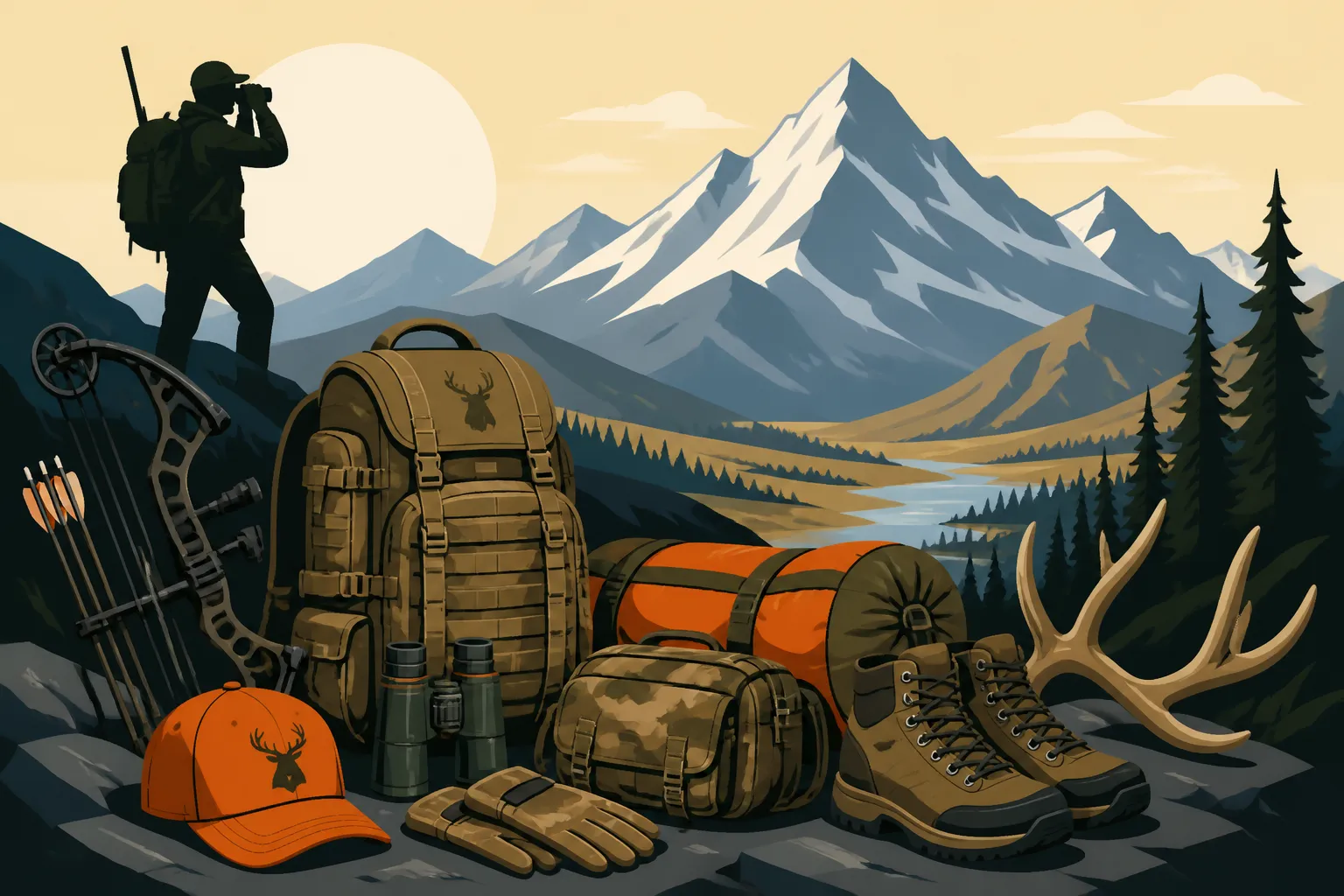
Heading into the vast, untamed wilderness of Montana for a backcountry hunt is an adventure that calls to the soul, but it also presents a significant challenge: knowing exactly what gear to pack to survive and thrive. Many hunters get overwhelmed by the sheer volume of options and the fear of forgetting something critical, or worse, overpacking and carrying unnecessary weight up a mountain. This comprehensive guide will meticulously break down every essential piece of gear you need for a successful and safe Montana backcountry hunt.
The Unique Demands of Montana Backcountry Hunting
Montana's backcountry isn't just a pretty place; it's a formidable environment that tests even the most seasoned hunters. Unlike front-country day hunts, a true backcountry expedition means you are entirely self-sufficient, often miles from the nearest road or even a decent two-track. The gear you choose isn't just about comfort; it's about survival, efficiency, and ultimately, success in a challenging landscape.
Extreme Weather Fluctuations
One of the biggest hurdles in Montana's high country is its notoriously unpredictable weather. You can literally experience all four seasons in a single day, or even within a few hours. A crisp, clear morning can quickly give way to a whiteout snowstorm, only to clear again by afternoon. This isn't an exaggeration; it's a common reality, especially during the archery and early rifle seasons when temperature swings are dramatic. You might start your hike in a light jacket and be shivering in a blizzard by midday if you're not prepared with the right layering system and waterproof outerwear. Neglecting this aspect can quickly turn an exciting hunt into a hypothermic nightmare.
Temperatures can plunge below freezing at night, even in early September, and rise into the 70s or 80s during the day. Wind can be relentless, especially on exposed ridges and passes, stripping away body heat at an alarming rate. Rain, sleet, and snow are always on the forecast, regardless of what the weather app says a week out. This means every piece of clothing and gear, from your tent to your sleeping bag, needs to be capable of performing in a wide range of conditions, not just what you hope to encounter.
Rugged and Remote Terrain
Montana's mountains are beautiful but brutal. You'll encounter steep, rocky ascents, dense timber with deadfall that seems to go on forever, slick creek crossings, and loose shale slides that demand unwavering focus with every step. There are no easy paths to the elk or mule deer; you'll earn every foot of elevation and every mile covered. This ruggedness means your gear needs to be incredibly durable and reliable, capable of withstanding constant abuse.
Furthermore, the remote nature of these areas means help is often hours, if not a day, away. A twisted ankle, a torn tent, or a broken water filter can have severe consequences when you're 15 miles deep in a wilderness area like the Bob Marshall. This reality underscores the importance of redundancy in critical items and choosing gear that won't fail under pressure. When you're packing into the Montana backcountry, every item must justify its weight and prove its worth in the most challenging situations.
Self-Sufficiency is Key
A backcountry hunt is a test of self-reliance. You are your own outfitter, guide, chef, and medic. There's no lodge to return to, no truck waiting with extra supplies, and often no cell service to call for help. Every calorie you burn, every drop of water you drink, and every pound you carry is on you. This means your gear selection must reflect a philosophy of complete independence.
From navigating with a map and compass to field dressing an animal and packing it out solo, every aspect requires specific tools and the knowledge to use them. Forgetting something as simple as a fire starter or a headlamp can drastically impact your ability to function once the sun goes down or the weather turns. This is why a meticulous Montana Backcountry Hunting Guide is so important, ensuring you consider every contingency before you even leave home.
Core Gear Categories: The Absolute Essentials
When planning your Montana backcountry adventure, certain items form the bedrock of your gear list. These are the non-negotiables, the pieces of equipment that enable you to live, sleep, and move efficiently in the wilderness. Cutting corners here is an invitation for trouble.
Backpacks: Your Mobile Basecamp
Your backpack isn't just a bag; it's literally your mobile home and lifeline in the backcountry. It needs to be comfortable enough to carry heavy loads over rough terrain for days on end, yet durable enough to withstand snags, drops, and the weight of a boned-out elk. The fit is paramount. A poorly fitting pack will create hot spots, chaffing, and unbearable discomfort, draining your energy long before you reach your hunting grounds. Look for adjustable suspensions, load lifters, and a sturdy hip belt that transfers weight effectively to your legs, not your shoulders.
For a multi-day backcountry hunt, a pack in the 65-80 liter range is generally recommended. This allows enough volume for your shelter, sleep system, food, clothing, and hunting essentials, while also having the capacity to securely haul out meat if you're successful. Features like external compression straps, a large main compartment, and easy-access pockets for water bottles or optics are incredibly useful. Brands like Mystery Ranch, Kifaru, and Stone Glacier are popular choices among serious backcountry hunters for their robust construction and load-hauling capabilities. Deciding on the Best Backpack for a Montana Elk Hunt really comes down to personal fit and specific trip needs.
Shelter: Your Home Away From Home
Your shelter provides protection from the elements, a critical psychological boost, and a place to regroup and rest. In Montana's unpredictable weather, a reliable shelter isn't a luxury; it's a necessity. Lightweight, durable, and weather-resistant are the key criteria. For backcountry hunting, tents are typically preferred for their enclosed nature and bug protection, though some minimalist hunters opt for tarps or bivy sacks in specific conditions.
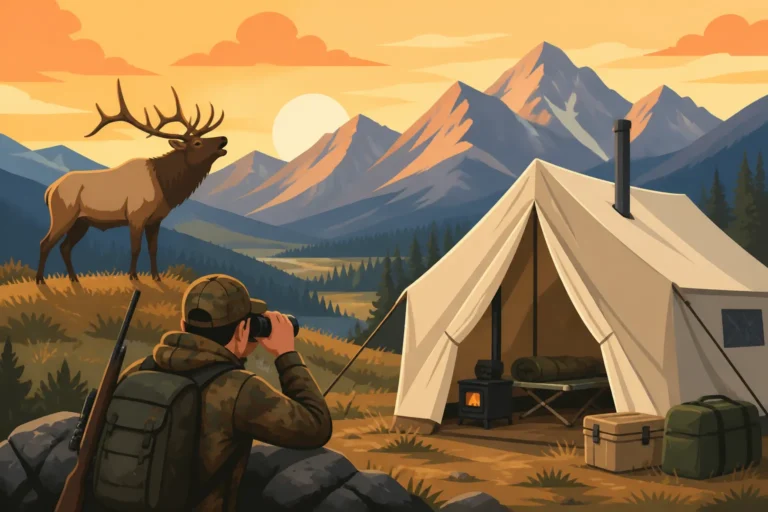
A three-season tent is generally sufficient, but if you're hunting late into the fall or anticipate heavy snow, a four-season model might be warranted. Look for features like strong poles, ripstop nylon fabric, and excellent waterproofing ratings. Ease of setup is also important, especially if you arrive at camp exhausted or in adverse weather. Consider a tent that offers enough interior space to comfortably sit up and organize your gear, but isn't overly bulky or heavy. A good two-person tent can often be comfortable for a solo hunter and their gear, or tight for two if you're sharing. If you're setting up a more permanent camp for longer stays, understanding How to Set Up a Montana Spike Camp might involve slightly different shelter considerations, like a larger floorless shelter with a wood stove for warmth.
Sleep System: Rest for the Rigors
Adequate rest is crucial for physical and mental performance in the backcountry. A good sleep system, consisting of a sleeping bag and a sleeping pad, keeps you warm, comfortable, and ready for another grueling day. Skimping on your sleep system will lead to miserable, sleepless nights, leaving you drained and less effective as a hunter.
Your sleeping bag's temperature rating should be chosen based on the coldest temperatures you expect to encounter, plus a buffer. In Montana, a 0 to 15-degree Fahrenheit rated bag is a safe bet for most fall hunts. Down insulation offers the best warmth-to-weight ratio and compresses well, but loses its insulating properties when wet. Synthetic bags are bulkier and heavier but retain warmth even when damp. Pair your bag with a high R-value sleeping pad (R-value 3.0 or higher) to insulate you from the cold ground. Air pads offer excellent comfort and packability, but require careful handling to avoid punctures. Closed-cell foam pads are bombproof but less comfortable and bulkier.
Clothing Systems: Layering for Montana's Mood Swings
As we've discussed, Montana's weather is notoriously fickle. The only way to effectively manage comfort and safety is through a versatile layering system. This allows you to add or shed clothing as conditions change, regulating your body temperature and preventing excessive sweating or dangerous chilling.
Base Layers: Moisture Management
Your base layer is the foundation of your clothing system, worn directly against your skin. Its primary job is to manage moisture – to wick sweat away from your body, keeping you dry and preventing that clammy, cold feeling. Never wear cotton as a base layer in the backcountry; once it gets wet, it stays wet and will actively draw heat away from your body, a recipe for hypothermia.
Merino wool is an excellent choice for base layers. It's naturally moisture-wicking, breathable, regulates temperature well, and has natural odor-resistant properties, which is a huge plus on multi-day hunts. Synthetic fabrics like polyester also perform well, drying quickly and offering good durability. Choose a lightweight base layer for active periods and potentially a mid-weight option for colder days or sleeping. Having both a top and bottom base layer is essential.
Mid-Layers: Insulation and Warmth
Mid-layers are your insulation pieces, designed to trap warm air close to your body. These are often worn over your base layer and under your outer shell, and can be added or removed as needed to adjust to temperature fluctuations and activity levels. Think of them as your customizable warmth options.
Fleece jackets, puffy synthetic jackets, or down sweaters are common choices. Fleece is durable and performs well when damp, making it a reliable workhorse. Down offers superior warmth-to-weight and compressibility but, like down sleeping bags, loses effectiveness when wet. Synthetic insulated jackets are a great compromise, providing warmth even when damp, and they often stand up better to abrasion than delicate down baffles. For cold hunts, carrying both a lighter fleece and a substantial puffy jacket gives you maximum flexibility, ensuring you know How to Handle Cold-Weather Gear for Montana effectively.
Outer Layers: Weather Protection
Your outer layers, often called shells, are your primary defense against wind, rain, and snow. These need to be completely waterproof and windproof to keep the elements out, yet breathable enough to allow some internal moisture (sweat) to escape, preventing you from getting soaked from the inside out.
A good quality waterproof and breathable jacket and pants are non-negotiable. Look for fabrics like GORE-TEX, eVent, or other proprietary waterproof membranes. Pay attention to features like taped seams, water-resistant zippers, and adjustable cuffs and hoods that can seal out drafts and moisture. While you might only wear your outer layers when the weather turns foul, when you need them, you really need them. They protect your inner layers and maintain your core warmth, making them critical for safety and comfort in Montana's unpredictable climate.
Footwear: Foundation for the Journey
Your boots are perhaps the most critical piece of personal gear for a backcountry hunt. They are your connection to the ground, providing support, protection, and traction over unforgiving terrain. Blisters, wet feet, or inadequate support can quickly derail your entire hunt.
Invest in high-quality, waterproof, and well-broken-in hunting boots. Look for sturdy ankle support to prevent twists and sprains, a stiff sole for stability on rocky slopes, and aggressive tread for grip. Many hunters prefer a sturdy leather or synthetic boot with a GORE-TEX or similar waterproof liner. Ensure your boots are a proper fit, allowing room for thick socks without pinching. Carry at least two pairs of good quality wool or synthetic socks, changing them daily to prevent blisters and manage foot hygiene. It’s also wise to bring along a pair of camp shoes or crocs for resting your feet in the evening. Selecting the Best Boots for Montana Elk Hunting will depend on factors like the terrain you expect, the weight you'll carry, and your personal foot shape.
Navigation and Communication: Staying Found and Connected
In the vastness of the Montana backcountry, getting lost or being unable to communicate in an emergency can have dire consequences. Reliable navigation and communication tools are absolute necessities for safety and efficient hunting.
GPS Devices and Mapping Apps
While traditional map and compass skills are foundational and should never be neglected, modern GPS devices and smartphone mapping apps have become indispensable. They offer real-time location tracking, detailed topographic maps, land ownership overlays (crucial for distinguishing public from private land), and the ability to mark waypoints for camp, water sources, animal sightings, or even your downed game.
Dedicated handheld GPS units like those from Garmin are rugged, long-lasting on battery life, and often more reliable in extreme cold or wet conditions than a smartphone. However, smartphone apps like onX Hunt have revolutionized backcountry navigation. They offer incredibly detailed maps, often with features like satellite imagery, timber cuts, and public land boundaries highlighted. Always download your maps for offline use before you leave cell service, and carry a portable power bank to keep your phone charged. Consider using a combination of both – a dedicated GPS as a primary navigation tool and your smartphone with a mapping app as a backup. Resources from GoHunt can also be invaluable for pre-hunt scouting and understanding unit specifics, making your electronic navigation even more effective.
Satellite Communicators and Emergency Gear
In many remote parts of Montana, cell service is non-existent. A satellite communicator provides a vital link to the outside world for emergencies and peace of mind. Devices like the Garmin InReach or Zoleo allow you to send and receive text messages via satellite, and more importantly, trigger an SOS call to emergency services if truly needed. This isn't just for you; it's for your loved ones back home who can track your progress and know you're safe.
Beyond a satellite communicator, always carry basic emergency gear. This includes a whistle, a signaling mirror, a headlamp with extra batteries (or a spare headlamp), a fire starter (waterproof matches, lighter, fire steel), and an emergency blanket or bivy. Even a small, brightly colored flag or ribbon can be useful for marking a trail or a kill site. Knowing Montana Backcountry Hunting Safety Tips often starts with having these critical communication and emergency tools readily available.
Optics and Hunting Tools: Eyes and Hands in the Field
Hunting in Montana, especially for big game like elk and mule deer, often involves covering vast distances and meticulously glassing expansive landscapes. Your optics are your eyes, extending your vision far beyond what the naked eye can see, and your hunting tools are what allow you to process and pack out your reward.
Binoculars and Spotting Scopes
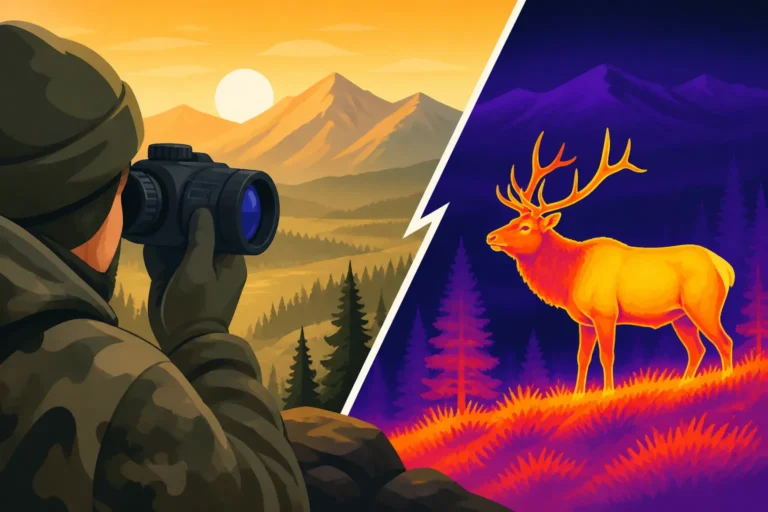
High-quality optics are not a luxury; they are a fundamental hunting tool in Montana. You'll spend countless hours behind glass, searching for the subtle flick of an ear, a patch of antler, or the tell-tale horizontal line of an animal against a vertical landscape. For general use, 10×42 or 12×50 binoculars are excellent choices, offering a good balance of magnification and field of view. Look for durable, waterproof models with clear, bright glass. Brands like Vortex, Maven, Zeiss, and Swarovski are popular for their optical performance.
For serious long-range glassing, particularly when hunting open country for mule deer or trying to pick apart distant timber for elk, a spotting scope is invaluable. A 65mm or 80mm objective lens with a variable zoom eyepiece (e.g., 15-45x or 20-60x) will allow you to pick apart terrain and evaluate animals at extreme distances, saving you precious hiking miles. A lightweight, sturdy tripod is essential for using a spotting scope effectively and reducing fatigue when glassing for extended periods. Combining a good pair of binos with a spotting scope, all supported by a solid tripod, gives you the ultimate advantage, truly living up to the need for Best Optics for Montana Big Game.
Knives and Field Dressing Kits
Once you've successfully harvested an animal, the real work begins. A sharp, reliable knife is absolutely critical for field dressing and butchering. Carry at least two knives: a fixed-blade knife for heavy work and a smaller, sharper folding knife or a replaceable-blade knife for more delicate tasks. Replaceable-blade knives are incredibly sharp and lightweight, making quick work of skinning and quartering.
Your field dressing kit should also include nitrile gloves for hygiene, a small bone saw (optional but helpful for splitting the sternum or pelvic bone on larger animals), and a sharpening stone or sharpener to keep your blades razor-sharp throughout the process. Don't forget some sturdy cordage to tie off limbs or hang meat. Having the right tools makes the physically demanding task of How to Quarter an Elk in the Montana Backcountry much more manageable.
Game Bags and Hauling Solutions
Successfully quartering an animal is only half the battle; you then need to protect and transport the meat. High-quality game bags are essential for keeping meat clean, cool, and free from flies and debris. Breathable synthetic game bags are far superior to cheesecloth, allowing the meat to cool while protecting it. Carry enough bags for all the meat, including separate bags for the backstraps, tenderloins, and ideally, the head and cape if you plan to salvage them.
When it comes to hauling, your backpack needs to be capable of carrying heavy, awkward loads. Many hunting packs feature an external load shelf designed specifically for securing meat quarters outside the main pack bag, keeping your primary compartment clean. If you anticipate heavy loads, a frame pack can be a game-changer for comfort and efficiency. Always remember the weight of water, bone, and meat can be substantial; an average bull elk can yield 200-300 pounds of boned-out meat, requiring multiple trips or a strong hunting partner. For larger animals, understanding How to Pack Out an Elk in Montana efficiently is paramount.
Food, Water, and Cooking: Fueling Your Adventure
Your body is your engine in the backcountry, and just like any engine, it needs proper fuel and hydration to perform. Planning your food and water strategy is not just about avoiding hunger; it's about maintaining energy levels, mental clarity, and physical endurance.
Water Filtration and Storage
Hydration is non-negotiable. You'll be expending significant energy, often at high altitudes, and dehydration can quickly lead to fatigue, headaches, and impaired judgment. While you can carry some water, it's too heavy to carry all your needs for a multi-day hunt. A reliable water filtration or purification system is essential. Options include pump filters, squeeze filters (like Sawyer Squeeze or Katadyn BeFree), gravity filters, or chemical purification tablets. Many hunters carry a combination, such as a squeeze filter for daily use and tablets as a backup.
You'll also need containers to carry water. A hydration reservoir (2-3 liters) in your pack is convenient for sipping throughout the day. Additionally, carrying a durable Nalgene bottle or two ensures you have extra capacity, especially when setting up camp away from a water source, or when you’re doing short excursions from a spike camp. Before heading out, researching local water sources using resources like GoHunt maps can save you a lot of time and effort in the field.
High-Energy Food Selection
Every ounce of food you carry must provide maximum nutritional value for its weight. Backpacking meals should be calorie-dense, easy to prepare, and provide sustained energy. Dehydrated or freeze-dried meals are popular choices for dinners, as they are lightweight and only require hot water. Brands like Peak Refuel or Mountain House are commonly used.
For breakfast and lunch, focus on snacks that are quick to eat and don't require cooking. Energy bars, nuts, dried fruit, jerky, summer sausage, cheese, and tortillas are all excellent choices. Pack enough food for the duration of your trip, plus an extra day or two's worth as a safety buffer. Divide food into daily rations to help with portion control and organization. Your Montana Elk Hunt Fitness Plan should also consider your nutritional intake to match the strenuous activity.
Portable Cooking Systems
While some minimalist hunters might cold-soak food, most prefer a hot meal or drink in the backcountry, especially on cold mornings or evenings. A lightweight, compact cooking system is necessary. This typically includes a small backpacking stove (like a Jetboil or MSR PocketRocket), a fuel canister (isobutane-propane blend is common), a lightweight pot, and a spork.
Consider how many people you'll be cooking for. A smaller system is fine for solo hunters, while a larger pot might be needed for a group. Don't forget a small rag or sponge for cleaning, and always pack out all food waste and trash. A hot cup of coffee or a warm meal can significantly boost morale after a long, cold day on the mountain.
Safety and First Aid: Prepared for the Unexpected
Even with meticulous planning, accidents and emergencies can happen. Being prepared with a comprehensive first-aid kit and knowledge of wildlife safety protocols is crucial for mitigating risks and ensuring a safe return home.
Comprehensive First-Aid Kit
A basic first-aid kit is not enough for the backcountry. You need a kit that addresses common hunting injuries and wilderness emergencies. This includes supplies for cuts, scrapes, blisters (moleskin is your friend!), sprains, burns, and general ailments like headaches or stomach issues. Beyond the basics, consider adding items specific to backcountry hunting: wound closure strips, trauma dressings, pain relievers stronger than ibuprofen, anti-diarrhea medication, and any personal prescription medications.
It's not enough to just carry a kit; you need to know how to use it. Consider taking a wilderness first aid course. Knowledge of basic first aid and CPR can be a lifesaver, not just for you, but for a hunting partner. Remember, medical help is often far away, so you need to be able to stabilize yourself or a partner until assistance can arrive, or until you can self-evacuate.
Bear Protection and Wildlife Safety
Montana is grizzly bear country in many of its prime hunting areas, and black bears are present throughout the state. Bear spray is a non-negotiable item, not an option. Carry it in an easily accessible holster on your hip or chest, not buried inside your pack. Know how to use it, and understand its limitations.
Beyond bear spray, practice good bear country etiquette: make noise while hiking, especially in dense timber or along noisy creeks, to avoid surprise encounters. Store all food and scented items in bear-resistant containers or hung from a tree well away from your camp. Be aware of your surroundings, scan ahead, and be prepared to react. It's also wise to carry a small repair kit for your gear, including duct tape, tenacious tape, cordage, and a needle and thread, addressing minor gear failures before they become major problems.
Summary of Essential Montana Backcountry Hunting Gear
Here's a quick overview of the key gear categories and specific items to consider for your next Montana backcountry hunt. This table serves as a checklist, but remember to tailor your specific choices to your individual needs, the expected conditions, and the duration of your trip.
| Category | Essential Items | Key Considerations |
|---|---|---|
| Backpack & Carry | Main Pack (65-80L), Day Pack (optional), Dry Bags | Fit, Durability, Load Hauling, External Frame vs. Internal Frame |
| Shelter & Sleep | Tent (3/4-season), Sleeping Bag (0-15°F), Pad | Weight, Weather Resistance, Insulation Rating, R-Value of Pad |
| Clothing System | Base Layers (Merino/Synthetic), Mid-Layers (Fleece/Puffy), Outer Shell (Waterproof/Breathable Jacket & Pants), Hat, Gloves, Gaiters, Camp Shoes, Wool Socks | Layering for Varied Temps, Moisture-Wicking, Quick-Drying, Durability, Redundancy |
| Footwear | Waterproof Hunting Boots | Ankle Support, Stiff Sole, Traction, Waterproofing, Break-in Period |
| Navigation & Comm. | GPS Device/Smartphone App (onX), Map, Compass, Power Bank, Satellite Communicator | Redundancy, Offline Maps, Battery Life, Emergency SOS Capability |
| Optics & Hunting | Binoculars (10-12x), Spotting Scope (optional), Tripod, Rangefinder, Headlamp, Fixed-Blade Knife, Replaceable Blade Knife, Field Dressing Kit, Game Bags | Clarity, Magnification, Durability, Blade Sharpness, Meat Protection, Brightness |
| Food & Water | Water Filter, Water Bottles/Reservoir, Dehydrated Meals, High-Energy Snacks, Small Stove, Fuel | Calorie Density, Hydration, Reliability, Fuel Efficiency |
| Safety & First Aid | Comprehensive First-Aid Kit, Bear Spray, Whistle, Fire Starter, Emergency Blanket, Repair Kit, Headlamp (Backup) | Knowledge of Use, Accessibility, Personal Medications, Wildlife Awareness |
Disclaimer
The information provided in this guide is for general informational purposes only and does not constitute professional advice. Hunting in the Montana backcountry carries inherent risks, and conditions can change rapidly. Always exercise caution, prepare thoroughly, and consult official Montana Fish, Wildlife & Parks regulations. Personal safety, proper training, and sound judgment are paramount for any wilderness endeavor.