Montana Elk Season Dates Guide
Navigating the labyrinthine regulations for Montana elk season dates can feel like solving a complex puzzle, especially for those new to the state or just getting into big game hunting. The fear of missing a crucial deadline or misunderstanding a specific hunt code is real, and it can truly derail your hunting plans. This comprehensive guide is designed to cut through that confusion, breaking down everything you need to know about Montana's elk season dates, from archery openers to late-season opportunities, ensuring you're fully prepared for your next big adventure.
Understanding Montana Elk Season Structure
Montana's approach to elk hunting seasons is robust, designed to manage healthy elk populations across diverse landscapes while providing ample opportunity for hunters. However, this complexity often means it's not a simple "open and close" date across the board. The system accounts for various weapon types, specific hunting districts, and even allocates different tags for bulls versus cows. It’s a nuanced system that rewards careful study and planning.
General Elk Season Basics
The general elk season in Montana is what most hunters think of when they picture chasing elk in the Big Sky Country. This typically covers a significant portion of the fall, allowing for both archery and rifle hunting within specific date ranges. However, it's vital to understand that "general" doesn't mean uniform. While there are statewide general season dates for both archery and rifle, many hunting districts operate under special restrictions or extended seasons. For instance, some districts might be brow-tined bull only, while others might have antlerless opportunities. These general seasons are often the most accessible for hunters holding a general elk license, but success often hinges on understanding the localized rules.
During the general season, hunter pressure can be considerable, especially on easily accessible public lands. Hunters often face the challenge of finding unpressured elk, which can involve hiking deeper into the backcountry or utilizing private land access if available. The statewide dates provide a framework, but the true essence of a successful general season hunt lies in district-level research. This means diving into the Montana Fish, Wildlife & Parks (FWP) regulations booklet and cross-referencing district maps with the specific dates and limitations. Many hunters rely on tools like GoHunt to streamline this research, allowing them to filter by district and quickly understand the regulations before ever stepping foot in the field.
Special Permit and Archery-Only Seasons
Beyond the general season lies a whole world of special permits and archery-only opportunities that can greatly enhance your hunting experience. These are often the keys to hunting specific units that hold trophy animals, offer extended seasons, or provide unique hunting conditions. Special permits are typically limited-entry tags, meaning a specific number of tags are drawn from a pool of applicants. These can be for either-sex elk, antlerless elk, or even specific trophy bull units. The draw odds for these can range from excellent to incredibly challenging, sometimes requiring years of accumulating bonus points.
Archery-only seasons are another significant component. While archery is often allowed during a portion of the general rifle season, many districts also have dedicated archery-only periods, usually preceding the general rifle opener. These provide bowhunters with unique opportunities to pursue elk before rifle hunters take to the woods, often during the peak of the rut. This can be a magical time to be in the mountains, listening to bugling bulls and attempting to call them into close range. The key here is not just knowing the dates, but understanding the specific regulations that apply to archery equipment, such as minimum draw weights and broadhead requirements. For a deeper dive into bowhunting strategies, check out our Montana Archery Elk Hunting Guide.
How Regulations Change Annually
It's a common frustration among hunters: just when you think you've got the regulations figured out, they change! Montana's hunting regulations are dynamic, subject to annual review and adjustment by the FWP commission. These changes are driven by a variety of factors, including elk population trends, harvest data from previous seasons, habitat conditions, public input, and the overarching goals for wildlife management in different regions. What was a general unit last year might become a permit-only unit this year, or antler restrictions might be added or removed.
These changes can significantly impact your hunting plans, especially if you apply for special permits. Hunters who don't stay on top of the annual changes risk applying for the wrong tag, misinterpreting season dates, or worse, hunting illegally. FWP usually publishes proposed changes well in advance, allowing for public comment, and final regulations are typically released in late spring or early summer. Staying informed through the FWP website, hunting forums, or subscription services like GoHunt that summarize these changes is crucial. It’s not just about knowing the dates, it’s about knowing which dates are current for this year's hunt.
Montana Archery Elk Season Dates
Archery season for elk in Montana is a highly anticipated time for many hunters. It usually provides the earliest opportunity to pursue elk, often coinciding with the early stages of the rut or the full-blown bugling peak. The challenge and intimacy of bowhunting, combined with the chance to hunt before the larger crowds of rifle season, make it a truly special experience.
Early Archery Opportunities
The vast majority of Montana's general archery elk season typically kicks off in early September. This period often finds bulls still grouped up, or just beginning to break off and establish dominance, making for some intense, vocal encounters. Early season hunts can be dictated by weather; warm temperatures can mean elk are more nocturnal, focusing on feeding during cooler night and early morning hours, and bedding down in thick timber or north-facing slopes during the day. This requires hunters to adapt their tactics, often focusing on water sources, wallows, or transition areas between feeding and bedding.
Successful early archery hunting often depends on extensive scouting. Knowing where elk are feeding, watering, and bedding before the season opens gives you a significant advantage. This can involve scouting in late summer, utilizing trail cameras, or simply spending time observing from a distance. Early archery also presents different physical challenges; while you might not be fighting deep snow, you'll likely be dealing with warmer temperatures, requiring careful attention to hydration and meat care immediately after a harvest. For those interested in advanced scouting techniques, exploring resources like How to E-Scout Montana Hunting Units can be incredibly beneficial.
Peak Rut Archery Tactics and Dates
The peak of the elk rut, typically occurring in late September and extending into early October, is the most iconic period for archery elk hunters. This is when bulls are most vocal, bugling frequently to attract cows and challenge rivals. The sound of a bull bugling through a mountain canyon is an experience that resonates deeply with any hunter who has heard it. During this time, calling tactics become incredibly effective. Aggressive bugles, cow calls, and even raking trees can often bring a bull charging in, looking for a fight or a willing cow.
While the general archery season usually encompasses this peak rut period, specific district regulations can still apply. Hunters often plan their hunts around these dates, understanding that while success isn't guaranteed, the sheer excitement and activity level of the elk are at their highest. Being in the right place at the right time during the rut, coupled with effective calling and stealth, can lead to incredible opportunities. However, the rut also draws more hunters, so finding unpressured elk can still be a challenge. Understanding How to Call Elk in Montana can make all the difference during this exciting window.
Late Archery Seasons and Considerations
Some hunting districts in Montana offer extended archery seasons, sometimes stretching into late October or even early November, overlapping with portions of the general rifle season. These late archery opportunities can be fantastic, but they come with their own set of challenges and considerations. By this time, the rut has typically wound down, and bulls are often more reclusive, recovering from the intensity of breeding season. Elk might also be shifting to winter range, making their patterns harder to predict.
Hunting late archery requires a shift in strategy. Instead of relying heavily on calling, hunters often revert to more still-hunting or spot-and-stalk tactics. Elk are also more alert due to increased hunter pressure from the general rifle season, so stealth becomes paramount. The weather can also be a significant factor, with cold temperatures, rain, or even early snowfalls making conditions tougher but also potentially moving elk into more predictable patterns. Being prepared for adverse weather and knowing how to adjust your hunting style for post-rut elk are critical for success in these later archery periods.
Montana General Rifle Elk Season Dates
The general rifle season is perhaps the most widely recognized and participated-in elk hunt in Montana. It’s when a vast number of hunters take to the field, hoping to fill their freezers or harvest a trophy bull. This season typically spans several weeks, offering diverse opportunities across the state.
Statewide General Season Opener and Closer
For many hunting districts, the general rifle elk season opens in late October and runs through late November. This is a crucial window for residents and non-residents alike to pursue elk with firearms. The specific dates are set annually by FWP, but historically, this five-week period has been the backbone of Montana's elk hunting. During this time, elk are often still in transition from their higher summer ranges to wintering grounds, influenced heavily by weather, snow accumulation, and hunting pressure.
The opener itself is often met with high enthusiasm and can see a significant influx of hunters, especially on easily accessible public lands. This "opening day rush" can disperse elk, making them harder to locate in the days immediately following. As the season progresses, cooler temperatures and increasing snowfall tend to push elk lower in elevation, concentrating them in certain areas, which can sometimes improve hunting success for those who persist. Understanding these general season dynamics is key to planning a successful hunt. For detailed tactics, consider reviewing our Montana Rifle Elk Hunting Guide.
District-Specific Rifle Seasons and Quotas
While the statewide general rifle season provides a broad framework, it is absolutely paramount to check the specific regulations for the hunting district you plan to hunt. Montana has hundreds of hunting districts, and many have unique rules, even during the general rifle season. Some districts might be general for either-sex elk, while others might be brow-tined bull only, or even spike-only. Some districts might have a shortened general rifle season, while others might have extended "shoulder seasons" or specific late-season opportunities.
These district-specific rules are often implemented to manage local elk populations, address landowner concerns, or achieve specific herd objectives. For example, a district experiencing high elk numbers and depredation issues might have liberal antlerless opportunities, sometimes even with second elk B licenses. Conversely, a district with low bull-to-cow ratios might have restrictive bull tags. Knowing these nuances is critical not only for legality but also for maximizing your hunting success. Websites and apps like GoHunt are indispensable for breaking down these district-specific regulations, allowing hunters to quickly look up hunt codes and season structures.
Navigating Hunter Pressure During Rifle Season
One of the biggest realities of the general rifle season, especially on public land, is hunter pressure. With thousands of hunters in the field, elk quickly become wary and change their behavior. They will often seek refuge in thick timber, steep terrain, or areas with difficult access. This is where physical conditioning and strategic thinking become vital. Hunters who are willing to hike further, navigate challenging landscapes, or hunt during weekdays often find better success by avoiding the crowds.
Pressure also influences elk movement. Elk that are regularly bumped will often move to adjacent private lands or into wilderness areas where hunting pressure might be less intense. Understanding how to adapt to these conditions, whether it's by changing your approach, utilizing different terrain, or employing still-hunting tactics in dense cover, is a hallmark of an experienced Montana elk hunter. Sometimes, the best strategy is simply to wait out the initial rush and hunt during the mid-week doldrums or towards the end of the season when fewer hunters are in the field. Effective strategies for dealing with pressure can be found in our guide on How to Hunt Elk in Montana Rifle Season Pressure.
Special Elk Permit and B License Seasons
Beyond the standard general elk tag, Montana offers a complex but rewarding system of special permits and "B licenses" that provide additional opportunities, often for specific species, sexes, or in limited-entry units. Understanding these is crucial for anyone looking to maximize their Montana elk hunting potential.
Drawing Limited Entry Bull Elk Permits
Limited-entry bull elk permits are the golden tickets for many nonresident hunters and coveted by residents. These permits are allocated to specific hunting districts and often have significantly better success rates or offer opportunities for truly mature bull elk in areas with tightly managed populations. The number of permits issued for each district is strictly controlled, making the draw odds challenging, sometimes requiring years to accumulate enough bonus points to be successful.
The application period for these permits typically runs from early March to early April, with results usually announced in late spring or early summer. Hunters must apply for these permits well in advance of the season, and it involves a non-refundable application fee. The strategy for drawing these permits often revolves around balancing draw odds with the quality of the hunting experience. Some hunters consistently apply for the toughest units, hoping for a once-in-a-lifetime tag, while others might target units with slightly better odds to increase their chances. Understanding the intricacies of Montana Nonresident License Draw Explained and How to Draw a Montana Elk Tag as a Nonresident is paramount here.
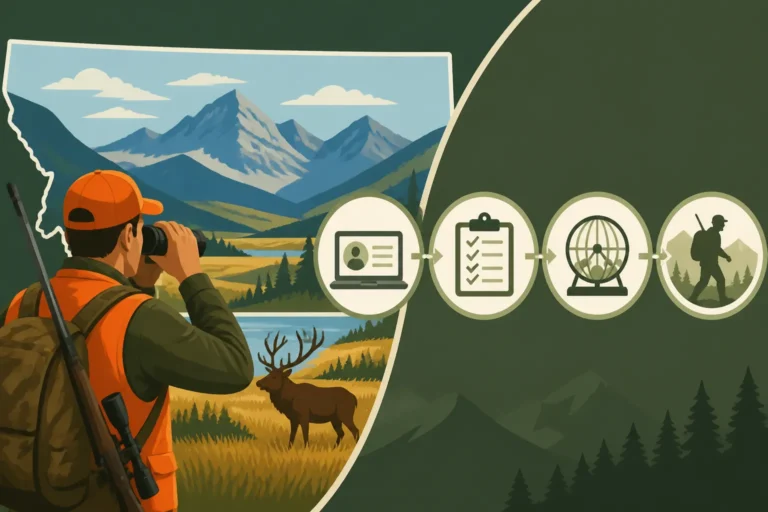
Here's a simplified look at the draw process:
| Step | Description | Typical Timeline |
|---|---|---|
| 1. Purchase Base License | Non-residents must first purchase a non-refundable base hunting license. | Jan 1 – March 15 |
| 2. Apply for Combination License | Apply for the Non-resident Elk Combination or Deer Combination license, which includes a general tag. | Early March – April 1 |
| 3. Apply for Special Permits | Apply for any specific limited-entry permits (e.g., bull elk permits) for specific hunting districts. | Early March – April 1 |
| 4. Accrue Preference/Bonus Points | If unsuccessful, preference points (for combo licenses) or bonus points (for permits) are usually awarded. | Annually |
| 5. Await Draw Results | FWP conducts the draw and notifies applicants of their success or failure. | Mid-April to Mid-May |
| 6. Purchase Drawn Tags | Successful applicants must purchase their drawn tags by a specified deadline. | Late May – June |
Antlerless Elk (B Licenses) Opportunities
Antlerless elk, often referred to as "cow tags" or "B licenses," play a crucial role in Montana's elk management. These tags allow hunters to harvest a cow or calf, helping to manage herd sizes, reduce depredation on private lands, and provide excellent meat hunting opportunities. Unlike the general elk tag which is typically for an "either-sex" or "brow-tined bull," B licenses are specifically for antlerless animals. Many districts offer these B licenses, and they can be drawn through a separate bonus point system or, in some cases, purchased over-the-counter or as leftover tags.
The availability of B licenses varies significantly by hunting district and year. Districts with robust elk populations often have more liberal B license opportunities, sometimes even allowing hunters to purchase multiple B licenses. These tags often have extended seasons, sometimes opening earlier than the general season or running later into December. This can provide fantastic late-season hunting, especially when combined with favorable snow conditions that push elk onto accessible public lands. These tags are often a more accessible way for both residents and non-residents to hunt elk in Montana, especially for those prioritizing meat in the freezer. For more details on these specialized tags, see our Montana General vs Permit Tags Explained article.
Understanding Hunt Codes and Application Deadlines
Montana's hunting regulations are built around a system of hunt codes, which can initially seem daunting. Each hunt code represents a specific hunting district, species, sex, weapon type, and season date combination. For example, "290-00" might signify a general elk tag in District 290, while "290-20" might be a limited-entry antlerless permit for the same district. It's imperative to correctly identify and apply for the right hunt code to ensure you're pursuing your desired tag and complying with regulations.
Beyond the codes, strict application deadlines are perhaps the most critical aspect of the special permit and B license system. Missing a deadline, even by a day, means you're out of luck for that year. The primary application period for most special permits and combo licenses generally falls in March and April. It's a common practice for serious hunters to mark these dates on their calendars and set multiple reminders to ensure they get their applications in on time. Services like GoHunt are excellent for tracking these critical deadlines and providing detailed draw odds analysis, helping hunters make informed decisions about where to apply.
Muzzleloader and Late-Season Elk Hunting
While archery and general rifle seasons are the most prominent, Montana also offers specialized opportunities for muzzleloader hunters and unique late-season hunts that can extend the elk hunting experience well into winter. These seasons often cater to a specific type of hunter and require different strategies.
Muzzleloader-Specific Elk Hunts
Montana does not have a statewide dedicated muzzleloader-only elk season that precedes the general rifle season, as some other western states do. Instead, muzzleloaders are generally allowed during the general rifle season, meaning a hunter holding a valid general elk tag can choose to hunt with a muzzleloader during those dates. However, some special limited-entry permits may be designated as "muzzleloader-only" for specific districts or timeframes. These permits are rare but offer a unique challenge for traditional muzzleloader enthusiasts.
Hunting with a muzzleloader adds an extra layer of difficulty and satisfaction. The single-shot nature, shorter effective range, and reliance on black powder technology require meticulous preparation, understanding of your weapon's capabilities, and ethical shot placement. For hunters who enjoy the challenge and historical aspect of muzzleloader hunting, seeking out these specific limited-entry permits can be a rewarding pursuit. Even when hunting during the general rifle season, choosing a muzzleloader means embracing a more traditional, close-quarters hunting style.
Post-General Season Elk Hunting (Shoulder Seasons)
"Shoulder seasons" are a relatively newer addition to Montana's elk management toolbox, designed to address specific elk population objectives, particularly in districts where elk numbers are above management goals or where there are significant landowner conflicts due to depredation. These seasons occur either before the general archery season or after the general rifle season, often extending into December or even January. They are typically district-specific, often restricted to antlerless elk, and can have specific weapon type restrictions (e.g., archery only, or archery and shotgun/muzzleloader).
These shoulder seasons can provide incredible opportunities for hunters to fill their freezers, especially as elk move to lower elevations and winter ranges. However, they require careful monitoring of FWP regulations, as the dates, weapon restrictions, and even open areas within a district can vary significantly from year to year. Success during shoulder seasons often depends on hunting pressured animals, dealing with cold and snowy conditions, and sometimes gaining access to private lands where elk may be congregating. For those willing to brave the winter weather, these seasons can be highly productive. Our article on Late-Season Elk Hunting in Montana delves deeper into these unique opportunities.
Weather and Migration Impacts on Late Season
Late-season elk hunting, particularly during shoulder seasons or extended antlerless opportunities, is heavily influenced by weather and elk migration patterns. As winter deepens and snow accumulates at higher elevations, elk are forced to move down to their traditional winter ranges, which are typically at lower altitudes and often closer to human habitation or agricultural areas. These migrations can concentrate elk, making them easier to locate, but also more vulnerable to hunter pressure.
A heavy snowfall can trigger significant elk movement, presenting a "cold-front push" that serious late-season hunters eagerly anticipate. However, cold weather also means harsher conditions for hunters, requiring specialized gear for warmth and survival. Hunters need to be prepared for deep snow, ice, and extremely low temperatures. Furthermore, elk metabolism slows in winter, and they become more sensitive to disturbance. Ethical considerations are paramount; while harvesting an elk is the goal, harassing already stressed wintering animals should be avoided. Understanding How to Hunt Elk in Montana Snow and How to Hunt Montana's Late-Season Migration are vital for ethical and successful late-season efforts.
Key Dates and Application Timelines for Montana Elk Tags
Navigating Montana's hunting license and permit system can feel like deciphering a complex code, especially for non-residents. But understanding the crucial dates and application timelines is absolutely non-negotiable for anyone hoping to hunt elk in the state. Miss a deadline, and you'll likely miss your chance for the year.
The Importance of the Montana Draw System
Montana operates a robust draw system for many of its desirable elk tags, particularly for non-residents seeking a combination license and for specific limited-entry permits for both residents and non-residents. This system ensures fair allocation of tags and helps manage elk populations across the state's diverse hunting districts. For non-residents, drawing an "Elk Combination" or "Big Game Combination" license is often the gateway to hunting elk in Montana. These highly coveted licenses are limited in number and are allocated through a preference point system.
The draw system isn't just about luck; it's about strategy. Understanding how preference points and bonus points work is crucial. Preference points, used for the non-resident combination licenses, essentially give you a better chance in the draw each year you apply and are unsuccessful. Bonus points, used for specific species permits (like limited-entry elk permits), accumulate, and each point gives you an additional "chance" in the random draw. For a detailed breakdown, our guide on Montana Preference Points vs Bonus Points is an essential read. Many hunters dedicate years to building these points, recognizing them as an investment in future hunting opportunities.
Application Deadlines and Requirements
The most critical period for anyone planning a Montana elk hunt is the application window, typically from early March to April 1st. This is when non-residents apply for their combination licenses (Elk Combo, Big Game Combo, Deer Combo), and all hunters (resident and non-resident) apply for special permits for species like elk, deer, moose, sheep, and goat. Missing the April 1st deadline means you cannot apply for these coveted tags for the current year.
Here's a general overview of key deadlines and requirements:
- Mid-March (around March 15th): Deadline for non-residents to purchase the Base Hunting License ($15.00). This non-refundable license is required before you can apply for any combination licenses or permits.
- April 1st: The absolute deadline for all special permit applications (including limited-entry elk permits) and for non-resident combination license applications. This is the big one!
- May 1st (estimated): Draw results for non-resident combination licenses are typically announced.
- Mid-May (estimated): Draw results for most special permits are typically announced.
- August 1st (estimated): Deadline to purchase a successful draw. If you don't purchase your tag by this date, it's forfeited.
Beyond dates, requirements also include a valid hunter education certificate (if born after January 1, 1985), and ensuring all personal information is current with FWP. It’s also important to understand the associated fees. The non-resident Elk Combination license alone is a significant investment, costing over $1,000, not including the base license fee or any permit application fees. Therefore, budgeting for your Montana hunt starts long before you even step foot in the state. For comprehensive steps, consult our How to Apply for a Montana Hunting License guide.
Preference Points and Bonus Points Strategy
Developing a strategy around preference and bonus points is vital for long-term success in Montana's draw system. For non-residents, preference points are tied to the combination licenses. If you apply for an Elk Combo and are unsuccessful, you automatically receive a preference point for the next year. You can also choose to purchase a preference point without applying for a license, which is a common strategy for hunters who aren't ready to hunt but want to build points for the future.
Bonus points work differently. Each year you apply for a special permit (like an elk permit) and are unsuccessful, you receive one bonus point. When you apply the following year, all your accumulated bonus points are squared. For example, if you have 3 bonus points, you get 3×3=9 entries into the draw, plus one for the current year's application, for a total of 10 chances. This squaring mechanism means that consistent application can significantly improve your odds over time.
A common strategy is to purchase a preference point every year for the non-resident combo license until you have enough points to feel confident drawing. For special permits, hunters often choose to apply for a "dream tag" unit with low odds, consistently building bonus points until their squared points make them competitive. Others might apply for units with slightly better odds to increase their chances of drawing sooner. It’s a personal choice based on your timeline, budget, and hunting goals. For detailed information on specific district odds, looking at resources that analyze Montana Elk Draw Odds by District is highly recommended.
Regional Variations in Montana Elk Seasons
Montana is a vast state, and its geography and elk populations vary dramatically from west to east. What works for elk hunting season dates and strategies in the dense timber of western Montana might be entirely different on the open plains of eastern Montana. Understanding these regional nuances is key to successful planning and execution.
Western Montana Elk Season Nuances
Western Montana, characterized by rugged mountains, dense coniferous forests, and significant public land holdings (including vast stretches of National Forest and wilderness areas), presents a classic Rocky Mountain elk hunting experience. Districts in this region, such as those in the Bitterroot, Lolo, Flathead, and Beaverhead-Deerlodge National Forests, often have earlier snowfalls and generally shorter general rifle seasons compared to some eastern districts. Archery season is hugely popular here, as the dense cover and broken terrain lend themselves well to calling tactics during the rut.
Elk in western Montana are often found at higher elevations during the early season and will begin migrating to lower, more accessible winter ranges as snow deepens. This region also sees significant hunter pressure due to its reputation for trophy bulls and extensive public access. Consequently, elk become very reclusive and will seek refuge in roadless areas, thick timber, and steep canyons. Hunters here often need to be prepared for strenuous backcountry travel, utilizing tactics like still-hunting through timber or glassing vast slopes. The challenges and rewards of How to Hunt Elk in Montana's Wilderness are often found in this rugged western landscape.
Central and Eastern Montana Elk Season Differences
Central and Eastern Montana offer a stark contrast to the west. While there are still mountains (like the Big Belts, Little Belts, and Crazy Mountains in central Montana), the landscape gradually transitions to rolling foothills, prairie, river bottoms, and badlands as you move east. Elk populations here often inhabit a mix of public and private lands, including Block Management Areas (BMAs) and vast tracts of BLM and State Land. The general rifle season in many of these districts can sometimes extend later into the year or include more liberal antlerless opportunities due to different population management goals and landowner concerns.
Elk behavior and hunting strategies in these regions also differ. On the prairies, long-range glassing and spot-and-stalk tactics are more common, especially for elk found in river bottoms, breaks, or isolated timber pockets. Hunter pressure can still be high, but it's often more concentrated around specific access points or on Block Management lands. Snowfall tends to be less consistent than in the west, and cold temperatures can be extreme but often without the deep snow depths that drive western elk. Understanding How to Hunt Block Management Areas is especially valuable here, as these private land partnerships provide critical access.
High-Country vs. Foothills Season Dynamics
The elevation at which you hunt significantly influences the timing and success of your Montana elk season. High-country hunting, typically above 7,000 feet, offers incredible solitude and often holds mature bulls during the early archery season and even into the general rifle opener. Elk at these elevations are generally less pressured but demand extreme physical conditioning and preparedness for rapidly changing alpine weather. Their movements are highly dependent on early season snows, which can push them down to timberline or into lower basins.
Foothills and lower-elevation hunting, on the other hand, often see increased activity later in the season as elk migrate down. These areas might consist of a mix of timber, open meadows, and agricultural interfaces. While more accessible, they are also subject to much higher hunter pressure. Elk here are often more wary and nocturnal. Hunters targeting these areas during the general rifle season might focus on transition zones between bedding and feeding areas, or deep timber pockets on public land adjacent to private property. The interplay of weather, elevation, and hunter pressure creates complex, ever-changing dynamics that dictate where elk will be and how they can be hunted throughout the varying seasons. Preparing for How to Prepare for High-Country Montana Hunting is crucial if you plan to chase bulls in the high peaks.
Disclaimer
Please remember that hunting regulations in Montana are subject to change. While this guide provides comprehensive and up-to-date information, it is crucial for every hunter to consult the official Montana Fish, Wildlife & Parks (FWP) regulations booklet and website for the current year before planning or embarking on any hunt. The FWP website is the definitive source for all season dates, hunt codes, and application deadlines. Your understanding and adherence to these regulations are your responsibility.