How Montana Block Management Works
Finding accessible hunting land in Montana can feel like navigating a maze, especially for those of us who cherish the public land experience but often find it crowded or hard to pinpoint. Many hunters, both residents and non-residents, struggle with securing places to chase big game without breaking the bank on private leases or dealing with a sea of other hunters. This guide is here to demystify the Montana Block Management Program, explaining exactly how it works, how you can find these valuable hunting opportunities, and strategies to make your next hunt a success.
Understanding the Montana Block Management Program
The Block Management Program (BMP) in Montana is a true gem for public land hunters, and it’s something every hunter needs to understand if they plan to spend time in the Treasure State. It’s a unique cooperative program between Montana Fish, Wildlife & Parks (FWP) and private landowners, designed to provide public hunting access on private agricultural and ranch lands. Without it, vast stretches of prime habitat that are otherwise inaccessible would be completely off-limits to hunters. This program helps address the ever-present challenge of finding places to hunt, especially as development encroaches and private land becomes more difficult to access.
What is Block Management and Why Does it Exist?
At its core, Block Management is FWP's way of incentivizing private landowners to open up their land for public hunting. In exchange for providing access, landowners receive financial compensation and management assistance, which can include things like patrol, signage, and even habitat improvements. For the hunter, it means gaining access to millions of acres of private land, often interspersed with public land, that would otherwise be locked behind "No Trespassing" signs. This isn't just about charity; it's a pragmatic solution to a complex issue. Montana boasts an incredible diversity of wildlife, including healthy populations of elk, deer, and antelope, but a significant portion of their habitat lies on private ground. The BMP bridges that gap, allowing hunters to pursue game that might spend parts of its life cycle on these private holdings. It’s particularly vital for species like antelope and mule deer, which often thrive in agricultural landscapes or on vast, privately-owned plains where public access is limited.
The program was born out of a recognition that private lands are crucial for wildlife and hunting. Landowners often bear the brunt of wildlife damage to crops or fences, and the BMP offers a way to acknowledge that burden while also securing access for the public. It ensures that the tradition of hunting remains vibrant, and that opportunities are not solely reserved for those who can afford expensive guided hunts or private leases. Understanding the Montana Hunting Districts Explained can often give you a clue as to which areas might have significant Block Management offerings, as agricultural and mixed-use districts are prime candidates.
The Different Types of Block Management Areas
Not all Block Management Areas (BMAs) are created equal. FWP categorizes them into two main types, and knowing the difference is absolutely critical to planning your hunt and avoiding an unexpected drive home.
Type 1 Block Management Areas
These are generally the more flexible and user-friendly BMAs. Access is typically on a first-come, first-served basis, and hunters usually don't need to contact the landowner directly. Instead, you'll find a sign-in box at the access point, often containing a daily sign-in sheet, a map of the area, and a list of specific rules. You simply fill out the required information, take a map, and head out to hunt. The rules for Type 1 BMAs are generally less restrictive, focusing on fundamental safety and ethical hunting practices. However, it's vital to read the posted rules carefully, as individual landowners might have specific requests, such as parking in designated areas, respecting livestock, or avoiding certain fields. These areas are excellent for impromptu hunts or for exploring new territory, making a Montana DIY Elk Hunting Guide more feasible for many.
Type 2 Block Management Areas
Type 2 BMAs require more proactive planning. For these areas, hunters must contact the landowner or their designated representative prior to hunting. This typically involves calling a phone number provided on the BMA sign or in the FWP Block Management Atlas. Access might be limited by the number of hunters allowed per day, specific hunting dates, or even specific hunting methods. Sometimes, access is by reservation only, meaning you need to call well in advance to secure a spot. The rules are often more detailed and might be tailored to the specific needs of the landowner, such as restricting vehicle use, requiring specific entry/exit points, or even designating areas for particular species. While they require more effort to arrange, Type 2 BMAs can sometimes offer a more secluded hunting experience and potentially less pressure, as hunter numbers are strictly controlled. They often exist in areas where landowner relations are paramount and managing hunter impact is critical.
Understanding these distinctions is the first step in successfully utilizing the program. Always check the current year's Block Management Atlas or the FWP website for the most up-to-date information, as areas and their types can change annually.
Key Benefits for Hunters and Landowners
The Block Management Program offers a reciprocal set of benefits that make it a truly successful conservation and access initiative.
Benefits for Hunters
For hunters, the most obvious benefit is access to otherwise private land. This dramatically expands the amount of huntable acreage, providing opportunities for species that might primarily inhabit private agricultural land. Think about those vast stretches of eastern Montana plains, teeming with antelope and mule deer – the BMP often provides the only means of access for many hunters. This access can also help spread out hunter pressure, potentially leading to a better quality hunt, especially in areas where public land might be heavily trafficked. It allows for more flexible hunting plans, offering options beyond the traditional wilderness areas or national forests. For those looking for a Montana Mule Deer Hunting Guide or a Montana Antelope Hunting Guide, Block Management can be an absolute game-changer, opening up prime habitats not found on traditional public lands.
Benefits for Landowners
Landowners are crucial partners in this program, and they receive tangible benefits in return for opening their gates. Financial compensation from FWP helps offset potential damages caused by hunters or wildlife. Furthermore, FWP provides assistance with managing hunting activities, including signage, patrols, and even enforcement of rules, which can reduce the burden on landowners. It also fosters a positive relationship between the hunting community and private land stewards, promoting mutual respect and understanding. Many landowners appreciate the help with managing wildlife populations on their property, as uncontrolled numbers of elk or deer can cause significant crop damage or overgraze pastures. In some cases, the program even helps with securing fencing materials or other land management tools.
This symbiotic relationship is why the Block Management Program has been so successful for decades. It's a testament to Montana's commitment to both wildlife and hunting heritage.
Navigating Block Management for Your Hunt
So, you're convinced that Block Management is the way to go. Fantastic! Now comes the practical part: how do you actually find these areas and hunt them successfully? It’s not always as simple as just showing up, but with a bit of preparation, you can unlock some incredible hunting experiences.
How to Find Block Management Areas
Finding Block Management Areas requires a bit of research, but the resources are readily available. The primary source is the FWP Block Management Program webpage. Each year, FWP publishes an interactive online map and printable atlases that detail all the participating BMAs.
- FWP Website and Interactive Map: The FWP website is your first stop. They typically release the new Block Management Atlas and an interactive map well before hunting season begins, usually in late August or early September. This map allows you to zoom in on specific regions, see the boundaries of BMAs, identify their type (Type 1 or Type 2), and often get contact information for Type 2 areas. This is far more efficient than flipping through paper maps.
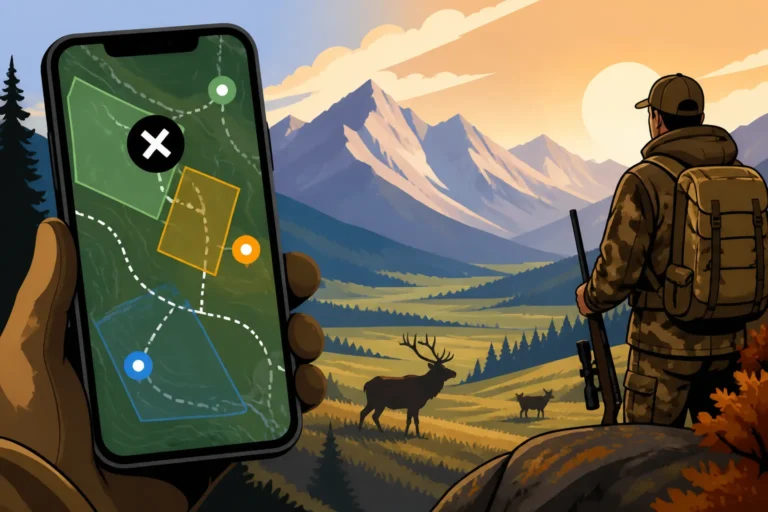
- Digital Mapping Apps: This is where modern technology really shines. Apps like onX Hunt are indispensable. FWP uploads the Block Management boundaries directly into onX Hunt, allowing you to see BMAs overlaid on satellite imagery and topographical maps right on your phone. This makes navigating in the field incredibly easy, showing you exactly where the BMA boundaries are, where public land starts and private land (outside the BMA) ends, and helping you stick to the rules. I cannot stress enough how much easier How to Use onX for Montana Hunting makes hunting any public access land, including Block Management areas. Another valuable tool for research, especially for drawing tags in specific units, can be GoHunt, which often integrates FWP data and provides insights into specific hunting districts that might have significant BMA opportunities.
- Local FWP Offices: If you prefer a more personal touch or have very specific questions, contacting the local FWP regional office in the area you plan to hunt can be extremely helpful. They often have detailed local knowledge and can provide insights not found in the general atlas.
- Timing is Everything: BMAs become active at different times. Some open for archery season, others only for rifle season. Always check the specific dates for each BMA.
Table: Comparison of Montana Block Management Area Types
| Feature | Type 1 Block Management Areas | Type 2 Block Management Areas |
|---|---|---|
| Access Method | Sign-in box at access point; first-come, first-served | Pre-arranged contact with landowner/representative required |
| Hunter Limits | Generally no daily limit; limited by parking/physical space | Often have daily hunter quotas or reservation systems |
| Contact Required | No direct landowner contact necessary | Mandatory contact with landowner/representative prior to hunt |
| Rules & Restrictions | General FWP rules, basic landowner requests | More detailed, specific landowner rules; potentially time/method restrictions |
| Flexibility | More flexible for impromptu hunts | Requires advanced planning and scheduling |
| Typical Game | Deer, antelope, some elk | Deer, antelope, some elk (can be for specific species/sex) |
| Information Source | FWP Block Management Atlas, on-site sign-in box | FWP Block Management Atlas, landowner contact information |
Essential Rules and Regulations for BMAs
Every Block Management Area will have specific rules, and it is your responsibility to know and follow them. Failure to do so can result in citations, loss of hunting privileges, and, most importantly, can jeopardize the entire program for future hunters if landowners withdraw their participation.
- Sign-In Procedures: For Type 1 areas, always sign in completely and accurately. Take a map. When you leave, remember to sign out. This data helps FWP manage the program and provides landowners with accountability. For Type 2, ensure you have your confirmation or permission details.
- BMA-Specific Rules: These are paramount. Rules vary greatly from one BMA to another. Some might prohibit vehicle access beyond a certain point, others might have antler point restrictions for deer, or specific times you can enter/exit. Always read the sign-in sheet or the details provided by the landowner carefully. What's allowed on one BMA might be strictly forbidden on another.
- Respecting Boundaries: Private land often borders BMAs. It is your responsibility to know where you are at all times. Use your onX Hunt app or physical maps to identify boundaries. Trespassing, even accidentally, is a serious offense and is incredibly detrimental to the program. Learning Montana Public Land Hunting Guide ethics means knowing your boundaries.
- Firearms and Vehicle Use: Many BMAs will have restrictions on where you can discharge a firearm, often related to proximity to homes, livestock, or roads. Vehicle use is almost always restricted to designated routes or parking areas. Off-road travel is rarely permitted.
- Hunter Etiquette: Always treat the land, wildlife, and particularly the landowners with the utmost respect. Close gates, don't litter, avoid damaging fences or property, and be mindful of livestock. Remember, you are a guest on private land, and your actions reflect on all hunters.
Adhering to these regulations isn't just about avoiding trouble; it's about being a responsible hunter and ensuring these critical access opportunities continue for everyone.
Planning Your Hunt within a Block Management Area
Effective planning is the backbone of a successful Block Management hunt. It's not enough to simply know where the BMAs are; you need a strategy.
- Early Research: Start your research as soon as the FWP releases the Block Management Atlas for the year. Identify potential BMAs in hunting districts you're interested in, especially those covered in a How to Choose a Montana Hunting District guide. Look at the type of BMA, the dates of operation, and any obvious restrictions. Cross-reference this with other public lands like national forests or BLM lands using tools like onX Hunt to understand the overall landscape.
- E-Scouting and Physical Scouting: Use satellite imagery (available in onX Hunt or Google Earth) to scout potential BMAs virtually. Look for natural funnels, water sources, bedding areas, and transition zones where animals might move between private land and adjacent public areas. Understand the terrain, access points, and potential areas of high hunter pressure. If possible, a pre-season drive-by to check access roads and gate locations can save valuable time during the hunt. This is a critical step, similar to How to E-Scout Montana Hunting Units for any public land.
- Timing Your Hunt: Consider the species you're targeting and their behavior. For antelope on the plains, early morning and late evening near water sources or food plots might be key. For mule deer, understanding how they use different cover types within the BMA is crucial. Also, consider hunter pressure. Weekdays are almost always less crowded than weekends. Opening weekend of general rifle season will typically see the highest pressure, so perhaps consider hunting later in the season if you're seeking solitude, or target a Type 2 BMA.
- Weather Considerations: Montana weather is famously unpredictable. A warm, dry early season might mean animals are concentrated around fewer water sources. Heavy snow can push animals into lower elevations, potentially onto or through BMAs. Always check the forecast and prepare for rapidly changing conditions.
- Contingency Planning: Always have a backup plan. If your primary BMA is full or conditions aren't favorable, know which other BMAs or public lands in the vicinity you can pivot to. Having a few options researched will prevent frustration in the field.
By putting in the legwork upfront, you significantly increase your chances of having a rewarding and ethical hunting experience on Montana's Block Management lands.
Maximizing Your Block Management Experience
Block Management isn't just about finding a spot; it's about smart hunting, respecting the resource, and ensuring its longevity. To truly make the most of these opportunities, you need a combination of strategy, adaptability, and unwavering ethical conduct.
Strategies for Successful Hunting on BMAs
Success on Block Management Areas often comes down to understanding hunter behavior and animal movement patterns in these unique mixed-land environments.
- Hunt the Edges: Animals often stage or move along the boundaries of private and public land, or between the BMA and non-BMA private ground. These transition zones can be incredibly productive, especially during low-light hours. Focus your efforts on these edges, looking for game that might be moving to or from bedding areas, feed, or water.
- Avoid the Crowds: While Type 2 BMAs limit hunter numbers, Type 1 areas can sometimes see significant pressure, particularly on weekends or during the early season. Consider hunting during weekdays, or explore BMAs that are further off the beaten path and require more effort to access. Sometimes, even just walking an extra mile or two from the parking area can put you ahead of other hunters. For tips on managing pressure, see How to Hunt Montana Public Land Pressure.
- Utilize Digital Tools: Your onX Hunt app isn't just for boundaries. Use its mapping features to identify potential bottlenecks, isolated pockets of cover, or drainages that might hold animals seeking refuge. Mark potential game trails, sign, and other features as you scout and hunt.
- Be Patient and Persistent: Block Management lands are often working ranches or farms. Animals might be accustomed to human activity but can still be pressured. Be patient, move slowly, and glass frequently. Sometimes, just waiting out other hunters or letting the land settle can pay dividends.
- Target Specific Game Behavior: If you're hunting during the rut for deer or elk, understand how that behavior influences their movement across a BMA. During late season, focus on food sources. If hunting antelope, identify waterholes or prominent ridges. A good understanding of How to Locate Elk on Montana Public Land applies equally well to Block Management elk.
Common Challenges and How to Overcome Them
Hunting on Block Management Areas can present unique challenges that, with forethought, can be effectively managed.
- Hunter Pressure: This is probably the biggest challenge on popular Type 1 BMAs. Everyone sees the same map. To overcome this, as mentioned, hunt weekdays, get off the beaten path, or consider less popular areas. Sometimes, pressure itself can push animals into overlooked corners or thicker cover within the BMA.
- Changing Rules and Access: The Block Management Atlas is updated annually, and specific BMA rules can change from year to year. Always check the most current information. A BMA you hunted last year might have different restrictions or even be removed from the program. Staying current with FWP regulations and the BMA atlas is key.
- Private Land Boundaries: The checkerboard nature of Montana land ownership means public and private parcels can be intertwined. Accidental trespass is a real concern. Rely heavily on your GPS and mapping apps like onX Hunt to ensure you stay within the BMA or legal public access. If there's any doubt, err on the side of caution.
- Finding Specific Game: While BMAs offer access, game isn't always evenly distributed. You might need to cover a lot of ground, especially on the larger prairie BMAs, to locate animals. Glassing vast areas with quality optics is crucial, as is adapting your strategy based on where the animals are feeding, bedding, and watering.
- Landowner Relations: Occasionally, you might encounter a landowner or ranch hand with concerns. Always be polite, respectful, and prepared to show your sign-in sheet or permission. A positive interaction can reinforce the value of the program; a negative one can damage it. Remember that the program is voluntary for them. If issues arise, contact FWP rather than engaging in confrontation. Understanding How to Get Landowner Permission in Montana directly, even if not required by a BMA, is always a valuable skill.
Ethical Considerations and Hunter Responsibility
The future of the Block Management Program, and indeed public access to private lands, hinges entirely on the ethical conduct of hunters. This isn't just about legality; it's about stewardship and respect.
- Leave No Trace: Pack out everything you pack in. This includes spent shell casings, food wrappers, and any other trash. Leave the land cleaner than you found it. This simple act builds trust with landowners.
- Respect Property: Do not damage fences, gates, or other infrastructure. If you open a gate, close it behind you. Stay on designated roads or trails. If you encounter livestock, give them a wide berth and do not disturb them.
- Adhere to All Rules: Beyond the FWP regulations, strictly follow any specific rules the landowner has set forth. These rules are usually for a good reason, related to their operations or safety. Disregarding them is a breach of trust.
- Report Violations: If you witness unethical behavior or rule violations by other hunters, report it to FWP. This protects the resource, the program, and ensures accountability. The integrity of hunting depends on self-policing.
- Be an Ambassador: Every hunter on a Block Management Area is an ambassador for the hunting community. Your actions, positive or negative, reflect on all of us. A polite "thank you" to a landowner if you encounter them, or a clean and respectful visit, goes a long way in ensuring these opportunities continue for years to come.
By embracing these responsibilities, we can all contribute to the continued success of the Montana Block Management Program and secure invaluable hunting access for generations.
Disclaimer
Please be aware that hunting regulations, seasons, and the specifics of the Block Management Program can change annually. It is your responsibility to consult the most current Montana Fish, Wildlife & Parks regulations and Block Management Atlas before planning and embarking on any hunt. This guide is for informational purposes only and should not be considered legal advice or a substitute for official FWP resources.