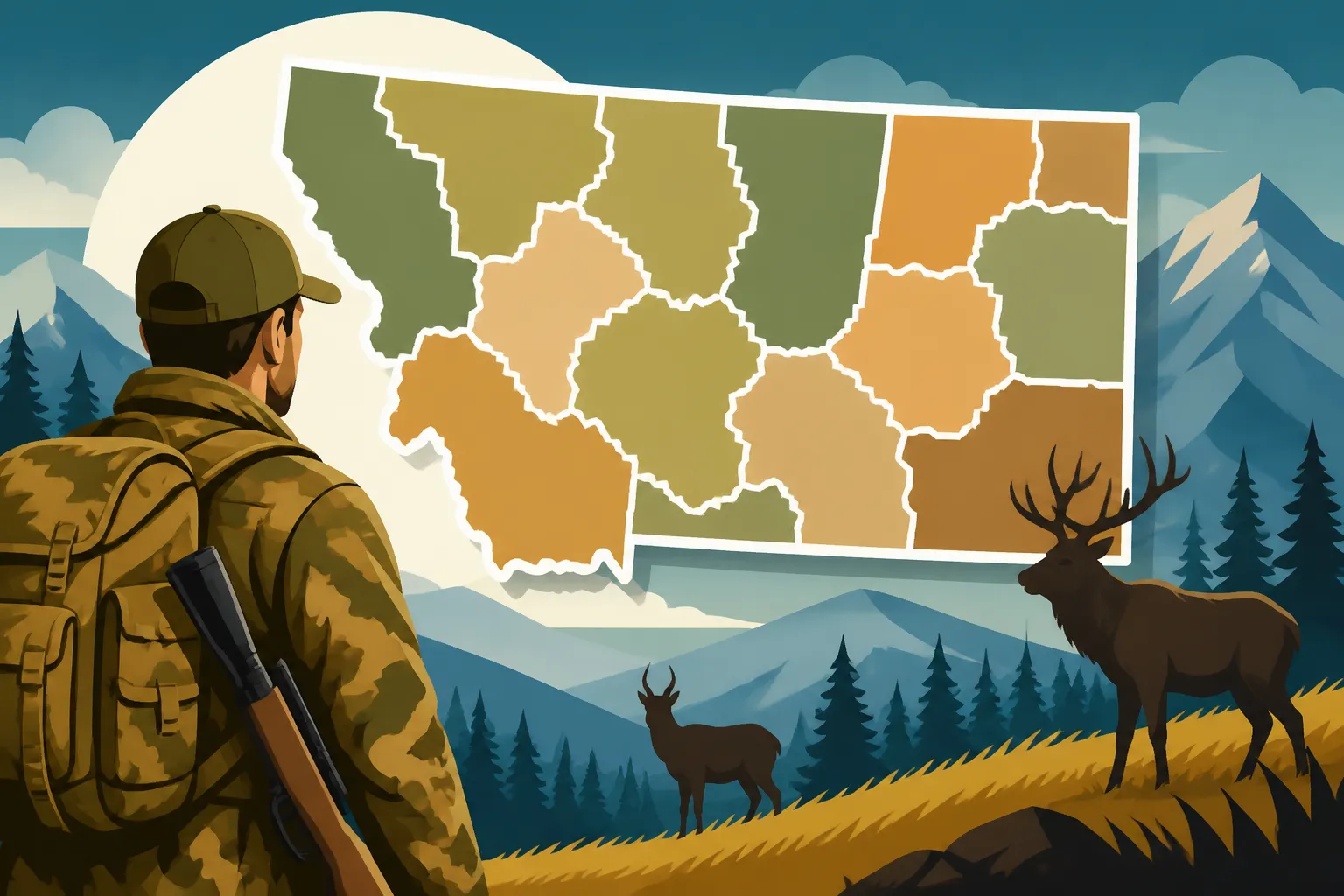
Montana Hunting Districts Explained
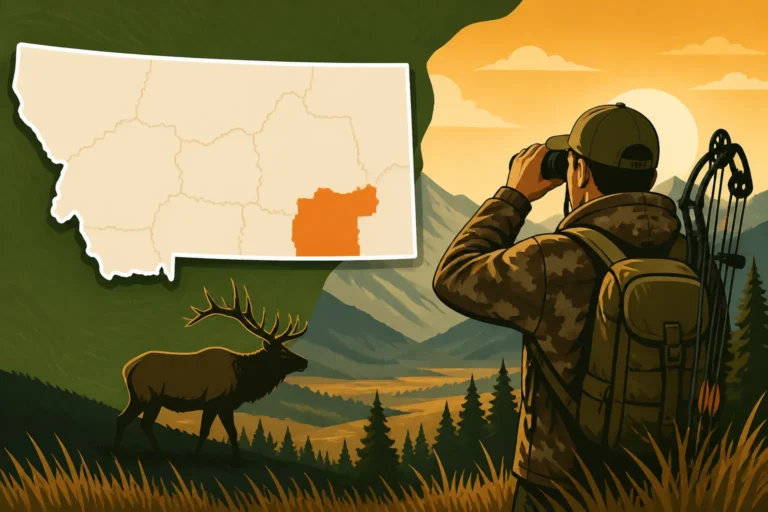
Navigating the vast and often confusing landscape of Montana's hunting regulations can feel like trying to find a hidden trail in a blizzard. For many, especially those new to the state or planning their first Big Sky Country adventure, understanding how Montana hunting districts work is the biggest hurdle. This comprehensive guide will demystify the district system, showing you exactly how these boundaries shape your hunting strategy, from drawing a tag to finding a place to set up camp.
Understanding Montana's Hunting District System
Montana, with its incredible diversity of landscapes and wildlife, relies on a highly structured system of hunting districts to manage its game populations. These aren't just lines on a map; they are the fundamental building blocks of how, where, and when you can hunt. Failing to understand them can lead to costly mistakes, wasted trips, or even legal trouble. It’s a system designed to ensure healthy animal populations and fair chase opportunities, but it certainly has a learning curve.
Why Hunting Districts Matter
Imagine planning an epic elk hunt, only to find out you've got the wrong type of tag for the area you've been scouting for months. Or worse, you discover your preferred hunting method isn't allowed. These are real frustrations that stem directly from misunderstanding hunting districts. Each district is essentially a self-contained unit with its own set of rules, quotas, and often, unique geographical challenges. They dictate everything from the species you can hunt, to the specific weapon allowed, and even the sex of the animal you can harvest. This granularity is crucial for Montana Fish, Wildlife & Parks (FWP) to manage localized herds effectively.
For example, a district in the western mountains might be managed for a dense elk population with archery-only seasons and limited rifle tags, while a district in the eastern plains might have general rifle seasons for abundant mule deer. This localized management means that a successful strategy in one district might be completely ineffective or even illegal in another. Understanding these differences is the first step to becoming a truly effective Montana hunter. It’s not just about finding game; it’s about knowing the game's home turf and the rules that govern it. Without this foundational knowledge, you're essentially walking into a chess match without knowing how the pieces move.
How Districts are Designated
Montana's hunting districts are established and periodically adjusted by FWP to achieve specific wildlife management goals. These designations aren't arbitrary; they are the result of extensive biological surveys, population modeling, and public input. Factors like habitat quality, herd health, harvest objectives, land ownership patterns (public vs. private), and even human population density all play a role in how a district's boundaries are drawn and its regulations set.
District boundaries often follow natural geographical features like major rivers, mountain ranges, or prominent roads, making them somewhat intuitive to locate on a map. However, many also follow property lines or less obvious topographical contours, which can be tricky. When you're looking at a map, you'll see a two or three-digit number for each district (e.g., HD 313, HD 410). These numbers are your key to unlocking all the regulations specific to that area. It's not enough to know you're hunting in "Region 3"; you need to know the specific hunting district number, as regulations can vary wildly from one district to its neighbor, even within the same FWP administrative region. These boundaries are fixed for a season, but they can and do change over time based on management needs, so always check the most current regulations.
Navigating the Montana Hunt Planner
The official Montana FWP Hunt Planner is your best friend when it comes to deciphering the district system. It’s a powerful online tool that, while initially intimidating, provides all the information you need to plan a legal and effective hunt. Think of it as the ultimate cheat sheet for every Montana hunting district explained. It consolidates regulations, drawing odds, season dates, and specific hunt codes into one comprehensive resource. Taking the time to learn how to use this tool will save you countless headaches and prevent critical mistakes.
Decoding Hunt Codes and Regulations
Once you've zeroed in on a potential hunting district, the next step is to understand the specific hunt codes and regulations that apply. This is where many hunters get overwhelmed, but it's crucial. A "hunt code" is a specific identifier that combines the species, district, season type (e.g., general, limited entry), and sometimes the weapon type, and sex of the animal. For example, "HD 313-20" might refer to a general elk rifle season in district 313, while "HD 313-50" could be an antlerless elk permit hunt in the same district. These codes are vital when applying for tags and ensure you're hunting within the prescribed parameters.
The FWP Hunt Planner provides a detailed breakdown for each district. You'll see tables listing archery seasons, general rifle seasons, special permit hunts, and any restrictions on antler size or animal sex. Pay close attention to these details. For instance, some districts might offer an "either-sex" archery tag but require an antlered-only harvest during the general rifle season. Other districts might have specific requirements for antler points, like a "four-point or better" rule for bull elk, or specific restrictions on mule deer antlerless harvest. It's a lot to take in, but rushing this step is a recipe for disaster. This is also where you'll find information about Montana General vs Permit Tags Explained, which is a significant distinction for many big game species.
Essential Map Features and Tools
The mapping component of the Montana Hunt Planner is incredibly powerful. It allows you to visualize district boundaries, public and private land ownership, wilderness areas, and even specific Block Management Areas (BMAs). You can overlay different map layers to see exactly where public land abuts private land, locate roads, trails, and identify potential access points. This visual representation makes understanding the complex district system much more tangible.
While the FWP maps are excellent, many experienced hunters also rely on third-party mapping applications like onX Hunt or GoHunt. These tools take the base FWP data and enhance it with even more detailed landowner information, satellite imagery, topographic maps, and GPS capabilities, making it easier to pinpoint your exact location relative to district boundaries, property lines, and public access points. Imagine you're deep in the Montana Backcountry Hunting Guide territory. Having your phone or GPS unit tell you precisely where the HD 330 line runs can mean the difference between a legal harvest and an expensive mistake. These digital maps are not just for scouting from your couch; they are invaluable in the field, helping you stay compliant and optimize your hunt strategy.
| Feature | Montana FWP Hunt Planner | onX Hunt / GoHunt (Premium) |
|---|---|---|
| District Boundaries | Yes | Yes |
| Public/Private Land | Basic | Detailed, often includes landowner names |
| Topographic Maps | Basic | Highly detailed |
| Satellite Imagery | Yes | Yes |
| GPS Tracking | No (browser-based) | Yes (app-based) |
| Offline Maps | Limited | Yes |
| Road/Trail Networks | Basic | Detailed, often with road numbers |
| Regs Integration | Yes | Often integrated or linked |
| Waypoints/Marking | Limited | Extensive |
Public Land Access within Hunting Districts
Montana is renowned for its vast expanses of public land, offering incredible opportunities for hunters. However, just because a district has public land doesn't mean it's all easily accessible or holds the game you're after. Understanding the different types of public land and how they are managed within various hunting districts is key to planning a successful DIY hunt.
National Forests and Wilderness Areas
A significant portion of Montana's mountainous hunting districts are comprised of National Forests, managed by the U.S. Forest Service. These areas, like the Custer Gallatin National Forest or the Beaverhead-Deerlodge National Forest, often offer excellent big game habitat, particularly for elk and mule deer. They represent some of the most challenging yet rewarding hunting grounds. Within these National Forests, you'll also find designated Wilderness Areas, such as portions of the Bob Marshall Wilderness Complex. These areas are specifically managed for their wild character, meaning motorized vehicles and mechanized transport (like mountain bikes) are prohibited. Access is typically on foot or horseback.
Hunting in these vast federal lands requires a completely different mindset and skillset than hunting smaller, more accessible areas. You'll need to be self-sufficient, capable of navigating challenging terrain, and prepared for rapidly changing weather conditions. Many hunters find these areas less crowded, especially the further you get from a trailhead, but accessing them means either a significant hike or a pack-in trip. Learning how to identify these areas within your chosen district using tools like onX Hunt or the FWP planner is critical for planning your journey and understanding the access limitations. For those seeking a truly immersive experience, delving into a Montana National Forest Hunting Guide can provide deeper insights.
BLM and State Trust Lands
Beyond the mountains, Montana's eastern and central regions feature extensive tracts of Bureau of Land Management (BLM) land and State Trust Lands. BLM lands are often characterized by rolling grasslands, sagebrush-covered hills, and breaks country, providing prime habitat for antelope, mule deer, and even some whitetail in river bottoms. State Trust Lands are managed by the Department of Natural Resources and Conservation (DNRC) to generate revenue for public education and other state institutions.
Access to both BLM and State Trust Lands can be fragmented. Many parcels are "landlocked" by private property, meaning there's no legal public road or easement to reach them. This is where detailed mapping tools become invaluable. You might find a small patch of BLM land within a district that holds excellent game, but without legal access, it's effectively off-limits. Always verify legal access points before heading out. Some State Trust Lands require a Conservation License to access them for recreational purposes, even if you’re not hunting, so make sure you have all the necessary permits. Understanding how to utilize these scattered public lands can be a game-changer for Montana Public Land Hunting Strategy, especially when trying to avoid heavily trafficked areas.
The Role of Block Management Areas
Montana's Block Management Program (BMP) is a unique and incredibly valuable access program that allows public hunting on private land. It's often the unsung hero for hunters, especially those without private land contacts or who are new to the state. Within many hunting districts, particularly in the agricultural and ranching country, these areas can provide exceptional opportunities.
How Block Management Works
In essence, the Block Management Program is a voluntary agreement between private landowners and FWP. Landowners receive various incentives (such as weed control, fencing materials, or payment) to allow public hunting access on their property. FWP then manages this access, providing maps, regulations specific to each block, and sometimes even a check-in/check-out system. These blocks can range from a few hundred acres to tens of thousands, offering diverse habitat.
The key to understanding BMAs within a hunting district is that each block has its own set of rules and limitations. Some are "Type 1" areas where you can simply sign in at a designated box, grab a map, and start hunting. Others are "Type 2" areas that require hunters to contact the landowner or FWP staff directly for permission, often with a limited number of hunters allowed per day or week. These variations mean that careful planning is essential. You can't just assume a Block Management Area in one district operates the same way as one in another. The FWP website provides detailed information and maps for all current Block Management Areas, and it's updated throughout the hunting season. This program is so vital that many hunters refer to the Montana Block Management Areas Explained guide religiously.
Utilizing Block Management for Success
Successfully hunting Block Management Areas requires research, respect, and adaptability. First, identify hunting districts that have a good number of BMAs for the species you're targeting. For instance, districts in eastern Montana are often rich with BMAs offering antelope and mule deer opportunities. Once you've found promising blocks, thoroughly review their specific regulations and maps. Look for restrictions on weapon type, vehicle access, hunting days, or designated hunting zones.
Many BMAs are working ranches, so showing respect for the land, livestock, and landowner's rules is paramount. Close gates, pick up your trash, and always know your target and what's beyond it. Be prepared for potentially crowded conditions on popular Type 1 blocks, especially early in the season or on weekends. However, if you're willing to hike a bit further or visit during weekdays, you can often find solitude and undisturbed game. The beauty of BMAs is that they often hold resident game that isn't accustomed to heavy pressure, or they can act as important travel corridors between larger public land parcels. Combining your knowledge of public lands with strategic use of Block Management can dramatically increase your chances of success on a Montana DIY Elk Hunting Guide adventure.
Private Land Considerations in Montana Districts
While Montana offers abundant public land, a significant portion of the state is privately owned. Many desirable hunting opportunities, particularly for trophy animals or less pressured game, exist on private land. Understanding how to ethically and legally access these areas within a hunting district is a crucial part of a comprehensive hunting strategy.
Gaining Access to Private Holdings
Securing permission to hunt private land in Montana is often about building relationships and demonstrating respect. It's not always easy, but it's not impossible. Start by researching the land ownership within your chosen hunting district using tools like onX Hunt to identify landowners adjacent to public lands or in areas known for good game populations. A polite, face-to-face request, well in advance of the season, often yields the best results. Be prepared to introduce yourself, explain your intentions clearly, and offer to help with chores or respect specific rules, like not driving off designated roads or avoiding certain pastures.
Many landowners are wary of granting access due to past negative experiences, so presenting yourself as a responsible, ethical hunter is key. Don't show up on opening day expecting a "yes." Consider writing a formal letter or making calls months in advance. For some, finding private land access might involve hiring a local outfitter who already has relationships with landowners. While this comes with a cost, it guarantees access and often a higher chance of success, particularly for non-residents. The article, How to Get Landowner Permission in Montana, offers more detailed strategies for this often-challenging aspect of hunting.
Understanding Outfitter-Sponsored Tags
For non-resident hunters, outfitter-sponsored tags are a unique aspect of Montana's private land hunting landscape. These tags are distinct from the regular nonresident draw for general deer or elk licenses. Montana sets aside a portion of its nonresident permit quota specifically for hunters who book with a licensed Montana outfitter. Essentially, when you book a guided hunt with an outfitter, they can apply for a special "outfitter-sponsored" license on your behalf. This significantly increases your odds of drawing a coveted tag, especially for species like elk, because you're drawing from a separate, often less competitive, pool.
This system primarily benefits outfitters by providing them with a more reliable way to guarantee tags for their clients, and it benefits hunters by offering a clearer path to a Montana hunting experience, especially in units with tough draw odds. However, it’s important to understand that these tags are tied to your guided hunt. If you cancel your hunt, you typically lose the tag. Also, these tags are often for specific hunting districts where the outfitter has leases or private land access. It's a significant investment, but for many non-residents, it's the most reliable way to secure a tag for a high-demand species or specific unit. More information on this topic can be found in Montana Outfitter-Sponsored Tags Explained.
Choosing the Right District for Your Hunt
With 140+ hunting districts across the state, selecting the right one for your Montana adventure can feel overwhelming. It’s a decision that impacts everything from draw odds and access to species availability and trophy potential. There's no single "best" district; the ideal choice depends entirely on your personal hunting goals, experience level, and available resources.
Researching Species-Specific Opportunities
Your primary objective should always be to match the hunting district to the species you want to pursue and the type of experience you're seeking. If you're dreaming of bugling bulls, you'll be looking at mountainous, timbered districts with strong elk populations, perhaps in Regions 1, 2, or 3. If a plains mule deer is your target, eastern Montana districts (Regions 6 or 7) with their vast sagebrush flats and coulees will be more appropriate. Each district publishes harvest statistics, herd estimates, and draw odds, all of which are invaluable data points.
For example, if you're planning a Montana Elk Hunting Guide adventure, you’d examine districts known for higher elk densities, good public land access, and perhaps a reputation for producing mature bulls. Conversely, if you're targeting antelope, you'd focus on the prairie districts, looking at areas with good water sources and a balance of public and Block Management access. Tools like the FWP Hunt Planner or even subscription services like GoHunt can help filter districts by species, success rates, and draw odds, giving you a clearer picture of where your efforts will be best spent. Don't just pick a district based on a cool-sounding name; dig into the data to ensure it aligns with your hunting aspirations.
Balancing Pressure, Access, and Odds
This is the eternal triangle every hunter in Montana grapples with. Districts with high success rates and easy access often come with significant hunter pressure. Districts with low pressure might be remote, difficult to access, or have lower game densities. And then there are the draw odds—some districts require years of preference points to draw a limited entry tag, while others are general units open to anyone with the correct license.
Here's a breakdown of considerations:
- Hunter Pressure: High-pressure areas (often near major towns or easily accessible public lands) can make animals skittish and harder to find. If you hate crowds, consider districts with extensive roadless areas or wilderness components, even if it means a tougher hike. Understanding How to Beat the Crowds on Montana Public Land is an art form that often comes down to choosing the right district.
- Access: Can you physically get to the hunting grounds? Is it via a well-maintained forest road, a rough two-track, or a multi-day backpacking trip? Consider your physical capabilities and equipment. Some districts might have vast amounts of public land that are effectively inaccessible without specialized gear or horses.
- Draw Odds: For limited entry districts, your odds of drawing a tag are a major factor. Are you willing to build preference points for years for a chance at a trophy unit, or are you looking for an "over-the-counter" general tag experience? The FWP website publishes draw odds annually, which are critical for non-residents especially. How Many Points for a Montana Elk Tag is a common question, and the answer varies wildly by district.
It’s often a balancing act. Many successful hunters look for districts that offer a good compromise: decent draw odds for a general tag, a mix of accessible and remote public land, and healthy game populations. This often requires digging deep into the FWP regulations and supplementary information.
Common Misconceptions and Advanced Strategies
Even seasoned hunters can get tripped up by the nuances of Montana's district system. There are common pitfalls and advanced tactics that, once understood, can significantly improve your planning and overall hunting experience.
Avoiding "Point Creep" and Draw Frustrations
One of the biggest frustrations for non-resident hunters, and increasingly for residents in limited units, is "point creep." This refers to the phenomenon where the number of preference or bonus points required to draw a specific tag slowly increases year after year, making a tag that might have required 3 points last year now demand 4 or 5. This happens because more and more people are applying and accumulating points, intensifying competition. It can be incredibly disheartening to consistently put in for a tag, only to see it move further out of reach.
To mitigate point creep, you need a strategy. This might involve:
- Diversifying Your Applications: Don't put all your eggs in one basket. Apply for a high-demand permit tag with your points, but also ensure you have a fallback plan for a general tag that you can reasonably expect to draw, often by purchasing a combination license.
- Looking for "Sleeper" Districts: Sometimes, a district will have decent success rates but lower draw odds simply because it's less well-known or perceived as more challenging. Research harvest reports for districts that aren't consistently topping the "best of" lists.
- Being Patient and Consistent: For truly coveted tags, point creep is inevitable. The best strategy is often consistent application to build points and unwavering patience. Understanding How to Build Preference Points in Montana is fundamental here.
The key is to manage expectations and have a multi-year plan, especially if you're aiming for those dream tags in units like the Missouri Breaks or parts of Region 3.
E-Scouting and Boots-on-the-Ground Recon
In today's hunting world, effective preparation starts long before you ever set foot in a hunting district. E-scouting, using digital tools and satellite imagery, has revolutionized how hunters approach new areas. Coupled with physical reconnaissance, it creates a powerful strategy for success.
- E-Scouting Mastery: Tools like onX Hunt and Google Earth allow you to analyze topography, identify potential bedding areas, feeding zones, water sources, and travel corridors from the comfort of your home. You can mark waypoints, measure distances, and visualize the terrain. Look for north-facing slopes with timber (often elk bedding in warmer weather), south-facing slopes for early season feeding, saddles, benches, and finger ridges that funnel game. Pay close attention to changes in vegetation and elevation. This kind of detailed analysis is covered extensively in guides like How to E-Scout Montana Hunting Units.
- Boots-on-the-Ground Reconnaissance: While e-scouting is powerful, nothing replaces actual time in the field. If possible, visit your chosen hunting district during the off-season. This allows you to verify what you saw on the map, check road conditions, identify current water sources, look for historical sign (tracks, rubs, scat), and get a feel for the terrain. You'll often discover nuances that satellite imagery can't convey, such as thick brush you didn't anticipate or subtle changes in elevation that create perfect ambush points. If you can't visit beforehand, dedicating the first few days of your hunt to pure scouting, rather than actively hunting, can pay huge dividends. This is especially true when planning for a serious endeavor like a Montana Backcountry Hunting Guide experience, where understanding every fold in the landscape is paramount.
By combining meticulous e-scouting with practical field experience, you can enter any Montana hunting district with a significant advantage, increasing your odds of finding and harvesting game.
Disclaimer
The information provided in this guide is for informational purposes only and is not intended as legal advice. Hunting regulations in Montana are complex and subject to change. Always consult the official Montana Fish, Wildlife & Parks (FWP) regulations, statutes, and proclamations for the most current and accurate information before planning or engaging in any hunting activities. It is the individual hunter's responsibility to know and follow all applicable laws and regulations.