Montana Public Land Hunting Guide
Stepping into the vast, wild expanse of Montana's public lands for a hunt can feel like staring at an overwhelming puzzle. You see endless acres on the map, but the reality of knowing where to go, how to access it, and where the game truly lives without bumping into a dozen other hunters can be incredibly daunting. It's a common frustration, especially for those venturing here for the first time or even seasoned hunters trying a new unit. This guide aims to demystify public land hunting in Montana, providing you with the knowledge and strategies to confidently navigate and successfully hunt these incredible landscapes.
Understanding Montana's Public Land Landscape
Montana is a hunter's paradise, largely due to the immense amount of public land available. But "public land" isn't a single, uniform entity; it's a diverse mosaic of federal, state, and sometimes local holdings, each with its own nuances regarding access, regulations, and the type of terrain you'll encounter. Truly understanding this landscape is the first critical step in becoming a successful public land hunter in the Treasure State.
The Sheer Scale and Diversity
When you look at a map of Montana, you're immediately struck by the sheer scale of its public lands. From the rugged, snow-capped peaks of the Rocky Mountain Front to the rolling sagebrush hills of eastern Montana, the diversity is staggering. This isn't just about different scenery; it means incredibly varied habitats for different game species, from high-country elk to plains antelope and river-bottom whitetails. The sheer size, however, can be paralyzing. Where do you even begin to narrow down an area when there are millions of acres to choose from? It's easy to feel lost before you even leave your driveway.
This vastness means opportunities, but it also means you need a strategic approach. One region might be dominated by dense timber and steep canyons, perfect for a challenging backcountry elk hunt, while another might offer open plains and coulees ideal for spot-and-stalk mule deer. Don't fall into the trap of thinking all public land is equal; each parcel and region has its own character, challenges, and rewards. It's a continuous learning process to understand how different species utilize these varied landscapes throughout the hunting seasons.
Navigating this diversity requires a keen eye for habitat and an understanding of how game animals react to different environments. For instance, a clear-cut logging unit might hold abundant deer browse but also heavy hunter pressure, whereas a remote wilderness area could offer solitude but demand extreme physical conditioning. Being able to mentally differentiate these areas and predict game movement based on habitat type is a skill honed over time, but it starts with recognizing that Montana's public lands are anything but homogenous.
Different Types of Public Land
In Montana, public land broadly falls into a few key categories, each managed by different agencies with distinct rules and characteristics. Knowing the difference is crucial for legal and effective hunting. Understanding How Montana Hunting Districts Work is a great starting point, as these districts often encompass various types of public land.
National Forests are managed by the U.S. Forest Service and typically represent the mountainous, timbered regions. These are often prime elk and mule deer country, offering vast expanses for backcountry hunting. Access can range from well-maintained forest service roads to designated wilderness areas where motorized travel is strictly prohibited. You'll often find dispersed camping options, but also areas with specific regulations regarding campfires and bear canisters, especially in grizzly country.
Bureau of Land Management (BLM) lands generally cover the more arid, prairie, and badlands regions, particularly in eastern and central Montana. These lands are incredibly important for antelope, mule deer, and often offer unique opportunities for sharp-tailed grouse or even some elk in transitional zones. BLM lands are often checkerboarded with private land, making navigation and access a primary concern. Roads can be primitive, and water sources scarce, requiring careful planning.
State Trust Lands are managed by the Montana Department of Natural Resources and Conservation (DNRC). These lands are held in trust to generate revenue for public education and other state institutions. While public, they often come with specific rules you need to be aware of, like requiring a State Land Use License (which is often included with your base hunting license, but it's always good to double-check). Access to these parcels can also be tricky, as they are sometimes landlocked by private property.
The table below provides a quick overview of the primary public land types in Montana:
| Public Land Type | Managing Agency | Typical Terrain | Key Game Species | Common Access Issues |
|---|---|---|---|---|
| National Forest | U.S. Forest Service | Mountains, heavy timber, rivers | Elk, Mule Deer, Black Bear, Moose | Wilderness restrictions, road closures |
| Bureau of Land Management (BLM) | Bureau of Land Management | Arid grasslands, badlands, coulees | Antelope, Mule Deer, Whitetail, Elk (some) | Checkerboard private land, primitive roads |
| State Trust Land | MT DNRC | Varied, often adjacent to private | Deer, Antelope, Upland Birds, Elk (some) | Landlocked by private, specific regulations |
| Block Management Areas (BMA) | MT FWP (private lands) | Varied, dependent on landowner | Deer, Antelope, Elk, Upland Birds | Seasonal, sign-in, specific rules |
Key Agencies and Their Roles
Understanding who manages what is more than just trivia; it directly impacts your hunting experience. The Montana Fish, Wildlife & Parks (FWP) is the primary agency for hunting regulations, seasons, and licenses. They set the rules for what you can hunt, where, and when. FWP also manages certain wildlife management areas (WMAs) which are specifically acquired for wildlife habitat and public recreation, including hunting. These WMAs can be phenomenal resources but might have their own specific access rules or seasonal closures.
The U.S. Forest Service and Bureau of Land Management (BLM) are the custodians of the vast majority of federal public lands. While FWP dictates hunting regulations, these federal agencies manage the land itself, including roads, trails, campsites, and timber resources. This means they are responsible for road closures due to weather or logging, managing trail systems, and issuing special permits for activities like firewood gathering or large groups. Their decisions on land management can significantly affect how you access and hunt an area.
Finally, the Montana Department of Natural Resources and Conservation (DNRC) manages State Trust Lands. As mentioned, these are managed for revenue, so activities like grazing leases are common. Hunters need to be aware that these lands are not always open for unhindered access, particularly if surrounded by private parcels. Often, access agreements or public easements are in place, but it's vital to confirm. Recognizing the jurisdiction of each agency helps you understand why certain rules exist and where to look for specific information regarding land conditions or access restrictions.
Accessing Public Land: What You Need to Know
The biggest hurdle for many public land hunters in Montana isn't finding game, but simply finding legal access to the game. Montana's landscape is a patchwork of public and private ownership, and navigating this can be incredibly frustrating. Without proper knowledge and tools, you can easily waste valuable hunting time driving down dead-end roads or inadvertently trespassing.
Navigating Access Points and Easements
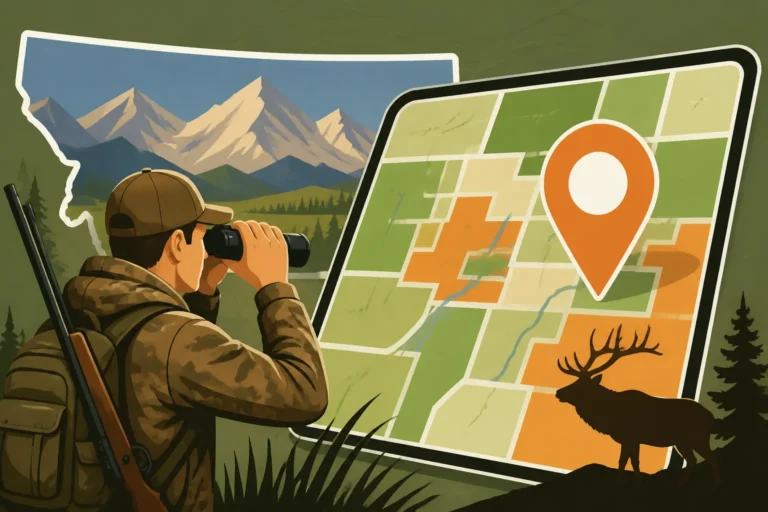
Montana has a lot of public land, but a significant portion of it is landlocked by private property. This means even though a section line or mountain slope might technically be public, getting to it without crossing private land can be impossible, or at least highly restricted. This is where tools like onX Hunt become absolutely invaluable. These digital mapping applications overlay land ownership data, showing you precisely where public land begins and ends, and more importantly, how to legally get there.
You might encounter various types of access. County roads, even if unmaintained, often provide legal access, but knowing where they transition from public thoroughfares to private driveways is critical. Public easements, which are often historical rights-of-way, can also provide access, but they might not be clearly marked on the ground. Hunters need to be diligent in their research, using plat maps, county records, and good mapping software to identify these crucial access corridors. Never assume; always verify. The pain of driving miles into the backcountry only to hit a "Private Property" sign without an alternative route is a lesson many of us have learned the hard way.
Another common challenge is distinguishing between legitimate public access and "implied" access that doesn't actually exist. A road that looks public might actually be a private ranch road. This is where those detailed land ownership maps really earn their keep. They can show you not just the ownership lines, but also designated public access points, conservation easements, and even seasonal road closures that might prevent you from reaching your intended hunting area. Taking the time to study these details can save you hours of frustration and keep you on the right side of the law.
Block Management Areas Explained
One of Montana's true gems for public land hunters, particularly those without extensive private land access, is the Block Management Area (BMA) program. This unique initiative by Montana FWP works with private landowners to open up their property to public hunting access, often for deer, antelope, and sometimes elk or upland birds. It’s a fantastic example of cooperation between private landowners and public hunters, and it provides incredible opportunities. If you're looking for more details, we have a dedicated guide to Montana Block Management Areas Explained.
BMAs vary widely in size, terrain, and rules. Some are "Type 1" areas where you can simply sign in at a box and go hunt, following the posted rules. Others are "Type 2" areas, which often require you to call ahead, make a reservation, or even check in with the landowner directly. These areas typically have quotas on hunter numbers to manage pressure and ensure a quality experience. The specific rules for each BMA are usually printed on maps available from FWP, often online or at regional offices, and can change yearly.
Leveraging BMAs requires advance planning. The FWP typically releases its BMA map book and rules in late summer or early fall. Hunters often spend hours poring over these maps, identifying promising areas and understanding the specific access requirements. Remember, these are private lands, so respecting the rules, the landowner's property, and leaving no trace is paramount to ensuring the continued success of the program. A hunter who abuses access risks ruining it for everyone.
State Trust Lands and Their Rules
As discussed earlier, State Trust Lands are managed by the DNRC. While they are public, their primary purpose is to generate revenue. This means they might have different uses than National Forest or BLM lands, such as agricultural leases for grazing or farming. Hunters need to be aware of these activities and respect them. Always ensure you have a current State Land Use License, although for most resident and nonresident hunters, this is often included in their base hunting license.
The biggest challenge with State Trust Lands often comes down to access. Many parcels are "landlocked," meaning they are entirely surrounded by private property with no legal public road or easement leading to them. You cannot trespass across private land to reach a landlocked State Trust parcel, no matter how tempting it might be. This is another area where a good digital mapping tool like onX Hunt is indispensable, clearly showing you land ownership boundaries and any designated public access points.
It’s not uncommon to find State Trust Lands adjacent to National Forests or BLM areas, offering additional hunting ground once you've legally accessed the larger public parcel. However, even then, always double-check for any specific rules or restrictions posted by the DNRC for that particular section. For example, some may have fire restrictions, target shooting bans, or specific rules regarding vehicle travel off designated roads. Being informed helps you avoid fines and ensures you're a responsible user of these lands.
Essential Tools for Public Land Hunters
Hunting Montana's public land without the right tools is like trying to build a house without a hammer. You might get somewhere, but it's going to be inefficient, frustrating, and probably not very successful. In this age, technology has given us incredible advantages, but traditional methods still hold significant value.
Digital Mapping Applications
Modern digital mapping applications have revolutionized public land hunting. The days of relying solely on paper maps (though still important as a backup!) are largely behind us. onX Hunt is arguably the most popular and comprehensive tool for Montana hunters, and for very good reason. It clearly displays property boundaries, distinguishing between private, federal, state, and Block Management lands with color-coded overlays. This feature alone is worth its weight in gold, preventing accidental trespassing and revealing legal access corridors you might never spot otherwise.
Beyond ownership, these apps provide topo maps, satellite imagery, road and trail networks, and often even hunting district boundaries. You can mark waypoints for glassing points, water sources, game sign, or potential escape routes. The ability to download maps for offline use is crucial, as cell service is non-existent in much of Montana's backcountry. Imagine being deep in a drainage, confirming you're still on public land, and navigating efficiently without a signal – that's the power of these tools. They make How to E-Scout Montana Hunting Units an effective pre-season strategy.
Another excellent resource, especially for those delving into research on draw odds and unit breakdowns, is GoHunt. While not a primary navigation app, its Insider membership offers invaluable data that can inform your choices of where to hunt on public land. It provides draw odds, harvest statistics, and unit profiles, helping you identify public land units with higher success rates or lower pressure. Combining the in-depth research of GoHunt with the real-time navigation of onX Hunt creates a powerful arsenal for any public land hunter.
Traditional Maps and Scoutwork
While digital tools are indispensable, never underestimate the value of traditional paper maps. Batteries die, phones break, and signals disappear. Having a physical map (USGS topo maps or Forest Service maps are excellent) and a compass, and knowing how to use them, is a fundamental skill for any responsible hunter, especially in remote Montana terrain. These maps offer a different perspective, often highlighting subtle topographical features that might not pop on a digital screen, like slight benches or natural funnels.
Pairing your map study with genuine boots-on-the-ground scoutwork is how you truly learn an area. Digital tools can show you where to start scouting, but only by walking the terrain can you confirm food sources, bedding areas, travel corridors, and water. You'll find shed antlers, old rubs, game trails, and actual fresh sign that no satellite image can fully convey. This hands-on approach also helps you understand the scale and difficulty of the country, preparing you physically for the hunt.
Spending time in the field before the season, or even during the off-season, allows you to observe game patterns, locate hidden pockets of habitat, and assess hunter pressure. You might find a small, overlooked public parcel adjacent to private land that consistently holds game because other hunters drive right past it. This kind of intimate knowledge only comes from pounding the dirt, and it often provides the edge needed to fill a tag on public land.
Scouting Before and During the Season
Effective public land hunting begins long before opening day. Pre-season scouting is about identifying potential hunting areas, understanding terrain, and locating game sign. This typically involves a combination of e-scouting from home using digital maps and then making several trips to the field. Look for areas with diverse habitat, water sources, escape cover, and historical game usage. Pay attention to how different features might funnel animals or provide security.
Once the season opens, scouting shifts to "in-season" observation. This means using your eyes and optics to locate animals, understand their current patterns, and adapt your strategy. If you're not seeing game where you expected, don't be afraid to adjust your plans and explore new areas. This might involve relocating your camp, shifting to a different drainage, or even focusing on a new type of habitat. Flexibility is key when hunting public land, as game can change patterns rapidly due to weather, forage, or hunter pressure.
For example, early archery season might see elk in high-elevation basins, but as rifle season progresses and snow begins to fall, they might shift to lower, south-facing slopes. Your scouting efforts need to account for these seasonal movements. Learning How to Find Elk in Montana Dark Timber is a prime example of an in-season adaptation strategy. Continually scouting and adapting your approach will dramatically increase your odds of success on Montana's challenging, yet rewarding, public lands.
Strategies for Hunting Pressured Public Lands
Let's be realistic: Montana's public lands, especially those easily accessible, can see a fair amount of hunter pressure. It's a fact of life when you're hunting world-class animals in an accessible state. However, "pressured" doesn't mean "unhuntable." It simply means you need a smarter, often harder, strategy to find success.
Finding Seclusion and Untouched Areas
The golden rule for finding game on pressured public land is simple: go where others won't (or can't). This often means getting away from roads and popular trailheads. Most hunters are "road hunters" or stick close to easily accessible areas. The farther you get from a vehicle, the less pressure you'll typically encounter. This might mean packing in several miles, tackling steep terrain, or navigating dense timber. Don't be afraid to embrace the grind; the rewards are often worth it.
Utilizing geographical barriers can also help create seclusion. Look for areas bordered by private land, cliffs, or dense, unattractive timber that deter casual hunters. Often, game will naturally seek refuge in these "rough" areas when pressure builds elsewhere. These secluded pockets might not look like ideal habitat on a map, but if they offer safety, animals will use them. Learning How to Hunt Elk in Montana's Wilderness or Montana Backcountry Hunting Guide are great resources for these tactics.
Sometimes, seclusion can be found not just in distance, but in elevation or aspect. Hunting high-country basins when others are focused on lower, timbered slopes, or vice-versa, can yield surprising results. Similarly, animals will often bed on north-facing slopes for thermal cover or use steep, south-facing slopes for warmth in late season. Look for anomalies, small benches, or hidden draws that provide both cover and a view, as these are often overlooked sanctuaries for pressured game.
Understanding Hunter Behavior and Pressure Points
To beat the crowds, you first have to understand them. Most public land hunters follow predictable patterns. They often hunt early in the morning and late in the evening near roads, focus on popular trail systems, and tend to move directly to known "honey holes." When you identify these patterns, you can develop counter-strategies. For instance, if everyone is driving logging roads at dawn, consider hiking deep into a basin before light and ambushing animals as they move away from the road noise. This is key to How to Hunt Montana Public Land Pressure.
Pressure points are typically defined by easy access. Think about trailheads, popular campgrounds, and main forest service roads. Game animals are incredibly smart; they quickly learn where hunters are and adapt their behavior. They'll become nocturnal, bed in thicker cover, or move to private land if public land pressure becomes too intense. Your goal is to intercept them before they reach those safe zones or find them hiding in unexpected places.
This involves thinking like an animal. Where would you go if hunters were constantly walking through your bedroom? You'd find the thickest, nastiest cover available, perhaps a steep canyon or a dense patch of timber where nobody wants to go. Then, you'd move under the cover of darkness or during the middle of the day when most hunters are taking a break. By anticipating these movements and pushing into uncomfortable terrain, you can significantly improve your odds.
Tactics for Specific Species on Public Land
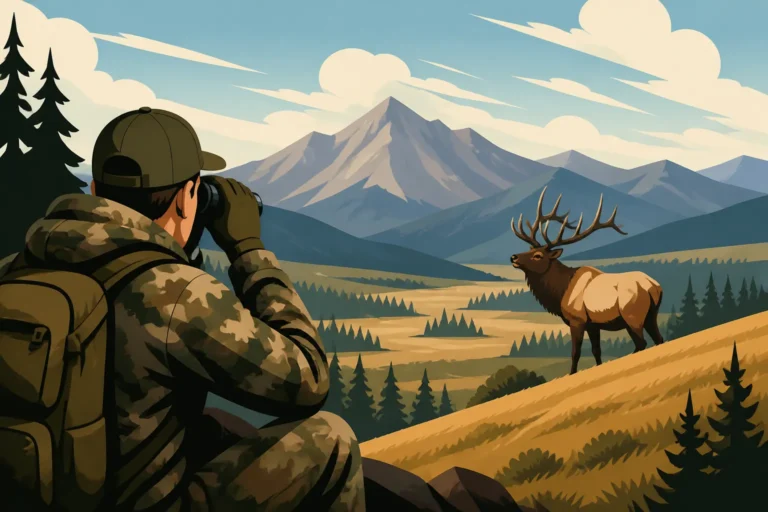
The strategy for hunting pressured public land also depends heavily on the species you're pursuing. Elk, for example, will often move into dense, dark timber or incredibly steep country when pressured. Your best bet for them might be still-hunting silently through thick cover, focusing on their bedding areas during midday, or using calling tactics to draw them out. For Montana Elk Hunting Methods Explained, understanding how to adapt your approach to pressure is paramount.
Mule deer, especially big bucks, become incredibly elusive. They'll often tuck into small, isolated pockets of cover on ridges or in deep coulees, using their exceptional eyesight and hearing to detect threats. A patient spot-and-stalk approach, coupled with thorough glassing of overlooked terrain, is often the most effective. Learning How to Spot-and-Stalk Montana Mule Deer is a valuable skill in these scenarios. They might not move far, but they'll use every topographical advantage to stay hidden.
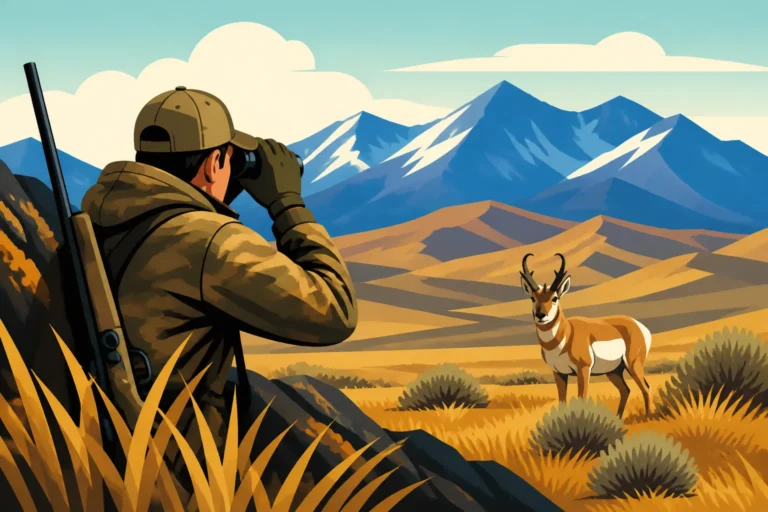
Antelope, being creatures of the open plains, don't have dense timber to hide in. When pressured, they rely on their incredible speed and eyesight, often moving to vast, unbroken tracts of private land or pushing into low-lying swales and draws where they can disappear. For public land antelope, finding remote BLM or State Trust parcels, or using decoys to draw them within range, can be very effective. Regardless of the species, the core principle remains: understand their natural escape mechanisms and develop a plan to exploit them.
E-Scouting and Boots-on-the-Ground Scouting
In today's hunting world, the successful public land hunter is a master of both digital reconnaissance and old-fashioned sweat equity. You can't maximize your odds in Montana's vastness without combining the best of both worlds.
The Power of Pre-Season Digital Reconnaissance
E-scouting is your secret weapon, allowing you to cover thousands of acres from the comfort of your home. Using tools like onX Hunt, Google Earth, or CalTopo, you can pour over satellite imagery and topographical maps, identifying potential hotspots before you ever set foot in the field. Look for features that concentrate game: pinch points, saddles, water sources, benches, south-facing slopes (for warmth), north-facing slopes (for bedding and thermal cover), and areas with diverse vegetation. The article How to E-Scout Montana Hunting Units goes into much greater detail on this critical skill.
For elk, you might identify historical migration corridors, remote water holes, or timbered ridges adjacent to open feeding areas. For deer, focus on areas with good cover and access to browse. Antelope country will have different indicators, often centered around water and rolling terrain. The beauty of e-scouting is that you can eliminate vast amounts of unproductive ground without burning gas or boot leather. You can also identify potential access issues, landlocked public parcels, or areas with high road density that might indicate heavy pressure.
Another benefit of e-scouting is its ability to help you understand the scale and difficulty of the terrain. By using topo lines, you can estimate elevation gain and distance, giving you a realistic picture of what a hike into a particular basin might entail. This allows you to plan physically and mentally, and ensures you pack the right gear. Mark potential camp spots, escape routes, and emergency bail-out points. This pre-planning builds a robust strategy for your hunt.
Verifying Your E-Scouting with On-the-Ground Work
E-scouting is fantastic for narrowing down possibilities, but it's never a substitute for physically visiting the area. Satellite images can be outdated, vegetation can change, and subtle topographical features might not be apparent from above. Your boots-on-the-ground scouting trips are where you verify your digital findings and fill in the missing pieces. This is where you confirm those "dark timber" patches are indeed thick enough for elk bedding, or that the "water source" isn't just a dried-up puddle.
During these trips, focus on finding fresh sign: tracks, scat, rubs, and active game trails. This tells you that animals are currently using the area. You can also assess hunter pressure by looking for old camps, trash, or heavily walked trails. If you find significant pressure in an area you e-scouted as ideal, it's time to adjust and look for those more secluded spots. This is also a great time to understand prevailing winds and thermals in different drainages, which is crucial for a successful stalk.
Furthermore, these trips allow you to physically navigate the terrain, learning landmarks and understanding the challenges. What looks like a short, steep climb on a map might be a treacherous rockslide in reality. You can also practice glassing from different vantage points, identifying natural funnels or hidden benches. This blend of digital foresight and real-world experience is what truly separates successful public land hunters from those who just wander aimlessly.
Seasonal Scouting and Adaptability
Game patterns are not static; they change throughout the year and even within the hunting season due to factors like weather, forage availability, and hunting pressure. Successful public land hunters understand the need for seasonal scouting and adaptability. What works for early archery season in September might be completely ineffective during the rifle season in November.
Early season scouting might focus on summer feeding patterns in high country. As the rut approaches, your focus might shift to more active areas where bulls are bugling and cows are gathered. For mule deer, you'd look for bucks still in velvet during late summer, observing their bachelor groups. When the general rifle season opens, game animals often shift to thicker cover and become more nocturnal due to increased human activity. Learning How to Hunt Elk in Montana Rifle Season Pressure is an essential skill for this timeframe.
Being adaptable means constantly evaluating the conditions and being willing to change your plan. If a cold front moves in, game might move to lower elevations or seek sunny, south-facing slopes. If heavy snow hits, elk might start their migration patterns. Your pre-season e-scouting provides a baseline, but in-season adjustments based on actual observations and weather patterns are what lead to success. Don't be afraid to leave a "good" spot if the animals aren't there; sometimes the best move is to pack up and find a new one.
Ethical Hunting and Conservation on Public Land
Hunting public land in Montana isn't just about pursuing game; it's about being a responsible steward of the land and a respectful member of the hunting community. Our access to these incredible resources depends heavily on how we conduct ourselves.
Respecting Boundaries and Other Users
One of the most critical aspects of ethical public land hunting is respecting property boundaries. Accidental trespassing, even if unintentional, can sour relationships with landowners and damage the reputation of all hunters. This is why tools like onX Hunt are so important; they leave no excuse for boundary violations. Always know where you are and where the public land ends. If you're near private land, assume a buffer and give it space unless you have explicit permission.
Beyond property lines, remember that you're sharing public land with various other users: hikers, mountain bikers, photographers, backpackers, and other hunters. Be courteous and respectful. A friendly wave or a quiet "good morning" goes a long way. If you encounter another hunter, give them space. Don't crowd their spot, and if you see them working an animal, respect their pursuit. Communication is key; a quick conversation can often prevent conflicts. If you're a bowhunter during rifle season, wearing blaze orange isn't just for safety, it's a courtesy to rifle hunters.
Moreover, if you are hunting in designated wilderness areas, remember the "leave no trace" principles are even more stringent. Packing out everything you pack in, camping in designated spots (if applicable), and minimizing your impact on the environment helps preserve these wild places for everyone. Your behavior reflects on the entire hunting community, so set a good example.
Packing It In, Packing It Out
The principle of "pack it in, pack it out" is foundational to ethical public land use. This means absolutely everything you bring into the backcountry must leave with you, including all trash, spent casings, food wrappers, and even biodegradable items like orange peels or apple cores. While they might break down, they still create litter and can attract wildlife to human food sources, which can have negative consequences.
This also extends to field dressing and packing out your game. When you harvest an animal on public land, you have a responsibility to recover all edible meat and dispose of the carcass remains in a respectful manner. Don't leave gut piles in highly visible areas or near trails; move them off the beaten path where they can naturally decompose without attracting undue attention or creating an eyesore. Knowing How to Pack Out an Elk in Montana is just as important as knowing how to hunt it.
Failure to adhere to pack-it-in, pack-it-out principles not only degrades the natural beauty of public lands but also fuels anti-hunting sentiment. Every piece of trash left behind is a black eye for hunters and can lead to increased restrictions or closures. Be meticulous about cleaning up your camp, your glassing spots, and any area where you spend time. A pristine hunting ground is a shared responsibility.
The Role of Hunters in Conservation
Hunters are, and always have been, the primary conservationists in North America. Through license fees, excise taxes on hunting equipment (Pittman-Robertson Act), and active involvement in habitat improvement, hunters fund the vast majority of wildlife management and conservation efforts in Montana and across the country. Your participation in hunting directly supports the health of these public lands and the game species that call them home.
When you hunt ethically and responsibly, you contribute to a positive image of hunting, which is vital for its future. Following regulations, participating in harvest surveys, and reporting violations are all ways to uphold the integrity of the sport. Supporting organizations like Montana Wild Sheep Foundation, Rocky Mountain Elk Foundation, or Mule Deer Foundation that actively work on habitat enhancement and public land access also reinforces this commitment.
Beyond financial contributions and adherence to rules, active engagement in conservation means being an advocate for public lands. Speak up for access, defend sound wildlife management practices, and educate non-hunters about the critical role hunting plays in maintaining healthy ecosystems. Our continued ability to hunt on public land depends on a strong, unified voice that champions conservation and responsible outdoor ethics.
Overcoming Common Public Land Challenges
Even with the best planning, public land hunting in Montana will throw curveballs. It's the nature of the wild. Being prepared for these common challenges can mean the difference between a frustrating trip and a successful, memorable experience.
Dealing with Road Closures and Access Issues
One of the most frequent frustrations on Montana's public lands, especially in National Forests, is unexpected road closures. These can be seasonal (e.g., winter range closures), weather-related (mud, snow), or due to logging operations or fire danger. A road that was open last year, or even last week, might be closed when you arrive. This can completely derail your hunting plan if you haven't scouted alternative access points or developed a flexible strategy.
Always check with the local Forest Service or BLM office, or the Montana FWP website, for current road and trail conditions before your hunt. Many agencies maintain online maps or hotlines with up-to-date information. While onX Hunt often shows seasonal closures, real-time conditions can change quickly. Have multiple access points for your target area identified during your e-scouting phase, and be prepared to hike further or adjust your hunting area if your primary access is blocked.
The challenge of landlocked public parcels is another ongoing battle. While digital mapping tools reveal these, they don't solve the access problem directly. In some cases, a landowner might grant permission to cross, but this should never be assumed. Always ask well in advance and respect their decision. Sometimes, the only legal access is a long, arduous hike, which leads back to the strategy of "go where others won't" – if the hike is tough enough, it often means less competition.
Navigating Weather and Terrain
Montana's weather is famously unpredictable and can change rapidly, especially in the mountains. A warm, sunny morning can quickly turn into a blizzard, even in early fall. Hunters must be prepared for everything: rain, snow, high winds, and rapidly dropping temperatures. Hypothermia is a real danger, and complacency can be deadly. Always pack extra layers, waterproof outerwear, emergency shelter, and enough food and water. Having a solid Montana Backcountry Hunting Gear List is paramount.
The terrain itself is often the biggest physical challenge. Steep climbs, thick timber, rocky scree slopes, and deep drainages are commonplace. This physically demanding environment requires a high level of fitness. Training throughout the year, focusing on cardiovascular endurance and leg strength, will make your hunt safer and more enjoyable. The effort required to get into remote, unpressured areas is significant, but it's often rewarded with better hunting opportunities. Consider reviewing How to Physically Prepare for a Montana Elk Hunt.
Navigation in complex terrain, especially in inclement weather or low light, is another critical skill. Always know your route, carry a compass and paper map as a backup to your GPS/phone, and check your position frequently. Don't rely solely on digital devices; they can fail. Familiarize yourself with the area's landmarks and be aware of your surroundings at all times. Getting lost in Montana's vastness is a serious situation, so prevention through proper planning and navigation skills is key.
Managing Expectations and Persistence
Perhaps the most important aspect of public land hunting in Montana is managing your expectations and cultivating persistence. This is not a guaranteed harvest; it's a wild, challenging pursuit. You might spend days hiking, glassing, and calling without seeing a single animal. That's part of the experience. Don't let a few tough days discourage you.
Success on public land often comes down to sheer grit and the willingness to keep pushing when others give up. Many animals are harvested on the last day, or even the last hour, of a hunt. The hunter who is still out there, putting in the effort, is often the one who finds success. Learn from every outing, even the unsuccessful ones. What did the animals do? Where did you see other hunters? What could you have done differently?
Celebrate the process: the sunrise over a remote mountain range, the sound of a bugling bull echoing through the timber, the camaraderie with hunting partners, or simply the physical challenge of exploring wild country. A filled tag is a bonus, but the true reward of public land hunting is the immersion in nature and the profound experience of the chase. Stay persistent, stay ethical, and Montana's public lands will eventually reward you.
Disclaimer
Please note that hunting regulations, land access rules, and season dates in Montana can change frequently. It is the hunter's responsibility to verify all current regulations and land status with Montana Fish, Wildlife & & Parks (FWP) and the relevant land management agencies (e.g., US Forest Service, BLM, DNRC) before planning or embarking on any hunt. Always prioritize safety and ethical hunting practices.