Hunting the Bob Marshall for Elk
The allure of hunting elk in Montana is strong, but when you mention "The Bob," it immediately conjures images of untamed wilderness, breathtaking beauty, and a challenge unlike almost any other hunt. Many hunters dream of experiencing the vast, remote country of the Bob Marshall Wilderness Complex, but the sheer scale and ruggedness can feel incredibly overwhelming, making it tough to even know where to begin planning. This comprehensive guide is here to demystify hunting elk in this legendary backcountry, breaking down the unique aspects of the Bob Marshall and providing actionable insights to help you prepare for an unforgettable, albeit demanding, elk adventure.
Understanding the Bob Marshall Wilderness Complex
The Bob Marshall Wilderness, affectionately known as "The Bob," isn't just another patch of public land; it's a designated wilderness area spanning over 1.5 million acres. This designation means specific rules and a unique environment that radically shapes how you plan and execute your hunt. Forget about ATVs, e-bikes, or even mountain bikes – this is true wilderness, where travel is restricted to foot or horseback, and mechanical advantages are simply not allowed. This remoteness is both its greatest appeal and its biggest challenge, creating an experience far removed from typical road-system hunting.
The Scale and Terrain of The Bob
Imagine a landscape so vast you can literally get lost in it, a place where mountain ranges stretch as far as the eye can see, broken only by deep river valleys, dense timber, and open parks. The Bob Marshall is home to iconic features like the Chinese Wall, a 1,000-foot high escarpment running for miles. Elevations vary wildly, from river bottoms at around 4,000 feet to peaks soaring over 9,000 feet. This diverse terrain dictates elk movement and where you'll find them at different times of the season. During early archery, elk might be higher in the alpine basins, seeking cooler temperatures and succulent forage. As hunting pressure increases and weather cools, they often retreat into the dense, dark timber on north-facing slopes, becoming notoriously difficult to locate.
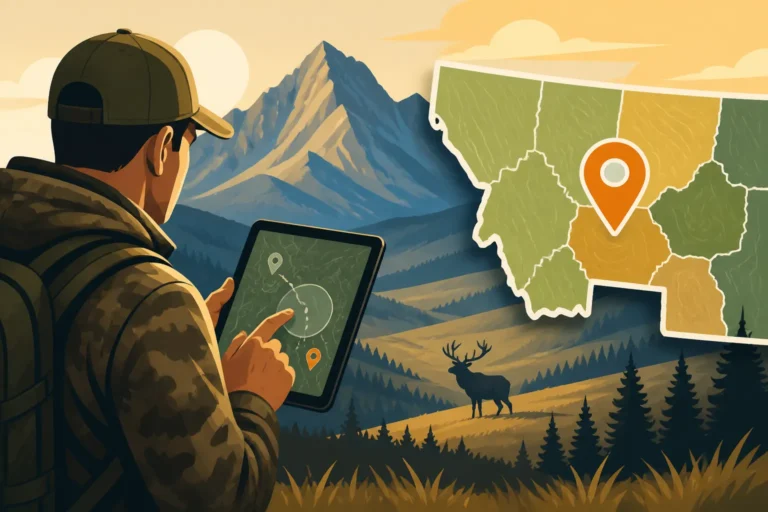
The sheer absence of roads means that every mile you travel on foot or horseback is earned. This isn't a place for quick scouting trips or easy access to new areas. Once you commit to an area, you're in it. Hunters often find themselves miles from the nearest trailheads, making logistical planning, especially for packing out an elk, a monumental task. Understanding the topography through detailed maps and tools like onX Hunt is absolutely critical long before your boots hit the dirt. These mapping systems can help you visualize the terrain, identify potential travel corridors, and mark crucial features like water sources and dense timber pockets where elk might seek refuge.
Wilderness Regulations and Their Impact on Hunting
Hunting in a designated wilderness area like the Bob Marshall comes with a specific set of regulations that are different from general public land. Beyond the "no motorized vehicles" rule, you'll need to be aware of things like food storage requirements to mitigate bear encounters, restrictions on permanent camps, and leave-no-trace principles that are more strictly enforced. The goal is to preserve the pristine nature of the wilderness, and as hunters, we play a vital role in that.
For instance, proper food storage in bear country isn't just a recommendation; it's a necessity. Bear-resistant containers or hanging food at least 10 feet off the ground and 4 feet from the tree trunk are crucial for preventing conflicts. This means extra gear and careful planning for your campsite. You also can't just set up a permanent spike camp and leave it; everything you pack in must be packed out. This emphasis on self-sufficiency and minimal impact means your gear choices and packing strategy become even more paramount. Familiarizing yourself with the specific regulations for the Bob Marshall, often found on the U.S. Forest Service website or through Montana Fish, Wildlife & Parks, is non-negotiable before you ever step foot into this vast expanse.
Elk Behavior and Tactics in The Bob
Hunting elk in the Bob Marshall demands a different mindset and approach than hunting in areas with more human presence. The elk here are wilder, less accustomed to constant pressure, but also incredibly adept at using the massive landscape to their advantage. Their behavior is largely dictated by forage, water, security, and the natural rhythms of the season rather than dodging hunters at every turn.
Locating Elk in Vast Wilderness
Finding elk in such an immense area can feel like searching for a needle in a haystack. Unlike areas where elk might be patterned around agriculture or predictable escape routes near roads, Bob Marshall elk have endless options. Your scouting efforts, even if largely remote, become your best friend. Start by identifying high-country basins, ridge systems, and transition zones between timber and open country that offer both food and cover. Water sources, especially during early season, are also key attractants. Elk often utilize the same travel corridors for generations, moving from summer range to feeding grounds and then to bedding areas.
Using tools like GoHunt for historical draw odds and unit breakdowns, combined with mapping software like onX Hunt, can help you narrow down areas of interest from home. Look for old burns, which can offer prime feed, and areas with south-facing slopes for early season green-up or north-facing timber for bedding. Pay attention to how the thermals will move the wind, especially in deep canyons and drainages; elk are masters of using these air currents to detect danger. Once you're on the ground, expect to cover significant mileage daily. This isn't a hunt where you sit and wait; it's a hunt where you find the elk. Glassing large expanses from high vantage points, then moving purposefully into promising areas, is often the most effective strategy.
Effective Hunting Strategies and Methods
Given the challenging terrain and the unpressured nature of Bob Marshall elk, certain hunting methods tend to be more successful. This is classic backcountry hunting, where patience, physical endurance, and adaptability are rewarded.
Spot-and-Stalk and Calling
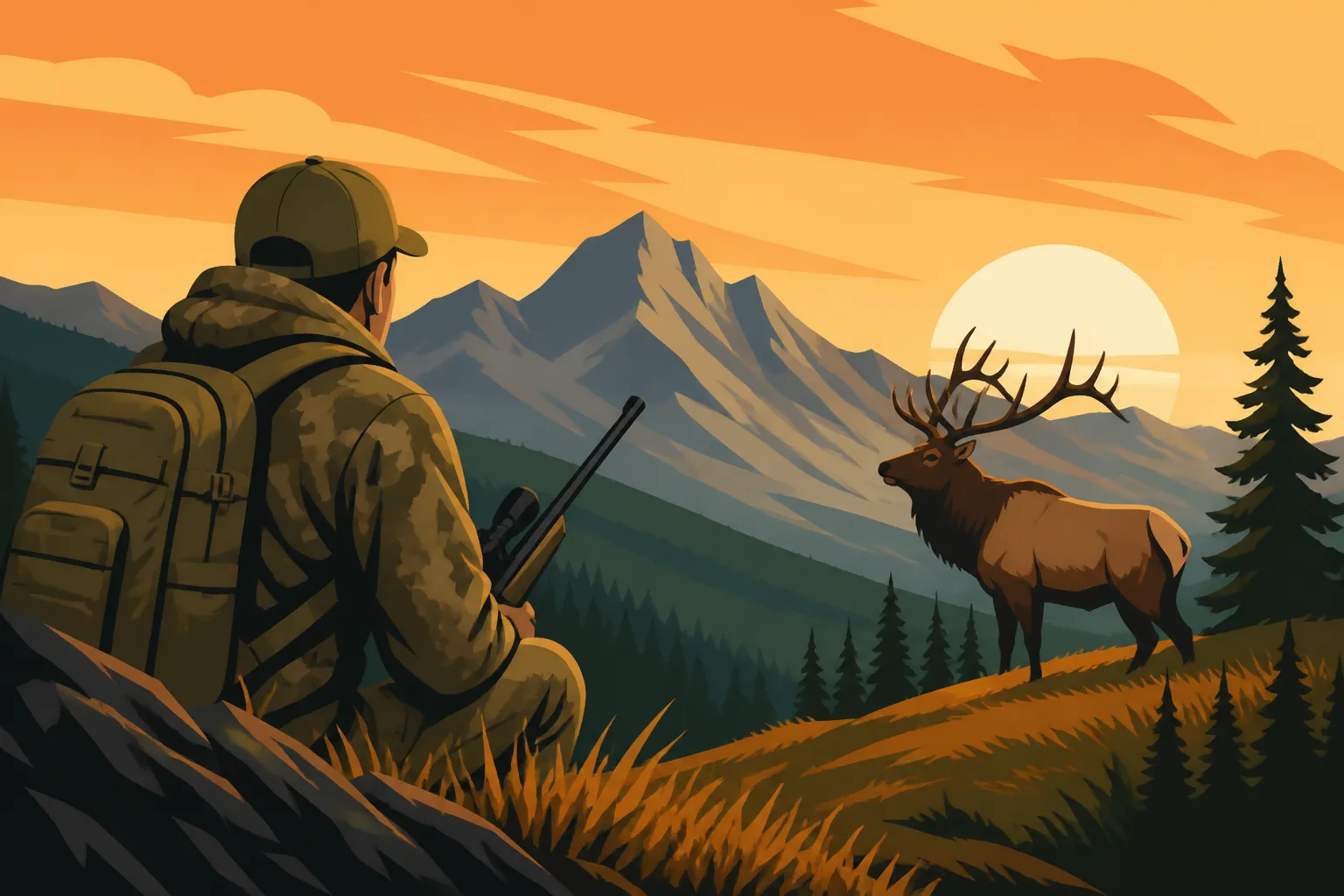
- Spot-and-Stalk: This is a primary method for good reason. From a high vantage point, use quality optics to systematically glass distant hillsides, open parks, and timber edges, especially during the early morning and late evening. Once you spot elk, plan your approach meticulously. The terrain can be deceptive, and a seemingly short distance can involve miles of steep climbing and descending. Pay close attention to wind direction, thermals, and available cover. This method is exceptionally effective during archery season when bulls are often more visible. To master this technique, consider exploring a guide on how to spot-and-stalk antelope in Montana, as many of the principles apply to elk in open country.
- Calling: During the rut (typically late September to early October), calling can be incredibly effective. Bulls in the Bob Marshall might be less wary of calls due to lower hunting pressure. However, it's a huge area, so you might need to move and call to locate bulls. Aggressive bugling can often elicit a response from a dominant bull, while cow calls can entice satellite bulls or locate a herd. Knowing How to Call Elk in Montana is a critical skill. Remember, in such dense timber, a bull might be much closer than he sounds. Always be prepared for a quick shot when calling, and set up so you have cover and a clear shooting lane.
Still-Hunting and Ambushing
- Still-Hunting: When elk retreat into the thick timber, especially during rifle season or after early pressure, still-hunting becomes crucial. This involves moving incredibly slowly and deliberately through the woods, taking a few steps, then pausing for several minutes to listen, look, and assess. Focus on fresh tracks, droppings, and rubs. Use the wind to your advantage, always moving into it. Look for horizontal lines (an elk's back or belly) in a forest of vertical trees. This method requires immense patience and sharp senses. For more specialized tips, look into How to Still-Hunt Montana Timber.
- Ambushing: This strategy is particularly effective near known water sources, wallows, or natural travel funnels between bedding and feeding areas. If you've located consistent elk sign, setting up quietly before dawn or late afternoon in a strategic location can pay off. While tree stands are rare in the Bob due to wilderness regulations and logistical challenges, finding natural blinds or setting up on a bench overlooking a known trail can be effective. This combines patience with understanding elk movement patterns in specific areas. Guides like How to Hunt Elk Wallows in Montana and How to Hunt Elk Water Holes in Montana can provide valuable insights for this tactic.
Essential Preparations for a Bob Marshall Elk Hunt
Hunting the Bob Marshall isn't just a physical challenge; it's a mental one, too. The preparation required goes far beyond simply packing your rifle or bow. It's about ensuring you have the physical endurance, the right gear, and the mental fortitude to handle everything this wild country throws at you.
Physical Conditioning and Endurance
Let's be blunt: if you're not in excellent physical shape, the Bob Marshall will break you. This is not hyperbole. You will be hiking miles, often off-trail, with a heavy pack, at elevation. Then, if successful, you'll be packing out hundreds of pounds of meat over rugged terrain, potentially multiple trips. This demands months of dedicated physical training.
Your fitness plan should focus on:
- Cardiovascular Endurance: Think long hikes with a weighted pack (30-50 lbs), stair climbing, and running. Simulating uphill climbs is crucial.
- Strength Training: Core strength, leg strength (squats, lunges), and back strength are paramount for carrying heavy loads.
- Mental Toughness: Practice pushing through discomfort during your training. Understand that you will be tired, cold, and wet at times, and your mental resilience will be just as important as your physical strength.
Don't underestimate this aspect. Many a dream hunt in the Bob has ended early due to lack of physical conditioning. Preparing for high-country Montana hunting involves specific strategies that can make or break your hunt. A detailed Montana Elk Hunt Fitness Plan is a wise investment of your time.
Backcountry Gear and Logistics
Your gear is your lifeline in the Bob Marshall. Every item must be carefully considered for its weight, durability, and multi-use potential. This is where quality really shines, and cutting corners can leave you in a dangerous situation.
Shelter and Sleep System
You'll need a lightweight, durable tent or tarp system that can withstand variable mountain weather – from warm sunny days to sudden snowstorms and high winds. A good quality three-season tent, or even a four-season tent if hunting late in the season, is essential. Your sleeping bag should be rated for temperatures colder than you expect to encounter, and a lightweight, high R-value sleeping pad is critical for insulation and comfort.
Navigation and Communication
Reliable navigation is non-negotiable. While a traditional map and compass are essential backups, a GPS device or a smartphone with a robust hunting app like onX Hunt is invaluable. Download offline maps for your entire hunting area well in advance, as cell service will be nonexistent. A satellite communication device (like a Garmin InReach or Zoleo) is also highly recommended for emergency communication and checking in with loved ones. It could literally be a lifesaver.
Food, Water, and Cooking
Plan your food meticulously. Dehydrated meals are lightweight and calorie-dense. Supplement with high-energy snacks. For water, a reliable water filter or purification tablets are essential. You cannot carry enough water for a multi-day hunt. A lightweight cooking system (stove, fuel, pot) is also needed.
Clothing and Footwear
Layering is key for Montana's unpredictable weather. Pack moisture-wicking base layers, insulating mid-layers (fleece or puffy jacket), and a waterproof/breathable outer shell. Good quality, broken-in hunting boots are perhaps your most important piece of gear. They need to offer ankle support, good traction, and be waterproof. Many hunters swear by boots from brands like Kenetrek or Crispi for the rugged Montana terrain. Having a guide on the Best Boots for Montana Elk Hunting is a must-read.
Here's a simplified gear checklist:
| Category | Essential Items | Considerations |
|---|---|---|
| Navigation | GPS device/phone with onX Hunt (offline maps), paper map, compass, power bank |
No cell service; battery life is crucial |
| Communication | Satellite messenger (Garmin InReach, Zoleo) | Emergency contact, check-ins |
| Shelter | Lightweight tent/tarp, sleeping bag (appropriate temp rating), sleeping pad | Weather resistance, warmth-to-weight ratio |
| Cooking | Lightweight stove, fuel, pot, spork, dehydrated meals, high-energy snacks | Calorie density, fuel efficiency |
| Water | Water filter/purifier, collapsible water bottles/bladder | Access to reliable water sources |
| Clothing | Layering system (base, mid, outer), extra socks, hat, gloves | Moisture-wicking, insulation, waterproof, quiet fabrics |
| Hunting | Rifle/bow, ammunition/arrows, optics (bino, spotter, rangefinder), knife, game bags, headlamp, calls | Optics for glassing vast areas, sharp knife for field dressing, strong game bags for meat |
| Safety/First Aid | Comprehensive first-aid kit, bear spray, fire starter, cordage, repair kit, emergency whistle | Treat injuries, signal for help, handle bear encounters |
| Pack | Durable hunting backpack (60-80L for multiday), day pack | Comfortable with heavy loads, internal frame, good organization |
For a more exhaustive list, consult a Montana Backcountry Hunting Gear List. Remember, every ounce counts when you're packing into and out of the Bob Marshall. Learning How to Pack for a Montana Backcountry Hunt effectively will save you a lot of grief.
Hunting with Horses and Pack Animals
For many experienced Bob Marshall hunters, horses or mules are not a luxury, but a necessity. They allow you to cover more ground, pack in more supplies, and most importantly, pack out an entire elk with far less physical strain. However, using pack animals comes with its own set of skills and challenges. You need to be an experienced horseman or hire an outfitter. Understanding proper stock handling, feed requirements, and trail etiquette is crucial. Horses also require specific gear like panniers, pack saddles, and hobbles. If you're considering this, researching how to hunt Montana with horses is a critical step. For those new to backcountry hunting, or perhaps making their first foray into the Bob, a guided trip or a drop camp service can be an excellent option to leverage an outfitter's experience and stock without the full commitment of owning and managing your own animals. Outfitters who run these kinds of trips are experts in Montana Wilderness Outfitters Explained.
Navigating the Challenges of the Bob Marshall
The Bob Marshall will test your limits, but anticipating and preparing for its unique challenges will significantly increase your chances of a successful and safe hunt.
Weather Extremes and Remote Conditions
Montana weather is notoriously unpredictable, and in the high country of the Bob Marshall, it can change in an instant. A sunny, mild morning can quickly turn into a raging snowstorm or torrential rain. This means being prepared for all conditions, even if the forecast looks clear. Hypothermia is a real threat, so layers, waterproof gear, and emergency shelter are paramount.
Beyond weather, the sheer remoteness means you are truly on your own. Help is days, not hours, away. Minor injuries can become serious problems if not addressed quickly and properly. This reinforces the need for a comprehensive first aid kit, wilderness first aid knowledge, and a satellite communication device. Having a plan for what to do if someone gets hurt, or if you get turned around, is not being pessimistic, it's being smart. Reviewing Montana Backcountry Hunting Safety Tips can provide essential guidance.
Packing Out Your Harvest
This is often the biggest hurdle for successful Bob Marshall hunters. An average bull elk can weigh upwards of 600-700 pounds live weight, yielding 200-300 pounds of boned-out meat, plus the hide and antlers. Packing this out, potentially miles from your camp or trailhead, is a brutal undertaking.
Field Dressing and Meat Care
You'll need to know How to Quarter an Elk in the Montana Backcountry efficiently and effectively. Get the hide off quickly to allow the meat to cool. Utilize good quality game bags to protect the meat from dirt and flies. Hang the quarters in a shady, airy spot to cool. Especially during early season, keeping the meat cool is a race against time, so understanding How to Keep Elk Meat Cool in Montana's Early Season is vital. If hunting solo, consider How to Pack Out Elk Meat Solo in Montana. This often means multiple trips, each load weighing 60-100 pounds. This is where those months of physical conditioning truly pay off.
Planning Your Extraction
Before you ever pull the trigger, you should have a solid plan for how you'll get the meat out.
- Solo Hunter: If you're hunting alone, this usually means multiple trips. You might cache quarters and return for them. Be aware of potential scavengers like bears and wolves. Hang meat high and use bright colored flagging tape to mark cache locations.
- Hunting Partners: Even with a partner or two, it will still be incredibly challenging. Sharing the load makes it more manageable, but expect to be exhausted.
- Pack Animals: This is, without a doubt, the easiest way to extract an elk from the Bob. If you don't own stock, a drop camp service will often pack you in and out and can be arranged to pack out your harvest for an additional fee. This greatly reduces the physical toll and helps ensure the meat is handled quickly and properly.
Hunting the Bob Marshall for elk is a truly profound experience. It’s an adventure that demands respect, meticulous preparation, and a deep appreciation for wild places. It won’t be easy, but the rewards—the pristine solitude, the challenge of the hunt, and the memory of earning your elk in one of America's last great wildernesses—are immeasurable.
Disclaimer
Hunting is an inherently dangerous activity. This guide provides general information and recommendations. Always consult the most current Montana Fish, Wildlife & Parks regulations, ensure you have proper licenses and permits, and prioritize safety above all else. Seek professional instruction for advanced backcountry skills and first aid.