What You Can Hunt in Montana
Trying to figure out what you can actually hunt in the vast, wild expanse of Montana can feel like trying to drink from a firehose – there's just so much opportunity, but also a dizzying array of regulations, seasons, and species to understand. Whether you're a seasoned western hunter or dreaming of your first big adventure, wading through the options can be overwhelming. This comprehensive guide will break down the incredible diversity of game animals available in Big Sky Country, helping you understand what's out there and how to pursue it.
Montana's Crown Jewels: Elk and Deer Hunting
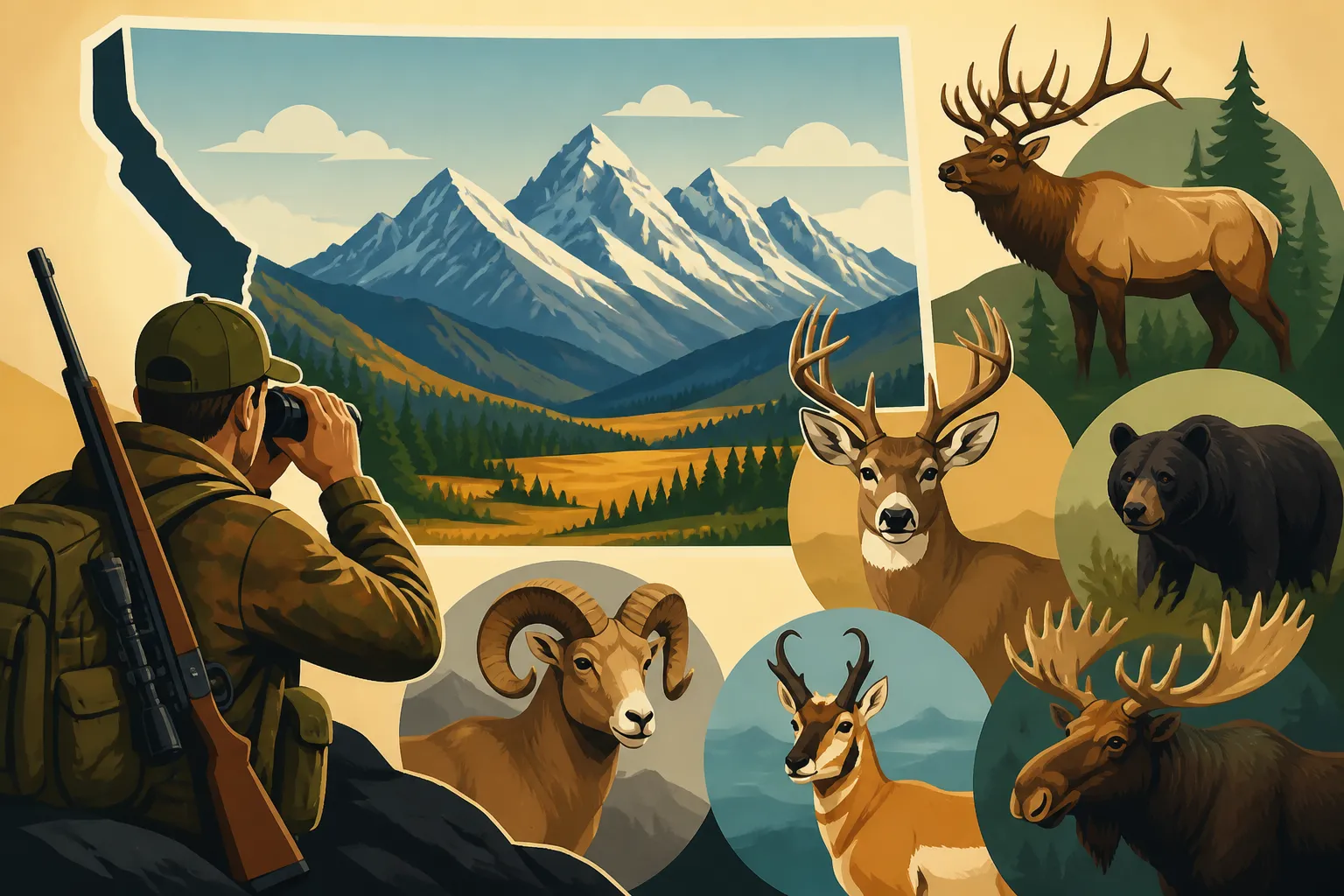
When most folks think about hunting in Montana, their minds immediately drift to the iconic big game animals that roam the mountains and plains. Elk and deer are undeniably the biggest draws, offering thrilling challenges and the reward of incredible experiences in some of the most stunning landscapes imaginable. These aren't just animals; they're an integral part of the state's rugged identity, and pursuing them is a deeply rooted tradition.
Elk: The Ultimate Backcountry Challenge
Hunting elk in Montana is often considered the pinnacle of western hunting, and for good reason. These majestic animals thrive in the state's diverse terrain, from dense timber pockets in the western mountains to the open, rolling hills of the central and eastern regions. They are incredibly wary, powerful, and often inhabit difficult-to-access country, demanding both physical stamina and keen hunting skills. The sheer size of an elk, combined with the challenge of finding and harvesting one, makes it an unforgettable experience.
Montana offers a variety of elk hunting opportunities, broadly split between archery and rifle seasons. Archery season typically kicks off in early September, right as the bulls are starting to get vocal, entering the pre-rut phase. This period, leading into the peak rut, is electrifying, with bugles echoing through the timber and the chance to call a bull right into your lap. Rifle season, often starting in late October, brings different challenges, as elk often move into thicker cover or migrate to lower elevations with the onset of colder weather and snow. Understanding elk behavior throughout these different periods is crucial for success. Many hunters spend countless hours refining their calling techniques, learning How to Bugle for Montana Elk or practicing cow calls to lure in an wary bull. The effort required is immense, but the reward of a hard-earned elk is unparalleled.
The physical demands of elk hunting cannot be overstated. You'll likely be covering many miles on foot, often at high elevations, navigating steep slopes and dense timber. This is where your conditioning truly comes into play; being able to climb steadily, pack heavy loads, and remain mentally sharp after hours in the field is paramount. Beyond the physical, there's the mental game: the patience required during a still-hunt, the quick decision-making when an elk suddenly appears, and the perseverance to keep pushing despite tough conditions. It’s a full-body, full-mind endeavor that tests even the most seasoned hunters.
Mule Deer: High Country and Breaks
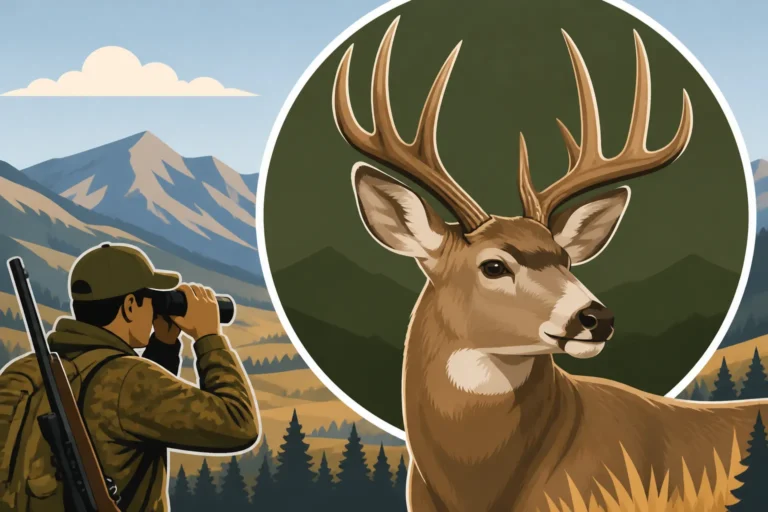
Mule deer are another highly sought-after species in Montana, known for their large ears and distinctive bounding gait. They are often found in more open, broken country than their whitetail cousins, preferring sagebrush flats, rimrock, timbered ridges, and high-elevation basins. Montana's vast public lands, including national forests and Bureau of Land Management (BLM) acreage, offer extensive opportunities for pursuing these magnificent deer. Spotting and stalking mule deer is a classic western hunting method, relying heavily on quality optics and patient glassing.
Hunting mule deer typically involves covering a lot of ground with your binoculars and spotting scope, meticulously scanning hillsides, coulees, and timber edges for any sign of antlers or an ear twitch. The phrase "let your optics do the walking" is never truer than when hunting mule deer. Once a buck is spotted, the real chess match begins: planning an approach that uses terrain and wind to your advantage, closing the distance without being detected. This can mean crawling through sagebrush, skirting ridgelines, or making long, circuitous routes to get into shooting position. Many hunters dedicate their time to learning How to Hunt Mule Deer on Montana Public Land and understand the nuances of their habitat.
Montana's mule deer populations can fluctuate, influenced by harsh winters and habitat changes, so staying informed on regional herd health is always a good idea. The general rifle season for deer usually aligns with late October and November, often coinciding with the rut, which can make bucks more active and less cautious as they search for does. This period can offer incredible opportunities, but it also brings more hunters into the field. Whether you're hunting the high country of the Beaverhead-Deerlodge National Forest or the rugged Missouri Breaks, a successful mule deer hunt is a testament to perseverance and keen observation.
Whitetail Deer: River Bottoms and Timber
While mule deer often get the spotlight for western hunting, Montana boasts excellent whitetail deer hunting, particularly in the river bottoms, agricultural areas, and timbered draws across the state. These elusive creatures are masters of their environment, utilizing dense cover and their keen senses to evade hunters. Unlike the open country hunts for mule deer, whitetail hunting in Montana often involves tactics more familiar to eastern hunters: tree stands, ground blinds, and still-hunting through thick timber.
You'll typically find Montana whitetails concentrated along major river systems like the Yellowstone, Missouri, Clark Fork, and their tributaries, where lush riparian habitats provide abundant food and cover. They also thrive in areas bordering agricultural fields, where they can feed at night and retreat to heavy cover during the day. The challenge with whitetails lies in their uncanny ability to disappear into seemingly thin cover, making close encounters thrilling but often fleeting. Patience is a virtue, and understanding their movement patterns – especially during the rut – is critical. A popular tactic involves setting up along travel corridors or food sources, hoping to intercept a buck as he moves. Learning How to Hunt Whitetail in Montana River Bottoms can significantly increase your odds.
Montana's whitetail season generally runs concurrent with the mule deer season, providing opportunities to hunt both species if you hold the appropriate licenses. The rut for whitetails usually peaks in mid-November, offering some of the most exciting hunting as bucks become more active and responsive to calling or rattling. While trophy whitetails are certainly present, many hunters also appreciate the plentiful opportunities for quality venison provided by Montana's robust whitetail populations. It's a different kind of hunt than chasing elk or mule deer, often more intimate and focused on understanding a specific patch of cover, but no less rewarding.
Plains Speedsters and Woodland Wanderers: Antelope and Bear
Beyond the deer and elk, Montana's diverse landscapes host other exciting big game species, offering unique hunting experiences. From the blistering speed of the pronghorn antelope on the eastern plains to the stealthy black bear roaming the mountainous forests, these animals present distinct challenges and rewards. Pursuing them adds another layer to the incredible tapestry of hunting opportunities in Big Sky Country.
Pronghorn Antelope: The Prairie Ghost
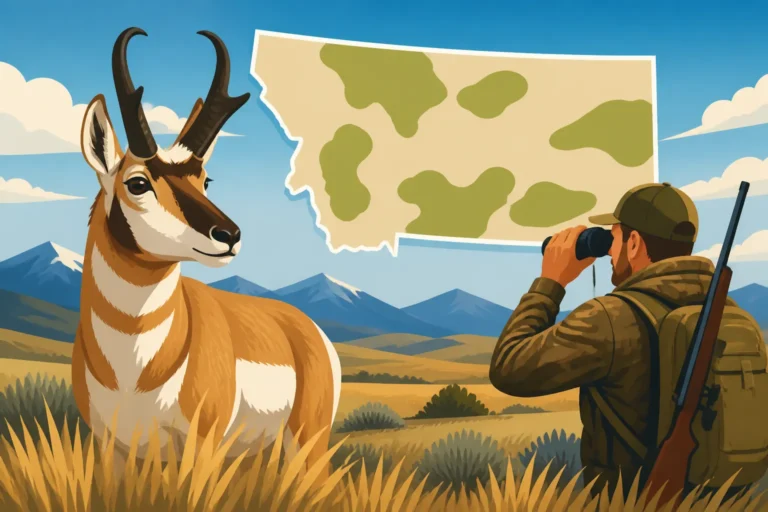
Pronghorn antelope, often mistakenly called "antelopes," are truly North America's speedsters, capable of bursts up to 60 miles per hour. They are a quintessential symbol of the American West, dominating the open plains, grasslands, and sagebrush country of eastern and central Montana. Hunting pronghorn is a completely different experience than chasing deer or elk in the timber. It's often a game of long-range glassing, calculated stalks, and making the most of minimal cover in vast, exposed landscapes.
The sheer openness of pronghorn habitat means you'll be glassing for miles, trying to pick out the tell-tale white patches or a flash of horn against the horizon. Once you spot a buck you'd like to pursue, the challenge becomes closing the distance in country that seems to offer no concealment. This is where creativity and patience come into play. Hunters often use coulees, dry creek beds, or even the curvature of the earth to stay out of sight, sometimes crawling hundreds of yards to get within shooting range. Learning How to Spot-and-Stalk Antelope in Montana is an art form in itself. Another effective tactic, particularly during the early archery season or in areas with limited natural cover, involves using a decoy. A life-sized pronghorn buck decoy can sometimes entice a territorial buck to come investigate, offering a unique close-range opportunity.
Antelope seasons in Montana typically run from early September for archery, extending into October and November for rifle hunters. While drawing a coveted antelope tag can require some luck, particularly for non-residents, opportunities exist, especially in certain regions or with "900 series" private-land-only tags. GoHunt's data can be very helpful for non-residents looking to understand draw odds and unit performance. The meat of a pronghorn, when properly cared for, is lean and delicious, making it a fantastic table fare addition to any freezer. It's a hunt that demands sharp eyes, tactical thinking, and an appreciation for the vastness of the prairie.
Black Bear: Spring and Fall Opportunities
Montana's forests are home to a healthy population of black bears, offering both spring and fall hunting seasons. Unlike the more open-country pursuits, bear hunting often takes place in dense timber, thick brush, and mountainous terrain, requiring a keen understanding of bear behavior and habitat. While black bears are typically dark black, Montana is known for its incredible color phase variations, including cinnamon, chocolate, and even blonde bears, adding an element of surprise to every encounter.
Spring bear season, typically from mid-April to early June, coincides with bears emerging from hibernation, looking for easily digestible greens. This is often a spot-and-stalk hunt, focusing on south-facing slopes, avalanche chutes, and clearcuts where new vegetation is sprouting. Hunters will spend hours glassing these areas, hoping to catch a bear feeding in the open. Fall bear season, usually from early September through November, sees bears gorging on berries, acorns, and other mast crops to put on weight for winter. During this time, bears are often found in heavier timber, around berry patches, or near creek bottoms. Learning How to Hunt Montana Spring Black Bear involves understanding these seasonal movements and food sources.
Hunting methods for black bear primarily include spot-and-stalk, still-hunting, and, in some areas and under specific regulations, baiting. In Montana, baiting is permitted in certain regions, typically eastern and central portions of the state, but always check current regulations carefully as they can change. Bear hunting is a challenging pursuit that requires patience, a good set of optics, and an understanding of tracking and bear sign. It's an opportunity to experience Montana's wilder side and a chance to harvest a unique big game animal.
Trophy Dreams: Moose, Sheep, and Mountain Goat
For many hunters, the ultimate dream is to draw one of Montana's truly coveted, once-in-a-lifetime tags: moose, bighorn sheep, or mountain goat. These species represent the pinnacle of big game hunting, not just for their rarity and impressive trophies, but for the extreme challenge and unparalleled wilderness experience they offer. Drawing one of these tags is a triumph in itself, often requiring years, if not decades, of applying, and a testament to perseverance in the draw system.
Shiras Moose: Marshy Monarchs
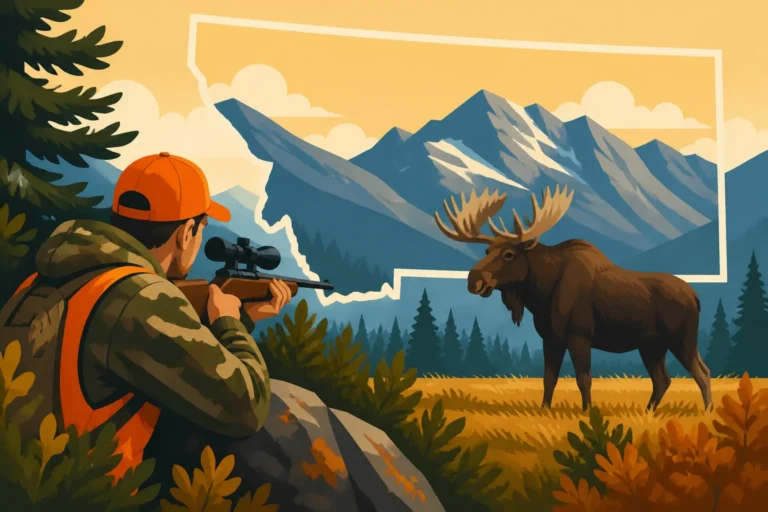
The Shiras moose, the smallest subspecies of moose in North America, roams the willow-choked creek bottoms, marshy areas, and high-elevation timber of Montana's western and central mountains. Unlike elk or deer, moose are not found throughout the state, but rather in specific, often remote, habitats. Their diet consists largely of aquatic vegetation and browse, leading them to areas that are often difficult for humans to navigate. This preference for dense, wet cover, combined with their relatively low population numbers, makes drawing a moose tag incredibly difficult.
Moose tags in Montana are strictly managed through a limited-entry permit draw system, making them one of the hardest tags to acquire. Success in the draw often requires many years of building bonus points. For those fortunate enough to draw, the hunt itself is an adventure. It often involves navigating thick timber, wading through boggy terrain, and patiently searching for sign in dense willow thickets. Moose are not particularly spooky, but they are masters of concealment in their preferred habitat. Finding a bull involves covering ground slowly and quietly, looking for fresh tracks, rub lines, and feeding areas. Our Montana Moose Hunting Guide delves deeper into these challenging hunts.
The hunt for a Shiras moose is less about covering vast distances at high speed and more about methodical, quiet persistence in thick cover. It's a true wilderness experience, often far from roads and other hunters. The sheer size of a bull moose, with its enormous palmed antlers, makes it an awe-inspiring animal to encounter. A successful moose hunt is a deeply personal and often solitary achievement, representing years of dreaming and a significant investment of time and effort.
Bighorn Sheep and Mountain Goat: Alpine Adventures
Hunting bighorn sheep and mountain goats in Montana represents the ultimate alpine challenge, pushing hunters to their physical and mental limits in some of the most unforgiving terrain imaginable. These magnificent animals inhabit the rugged, high-elevation peaks and cliffs of Montana's wilderness areas and national forests. Both species are managed through extremely limited permit draws, making their tags the most sought-after and elusive in the state. Drawing a bighorn sheep or mountain goat tag is a truly once-in-a-lifetime opportunity.
Bighorn sheep are typically found on steep, rocky slopes and alpine meadows, relying on their incredible climbing abilities and keen eyesight to evade predators. Mountain goats, with their shaggy white coats, inhabit even higher, more precipitous cliffs and rock slides, often above timberline. Pursuing either species demands exceptional physical fitness, comfort with heights, and advanced backcountry skills. Hunters will spend days, sometimes weeks, glassing vast stretches of mountain, identifying potential rams or billies, and then executing incredibly demanding stalks over treacherous terrain. Our Montana Bighorn Sheep Hunting Guide and Montana Mountain Goat Hunting Guide cover the extreme demands of these hunts.
The seasons for bighorn sheep and mountain goats are usually restricted to the fall, allowing hunters to target mature animals. These hunts are often expeditionary in nature, requiring multi-day backpacking trips into remote wilderness areas. The success of such a hunt is often less about shooting prowess and more about sheer grit, determination, and the ability to navigate incredibly challenging environments safely. For the few fortunate hunters who draw these tags, the experience of pursuing a bighorn ram or a mountain goat in its native, breathtaking habitat is an unparalleled adventure, a spiritual journey as much as a hunt. It's a true test of a hunter's capabilities and a profound connection to the wildest corners of Montana.
Beyond Big Game: Predators and Furbearers
Montana's hunting opportunities extend far beyond the traditional big game species. The state also offers exciting and often year-round seasons for various predators and furbearers. These hunts provide unique challenges, contribute to wildlife management, and often offer more accessible opportunities for hunters, especially those looking to fill gaps in their hunting calendar or learn new skills.
Mountain Lion: Winter's Silent Hunter
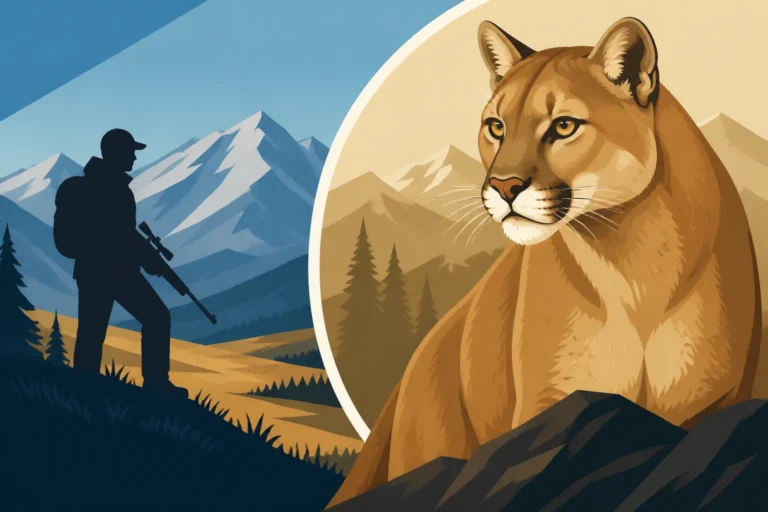
Mountain lions, also known as cougars or pumas, are apex predators that roam Montana's forests and mountains. Hunting mountain lions is a specialized pursuit, often conducted in the winter months when snow on the ground allows for tracking. This method, known as "hound hunting," involves trained dogs following a lion's scent trail until the cat is treed or bayed, allowing the hunter to approach. It's an intense, physically demanding hunt that requires a deep understanding of lion behavior and expert dog handling.
While hound hunting is the predominant method, spot-and-stalk opportunities for lions exist, though they are incredibly rare given the cat's secretive nature. Spot-and-stalk typically involves traversing lion habitat in winter, looking for fresh tracks, and attempting to intercept a moving cat. Mountain lion seasons in Montana are often unit-specific and managed with quotas, meaning seasons can close unexpectedly once a certain number of lions have been harvested in a district. This requires hunters to stay constantly updated on the Montana Fish, Wildlife & Parks (FWP) website or through services like GoHunt that consolidate such information. Our Montana Mountain Lion Hunting article delves into the specific challenges and rewards of this unique pursuit.
Hunting mountain lions plays an important role in wildlife management by helping to maintain healthy predator-prey balances, particularly for species like elk and deer. It's a demanding hunt that often involves long days in cold weather, strenuous hiking, and the thrill of following a fresh track. For those seeking an unparalleled challenge and a chance to experience a truly wild animal in its natural habitat, mountain lion hunting offers an unforgettable adventure.
Wolves: A Management Challenge
Montana's wolf population, recovered from near eradication, is now managed through hunting and trapping seasons, sparking ongoing debate and controversy. For hunters, pursuing a wolf is a challenging endeavor, as these intelligent and elusive predators are incredibly wary and constantly on the move across vast territories. Wolf hunting is often opportunistic, occurring while pursuing other big game, or can be a dedicated effort involving calling, tracking, or snaring.
Wolf seasons typically run for an extended period, often from early September through the end of February or even March, with both hunting and trapping opportunities available. Like mountain lions, wolf hunting often benefits from snow cover, which allows hunters to track animals or identify fresh sign. Calling wolves, mimicking distressed prey or rival packs, can be an effective but difficult method, requiring patience and a good understanding of wolf vocalizations. The bag limits and specific regulations for wolves can vary, and like lion quotas, seasons can close early in specific management units.
Hunting wolves serves as a tool for managing their populations and their impact on other wildlife species, particularly elk and deer. It's a hunt that tests a hunter's persistence, tracking skills, and ability to adapt to extremely cautious prey. Success in wolf hunting is often hard-earned and deeply satisfying for those committed to the pursuit. It requires a significant investment of time and a deep appreciation for the complexities of a wild ecosystem.
Coyotes and Foxes: Year-Round Action
For hunters looking for consistent action and to hone their predator calling skills, Montana offers abundant opportunities for coyotes and foxes. These species are considered furbearers and predators, and their populations are robust across much of the state, particularly in the agricultural and ranching country of central and eastern Montana. Seasons for coyotes are typically open year-round, while fox seasons usually run from September through February or March, offering flexibility for hunters.
Calling predators like coyotes and foxes is a popular and engaging hunting method. Hunters use electronic callers or mouth calls to mimic the sounds of distressed prey (like rabbits or mice) or the howls of other coyotes, enticing curious or territorial animals to come investigate. This can lead to fast-paced, high-adrenaline encounters. Often, hunters will set up overlooking open terrain, utilizing wind direction and natural cover to conceal themselves while calling. The relatively low cost of entry, combined with the continuous learning curve of calling and reading animal behavior, makes predator hunting an accessible and rewarding pursuit.
Beyond the thrill of the hunt, pursuing coyotes and foxes also serves a valuable role in wildlife management and livestock protection. Ranchers often welcome hunters who can help manage coyote populations, and the hides of these animals, especially prime winter pelts, can be highly sought after by trappers and fur buyers. Whether you're looking to put another notch in your hunting belt, practice your shooting, or simply enjoy a day in the field, Montana's coyotes and foxes offer fantastic year-round hunting opportunities.
Feathered Pursuits: Upland Birds and Waterfowl
Montana isn't just a mecca for big game; it's also a fantastic destination for bird hunters. With diverse habitats ranging from vast prairies to dense mountain forests, the state supports a wide array of upland game birds and attracts significant numbers of migrating waterfowl. Bird hunting offers a different pace and challenge compared to big game, often involving working with dogs, covering a lot of ground on foot, and enjoying the camaraderie of friends.
Upland Game Birds: Diverse Opportunities
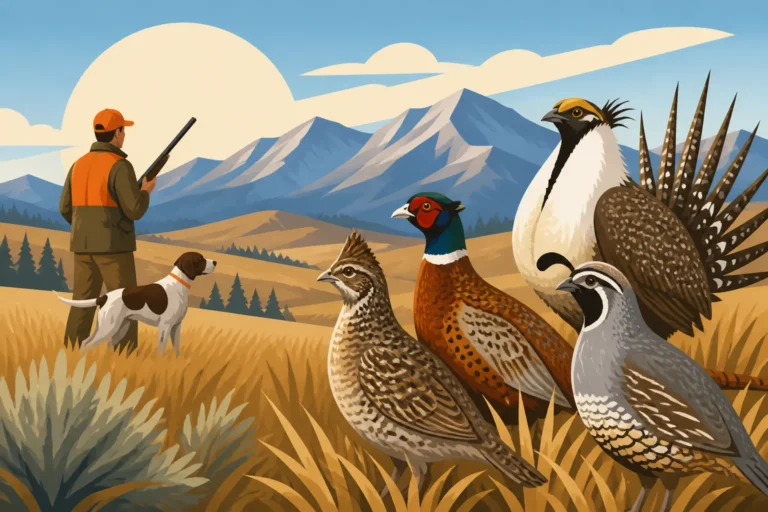
Montana boasts an impressive variety of upland game birds, providing something for every bird hunter. From the colorful ring-necked pheasant thriving in agricultural areas to several species of grouse and partridge scattered across different habitats, the opportunities are vast. Seasons for most upland birds typically open in September and run through the end of the year or into early January, depending on the species.
- Pheasants: Primarily found in central and eastern Montana, especially in areas with CRP (Conservation Reserve Program) lands, cattail sloughs, and grain fields. Pheasant hunting often involves walking through thick cover with a good bird dog, flushing birds, and enjoying fast-paced shooting. Our Montana Upland Bird Hunting guide offers more detail.
- Grouse: Montana is home to several grouse species. Sharptail grouse inhabit open grasslands and sagebrush country, often hunted by walking large swaths of prairie. Forest grouse (Ruffed, Blue, and Spruce) are found in the timbered mountains, often flushed from dense cover. Sage grouse, a protected species, requires a special permit draw due to conservation concerns.
- Partridge: Hungarian partridge (Huns) and Chukar partridge offer fast-flying, challenging shooting. Huns prefer open, rolling agricultural lands, while Chukar are found on steep, rocky, arid slopes, particularly in the breaks of rivers like the Missouri and Yellowstone.
- Wild Turkeys: Both Merriam's and some Eastern subspecies of wild turkey can be found in Montana. Spring turkey season (April-May) focuses on calling gobblers, while a fall season (September-January) allows for both-sex hunting. Turkey hunting offers an exciting blend of calling, stealth, and keen observation.
Hunting upland birds is a fantastic way to experience Montana's diverse landscapes, often requiring less strenuous effort than big game hunts but still demanding skill and persistence. It’s also an excellent way to introduce new hunters to the sport in a less intimidating environment.
Waterfowl: Flyway Migrations
Montana sits within the Central and Pacific Flyways, attracting a wide variety of migrating ducks and geese. The state's numerous rivers, lakes, reservoirs, and agricultural fields provide ideal habitat and feeding grounds for waterfowl, creating excellent hunting opportunities from early fall through late winter. Waterfowl hunting can be a highly social and engaging pursuit, often involving decoys, blinds, and skilled calling.
- Ducks: A diverse array of duck species can be found, including mallards, pintails, wigeons, gadwalls, teal, and various diving ducks. Duck hunting is popular on major river systems like the Missouri and Yellowstone, as well as smaller sloughs, ponds, and larger reservoirs. Setting up blinds along migration routes or over feeding areas with a spread of decoys is a common tactic.
- Geese: Both Canada geese and smaller specklebelly geese (white-fronted) are abundant. Field hunting for geese, often in stubble fields with large decoy spreads, is a popular method, especially when large flocks are migrating. Waterfowl seasons are set by federal frameworks, with specific bag limits and shooting hours, and typically run from September or October through January.
Access to prime waterfowl hunting spots can sometimes be challenging, but Montana's vast public lands, including many state fishing access sites (FAS) along rivers, offer opportunities. Hunters often scout aggressively to find birds and secure access. A successful waterfowl hunt often combines early mornings, warm coffee, and the thrill of watching birds cup their wings and commit to your spread. Our Montana Waterfowl Hunting guide helps navigate these unique experiences. It’s a rewarding pursuit that connects hunters directly to the seasonal rhythms of migration and the abundance of Montana's aquatic environments.
Understanding Montana's Hunting Framework
Navigating the rules and regulations for hunting in Montana can be one of the most daunting aspects for both residents and non-residents alike. Montana Fish, Wildlife & Parks (FWP) manages the state's wildlife resources, and their system of licenses, permits, and season dates is complex but crucial to understand. Getting it right is the first step toward a successful and legal hunt.
License and Tag System Explained
At the core of Montana's hunting framework is a multi-tiered license and tag system. Before you can hunt any game animal, you typically need to purchase a base hunting license and a conservation license. These are foundational requirements for all hunters, resident and non-resident. On top of that, you'll need specific tags for the species you intend to hunt. This is where things get interesting, particularly for big game.
For many popular species like elk and deer, Montana operates a combination of "general" tags and "limited-entry permits." General tags are available to anyone who purchases the correct combination license (like a Nonresident Big Game Combo or Deer Combo) and allows hunting in most hunting districts. However, some districts are managed under a limited-entry permit system, meaning you must apply and be drawn for a specific permit to hunt that species in that unit. This system helps manage harvest pressure and maintain quality hunting in specific areas. The draw for these limited-entry permits, as well as for coveted species like moose, bighorn sheep, and mountain goats, involves a bonus point or preference point system, which significantly impacts your odds over time. Understanding Montana General vs Permit Tags Explained is vital for strategizing your applications. Websites like GoHunt provide invaluable resources, offering detailed draw odds analysis and application strategies, helping hunters make informed decisions about where and how to apply. Knowing how many points you might need, or which units offer better general tag opportunities, can be a game-changer.
Season Dates and Regulations
Montana's hunting seasons are structured to provide diverse opportunities while ensuring sustainable wildlife populations. The dates vary significantly by species, weapon type (archery, rifle, muzzleloader), and often by specific hunting district. It's critical to consult the most current Montana FWP hunting regulations, which are published annually.
- Archery Season: Typically runs from early September through mid-October for elk and deer, providing hunters with a primitive weapon opportunity during the rut or pre-rut when animals are often more vocal and active.
- General Rifle Season: For deer and elk, this usually spans from late October through the Sunday after Thanksgiving. This is the most popular season and often coincides with the peak of the deer rut and the post-rut movement of elk.
- Special Permits and Seasons: Many species, like black bear, mountain lion, antelope, and upland birds, have their own distinct season dates, which can also include spring and fall opportunities or specific start/end dates for certain regions. For instance, Montana Elk Season Dates Guide or Montana Hunting Seasons Explained will break down the specific periods.
Beyond just dates, regulations include detailed information on bag limits, legal animals (e.g., antler point restrictions for bulls or bucks), weapon restrictions, and specific rules for each hunting district. It's not uncommon for regulations to change year-to-year based on population surveys, winter severity, and management goals. Always, always have the current year's regulations on hand and understand the specifics for the hunting district you plan to enter. Ignoring or misinterpreting a regulation can quickly turn a dream hunt into a costly mistake.
Planning Your Montana Hunt: Key Considerations
Embarking on a hunt in Montana is more than just applying for a tag; it's an adventure that requires careful planning, preparation, and a realistic understanding of the challenges and rewards. Whether you're planning a multi-week backcountry excursion or a day trip for pheasants, a few key considerations will make all the difference in your experience.
Public vs. Private Land Access
Montana is famed for its vast expanses of public land, including national forests, BLM lands, and state lands, which together offer millions of acres accessible to hunters. This is a huge draw for DIY hunters, especially non-residents looking for an authentic western experience without the cost of an outfitter. However, public land often means greater hunter pressure, especially in easily accessible areas, and animals can quickly become wary and move into thicker cover. Understanding how to find and navigate these public lands is paramount, and tools like onX Hunt or GoHunt's mapping features are indispensable for identifying boundaries, roads, and potential hunting hotspots. Our Montana Public Land Hunting Guide is an essential resource.
In addition to traditional public lands, Montana has an excellent program called Block Management Areas (BMAs). These are parcels of private land that landowners voluntarily open to public hunting access, often in exchange for habitat management assistance or other incentives. BMAs offer a fantastic opportunity to access private land for free, often for species like deer, antelope, and upland birds. Access rules vary greatly by BMA, from sign-in boxes to reservations, and some are specific to certain species or times of year. Keeping track of the BMA program requires checking the FWP website and obtaining specific landowner rules. Learning about Montana Block Management Areas Explained can unlock significant opportunities. While private land hunting without a BMA agreement typically requires direct landowner permission or booking with an outfitter, the sheer amount of public and BMA access makes Montana a dream for independent hunters.
Physical Preparation and Gear
Montana hunting, especially for big game in mountainous terrain, is physically demanding. You'll likely be hiking miles each day, often uphill, carrying a heavy pack, and navigating uneven terrain. Adequate physical preparation is not just about comfort; it's about safety and increasing your odds of success. Starting a fitness regimen months before your hunt, focusing on cardiovascular endurance, strength training (especially legs and core), and hiking with a weighted pack, will pay dividends. There's nothing worse than having your body give out when the opportunity of a lifetime presents itself. Our guide on How to Physically Prepare for a Montana Elk Hunt offers practical advice.
Beyond fitness, having the right gear is non-negotiable. Quality optics (binoculars, spotting scope, rangefinder) are essential for glassing vast landscapes. Layered clothing, including waterproof and windproof outer shells, is crucial for Montana's unpredictable weather, which can swing from warm sunshine to snowstorms in a single day. A comfortable, well-fitting backpack is vital, especially if you plan to go deep into the backcountry or pack out meat. Other essentials include reliable navigation tools (GPS, maps, compass), a first-aid kit, water purification, and suitable footwear. The right boots, broken in and waterproof, can make or break a hunt. Don't skimp on gear; invest in quality items that can withstand the rigors of a Montana wilderness hunt. Our Montana Backcountry Hunting Gear List can help you get started.
E-Scouting and On-the-Ground Scouting
In today's digital age, "e-scouting" has become an indispensable part of hunt planning, especially for public land hunts in a state as vast as Montana. Using satellite imagery, topographic maps, and public land ownership overlays (available through platforms like GoHunt and onX Hunt), you can digitally explore potential hunting areas from your home. This allows you to identify access points, locate bedding areas, feeding zones, water sources, and potential travel corridors, as well as mark out escape routes or safe zones for animals. Learning How to E-Scout Montana Hunting Units can save you countless hours in the field and help you narrow down promising areas.
However, e-scouting is only part of the equation. Nothing replaces boots-on-the-ground scouting, ideally before the season begins. If you can make a dedicated scouting trip, even for a few days, it allows you to verify what you saw on maps, find fresh sign, identify current animal patterns, and get a feel for the terrain. If a pre-season trip isn't feasible, dedicate the first few days of your actual hunt to aggressive scouting. Don't just hunt the road; get out and cover ground, looking for tracks, scat, rubs, and fresh feeding activity. Animals move, conditions change, and what looked good on a map might be different in reality. Combining thorough e-scouting with diligent on-the-ground reconnaissance gives you the best chance to find success in Montana's wild country.
Disclaimer
The information provided in this guide is for general informational purposes only and is not intended as legal advice or a substitute for official regulations. Hunting regulations in Montana are subject to change annually and can vary significantly by species, weapon, and hunting district. It is the responsibility of every hunter to consult the most current Montana Fish, Wildlife & Parks (FWP) regulations and obtain all necessary licenses and permits before engaging in any hunting activity. Always prioritize safety, ethical hunting practices, and respect for wildlife and private property.