How to Bugle for Montana Elk
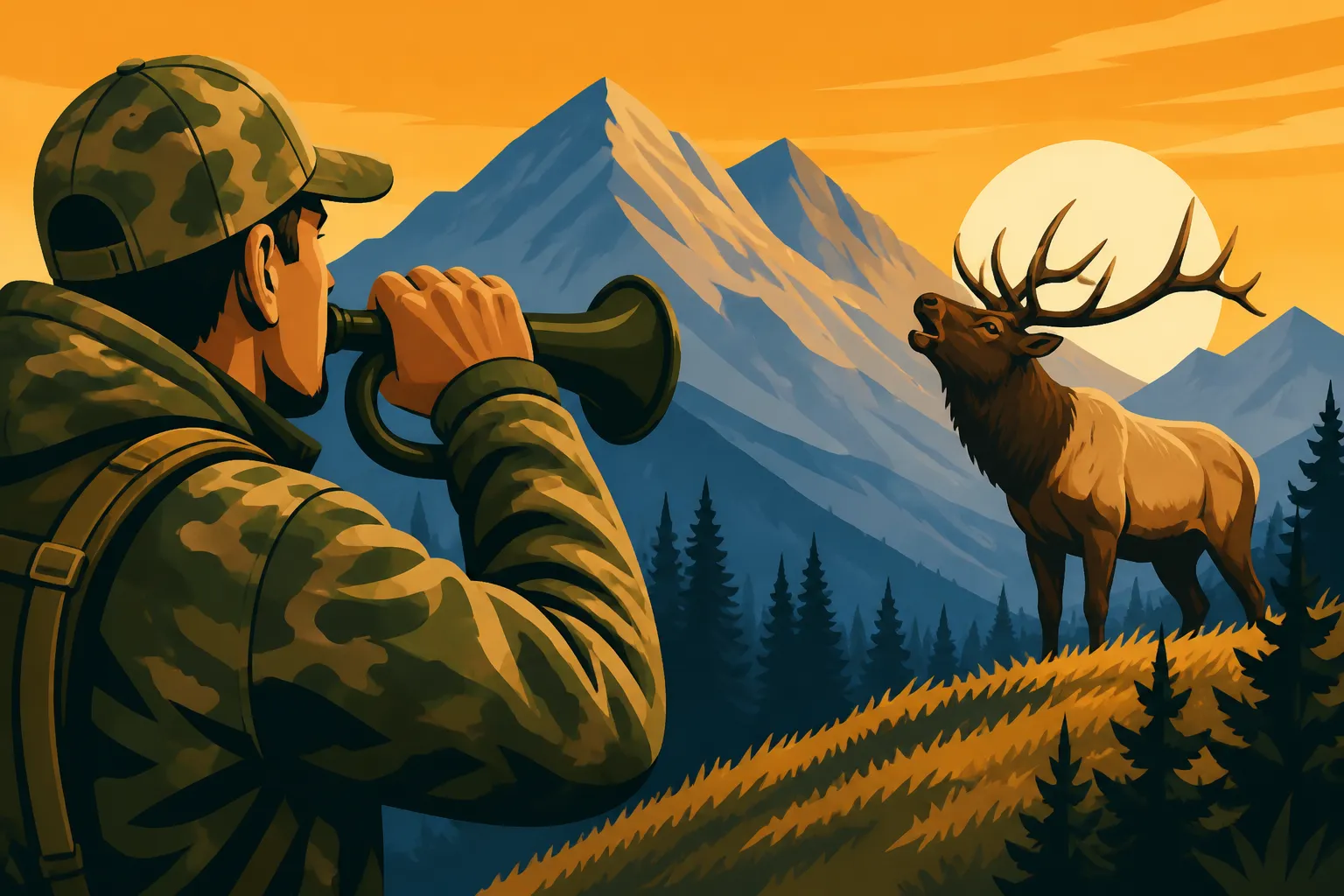
There’s nothing quite like the electrifying sound of a bull elk bugle cutting through the crisp mountain air. It’s a sound that can both ignite your hunting passion and fill you with utter confusion if you don’t know how to respond or initiate. Many hunters, especially newcomers to Montana's vast elk country, struggle with when to bugle, what to say, and how to interpret the responses, often leading to missed opportunities. This guide is dedicated to demystifying the art of bugling for Montana elk, providing you with the knowledge and tactics to confidently engage with these majestic animals.
Decoding the Language of Montana Elk Bugles
Before you even think about putting a call to your lips, it’s crucial to understand what elk are actually "saying" when they bugle. It's not just a random shout; it’s a complex form of communication tied to their social structure, mating rituals, and survival instincts. Misinterpreting a bugle can lead you astray, while understanding it opens up a world of possibilities.
The Purpose Behind the Roar
Elk bugles serve multiple purposes, primarily revolving around herd dynamics and reproduction during the rut. A bull's bugle is essentially his billboard, announcing his presence, his size, and his willingness to defend his harem or challenge a rival. It’s a declaration of dominance and an invitation, or warning, depending on the context. Knowing the different types of bugles is paramount to an effective conversation with a bull.
For instance, a deep, guttural bugle with a long, drawn-out groan and chuckle often signifies a mature, dominant bull. He's likely gathered cows and is daring any other bull to come closer. In contrast, a shorter, higher-pitched bugle might be a younger satellite bull testing the waters, hoping to sneak in and steal a cow without directly confronting the herd master. Sometimes, a series of quick, sharp bugles can indicate alarm or agitation, signaling that elk are aware of your presence and may be moving off. You might also hear a "location bugle" from a bull simply letting others know where he is without any immediate challenge. This nuance in vocalizations is what makes elk calling such a fascinating and challenging endeavor in places like the dense timber and open parks of western Montana.
Associated Elk Sounds and Their Meanings
Bugles don't exist in a vacuum; they're often accompanied by other elk vocalizations that paint a richer picture of the situation. Learning to interpret these complementary sounds can significantly improve your calling strategy and help you understand the elk's mood and intentions.
Cow calls, for example, are incredibly versatile. A soft, pleading estrus whine from a cow can lure in a bull like nothing else during the peak rut. A sharper, more insistent "mew" can indicate a cow looking for her calf, or a general contentment within the herd. When you hear a bull bugle, listen closely for the sounds of cows around him – their mews, chirps, and occasional contented groans. This often means he has a harem, and he’s less likely to abandon them for a lone bugle unless he feels threatened or challenged directly. Calves also make distinct chirps and mews, which can sometimes be used effectively to draw in curious cows, and by extension, a bull that might be trailing them. Rubbing trees, thrashing antlers, and the sound of hooves on forest litter also provide critical auditory clues, informing you whether a bull is coming in aggressively, cautiously, or simply moving through the timber. Mastering these subtle auditory cues is a key component of effectively calling elk.
When to Blow Your Bugle in Montana's Elk Country
Knowing when to bugle is just as important, if not more important, than knowing how to bugle. Blindly blowing a bugle can often do more harm than good, especially on heavily pressured public lands that are common across Montana. Understanding the timing, the season, and the specific scenario will dictate your success.
Seasonal Considerations for Bugling Success
The effectiveness of bugling is highly dependent on the time of year and the stage of the elk rut. Montana's diverse hunting seasons offer different windows of opportunity, each requiring a tailored approach.
During the early archery season, typically in September, the rut is just beginning to heat up. Bulls are starting to feel frisky, bugling more, and gathering cows. This is often the prime time for aggressive bugling tactics, as bulls are full of testosterone and less wary. A strong challenge bugle can often bring a bull stomping in, ready to fight for his dominance. As the rut progresses into late September and early October, coinciding with much of the Montana Archery Elk Hunting Guide, bulls can become "bugled out" or more cautious, especially if they've encountered other hunters. They might still bugle, but they may be less willing to commit to a direct confrontation.
By the time Montana's general rifle season rolls around in late October and November, the peak rut is usually over. Bulls are often scattered, tired, and focused on feeding, making them much less responsive to aggressive bugles. At this point, softer, more subtle cow calls or quiet contact mews might be more effective, mimicking the sounds of a lone cow or a small group, rather than a challenging bull. Knowing the current phase of the rut, which can vary slightly year to year based on weather and moon phases, is essential. Keeping an eye on what other hunters are reporting, or even using tools like GoHunt's data to understand historical rut timing in your chosen hunting districts, can give you a significant advantage.
Situational Triggers for Initiating a Bugle Sequence
Beyond the season, specific in-the-moment situations should trigger your decision to bugle. It’s about being reactive and adaptive to what the elk are doing.
One common trigger is hearing an elk bugle first. If a bull lets out a scream, it's an invitation to engage. Your response can be a direct challenge, a soft cow call to pique his curiosity, or a location bugle to let him know you’re there. The key is not to immediately blast back. Listen to his bugle – the intensity, the duration, the direction – and craft your reply. If you're hunting timber and want to locate elk, a "blind bugle" can be effective, but it must be done strategically. A soft, questioning bugle, followed by careful listening, is often better than a full-throated roar that might spook nearby animals. Using a topographical map on an app like onX to identify potential bedding areas, wallows, or feeding grounds can help you decide where a blind bugle might be most productive. For example, if you're in a saddle between two known elk ranges, a soft bugle might help you pinpoint a traveling bull.
Another trigger is when you've spotted a bull but he's not moving your way, or he's with cows and seems hesitant. A well-placed, subtle bugle or series of cow calls can sometimes turn him, especially if you can create the illusion that you are a small, non-threatening group of elk or a challenging rival from afar. You'll often find yourself in situations where elk are feeding quietly, and a soft contact bugle or a series of cow mews can make them curious enough to investigate without alarming them. The goal is always to manipulate their curiosity or their dominance instinct to bring them within shooting range.
Mastering the Mechanics of Bugling Techniques
Alright, so you understand why and when to bugle. Now let's talk about the how. There are various bugling techniques and tools available, and becoming proficient with a few of them will greatly enhance your ability to communicate with Montana elk.
Choosing Your Bugle Call and Mastering the Sounds
The market is flooded with elk calls, from diaphragm calls to external reeds and various bugle tubes. Each has its pros and cons, and finding the right fit for your style and the sounds you want to emulate is important.
Diaphragm calls: These are small, latex reeds held in your mouth. They require significant practice to master but offer the most versatility and hands-free operation. With a diaphragm call, you can create realistic bugles, mews, chirps, and even glunking sounds by changing air pressure and tongue position. Brands like Phelps Game Calls, Bugling Bull Game Calls, and Primos offer a wide range of diaphragm calls with different reed configurations. The trick is to find one that fits comfortably in your mouth and allows you to produce both high-pitched mews and deep, guttural bugles. Practicing year-round, even just for 15 minutes a day, can make a huge difference in your ability to consistently produce realistic sounds. This is especially vital when you're trying to How to Bugle-Locate a Montana Bull Elk from a distance.
External reed calls (mouthpiece calls): These calls consist of a small reed that sits outside your mouth, often attached to a mouthpiece, and are then used with a bugle tube. They are generally easier for beginners to learn than diaphragm calls, as they don't require as much tongue control. They can produce excellent bugles and even cow calls. However, they aren't hands-free, which can be a disadvantage when you need to draw your bow or shoulder your rifle. When using an external reed, focus on consistent air pressure and modulating the sound with your lips and diaphragm to mimic the various elk vocalizations.
Bugle tubes: These are essential for amplifying and projecting your calls. They range from simple plastic tubes to more advanced carbon fiber designs. A good bugle tube helps you achieve the deep, resonant tone of a bull elk. When using a bugle tube, hold it firmly but not so tightly that it restricts the sound. Experiment with pointing the tube in different directions to project your sound across various terrains, from dense timber to open basins.
Here's a quick comparison of common elk call types:
| Call Type | Pros | Cons | Best For |
|---|---|---|---|
| Diaphragm Call | Versatile, hands-free, realistic vocalizations | Steep learning curve, takes practice | Experienced callers, subtle cow calls, bugles |
| External Reed | Easier to learn, good bugles, decent cow calls | Not hands-free, can sound less natural for cow calls | Beginners, aggressive bugles |
| Bugle Tube | Amplifies calls, adds realism and resonance | Requires another call type to produce sound, bulky | Projecting bugles across long distances |
| Cow Call (Reed) | Very easy to learn, great for realistic cow mews | Limited to cow sounds, less versatile than diaphragm | Drawing in bulls, subtle communication |
Basic Bugling Sequences and When to Use Them
Once you have your call, it's time to practice some basic bugling sequences. Remember, you're trying to simulate a conversation.
-
The Location Bugle: A moderate-volume, somewhat questioning bugle with a distinct start and finish, often without a challenge chuckle. This is used to locate elk without sounding overly aggressive. It’s like saying, "Hey, anyone out there?" If you hear a distant bugle, you can reply with a similar location bugle to confirm his position or get him to bugle again. This is particularly useful for covering ground on public land.
-
The Challenge Bugle: This is typically a louder, more aggressive bugle, often with a deep grunt and a series of chuckles at the end. It's meant to convey dominance and a willingness to confront. Use this when you've located a bull that's bugling confidently, especially if he has cows. You're essentially saying, "I'm here, and I'm coming for your cows!" Be prepared for him to charge in, or for him to retreat if he's less dominant or has been pressured.
-
The Fading Bugle: This is a bugle that starts strong and then quickly fades in volume and intensity. It's often used when a bull is bugling back and forth with you, but not committing. The idea is to make him think you're moving away, sometimes provoking him to come investigate or ensure his dominance is recognized. This is a great tactic for pressured elk that are wary of direct confrontation.
-
The Herd Bull Sequence: This involves a combination of bugles, cow mews, and calf chirps. Start with a confident bugle, then quickly follow up with several excited cow mews and perhaps a calf chirp. This simulates a small, active herd, making a lone bull think there are cows to be bred and a rival bull to challenge. It makes your setup sound more realistic and enticing. Remember to incorporate the sounds of the cows, as outlined in our guide on How to Cow Call Montana Elk, to make your overall communication more convincing.
Practice these sequences until they sound natural and fluid. Record yourself and listen back critically. Does it sound like an elk, or just a hunter blowing into a tube? Consistency and realism are your best friends in the elk woods.
Interpreting Elk Responses and Adapting Your Calling Strategy
The most crucial part of bugling isn't just making the sounds; it's listening and reacting. Elk will tell you exactly what they're thinking if you know how to listen. Your ability to adapt in real-time is what separates a good caller from a great one.
Reading the Elk's Body Language and Vocal Cues
When an elk responds to your call, don't just hear the sound – analyze it. The type, volume, and frequency of his bugle, combined with any visual cues, paint a picture of his intentions.
Aggressive Responses: If a bull screams back immediately with a deep, guttural bugle, often accompanied by grunts, chuckles, and maybe even the sound of thrashing brush, he's likely feeling aggressive. He might be coming in hot, ready to confront the perceived intruder. Look for him to hold his head high, puff out his chest, and maybe even rake nearby trees with his antlers. In these situations, you might want to remain silent for a moment after your initial call, letting him close the distance and search for you. Sometimes, a soft, seductive cow mew can be the perfect follow-up to an aggressive bugle, making him think his rival (you) has a cow, further infuriating him. Knowing How to Set Up on a Bugling Elk in Montana is crucial here; positioning yourself for a shot while remaining concealed is paramount.
Hesitant or Curious Responses: A bull that bugles back but sounds more distant, or whose bugle lacks intensity, might be curious but cautious. He's asking you to come closer. He might stop and listen for extended periods, or circle downwind to try and scent you. In this scenario, don't over-call. Use softer, more inquisitive bugles, or switch to intermittent cow mews to draw him in. You want to make him believe he's approaching a real elk, not a hunter. If he's circling downwind, you might need to adjust your position quickly to stay ahead of him or reposition for a shot.
Silence or Retreat: Sometimes, a bull will bugle once or twice and then go silent. This could mean he's wary, has moved off, or is simply coming in silently. Never assume silence means no elk. In fact, many experienced hunters will tell you that the biggest, smartest bulls often come in quietly. If he goes silent, try a few soft cow mews after a period of quiet, then remain motionless and scan your surroundings intently. Sometimes, a silent approach is a defensive tactic, especially for pressured elk found in popular areas of the Custer Gallatin Hunting Guide or other accessible national forest lands. If you suspect he's retreating, a loud, aggressive bugle might spook him further. Instead, try to How to Still-Hunt Montana Timber in his suspected direction, moving quietly and deliberately, using the wind to your advantage.
Adapting to Different Scenarios: From Timber to Open Parks
Montana's diverse landscape means you'll encounter elk in a variety of habitats, and your bugling strategy needs to adapt accordingly.
Calling in Dense Timber: In thick timber, visibility is limited, and sounds are muffled. This can work to your advantage as it makes your calls sound more realistic and obscures your movement. When bugling in timber, focus on short, sharp bugles and plenty of cow mews. Elk are used to close-quarters encounters in the trees. If a bull bugles close, be ready for him to appear quickly. Use the terrain and cover to your advantage, creating shooting lanes while remaining hidden. A key here is to keep your movements minimal and quiet, especially if you're trying to How to Find Elk in Montana Dark Timber. You can often get away with more aggressive calling in dense timber because the elk can't see you, relying heavily on sound to pinpoint your location.
Calling in Open Parks and Basins: In more open country, like high-alpine basins or sprawling meadows, visibility is high, and sounds carry further. This requires a more cautious approach. Long, drawn-out bugles can cover a lot of ground to locate elk, but once an elk responds, you need to be much more careful. Use softer, more realistic cow calls to draw them across open areas, especially if you're trying to get them out of their bedding areas and into a more favorable position. Avoid aggressive bugles in the open unless you are well-hidden and confident you can close the distance quickly. Elk will often try to circle downwind when approaching across open terrain, so constantly checking wind direction and having an escape route or a secondary calling position is vital. This is where precise How to Judge Distance in Montana's Mountains becomes critical, as you might need to make a long shot or use the terrain to get closer.
Common Bugling Mistakes to Avoid in Montana
Even with the best intentions and practice, it's easy to fall into common traps when bugling for elk. Avoiding these pitfalls can significantly increase your chances of success, especially when hunting the savvy, often-pressured elk found in many parts of Montana.
Over-Calling and Sounding Unnatural
One of the biggest mistakes hunters make is over-calling. It’s tempting to blast out bugle after bugle, especially when you’re excited, but this rarely works and often spooks elk.
Why over-calling hurts: Imagine you’re an elk. If a rival bull is constantly screaming, never moving, and sounds exactly the same every time, it quickly becomes suspicious. Elk are smart animals, and they're used to nuanced communication. Over-calling makes you sound fake, desperate, and unnatural. It also gives the elk too much information, allowing them to pinpoint your exact location without having to work for it. On public land, where elk are accustomed to hunter pressure, this mistake is amplified. They’ll likely decide you’re a human and move off quietly.
How to avoid it: Less is often more. Think of your bugles as a conversation, not a monologue. Listen for several minutes after each call. Let the elk tell you what to do next. Vary your cadence, volume, and type of bugle. Sometimes, a single, soft cow mew is far more effective than a blaring challenge bugle. Silence can be a powerful tool; make the bull wonder where you went, creating curiosity that might draw him in. This is a critical principle for Montana DIY Elk Hunting Guide hunters who rely solely on their own skills.
Ignoring the Wind and Topography
The wind is arguably your most critical hunting partner, especially when bugling. Disregarding it is a surefire way to get busted.
The wind’s betrayal: Elk have an incredible sense of smell. If your scent drifts into their zone, the game is over. Period. No matter how perfectly you bugle, if a bull smells you, he’s gone. This is why elk often try to circle downwind when approaching a call. They’re trying to get a sniff of whatever is making that noise. If you're bugling into the wind, your scent is blowing directly toward where you expect the elk to come from. If you're crosswind, your scent could still drift into his approach path.
Using wind and thermals to your advantage: Always, always, always position yourself with the wind in your favor. Ideally, you want the wind blowing from the elk to you. This means they can't smell you, and your call carries more directly to them. Understanding thermals – the rising and falling air currents in the mountains – is also vital. In the mornings, thermals generally rise, carrying scent uphill. In the evenings, they fall, carrying scent downhill. Plan your approach and calling positions to align with these natural air movements. A great resource for truly understanding these dynamics is our detailed article on How to Use Thermals in Montana Elk Country. Before setting up, take a small bottle of powder or a milkweed stem to check the subtle air currents. Even a light breeze can be enough to carry your scent.
Unrealistic Expectations and Lack of Patience
Elk hunting, especially bugling, is rarely like the cinematic experiences you see on TV. It requires immense patience and realistic expectations.
The reality of the elk woods: Not every bugle will get a response. Not every response will result in a charging bull. Many times, you’ll call to a bull that’s "hemlocked" (stuck with his cows and unwilling to leave), or one that’s been pressured and has gone silent. You might hear dozens of bugles and never get a bull to commit. This is normal. Montana elk, particularly on accessible public lands, are incredibly wary. They've heard it all before, and they've learned to be cautious. Having unrealistic expectations can lead to frustration and poor decision-making, like over-calling or moving too quickly.
Cultivating patience: Patience is a virtue in elk hunting. If a bull responds, give him time to think, to move, and to decide. Don't rush your setup or your shot. Sometimes, it takes hours of quiet calling, waiting, and subtle movements to get a bull to commit. Learn to enjoy the process – the sounds of the forest, the anticipation, the challenge. Remember that simply having an interaction with a wild bull elk, whether it results in a shot opportunity or not, is a truly memorable experience. Keep learning, keep practicing, and your patience will eventually be rewarded. Even if you only get to hear a bull bugle at dawn without seeing him, that’s a success in itself for many hunters.
Integrating Bugling into a Broader Montana Elk Hunting Strategy
Bugling is a powerful tool, but it's rarely a standalone solution. To maximize your success, especially on Montana's challenging public lands, you need to integrate bugling into a comprehensive hunting strategy that combines scouting, tracking, and other calling methods.
Combining Bugling with Other Calling Techniques
Think of bugling as just one instrument in your elk calling orchestra. Often, combining it with other vocalizations makes for a much more convincing and effective setup.
The power of cow calls: As discussed earlier, cow calls are incredibly versatile. During the rut, a dominant bull is often much more interested in a receptive cow than a challenging bull. If you're struggling to get a bull to commit to a bugle, try switching to a series of excited estrus mews and chirps. This often works to draw in a bull who is looking for love, not a fight. Even outside the rut, soft cow calls can be excellent for drawing in curious elk or confirming their presence in thick cover. Combining a challenge bugle with a cow call chorus can make your setup sound like a real herd, adding to the realism and drawing in hesitant bulls. For a deeper dive into these sounds, explore our guide on How to Cow Call Montana Elk.
Using satellite bull sounds: Sometimes, mimicking a younger, less dominant satellite bull can be more effective than a full-on herd bull challenge. This is particularly true if you’re hunting an area known to have a very dominant bull who will simply chase off any challenger. A younger, more timid bugle might pique the dominant bull's interest without making him feel directly threatened, encouraging him to investigate without committing to a full charge. This can be especially useful for Archery Elk Tactics for the Rut in Montana where getting a bull within bow range often requires a nuanced approach.
Integrating E-Scouting and Boots-on-the-Ground Reconnaissance
Modern hunting success starts long before you ever set foot in the woods. Effective bugling relies heavily on knowing where the elk are likely to be.
The role of e-scouting: Use tools like GoHunt, OnX Hunt, or other mapping software to meticulously scout your chosen Montana hunting districts. Look for prime elk habitat: north-facing slopes with dark timber for bedding, south-facing slopes for feeding, water sources, wallows, and natural travel corridors like saddles and benches. Identify areas with varied topography that could hold elk year-round or during specific seasons, such as the Missouri Breaks Hunting Guide or the Rocky Mountain Front Hunting Guide. Pay attention to road systems and identify remote areas that receive less pressure. These are often the places where elk are more vocal and responsive to calls. GoHunt's Insider platform, for example, provides detailed draw odds and unit data that can help you select high-potential areas where you might have better luck with bugling tactics.
On-the-ground scouting: Nothing beats putting boots on the ground. Hike into your e-scouted areas before the season. Look for fresh sign: tracks, droppings, rubs on trees, and wallows. Listen for distant bugles or cow mews. Identify potential calling locations that offer good concealment, shooting lanes, and favorable wind direction. Knowing the lay of the land, understanding the escape routes elk might take, and identifying natural funnels will give you a significant advantage when you start bugling. This blend of pre-season research and field reconnaissance is a cornerstone of any effective Montana Public Land Hunting Strategy.
Patience and Persistence in the Face of Pressure
Montana's public lands are a treasure, but they also experience significant hunter pressure, especially during the general rifle season. This pressure profoundly impacts elk behavior and their responsiveness to calls.
Hunting pressured elk: Pressured elk become much more wary, often going silent or moving into thicker, nastier cover. They learn quickly to associate bugles with hunters. In these situations, aggressive bugling might be detrimental. Instead, consider using softer, less frequent calls, or even just subtle cow mews. Try to mimic the sounds of contented elk, making them believe you're part of the herd, rather than a threat. Focus on finding untouched pockets of timber or remote basins that other hunters might overlook. Our guide on How to Hunt Elk in Montana Rifle Season Pressure offers more specific tactics for these challenging conditions.
Persistence through the tough days: There will be days when the elk are simply not responsive, or when other hunters are out-calling or inadvertently spooking them. Don't get discouraged. Persistence is key. Keep moving, keep listening, and keep trying different tactics. Sometimes, a bull that was quiet in the morning might become vocal in the afternoon, or vice versa. The elk woods are constantly changing, and your strategy needs to be flexible. Remember that bugling is a skill that improves with practice and experience. Every interaction, even a failed one, is a learning opportunity that makes you a more effective elk hunter.
Disclaimer
Hunting is an inherently dangerous activity. Always prioritize safety, understand and follow all Montana Fish, Wildlife & Parks regulations, and never hunt beyond your abilities. This guide provides information for educational purposes only and does not guarantee hunting success. Always hunt ethically and responsibly.