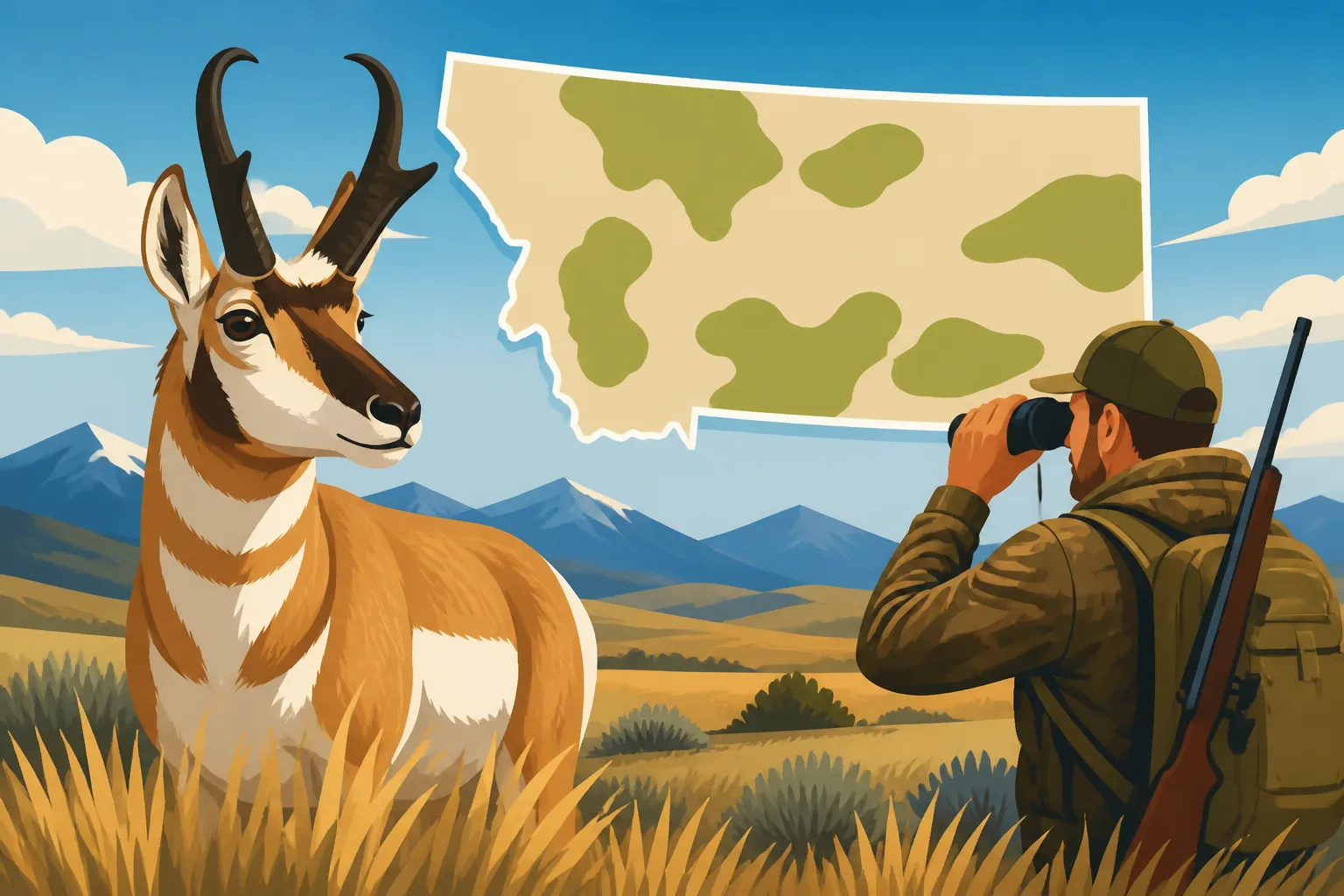
Where Montana Antelope Live
One of the most common headaches for hunters eyeing Montana is figuring out where the heck the animals actually live. It's a huge state, and knowing the general range isn't enough when you're planning a trip, especially when it comes to a creature as specific in its preferences as the pronghorn antelope. This guide is going to walk you through the distinct habitats and regions where Montana's antelope thrive, helping you pinpoint those promising areas and understand their movements.
Understanding Antelope Habitat Needs
Antelope, often mistakenly called "speed goats," are true creatures of the wide-open spaces. They aren't going to be lurking in dense timber or hiding out in the deep mountain canyons. Their survival strategy is built around incredible eyesight and blistering speed, which means they need expansive, unobstructed views to detect predators from afar and enough room to outrun them.
Open Grasslands and Prairies
When you think of antelope, you should immediately picture vast, rolling grasslands and open prairies. These are their kingdoms. Montana offers huge swaths of this habitat, particularly as you move away from the mountainous western regions and into the central and eastern parts of the state. These landscapes provide the low-growing vegetation that makes up the bulk of their diet, primarily forbs and shrubs, but also various grasses depending on the season and availability. They need this open terrain not just for feeding, but crucially for their defense. A small rise or a slight dip in the prairie is often all the cover they need to disappear when feeling pressured.
Imagine driving through eastern Montana, mile after mile of golden plains stretching to the horizon. That's prime antelope country. They can see for miles, and you'll often spot them as tiny specks in the distance, only revealing their true numbers as you get closer. This reliance on open country means that understanding How to Hunt Antelope on Montana's Plains is paramount to success.
Water Sources and Topography
While they are remarkably adapted to arid environments, pronghorn still need access to water. You'll often find antelope herds not far from reliable water sources like stock ponds, creeks, or even seeps in coulees. During dry spells or in the heat of summer, these water holes become magnets, offering excellent opportunities for observation. However, they aren't tied to water in the same way deer or elk might be, often able to derive sufficient moisture from the plants they eat, especially early in the season. Still, a well-placed water source can be a key piece of the puzzle for a hunter scouting an area.
Beyond flat plains, antelope also utilize gently rolling hills, badlands, and coulees. These topographical features provide natural travel corridors, bedding areas, and places to escape the wind or sun. They are adept at using the subtle contours of the land to their advantage, often disappearing behind a small rise only to reappear a quarter-mile away, seemingly having vanished into thin air. Learning to interpret this landscape and predict their movements is part of the challenge and excitement of Montana Antelope Hunting Guide.
Key Montana Regions for Antelope Populations
Montana is vast, and its diverse geography means that antelope distribution is not uniform across the state. The most robust populations are concentrated in specific regions, primarily in the eastern two-thirds of the state.
The Eastern Montana Plains
Without a doubt, the Eastern Montana Plains are the heartland of Montana's antelope. This expansive region, characterized by its prairie ecosystems, encompasses numerous hunting districts that consistently boast strong antelope numbers and excellent draw odds for those looking to secure a tag. Towns like Miles City, Glendive, and Lewistown serve as hubs for accessing this prime habitat. Here, you'll find countless acres of public land, including Bureau of Land Management (BLM) land and state trust land, which are critical for over-the-counter and drawn tags alike.
The Custer Gallatin National Forest, while often thought of for its mountainous terrain further west, also has significant prairie sections in its eastern reaches that hold antelope. Additionally, the unique access provided by Montana's Block Management Areas often makes private land accessible, which can be fantastic for antelope hunting. When planning, consider looking into districts within Montana Fish, Wildlife & Parks (FWP) Regions 6 and 7, as these are historically strongholds for antelope. Websites like GoHunt provide invaluable tools for e-scouting these expansive plains, highlighting public land boundaries, block management access, and historical harvest data, allowing you to effectively How to E-Scout Montana Hunting Units from your living room.
Central Montana Breaks and Foothills
Moving westward from the deep plains, Central Montana offers a more varied landscape, often referred to as "the breaks." This includes areas like the Missouri Breaks and other regions with more rugged, broken terrain, river drainages, and interspersed agricultural fields. Antelope here still prefer the open, rolling areas but will adapt to the slightly more varied topography, using coulees and draws for cover. While not as consistently dense as the far eastern plains, good populations can be found, particularly in areas transitioning from plains to foothills.
For instance, areas around the Judith Basin or the northern reaches of the Crazy Mountains can hold good numbers, often mixing with mule deer populations. These areas might present a different kind of hunting challenge, where glassing from a high point becomes even more critical due to the undulating terrain. Hunters seeking antelope in these transitional zones should also familiarize themselves with Montana Antelope Draw Odds Explained as success can vary year-to-year.
Western Montana (Less Common)
As you push further west into Montana's mountainous regions, suitable antelope habitat becomes much scarcer. While you might occasionally spot a lone antelope in a large, open valley or agricultural field in some western districts, these are generally isolated pockets, and you won't find the widespread populations seen further east. The dense forests and rugged mountain ranges simply don't offer the open vistas and specific forage that pronghorn require.
If your primary goal is antelope, it's best to focus your efforts squarely on the central and eastern parts of the state. While an antelope might exist on the fringes of its typical range, relying on these sparse populations for a hunt is a low-percentage game. Stick to the classic prairie and breaks country for the best chances at encountering these incredible animals.
Seasonal Movements and Behavior Patterns
Antelope aren't static; their locations can shift throughout the year based on forage availability, breeding cycles, and weather patterns. Understanding these movements is key to intercepting them.
Spring and Summer Patterns
In spring and early summer, antelope are often spread out across their range, taking advantage of the new growth of forbs and grasses. Does will be focused on fawning, typically seeking out areas with adequate cover for their young, often in slightly thicker patches of sagebrush or tall grass within the open plains. During this time, herds are generally smaller, or does might be solitary with their fawns. As summer progresses and water becomes scarcer in some areas, antelope may consolidate closer to more permanent water sources. They are creatures of habit, and you can often pattern their movements from bedding areas to feeding grounds and water holes if you spend enough time observing.
This is a great time to be out scouting, observing their movements, and noting preferred areas. While Montana's archery season for antelope often starts in August, which can be quite warm, the animals are still very much in their summer patterns. Hunting during this time, often involves sitting water holes or setting up ground blinds, requiring patience and a deep understanding of How to Hunt Montana Antelope from a Blind.
The Rut and Fall Consolidation
The antelope rut typically kicks into high gear in late August and into September. This is when the bucks become highly active, establishing territories and gathering harems of does. During the rut, you'll see a lot more activity, with bucks chasing does, fighting off rivals, and generally being less cautious. This increased visibility makes them somewhat easier to locate, but their erratic movements can also make them challenging to hunt. Bucks will be covering a lot of ground, pushing their does around.
As fall progresses into the general rifle season, often in October, antelope will often consolidate into larger herds, especially as temperatures drop and certain food sources become less abundant. These large herds can be found moving together across the plains, sometimes covering significant distances between feeding and bedding areas. A cold front or early snowfall can trigger even larger movements, pushing them towards more sheltered areas or where forage is still accessible. This seasonal consolidation often plays a big role in Montana Antelope Season Dates and Tags.
Winter Range and Survival
Montana winters can be brutal, and antelope are adapted to endure them, but their distribution can change. They will typically move to lower elevations, out of deep snow, and into areas where food is still accessible, often utilizing winter wheat fields or other agricultural lands if available. Areas with lighter snow cover or natural wind-swept ridges become crucial. They are incredibly hardy, but severe winters can impact populations. Hunters should be aware that finding antelope in late season might mean shifting focus to different types of habitat than earlier in the year, as they prioritize survival and accessible forage.
Practical Tips for Finding Antelope Hotspots
Locating antelope in Montana is a blend of pre-season research, effective e-scouting, and good old-fashioned glassing.
E-Scouting Before You Go
Before you ever set foot in Montana, leveraging online tools is a game-changer. Platforms like GoHunt allow you to dissect potential hunting districts from your computer. You can examine satellite imagery for open grasslands, identify water sources, and overlay public land maps (BLM, State Trust Land, Block Management Areas). Look for areas with a mix of large open spaces, gently rolling topography, and nearby water. Pay attention to how access points are laid out and consider areas that might be less accessible to the casual hunter. This level of detail helps you narrow down vast regions into manageable scouting blocks and understand Montana Public Land Hunting Guide.
You can also cross-reference e-scouting with FWP’s hunt planner maps, looking for areas with high success rates or consistent harvest data. While past performance isn't a guarantee, it's certainly a strong indicator. Identify potential bedding areas on south-facing slopes or in areas with slight cover, and think about travel corridors between these areas and feeding grounds. This strategic approach will save you countless hours in the field.
| Montana Antelope Region | Primary Habitat | Typical Topography | Water Dependence | Population Density | Key Characteristics |
|---|---|---|---|---|---|
| Eastern Plains | Vast grasslands, sagebrush steppe | Flat to gently rolling | Moderate to low (can get moisture from plants, but ponds are key) | High | Classic antelope country, wide open views, high numbers. |
| Central Montana Breaks | Grasslands, badlands, river breaks, mixed agriculture | Rolling hills, deep coulees, broken terrain | Moderate | Moderate to High | More diverse terrain, good numbers in pockets, often mixed with mule deer. |
| Western Valleys/Foothills | Open valleys, agricultural fields | Flat valley bottoms, transitioning to mountains | High | Low | Isolated pockets, not primary antelope habitat, less reliable. |
Effective Glassing Techniques
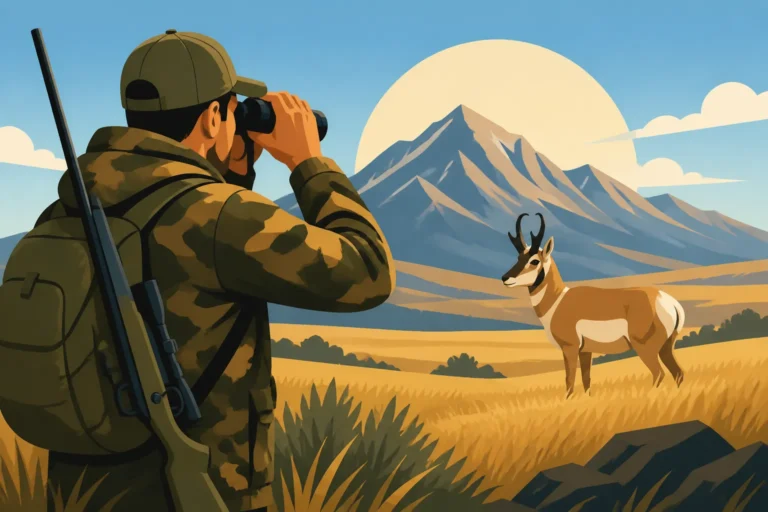
Once you're in the field, your optics are your best friend. Antelope are small, and they can blend surprisingly well into the vastness of the prairie. A good pair of binoculars (10×42 or 12×50) and a high-quality spotting scope (20-60x) are indispensable. Find a high point that gives you an expansive view of the surrounding country. Systematically grid the landscape, slowly scanning for any sign of movement, a patch of white, or the distinct shape of a pronghorn. Don't just look for whole animals; look for pieces: an ear, a horn tip, a flash of white rump.
Take your time. Pronghorn often bed down in depressions, making them incredibly hard to spot until they stand up. Glass early in the morning and late in the evening when they are most active. Also, be patient after spotting them. Watch their behavior. Are they feeding? Bedding? Moving towards water? This observation will help you plan your stalk. You can also learn a lot from How to Glass Montana's Big Country. Remember, antelope possess incredible eyesight, so make sure your movements are slow and deliberate, especially when you are within their detection range.
Understanding Hunter Pressure
Montana's antelope seasons are popular, especially the general rifle season. Hunter pressure can significantly impact where antelope are found and how they behave. On heavily accessed public lands, antelope will often become nocturnal or move to less accessible areas, such as landlocked public sections or deep within Montana Block Management Areas Explained that require more effort to reach. They learn quickly and will move away from roads and areas with frequent vehicle traffic.
To counter this, consider targeting less popular hunting districts or areas within districts that require a longer hike or different access. Early season archery hunts often see less pressure than rifle seasons. If you're hunting during a high-pressure time, focus on overlooked pockets of habitat, areas with no roads, or places that require crossing private land via Block Management access. Being willing to walk further or hunt smarter than the next person often pays dividends when trying to find these wary creatures. For more insights on their habits, checking out Montana Pronghorn Behavior and Biology can be very helpful.
Disclaimer
Please note that hunting regulations, season dates, and access policies in Montana can change annually. Always consult the most current Montana Fish, Wildlife & Parks (FWP) regulations and maps before planning any hunting trip. This guide provides general information and should not be used as a substitute for official FWP resources.