How to Hunt Moose in Montana
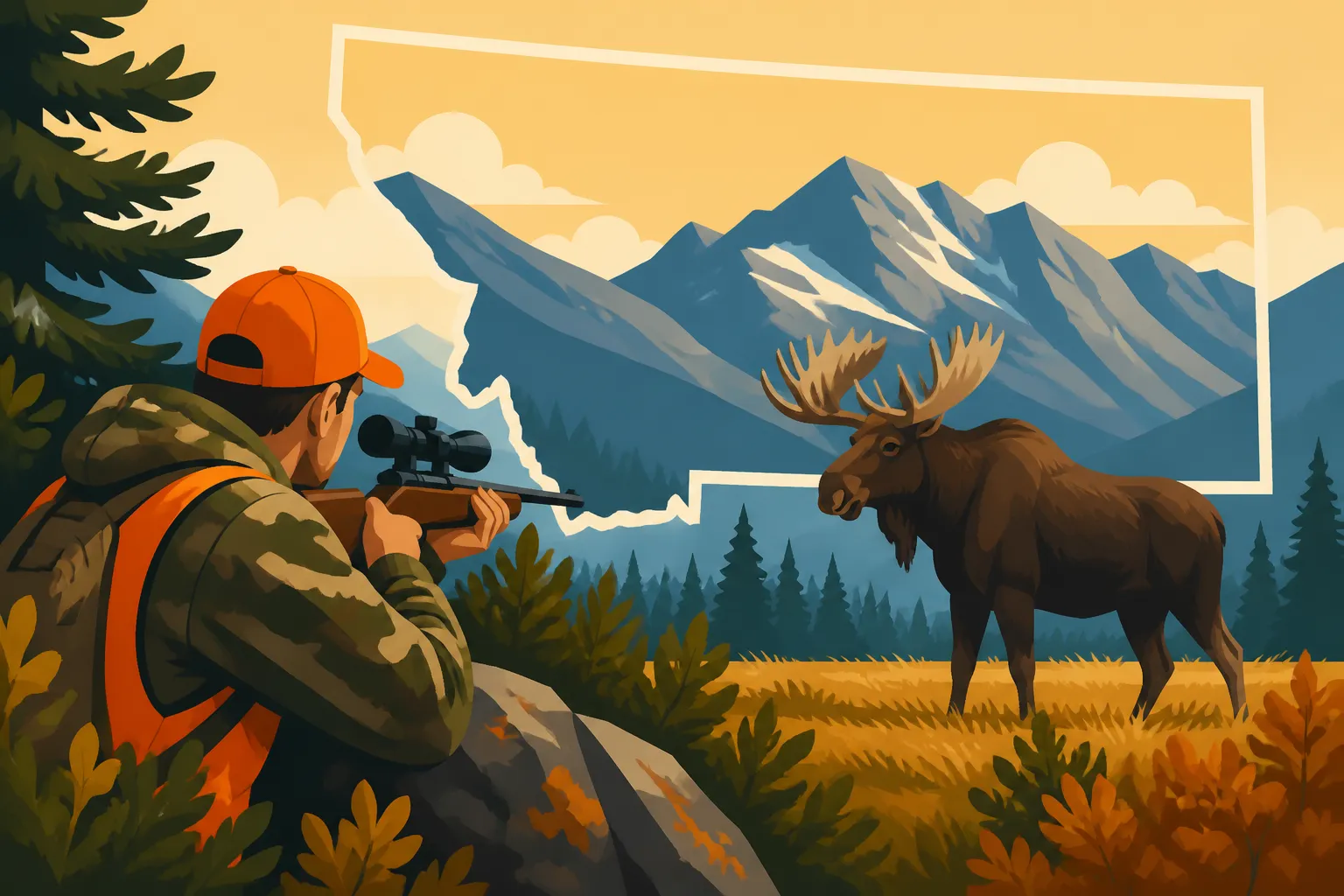
Drawing a Montana moose tag is often considered one of the holy grails in western big game hunting, a dream that feels almost unattainable for most due to incredibly low draw odds and the sheer rarity of these magnificent animals. It’s a frustrating reality for many, year after year, as applications go unrewarded. However, for those fortunate enough to beat the odds and secure a coveted permit, or for anyone committed to learning what it takes to one day chase a Shiras moose in the Treasure State, this comprehensive guide will walk you through the entire process, from understanding their habitat to essential hunting strategies.
Understanding Montana Moose and Their Unique Habitat
Moose, specifically the Shiras subspecies, are an iconic but elusive fixture in Montana's landscape. Unlike the abundant elk or deer populations, moose are highly localized and demand specific environmental conditions, making them a unique challenge for hunters. Knowing their behavior and where they prefer to live is the first crucial step toward success.
Shiras Moose Characteristics and Behavior
Shiras moose are the smallest subspecies of moose in North America, but don't let that fool you—they are still massive animals, with bulls weighing over 1,000 pounds and sporting impressive antlers that can span several feet. They are creatures of habit, often found in solitary or small family groups. Their diet consists primarily of woody browse, aquatic vegetation, and forbs, meaning they gravitate towards areas rich in these food sources. You'll often find them munching on willow, dogwood, and aspen in riparian zones or thick timber stands. They are not as migratory as elk, often sticking to a relatively small home range, though they will move between summer and winter grounds in response to snow depth and forage availability. Observing their patterns requires patience and a deep understanding of their preferences. They tend to be most active at dawn and dusk, much like deer, often seeking dense cover during the heat of the day.
During the rut, typically in late September and early October, bulls become more active and vocal, sometimes responding to calls, though not with the same consistency or aggression as elk. Their movements can be slow and deliberate, making them a difficult animal to spot in dense timber, despite their size. Understanding these subtle behavioral cues is vital; a hunter who charges through the woods expecting to jump a moose like a whitetail will likely come up empty-handed. Their acute sense of smell and excellent hearing, combined with their preference for thick cover, makes getting close a formidable task.
Key Montana Moose Habitats and Ranges
Montana's moose population is primarily concentrated in the western and central mountain ranges, areas characterized by abundant water, dense coniferous forests, and healthy riparian zones. You won't find them roaming the eastern plains. Specific regions known for moose include the Beaverhead-Deerlodge National Forest, parts of the Kootenai, Flathead, and Lolo National Forests, and various mountain ranges like the Gravelly, Madison, and Big Belt Mountains. These areas typically offer high elevations, numerous streams, lakes, and marshes—all critical elements of good moose habitat. You can dive deeper into where to find them by exploring resources like Montana Moose: Where to Find Them and understanding the broader Montana Moose Range and Districts.
Ideal moose habitat often includes dense willow thickets along rivers and creeks, high-alpine basins with small ponds, and north-facing slopes with mixed timber. They require areas with abundant water not just for drinking, but also for the aquatic vegetation they consume, which is rich in essential minerals. During the heat of summer, moose will often bed down in shallow water or muddy wallows to cool off and escape insects. In the colder months, they seek out thermal cover in thick timber to escape deep snow and conserve energy. This preference for thick, often swampy, and steep terrain means that moose hunting is inherently a physically demanding pursuit, often requiring hunters to push into areas that other game species might avoid. These environments also typically mean very low hunter densities, which can be a double-edged sword: less competition, but also less chance of bumping into other hunters who might share information.
Navigating the Montana Moose Draw System
Securing a moose tag in Montana is an aspiration for many hunters, but it's important to set realistic expectations right from the start. The draw system is highly competitive, reflecting the limited number of permits available and the high demand.
The Rarity of a Montana Moose Tag
Montana issues a very limited number of Shiras moose permits each year, making them one of the hardest tags to draw in the lower 48 states. The odds of success for a resident can often be in the single digits, while for non-residents, they are astronomically low, often less than 1%. This extreme rarity is due to conservative management strategies aimed at maintaining healthy moose populations and their specific habitat needs. Unlike deer or elk, moose populations grow and expand at a much slower rate, making over-harvesting a significant concern. Therefore, the state maintains strict quotas to ensure long-term sustainability. For a deeper understanding of the specific dates and tag types, check out Montana Moose Season Dates and Tags.
To even have a chance, hunters participate in a bonus point system. Every year you apply and are unsuccessful, you accrue one more bonus point. These points are squared, meaning the more points you have, the greater your "weight" in the draw, increasing your theoretical odds, though it can still take many, many years, even decades, to draw a tag. Understanding Montana Moose Draw Point Requirements is critical for any long-term strategy. It's not uncommon for hunters to apply for 20, 30, or even more years before finally seeing their name on the successful applicants list. This long game requires patience, persistence, and a consistent commitment to applying each year, even when the odds feel insurmountable.
Application Strategies and Deadlines
The Montana Fish, Wildlife & Parks (FWP) application period for most big game species, including moose, typically runs from March through April, with the draw results usually announced in May. It’s crucial to mark these deadlines on your calendar, as missing them means losing a year of accumulating bonus points. When applying, you'll need to research specific hunt codes, which designate particular hunting districts and sometimes specify antlered or antlerless animals. Understanding these codes is paramount, as a single digit can dramatically change your odds or the type of moose you're allowed to harvest.
Many hunters spend considerable time analyzing historical draw odds, population trends, and habitat quality for different districts. Resources like GoHunt are invaluable for delving into this data, offering detailed breakdowns of draw statistics and unit information that can help inform your application choices. They offer detailed insights into the nuances of states like Montana, which can really help refine your strategy, especially when it comes to coveted tags like moose. Some applicants choose to apply in districts with slightly higher odds, even if the trophy potential might be lower, simply to increase their chances of drawing a tag within their lifetime. Conversely, others might consistently apply for prime trophy units, accepting the even longer odds. Remember, your nonresident combination license must be purchased before applying for special permits like moose. For further insights into the complexities of the draw, researching Montana Moose Hunting Odds can provide a helpful perspective.
Strategies for a Successful Montana Moose Hunt
Once you've beaten the odds and hold a Montana moose tag, the real work begins. Moose hunting requires a unique blend of strategic scouting, patient hunting methods, and careful logistical planning.
Scouting and Locating Moose
Pre-season scouting is absolutely non-negotiable for a successful moose hunt. Given their localized nature and preference for thick cover, finding moose before the season opens significantly increases your chances. This process should start long before you ever step foot in the field, utilizing tools like aerial imagery and topographical maps, a process often referred to as E-scouting. Learning How to E-Scout Montana Hunting Units can save you countless hours of boots-on-the-ground work by identifying potential habitat. Look for areas with dense willow thickets, beaver ponds, marshy areas, and stands of aspens or conifers at varying elevations. Mark these potential hot spots and access points.
Once you have identified promising areas on maps, it's time for physical scouting. This might involve hiking into drainages, looking for fresh tracks, rub lines, and droppings. Moose sign is distinct: large, blunt tracks, and heavy browsing on woody vegetation, often 3 to 8 feet off the ground. Pay close attention to wallows and bedding areas, particularly where they overlap with prime feeding zones. Early season scouting, especially in late summer, allows you to observe moose behavior without hunting pressure and potentially pinpoint specific animals or family groups. Even if you cannot physically scout, connecting with local FWP biologists or landowners can provide invaluable, up-to-date information on moose movements and population densities in your unit. Many successful applicants will tell you that utilizing platforms like GoHunt for their draw odds data and unit breakdowns is a crucial part of their annual planning, providing detailed information about specific units.
Hunting Methods
Unlike the fast-paced, high-octane pursuits of elk hunting, moose hunting typically demands a slower, more deliberate approach.
Spot-and-Stalk Hunting
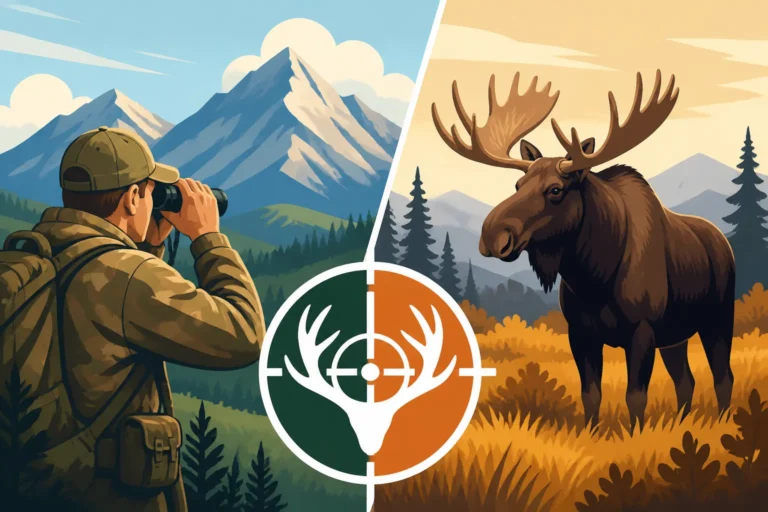
In more open country or burn areas, spot-and-stalk can be effective. This involves using high-quality optics to systematically glass vast landscapes, looking for the tell-tale dark shape of a moose against the vegetation. Moose are often found bedded in the thickest cover during the day, making them hard to spot. Focus your glassing efforts on the edges of dense timber, willow thickets, and riparian corridors. Once a moose is spotted, the stalk needs to be slow and cautious, utilizing terrain features and wind direction to your advantage. Their excellent hearing and sense of smell mean you need to manage your scent diligently and move with extreme care. This method requires a lot of patience, as you might spend days glassing before locating an animal in a stalkable position.
Still-Hunting and Calling
In dense timber, still-hunting becomes the primary tactic. This involves moving incredibly slowly, taking only a few steps at a time, and then pausing for several minutes to scan, listen, and observe. You're trying to move through the moose's environment without alerting it, leveraging their preference for thick cover against them. Focus on areas with fresh sign, moving into the wind or crosswind. Every rustle, every shadow, needs to be investigated. Moose are not as vocal as elk, but calling can sometimes be effective, especially during the rut. Cow calls, mimicking a lonely cow moose, can sometimes lure in a curious bull. Raking antlers against brush can also simulate a bull rubbing, which might pique a bull's interest. However, calling moose requires subtlety and patience; over-calling can easily spook them. Before you commit to your choices, spend some serious time with tools such as GoHunt's Insider service; it's designed to give you an edge in these competitive draws and can provide insights into rut timing and specific unit characteristics.
Field Dressing and Packing Out
Harvesting a moose is only half the battle; the real work often begins after the shot. Moose are immense animals, yielding a significant amount of incredibly rich meat, and getting that meat out of the backcountry is a monumental task. You can expect to pack out hundreds of pounds of bone-in meat, often from challenging terrain. It's vital to have a solid plan for field dressing and packing out before you even leave home. This includes having sturdy game bags, sharp knives, a bone saw, and sufficient packing frames.
Immediately after the kill, quickly quartering the animal is crucial to cool the meat rapidly, especially in warmer early-season temperatures. Removing the hide, gutting, and separating the four quarters, backstraps, and tenderloins should be done efficiently. Consider the logistics of how many trips it will take and how many people you have to help. Having a partner, or even two, is highly recommended for moose, as trying to pack out an entire moose solo, particularly in remote areas, is an almost superhuman feat. While specific to elk, the principles and tips covered in How to Pack Out an Elk in Montana are highly transferable to managing a moose harvest and should be reviewed thoroughly. Be prepared for multiple, grueling trips, often through dense, uneven terrain.
Essential Gear and Logistics for Your Hunt
Successfully hunting a Montana moose involves more than just a tag and a rifle; it requires meticulous planning regarding gear, physical conditioning, and safety.
Must-Have Gear for Moose Hunting
Given the rugged and often remote nature of moose habitat, your gear selection is paramount. Start with high-quality optics. A good pair of 10×42 or 12×50 binoculars are essential for glassing, and a spotting scope can be invaluable for evaluating a bull from a distance. A rangefinder is also critical for ethical shot placement in varied terrain. For firearms, a powerful rifle chambered in .30-06, .300 Win Mag, .338 Win Mag, or similar calibers with heavy, tough bullets is recommended to ensure a clean kill on such a large animal. If archery hunting, a setup capable of delivering maximum kinetic energy is vital.
Clothing needs to be versatile and layered, suited for potentially cold, wet, and snowy conditions, even during early seasons at higher elevations. Rain gear is a must. Sturdy, waterproof hiking boots with excellent ankle support are non-negotiable for navigating slippery, uneven terrain. Consider a high-quality backpack with a strong frame, designed to handle heavy loads, for carrying your gear in and packing meat out. A reliable headlamp, navigation tools (GPS, map, compass, or a robust hunting app like OnX Hunt), and a first-aid kit are also essential. Understanding the specific regulations for each hunting district is paramount, and often, sites like GoHunt compile this information in an easily digestible format, helping you pack the right gear for the right conditions.
Here’s a simplified table of essential gear:
| Category | Item | Purpose |
|---|---|---|
| Optics | Binoculars (10x-12x) | General glassing, locating moose |
| Spotting Scope | Detailed observation, judging antlers from afar | |
| Rangefinder | Accurate distance measurement for ethical shots | |
| Weapon | High-Power Rifle (e.g., .300 Win Mag) | Effective, humane harvest of large game |
| Archery Setup (if applicable) | Specific to archery season, high kinetic energy | |
| Clothing | Layered System (Base, Mid, Outer) | Adapting to varied weather, temperature regulation |
| Waterproof Rain Gear | Protection from elements (rain, snow) | |
| Insulated Hat & Gloves | Cold weather protection | |
| Footwear | Sturdy, Waterproof Hiking Boots | Traction, ankle support, dry feet in wet terrain |
| Gaiters | Keep debris and moisture out of boots | |
| Pack System | Heavy-Duty Backpack w/ Frame | Carrying gear, packing out heavy meat |
| Game Bags (ventilated, durable) | Protecting and cooling harvested meat | |
| Navigation | GPS Device / Hunting App (e.g., OnX) | Route finding, marking waypoints, avoiding private land |
| Topographical Maps & Compass | Backup navigation, understanding terrain | |
| Safety/Misc. | First-Aid Kit | Addressing minor injuries, emergencies |
| Water Filter/Purifier | Ensuring access to safe drinking water | |
| Headlamp & Extra Batteries | Visibility in low light, camp setup | |
| Bear Spray (if in grizzly country) | Personal safety | |
| Satellite Communicator (e.g., Garmin InReach) | Emergency communication in remote areas |
Physical Preparation and Safety
Moose hunting in Montana's often rugged terrain is a physically demanding endeavor. You'll be navigating steep slopes, dense timber, and potentially swampy areas, often at high elevations. Getting in top physical condition months before your hunt is non-negotiable. Focus on cardiovascular endurance (hiking with a weighted pack, trail running) and strength training, especially for your legs and back, which will be crucial for packing out heavy quarters. While aimed at elk, the conditioning advice in How to Physically Prepare for a Montana Elk Hunt applies perfectly to moose and should be taken seriously.
Beyond physical fitness, safety is paramount. Moose can be aggressive, especially cows with calves or bulls during the rut. Maintain a respectful distance and be aware of your surroundings. Hunting in grizzly bear country is also a reality in many moose habitats, so carrying bear spray and knowing how to use it is essential. Familiarize yourself with Montana Moose Safety and Behavior to understand potential risks. Always tell someone your hunting plan, including your intended route and expected return time. A satellite communication device, like a Garmin inReach, is a wise investment for remote hunts, allowing you to send messages and trigger an SOS signal even without cell service. Hunting solo, particularly for moose, significantly amplifies risks and challenges, so bringing a hunting partner or two is highly recommended.
Disclaimer
Hunting carries inherent risks, including but not limited to adverse weather conditions, dangerous terrain, wildlife encounters, and firearms accidents. This guide is for informational purposes only and does not replace professional instruction, landowner permission, or Montana Fish, Wildlife & Parks regulations. Always prioritize safety, respect wildlife, and adhere to all local, state, and federal laws. Every hunter is responsible for their own actions and safety in the field.