Montana Trophy Mule Deer Districts
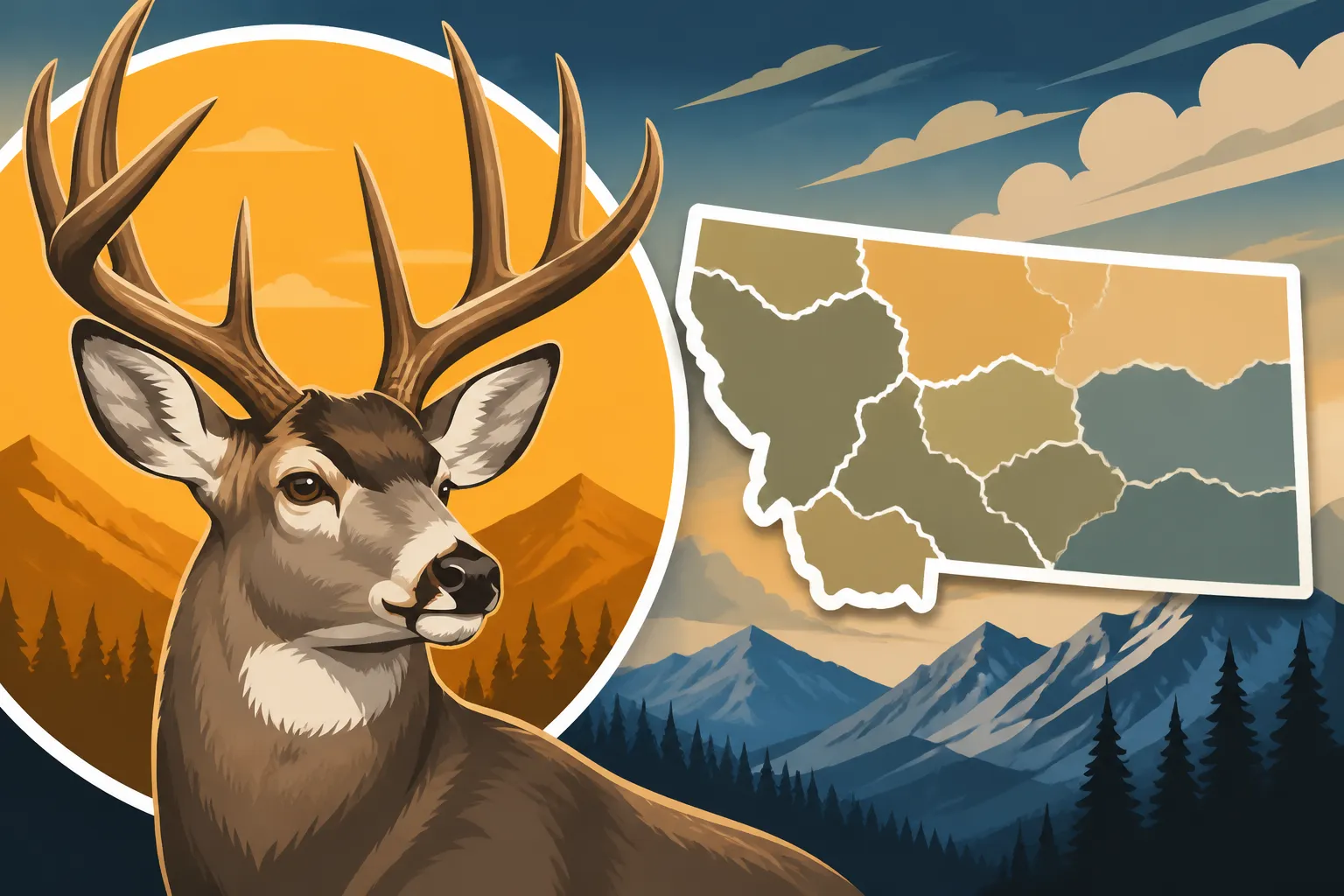
Hunting for a true trophy mule deer buck in Montana is a pursuit that many hunters dream of, but pinpointing the specific districts where these elusive giants consistently roam can feel incredibly daunting. The vastness of Big Sky Country, coupled with the nuanced regulations and ever-changing deer populations, often leaves hunters wondering where to even begin their research. This comprehensive guide is designed to cut through the confusion, highlighting the critical factors that foster trophy mule deer growth and spotlighting some of Montana's premier districts for serious trophy hunters.
Understanding Montana's Mule Deer Landscape
Montana's diverse landscape, from rugged mountain ranges to rolling plains and river breaks, provides a wide array of habitats for mule deer. However, not all these areas are created equal when it comes to consistently producing large, mature bucks. Understanding the fundamental ecological principles that govern mule deer growth and distribution is the first step toward finding a trophy animal.
The Biology of a Big Buck
A "trophy" mule deer isn't just about antler size; it's about age, genetics, and nutrition. A buck needs several years to reach its full antler potential, typically peaking between 5.5 and 8.5 years old. During these prime years, factors like protein-rich forage, minimal stress, and access to secure winter range are paramount. Early season nutrition, especially, impacts antler growth, as bucks are funneling energy into body repair and new antler development after the shed. Areas with consistent, high-quality feed throughout the year, including lush forbs in spring and palatable browse in winter, are critical. Without these foundational elements, even genetically superior bucks won't express their full potential. It's a delicate balance that Mother Nature orchestrates, and savvy hunters learn to read the signs in the landscape that point to a healthy deer population.
Habitat Requirements for Trophy Growth
Trophy mule deer thrive in habitats that offer a perfect blend of cover, food, and water, combined with escape routes and low human disturbance. In Montana, this often means areas with broken topography like steep canyons, coulees, and river breaks interspersed with agricultural lands, sagebrush flats, and patches of timber. These diverse landscapes allow bucks to transition between feeding areas and secure bedding cover, especially as they mature and become more wary. For instance, the transition zones between dense timber and open meadows, or the rugged draws leading up from agricultural fields, can be absolute magnets for mature deer seeking refuge. Areas like the Missouri Breaks are famous for this exact reason, offering an incredible mix of rugged badlands, river bottoms, and productive benches that allow mule deer to grow old and wise. Understanding Montana Mule Deer Habitat Explained is crucial for recognizing these prime locations.
Key Factors for Identifying Trophy Districts
Beyond the general biology, there are specific, actionable criteria that serious trophy hunters use to narrow down Montana's vast hunting opportunities. These factors directly influence the likelihood of encountering and successfully harvesting a mature, trophy-class mule deer.
Population Density and Age Structure
A high deer population density doesn't necessarily equate to trophy potential. In fact, overcrowded areas can lead to reduced antler quality due to competition for resources. What you're really looking for is a healthy age structure within the buck population. This means a good proportion of mature bucks are surviving past their younger years. Montana Fish, Wildlife & Parks (FWP) collects data on herd health, buck-to-doe ratios, and fawn recruitment, which can be invaluable. Districts with strong buck-to-doe ratios and consistent numbers of 3.5+ year-old bucks often have limited entry permits or are more challenging to hunt, reducing overall pressure and allowing bucks to age. While FWP often aims for a healthy buck-to-doe ratio, districts exceeding those averages, or those with specific management objectives for older age classes, tend to be the trophy producers.
Public Land Access and Hunter Pressure
Montana boasts an incredible amount of public land, including National Forests, BLM lands, and State Trust Lands. However, not all public land is created equal, especially when it comes to trophy mule deer. Districts with vast, roadless public land areas, or those requiring significant effort to access (think long hikes, horses, or specialized vehicles), often experience lower hunter pressure. Less pressure means bucks are less disturbed, more likely to follow natural patterns, and have a better chance of reaching older age classes. Conversely, easily accessible public land, especially near population centers, tends to have higher pressure, pushing mature bucks into denser cover or nocturnal patterns. Exploring Montana Public Land Hunting Guide can help you discern these differences. Sometimes, areas with limited public access but adjacent to private land that hunters can access via specific easements or Block Management Areas can be honey holes, as bucks use the private land as a sanctuary but travel onto accessible parcels.
Draw Odds and Permit Systems
Many of Montana's most coveted trophy mule deer districts operate under limited-entry permit systems rather than general tags. This means you have to apply in a draw, and success rates can be very low, sometimes requiring many years of accumulating preference or bonus points. For non-residents, the competition is even stiffer. Understanding Montana Nonresident License Draw Explained and how Montana Preference Points vs Bonus Points function is paramount. While general units offer more flexibility, the trophy potential often decreases with the increased hunter numbers. However, some general units with tough access or specific terrain features can still produce big bucks for those willing to put in the work. Services like GoHunt are incredibly useful for analyzing draw odds, permit types, and historical success rates, helping hunters make informed decisions about where to apply their points for the best chance at a trophy tag. Knowing Montana Mule Deer Draw Odds Explained for various districts is key to developing a long-term strategy.
Top Montana Districts for Trophy Mule Deer
While Montana's landscape is diverse, certain regions and specific hunting districts consistently stand out for producing large mule deer. These areas typically combine excellent habitat, strong age structures, and management strategies that favor trophy potential.
Eastern Montana Plains Units
Eastern Montana, particularly districts within Regions 6 and 7, is renowned for its vast prairie landscapes, broken badlands, and fertile river bottoms. These areas often support robust mule deer populations that thrive on sagebrush, various grasses, and agricultural crops. The "breaks" country, with its deep coulees and rugged draws, provides perfect escape cover, allowing bucks to grow old. Many of these districts are general units for residents, though some do require permits or special antlerless tags. For non-residents, the coveted deer combination license is often the path to hunting here. Key districts to research include those around the Missouri Breaks and other remote areas of the eastern plains. These units often offer excellent opportunities for hunters willing to put in the miles glassing vast landscapes. The ability to find water sources, especially during dry years, can often be the key to unlocking these areas.
Central Montana Mountain-Foothill Hybrids
Central Montana presents a unique hybrid landscape, blending mountains, foothills, and fertile valleys. Districts in this region often offer diverse forage and varying elevations, which can be beneficial for mule deer throughout the year. The transition zones between the mountains and agricultural lands are particularly productive. These areas might not have the sheer numbers of some eastern plains units, but the quality of individual bucks can be exceptional due to consistent nutrition and less concentrated pressure across vast, varied terrain. Some of these districts can be general units for deer, while others, particularly those bordering wilderness areas, may require specific permits or draw success. Hunting these districts often means combining high-country glassing with careful still-hunting tactics in timbered fringes. Learning How to Glass for Montana Mule Deer is essential in these landscapes.
The Missouri Breaks and Surrounding Areas
The Missouri Breaks is legendary for a reason. This vast, rugged wilderness area, carved by the Missouri River and its tributaries, is a complex network of steep coulees, bluffs, rimrocks, and dense cedar breaks. It’s a challenging place to hunt, but it consistently produces some of the biggest mule deer in the state. The remote nature and difficult terrain naturally limit hunter pressure in many areas, allowing bucks to reach maturity. Districts within or bordering the Breaks often have some of the toughest draw odds, particularly for non-residents seeking specific permits. However, the reward can be a once-in-a-lifetime buck. Understanding the specific regulations for districts like those within the Charles M. Russell National Wildlife Refuge, which overlays a significant portion of the Breaks, is critical. This region demands robust preparation, excellent physical conditioning, and often a multi-year commitment to scouting and point accumulation. For a deep dive, consider researching How to Hunt the Missouri Breaks for Mule Deer.
Here's a simplified comparison of these top regions:
| Region | Typical Habitat | Hunter Pressure | Draw Difficulty (Trophy Potential) | Key Tactics | Notable Features |
|---|---|---|---|---|---|
| Eastern Montana Plains | Sagebrush flats, coulees, river breaks, ag fields | Moderate to High | Moderate | Glassing, spot-and-stalk, water sources | Vast open country, good numbers, can be crowded |
| Central MT Foothills | Mountain slopes, timber fringes, valleys, ag fields | Moderate | Moderate to High | Glassing, still-hunting, thermal awareness | Diverse habitat, often fewer deer but higher quality |
| Missouri Breaks | Rugged badlands, cedar breaks, river bottoms | Low (difficult access) | High (permits often required) | Remote spot-and-stalk, patience, physical exertion | Legendary trophy potential, extremely challenging |
Strategies for Pursuing Trophy Mule Deer
Once you've identified a promising district, the real work begins. Hunting trophy mule deer is a different beast than pursuing any deer. It requires dedication, patience, and a nuanced approach to scouting and in-field tactics.
E-Scouting and Pre-Season Preparation
Modern technology has revolutionized how we prepare for hunts. E-scouting platforms like GoHunt and onX Maps are indispensable for trophy mule deer hunters. Before you even step foot in Montana, you can spend hours analyzing satellite imagery, topographic maps, and public land ownership. Look for key features: north-facing slopes with timber for bedding, south-facing slopes for winter range, isolated pockets of public land, water sources, and natural funnels. Pay attention to transition zones where different habitat types meet, as these are often hotbeds of deer activity. Identifying potential glassing knobs and escape routes for deer is also critical. Your e-scouting should inform your on-the-ground scouting plan, allowing you to optimize your limited time in the field. This preparation is a fundamental component of How to E-Scout Montana Hunting Units.
In-Season Tactics for Big Bucks
Trophy mule deer are incredibly wary animals. They didn't get big by being easy to spot or approach. Your in-season tactics must reflect this.
- Glassing: This is arguably the most important skill for mule deer hunting. Spend hours behind quality optics, meticulously scanning potential bedding areas, feeding zones, and travel corridors. Be patient and systematic. Use a high-power spotting scope in conjunction with binoculars. Mule deer often blend seamlessly into their surroundings, so look for abnormal shapes, horizontal lines, or the flicker of an ear. Consider carrying the Best Optics for Montana Big Game.
- Spot-and-Stalk: Once you locate a mature buck, the stalk is the ultimate test. Use terrain to your advantage, paying close attention to wind direction, thermals, and noisy ground cover. Avoid skylining yourself and move slowly. This is where Montana Mule Deer Hunting: Spot-and-Stalk Tactics truly shines.
- Patience and Persistence: Big bucks aren't found every day. Be prepared for long hours, bad weather, and multiple unsuccessful stalks. The successful trophy hunter is often the one who simply doesn't give up.
Understanding Montana Mule Deer Behavior in the Rut
The mule deer rut, typically peaking in mid-to-late November in Montana, can offer an incredible opportunity to target trophy bucks. During this period, bucks become more active, less cautious, and more focused on breeding. They will travel more openly in search of does, often venturing into areas they would typically avoid. This makes them more susceptible to calling (though calling for mule deer is different than elk) and more visible during daylight hours. However, the rut also coincides with Montana's general rifle season, meaning hunter pressure can be at its highest. Understanding Montana Mule Deer Rut Explained is key. While the rut makes bucks more visible, it also means you're competing with more hunters. Focus on finding does, as the bucks won't be far behind, but be prepared for cold weather and potentially heavy snow.
Planning Your Trophy Mule Deer Hunt
Executing a successful trophy mule deer hunt in Montana goes far beyond simply knowing where the big bucks live. It involves meticulous planning, understanding the regulatory landscape, and preparing yourself mentally and physically for the challenge.
Navigating Montana's Draw System
As mentioned earlier, many of Montana's prime trophy mule deer units require drawing a limited-entry permit. This system is complex, involving both preference points for residents and bonus points for non-residents. Non-residents typically apply for the Combination Deer or Deer/Elk Combo license, which enters them into the general deer draw. If successful, they can then apply for specific limited-entry deer permits. The deadlines are usually in March, with results in April. For competitive units, it can take many years to accumulate enough points to draw a tag. It's vital to study the draw odds carefully for each district you're considering, utilizing resources like GoHunt's Insider tool to analyze historical data and inform your application strategy. Don't underestimate the time commitment and financial investment required to play the long game in Montana's draw. For those new to the system, understanding How to Apply for a Montana Hunting License is a crucial first step.
Essential Gear for Trophy Mule Deer Hunting
Montana mule deer hunting, particularly in the more rugged trophy units, demands specialized gear.
- Optics: High-quality binoculars (10x-15x) and a spotting scope (20-60x or 20-70x) with a sturdy tripod are non-negotiable. You'll spend hours glassing, and clear, bright optics make all the difference. Brands like Swarovski, Zeiss, and Kowa are top-tier, but excellent mid-range options exist too.
- Rifle/Archery Setup: Choose a caliber suitable for mule deer (e.g., .270, .30-06, .300 Win Mag) with accurate ammunition. Practice shooting from various field positions, especially at longer ranges, as shots in open country can be extended. For archers, ensure your bow is tuned and you're proficient out to ethical distances. Consider checking out Best Rifle Calibers for Montana Elk as many of those calibers cross over well for mule deer.
- Backpack: A comfortable, capable backpack is crucial for carrying optics, water, food, emergency gear, and potentially packing out meat. Look for one designed for hunting, with good load-bearing capabilities. The Best Backpack for a Montana Elk Hunt principles often apply to deer as well.
- Clothing: Layering is key for Montana's unpredictable weather. Think moisture-wicking base layers, insulating mid-layers, and a waterproof/windproof outer shell. Good hiking boots are also paramount for covering rugged terrain.
Physical and Mental Preparation
Hunting trophy mule deer in Montana can be incredibly demanding. Many of the best districts require significant hiking, often at elevation, over challenging terrain. Physical fitness is not just about comfort; it's about safety and increasing your chances of success. Start a rigorous workout regimen months before your hunt, focusing on cardiovascular endurance, leg strength, and core stability. Practice hiking with your loaded pack. Mentally, be prepared for setbacks, extreme weather, and the solitude of long days in the field. Patience, resilience, and a positive attitude are as important as any piece of gear. This mental fortitude is often what separates successful hunters from those who go home empty-handed. Reviewing a guide on How to Physically Prepare for a Montana Elk Hunt can provide an excellent framework for mule deer preparation as well.
Utilizing Resources for Success
In the quest for a Montana trophy mule deer, leveraging available resources can provide a significant advantage, transforming your preparation from guesswork into a data-driven strategy.
FWP Data and Biologist Insights
The Montana Fish, Wildlife & Parks (FWP) website is an invaluable, free resource. Dive into their hunting regulations, district maps, and annual harvest reports. These reports often contain data on success rates, hunter numbers, and sometimes even average antler size by district. While specific trophy statistics aren't always published, you can infer potential from buck-to-doe ratios and harvest numbers of mature animals. Don't hesitate to reach out to FWP biologists for the districts you're interested in. They are often incredibly knowledgeable about local deer populations, habitat conditions, and winter severity effects, providing insights that no map or online tool can replicate. They can offer context to data and help you understand localized trends that might impact your hunt. Understanding Montana Hunting Districts Explained through the FWP lens is foundational.
Online Scouting Tools and Communities
Beyond FWP, a host of online tools and communities can aid your quest. As mentioned, GoHunt's Insider service offers unparalleled draw odds analysis, harvest data, and strategy articles specifically tailored to trophy animals in western states, including Montana. Their mapping features allow for in-depth e-scouting, identifying potential honey holes before you ever leave home. Other platforms like onX Hunt provide detailed land ownership maps, satellite imagery, and GPS capabilities that are essential for navigating public and private land boundaries in the field. Online hunting forums and social media groups dedicated to Montana mule deer can also be a goldmine of information, though always exercise discretion and verify information, as not everything you read online is accurate or applicable. These communities allow hunters to share experiences, ask questions, and sometimes even find hunting partners. These tools are crucial for effective Montana DIY Elk Hunting Guide planning, which often crosses over to mule deer.
Disclaimer
Please remember that hunting regulations, season dates, and draw odds are subject to change annually by Montana Fish, Wildlife & Parks. Always consult the most current official FWP regulations before planning or undertaking any hunting activity. This guide is for informational purposes only and does not constitute legal hunting advice.