Montana Mule Deer Habitat Explained
Finding big mule deer in Montana can feel like searching for a needle in a haystack, especially with their elusive nature and the vast, diverse landscapes they call home. It's a common frustration for both seasoned and new hunters alike – you know they're out there, but where exactly? This guide is designed to demystify Montana's mule deer habitat, breaking down the specific environments these magnificent animals prefer and how their needs dictate where they live throughout the year.
Understanding Montana's Mule Deer Habitat Preferences
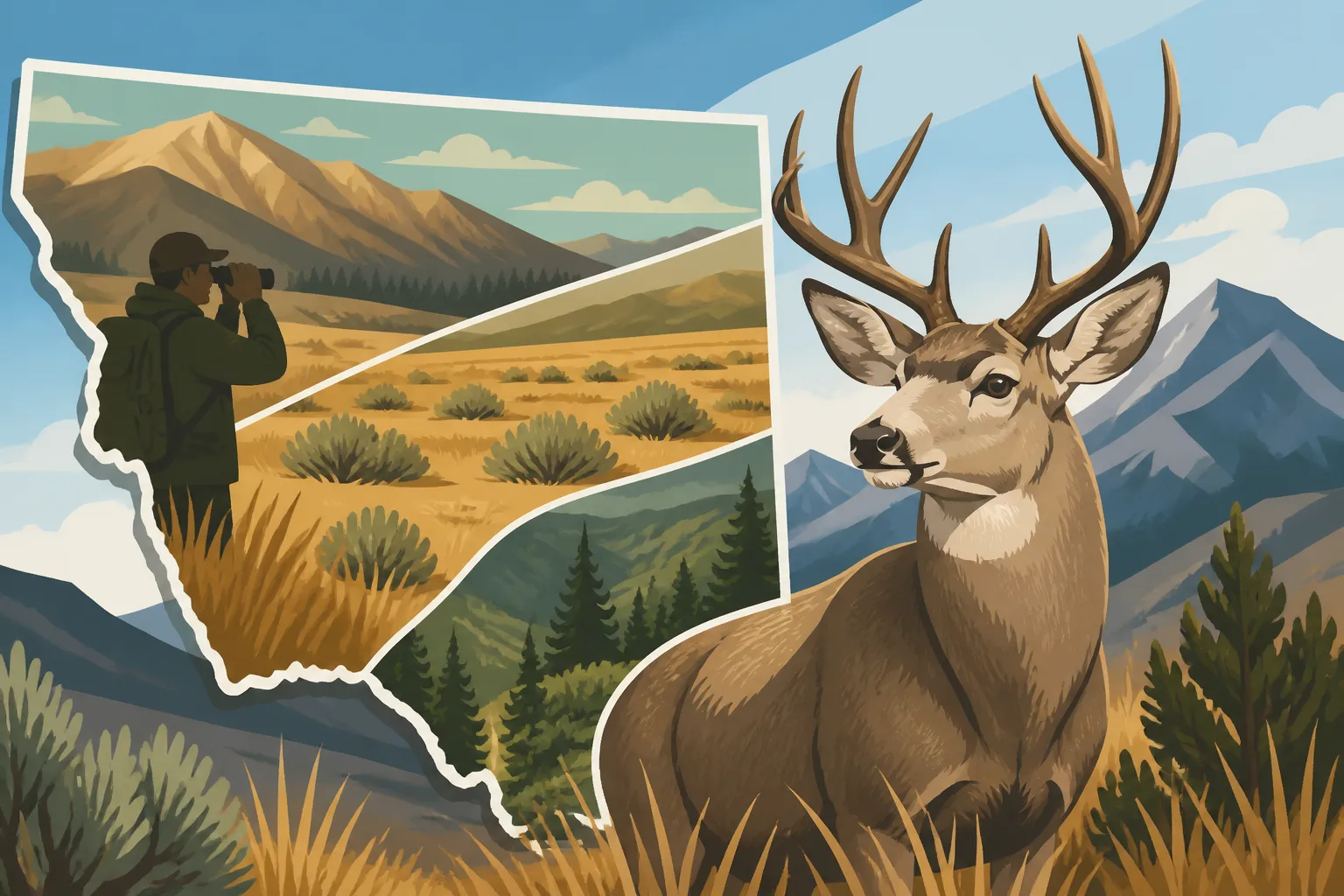
Montana is a huge state with an incredible variety of terrain, from towering Rocky Mountain peaks to rolling eastern plains and deep river breaks. This diverse landscape means that mule deer in different parts of the state might utilize vastly different types of habitat. However, some core preferences unite them: they're typically drawn to rugged, broken country that offers a mix of food, cover, and escape routes. They're often found in areas that provide good visibility, allowing them to spot predators from a distance, but also dense pockets of timber, brush, or topography to disappear into when danger arises.
The Role of Elevation and Aspect
Elevation plays a crucial role in mule deer habitat, particularly in the western, mountainous regions of Montana. During the summer months, it’s not uncommon to find mule deer bucks high on north-facing slopes, often above timberline, where cooler temperatures prevail and succulent forage is abundant. These high-country havens provide relief from insects and heat, and the broken terrain offers excellent security cover. As the seasons change, and the snows begin to fly, these deer will gradually migrate to lower elevations, seeking out south-facing slopes. Why south-facing? Because these aspects receive more direct sunlight, melting snow faster and exposing valuable browse, making it easier for them to forage and conserve energy during the harsh Montana winters.
The Importance of Forage and Water Sources
Mule deer are primarily browsers, meaning they prefer to eat leaves, twigs, and buds of woody plants, as well as forbs (herbaceous flowering plants). While they will graze on grasses, it’s not their primary food source. Their habitat needs are intrinsically linked to the availability of these preferred food items. Areas with a rich diversity of shrubs like serviceberry, bitterbrush, sagebrush, and various mountain mahogany species are prime mule deer territory. You'll often find them feeding heavily in aspen groves or along the edges of timber where new growth is readily available. Water is also a non-negotiable factor. While mule deer can obtain some moisture from the plants they eat, they still require reliable water sources like natural springs, creeks, rivers, and even stock ponds, especially in arid regions. Understanding these connections helps you pinpoint areas where deer are likely to concentrate.
Mountainous and Foothill Regions
The rugged mountains and sprawling foothills of western and central Montana are iconic mule deer country. This is where you'll find deer navigating steep slopes, dark timber, and expansive open parks. The challenges of hunting these areas are well-known, but so are the rewards.
Timbered Basins and Ridges
In the vast national forests and wilderness areas, like those found within the Custer Gallatin National Forest or the Beaverhead-Deerlodge National Forest, mule deer thrive in a mosaic of dense conifer forests and open sagebrush parks. During the archery season, particularly, you'll often find mature bucks seeking the solitude of thick timber, especially on north-facing slopes or in deep, dark canyons. These areas offer thermal cover, protection from predators, and often hidden pockets of lush forage. As you learn how to hunt Montana's general rifle season, you'll find deer often transition to the timbered ridge tops, using them as travel corridors and escape routes. They'll use the broken topography to their advantage, slipping silently into a draw or over a saddle with incredible speed and stealth. Learning to move quietly through Montana timber is crucial here.
Open Slopes and Sagebrush Steppe
Interspersed with the timbered areas are vast, open slopes dominated by sagebrush, bitterbrush, and various grasses. These areas are critical feeding grounds, especially during the mornings and evenings. Mule deer will often bed down in small pockets of timber or dense brush on these slopes, relying on their keen eyesight and the broken topography to evade detection. Glassing these wide-open areas at dawn and dusk can be incredibly productive for locating deer, and understanding how to glass Montana's big country is a skill that pays dividends here. Pay close attention to draws, small coulees, and the "fingers" of timber that extend into the open, as these are natural travel routes and bedding locations. In these areas, tools like GoHunt's mapping features can be invaluable for identifying prime glassing knobs and potential bedding areas before you even set foot in the field.
Badlands and River Breaks Habitat
Moving eastward, Montana's landscape transforms into an entirely different, yet equally productive, mule deer haven: the badlands and river breaks. These dramatic, eroded landscapes provide some of the most unique and challenging mule deer hunting experiences in the state.
The Missouri Breaks and Similar Formations
The Missouri Breaks, along with other similar badland formations like those found in the Eastern Montana Plains, are quintessential mule deer habitat. Here, you won't find towering peaks, but rather a labyrinth of steep, eroded hills, deep coulees, and hidden pockets of diverse vegetation. The deer in these areas are masters of using the topography to their advantage, seemingly vanishing into thin air just by dipping into a fold in the landscape. Cover here is less about dense timber and more about the broken terrain itself, coupled with thick stands of juniper, sagebrush, and various brush species found in the bottoms of draws. For hunters trying to figure out how to hunt the Missouri Breaks for Mule Deer, understanding these nuances is critical. The deer often bed on benches overlooking draws, giving them a commanding view of their surroundings while remaining out of sight.
Riparian Zones and Coulee Systems
Within the badlands and plains, riparian zones along rivers and extensive coulee systems are lifelines for mule deer. The Yellowstone River, Missouri River, and their tributaries create ribbons of green in an otherwise arid landscape, providing crucial water, food, and cover. Cottonwood trees, willows, and dense undergrowth offer excellent thermal and escape cover, making these areas ideal bedding locations, especially during the heat of the day or when heavy hunting pressure pushes deer from more exposed areas. The deeper the coulee system, the more likely you are to find mature bucks seeking sanctuary. Learning to navigate these intricate systems and anticipating deer movement through them is key to success when hunting mule deer in these regions.
Agricultural Interfaces and Transition Zones
Many parts of Montana feature a blend of wildlands and agricultural operations, creating unique habitat dynamics for mule deer. These transition zones can offer incredible opportunities but also present their own set of challenges.
Edge Habitat and Crop Fields
Where timbered hills, sagebrush flats, or river breaks meet cultivated fields, you'll find highly productive "edge" habitat. Mule deer will often use the cover of the wilder terrain for bedding and security during the day, then venture out into agricultural fields at night to feed on alfalfa, winter wheat, or other palatable crops. These areas provide a consistent and high-energy food source that can draw deer from miles around, especially in the late season when natural forage becomes scarce. However, hunting deer in these settings often requires careful consideration of private land boundaries, as many of these fields are privately owned. For those interested in Montana Mule Deer Hunting: Rifle Tactics, hunting these edges can be particularly effective, especially during low light conditions.
Block Management Areas and Private Land
Montana's Block Management Program is a fantastic resource that provides public hunting access to private lands, often in these valuable agricultural interfaces and transition zones. These areas can be goldmines for mule deer, especially if they encompass a mix of crop fields, native range, and draws. Utilizing Block Management for DIY Hunts requires careful planning and adherence to specific rules, but it can open up access to prime habitat. For non-residents or those seeking a more curated experience, some outfitters specialize in ranch hunts on private land, where agricultural benefits are often a key part of the deer's diet and movement patterns. Always remember to respect landowner wishes and follow all regulations when hunting private property. A tool like GoHunt can help identify potential public land access points adjacent to private agricultural lands, allowing you to plan your hunt more effectively.
Mule Deer Seasonal Habitat Shifts
Understanding that mule deer habitat isn't static but constantly shifts throughout the year is perhaps one of the most critical pieces of the puzzle for hunters. Their survival depends on adapting to changing weather, food availability, and hunting pressure.
Summer Range and Fawning Areas
During the late spring and summer months, mule deer bucks disperse to their summer ranges, often moving to higher elevations in mountainous terrain or finding lush, secluded areas in the breaks. Does, on the other hand, seek out dense cover and quiet spots for fawning, typically in lower elevations with abundant forage and water, often near riparian areas or thick pockets of brush. This is why you might find a concentration of does and fawns in one area, while the mature bucks are nearly invisible elsewhere. Their summer range provides maximum forage to build fat reserves for the upcoming winter and rut.
Fall Migration and Winter Range
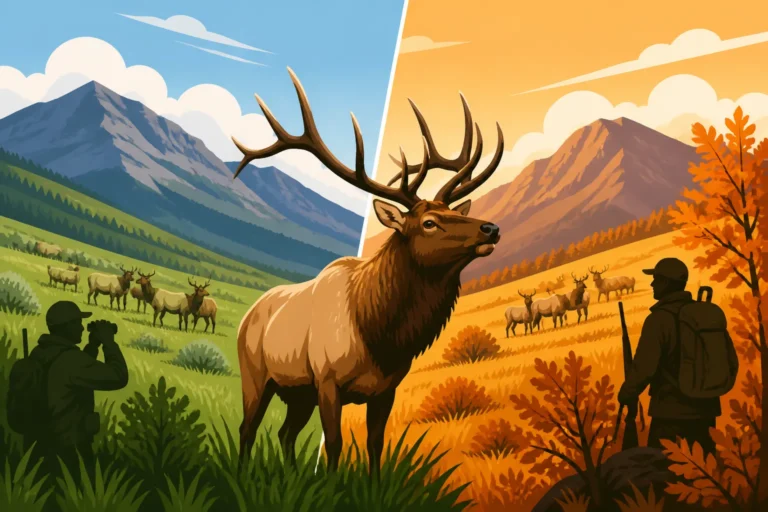
As autumn progresses and temperatures drop, mule deer begin their annual migration from summer to winter range. This can be a short, subtle shift from a high ridge to a lower bench, or a dramatic journey of many miles from high mountains down to river bottoms or prairie breaks. Their instinct drives them to areas with more accessible forage and less snow, typically south-facing slopes, lower elevations, and areas with thermal cover like juniper patches or dense timber pockets. The timing of these movements is heavily influenced by weather, particularly the first significant snowfalls. Understanding Montana Mule Deer Migration patterns and knowing how to find Montana mule deer in their winter range is paramount for late-season success and for effective game management. These transitional periods and winter ranges are often where hunters have the best opportunities to encounter higher concentrations of deer.
| Habitat Type | Key Characteristics | Mule Deer Adaptations/Usage | Best Time to Hunt (General) |
|---|---|---|---|
| Mountain Timber | Dense conifer forests, steep slopes, high elevation | Thermal cover, security bedding, higher elevation summer range, north-facing slopes | Early Archery, Late Rifle Season |
| Open Mountain Slopes | Sagebrush, grass, scattered timber, broken topography | Feeding areas (dawn/dusk), glassing opportunities, lower elevation winter range | Early Archery, General Rifle Season |
| Badlands/Breaks | Eroded hills, deep coulees, juniper, sagebrush | Excellent topographical cover, security bedding in draws, year-round habitat | General Rifle Season, Archery |
| Riparian Zones | River bottoms, cottonwoods, willows, dense undergrowth | Water source, thermal/escape cover, fawning areas, winter range | General Rifle Season, Archery |
| Agricultural Edges | Crop fields (alfalfa, wheat), adjacent wildland cover | High-energy food source, nocturnal feeding, private land considerations | Late Rifle Season |
Disclaimer
Hunting is an inherently dangerous activity. The information provided in this guide is for informational purposes only and should not replace proper research, safety training, or adherence to all local, state, and federal hunting regulations. Always prioritize safety, respect wildlife, and obtain all necessary licenses and permits before venturing into the field. Conditions in Montana can change rapidly, and hunters are responsible for their own safety and preparation.