Montana Bison Herd and Hunt Explained
For many hunters, the idea of pursuing bison in Montana conjures images of an almost mythical hunt, steeped in history and challenging logistics. The truth is, drawing a Montana bison tag is incredibly difficult, and understanding the unique management and hunting opportunities for these majestic animals can feel like deciphering an ancient scroll. This guide will walk you through the intricacies of Montana's bison herds, the elusive hunt, and how to navigate the demanding application process.
Understanding Montana's Wild Bison Herds
Montana's wild bison population is truly unique, existing in a delicate balance between conservation efforts, public land use, and the distinct management challenges posed by their incredible migratory nature. Unlike deer or elk, bison aren't managed with a sprawling, statewide general season; their presence is localized, significant, and tightly controlled.
The Yellowstone Bison Population
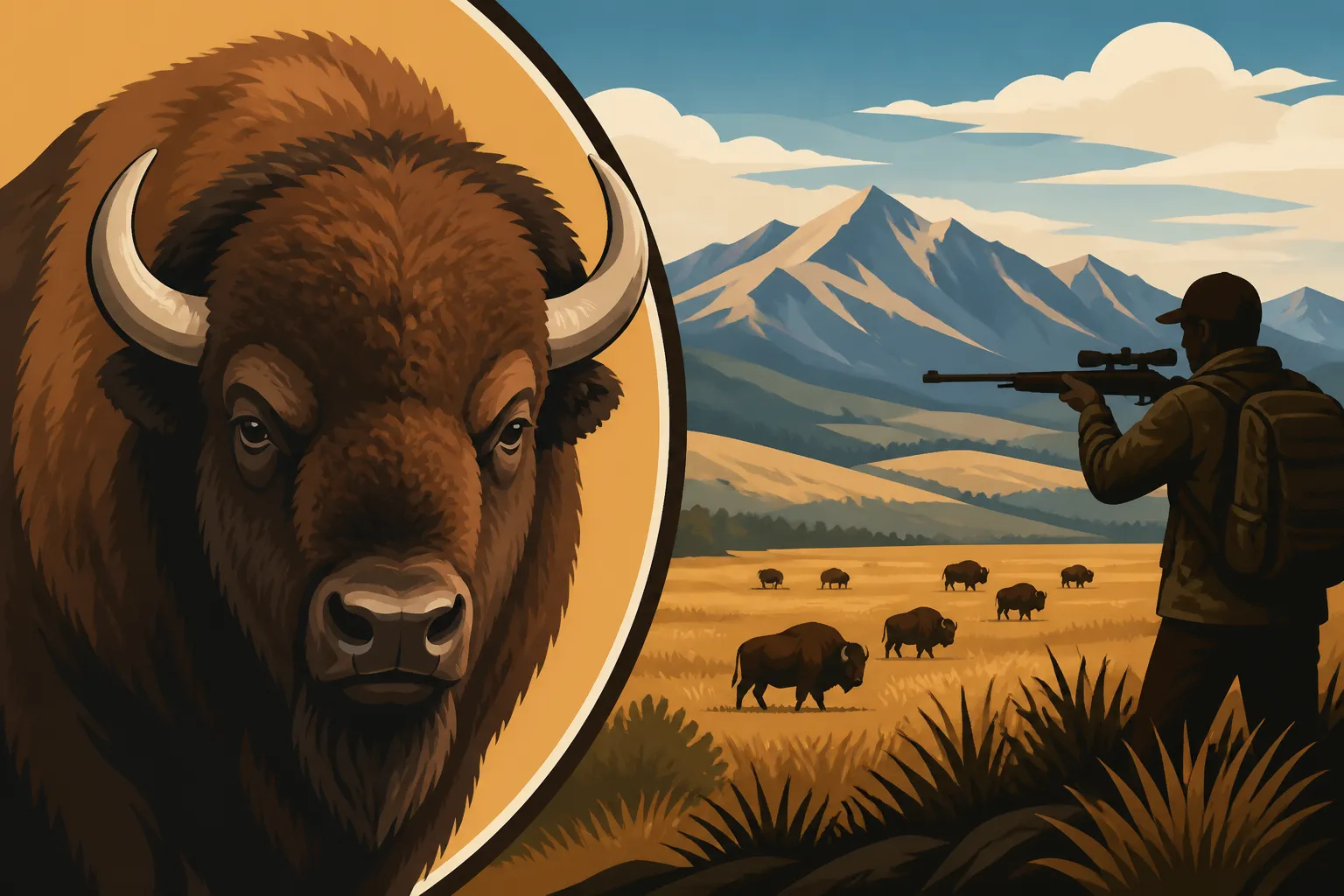
The most well-known and often discussed bison population in Montana is the one that migrates out of Yellowstone National Park. These bison are part of an incredibly important conservation success story, representing one of the last free-ranging, wild bison herds in North America. Their movements, however, frequently bring them into conflict with private landowners and livestock, primarily concerning disease transmission, particularly brucellosis. This is where the Interagency Bison Management Plan (IBMP) comes into play, a complex agreement between federal and state agencies aimed at managing these bison as they leave the park.
Hunters often play a critical role in this management. The Gardiner-Stephens Creek area, just north of the park boundary, is famously (or infamously, depending on who you ask) the primary zone where bison that migrate out of Yellowstone are managed through hunting. This is a highly dynamic situation, with herd numbers, winter conditions, and migration patterns dictating when and where hunting opportunities arise. It's not a typical "hunt" in many ways; it's often a fast-paced, highly scrutinized operation designed to manage the population under strict guidelines as animals cross imaginary lines. The FWP sets specific quotas and management objectives, making this a truly unique scenario compared to hunting other Montana big game species.
Other Montana Bison Populations
While the Yellowstone herd dominates headlines, it's not the only wild bison population in Montana. The state also manages a few other, much smaller, isolated herds. One such herd can be found at the American Prairie Reserve, located in north-central Montana. This private conservation effort aims to restore a fully functioning prairie ecosystem, including wild bison. While these bison are not typically hunted under the same FWP regulations as the Yellowstone migrants, they contribute to the broader conservation narrative of restoring bison to their native ranges.
Another important, though much smaller, population is the National Bison Range herd, managed by the Confederated Salish and Kootenai Tribes. While not a hunting opportunity for the general public, it's a vital part of bison conservation and genetic diversity. These smaller, often fenced, herds underscore the distinction between truly free-ranging, migratory bison and those in more contained environments. For hunters, the focus remains almost exclusively on the Yellowstone population, or the limited draws for designated hunt units managed by FWP.
The Montana Bison Hunting Landscape
Securing a Montana bison tag is one of the most challenging feats in North American big game hunting. It's not just about luck; it's about understanding a system designed for extremely limited opportunities on an iconic species. If you're hoping to add a bison to your hunting resume, you need to be realistic and prepared for a long game.
Permit Hunt Areas and Odds
Montana's bison hunting is exclusively a permit draw system, meaning there are no general over-the-counter tags. The vast majority of hunting opportunities are tied to the migratory Yellowstone bison and specific designated hunt units (HUs). These units are typically near the park boundary, like Hunting Unit 399 in Region 3, which is the primary area for the Gardiner-Stephens Creek hunts. Other, much rarer opportunities might arise in different parts of the state if FWP identifies a need to manage smaller, isolated herds.
The draw odds for these tags are notoriously low, often in the single digits or even fractions of a percent, especially for non-residents. For example, in recent years, drawing a bison tag could require decades of applications for a resident, and even longer for a nonresident. It's a true "once-in-a-lifetime" hunt for most, and for many, a tag they may never draw despite consistent applications. You'll often see specific hunt codes associated with these units, and it's critical to understand what each code entails regarding weapon type, sex of animal, and time frame. Resources like GoHunt can provide detailed historical draw odds and application strategies, which are invaluable for such a rare permit.
Management Hunts vs. Traditional Big Game Hunts
It's crucial to distinguish a Montana bison hunt from a typical deer or elk hunt. Many bison hunts, especially those involving the Yellowstone herd, are primarily management-driven. This means they occur to address specific wildlife management objectives, such as preventing brucellosis transmission to livestock or managing herd numbers outside the park boundaries. These hunts can be fast-paced, sometimes requiring hunters to be on call and respond quickly when bison move out of the park.
Unlike a leisurely backcountry elk hunt where you might spend days tracking, a bison management hunt can involve waiting for specific conditions, then acting decisively and quickly. The terrain near Gardiner can be challenging, but the focus is often on the bison's presence in a specific management zone. Hunters often work closely with FWP personnel to ensure compliance with regulations and management goals. This isn't necessarily a classic "spot and stalk" scenario over vast wilderness, although elements of that may exist. It's a regulated harvest with a purpose, and understanding this difference is key to managing expectations for anyone lucky enough to draw a tag. If you're looking for an expansive, multi-day wilderness experience, a bison hunt, particularly for the Yellowstone migrants, might not fit that mold as much as a Montana Backcountry Hunting Guide experience.
Applying for a Montana Bison Tag
The application process for a Montana bison tag is precise and unforgiving. Missing a deadline or making an error can cost you years of accumulated points or your only chance at this highly coveted permit. It’s imperative to follow every step meticulously.
Licensing and Application Requirements
Before you can even consider applying for a bison permit, you’ll need to meet Montana’s basic hunting license requirements. This typically includes purchasing a base hunting license, a conservation license, and an Artificial Insemination (AIS) Prevention Pass. For non-residents, these fees can add up, but they are mandatory prerequisites for any big game draw. Ensure you understand the differences between Montana Resident vs Nonresident Licenses and secure all necessary foundational licenses well in advance of the application period.
The application period for bison permits usually aligns with other special draw deadlines, often in late spring or early summer. You'll apply through the Montana FWP online licensing system. It's essential to select the correct hunt code for the specific unit you're interested in, as different codes can denote different weapon types, sex of the animal, or time frames. Keep a keen eye on the Montana Big Game Draw Deadlines to ensure your application is submitted on time. Montana doesn't use a traditional preference or bonus point system for bison in the same way it does for other species like deer or elk. Instead, applicants are usually entered into a lottery for the available tags. This means everyone has a fresh, albeit slim, chance each year, regardless of how many times they've applied before.
Researching Hunt Units and Odds
Given the extreme rarity of bison tags, thorough research is absolutely critical. While draw odds are low across the board, understanding the historical success rates and specific management objectives for each hunt unit can help you make an informed decision, if any choice is even available. For example, the Gardiner area hunts for the Yellowstone bison often have more tags allocated due to active management needs, but they also attract the most applicants.
You'll want to dive deep into the FWP regulations and past draw results. Tools like GoHunt can be invaluable here, offering historical draw data, success rates, and even unit breakdowns that can inform your application strategy. They aggregate FWP data, making it easier to analyze trends and understand the competitive landscape. Pay close attention to any specific access requirements or nuances of a unit; for instance, some hunts may be primarily on public land, while others might involve private land access, which requires prior permission. Understanding the details of Montana Hunting Districts Explained will be a big asset as you consider your options, however limited they may be for bison.
The Draw Results and What Comes Next
Once the application period closes, it's a waiting game. Montana FWP typically announces draw results in late summer or early fall, often around the time other special draw permits are announced. You can usually check your status online through your FWP account. If you're one of the incredibly fortunate few to draw a bison tag, a wave of excitement—and perhaps a touch of disbelief—will likely hit you.
Upon drawing a tag, it’s imperative to immediately re-read the regulations specific to your hunt code and unit. Contact the FWP regional office managing your hunt unit to understand the current conditions, any specific requirements, and the logistics. They can provide vital information on bison movements, access points, and the often-unique communication protocols for management hunts. This isn't a hunt you can wing; successful hunters are those who are well-prepared and maintain open lines of communication with FWP. You'll want to finalize your gear, confirm transportation, and ensure you're physically ready for the demands of the hunt, which could mean a quick response to a notification or a more traditional stalking effort.
Montana Bison Hunting Overview
| Primary Herds | Yellowstone National Park migratory herd, smaller state-managed herds, American Prairie Reserve (non-hunting) |
|---|---|
| Hunting Method | Exclusively permit draw for specific hunt units. No general tags. Primarily management hunts for Yellowstone migrants. |
| Typical Hunt Areas | Designated hunt units near Yellowstone National Park boundaries (e.g., HU 399 near Gardiner) |
| Draw Odds | Extremely low (often <1% for non-residents), considered a once-in-a-lifetime tag. |
| Application Period | Usually late spring/early summer, aligning with other special draw permits. Check Montana Big Game Draw Deadlines for specifics. |
| Required Licenses | Montana Base Hunting License, Conservation License, AIS Prevention Pass, specific bison permit (if drawn). |
| Key Considerations | Hunts are often management-driven, requiring quick response times. Understanding specific regulations, FWP communication protocols, and potential access challenges is crucial. |
| Research Tools | Montana FWP website, hunting forums, and platforms like GoHunt for historical draw data and unit information. |
| Cost (Non-resident) | Base licenses, conservation license, AIS pass ($100s) + bison permit fee (typically $1,000+ upon drawing). |
Planning for Your Montana Bison Hunt
Drawing a bison tag is just the first hurdle. The actual hunt requires meticulous planning, understanding the unique challenges, and being prepared for conditions that can range from challenging to unpredictable. This isn't a casual affair; it's a serious undertaking for a formidable animal.
Essential Gear and Logistics
When planning for a Montana bison hunt, think rugged and robust. Bison are immense animals, and taking one down requires significant firepower and a solid plan for recovery. A powerful rifle, typically in .300 Win Mag, .338 Win Mag, or larger, is highly recommended. Shot placement is critical due to their thick hide and bone structure. You'll also need excellent optics, including binoculars and a spotting scope, for identifying animals, especially in open country or when distinguishing between bulls and cows if your tag is sex-specific.
Beyond your weapon, consider the logistics of handling such a large animal. A heavy-duty pack frame is essential, as is a good quality knife, game bags, and perhaps a small saw for bone. You'll also need reliable navigation tools – a GPS and physical maps are a must, especially if you venture into less-traveled areas or where cell service is unreliable. Weather in Montana, particularly near Yellowstone, can change rapidly, so appropriate layers, waterproof outerwear, and sturdy boots are critical. A solid pair of boots is a cornerstone for any Montana Backcountry Hunting Gear List. Don’t forget to bring plenty of water and food, and consider a satellite communication device for emergencies, especially if you're hunting remotely.
Field Care and Meat Processing
This is where the true challenge of harvesting a bison becomes evident. Bison are massive, with a bull often weighing over 2,000 pounds. This means a tremendous amount of meat to handle, far more than even a large elk. Having a solid plan for field care and meat processing before you even pull the trigger is not just advised, it's mandatory. You simply cannot quarter and pack out a bison solo in the same way you might a deer.
The first step after a successful harvest is rapid cooling and quartering. This often requires multiple people, heavy-duty knives, and a significant amount of time. You’ll need to work quickly to get the hide off and the animal broken down into manageable pieces to prevent spoilage. If you're fortunate enough to hunt close to vehicle access, you might be able to load quarters directly. Otherwise, a heavy-duty pack frame and multiple trips will be necessary, or even a pack animal if the terrain allows. Research local meat processors in advance, particularly in towns like Gardiner or Livingston, as they are experienced with bison and often have the capacity to handle such large animals. Communicate with them about your successful harvest immediately to ensure they can accommodate you. They’ll be able to help you navigate the nuances of How to Quarter an Elk in the Montana Backcountry but on a much grander scale.
Safety Considerations and Ethical Hunting
Hunting bison carries unique safety considerations. These animals are powerful, fast, and can be unpredictable, especially if injured or feeling threatened. Always maintain a safe distance and be aware of your surroundings. If hunting near the Yellowstone boundary, you're also in prime grizzly country, so carrying bear spray and knowing how to use it is non-negotiable. Travel with a partner if possible, and let someone know your hunting plans and expected return time.
Ethical hunting for bison also means respecting the animal, the land, and the regulations. Due to the high visibility and management-driven nature of many bison hunts, public scrutiny can be intense. Ensure you understand all regulations regarding shot placement, recovery, and tagging. Make every effort to recover the animal swiftly and efficiently. Leave no trace, pack out all your trash, and show courtesy to other hunters, landowners, and wildlife officials. Remember, you're representing the hunting community, and a bison hunt is a profound experience that demands the utmost respect and preparation.
Disclaimer
Please be aware that hunting regulations, season dates, and draw procedures in Montana are subject to change annually. Always consult the most current Montana Fish, Wildlife & Parks (FWP) regulations and official resources before planning any hunt. This guide is for informational purposes only and should not be considered a substitute for official FWP documentation.