How to Find Elk on Montana Public Land
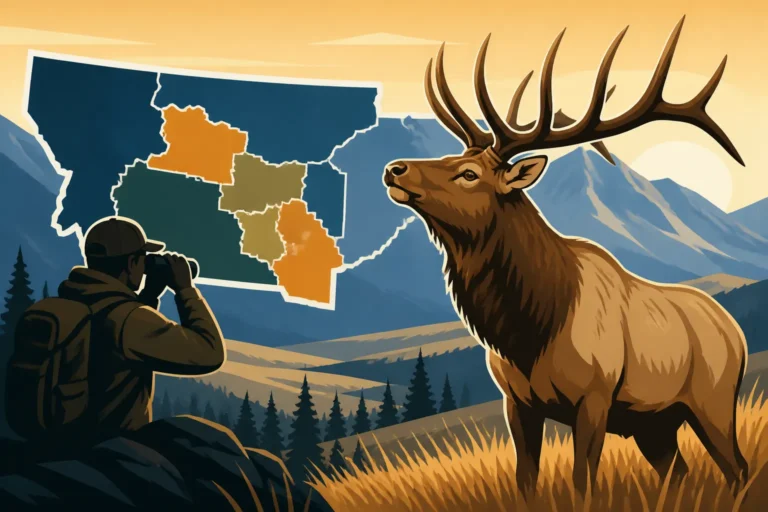
Finding elk on Montana's vast public lands can feel like searching for a needle in a haystack, especially when you're up against thousands of square miles of diverse terrain and the reality of other hunters pursuing the same quarry. It's a daunting challenge that often leaves even experienced hunters scratching their heads, wondering where to even begin. This comprehensive guide is designed to equip you with the knowledge and strategies to demystify public land elk hunting, helping you pinpoint those elusive herds and increase your chances of success in Big Sky Country.
Understanding Montana's Public Land Landscape
Montana is a land of incredible opportunity for public land hunters, boasting millions of acres managed by various agencies. However, not all public land is created equal, and understanding the nuances of each type is crucial for effective elk hunting. Each designation comes with its own set of characteristics, access points, and potential for elk encounters, demanding a tailored approach.
National Forests and Wilderness Areas
The U.S. Forest Service manages vast tracts of land across Montana, forming the backbone of much of its elk habitat. These lands often encompass rugged mountain ranges, dense timber, and high-elevation basins—classic elk country. Within these National Forests, you'll also find designated Wilderness Areas, like the Bob Marshall Wilderness Complex or parts of the Beaverhead-Deerlodge National Forest. These are particularly special; motorized travel is strictly prohibited, meaning access is limited to foot or horseback. This restriction often concentrates elk that seek refuge from human disturbance, but it also demands significant physical preparation and specialized gear for hunters. The sheer scale of these areas, like those covered in a detailed guide to Montana Backcountry Hunting Guide, can be overwhelming, but with diligence, they offer unparalleled solitude and trophy potential.
Hunting in these expansive areas means you need to be self-sufficient and prepared for anything. Consider the challenge of navigating thick timber or traversing steep, rocky slopes miles from the nearest road. Elk in these zones are often less pressured and may exhibit more natural patterns of movement, feeding, and bedding. However, the effort required to reach them, coupled with the difficulty of packing out an animal, can be substantial. It's not uncommon to hike several miles just to get into prime elk country, let alone the added distance of pursuing a herd once located. This is where your fitness plan, as outlined in How to Physically Prepare for a Montana Elk Hunt, truly pays off.
Bureau of Land Management BLM and State Trust Lands
Beyond the mountains, Montana's landscape transitions into vast plains and rolling hills, where Bureau of Land Management (BLM) and State Trust Lands become key components of public hunting access. BLM lands are characterized by open sagebrush flats, coulees, and river bottoms, particularly in central and eastern Montana. While often seen as deer and antelope country, significant elk populations can be found in the more rugged, broken portions of BLM lands, especially those bordering timbered mountains or containing critical winter range. State Trust Lands, managed by the Montana Department of Natural Resources and Conservation (DNRC), are parcels of land managed to generate revenue for public education. They are often intermingled with private property, sometimes forming a checkerboard pattern, making access a critical planning point.
Hunting these areas often presents different challenges than the high mountains. Visibility can be extensive, making long-range glassing a primary tactic, but also exposing hunters to the sharp eyes of elk. Water sources, often limited, become magnets for wildlife and are prime locations to focus scouting efforts. Access to BLM and State Trust Lands can sometimes be tricky due to landlocked parcels surrounded by private property. It is absolutely essential to know your boundaries using digital mapping tools and to respect private land. Sometimes these lands are part of the Block Management program, which provides further access, but often they are not.
Block Management Areas
Montana's Block Management Program (BMP) is a unique and incredibly valuable system for public land hunters. It's a cooperative effort between Montana Fish, Wildlife & Parks (FWP) and private landowners, opening up access to private land and some landlocked public parcels that would otherwise be inaccessible. These areas vary greatly in size, terrain, and the species they hold, offering opportunities for elk, deer, and antelope. Some Block Management Areas (BMAs) are walk-in only, while others allow vehicles on designated routes. The rules and access periods can change annually, and some require signing in at a kiosk or obtaining a reservation slip in advance.
The strategic advantage of BMAs cannot be overstated, especially for hunters without connections to private landowners. They can provide fantastic opportunities, often holding elk that might move between private ground and adjacent public lands. However, they also tend to attract more hunter pressure due to their accessibility. Thorough research into the specific rules for each BMA you're considering is paramount, as detailed in our guide on Montana Block Management Areas Explained. Checking the FWP website for BMA maps and rules before your hunt is a non-negotiable step. Don't show up assuming you can just walk on; always verify access requirements.
| Public Land Type | Characteristics | Primary Elk Habitat | Access Considerations | Hunter Pressure Tendency |
|---|---|---|---|---|
| National Forest | Rugged mountains, dense timber, high elevations | High-country basins, dark timber, north slopes | Roads, trails, wilderness access (foot/horse only) | Moderate to High |
| Wilderness Area | Remote, non-motorized, untouched landscapes | Deep backcountry, remote basins, inaccessible areas | Foot or horse only, extensive travel required | Low to Moderate |
| BLM Land | Open sagebrush, coulees, river breaks, badlands | River bottoms, broken terrain, transition zones | Roads, two-tracks, often intermingled with private | Moderate |
| State Trust Land | Checkerboard pattern, varied terrain, often leased | Similar to adjacent public/private, often transitional | Varying access, sometimes landlocked, requires FWP map | Moderate |
| Block Management | Private land with public access agreements | Diverse, depends on landowner agreement | Specific rules (sign-in, reservation, walk-in, vehicle), changes yearly | High |
E-Scouting for Success: Your Digital Compass
In today's hunting world, effective e-scouting is no longer a luxury—it's a necessity. Before you ever set foot on the ground, you can leverage a wealth of digital tools to gain an intimate understanding of your potential hunting area, identifying likely elk haunts and planning your approach. This digital legwork saves countless hours, energy, and fuel, allowing you to focus your physical scouting efforts on the most promising spots.
Leveraging Mapping Applications
Modern mapping applications are arguably the most powerful e-scouting tools at a hunter's disposal. Services like onX Hunt have revolutionized how hunters navigate and understand terrain. With onX Hunt, you can overlay satellite imagery, topographic maps, and crucial land ownership data directly onto your phone or computer. This allows you to identify public vs. private land boundaries, crucial for staying legal and avoiding trespass, especially in areas with a mix of land types. You can mark potential bedding areas, water sources, natural funnels, and escape routes from the comfort of your home.
The ability to drop waypoints, create routes, and measure distances is invaluable. Imagine looking at a high-resolution satellite image, identifying a north-facing slope with dark timber, and then seeing a subtle trail leading to a hidden spring. You can mark that spot, calculate the distance from the nearest public access point, and even analyze the elevation gain. This systematic approach, deeply explored in guides like How to E-Scout Montana Hunting Units, transforms vast, unknown territory into a series of manageable, scouted waypoints. Don't underestimate the power of seeing the landscape from an eagle's eye view; it helps you piece together the puzzle of elk movement and habitat use without ever hiking a single step.
Analyzing Topography and Satellite Imagery
Beyond basic land ownership, really digging into topographic maps and high-resolution satellite imagery is where you unlock the secrets of elk habitat. Topographic lines reveal elevation changes, steepness of slopes, and the presence of saddles, ridges, and drainages. Elk often prefer areas with a mix of cover and open ground, using elevation to their advantage for security and thermal regulation. Steep, north-facing slopes with dense timber are classic bedding areas, providing shade in warmer weather and protection from the elements. South-facing slopes, on the other hand, often green up earlier and can be important feeding areas in spring and fall.
Satellite imagery, especially when viewed at different times of the year if available, can show you timber density, recent burns, clear cuts, and open parks. Combine this with topo maps, and you can identify natural funnels where elk are likely to travel, such as narrow saddles between ridges or bottlenecks along a creek bottom. Tools like those offered by GoHunt provide even deeper insights, including draw odds, harvest statistics, and habitat reports for specific hunting units. This data, when combined with your topographical analysis, allows you to strategically choose areas that statistically hold more elk and offer a higher chance of drawing a tag, as discussed in Montana Elk Draw Odds by District. Look for areas where different habitat types converge—the edge of timber and meadow, or where a steep drainage flattens out—as these are often hotspots for elk activity.
Researching Hunt Units and Regulations
Before committing to a specific area, thorough research into the particular hunting district (HD) or unit is paramount. Montana's hunting regulations are complex and can vary significantly from one unit to the next, even for the same species. You need to understand the general regulations, permit requirements, season dates, and any antler restrictions. Some units might be general draw for elk, meaning a statewide license is sufficient, while others might require a special permit drawn through a lottery system, often demanding several preference points.
Websites like the Montana Fish, Wildlife & Parks (FWP) are your primary source for regulations, harvest statistics, and hunt planner maps. These resources can show you where elk populations are strong, which units have higher success rates, and where hunter numbers are most concentrated. For example, some units might have "shoulder seasons" allowing extended hunting opportunities, while others might be strictly general season. Understanding these nuances, like those explained in Montana General vs Permit Tags Explained, can dictate your entire hunting strategy and even what kind of tag you apply for. Don't just pick a pretty spot on the map; ensure it aligns with your tag, the legal hunting season, and your hunting method.
Deciphering Elk Behavior and Habitat Clues
Elk are creatures of habit, driven by their needs for food, water, security, and reproduction. Understanding how they interact with their environment and what specific features attract them is fundamental to finding them on public land. It's about thinking like an elk and predicting their movements based on the landscape.
Locating Feeding and Bedding Areas
Elk have distinct patterns of movement between their feeding and bedding areas. Feeding typically occurs in more open areas like meadows, clear cuts, or south-facing slopes, especially during dawn and dusk. They browse on a variety of grasses, forbs, and shrubs. Look for areas with abundant forage, especially in transition zones where open ground meets timber. Fresh droppings, nipped vegetation, and even rub marks on smaller trees can indicate a feeding area.
Once they've fed, elk will retreat to bedding areas for security and rest, usually during the mid-day hours. These are almost always in dense cover—dark timber, thick brush, or steep, north-facing slopes that offer shade and thermal regulation. The ideal bedding area provides excellent visibility downhill for spotting predators (or hunters), with escape routes readily available. When scouting, pay close attention to the contours of the land; saddles, benches, and thick stands of mature timber on higher ground are classic bedding spots. The goal is to identify these core areas and then look for the trails and signs connecting them, suggesting active movement.
Identifying Water Sources and Travel Corridors
Water is a critical component of elk habitat, especially in drier regions or during warmer early-season hunts. Springs, seeps, small creeks, and wallows can be magnets for elk. Even if the water source isn't immediately obvious, green vegetation in an otherwise dry landscape can signal an underground spring. During archery season, especially in the heat, elk will often visit water sources multiple times a day. Learning How to Hunt Elk Water Holes in Montana can be a game-changer.
Travel corridors are the pathways elk use to move between feeding, bedding, and watering areas. These are often natural funnels in the terrain, such as ridge lines, the bottoms of drainages, or benches along a mountainside. Elk trails are distinct and can be quite wide and beaten down in high-traffic areas. Look for fresh tracks, droppings, and broken branches along these trails. Learning to recognize active travel corridors is key to setting up an ambush or intercepting a moving herd. Pay close attention to how elevation changes and natural barriers like cliffs or dense timber funnel elk movement.
Understanding Seasonal Movements and Rutting Behavior
Elk behavior is heavily influenced by the season, particularly the changing weather and the rut. Early archery season often finds elk in their summer range, typically higher elevations with abundant forage and cooler temperatures. As the rut approaches in September, bulls become more vocal and aggressive, and herds begin to consolidate. This is when calling tactics, as detailed in our guide on How to Call Elk in Montana, can be incredibly effective. Understanding Montana Elk Rut Explained is crucial for timing your hunt.
Post-rut, as winter approaches and snow begins to fall, elk will typically migrate to lower elevations and winter range, seeking less snow and more accessible forage. Their movements become more predictable as they follow established migration routes. This can also concentrate elk, making them easier to find but potentially also concentrating hunters. Weather, particularly early snowstorms, can dramatically accelerate these movements. Keeping an eye on weather patterns and understanding typical migration corridors for your chosen unit will significantly enhance your chances of success during late-season elk hunting.
Pre-Season Scouting: Boots on the Ground and Beyond
While e-scouting provides an invaluable foundation, there's simply no substitute for getting your boots on the ground. Physical scouting before the season opens allows you to verify your e-scouting theories, discover overlooked details, and truly connect with the landscape. It helps you understand exactly what you'll be facing come opening day, reducing surprises and building confidence.
Reading Sign and Interpreting Tracks
Once you're physically in the field, your primary objective is to find fresh elk sign. This includes tracks, droppings (freshest ones are shiny and moist), rub marks on trees (indicating a bull has been working his antlers), and wallows (muddy depressions where elk roll). Tracks will tell you not only that elk are present but also their direction of travel, approximate size, and how recently they passed through. Fresh, crisp tracks in damp soil are a good indicator of recent activity. Old, dried-out droppings or tracks filled with debris suggest less recent presence.
Look for patterns in the sign. Are tracks concentrated along a specific ridge? Is there a fresh rub line leading into a particular patch of timber? Multiple sets of tracks and droppings in one area indicate a herd, not just a lone animal. Pay attention to how the elk are using the terrain. Are they crossing a wide-open meadow quickly at night, then disappearing into dark timber by day? This "reading the sign" goes beyond just seeing it; it's about interpreting what it tells you about the elk's habits and routines in that specific location.
Setting Up Trail Cameras Strategically
Trail cameras are a fantastic extension of your scouting efforts, allowing you to monitor elk activity without constant physical presence. Deploying them strategically in areas identified through e-scouting and initial on-the-ground recon can provide invaluable intelligence. Focus on high-traffic areas like active elk trails leading to water sources, mineral licks, or natural funnels. Setting cameras near known bedding areas or pinch points can also reveal daytime movement patterns that might otherwise go unnoticed.
When placing cameras, consider the angle, sunlight, and potential for theft. Ensure they're not facing directly into the rising or setting sun, which can cause lens flare. Conceal them well if possible, especially on heavily trafficked public land. Check your local regulations; some states have specific rules about trail camera use on public land. The information gathered from trail cameras—time of day, number of animals, and specific individuals (like a particular bull)—can confirm migration patterns, show preferred routes, and help you finalize your hunting strategy. This data can be particularly powerful for confirming patterns when attempting to Pattern Montana Elk Movement.
Physical Preparation for the Backcountry
Finding elk on Montana public land, especially in the more rugged areas, demands a significant level of physical fitness. This isn't a casual stroll; it's often a strenuous endeavor involving steep climbs, long hikes, and potentially packing out hundreds of pounds of meat over challenging terrain. Neglecting your physical conditioning can not only make your hunt miserable but also dangerous. You need strong legs, good cardiovascular endurance, and core strength to handle the demands of elevation, uneven ground, and heavy packs.
Your pre-season preparation should include consistent cardiovascular exercise, such as running, hiking with a weighted pack, and stair climbing. Incorporate strength training focused on your legs, back, and core. Consider simulating hunt conditions by hiking steep trails in your hunting boots. Being physically prepared means you can push harder, cover more ground, and ultimately increase your chances of finding elk. It also ensures you're capable of safely packing out an animal, which is often the hardest part of the hunt. A guide like Montana Elk Hunt Fitness Plan can provide a structured approach to getting in shape.
Effective Hunting Strategies for Public Land Elk
Once you've done your homework and hit the gym, it's time to talk about what happens when you're actually out there, rifle or bow in hand. Public land elk hunting requires adaptable strategies, as elk behavior can change on a dime due to pressure, weather, and their own instincts. Having a versatile toolkit of tactics is essential for success.
Spot-and-Stalk in Open Country
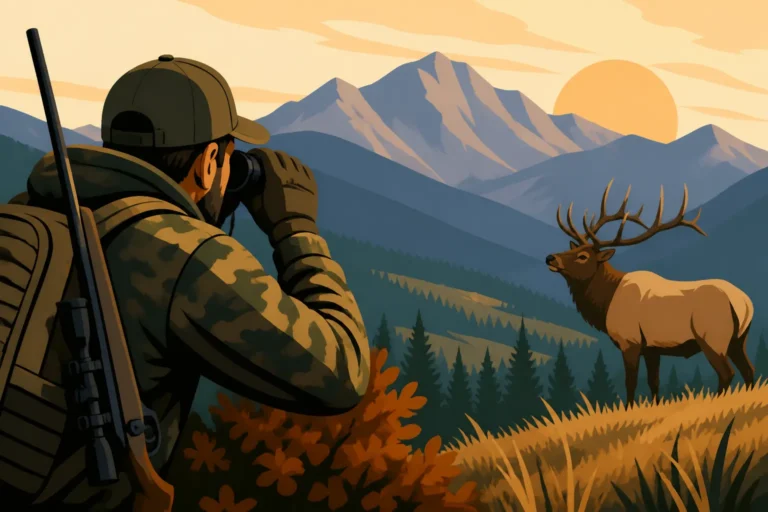
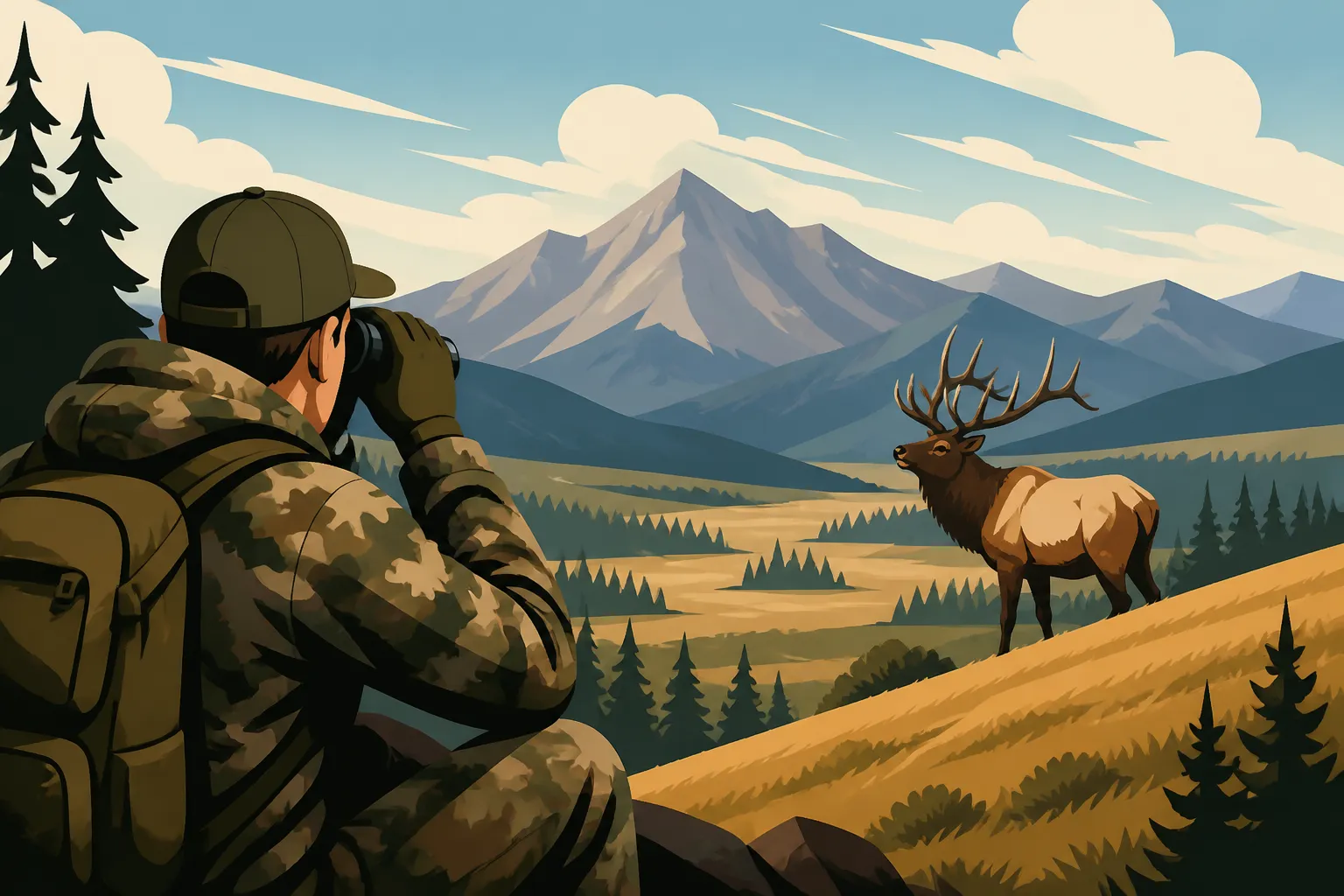
For areas with more open terrain, such as high mountain basins above timberline, expansive meadows, or rolling sagebrush hills, the spot-and-stalk method is often highly effective. This involves using high-quality optics—binoculars, spotting scopes, and rangefinders—to systematically glass vast areas from a vantage point, searching for elk. Dawn and dusk are prime times for this, as elk are often out feeding. Once you spot elk, the real work begins: meticulously planning your approach to get within shooting range undetected.
A successful spot-and-stalk requires extreme patience, stealth, and a keen understanding of wind direction and thermals. Elk have incredible senses of smell and hearing, and they can spot movement from a surprising distance. You'll need to use terrain features to your advantage, staying out of sight and minimizing noise. Approach from downwind, always conscious of swirling air currents in mountainous terrain. Sometimes, it can take hours to close the distance on an animal, only for the wind to shift or the elk to move, forcing you to re-evaluate. It's a mental game as much as a physical one, but when it works, it's incredibly rewarding, a true test of a hunter's skill, much like the methods detailed in Montana Elk Hunting: Spot-and-Stalk Tactics.
Still-Hunting and Ambush Tactics in Timber
When the elk are in the timber, glassing from afar becomes less effective, and you need to shift to more intimate hunting methods. Still-hunting involves moving through the woods incredibly slowly and deliberately, stopping frequently to look and listen. Your pace should be painstakingly slow—take a few steps, then freeze for minutes, scanning every shadow and listening for the slightest sound: a twig snap, a distant cow call, or the rustle of leaves. Focus on breaking up your silhouette, utilizing tree trunks and shadows for cover.
Ambush tactics often complement still-hunting or can be used on their own in predictable travel corridors. This involves finding a strategic location—a saddle, a creek crossing, a pinch point in the terrain, or a game trail leading from a bedding to a feeding area—and waiting patiently for elk to pass through. Setting up well before daylight, downwind from the expected travel path, is critical. This method requires discipline and the ability to sit still for extended periods. Knowing How to Find Elk in Montana Dark Timber is essential for these strategies. Both still-hunting and ambushing demand an intimate knowledge of elk movement within dense cover and the ability to move almost silently.
Calling Strategies and Their Nuances
Elk calling is one of the most exciting and effective methods for hunting elk, particularly during the rut. However, it's a nuanced art that requires practice and an understanding of elk communication. Cow calls, bugles, and chirps can all be used to locate, attract, or stop elk. During the peak of the rut, aggressive bugling can challenge a bull and bring him charging in, while subtle cow calls can entice curious cows and younger bulls. Early season or post-rut, quieter cow calls or herd sounds might be more appropriate to avoid spooking wary animals.
The key to successful calling isn't just making the right sound, but doing it at the right time and from the right location. Often, setting up with a caller slightly behind the shooter, or using a decoy, can draw a bull's attention away from the hunter. Always consider the wind direction, as a bull will often try to circle downwind to scent-check the caller before committing. Understanding how to interpret an elk's response to your calls is crucial; a hesitant answer versus an aggressive roar tells you a lot about the bull's mood and proximity. Learning How to Bugle for Montana Elk and How to Cow Call Montana Elk are skills that will pay dividends. Practice your calls, learn to read the landscape, and be patient—the right call at the right moment can bring a huge bull into your lap.
Navigating Hunter Pressure and Finding Solitude
Montana's public lands are a treasure, and many hunters want a piece of that action. Hunter pressure is a very real factor, especially during the general rifle season and in easily accessible areas. Overcoming this requires strategic thinking, willingness to work harder, and sometimes, a bit of luck.
Identifying High-Pressure Zones and Avoiding Them
High-pressure zones are typically areas close to road access, popular trailheads, or well-known hunting spots. These areas might see a flurry of activity during the opening days of the season, often pushing elk deeper into security cover or onto private lands. E-scouting can help identify these areas by looking for a dense network of roads or prominent trail systems. Checking FWP harvest data can also provide clues; units with consistently high hunter numbers and low success rates for public land animals might indicate high pressure.
Avoiding these areas doesn't mean you have to hike 10 miles from the truck every day. Sometimes, simply walking an extra mile or two from a popular trailhead can significantly reduce the pressure you encounter. Consider hunting mid-week if possible, as weekends see a huge influx of hunters. Don't be afraid to leave the obvious spots and explore lesser-known drainages or obscure access points. Sometimes, even finding a small, overlooked piece of public land that requires crossing private property (with permission or via Block Management) can yield surprising results.
Utilizing Remote Access and Tough Terrain
The surest way to escape hunter pressure is to go where others won't—or can't. This means embracing remote access and tough terrain. Wilderness areas, extensive roadless tracts within National Forests, and rugged mountains with steep grades are natural deterrents for many hunters. While the physical demands are greater, the reward is often less pressured elk that exhibit more natural behavior, increasing your chances of success. A guide like Montana Backcountry Hunting Guide is packed with insights for this type of hunting.
This strategy requires investing in proper gear for extended trips, including a good backpacking tent, reliable navigation tools, and a robust pack. It also demands a higher level of fitness and self-reliance. Learning How to Pack Into the Montana Backcountry is critical. The further you get from roads and established trails, the less competition you'll face. Elk learn very quickly where they are safe from humans, and often, that safety lies just over the next ridge or deep in a remote canyon that most hunters deem too difficult to reach. Don't shy away from elevation or difficult footing; often, that's precisely where the elk are.
Hunting Mid-Week and During Off-Peak Times
If you have flexibility in your schedule, hunting mid-week can be a game-changer for public land elk. Weekends, especially the opening weekend of general rifle season, see a massive surge in hunter numbers. Many hunters are limited to weekend excursions, so hitting the woods on a Tuesday, Wednesday, or Thursday can mean significantly less competition and quieter woods. This reduced pressure allows elk to potentially relax their guard a bit and resume more natural movements, making them easier to locate and pattern.
Beyond mid-week hunts, consider hunting during off-peak times within the day. Many hunters call it quits by mid-morning and are back in camp or at their trucks, only to venture out again late afternoon. This often leaves the middle of the day relatively unpressured. While elk are typically bedded down during these hours, smart still-hunting or carefully planned ambushes in bedding cover can pay off. Also, if you're not seeing elk in the morning, don't just sit around. Change your location, push further into thick cover, or move to a different aspect of the mountain. Persistence and adaptability are your greatest assets when hunting public land elk in Montana.
Disclaimer
Hunting is an inherently dangerous activity that carries significant risks, including but not limited to injury, illness, and death. The information provided in this guide is for informational purposes only and is not a substitute for professional instruction, comprehensive research, or adherence to all applicable laws and regulations. Always prioritize safety, respect wildlife, private property, and other land users. Consult the most current Montana Fish, Wildlife & Parks regulations before any hunt, as rules and conditions can change. The author and publisher assume no responsibility for any harm, injury, or damage that may result from the use of the information contained herein.