Judith Basin Hunting Guide
Hunting in Montana can feel like trying to solve a complex puzzle, especially when you're looking at areas like the Judith Basin. It's a place that holds incredible promise with its diverse landscape and robust wildlife populations, but it also presents unique challenges that can frustrate even seasoned hunters. The checkerboard of public and private land, combined with mountainous terrain abruptly transitioning to rolling plains, means that a successful hunt here demands meticulous planning and a deep understanding of the local nuances. This guide aims to unravel the complexities of hunting the Judith Basin, offering practical insights and strategies to help you navigate its beautiful yet intricate hunting grounds.
Understanding the Judith Basin's Unique Landscape and Habitat
The Judith Basin is a truly special part of Montana, a region that captures the essence of Big Sky Country in miniature. But with that beauty comes a complex tapestry of terrain and land ownership that demands respect and thorough preparation from any hunter.
Geographical Overview and Diverse Habitats
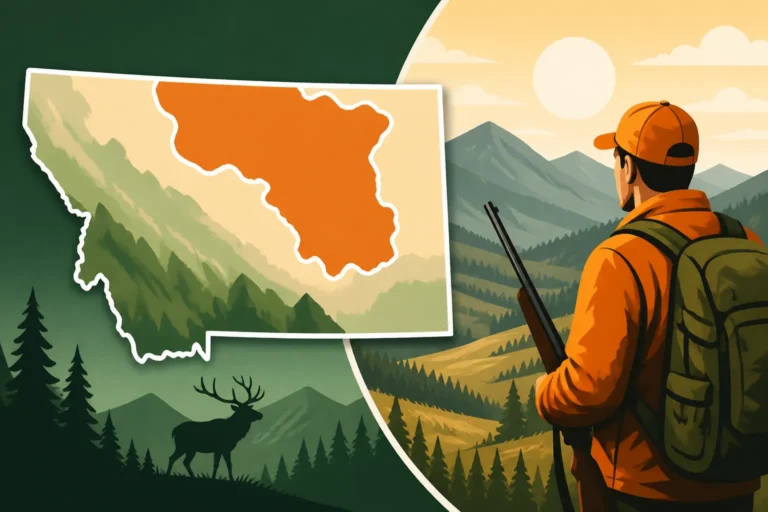
Imagine a vast area where mountain ranges seem to spring directly from sprawling plains. That's the Judith Basin in a nutshell. This region is essentially a large, fertile intermountain basin nestled between several prominent island mountain ranges like the Little Belt Mountains, the Big Snowy Mountains, and the Judith Mountains themselves. To the north and east, these mountains give way to vast expanses of rolling plains, often dotted with coulees, breaks, and agricultural fields.
This geographical mix creates an incredibly diverse set of habitats. You'll find dense conifer forests and dark timber on the north-facing slopes of the mountain ranges, providing crucial cover and thermal regulation for elk and mule deer. As you descend, these transition into aspen groves, mixed conifer-deciduous stands, and open grasslands. The lower elevations and plains areas are characterized by sagebrush steppe, native grasses, and irrigated croplands, particularly along river and creek bottoms, which are prime habitat for whitetail deer and antelope. This mosaic means that game animals can be widely distributed and their movements heavily influenced by food sources, cover, and water, often requiring different hunting tactics within the same general area. Understanding this diverse habitat is the first step in cracking the code of the Judith Basin.
Public Versus Private Land Dynamics
Now, here's where the Judith Basin truly earns its reputation for being a challenge: the public versus private land dynamic. Unlike some other parts of Montana with vast, contiguous tracts of public land, the Judith Basin often features a highly fragmented ownership pattern. You'll encounter large private ranches interspersed with smaller parcels of public land, including Bureau of Land Management (BLM) holdings, State Trust Lands, and sections of National Forest, particularly in the mountain ranges.
This checkerboard pattern can be incredibly frustrating. You might glass a fantastic bull elk or a trophy mule deer buck on what looks like public land, only to realize it's standing a few hundred yards deep on private property without public access. Access points can be few and far between, sometimes requiring long detours or even permission from landowners just to reach a small patch of public ground. This is where tools like onX Hunt become absolutely invaluable. You can overlay land ownership maps right on your phone, allowing you to clearly see property lines, public land boundaries, and potential access roads or trails. Without such detailed mapping, you're essentially hunting blind, risking trespass or missing prime hunting spots. The reality is, a significant portion of the best habitat, especially in the agricultural fringe areas and lower mountain slopes, falls within private hands, necessitating a strategic approach to finding legal access. This dynamic also means that animals frequently move between public and private land, making their patterns unpredictable if you're not tracking their movements across the landscape. To learn more about how to identify these areas, check out our guide on Montana Public Land Hunting Guide.
Key Game Species and Prime Hunting Opportunities
The Judith Basin is a true testament to Montana's rich wildlife, offering a diverse array of big game species for the dedicated hunter. While elk and deer often steal the spotlight, the basin also provides excellent opportunities for other species.
Elk and Deer Hunting in the Basin
The hunting districts within the Judith Basin, such as portions of HDs 410, 441, and 454, are well-known for producing good numbers of elk and both mule deer and whitetail deer.
Elk: Elk in the Judith Basin tend to inhabit the more rugged, timbered mountain ranges like the Little Belts and Big Snowies. During the early archery season, you might find them higher up in the dark timber and north-facing slopes, enjoying the cooler temperatures and abundant feed. As hunting pressure increases and seasons progress into the general rifle season, these elk can become incredibly elusive, retreating into thick cover or migrating to lower elevations, often onto private lands. Knowing How to Find Elk in Montana Dark Timber becomes critical here. Many of the larger herds move between National Forest lands and adjacent private ranches, making consistent tracking a real challenge. You'll often find them utilizing pockets of timber, steep draws, and dense bedding areas during the day, emerging to feed in meadows or agricultural fields at dawn and dusk. Patience, extensive glassing, and a willingness to cover serious ground are essential for elk success in this region. Our comprehensive Montana Elk Hunting Guide offers more detailed strategies.
Mule Deer: Mule deer are widely distributed throughout the Judith Basin, favoring the broken country, brushy coulees, and sagebrush hills. You'll find them in the mountainous areas, often sharing habitat with elk, but also in the transition zones where timber meets open country, and even out in the more rugged breaks of the plains. They thrive in areas with good cover, providing security and forage. Spot-and-stalk is a highly effective method for mule deer here, particularly in the more open landscapes. E-scouting with tools like onX Hunt can help identify prime mule deer habitat, focusing on south-facing slopes in colder weather and secluded coulees. For in-depth tactics, refer to our Montana Mule Deer Hunting Guide.
Whitetail Deer: Whitetail deer in the Judith Basin are typically found along river and creek bottoms, particularly where there's riparian vegetation, dense brush, and agricultural fields. The Judith River and its tributaries provide ideal whitetail habitat, offering abundant food and cover. These deer are often found on private land adjacent to public waterways or Block Management Areas. Hunting whitetails here often involves stand hunting near known travel corridors or food sources, or carefully still-hunting thick cover. Pressure can quickly move them into the densest pockets of timber or brush.
Antelope and Other Opportunities
Beyond elk and deer, the Judith Basin and its surrounding plains offer fantastic opportunities for other game species, adding to the region's allure.
Antelope: As you move out of the mountains and into the more open, rolling plains that characterize much of the Judith Basin, antelope become a prominent feature of the landscape. These speedy prairie dwellers thrive in the expansive grasslands and sagebrush steppe. Hunting antelope here typically involves extensive glassing from elevated positions, followed by strategic spot-and-stalk approaches to close the distance. Their keen eyesight makes them incredibly challenging, but the thrill of a successful stalk on a wary pronghorn is unmatched. Many of the public land parcels and Block Management Areas in the flatter regions of the basin offer good antelope hunting. For more specific advice, check out our Montana Antelope Hunting Guide.
Black Bear: While not as abundant or widely pursued as elk and deer, black bear can be found in the timbered mountain ranges of the Judith Basin, particularly the Little Belts and Big Snowies. Spring bear hunts offer a unique opportunity to pursue them as they emerge from dens, often feeding on new green growth on south-facing slopes. Fall bear hunting coincides with big game seasons and can be a fantastic add-on, especially if you're in an area with good berry crops or oak brush. These hunts typically involve spot-and-stalk tactics in timbered areas or still-hunting through dense cover. Always check current regulations for open seasons and specific hunting districts, as they can vary.
Here's a quick overview of some prime opportunities in the Judith Basin:
| Game Species | Preferred Habitat in Judith Basin | Typical Hunting Method | Season Notes |
|---|---|---|---|
| Elk | High elevation timber, north-facing slopes, private pastures, transition zones | Spot-and-stalk, calling, ambush | Archery early, rifle later. Pressure moves them. |
| Mule Deer | Broken country, sagebrush hills, timber edges, coulees | Spot-and-stalk, glassing | Widely distributed, responsive to weather. |
| Whitetail Deer | River bottoms, riparian areas, agricultural fields, dense brush | Stand hunting, still-hunting | Often near private land. |
| Antelope | Open grasslands, sagebrush plains, rolling hills | Spot-and-stalk, decoying | Excellent eyesight, require long-range glassing. |
| Black Bear | Dense timber, mountain slopes, berry patches | Spot-and-stalk, still-hunting | Spring (green-up) & Fall (berry crops). |
Navigating Access and Regulations in Judith Basin
Successfully hunting the Judith Basin hinges not just on finding game, but on legally accessing the land and understanding the local rules. This region requires a proactive and informed approach to avoid headaches and maximize your time afield.
Utilizing Block Management Areas
For hunters navigating the private land dominance of the Judith Basin, Montana's Block Management Program (BMA) is an absolute game-changer. These are private lands that landowners voluntarily enroll in the program to allow public hunting access, often in exchange for habitat management assistance or other benefits. BMAs can be found throughout the basin, offering crucial access to prime elk, deer, and antelope habitat that would otherwise be off-limits.
However, BMAs aren't a free-for-all. Each BMA has its own specific rules and regulations, set by the landowner in conjunction with Montana Fish, Wildlife & Parks (FWP). These rules can include specific hunting dates, species allowed, hunter quotas (e.g., only 5 hunters per day), sign-in requirements, vehicle restrictions, and even designated parking areas. It's critical to acquire the BMA hunting guide and maps for the region you plan to hunt well in advance. You can often find these online through the FWP website, or by visiting regional FWP offices in places like Lewistown or Great Falls. Remember, the BMA program is a privilege, not a right, and respecting the landowner's rules is paramount to its continued success. Tools like GoHunt can provide updated information on BMA access and boundaries, helping you plan your approach. Dive deeper into this program with our Montana Block Management Areas Explained guide.
E-Scouting and Ground Truthing Your Hunt
In a region with complex land ownership like the Judith Basin, e-scouting isn't just a convenience; it's a necessity. Before you ever set foot in the field, you should be spending hours with mapping applications like onX Hunt.
Here's how to approach it:
- Identify Public Land: Use onX Hunt to highlight all public lands (National Forest, BLM, State Trust Land) in your chosen hunting district. Look for contiguous blocks, but also for smaller, potentially overlooked parcels that might be accessible.
- Pinpoint Access Points: Don't just assume a public road or trail exists. Look for designated public access roads, easements, or FWP-managed access sites. Identify parking areas and check for any restrictions. Sometimes, a tiny finger of public land extending into private holdings can provide a critical entry point.
- Cross-Reference with BMAs: Layer your public land information with BMA maps. Identify BMAs that provide access to adjacent public lands or contain prime habitat themselves. Note their specific rules, access points, and contact information if needed.
- Analyze Terrain: Use satellite imagery and topographic maps to identify potential bedding areas (dark timber, north-facing slopes), feeding areas (meadows, agricultural edges), water sources, and travel corridors (saddles, creek bottoms, benches).
- Ground Truthing: E-scouting is powerful, but it's not a substitute for boots on the ground. Once you've identified potential areas, a pre-season scouting trip, if possible, is invaluable. Drive the access roads, walk into potential hunting spots, and physically verify what you saw on the map. Conditions on the ground can change due to recent logging, fires, or new fences, so a reality check is always wise. For more detailed e-scouting tips, refer to How to E-Scout Montana Hunting Units.
Understanding Local Regulations and Permits
Montana's hunting regulations can be dense, and the Judith Basin is no exception. Before you even apply for tags or hit the field, you must thoroughly understand the regulations specific to your chosen hunting district (HD).
General Versus Permit Tags: The Judith Basin contains a mix of "general" hunting districts, where a general elk or deer license is sufficient, and "permit-only" districts or portions of districts, which require drawing a limited-entry permit. Drawing a permit often means better odds for a quality animal due to controlled hunter numbers, but competition for these permits can be intense. Always check the current year's FWP hunting regulations for specific HD boundaries, general versus permit status, and antler restrictions. Our article on Montana General vs Permit Tags Explained offers a clear breakdown.
Application Process: If you're targeting a permit-only area, pay close attention to application deadlines. Montana's draw system involves preference points (for deer/elk combo tags) and bonus points (for species like moose, sheep, goat, and some special permits). Building points over several years can significantly increase your odds of drawing a coveted tag. For non-residents, the combination license (deer/elk combo) is usually the primary avenue for hunting big game, and the draw odds can be challenging.
Season Dates and Species-Specific Rules: Double-check the archery and general rifle season dates for the specific HD you're interested in. Also, be aware of any antler restrictions (e.g., brow-tine rules for elk) or specific legal animal definitions for deer. Regulations can change annually, so relying on outdated information is a recipe for disaster. Stay informed by visiting the Montana FWP website or contacting a regional office directly. For up-to-date season information, our Montana General Rifle Season Dates guide is an excellent resource.
Strategies for a Successful Judith Basin Hunt
Hunting the Judith Basin means embracing adaptability. The land changes quickly, and so do the animals. Successful hunters here are those who can read the landscape, understand animal behavior, and adjust their tactics accordingly.
Adapting to Terrain and Pressure
The diverse terrain of the Judith Basin demands a versatile approach to hunting. You can't use the same strategy in dense timber as you would on open plains.
Mountainous and Timbered Areas: In the mountain ranges like the Little Belts or Big Snowies, elk and mule deer will often seek refuge in thick timber, especially during daylight hours or when pressured. Still-hunting slowly and quietly through these dark timber pockets can be incredibly effective. Focus on areas with good cover, benches, and north-facing slopes where animals might bed. Using the wind and thermals to your advantage is critical here, as animals rely heavily on their sense of smell. Alternatively, finding a high vantage point to glass clear-cuts, natural meadows, or open parks at dawn and dusk can reveal feeding animals. Once spotted, a strategic approach using terrain features to mask your movement is key. For deep dives into such methods, consider our guides on How to Still-Hunt Montana Timber and How to Hunt Elk in Montana's Wilderness.
Open Plains and Breaks: For antelope and mule deer in the more open, rolling country, glassing is your primary tool. You'll spend hours behind your binoculars and spotting scope, systematically searching for animals. A good pair of 10x binoculars and a 15-45x spotting scope are indispensable. Once game is located, the challenge becomes closing the distance across exposed terrain. This requires careful use of topography – coulees, draws, and even slight rises can offer crucial cover for a stalk. Sometimes, waiting for animals to move into more favorable terrain is the smartest play. Be prepared for long shots if necessary, but always strive to get as close as possible for an ethical kill. To master this skill, check out How to Glass Montana's Big Country.
Dealing with Hunter Pressure: The Judith Basin, like many accessible hunting areas in Montana, can experience significant hunter pressure, especially during the general rifle season. This pressure will often push animals into thicker, more remote cover, or onto private land. To counter this, consider hunting during the week rather than weekends. Focus on areas that are harder to access, requiring longer hikes or navigating difficult terrain. While everyone else is road-hunting or sticking to easily accessible spots, you might find success by venturing a mile or two deeper into public land. Early archery season typically sees less pressure, as does the late season if you have the right tags.
Timing Your Hunt for Optimal Success
When you choose to hunt in the Judith Basin can dramatically impact your experience and success. Each season offers unique advantages and challenges.
Early Archery Season (September): This is often considered the prime time for elk in the mountains, particularly during the rut. The sounds of bugling bulls echoing through the timber can be intoxicating. Archery season typically sees less hunter pressure than rifle season, but it demands extreme stealth, calling proficiency, and physical fitness. Mule deer are also active, and antelope are still on the plains. Temperatures can range from warm to cool, so be prepared for varied conditions. For more on this, read Montana Elk Hunting: Archery Tactics.
General Rifle Season (October – November): This is the most popular time to hunt in the Judith Basin. Elk can be found in a variety of habitats, though often becoming more elusive as pressure mounts. The mule deer rut often kicks in during late October and early November, making bucks more active and visible as they seek does. Whitetails are also moving more, especially during their rut in mid-November. Weather can be highly unpredictable, ranging from mild and sunny to bitter cold with heavy snow. This season demands adaptability, from hunting heavy timber to glassing open slopes. Understand the Montana General Rifle Season Dates thoroughly.
Late-Season Hunting (November – December, where applicable): If specific districts offer late-season opportunities, these can be fantastic, especially for elk and deer that have migrated to lower elevations to escape deep snow in the high country. Often, animals will concentrate in winter range, which can include both public and private lands. The challenges are harsh weather, shorter daylight hours, and often very specific permit requirements or shoulder seasons. This time of year can offer high rewards for those willing to brave the cold. Our guide on Late-Season Elk Hunting in Montana can provide further insights.
Regardless of when you hunt, thorough preparation, respect for the land and regulations, and a willingness to adapt will be your greatest assets in the beautiful, challenging Judith Basin.
Disclaimer
Please remember that hunting regulations and access can change rapidly. Always consult the official Montana Fish, Wildlife & Parks (FWP) regulations and maps for the most current information before planning and executing any hunt. This guide provides general information and recommendations, but it is the hunter's responsibility to know and abide by all applicable laws and regulations.