Montana Elk Hunting: Spot-and-Stalk Tactics
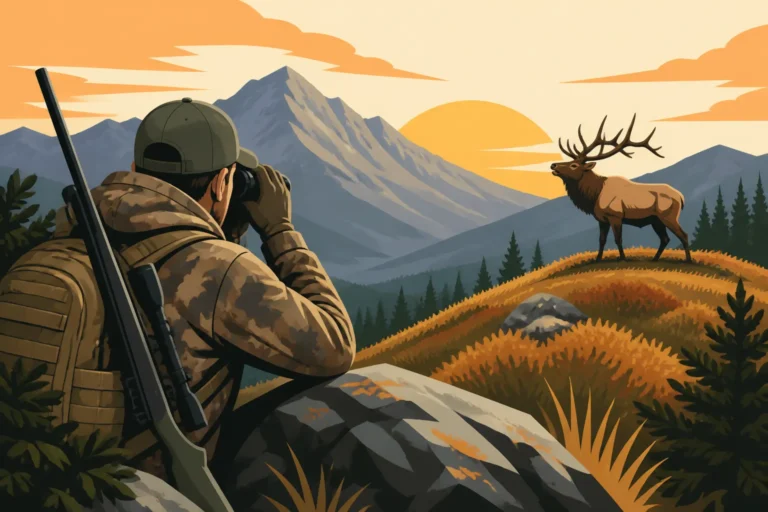
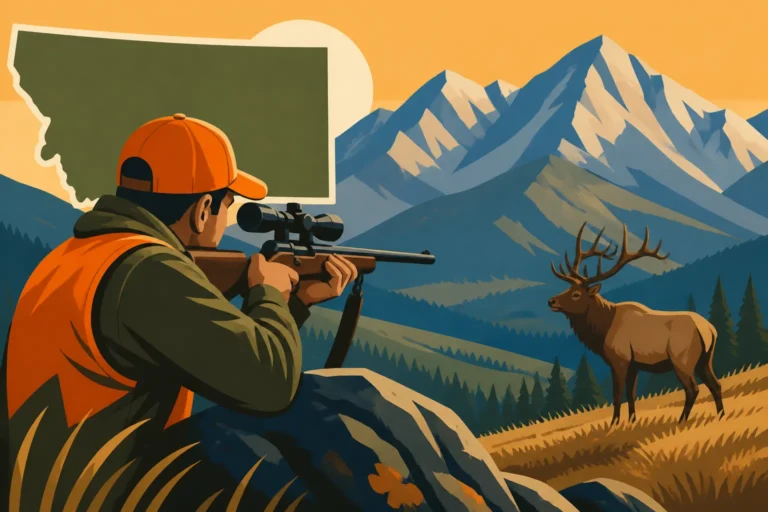
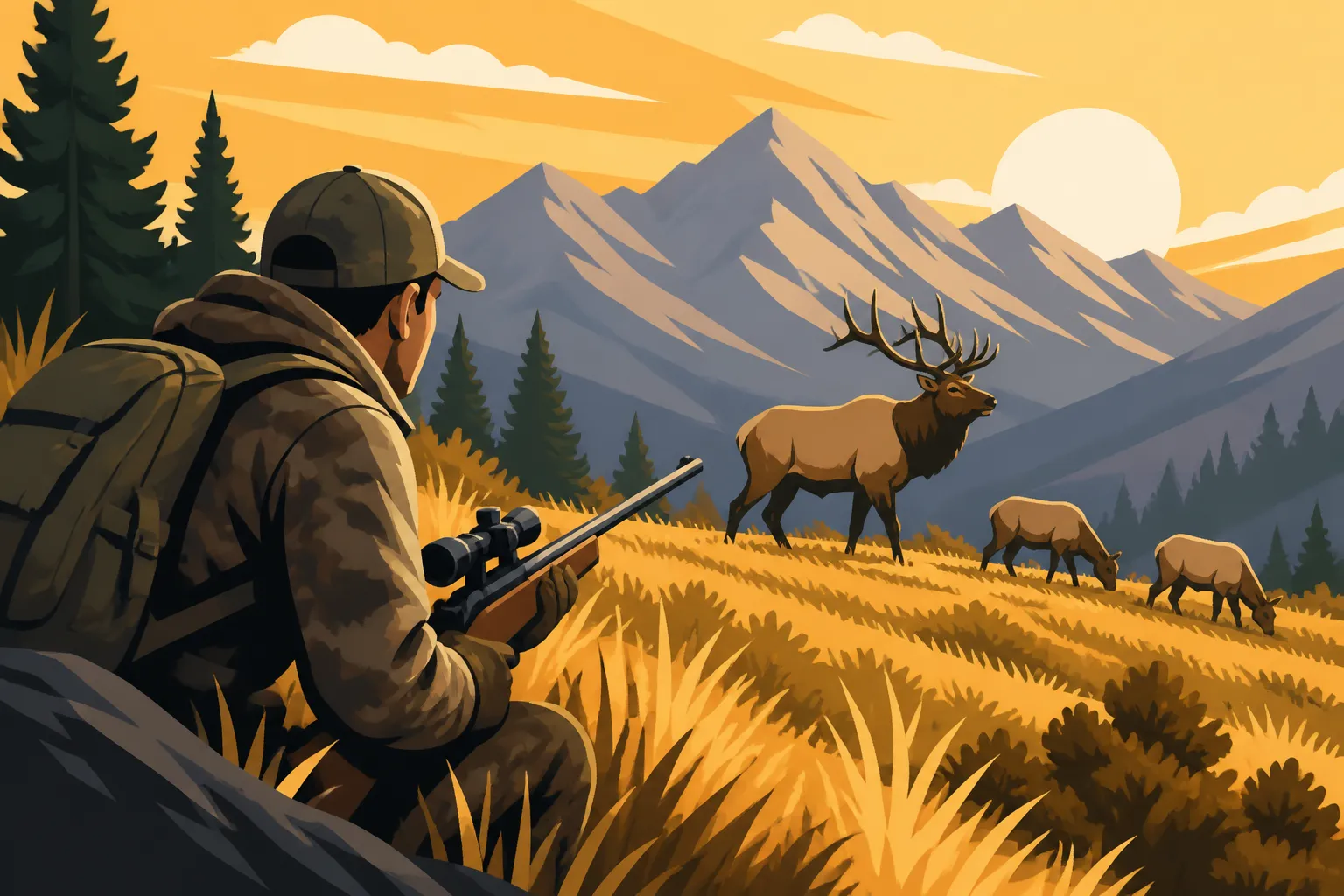
There's nothing quite like the surge of adrenaline when you finally spot a majestic bull elk far off on a Montana hillside, knowing full well that getting within shooting range is going to be a monumental challenge. Many hunters get stuck at the "spotting" part, watching those magnificent animals melt back into the timber before they can even plan a move. This comprehensive guide will walk you through the precise spot-and-stalk tactics you'll need to bridge that gap and successfully connect with elk in the rugged, beautiful landscapes of Big Sky Country.
Understanding the Spot-and-Stalk Philosophy in Montana
Spot-and-stalk hunting in Montana is less about blind luck and more about calculated patience, intimate knowledge of terrain, and a deep understanding of elk behavior. It's often the most rewarding method because it demands so much from the hunter, physically and mentally. Unlike sitting over a wallow or in a treestand, this approach requires you to actively locate, assess, and close the distance on your quarry, making it a true chess match in the wilderness.
Why Spot-and-Stalk in Montana?
Montana's diverse landscape, from vast open sagebrush plains to steep, timbered mountains, often dictates the most effective hunting method. While calling can be incredibly effective during the rut, and still-hunting has its place in dense timber, spot-and-stalk truly shines in a multitude of scenarios. When bulls go silent after the peak rut, or when hunting expansive public lands where elk might be spread out, the ability to glass large areas and then execute a precise stalk becomes paramount. It allows you to cover more ground efficiently, locate multiple herds, and pick your target, rather than waiting for an animal to come to you. This method truly epitomizes the challenge of a "Montana DIY Elk Hunting Guide" experience.
It’s about being proactive. Many hunters become frustrated when they can't get elk to respond to calls, especially outside the peak of the rut. That's when the spot-and-stalk method becomes your best friend. Instead of guessing, you're observing, making informed decisions based on real-time animal behavior, and then acting decisively. The sheer scale of Montana's landscape means you're almost always "spotting" before you can "stalk."
The Patience and Discipline Required
Let’s be honest, patience isn't always a hunter's strong suit. We want to be moving, covering ground, feeling like we're doing something. But successful spot-and-stalk hunting often means spending hours behind optics, meticulously dissecting every shadow, rock, and patch of timber. It means waiting for the perfect moment to move, even if it means waiting an entire morning for an elk to bed down in an advantageous spot. I’ve personally sat for three hours, watching a small herd of elk feed across a mountain face, waiting for them to drop into a draw that would allow me to get above them and make a move. Rushing a stalk almost always ends in disaster, with an alert cow blowing out the whole herd. Discipline means accepting that sometimes the best move is no move at all, until the conditions are just right.
This discipline extends to your movement. Every step, every branch, every rustle of leaves can give you away. It’s about moving slowly, deliberately, and being acutely aware of your surroundings, especially the wind direction and thermals. This is particularly true when hunting in areas with high hunter pressure, where elk are already wary.
Essential Gear and Optics for Spot-and-Stalk Elk
You simply cannot spot-and-stalk effectively without the right tools. Investing in quality gear, particularly optics, is non-negotiable for Montana elk hunting. This isn't just about making the hunt easier; it's about making it possible. Trying to spot elk at a mile or two with cheap binoculars is like trying to read a book in a dark room – you'll miss most of the story.
High-Quality Optics are Your Lifeline
This cannot be stressed enough: your optics are the most critical part of your spot-and-stalk setup.
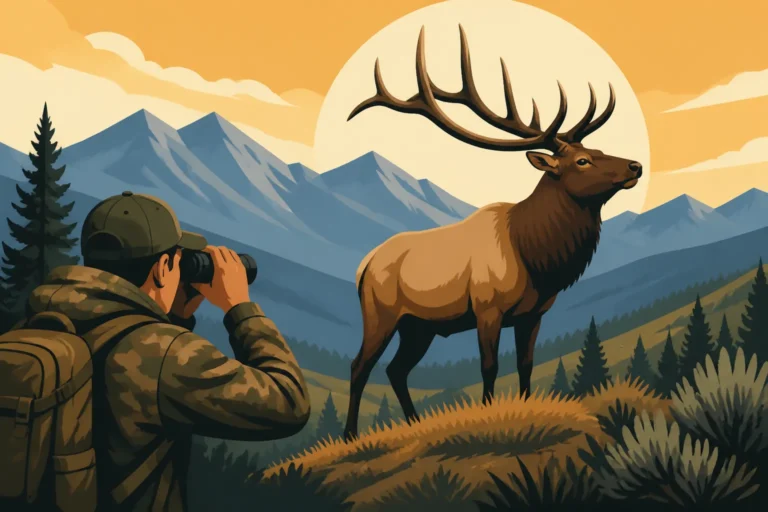
- Binoculars (10×42 or 12×50): These are your primary scouting tools for covering vast swaths of terrain. Don’t skimp here. Brands like Vortex Optics, Maven, and Swarovski offer exceptional clarity, light-gathering capabilities, and durability. You'll be spending hours behind these, so comfort and optical quality are paramount. I often carry a 10×42 pair for closer, quicker glassing and a 12×50 for those longer, more detailed scans.
- Spotting Scope (60-80mm objective, 20-60x or 22-75x zoom): When you spot something with your binoculars, your spotting scope confirms it. Is it a branch or an antler? Is it a legal bull? How many points? A good spotting scope allows you to stay at a distance, minimizing disturbance, and thoroughly evaluate an animal before committing to a stalk. Consider pairing it with a lightweight carbon fiber tripod for stability. A good tripod is often overlooked, but it makes all the difference when you're glassing for hours on end, especially in windy conditions.
- Rangefinder: Once you've committed to a stalk, knowing precise distances is crucial, especially in mountainous terrain where uphill or downhill shots can be deceiving. A rangefinder with angle compensation is ideal for calculating true ballistic distance.
- Tripod: Essential for both binoculars (with an adapter) and your spotting scope. It allows for steady, fatigue-free glassing, letting you pick apart distant hillsides with far more precision than handheld glassing.
For a deeper dive into selecting the right glass, check out our guide on the "Best Optics for Montana Big Game".
Clothing, Footwear, and Silent Movement Gear
Beyond optics, your personal gear plays a huge role in a successful stalk.
- Layered Clothing: Montana weather can change rapidly. Layers allow you to adapt to temperature swings and manage perspiration, which is vital for comfort and scent control. Choose quiet, durable fabrics in camouflage patterns appropriate for the season and terrain. I’ve found Sitka Gear and Kuiu offer excellent quiet materials. Avoid anything noisy or crinkly.
- Footwear: Stalking involves careful, quiet foot placement. Invest in comfortable, supportive hunting boots that offer good traction and are broken in. You might also consider packing lighter stalking shoes, like quiet soft-soled boots or even moccasins, for the final approach if the terrain allows. Just be mindful of thorns and sharp rocks.
- Backpack: A well-fitting pack is essential to carry your optics, water, food, extra layers, and emergency supplies. For spot-and-stalk, you'll want one that's not overly bulky but still capable of comfortably carrying your gear for long days, and potentially meat if you're successful. The key is to keep it light and quiet.
- Mapping & Navigation: A reliable GPS device or a smartphone app like onX Hunt or GoHunt (which I highly recommend for e-scouting and in-field navigation) is invaluable for knowing where you are, understanding public vs. private land boundaries, and planning your approach. GoHunt’s mapping features can show you topo lines, unit boundaries, and land ownership, which are all critical for planning a successful stalk and avoiding trespassing. Having your unit's FWP map downloaded or a physical map as a backup is always a good idea. Knowing how to use these tools effectively is covered in our article on "How to E-Scout Montana Hunting Units".
Here's a quick comparison of essential optics for spot-and-stalk:
| Optic Type | Primary Use | Key Features | Typical Magnification | Weight/Portability |
|---|---|---|---|---|
| Binoculars | Initial spotting, general observation | Wide field of view, excellent light gathering | 10x-12x | Handheld, easily accessible |
| Spotting Scope | Detailed identification, evaluating animals | High magnification, fine detail resolution | 20x-60x or 22x-75x | Requires tripod, less portable |
| Rangefinder | Distance measurement, angle compensation | Pinpoint accuracy, uphill/downhill assist | N/A | Pocket-sized, very light |
| Tripod | Stabilizing optics, fatigue reduction | Sturdy, lightweight, quick adjustments | N/A | Variable, crucial for scope |
Key Strategies for Successful Spot-and-Stalk Elk Hunting
Spotting the elk is only half the battle. The true artistry comes in the stalk itself – closing the distance without being detected. This requires a calculated approach, considering every factor from wind direction to the elk's behavior.
Master the Art of Glassing
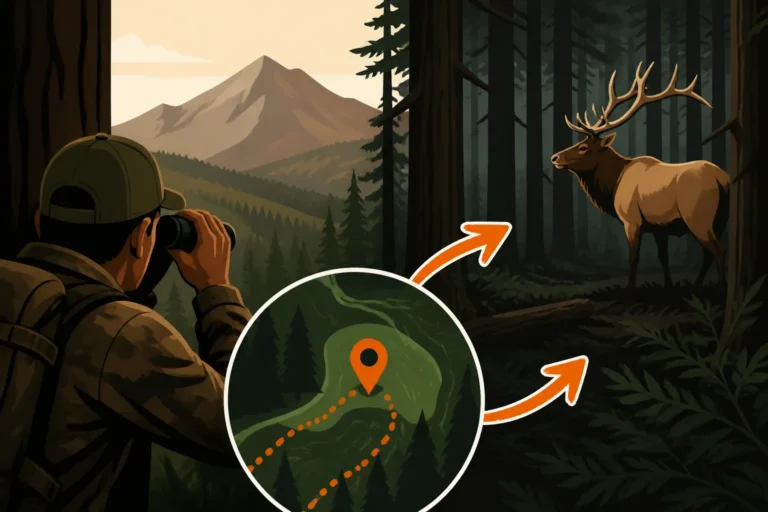
Before you can stalk, you have to find them. This means spending significant time behind your optics from strategic vantage points.
- Find a High Point: Get to a location that allows you to see expansive terrain. This could be a ridge, a knob, or a saddle.
- Grid the Landscape: Don't just scan randomly. Start at one edge of your viewing area and systematically grid across it, from top to bottom, then move to the next section. Look for anything out of place: a horizontal line in a vertical world (an elk's back), a patch of color that isn't rock or tree, or even the flick of an ear.
- Focus on Elk Habitat: Concentrate your efforts on areas where elk are likely to be feeding, bedding, or watering. This often includes north-facing slopes with dark timber for bedding, south-facing slopes for early morning feeding, natural clearings, and areas near water sources. Our guide on "Montana Elk: Where to Find Them" can give you more specific ideas. Remember, elk like broken country where they can easily disappear, even in seemingly open terrain.
- Observe at Different Times: Elk behavior shifts throughout the day. Early mornings and late evenings are prime feeding times when they might be more visible in open areas. Midday, they often bed down in dense timber or secluded pockets, making them harder to spot but sometimes easier to stalk if you know where to look.
I remember one successful hunt near the Tobacco Root Mountains where I spent nearly three hours glassing from a high point before spotting a bull bedded down in a small clump of pines on a distant hillside. Without a dedicated session of methodical glassing, I would have walked right past that opportunity.
Using Wind and Thermals to Your Advantage
The wind is your best friend or your worst enemy. Elk have an incredible sense of smell, and a misplaced gust of wind can ruin a perfectly executed stalk in seconds.
- Always Play the Wind: Before you take a single step towards a spotted animal, determine the wind direction. Your approach must keep your scent away from the elk. This often means taking a longer, more circuitous route.
- Understand Thermals: In mountainous terrain, thermals are crucial. As the sun rises and warms the earth, air flows uphill (upslope thermals). As the sun sets and temperatures drop, air flows downhill (downslope thermals). You can use these predictable air currents to your advantage. For instance, if you're stalking in the morning, approach from above or parallel to the elk, knowing your scent will be carried upwards. In the evening, an approach from below might be safer. Our article on "How to Use Thermals in Montana Elk Country" provides a detailed explanation.
- Test the Wind Frequently: Carry a small squeeze bottle of powder or a wind checker. Stop frequently during your stalk to check the wind, especially as you get closer to the animal or when the terrain changes. Even a slight shift can compromise your position.
Mastering the Approach and Final Stalk
This is where the rubber meets the road. Getting from a mile away to within 200 yards (or much closer if archery hunting) is a delicate dance.
- Plan Your Route: Before you move, use your map and optics to plan your exact route. Look for natural cover: ridgelines, draws, timber patches, rock outcroppings. Identify landmarks you can use to navigate silently. Consider potential escape routes for the elk and how you might cut them off or avoid pushing them.
- Move Slow and Quietly: This cannot be overemphasized. Every step should be deliberate. Lift your foot, place it slowly, feel for twigs or loose rocks before putting your full weight down. Focus on moving through the quieter terrain elements, like soft moss or pine needles, and avoid noisy leaves or dry grass if possible. This patience is key to success in a "Montana Backcountry Hunting Guide". When you enter dense timber, knowing "How to Move Quietly Through Montana Timber" will be an invaluable skill.
- Utilize Cover: Stay out of sight as much as possible. Use every fold in the terrain, every patch of timber, every rock to conceal your movement. Move from cover to cover.
- Watch the Elk's Body Language: Are they feeding calmly? Are their heads up, ears swiveling, constantly scanning? If they seem agitated or alert, freeze and wait. Let them calm down before continuing your approach. Watch for tail flicks, which can indicate discomfort or impending movement.
- The Final Approach: As you get closer, your pace slows even further. At this point, every movement must be excruciatingly slow. Consider shedding your pack if it's safe to do so, to reduce bulk and noise. Focus intensely on getting into a shooting position without being seen or heard. This is where you might crawl, duck, or even use the calls of nature (like a passing bird or gust of wind) to mask the sound of your movement.
Reading Elk Behavior and Terrain for the Stalk
Successful spot-and-stalk hunting relies heavily on your ability to interpret elk behavior and use the terrain to your advantage. It’s about becoming a detective in the wild.
Understanding Elk Patterns and Habits
Elk aren't just randomly wandering. They have routines, especially outside the rut, that are dictated by food, water, and security.
- Feeding Areas: Look for open meadows, south-facing slopes, and clear cuts, especially during the early morning and late evening. These are areas rich in grasses and forbs that elk prefer.
- Bedding Areas: During the midday, elk retreat to dense cover for security and to ruminate. North-facing slopes with thick timber, remote draws, and saddles often serve as bedding areas. They'll choose spots that offer good visibility downwind and security from above. Understanding where elk choose to bed is a huge advantage, allowing you to plan your stalk to intercept them before they move out to feed, or approach them cautiously in their beds.
- Water Sources: Elk need water daily. Secluded springs, creeks, and stock ponds can be magnets for elk, especially in dry conditions. If you've spotted an elk herd and they aren't near water, chances are they'll move towards it at some point. This is a common tactic mentioned in "Montana Elk Hunting: Spot-and-Stalk Tactics".
- Escape Routes: Always consider where elk will go if spooked. They typically move uphill and into the thickest cover they can find. If you can anticipate this, you might be able to intercept them or avoid pushing them into unhuntable areas. This is where having GoHunt’s detailed topo maps on your phone can be a game-changer, allowing you to quickly identify escape corridors.
Using Terrain Features for Concealment and Advantage
Montana's rugged terrain provides both challenges and opportunities for the spot-and-stalk hunter.
- Ridgelines and Draws: These are natural highways and hideouts for elk. Use them for your approach, staying just below the crest of a ridge to remain out of sight, or dropping into a draw to gain ground undetected. However, be extremely cautious when topping a ridge; always assume an animal could be on the other side. Try to crawl up and peek over, or better yet, find a vantage point slightly off the ridge.
- Timber and Brush: Thick timber offers excellent concealment but can be noisy and limit visibility. Move slowly and deliberately. If you can see an elk in dense timber, they can often see you. Utilize individual trees and brush piles as cover. When in open country, even small clumps of sagebrush or a rise in the ground can provide enough cover for a low-profile approach.
- Rock Outcroppings and Boulders: These provide solid, silent cover. You can use them to break up your silhouette, take a quick peek, or set up for a shot. The Rocky Mountain Front and Missouri Breaks are classic examples of areas where these geological features are abundant and essential for successful stalking. If you're hunting public land, particularly in a "Montana National Forest Hunting Guide" area, knowing how to leverage these features is vital.
- Sun and Shadows: The sun can be your ally or your enemy. Stalking with the sun at your back can silhouette you, but if the sun is in the elk's eyes, it can make them harder to spot you. Use shadows to your advantage, especially during the middle of the day, to move unseen.
The bottom line is that every piece of terrain, every change in elevation, and every shift in vegetation can either help you or hurt you. The most successful spot-and-stalk hunters aren't just physically capable; they are highly adaptable strategists who can read the land as well as they read the animals. It’s a rewarding challenge, and with practice and patience, you can absolutely master it in the vast, wild landscapes of Montana.
Disclaimer
Hunting is an inherently dangerous activity. This guide provides general information and tactics. Always prioritize safety, understand and follow all Montana Fish, Wildlife & Parks regulations, and ensure you have the necessary skills and physical conditioning for backcountry hunting. Laws and regulations can change, so always consult the most current official FWP hunting regulations before planning or undertaking any hunt.