Best Montana Districts for Trophy Bulls
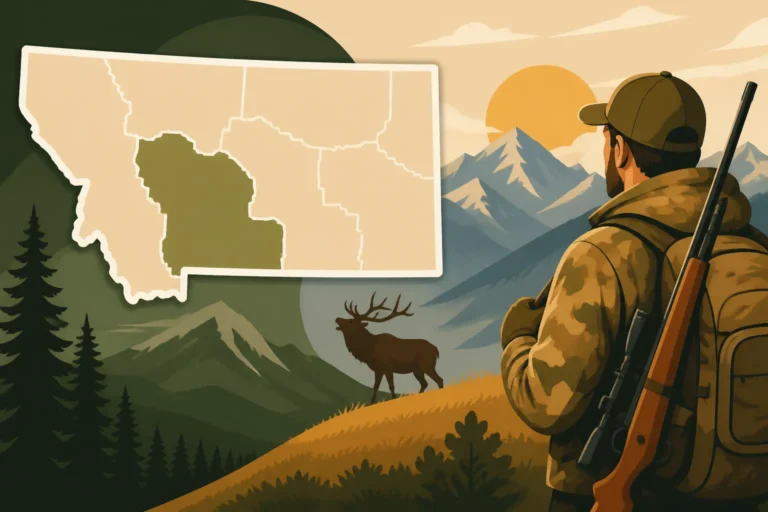
For many hunters, the ultimate dream is to wrap their hands around the base of a truly magnificent bull elk, a creature that embodies the wild spirit of Montana. But finding these elusive giants isn't about stumbling into them; it's about understanding which hunting districts offer the best chance, how to navigate the complex draw system, and what it takes to consistently hunt trophy-class animals. This guide will walk you through the nuances of identifying Montana's premier districts for trophy bulls, delving into the factors that make them special, and equipping you with the knowledge to plan your own pursuit of a lifetime bull.
The Allure and Reality of Hunting Trophy Bulls in Montana
The pursuit of a trophy bull elk in Montana is often portrayed as a majestic endeavor, and it certainly can be. However, it's crucial to approach this dream with a dose of realism. These aren't just big animals; they are old, wise, and often reside in the most challenging terrain, evading both predators and persistent hunters.
Defining a "Trophy Bull" in the Big Sky State
When we talk about a "trophy bull" in Montana, what exactly does that mean? For some, it might be a bull that qualifies for the Boone & Crockett or Pope & Young record books, requiring specific antler measurements and symmetry. For others, it's any bull that represents the culmination of a truly challenging hunt, a mature animal with impressive headgear that stands out from the herd. Generally, most hunters consider a trophy bull to be a mature 6×6 or larger, often with deep forks, good mass, and significant spread. These are typically bulls that are 5.5 years old or older, having survived multiple hunting seasons and grown to their full potential.
The reality is that such animals are rare. Montana is known for its robust elk populations, but the sheer numbers don't necessarily translate to an abundance of giant bulls in every district. Genetics, forage quality, habitat, and especially age structure within a herd play massive roles. A district might have thousands of elk, but if hunting pressure is high and bulls are harvested young, the chances of finding a truly mature bull diminish significantly. So, while a Boone & Crockett score is an objective benchmark, your personal definition of a "trophy" should also factor in the overall experience and the unique challenge of hunting a mature elk in wild country.
Why Certain Districts Produce Bigger Bulls
It's no accident that certain hunting districts consistently produce larger, more mature bulls than others. Several critical factors converge to create these prime trophy hunting grounds. Foremost among these is habitat quality. Districts with diverse forage, ample water sources, and secure bedding areas—often dense timber or rugged, remote slopes—provide elk with the nutrition and safety they need to grow to their full potential. Areas with highly fertile soils and diverse plant life contribute to better antler growth.
Another major component is age structure. For a bull to reach trophy size, it simply needs time. Districts with management strategies that protect younger bulls (e.g., antler point restrictions) or units with extremely challenging access that naturally reduces hunter harvest rates on older animals tend to have a higher proportion of mature bulls. Genetics also play a role; some herds naturally have the genetic potential for larger antlers. Lastly, hunter pressure is a huge factor. Districts with limited entry permits, vast wilderness areas, or exceptionally rough terrain naturally limit the number of hunters who can access or successfully hunt these areas. This reduced pressure allows bulls to age, creating higher odds for hunters willing to put in the effort to draw a tag or brave the backcountry. Understanding these underlying ecological and management principles is the first step in identifying truly promising districts.
Navigating Montana's Complex Draw System for Trophy Opportunities
Drawing a tag in Montana, especially for high-demand elk districts, can feel like playing a high-stakes lottery. For non-residents, it's even more competitive, making strategic application crucial for anyone dreaming of a trophy bull.
Understanding General vs. Permit Units for Elk
Montana's elk hunting opportunities are broadly divided into two categories: "general" units and "permit" units. This distinction is absolutely critical when pursuing trophy bulls.
General Units are those where a hunter who successfully draws a general elk license can typically hunt without an additional permit for specific hunt areas or species. These tags are more readily available, especially for residents, and often allow hunting across large swaths of the state. The advantage of general units is accessibility; you don't need to accumulate years of points or win a tough draw for a specific unit. However, with accessibility often comes higher hunter pressure. In many general units, especially those with good road access, bulls are harvested at a younger age. Finding a true trophy in a general unit often means hunting deeper, harder, and smarter than the average hunter, focusing on overlooked pockets of public land, or mastering tactics for How to Hunt Elk in Montana Rifle Season Pressure. While not impossible, the odds of encountering a truly mature bull are generally lower here compared to permit units.
Permit Units, on the other hand, are areas managed for stricter control over harvest. To hunt elk in a permit unit, you must draw a specific, limited-entry permit for that unit, in addition to holding a general hunting license. These permits are incredibly difficult to draw, especially for non-residents, and often require significant preference or bonus points accumulated over many years. The trade-off for this difficulty is usually superior hunting quality, including a higher likelihood of encountering mature, trophy-class bulls. The reduced hunter numbers in these units allow bulls to reach older age classes, and often these units encompass prime habitat. When considering Montana Elk Draw Odds by District, you'll quickly see that the units known for big bulls are almost exclusively permit areas. Understanding this distinction is fundamental to strategizing your Montana elk hunt.
The Role of Preference and Bonus Points in Drawing a Dream Tag
For non-resident hunters, understanding Montana's point systems is paramount to drawing a coveted elk tag, especially in the limited-entry districts known for trophy bulls. Montana uses a combination of "preference points" and "bonus points" to allocate licenses and permits.
Preference points apply to the general nonresident combination licenses (Elk Combo or Deer/Elk Combo). These points are essentially a seniority system. Each year you apply for a combo license and are unsuccessful, you accrue one preference point. When it's time for the draw, applicants with more preference points are considered first. This means that if you consistently apply and build up points, your chances of drawing one of the competitive combination licenses significantly increase. For example, if the quota for nonresident Elk Combos is met by applicants with 10 or more preference points, and you have 9, you won't draw that year. These points are critical for simply getting your foot in the door to hunt Montana. You can learn more about How Montana Preference Points Work.
Bonus points apply to specific limited-entry permits for species like elk, deer, moose, sheep, and goat. Unlike preference points, bonus points operate on a lottery system, but with a twist: each year you apply and are unsuccessful, you receive an additional bonus point, and these points are squared for the draw. So, 1 point gives you 1 chance, 2 points give you 4 chances, 3 points give you 9 chances, and so on. This system is designed to give long-time applicants better odds, but it still maintains a random element, meaning someone with fewer points can still draw a tag. Many of the districts known for trophy bulls are limited-entry permit units, making the bonus point system the pathway to these specific areas. You can choose to apply for a bonus point only without applying for a permit, which is a smart strategy to build points for future high-demand permits. To truly understand your potential and strategize your applications, resources like GoHunt's Insider platform offer invaluable data on draw odds and point requirements by district. They break down the complex Montana Nonresident License Draw Explained into digestible information, helping you make informed decisions about where and when to apply. Knowing How Many Points for a Montana Elk Tag is crucial for setting realistic expectations.
Top Montana Districts Known for Trophy Bull Potential
While it's impossible to guarantee a trophy bull, certain regions and types of hunting districts in Montana consistently offer better odds due to their unique characteristics and management strategies.
High-Demand Limited Entry Units
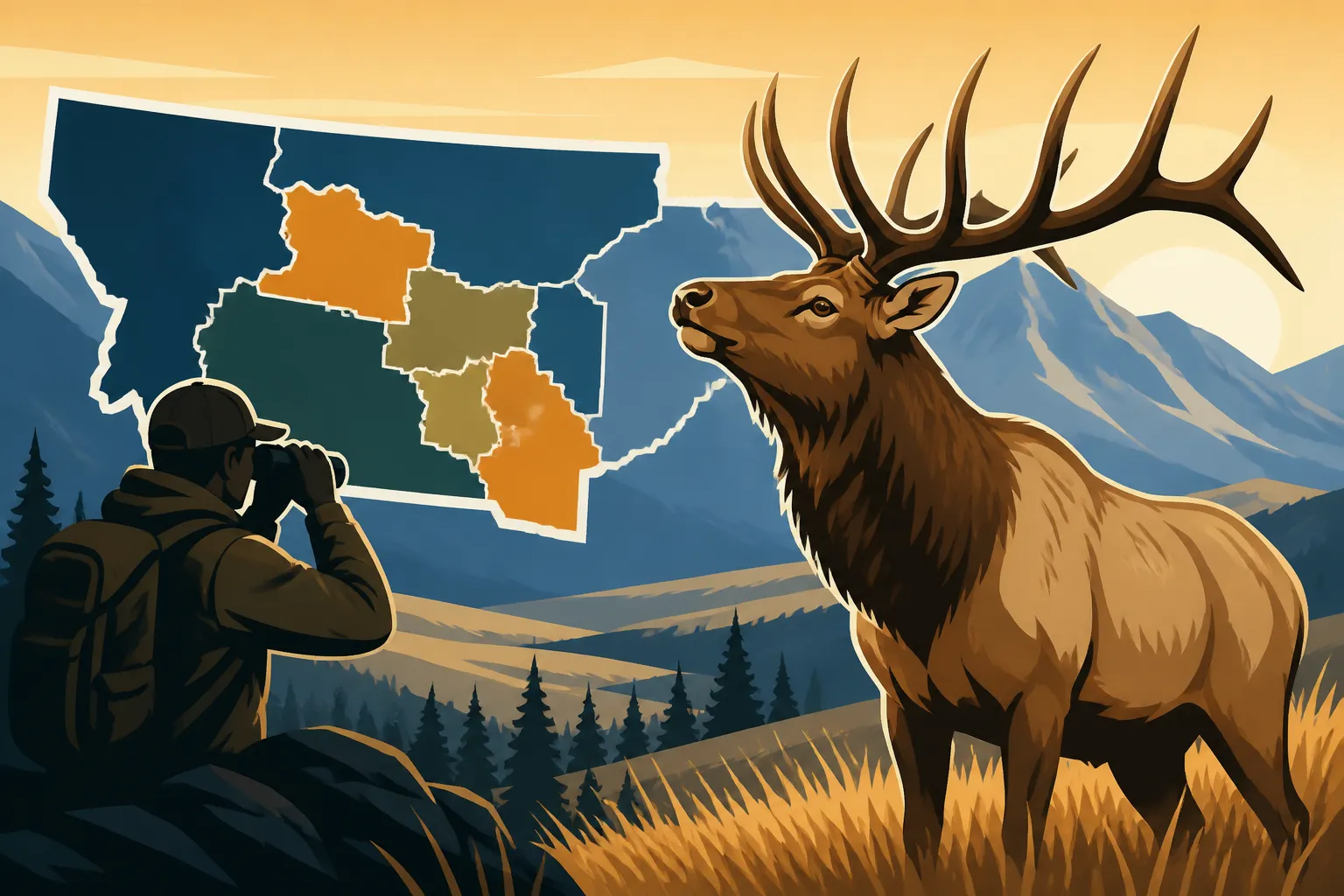
When it comes to pursuing truly exceptional bulls, the conversation almost always turns to Montana's limited-entry permit units. These are the crown jewels of Montana elk hunting, where access is tightly controlled, and as a result, bull age classes are often higher, and trophy potential soars. These units typically encompass vast tracts of rugged, challenging terrain, including wilderness areas, dense timber, and high-elevation basins. Think of areas within Region 3 (Southwest Montana), encompassing ranges like the Gravelly, Madison, and Tobacco Roots. These mountains are renowned for their genetics and expansive public lands, though many specific units within them are limited draw. Similarly, parts of Region 4 (Central Montana), particularly units along the Rocky Mountain Front, can hold incredible bulls in incredibly rough country.
These districts require not only drawing the elusive permit but also significant physical conditioning and advanced hunting skills. They are not for the faint of heart. Hunters often spend years, even decades, building bonus points to even have a reasonable chance at drawing a tag in units like 380, 390, 410, 417, 622, or 680 – units that frequently pop up in discussions of Montana's trophy elk. It's not just the draw; it's the challenge of hunting these areas. Often, trophy bulls retreat deep into roadless areas, making Montana Backcountry Hunting Guide principles essential. The rewards, however, can be life-changing, offering an encounter with a bull that has survived and thrived in Montana's wildest landscapes. For a comprehensive overview, understanding Montana Hunting Districts Explained and specific details on Montana Trophy Elk Districts is a good start.
General Units with Hidden Trophy Potential
While limited-entry permits offer the highest statistical odds for trophy bulls, don't write off Montana's general units entirely. For hunters committed to extensive scouting and hard hunting, even general units can surprise you with a giant. The key here is to seek out areas within general units that possess characteristics similar to permit units: ruggedness, remoteness, and difficulty of access.
Look for general units that contain significant portions of national forest land, especially areas with few roads or long, steep trails leading into them. These areas act as natural sanctuaries where older bulls can escape the majority of hunters who stick closer to vehicle access. Checkerboard public lands, where public and private ownership alternate, can also create opportunities if you're diligent about accessing the public parcels that are difficult to reach. Utilizing mapping tools like onX Hunt is absolutely invaluable here. You can identify public land, track potential access points, and pinpoint remote drainages or timber pockets that might hold unpressured elk. Focus on drainages that are particularly steep, have thick timber, or are a significant hike from any trailhead. Areas bordering wilderness boundaries or large private ranches (where hunting pressure may be very low) can also funnel mature bulls into accessible public land pockets. It might require more patience and persistence, but finding that hidden gem in a general unit is incredibly rewarding. To maximize your chances, understanding Montana Public Land Hunting Guide and How to Locate Elk on Montana Public Land are essential skills.
Utilizing E-Scouting and Boots-on-the-Ground
Regardless of whether you're targeting a high-demand permit unit or searching for a hidden gem in a general area, effective scouting is your most potent weapon. This process has two critical phases: e-scouting and boots-on-the-ground scouting.
E-scouting is where your hunt truly begins, often months before you ever set foot in Montana. Tools like onX Hunt and the detailed data provided by platforms like GoHunt are indispensable. Start by poring over topographical maps, satellite imagery, and public land ownership layers. Look for classic elk habitat: north-facing slopes with dark timber for bedding, south-facing slopes for feeding (especially in colder weather), water sources, and natural funnels or travel corridors. Identify potential bedding areas, wallows, and old growth timber that provides security. Pay close attention to features that deter other hunters—steep ridges, dense stands of timber, or areas a long way from trailheads. Mark potential glassing points and access routes. Use historical burn maps to identify areas with good new growth forage. This detailed virtual exploration helps you narrow down vast landscapes into manageable, high-probability hunting zones. For more on this, check out How to E-Scout Montana Hunting Units.
However, boots-on-the-ground scouting is the crucial second step that validates your e-scouting hypotheses. There's simply no substitute for walking the terrain, seeing the trails, finding rubs and droppings, and understanding the thermals and wind patterns in person. If possible, scout your chosen district in the late spring or summer, before the hunting season begins. This allows you to confirm water sources, identify actual elk trails, find sheds, and get a feel for the lay of the land without the pressure of a tag in your pocket. Pay attention to how elk might move through the area, where they'd seek refuge, and where they'd feed. If an in-person trip isn't feasible, try to connect with local hunters or guides who might offer insights. The combination of meticulous e-scouting and real-world reconnaissance dramatically increases your chances of locating and successfully hunting a trophy bull. You'll want to dive deeper into How to Scout a Montana Hunting District for specific techniques.
Tactics for Pursuing Giants in Montana's Toughest Terrain
Hunting trophy bulls in Montana's best districts requires a specific skillset and mindset. These animals are masters of survival, and outsmarting them demands patience, precision, and an intimate understanding of their world.
Mastering the Art of Glassing and Spot-and-Stalk
In Montana's expansive, open country, or even when dissecting vast timbered slopes, glassing is arguably the most important skill for locating trophy bulls. Unlike whitetail hunting from a stand, you'll spend hours, often days, behind your optics, systematically dissecting terrain. A high-quality set of binoculars (10x or 12x) paired with a good spotting scope (20-60x or 25-75x) on a sturdy tripod are non-negotiable.
Glassing Strategy:
Position yourself on a high vantage point before first light. Systematically grid the terrain, starting close and working your way out. Look for elk parts—a flicker of an ear, a patch of light hide against dark timber, the horizontal line of a back among vertical trees. Pay special attention to shaded areas on sunny days, or south-facing slopes on colder ones. Be patient; elk can appear and disappear as if by magic. Once you spot elk, don't immediately jump up. Observe them. Are they feeding, bedding, moving? Is there a bull among them? Is it the bull you're looking for? Only after a thorough assessment should you plan your next move. For more detailed techniques, refer to How to Glass Montana's Big Country.
Spot-and-Stalk:
Once a trophy bull is spotted, the real chess match begins. The spot-and-stalk approach is about closing the distance undetected. This involves careful planning of your route, considering wind direction, terrain features that offer cover, and the elk's likely movements. You'll need to move slowly, quietly, and deliberately. Use natural contours, draws, and timber to conceal your approach. Always keep the wind in your favor; an elk's nose is its most formidable defense. If the bull moves into thick cover, you might need to anticipate its next move or wait for it to reappear. A successful spot-and-stalk often takes hours, if not a full day, and requires incredible stealth and decision-making. Mastering Montana Elk Hunting: Spot-and-Stalk Tactics is key to success.
Wilderness and Backcountry Hunting for Less Pressure
Many of Montana's true trophy bull strongholds lie deep within its designated wilderness areas or remote backcountry. These are places where roads don't go, where the only access is on foot or horseback, and where the effort required naturally filters out the majority of hunters. This reduced pressure allows bulls to live longer and grow larger.
Hunting these areas is an incredible experience, but it demands meticulous preparation. Physical conditioning is paramount. You'll be covering steep, uneven terrain at high altitudes, often with a heavy pack. Start a rigorous fitness regimen months in advance, focusing on cardio, strength, and endurance. Equip yourself with a Montana Backcountry Hunting Gear List that prioritizes lightweight, durable, and reliable equipment: a quality backpack, sturdy boots, appropriate layering clothing, and reliable navigation tools.
Logistics also become more complex. You'll need to plan for packing in all your supplies, including food, water filtration, shelter, and emergency gear. If you're successful, you'll also need a plan for How to Pack Out an Elk in Montana, often over multiple trips or with the aid of pack animals. Setting up a comfortable and efficient camp is also important; whether it's a spike camp for overnight excursions or a more elaborate wall tent base camp, your shelter needs to protect you from Montana's unpredictable weather. While challenging, the rewards of hunting deep in the backcountry—solitude, pristine landscapes, and the chance at a truly unpressured trophy bull—are unparalleled. Exploring a Montana Backcountry Hunting Guide will provide more insights into planning such an adventure.
Understanding Elk Behavior During the Rut
The elk rut, typically spanning from early September through mid-October, is arguably the most exciting and effective time to hunt trophy bulls, especially for archery hunters. During this period, bulls are more vocal, more aggressive, and often less cautious as they focus on breeding cows. This behavior provides unique opportunities to locate and call in big bulls.
During the peak rut, mature bull elk will actively bugle to challenge rivals and gather their harems. Learning How to Bugle-Locate a Montana Bull Elk is a critical skill. Their distinctive calls echo through the mountains, allowing hunters to pinpoint their location. Once a bugling bull is located, you can use various calling tactics—bugles, cow calls, and chuckles—to entice him closer. Understanding How to Call Elk in Montana involves knowing when to be aggressive and when to be subtle. A bull might come charging in, looking for a fight, or he might sneak in silently, trying to circle downwind. Being ready for either scenario is key.
However, the rut is also when hunter pressure is highest, particularly in accessible areas. Many hunters target this period because of the increased activity. This means you're not just competing with other bulls for cows but also with other hunters for prime positions. Utilizing the knowledge from Montana Elk Rut Explained will give you an edge, helping you understand their movements and reactions during this intense time. A skilled hunter can use the bull's breeding behavior against him, drawing him away from his cows or ambushing him as he travels between groups. It's a high-energy, high-reward period that embodies the thrill of elk hunting in Montana.
| Factor | High-Potential Trophy Units (Permit) | General Hunting Units (Trophy Potential) |
|---|---|---|
| Draw Difficulty | Very High (often 5+ points or pure luck) | Moderate to Low (often over-the-counter) |
| Hunter Pressure | Lower (due to limited tags) | Higher (especially accessible areas) |
| Terrain | Often Rugged, Wilderness, High Elevation | Varied, from accessible to very remote |
| Elk Density | Can be lower, but age structure is often better | Moderate to High, but age structure can be younger |
| Trophy Potential | Higher inherent odds due to limited pressure and genetics | Possible, but requires more work, scouting, and luck |
| Scouting Effort | Extensive e-scouting, often multi-year planning | Significant e-scouting and boots-on-ground to find pockets |
| Access | Primarily foot, horse, or pack-in | Varied, includes roaded areas and walk-in |
Disclaimer
Hunting is an inherently dangerous activity. This guide provides general information for educational purposes only. Always consult and adhere to the latest Montana Fish, Wildlife & Parks regulations and local laws. Hunting conditions, access, and animal populations can change rapidly. Always prioritize safety, respect wildlife, and practice ethical hunting. It is your responsibility to be informed and prepared for any hunting endeavor.