Tobacco Root Mountains Hunting Guide
Hunting in Montana's vast, wild landscapes is an experience like no other, but the sheer scale and ruggedness can feel overwhelming, especially when you're staring at a map of a mountain range like the Tobacco Roots. This guide is here to cut through that confusion, offering a realistic, in-depth look at what it truly takes to plan and execute a successful hunt in these beautiful, yet demanding, mountains of Southwest Montana.
Understanding the Tobacco Root Mountains Hunting Landscape
The Tobacco Root Mountains, often affectionately called the "Toby Roots" by locals, are a hidden gem nestled between the Jefferson and Madison Rivers in southwestern Montana. They might not grab headlines like some of the state's more famous elk strongholds, but make no mistake, these mountains hold excellent populations of big game and offer a truly challenging and rewarding hunting experience. The terrain is a formidable mix of steep, timbered slopes, high alpine basins, and deep, often brushy canyons, presenting a physical test to any hunter.
Geography and General Characteristics
Stretching roughly 30 miles long and 15 miles wide, the Tobacco Roots rise majestically, with their highest peak, Hollowtop Mountain, topping out at a respectable 10,604 feet. You'll find yourself navigating elevations ranging from around 5,000 feet in the lower valleys up to these dizzying alpine heights. This significant elevation change dictates everything from vegetation patterns to animal movement. North-facing slopes are often choked with dense stands of Douglas fir, lodgepole pine, and spruce, creating dark timber havens for elk and deer. Conversely, south-facing slopes tend to be more open, covered in sagebrush, grasses, and scattered aspens, offering prime glassing opportunities in the early mornings and late evenings. The range is almost entirely comprised of public land, primarily managed by the Beaverhead-Deerlodge National Forest, which is a huge draw for DIY hunters looking for accessible opportunities. However, "accessible" in this context often means miles of hiking from the nearest trailhead, not a quick jaunt from a paved road.
Hunting Pressure and Wilderness Aspects
While not a designated wilderness area, parts of the Tobacco Roots, particularly the higher elevations and roadless areas, certainly feel like true backcountry. The hunting pressure varies dramatically. Areas closer to popular trailheads, especially during opening weekend of rifle season, can see a fair amount of orange. However, the further you get from established roads and trails, the quicker that pressure dissipates. This is where the physical demands truly separate hunters. Those willing to put in the miles and climb the vertical feet will find more undisturbed game. It's not uncommon to hike for several hours before you feel truly "away from it all," but when you do, the rewards can be significant. This rugged nature is why understanding Montana Backcountry Hunting Guide can be so crucial here.
Targeting Big Game Species in the Tobacco Roots
The Tobacco Root Mountains are a prime destination for hunters seeking a variety of big game, with elk and mule deer being the primary draw. Black bears are also prevalent, and for the extremely fortunate, a highly sought-after moose tag can put you in some truly wild country. Each species presents its own unique challenges and requires specific strategies to successfully hunt within this complex terrain.
Elk Hunting Tactics and Locations
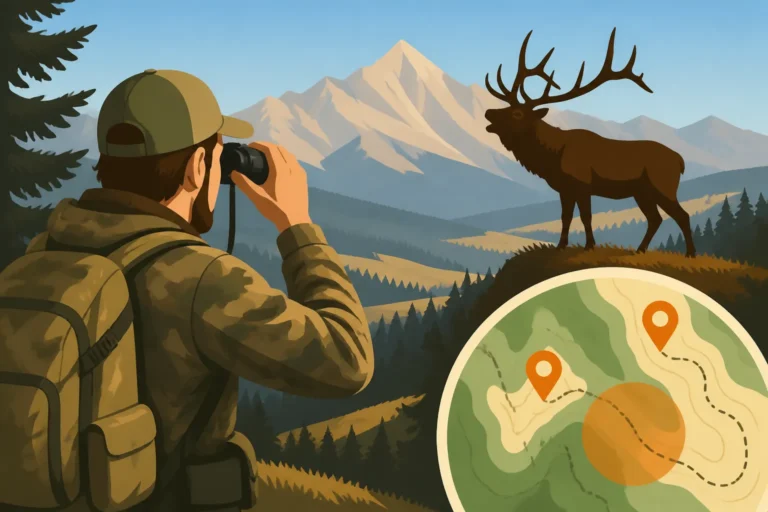
Elk are the undisputed kings of the Tobacco Roots for many hunters, offering a challenging yet rewarding pursuit. The range boasts a healthy, growing elk population, but these aren't your flatland elk – they are mountain-savvy, thick-timber dwelling animals. During the early archery season, often throughout September, bulls will be vocal, and hunters can employ calling tactics in the dark timber pockets and saddles where elk love to bed. Understanding How to Call Elk in Montana is a skill that pays dividends here. Focus on drainages that offer good cover, water, and security, especially north-facing slopes with dense timber adjacent to more open feeding areas. As the general rifle season kicks in, usually around late October, elk move even deeper into the timber, seeking refuge from increased hunter pressure. They’ll often use dense north slopes for bedding during the day, dropping into lower, south-facing pockets to feed at night, or moving to transitional zones between timber and open sage. This is when patience and still-hunting through thick cover become paramount. Look for fresh tracks, droppings, and rubs, especially around saddles and benches that connect different drainages. Identifying historical migration corridors and escape routes on an onX Hunt map can give you a significant advantage.
Mule Deer Hunting Opportunities
Mule deer in the Tobacco Roots are another excellent quarry, with good numbers of both bucks and does. These deer tend to inhabit slightly different terrain than elk, often preferring the more open, sagebrush-covered slopes, particularly south-facing aspects, and rocky ridges at higher elevations during the archery and early rifle seasons. As you get into the mid-season and colder weather sets in, they might drop lower, seeking winter range, but many big bucks will stick to the high country as long as forage is available. Spot-and-stalk is a highly effective method for mule deer here. Spend your mornings and evenings glassing vast expanses with good quality optics from a vantage point, picking apart every patch of timber and every rocky outcrop. Once you spot a buck, the real work begins – planning a quiet approach through the rugged terrain. Knowing How to Glass for Montana Mule Deer is a skill you'll hone quickly in this country. Look for secluded basins and timbered draws that offer both cover and access to feed. The lower elevation river bottoms and agricultural interfaces can hold deer as well, but the true mountain mule deer experience is in the higher reaches.
Black Bear and Other Species
Black bears are common throughout the Tobacco Roots, particularly in spring when they emerge from hibernation and seek out south-facing slopes for green-up. Fall bear hunting can also be productive, with bears fattening up on berries and other forage before winter. Spot-and-stalk from a distance or targeting areas with known food sources are common methods. Remember that bear hunting regulations in Montana can be complex, often requiring specific licenses and harvest reporting. While rare, a lucky draw for a moose permit can lead you into the remote riparian areas and higher elevation willow thickets of the Tobacco Roots, though these hunts are incredibly challenging and tags are exceptionally difficult to draw. Mountain lions also roam these mountains, but hunting them typically requires hounds and specific winter conditions.
Here's a quick look at primary game species and their typical habitat in the Tobacco Roots:
| Species | Preferred Habitat (Tobacco Roots) | Hunting Season (General, check FWP for specifics) | Common Hunting Methods | Physical Demand (Out of 5) |
|---|---|---|---|---|
| Elk | Dense timber (north-facing slopes), high alpine basins, saddles | Archery (Sept), Rifle (Oct-Nov) | Calling, Still-hunting, Spot-and-stalk | 5 |
| Mule Deer | Open, sagebrush slopes (south-facing), rocky ridges, timbered draws | Archery (Sept), Rifle (Oct-Nov) | Spot-and-stalk, Glassing | 4 |
| Black Bear | Timbered slopes, berry patches, riparian areas | Spring (April-June), Fall (Sept-Nov) | Spot-and-stalk, Baiting (where legal), Incidental | 3-4 |
| Moose | High-elevation willows, riparian zones (rare draw) | Specific Permit Season (Sept-Nov) | Spot-and-stalk | 5 |
Strategic Planning and Access for Your Hunt
Hunting the Tobacco Root Mountains requires meticulous planning long before you ever set foot on the trail. The ruggedness of the terrain, combined with dynamic weather patterns and the need to efficiently locate game, means that a well-thought-out strategy is your best ally. From digital scouting to physical conditioning, every piece of the puzzle contributes to a successful and safe hunt.
E-Scouting and Map Reconnaissance
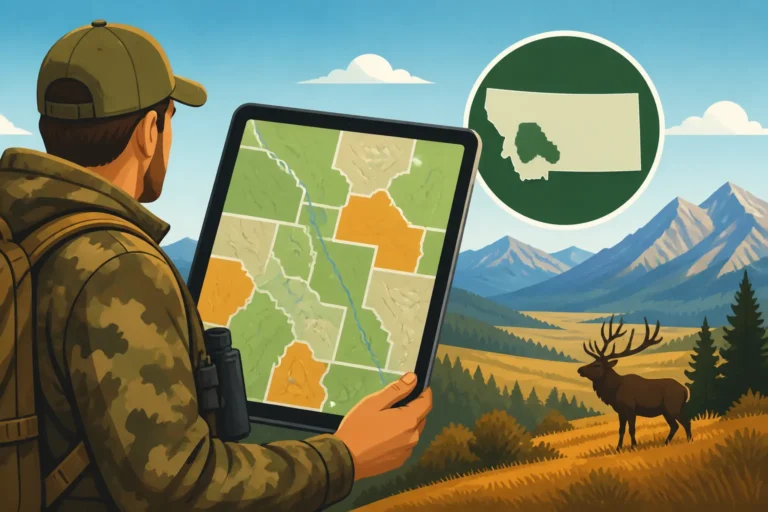
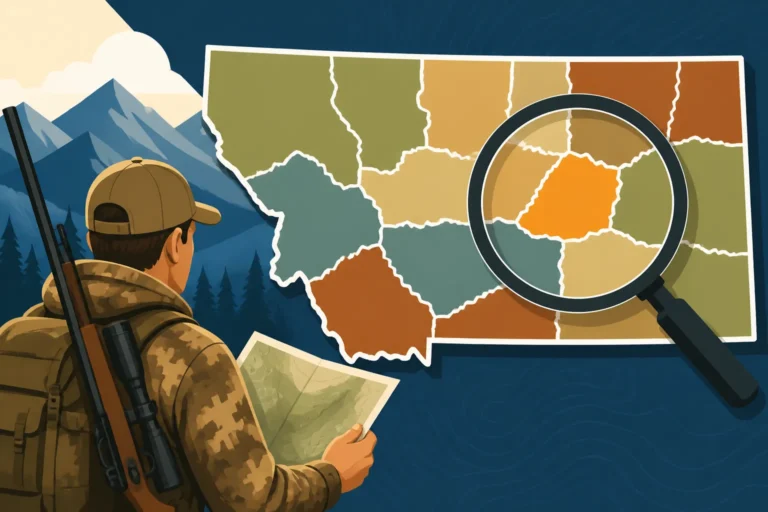
Before you even leave your living room, comprehensive e-scouting is non-negotiable for hunting the Tobacco Roots. Tools like onX Hunt are invaluable for overlaying public land boundaries, identifying potential access points, locating dense timber patches (ideal bedding cover), open meadows (feeding areas), water sources, and critical terrain features like saddles, benches, and ridge lines. Pay close attention to north-facing slopes for elk bedding and south-facing slopes for glassing mule deer. Use the 3D terrain view to visualize elevation changes and potential routes. Identify Forest Service roads – some may be gated or seasonally closed, so cross-reference with the Beaverhead-Deerlodge National Forest's Motor Vehicle Use Maps (MVUMs). Mark potential glassing points, water sources, and emergency exit routes. This initial reconnaissance helps you narrow down vast areas into manageable sections, giving you a tangible plan to start with on the ground. For more advanced planning, consider integrating resources from GoHunt to analyze draw odds and harvest data for specific hunting districts within the range, such as HDs 370, 371, 372, or 333, which commonly encompass the Tobacco Roots. This insight can influence your decision on where to focus your efforts or even which species to prioritize. Learning How to E-Scout Montana Hunting Units will pay dividends here.
Physical Preparation and In-the-Field Navigation
The Tobacco Roots will test your physical limits. You'll be climbing steep grades, descending into deep drainages, and navigating dense timber, often at elevations that can take your breath away (literally). Months of physical training are highly recommended, focusing on cardio, leg strength, and carrying a weighted pack. This isn't just about bagging an animal; it's about being able to safely and effectively navigate the terrain, pack out heavy meat, and react to unexpected situations. Check out How to Physically Prepare for a Montana Elk Hunt for a deeper dive. Once in the field, reliable navigation is paramount. While onX Hunt provides excellent real-time GPS, always carry a physical map and compass as a backup, and know how to use them. The weather can change in an instant, and cell service is spotty at best. Understanding how to use the wind and thermals is also crucial. In mountainous terrain, thermals typically rise in the morning as the sun heats the ground and fall in the evening as it cools. Learning to use these air currents to your advantage, especially when approaching game, can be the difference between a successful stalk and an elk blowing out of the timber undetected.
Access Points and Public Land Considerations
Access to the Tobacco Roots is generally good, primarily via Forest Service roads that lead to numerous trailheads. However, many of these roads require a high-clearance 4×4 vehicle, and some can be rough, especially after heavy rains or snow. Popular access points include roads leading up Mill Creek, South Boulder Creek, and the North Willow Creek drainage, but there are many others. Always be aware of private land boundaries that sometimes checkerboard public parcels at lower elevations. onX Hunt is indispensable for clarifying these boundaries. When planning your route, consider how far you're willing to hike. The further you get from a road, the less hunting pressure you'll likely encounter, but it also increases the challenge of packing out an animal. Be sure to respect all trail etiquette and leave no trace. For a broader understanding of land access, you might want to read our Montana Public Land Hunting Guide.
Essential Gear and Season Specifics
A successful hunt in the Tobacco Root Mountains hinges not only on skill and physical prowess but also on having the right gear and a solid understanding of Montana's hunting regulations and season timelines. Being prepared for anything Mother Nature throws your way, and staying compliant with the law, are fundamental to an enjoyable and effective hunt.
Gear for Mountain Hunting
Given the rugged and often unpredictable conditions, your gear selection for the Tobacco Roots needs to be deliberate and robust. Layering is key for clothing, as temperatures can swing wildly from freezing mornings to warm afternoons, and a sudden snowstorm is always a possibility, even in early fall. Merino wool or synthetic base layers are preferred for moisture-wicking and warmth. Durable, waterproof outerwear is a must. For your feet, investing in high-quality, broken-in mountain hunting boots with good ankle support is paramount. Your boots are your most important tool, providing the traction and stability needed to traverse steep, rocky, and often slippery terrain. Consider Best Boots for Montana Elk Hunting for options. A sturdy, comfortable backpack with sufficient capacity for day hunting or a multi-day spike camp is also essential. You'll need to carry water, food, emergency supplies, and have room to potentially pack out meat.
Beyond the basics, consider these critical items:
- Optics: High-quality binoculars (10×42 or 12×50) and a spotting scope (if you plan extensive glassing for mule deer) are invaluable.
- Navigation: GPS device (like your phone with onX Hunt maps downloaded offline), physical map, and compass.
- First-Aid Kit: Comprehensive enough for minor injuries and emergencies in remote areas.
- Water Filtration: A reliable filter or purification tablets, as natural water sources are available but should be treated.
- Headlamp: With extra batteries, for early morning hikes and packing out in the dark.
- Game Processing Tools: Sharp knife, game bags, cordage for hanging meat.
- Emergency Shelter/Fire Starter: A lightweight tarp or bivy and reliable fire starting tools.
- Bear Spray: Black bears are present; know how to carry and use it effectively.
Planning your pack list carefully is vital, so delving into a resource like the Montana Backcountry Hunting Gear List can help ensure you don't forget any critical items.
Season Dates and Regulations
Montana's hunting seasons are generally divided into archery and general rifle seasons, with specific dates varying slightly year to year. The Tobacco Roots fall within Region 3 for hunting districts like 332, 333, 370, 371, and 372, which typically have a general elk and deer season. However, regulations can be quite nuanced. Some districts might have antler point restrictions, specific antlerless tags, or even permit-only sections for certain species or weapon types. Always check the current year's Montana Fish, Wildlife & Parks (FWP) regulations well in advance of your hunt. Pay close attention to unit-specific rules, as these can change annually based on herd management objectives. For example, some units might be "either-sex" for deer, while others might restrict harvest to antlered bucks only. Understanding Montana Hunting Seasons Explained is your first step. Non-residents need to pay particular attention to the complex draw system for licenses and permits. You can apply for preference points to improve your odds for future draws, and securing an Elk/Deer Combination license is often the goal. Make sure you're aware of all application deadlines, as they are typically in March.
Weather Considerations and Safety
Montana mountain weather is notoriously unpredictable. A warm, sunny September day can quickly turn into a freezing rain or snow event. Be prepared for all four seasons in a single day. Monitor weather forecasts closely, but always pack for worse conditions than predicted. Safety in the backcountry is paramount. Always hunt with a partner if possible, and if hunting solo, leave a detailed itinerary with someone reliable, including your planned route and expected return time. Be aware of the signs of hypothermia and dehydration. Carry enough water or purification methods. Understand basic first aid. Cell service is generally non-existent in much of the Tobacco Roots, so a satellite communication device (like a Garmin inReach or Zoleo) is a highly recommended safety tool for emergency contact. Remember, safely How to Pack Out an Elk in Montana is a skill that takes planning and effort, especially in steep terrain.
Disclaimer
Please note: Hunting regulations, season dates, and access policies in Montana are subject to change. It is your responsibility to consult the current Montana Fish, Wildlife & Parks (FWP) regulations and maps before planning any hunting trip. This guide is for informational purposes only and does not supersede official FWP guidelines.