Best Montana Drop-Camp Areas
The dream of a true Montana wilderness hunt, far from roads and crowds, often bumps up against the reality of a fully guided trip's cost or the sheer logistical nightmare of a do-it-yourself pack-in. This is where drop camps become the ultimate solution, offering deep backcountry access and a pre-set camp without the constant presence or expense of a personal guide. This comprehensive guide will walk you through what drop camps are, why they're such a game-changer for serious hunters, and, most importantly, pinpoint some of the best areas in Montana to pursue this incredible adventure.
The Appeal and Practicality of Montana Drop Camps
For many hunters, the draw of Montana isn't just about bagging an animal; it's about the entire experience: the crisp mountain air, the solitude, the challenge, and the raw beauty of the landscape. A drop camp is designed to facilitate this deep wilderness immersion, striking a perfect balance between supported logistics and independent hunting.
What a Drop Camp Entails for Hunters
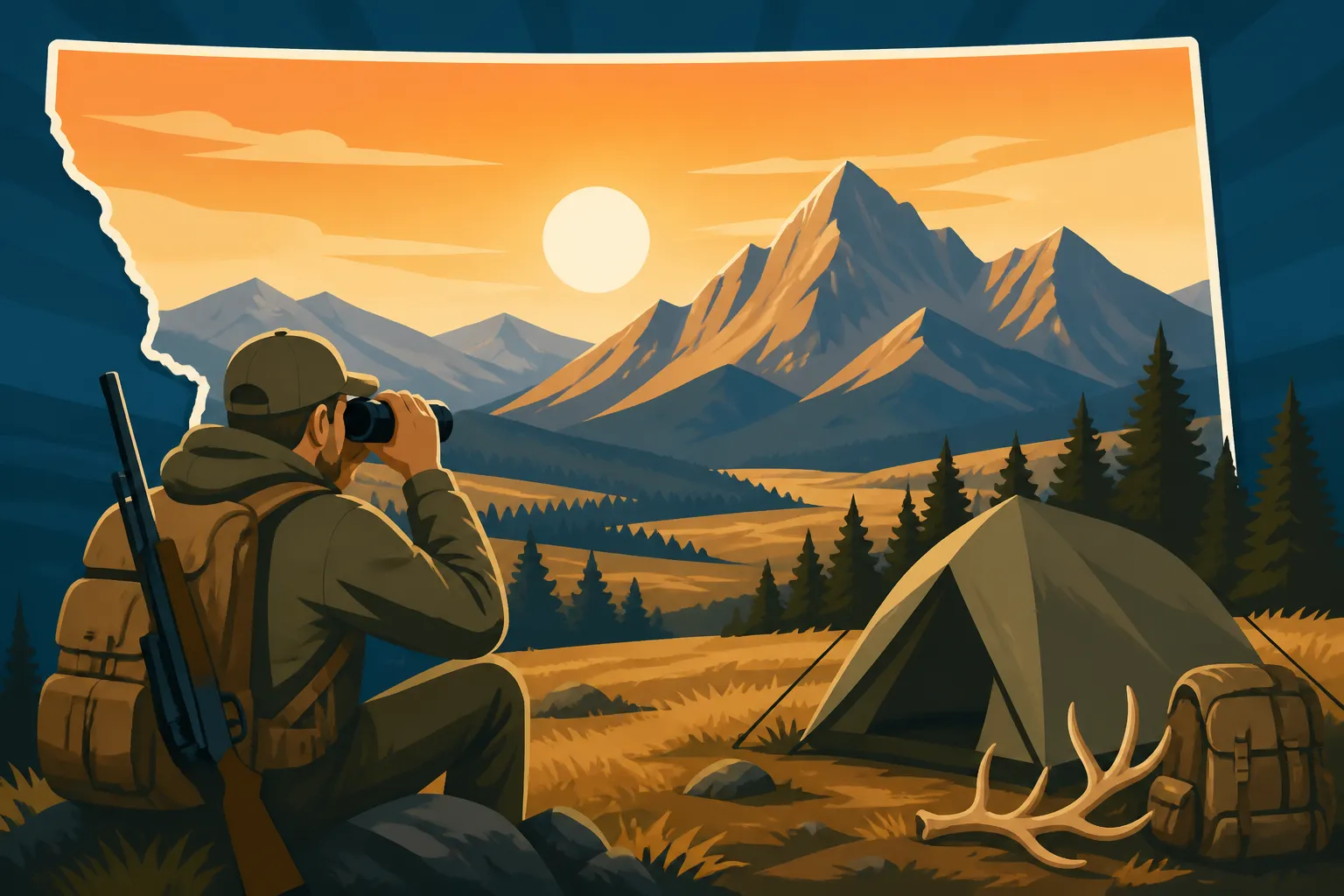
Imagine stepping off a trail after a long day of hiking or riding, and instead of having to pitch your tent, gather firewood, and set up your entire camp, you find it already waiting for you. That, in essence, is the magic of a drop camp. An outfitter or packer will haul you, your gear, and your provisions — typically on horseback or with mules — several miles into the wilderness. They set up a comfortable, weather-proof camp for you, usually including a wall tent or two, a wood stove, cots, and perhaps even some basic cooking equipment.
Unlike a fully guided hunt where your guide is with you every step of the way, a drop camp leaves you largely to your own devices once they've dropped you off. You're responsible for your own hunting, cooking, and daily camp chores. The outfitter will typically arrange a pickup date, often a week or so later, and will return to pack out your camp and, hopefully, your hard-earned game meat. This arrangement means you get to experience the remote backcountry without needing to own a string of pack animals or having the years of experience required to safely navigate and establish a camp deep in grizzly country. It's a significant leg up for anyone looking to get truly off the beaten path, offering a comfortable base camp from which to launch your daily hunts.
Weighing the Advantages and Disadvantages
Choosing a drop camp isn't a decision to be taken lightly, but its unique blend of support and self-sufficiency offers compelling advantages for certain hunters, while also presenting its own set of challenges.
On the advantageous side, the most obvious benefit is often cost. A drop camp is significantly less expensive than a fully guided hunt, which can easily run upwards of $8,000 to $12,000 or more for a week-long elk hunt. By opting for a drop camp, you might pay anywhere from $1,500 to $4,000 per person, depending on the outfitter, location, and services provided. This makes a deep wilderness experience much more accessible. Second, and for many, most importantly, it offers unparalleled wilderness immersion. You are truly out there, experiencing the quiet solitude and raw beauty of Montana's vast public lands. You have the freedom to hunt how and when you want, without the schedule or style dictated by a guide. This independence allows for a much more personal and often more rewarding hunting experience. It's an excellent stepping stone for those who aspire to full Montana DIY Elk Hunting Guide status but aren't quite ready to pack everything in themselves.
However, this independence also leads to the disadvantages. You are entirely responsible for your own hunting success, navigation, first aid, and survival. There’s no guide to help you find the elk, track a wounded animal, or provide assistance if you get lost or injured. Physical fitness is paramount, as you'll be hiking steep terrain daily, and if you tag out, you'll be doing the strenuous work of quartering and packing your animal to a designated pickup point. Weather can change in an instant in the mountains, and you need to be prepared for anything from warm sunshine to feet of snow. Furthermore, communication can be an issue. Often, you'll be out of cell service, relying on satellite communicators for emergencies. While the outfitter provides the camp, you are still responsible for all your personal gear, food, and the strategic decisions that lead to a successful hunt. This means bringing a robust Montana Backcountry Hunting Gear List and knowing how to use it.
Premier Wilderness Destinations for Montana Drop Camps
Montana is home to some of the Lower 48's most expansive and rugged wilderness areas, making it a prime destination for drop camp hunting. These areas provide the ideal combination of vast public land, healthy game populations, and terrain that necessitates horse-supported access.
The Bob Marshall Wilderness Complex
Often simply referred to as "The Bob," the Bob Marshall Wilderness Complex is arguably the crown jewel of Montana's wilderness hunting. Spanning over 1.5 million acres across three national forests (Flathead, Lewis and Clark, and Lolo), this area is truly immense and roadless, making it an ideal candidate for drop camps. It's a land of towering peaks, dense timber, vast river bottoms, and open parks, offering classic Rocky Mountain hunting for elk, mule deer, whitetail deer, and even moose and bear.
Access into The Bob is primarily via horseback through specific trailheads like Benchmark, Gibson Reservoir, or the Holland Lake area. Outfitters serving this region specialize in packing hunters deep into basins and drainages that are impossible to reach by vehicle. These remote locales mean significantly less hunter pressure, especially during general rifle season. The size of the wilderness means that elk herds can roam largely unmolested, adhering to their natural patterns. A drop camp here gives you a strategic base to hunt pristine country, often following rivers like the Sun, Flathead, or Danaher. You'll need to be physically prepared for the demands of hunting this vast terrain, and while you won't have a guide, understanding Montana Elk Hunting Methods Explained like calling tactics or spot-and-stalk is crucial. Outfitters often have specific areas where they've traditionally set up camps, giving you access to their established knowledge of where the game frequents. This truly is an iconic destination for Montana Wilderness Area Hunting.
Absaroka-Beartooth Wilderness
Nestled in southeastern Montana, bordering Yellowstone National Park, the Absaroka-Beartooth Wilderness offers an entirely different, yet equally challenging and rewarding, drop camp experience. This wilderness is characterized by its high-altitude plateaus, alpine lakes, deep canyons, and towering peaks, including Montana's highest point, Granite Peak. It's a rugged, breathtaking landscape that demands respect and thorough preparation.
Drop camps in the Absaroka-Beartooth often focus on high-country elk and mule deer hunting. The timberline can be quite high, and hunters frequently find themselves glassing vast open basins above 9,000 feet. Access points typically include trailheads out of areas like Nye, Cooke City, or near Big Timber. Outfitters will pack you into strategically located camps that provide access to both timbered bedding areas and high alpine feeding grounds. This region is known for producing impressive animals, but the hunting can be physically grueling due to the elevation and steepness. Preparing for the thinner air and colder temperatures is critical here. It's an excellent location for hunters who specifically want a challenge and the thrill of hunting big game in truly remote, high-alpine environments. Learning How to Glass Montana's Big Country will be an invaluable skill in these areas. For those dreaming of a trophy bull, understanding Montana Moose Hunting Guide or Montana Bighorn Sheep Hunting Guide regulations is key, as these animals also inhabit parts of the wilderness, albeit with very limited tag opportunities.
Anaconda-Pintler Wilderness and Surrounding National Forests
While perhaps not as globally renowned as "The Bob," the Anaconda-Pintler Wilderness, primarily located within the Beaverhead-Deerlodge National Forest, offers fantastic drop camp opportunities with a slightly different flavor. This area spans over 150,000 acres, characterized by a rugged, glaciated landscape with numerous lakes, streams, and a mix of dense forest and open ridges. It's an excellent choice for hunters seeking a challenging backcountry experience for elk, mule deer, and black bear, often with slightly less overall hunter pressure than the most popular Bob Marshall areas.
Access points are available from towns like Darby, Philipsburg, and Wisdom. Outfitters can pack you into remote camps, giving you access to hunting districts that border or are within the wilderness boundaries. The terrain here can be steep and demanding, but the rewards are often worth the effort. The mixture of dense timber and higher open country provides diverse habitat for game, and knowing How to Hunt Elk in Montana's Wilderness strategies will pay dividends. The Beaverhead-Deerlodge National Forest itself is Montana's largest national forest, offering vast stretches of public land beyond the designated wilderness, and many outfits operate in these extended roadless areas to provide deep drop camp experiences. Exploring Hunting the Beaverhead-Deerlodge National Forest can reveal numerous possibilities for a successful drop camp hunt.
Preparing for Your Montana Drop Camp Adventure
A successful drop camp hunt isn't just about showing up; it requires meticulous planning, physical conditioning, and a keen understanding of your responsibilities once the outfitter leaves you in the wilderness.
Selecting the Right Outfitter and Area
Choosing the right outfitter is arguably the most critical step in planning your Montana drop camp. This person or company is responsible for your safe transport in and out, and for providing a functional, safe camp. Start your research well in advance, as popular outfitters book years out. Look for outfitters who are licensed by the Montana Board of Outfitters and are members of the Montana Outfitters and Guides Association. These affiliations often indicate a commitment to professionalism and safety.
Don't be afraid to ask a lot of questions. Inquire about their experience in the specific area you're interested in. How long have they been operating drop camps there? What is their typical camp setup (size of tent, type of stove, cots provided)? What are their safety protocols for emergencies? What exactly is included in the price, and what are you responsible for (e.g., firewood, water purification)? Get references from past clients and actually call them to discuss their experiences. Ask about success rates, but be wary of guarantees; hunting is unpredictable. It’s also crucial to clarify how meat care is handled if you harvest an animal. Will they pack it out for you promptly? What are the contingencies if you get an animal far from camp? A reputable outfitter will be transparent and willing to discuss all these details, as outlined in guides like How to Choose a Montana Hunting Outfitter. Understanding the full scope of their services and limitations will prevent unpleasant surprises in the backcountry.
Essential Gear, Fitness, and Logistics
Once your outfitter is booked, the real preparation begins. Because you'll be on your own in the field, your personal preparedness is paramount.
Gear: While the outfitter provides the main camp, you are responsible for everything you will use for hunting and personal comfort. This includes a quality sleeping bag rated for cold temperatures, a sturdy backpack (5000+ cubic inches) capable of carrying gear and potentially a meat load, reliable optics (binoculars, spotting scope, rangefinder), and appropriate clothing layers for rapidly changing mountain weather. Navigation tools are non-negotiable. While paper maps are essential, digital mapping apps like onX Hunt and GoHunt are invaluable for e-scouting, marking waypoints, and navigating in the field. Make sure your maps are downloaded for offline use and you have backup power for your devices. A satellite communication device (like a Garmin InReach or Zoleo) is also a must-have for emergencies, as cell service will be nonexistent. Review a comprehensive Montana Backcountry Hunting Gear List to ensure you haven't forgotten anything critical.
Fitness: Hunting in Montana's mountains, especially from a remote drop camp, is physically demanding. You'll be gaining and losing thousands of feet of elevation daily. Start a dedicated fitness regimen months in advance, focusing on cardio, strength, and endurance. Being able to hike comfortably with a 30-40 pound pack will make your hunt much more enjoyable and safer. Don't underestimate the physical toll of packing out an elk quarter; it's some of the hardest work you'll ever do. Check out resources like How to Physically Prepare for a Montana Elk Hunt for tailored workout plans.
Logistics: Beyond gear and fitness, think through your daily routine. How will you purify water? What's your food plan for a week in the backcountry, considering weight and nutritional value? How will you keep your meat cool if you tag out early in warmer weather? And critically, know your hunting area. Spend time with your onX Hunt or GoHunt apps, studying terrain, potential bedding areas, water sources, and escape routes for game. Have a plan for How to Pack Out an Elk in Montana if you're successful. The more detailed your planning, the more confident and effective you'll be once you're dropped off in the wilderness.
Here's a quick comparison of some popular drop camp regions in Montana:
| Feature | Bob Marshall Wilderness Complex | Absaroka-Beartooth Wilderness | Anaconda-Pintler Wilderness |
|---|---|---|---|
| Primary Game | Elk, Mule Deer, Whitetail, Bear, Moose (limited) | Elk, Mule Deer, Bear, Mountain Goat (limited) | Elk, Mule Deer, Bear |
| Terrain | Vast timber, river bottoms, high peaks, open parks | High alpine, rugged peaks, plateaus, deep canyons, timber | Glaciated mountains, timber, open ridges, numerous lakes |
| Typical Access | Horseback/mules from eastern & western trailheads | Horseback/mules from southern (Cooke City) & northern trailheads | Horseback/mules from western (Darby) & eastern (Philipsburg) |
| Challenges | Immense size, navigation, grizzly country, diverse weather | Extreme elevation, ruggedness, rapid weather changes, cold | Steep terrain, dense timber in places, weather variability |
| Hunter Pressure | Generally lower due to size and access difficulty | Moderate to low, often concentrated near easier access points | Moderate, good solitude in deeper areas |
| Experience Level | Moderate to Experienced (self-reliant, navigation skills crucial) | Experienced (high-altitude, extreme terrain expertise recommended) | Moderate to Experienced (good fitness and woodcraft needed) |
Choosing a Montana drop camp is a step towards an unforgettable hunting adventure. It's a commitment to independence, self-reliance, and deep immersion in some of the most spectacular wild places left in America. With thorough preparation and the right mindset, you can achieve that dream hunt in Big Sky Country.
Disclaimer
The information provided in this guide is for general informational purposes only and does not constitute professional advice. Hunting regulations, seasons, and access can change frequently. Always consult the official Montana Fish, Wildlife & Parks regulations and local authorities before planning any hunting trip. Hunting in the backcountry carries inherent risks; proper preparation, safety gear, and skill are essential.