Montana Hunting District 410 Overview
For many hunters, especially those looking to explore new territory or coming from out-of-state, deciphering Montana's vast and varied hunting districts can feel like navigating a maze blindfolded. Montana Hunting District 410, like any unit in the Treasure State, comes with its own set of characteristics, challenges, and incredible opportunities. This detailed overview will cut through the confusion, providing you with a clear picture of what to expect, from its terrain and target species to crucial access points and licensing requirements, helping you prepare for a more informed and potentially successful hunt.
Unpacking the Geographic Realities of Montana Hunting District 410
Hunting District (HD) 410 is a unit that holds a lot of interest for those pursuing big game in Montana, but understanding its lay of the land is the absolute first step. It's not just a number on a map; it's a dynamic landscape that dictates everything from animal movement to your hunting tactics.
Location and Defining Boundaries
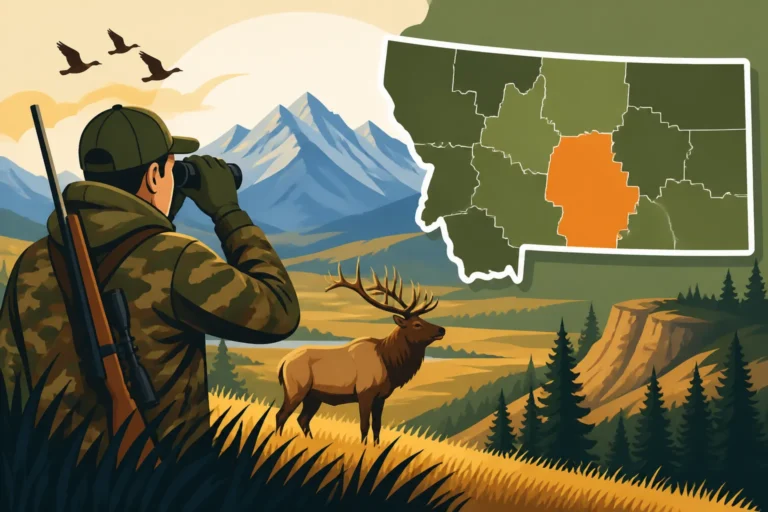
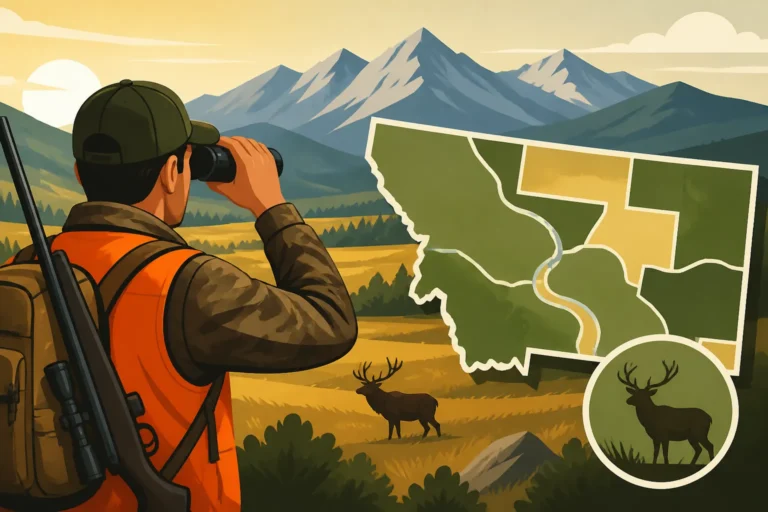
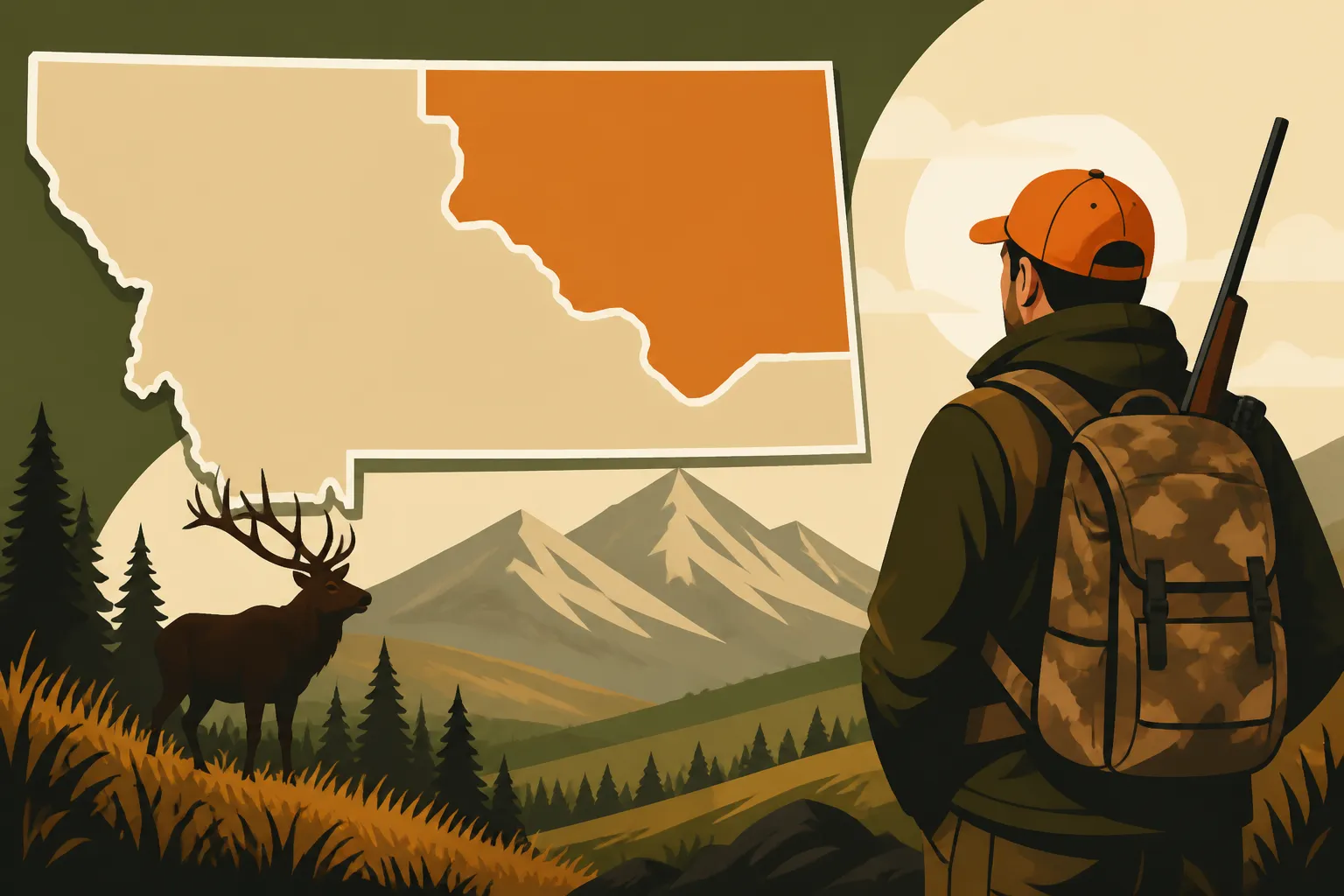
HD 410 is situated in the southwestern part of Montana, encompassing a significant portion of the Gravelly Range. This puts it firmly in what many consider prime elk and deer country, bordering other well-known districts. Geographically, it's generally bounded by specific natural features and roads that you’ll want to pinpoint precisely on your maps. For instance, the district typically runs west of Highway 287 near Ennis, stretching westward towards the Ruby River drainage. The exact lines can be tricky, often following divides like the Madison River or specific Forest Service roads. Being able to clearly identify these boundaries is critical, not just for staying legal, but for understanding how game animals might move in and out of the unit throughout the season. Using a reliable mapping application like onX Hunt is absolutely non-negotiable here; it will show you the precise boundaries, roads, and land ownership, saving you endless headaches and potential trespass issues.
Topography, Habitat, and Elevation
The topography of HD 410 is classic Montana mountain hunting. You're looking at a mix of timbered slopes, high alpine basins, open sagebrush parks, and creek bottoms. Elevations within the district can vary dramatically, from around 6,000 feet in the lower river valleys up to over 10,000 feet on some of the higher peaks of the Gravelly Range. This diverse landscape directly influences where elk and deer will be at different times of the year and throughout the hunting season. Early archery season might see elk higher up in cooler, dense timber, while rifle season could find them pushed into south-facing slopes or lower elevation wintering grounds as snow begins to fall. The habitat is predominantly coniferous forests (lodgepole pine, Douglas fir) at higher elevations, transitioning to aspen stands, sagebrush, and grass in the foothills and valley bottoms. This provides a rich mosaic of feed, cover, and water sources that big game animals rely on. Hunters need to be prepared for rugged, steep terrain, often requiring significant elevation gains, and possessing the physical stamina to match. If you’re not physically conditioned, even the most promising spots will remain out of reach.
Key Game Species and Hunting Opportunities in HD 410
When you're looking at a hunting district, the primary question is always: what can I hunt, and what are my chances? HD 410 offers a mixed bag of opportunities, with a strong focus on elk and deer, but also other species that can make for a diverse trip.
Elk and Deer Prospects
Hunting District 410 is particularly renowned for its elk hunting opportunities. It’s a popular spot, and for good reason—it consistently holds a healthy elk population, which is always a draw for both residents and non-residents. Generally speaking, HD 410 is part of Montana’s general elk season structure, meaning that if you draw a general elk license (like the Nonresident Combination License, for example), you can hunt elk here without needing a separate permit, though specific hunt codes might apply to cow elk or antlerless opportunities. Trophy potential exists, with mature bulls taken each year, but don't expect it to be easy; these animals are hard-earned. For a deeper dive into statewide elk hunting, check out our Montana Elk Hunting Guide.
Mule deer are also present throughout the district, often cohabiting the same landscapes as elk but sometimes preferring different types of cover. You'll find mule deer in the more open, sage-covered hillsides and timber fringes. Whitetail deer can also be found in the lower river bottoms and creek corridors, particularly in areas with more agricultural influence or dense riparian cover. While not typically known as a whitetail hotspot, they offer an additional opportunity if you're holding a deer tag. Understanding Montana Mule Deer Hunting Guide and Montana Whitetail Deer Hunting Guide tactics will be beneficial here, as the varied terrain demands different approaches for each species.
Here's a quick overview of potential success rates for key species in HD 410, based on general FWP data, though individual results will vary widely:
| Species | Tag Type (Typical) | Season Dates (General) | Hunter Success Rate (Avg.) | Notes |
|---|---|---|---|---|
| Elk | General Tag | Archery (Sept), Rifle (Oct-Nov) | 10-20% | Consistent population, challenging terrain |
| Mule Deer | General Tag | Archery (Sept), Rifle (Oct-Nov) | 20-30% | Found in sage-timber transition areas |
| Whitetail | General Tag | Archery (Sept), Rifle (Oct-Nov) | 25-35% | Primarily lower elevation, riparian zones |
| Black Bear | Permit/General | Spring/Fall | 15-25% | Requires specific tags, hunt by bait/spot-and-stalk |
Note: Success rates are highly generalized and can fluctuate year-to-year based on weather, hunter pressure, and specific district management objectives. Always consult the current Montana FWP regulations for precise dates and rules.
Other Huntable Game Species
Beyond elk and deer, HD 410 also presents opportunities for other big game and even some upland species. Black bears are present in the timbered areas of the Gravelly Range, offering spring and fall hunting opportunities, though these often require specific permits or general tags with distinct seasons. Understanding Montana Black Bear Hunting Guide will be crucial if you plan to pursue them. Occasionally, you might find a mountain lion, requiring a quota-based tag. Upland bird hunting can be decent in the lower elevations and brushy draws, with species like grouse (ruffed, blue, spruce) and sometimes Hungarian partridge. While not the primary draw for most hunters heading to HD 410, these additional species can complement a big game hunt, offering a chance to fill other tags if you’re so inclined.
Navigating Public and Private Land Access in HD 410
One of the biggest hurdles, and often the most frustrating aspect, of hunting in Montana can be figuring out access. HD 410 is no exception, but with careful planning and the right tools, you can unlock its potential.
The Public Land Footprint
A significant portion of Hunting District 410 is comprised of public land, primarily managed by the U.S. Forest Service (USFS) as part of the Beaverhead-Deerlodge National Forest. This is fantastic news for public land hunters, as it means vast tracts of accessible hunting ground. However, "accessible" doesn't always mean "easy to get to." Many areas require significant hiking, often into roadless or wilderness-like terrain. Other parts might have a good network of Forest Service roads, but these can vary wildly in condition and might be seasonally closed.
Successfully navigating this public land mosaic requires detailed mapping. This is where tools like onX Hunt truly shine. You can zoom in and see every parcel of public land, identify landlocked public ground that might require an easement or adjacent Block Management access, and scout potential routes to get away from the crowds. Understanding How to Use onX for Montana Hunting is essential for any hunter in the state. Don't rely on outdated paper maps alone; current digital maps provide real-time updates on closures, fire restrictions, and landowner information that can make or break your hunt. For more general advice on navigating public lands, our Montana Public Land Hunting Guide offers extensive tips.
Block Management Areas and Walk-In Opportunities
Montana’s Block Management Program (BMP) is a gem for public land hunters, providing access to private land that would otherwise be off-limits. While HD 410 is rich in public forest land, depending on the year and participating landowners, there can be Block Management Areas within or bordering the district, especially in the transition zones between the mountains and agricultural valleys. These areas are typically open for walk-in access, offering additional hunting opportunities for elk, deer, and other game.
It's critical to remember that Block Management rules can change annually. You must check the current year’s FWP Block Management Guide and specific area rules before you go. Some BMAs require signing in at a kiosk, others need advance permission via phone, and still others might be limited by hunter numbers. For a comprehensive understanding of these programs, read our Montana Block Management Areas Explained guide. Don't just show up expecting open gates; do your homework well in advance, often in August or early September when the BMA guides are released, to maximize your chances of securing access. These are invaluable resources that can help you How to Find Public Land in a Montana District and alleviate some of the pressure on purely public lands.
Navigating Regulations and Drawing Tags for HD 410
Montana's hunting regulations can be complex, and getting the right tag for HD 410 requires understanding the draw system and specific district rules.
License and Permit Requirements
For most big game in Montana, especially for non-residents, you'll be looking at purchasing a combination license. The most common for out-of-state hunters is the Nonresident Big Game Combination License, which includes a general elk tag, a general deer tag, a conservation license, and an upland bird license, among others. While HD 410 is generally a "general" unit for elk, meaning a general elk tag allows you to hunt, there might be specific permit requirements for certain antlerless elk hunts or for specific deer species in certain parts of the district. It’s vital to check the current Montana Hunting Seasons Explained regulations, published annually by Montana Fish, Wildlife & Parks (FWP).
The application process for these combination licenses and any special permits usually runs from January to March each year. Non-residents participate in a lottery draw for these licenses. While general elk tags in HD 410 don’t require a specific permit draw, obtaining the base Nonresident Combination License is still part of a competitive draw. Understanding Montana Nonresident License Draw Explained is fundamental. For deer, depending on the specific species (mule deer vs. whitetail) and antler regulations, a general deer tag typically covers you, but always, always verify with the most current FWP regulations.
Preference Points, Bonus Points, and Draw Odds
Montana uses a system of preference points for general elk and deer combination licenses for non-residents, and bonus points for limited-entry permits. If you're hoping to eventually hunt in a limited-entry district, or just want to improve your odds for the general combo, building preference points is a strategic move. For example, if you plan to hunt HD 410 as a non-resident, your primary concern will be drawing the general nonresident combination license. The more preference points you have, the better your odds.
While HD 410 is a general unit, understanding the point system is critical for long-term planning, especially if you ever consider other, more sought-after districts. You can apply for a preference point even if you don't plan to hunt that year, effectively increasing your chances for future draws. Resources like GoHunt provide excellent data on historical draw odds, including for the general combination licenses, which can give you a realistic expectation of your chances. They also detail How Montana Preference Points Work, helping you craft a long-term strategy for drawing tags in Montana.
Special Restrictions and Antler Regulations
Montana often implements specific regulations to manage herd health and hunter opportunity. In HD 410, like many general elk units, you’ll typically be allowed to harvest an antlered bull elk (often defined as having at least one antler three inches or longer). However, antlerless elk opportunities (cow tags) may be more restricted and sometimes require a specific B license or permit, often with specific hunt codes tied to certain areas or timeframes. For mule deer, there are sometimes brow-tine restrictions or antler point minimums in specific regions, though many general units allow for any antlered buck. Whitetail regulations are generally more liberal.
It is absolutely imperative to download and thoroughly read the annual Montana FWP hunting regulations. These documents are the final word on what you can and cannot do. Regulations can change year to year based on wildlife population data, public input, and management objectives. Never assume last year's rules apply this year. Pay close attention to unit-specific rules, weapon restrictions (e.g., archery-only portions), and any antler point requirements. Knowing the ins and outs of Montana General vs Permit Tags Explained will clarify what type of license or permit you need for specific animals in HD 410, ensuring you stay legal and ethical in the field.
Planning Your Hunt in HD 410
Beyond understanding the district itself, success in HD 410, like any Montana hunt, boils down to meticulous preparation. This means scouting, gear prep, and being ready for whatever Mother Nature throws at you.
E-Scouting and Physical Reconnaissance
E-scouting is the modern hunter's best friend, especially for out-of-state hunters. Using satellite imagery, topo maps, and public land layers on platforms like onX Hunt, you can identify potential bedding areas, feeding zones, water sources, and travel corridors before you even set foot in the field. Look for north-facing timbered slopes where elk might bed during warm weather, south-facing slopes that melt out faster in early snow, and saddles or draws that act as natural funnels. Identify potential glassing knobs and approach routes. This preliminary work is crucial for narrowing down vast expanses of terrain into manageable huntable areas. Our guide on How to E-Scout Montana Hunting Units can provide more in-depth techniques.
However, e-scouting can only get you so far. If at all possible, try to do some boots-on-the-ground scouting before the season, even if it's just a weekend trip in the summer. This allows you to verify terrain features, identify current water sources, and get a feel for the density of cover. If a pre-season trip isn't feasible, dedicate your first few days of the hunt to intensive "scouting in season" before you commit to a specific area.
Gear Considerations and Backcountry Preparedness
Hunting in HD 410 means being prepared for genuine backcountry conditions. The weather can change in an instant, from warm sunshine to driving snow and freezing temperatures, sometimes all in the same day. Your gear list needs to reflect this. Good quality layers are paramount, allowing you to adapt to fluctuating temperatures and exertion levels. A reliable, well-fitting backpack is essential, whether you're day hunting or planning a multi-day spike camp. High-quality optics (binoculars, spotting scope, rangefinder) are invaluable for picking apart vast landscapes, especially in areas with open parks and timber fringes.
Consider what you’ll do if you harvest an animal deep in the backcountry. How to Pack Out an Elk in Montana is a skill you'll want to have rehearsed, or at least have a solid plan for. This includes knowing how to quarter an animal efficiently and having game bags to protect the meat. Water filtration systems are also critical, as carrying enough water for days in the mountains is impractical. Bear spray is also a must-have in this region, as both grizzly and black bears inhabit the area. Being prepared isn't just about comfort; it's about safety and ensuring you can complete the hunt successfully and responsibly.
| Item Type | Essential Gear for HD 410 | Why It's Crucial |
|---|---|---|
| Navigation | onX Hunt Premium | Precise boundaries, public/private land, topo maps, satellite imagery. |
| Optics | 10×42 Binoculars, Spotting Scope | Locating game at distance, identifying legal animals, reducing walking. |
| Clothing | Layered System (Base, Mid, Outer) | Adapt to extreme temperature swings, moisture wicking, silent movement. |
| Footwear | Sturdy, Waterproof Boots | Ankle support, traction on steep terrain, keep feet dry in snow/rain. |
| Shelter | Lightweight Tent/Tarp | For spike camps or emergency shelter, protection from elements. |
| Food/Water | High-Calorie Meals, Water Filter | Sustained energy for strenuous activity, safe drinking water from natural sources. |
| Safety | Bear Spray, First-Aid Kit, Satellite Communicator | Protection from wildlife, handle minor injuries, emergency communication. |
| Game Prep | Game Bags, Knife Kit | Protect meat quality, efficient field dressing and quartering. |
Being well-equipped and physically ready will not only increase your chances of success but also make the entire experience of hunting in this rugged Montana district much more enjoyable and safer.
Disclaimer
Hunting in Montana involves inherent risks. The information provided in this guide is for informational purposes only and should not be considered legal advice. Hunting regulations, seasons, and land access rules can change frequently. It is the sole responsibility of every hunter to consult the most current Montana Fish, Wildlife & Parks (FWP) regulations and maps, and to understand and adhere to all applicable laws before and during their hunt. Always prioritize safety, ethical hunting practices, and respect for wildlife and private landowners.