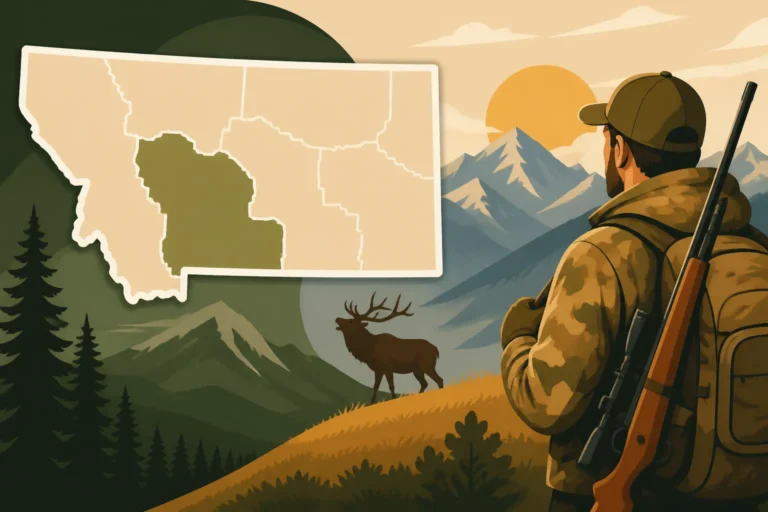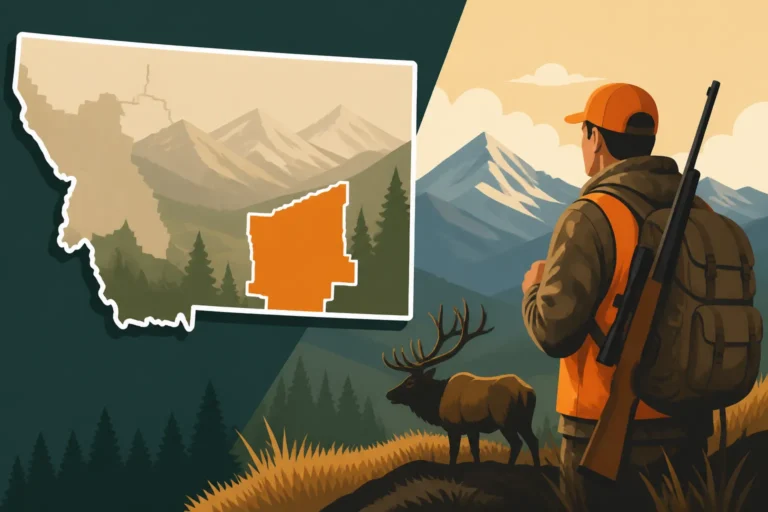
Montana Wilderness Area Hunting
Venturing into Montana's vast wilderness for a hunt is a dream for many, but the sheer scale and untouched nature of these areas can feel utterly overwhelming and intimidating. From understanding complex regulations to the sheer physical demands and the necessity of self-sufficiency, it's easy to feel lost before you even pack your first bag. This comprehensive guide will peel back the layers of hunting in Montana's wilderness areas, giving you the practical insights, detailed preparation strategies, and crucial understanding you need to transform that dream into a successful, unforgettable backcountry experience.
Understanding Montana's Designated Wilderness Areas for Hunting
Montana is home to some of the most iconic wilderness areas in the lower 48, vast tracts of land preserved for their wild character. These aren't just big chunks of public land; they come with specific designations that profoundly impact how you can hunt and even how you can access them. Understanding these distinctions is the first step in planning a wilderness hunt that is both legal and effective. It's about respecting the land and knowing what you're truly getting yourself into.
Legal Designations and Hunting Implications
When we talk about "wilderness areas" in Montana, we're primarily referring to lands designated under the Wilderness Act of 1964. This act defines wilderness as an area "where the earth and its community of life are untrammeled by man, where man himself is a visitor who does not remain." What this means for hunters is a landscape where motorized vehicles, including ATVs, e-bikes, and even mountain bikes, are strictly prohibited. Mechanized transport is out, and that includes chainsaws for firewood. Your access will be by foot or horseback, and that alone dramatically changes the scope and effort required for any hunt. This intentional restriction is what preserves the wild character but also presents significant challenges and rewards for those willing to embrace them.
Beyond federal wilderness, Montana also has some state-designated wilderness study areas or lands managed to maintain wilderness characteristics, though these often have slightly different rules. Always double-check the specific regulations for the particular wilderness area and hunting district you intend to visit. The implications of these designations are profound: you’re not just going off-grid; you're entering a domain where modern conveniences are explicitly excluded. This means everything from packing out your elk meat on your back or a horse, to relying solely on map and compass (though GPS is a critical tool for navigation, it's not a substitute for traditional skills), and being completely self-reliant for the duration of your trip. The restrictions are designed to protect the very essence of "wilderness," making it a truly unique hunting experience, but one that demands rigorous preparation.
Ecological Characteristics and Prime Game Species
Montana's wilderness areas are incredibly diverse, spanning from the dense coniferous forests and rugged alpine peaks of the western mountains to the dramatic river breaks and high plains of the east. This variety of ecosystems translates directly into a rich array of big game species, making these areas prime hunting grounds for those seeking an authentic challenge. In the mountainous wilderness, you’ll find the classic large mammal trio: elk, mule deer, and bighorn sheep. Elk, particularly, thrive in the expansive, unpressured timber and high country basins, often finding sanctuary miles from any road. Mule deer frequent the same high country, especially the transition zones between timber and open slopes. For those with a coveted tag, species like bighorn sheep and mountain goats inhabit the most extreme, rocky alpine environments, truly testing a hunter's endurance and climbing prowess.
As you move towards the eastern fringes of the wilderness or into specific river breaks within larger wilderness systems, you might also encounter whitetail deer, especially along riparian corridors, and black bears. These wilderness areas are critical habitats because they offer undisturbed cover, abundant forage, and minimal human disturbance, allowing game animals to live out their natural lifecycles. Predators like wolves and mountain lions are also present, adding another layer of wildness and complexity to the ecosystem. The ecological integrity of these areas means game animals often exhibit more natural behaviors, less conditioned to human presence, making for a truly wild hunt. Understanding the specific habitat types within your chosen wilderness area will directly inform your scouting efforts and hunting strategies, from dense lodgepole pines to open avalanche chutes and high mountain meadows.
Challenges and Realities of Hunting Wilderness Areas
Let's be honest, hunting Montana's wilderness isn't for the faint of heart. It's tough. It's physically grueling, mentally taxing, and demands a level of self-reliance that many modern hunters aren't accustomed to. But that's exactly why so many of us are drawn to it – the ultimate test, the purest form of hunting, where success feels truly earned. It's crucial to go in with eyes wide open, fully aware of the hurdles you'll face.
Physical Demands and Environmental Hazards
The biggest challenge, without a doubt, is the physical demand. Forget road hunting or even short hikes from a truck; in the wilderness, every mile is earned on foot, often with significant elevation gain and loss. You’ll be carrying a heavy pack, possibly for days or weeks, over uneven terrain, through thick timber, across rocky scree slopes, and up steep mountainsides. Being in peak physical condition isn't just an advantage; it's a necessity for both safety and success. A typical Montana elk hunt in the backcountry involves covering 5-15 miles a day with 3,000-5,000 feet of elevation change, all while carrying a 30-50 pound pack. Then, if you're lucky, you'll add another 100+ pounds of meat to that pack. This is why a proper fitness plan, like those covered in a Montana Elk Hunt Fitness Plan, is non-negotiable.
Beyond the physical exertion, you're constantly battling Mother Nature. Montana weather is famously unpredictable. A warm, sunny September morning can quickly turn into a blizzard by afternoon, especially in the high country. You'll face extreme temperatures, from baking sun to freezing nights, high winds, rain, sleet, and snow. River crossings can be dangerous, especially during run-off or after heavy rains. The terrain itself presents hazards: loose rock, steep cliffs, dense deadfall, and slick timber. And let's not forget the wildlife: encounters with grizzly bears are a very real possibility in many wilderness areas, requiring diligent bear awareness and carrying bear spray. Being prepared for any environmental twist is paramount to survival and a safe return.
Logistical Complexities and Isolation
The logistical planning for a wilderness hunt is akin to planning a mini-expedition. Since you can't rely on vehicles, everything you need for the duration of your trip must be packed in, whether on your back or with horses. This means meticulously planning your food, water purification, shelter, navigation, first aid, and contingency supplies. Deciding between a multi-day backpack hunt where everything you need is on your back versus a drop camp setup with horses for gear resupply profoundly impacts your planning and execution. If you opt for horses, understanding How to Pack Into the Montana Backcountry becomes crucial.
Isolation is another major factor. Once you hike several miles into a wilderness area, you are truly on your own. Cell service is non-existent in most wilderness regions, making satellite communication devices (like a Garmin inReach or a Zoleo) an absolute must for emergencies. Help is not minutes away; it could be hours or even days, depending on your location and the severity of an incident. This isolation means you need to be proficient in wilderness first aid, capable of self-rescue or providing initial care until help arrives. It also means making conservative decisions, recognizing your limits, and having a detailed emergency plan that your hunting partners and someone back home are aware of. The silence and solitude are part of the allure, but they come with a responsibility to be completely self-reliant and prepared for anything.
Essential Gear and Preparation for Wilderness Hunts
When you're heading deep into Montana's wilderness, your gear isn't just about comfort; it's about survival. Every item in your pack needs to earn its weight, be reliable, and serve multiple purposes if possible. This isn't the place to skimp or bring untested equipment. Think minimalist, think durable, think functional.
Backcountry Pack Systems and Essentials
Your backpack is arguably the single most important piece of gear for a wilderness hunt. It needs to be capable of comfortably carrying not only your camping and hunting essentials but also a heavy load of meat on the way out. For elk hunting, look for an internal or external frame pack with a dedicated load shelf or meat hauling capability. Brands like Mystery Ranch, Kifaru, and Stone Glacier are popular for their robust construction and ability to handle extreme weights. A pack in the 65-80 liter range is generally suitable for a 5-7 day hunt. Beyond the pack itself, consider a reliable sleeping system. A lightweight, warm sleeping bag rated for temperatures well below what you expect (Montana nights can be surprisingly cold) and an insulated sleeping pad are crucial for good rest.
Your shelter should be a lightweight, durable tent or tarp system that can withstand high winds, heavy rain, and snow. Single-wall tents or ultralight two-person tents are popular choices to save weight. Clothing layering is absolutely vital: a moisture-wicking base layer, insulating mid-layers (fleece or puffy jacket), and a waterproof/breathable outer shell are essential for adapting to Montana's rapidly changing weather. Don't forget durable, broken-in hunting boots that provide excellent ankle support and traction, and gaiters to keep snow and debris out. For detailed options, check out our guide on Best Boots for Montana Elk Hunting and Best Backpack for a Montana Elk Hunt. Always pack a headlamp with extra batteries, a sharp knife, fire starting supplies, and a compact first-aid kit that's tailored for wilderness emergencies.
Navigation Tools and Communication
In the vastness of Montana's wilderness, getting lost isn't just an inconvenience; it can be life-threatening. A reliable navigation system is non-negotiable. While traditional map and compass skills are foundational and you should carry a physical map and compass as a backup, modern GPS units and smartphone apps have revolutionized backcountry navigation. An app like onX Hunt is an invaluable tool for understanding land ownership, tracking your location, marking waypoints, and pre-scouting your route. Before you leave cell service, download all necessary maps for offline use. This includes topographic maps, satellite imagery, and ownership layers. Using onX Hunt, you can mark potential bedding areas, water sources, and escape routes from your computer at home, then sync them to your phone or dedicated GPS.
For communication, especially in emergencies, a satellite messenger device is critical. Devices like the Garmin inReach Mini 2 or the Zoleo Satellite Communicator allow you to send and receive text messages, share your location, and trigger an SOS signal even when miles from any cell tower. These devices provide an essential lifeline to the outside world, giving peace of mind to both you and your loved ones back home. Remember to fully charge all electronic devices and carry portable power banks or solar chargers to extend battery life, as cold temperatures can drain batteries quickly. Having a well-rehearsed plan for how to use these devices in an emergency and informing someone of your itinerary, including check-in times, is just as important as the devices themselves.
Food, Water, and Shelter Considerations
Proper nutrition and hydration are key to maintaining energy and focus on a strenuous wilderness hunt. When planning your food, prioritize lightweight, high-calorie, and nutrient-dense options. Dehydrated meals are popular for dinner, while high-energy bars, nuts, jerky, and dried fruit work well for breakfast and lunch. Estimate roughly 2,500-4,000 calories per day, depending on your activity level, and always pack an extra day or two's worth of food as a buffer for unexpected delays.
Water is another critical element. While Montana wilderness areas often have abundant streams and springs, you should never drink directly from them. A reliable water filter or purification system (such as a Sawyer Squeeze or Katadyn BeFree) is essential to prevent waterborne illnesses. Carry multiple ways to purify water, including chemical tablets as a backup. Know your water sources ahead of time through map scouting and be prepared to carry enough water between sources if necessary. A collapsible water reservoir or bladder system is often more efficient than multiple small bottles.
For shelter, as mentioned before, a lightweight and durable tent is paramount. But beyond the tent, think about your sleep system's insulation. The ground in the mountains will suck heat right out of you, so a high R-value sleeping pad is crucial. Even in early archery season, nighttime temperatures can drop below freezing, making a warm sleeping bag (rated to at least 0°F or 15°F, depending on the season and elevation) non-negotiable for a good night's rest and proper recovery. A small, lightweight camp stove and fuel are also vital for cooking meals and boiling water. Brands like Jetboil or MSR PocketRocket are excellent for quick, efficient cooking, saving precious fuel and time.
Navigating Regulations and Access in Montana's Wilderness
Hunting in Montana's wilderness areas isn't just about physical preparation and gear; it's also about understanding and adhering to a complex web of regulations. These rules are in place to preserve the unique character of these lands and ensure sustainable wildlife populations. Ignorance of the law is never an excuse, and a violation could cost you your hunt, your equipment, and potentially your hunting privileges for years to come.
Permits, Licenses, and Special Restrictions
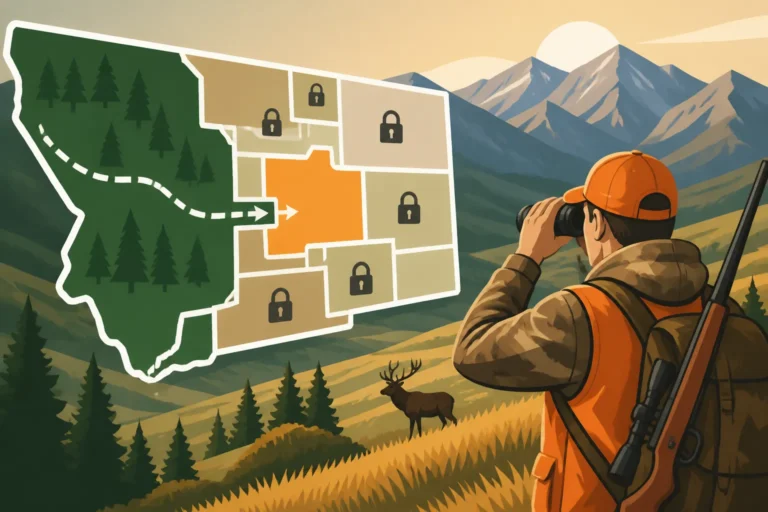
First and foremost, you need the appropriate Montana hunting licenses and tags for the species you intend to pursue. For non-residents, this typically involves drawing a combination license, like the Montana Elk Draw Deadline and How to Apply, or specific species tags through a competitive draw. Wilderness areas often fall within general hunting districts, but some might be part of limited-entry permit areas, which require even more points and luck to draw. Always consult the current Montana Fish, Wildlife & Parks (FWP) regulations booklet and their website for the most up-to-date information specific to your chosen hunting district.
Beyond general hunting licenses, specific wilderness areas might have additional restrictions. For example, certain areas may have antler point restrictions for bull elk or minimum length requirements for deer. Some wilderness areas have restrictions on camping locations, fire use, or even group size. The use of game cameras is generally allowed on public land, but specific wilderness units might have prohibitions. It's also crucial to understand meat care and packing regulations; you're responsible for packing out all edible meat, and failure to do so can result in citations. Familiarize yourself with the concept of a Montana General vs Permit Tag Strategy to maximize your draw odds and understand where these tags are valid. Being meticulous in your research ensures you're hunting legally and ethically within these special landscapes.
Motorized Vehicle Restrictions and Horse Use
This is perhaps the most defining characteristic of wilderness area hunting: the absolute prohibition of motorized and mechanized vehicles. This means no trucks, ATVs, dirt bikes, e-bikes, or even mountain bikes are allowed beyond the wilderness boundary. The only forms of transportation permitted are foot travel or horseback. This restriction is often the biggest hurdle for hunters accustomed to easier access, as it demands significantly more physical effort or the logistical challenge of incorporating horses into the hunt. If you're considering a horse pack trip, you'll need reliable animals, the skills to manage them in rugged terrain, and all the necessary equipment, from pack saddles to hobbles.
For hunters using horses, understanding low-impact camping practices is crucial. This includes tying horses in a way that minimizes damage to vegetation, scattering manure, and avoiding overgrazing small areas. Bear canisters might be required for food storage in some wilderness areas, especially in places like the Absaroka-Beartooth Wilderness, where grizzly activity is high. Even without horses, you'll be leaving behind your vehicle at a trailhead, so parking security and trailhead regulations are important to consider. Respecting these access restrictions is not just about avoiding a ticket; it's about preserving the solitude and untrammeled nature that makes wilderness hunting so special. This is also where an app like onX Hunt becomes invaluable for clearly identifying wilderness boundaries and restricted access points.
Specific Wilderness Areas and Their Hunting Opportunities
Montana boasts several incredible wilderness areas, each offering unique challenges and opportunities for the intrepid hunter. While the general ethos of wilderness hunting applies across the board, understanding the distinct characteristics of these major areas can help you narrow down your focus and plan a more effective hunt.
The Bob Marshall Wilderness Complex
Often simply called "The Bob," the Bob Marshall Wilderness Complex is a truly immense expanse, encompassing over 1.5 million acres across three contiguous wilderness areas: the Bob Marshall, Great Bear, and Scapegoat Wildernesses. It's one of the largest wilderness areas in the lower 48 states and is legendary for its elk hunting. Imagine vast, roadless country, dense timber, high alpine meadows, and the headwaters of the Flathead and Sun Rivers. The sheer size means that elk can find vast refuges from human pressure, often leading to more natural rutting behavior and larger, less pressured bulls. Our guide on How to Hunt Montana Elk in the Bob Marshall offers a deep dive into this incredible area.
Hunting "The Bob" is the quintessential Montana backcountry experience. It's typically a horseback hunt due to the distances involved, though hardcore backpack hunters do tackle it. Access points are numerous, but once you're a few miles in, you’re committed. The primary game species here are elk and mule deer, with black bears and grizzlies also present. Hunters often target the general rifle season, but the archery season can be spectacular during the peak rut, offering incredible calling opportunities. Weather can be extreme, and hunters must be prepared for anything from warm Indian summer days to early blizzards. This is truly an area where a strong pack, excellent navigation, and unwavering determination are rewarded.
Absaroka-Beartooth Wilderness
Located in south-central Montana, bordering Yellowstone National Park, the Absaroka-Beartooth Wilderness (often referred to as the "A-B") is another crown jewel, spanning nearly a million acres. This area is characterized by its dramatic, rugged peaks, some of the highest in Montana, including Granite Peak. It’s a land of high alpine plateaus, glacial lakes, and steep canyons, with timbered slopes transitioning into tundra-like environments. This wilderness offers some incredible hunting for elk, mule deer, bighorn sheep, and even mountain goats for those lucky enough to draw a tag.
The Absaroka-Beartooth presents some of Montana's most challenging terrain. Expect significant elevation gains and rocky, difficult travel. Due to its proximity to Yellowstone, grizzly bear activity is very high, making bear awareness and preparedness paramount. Access is often through long, steep trails, with popular entry points near Nye, Cooke City, and Gardiner. Many hunters will opt for horses or llamas to get deep into this country, setting up base camps in remote basins. For those pursuing sheep or goats, the physical demands are extreme, requiring serious mountaineering skills. The beauty of the A-B is unparalleled, but it demands respect and thorough preparation for its unforgiving nature.
Anaconda-Pintler Wilderness
Nestled in southwestern Montana, the Anaconda-Pintler Wilderness, locally known as "the A-P," covers a substantial 158,615 acres. While smaller than "The Bob" or "A-B," it offers equally rugged and rewarding hunting experiences. This wilderness is characterized by its high, glaciated peaks, clear alpine lakes, and extensive lodgepole pine forests, with significant areas of open parks and meadows. It forms a critical migratory corridor for big game, especially elk, between the Sapphire and Bitterroot Mountains.
The A-P is a fantastic destination for elk and mule deer hunting, with opportunities for mountain goats in the highest elevations. Access points are generally found off the Pintler Scenic Route (Highway 38) and Highway 1 in the Big Hole Valley. Many hunters choose to backpack into this area, utilizing its extensive trail system. While it can be challenging, the A-P is often considered slightly more accessible than some of the state's larger wilderness areas, making it a good choice for experienced backpack hunters looking to get deep without a multi-week expedition. The steep timbered slopes provide excellent cover for elk, and glassing open basins during early morning and late evening can be very productive.
Strategies for Success in Remote Montana Wilderness
Success in Montana's wilderness isn't about luck; it's about meticulous planning, adapting to the environment, and pushing through physical and mental barriers. The remote nature of these areas demands a different approach than hunting closer to roads or private land.
E-Scouting and Pre-Season Planning
Your wilderness hunt begins long before you set foot on the trail. E-scouting is an absolutely critical component of pre-season planning for remote areas. Using tools like onX Hunt and GoHunt's Insider platform, you can spend countless hours analyzing satellite imagery, topographic maps, and public land overlays from the comfort of your home. Look for key terrain features: north-facing slopes with dark timber (elk love these for bedding), water sources (especially late in the season), saddles, ridges, and natural funnels. Identify potential glassing points, possible camp locations, and escape routes in case of an emergency or a successful harvest.
Beyond terrain, delve into historical data. GoHunt's platform, for instance, provides draw odds, harvest statistics, and even unit overviews that can give you insights into game populations and hunter pressure. Pay close attention to previous year's weather patterns and how they might affect animal movement. Use your e-scouting to identify areas that are difficult to access, as these often hold less pressured animals. Plot out multiple potential routes and hunting strategies. Create contingency plans for different weather scenarios or if your primary hunting area proves unproductive. This detailed digital reconnaissance will save you countless miles and precious time in the field, helping you to make informed decisions when you're actually on the mountain. To learn more about utilizing these tools, check out our guide on How to E-Scout Montana Hunting Units.
On-the-Ground Tactics and Adaptability
Once you're actually in the wilderness, your pre-season planning shifts to on-the-ground execution, but with a constant need for adaptability. Start slow and deliberately. Don't rush into your chosen area. Take time to observe, listen, and let the landscape reveal itself. Utilize high points for glassing, spending hours patiently searching for animals. In vast wilderness areas, elk and deer often have predictable patterns, but they can be miles apart. Learning How to Glass Montana's Big Country is a crucial skill here.
Employing a blend of active and passive hunting strategies is often most effective. This might involve How to Spot-and-Stalk Montana Mule Deer in open country or using calling tactics to locate and draw in elk, especially during the rut. Patience is key; it often takes days to find unpressured animals in these remote settings. Be prepared to change your plans based on animal sign, fresh tracks, weather shifts, or unexpected hunter pressure (though significantly less common in the deep wilderness). Always play the wind, be mindful of thermals, and move quietly through the timber. Your ability to read the landscape, adjust your approach, and push through discomfort will ultimately determine your success in these magnificent, challenging hunting grounds.
Table of Montana Wilderness Area Overviews
To give you a clearer picture of some of Montana's most significant wilderness hunting areas, here's a quick comparison. Remember, specific regulations, draw odds, and game densities can vary significantly year to year, so always consult current FWP resources.
| Wilderness Area | Size (Acres) | Primary Game Species | Terrain Characteristics | Key Challenges | Common Access |
|---|---|---|---|---|---|
| Bob Marshall Complex | 1.5 Million+ | Elk, Mule Deer, Bear | Vast, dense forests, river bottoms, high peaks | Sheer size, long distances, extreme weather, grizzly | Foot, Horseback from numerous trailheads |
| Absaroka-Beartooth | ~944,000 | Elk, Mule Deer, Sheep, Goat | Rugged alpine, high peaks, glacial lakes, steep canyons | Extreme elevation, rocky terrain, high grizzly activity | Foot, Horseback (Nye, Cooke City, Gardiner) |
| Anaconda-Pintler | ~158,000 | Elk, Mule Deer, Goat | Glaciated peaks, alpine lakes, lodgepole forests | Steep slopes, dense timber, physically demanding | Foot, Backpack from Highways 38 & 1 |
| Scapegoat Wilderness | ~239,000 | Elk, Mule Deer, Bear | Rugged mountains, thick timber, open parks | Remote, similar to Bob Marshall, grizzly | Foot, Horseback (part of Bob Marshall Complex) |
| Lee Metcalf Wilderness | ~259,000 | Elk, Mule Deer | High peaks, open ridges, timbered drainages | Steep, remote, high grizzly activity | Foot (from Madison Range trailheads) |
Final Thoughts on Montana Wilderness Hunting
Hunting in Montana's wilderness areas isn't just a pursuit of game; it's an immersive journey into raw nature, a test of will, and a profound experience that few other hunts can offer. The challenges are immense, from the sheer physical exertion to the intricate logistical planning and the absolute necessity of self-reliance. Yet, the rewards are equally grand: the solitude of untouched landscapes, the thrill of chasing truly wild animals, and the deep satisfaction of earning every step, every ounce of meat, and every memory made far from the trappings of modern life.
While the effort required is substantial, the opportunity to hunt elk in a place like the Bob Marshall Wilderness or pursue mule deer in the rugged Absaroka-Beartooth is an experience that will stay with you forever. Embrace the preparation, respect the land, and understand that success isn't always measured by a punched tag, but by the journey itself. If you're ready to answer the call of the wild and dedicate yourself to the process, Montana's wilderness offers an unparalleled adventure. For a deeper understanding of planning such an expedition, consider exploring guides like Montana Backcountry Hunting Guide or even Montana DIY Elk Hunting Guide.
Disclaimer
Hunting in Montana's wilderness areas carries inherent risks, including but not limited to adverse weather conditions, dangerous terrain, wildlife encounters, and the potential for serious injury or death. This guide provides general information and should not be considered a substitute for thorough personal research, consultation with Montana Fish, Wildlife & Parks, professional outfitter advice, or adequate preparation and experience. Always prioritize safety, adhere to all regulations, and inform others of your travel plans. The author and publisher are not responsible for any accidents, injuries, or legal issues that may arise from using this information.