How to Avoid Crowds on Montana Public Land
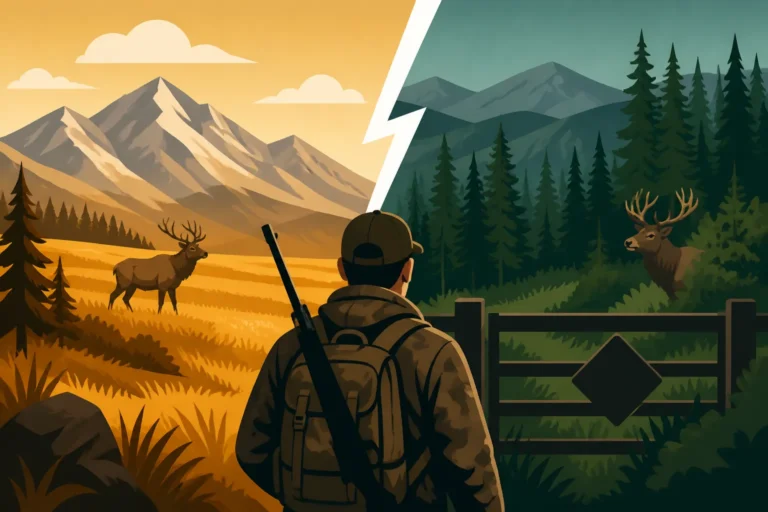
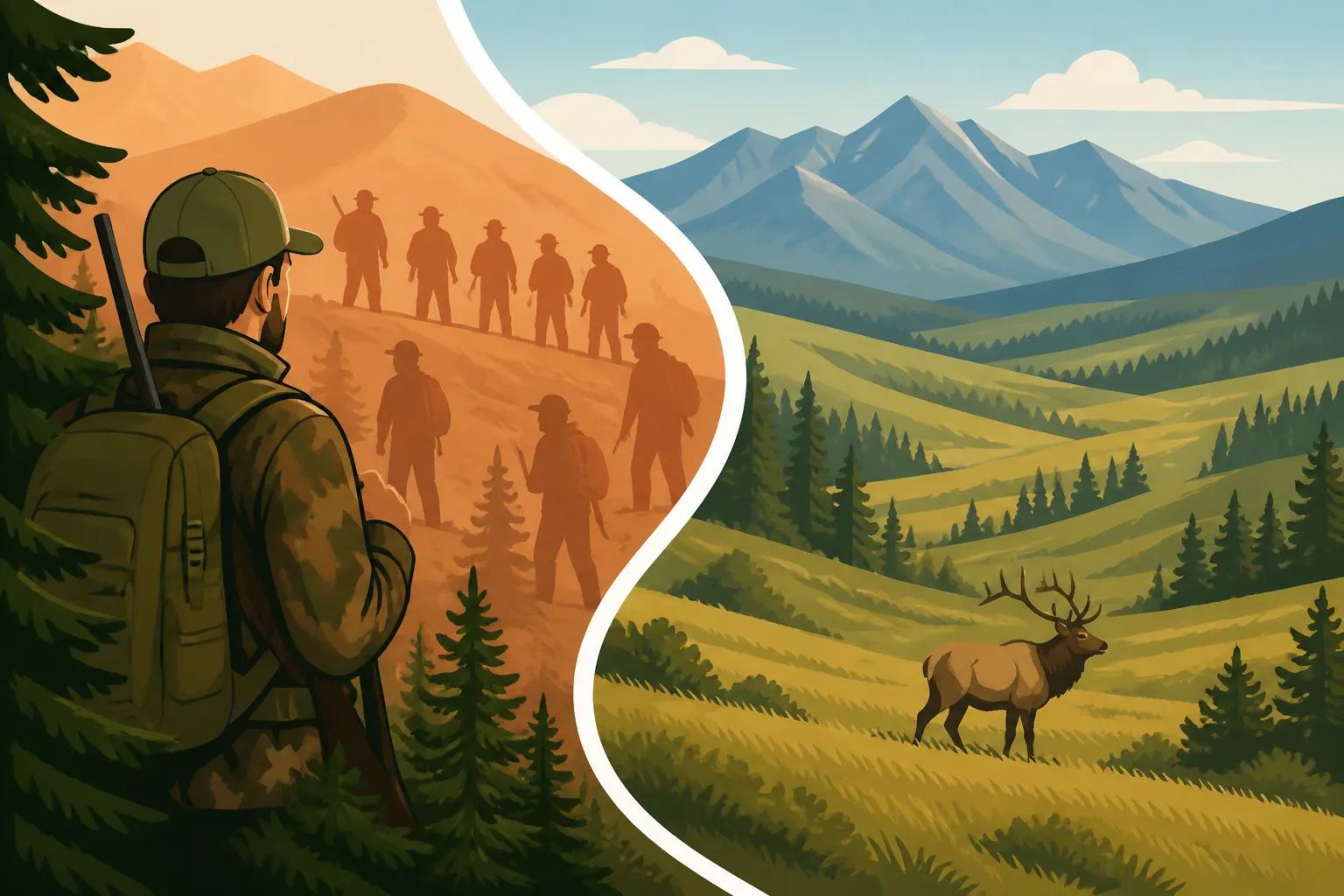
It’s a scenario every hunter dreads: you’ve put in countless hours scouting maps, driven miles through the dark morning, only to pull up to your chosen public land trailhead and find three other trucks already there. The dream of a quiet, solitary Montana hunt can quickly feel shattered by the reality of increasing hunter pressure. This guide is all about equipping you with the knowledge and strategies to navigate Montana's vast public lands, find that hard-earned solitude, and truly experience the wild as it was meant to be.
Understanding the Dynamics of Hunter Pressure
Montana's public lands are a treasure, but with their popularity comes a challenging truth: everyone else knows they're treasures too. The sheer number of hunters, both resident and nonresident, means that easily accessible areas often get hit hard. This isn't just about competing for game; it's about the entire wilderness experience. If you’re constantly seeing orange vests or hearing distant shots, it can fundamentally change the feeling of being out there.
The Impact of Easy Access and Road Systems
The biggest magnet for crowds on public land is invariably vehicle access. Anywhere you can drive right to or within a short walk of your hunting spot, you're going to find company. These areas are popular for a reason—they reduce the physical demand of hunting and make packing out game significantly easier. For many, especially those with physical limitations or less time, these spots are essential.
However, for those seeking solitude, these road systems become the enemy. They concentrate hunters along predictable routes, pushing game deeper or making them more nocturnal. Elk, especially, are masters at discerning pressure, often moving into thick timber or roadless areas once the season opens. Understanding this relationship between roads and hunter distribution is your first step in charting a course away from the masses. Even a short half-mile walk off a main road can often shake a surprising percentage of hunters.
Peak Season and Weekend Warrior Concentrations
Another significant factor contributing to crowded public land is the timing of your hunt. The opening weekend of archery season and particularly general rifle season sees a massive influx of hunters. Everyone is eager to get out, and many can only dedicate weekends to their passion. This creates predictable spikes in pressure across popular districts.
If your schedule allows, hunting weekdays can be a game-changer. Even mid-week during the general season, many areas that were bustling on Saturday and Sunday become eerily quiet. This often means less competition for prime spots and less disturbed animals. The week between the archery opener and general rifle season, or the late-season hunts when temperatures drop, also tend to see fewer people afield. It's about finding those windows where the casual hunter might be deterred or simply unable to make it out.
Strategic E-Scouting for Solitude
In today's hunting world, effective e-scouting is less of a luxury and more of a necessity, especially when your goal is to avoid crowds. Digital mapping tools have revolutionized how we find those hidden gems and understand terrain before ever setting foot on it.
Leveraging Digital Mapping Applications
Tools like onX Hunt have become indispensable for public land hunters in Montana. These apps allow you to meticulously pore over maps, identify public land boundaries, and spot potential access points and terrain features from the comfort of your home. You can analyze topo maps, satellite imagery, and even historical burn areas or timber cuts.
When looking for solitude, focus on layers that reveal roadless areas, wilderness boundaries, and areas far from established trailheads. Look for fingers of public land that extend into private holdings, or isolated chunks that require a longer walk-in. These can often be overlooked by hunters sticking to more obvious access points. Don't just look for "green" public land; look for challenging green public land. The tougher the access looks on a map, the fewer people are likely to be there. This detailed digital reconnaissance is key to developing an effective strategy.
Identifying Difficult-to-Access Terrain Features
The key to finding unpressured game is often finding unpressured ground, which usually means tough terrain. When e-scouting, pay close attention to areas marked by steep elevation changes, dense timber, or vast distances from roads. These are natural filters for hunter pressure.
For example, a basin that requires a 3,000-foot ascent over five miles is likely to hold fewer hunters than one just off a gravel road. Look for areas with a high density of contour lines, indicating steep slopes, or large swaths of dark green on satellite imagery that signify thick forests. These challenging features often deter a significant portion of hunters, creating sanctuaries for game animals. Remember, elk and deer don't mind steep or thick cover; in fact, they often prefer it for security. Your willingness to embrace the difficulty is your ticket to fewer crowds.
Utilizing Draw Odds and Hunting Pressure Data
While less direct, understanding draw odds and harvest data can also guide you toward less-pressured areas. Resources like GoHunt provide valuable insights into specific hunting districts, including permit numbers, success rates, and even an estimation of hunter numbers. Districts with very high draw odds for general tags, or those that require significant preference points for limited-entry permits, often indicate differing levels of pressure.
A district with a high number of general tags might seem like it would be crowded, but if the terrain is particularly brutal or the overall success rate is low, it might actually see less pressure than a district with fantastic success rates that everyone is trying to get into. Similarly, looking at harvest statistics can sometimes reveal patterns. If a district has consistently low harvest numbers despite a healthy animal population, it could suggest difficult access, which translates to fewer hunters willing to put in the work. This information, when combined with your mapping efforts, paints a clearer picture of where you might find a less crowded experience. For more on this, check out our guide on how to read Montana draw odds.
On-the-Ground Tactics for Evading Crowds
Once you've done your homework and picked a promising spot, the real work begins. Your behavior in the field plays a huge role in whether you encounter other hunters or successfully slip into untouched territory.
Going Deeper and Further Off-Trail
This is arguably the most effective way to avoid crowds in Montana. The vast majority of hunters operate within a mile or two of roads, trails, or easily accessible parking areas. If you're willing to go beyond that, your chances of finding solitude skyrocket. This often means embracing a true backcountry mindset.
Packing in with a reliable backpack, like those from Mystery Ranch or Kifaru, allows you to establish a spike camp miles away from any vehicle access. Consider hunting areas that demand a minimum of 3-5 miles of hiking, traversing rough terrain, or even crossing small drainages that deter others. These efforts quickly thin out the competition. Remember, game animals often respond to pressure by retreating into these deeper, harder-to-reach areas. By going further, you're not just avoiding people; you're often getting into the animals' sanctuary. Read more about Montana backcountry hunting guide tactics here.
Hunting Mid-Week and Off-Peak Hours
As mentioned earlier, hunter density peaks on weekends, especially opening weekend and during the rut. If your schedule permits, planning your hunts for Tuesdays, Wednesdays, and Thursdays can dramatically reduce your encounters with other hunters. Many areas that feel overrun on a Saturday morning will feel wonderfully empty on a Tuesday.
Beyond weekdays, also consider your hunting hours. Most hunters are out during the prime morning and evening hours. However, being in the woods before dawn and staying after dusk, or even taking a calculated midday stalk, can put you in places when others are resting or heading back to camp. During the general rifle season, midday pressure often pushes elk into their bedding areas, which can be exactly where you want to be if you're prepared for a slow, silent still-hunt. Learning how to move quietly through Montana timber is crucial for this.
Utilizing Wind, Thermals, and Unconventional Routes
Animals rely heavily on their sense of smell, making the wind and thermals your most critical tools for remaining undetected. However, these natural phenomena can also be your ally in avoiding other hunters. By studying how wind currents and thermals behave in your chosen terrain, you can plan routes that minimize your scent cone to game and potentially other hunters.
Instead of following obvious game trails or widely-used routes, look for an unconventional approach. This might involve climbing a ridge and dropping into a drainage from an unexpected direction, or skirting a known bedding area on its downwind side. Using thermals correctly, which typically rise in the morning and fall in the evening, allows you to approach animals when your scent is least likely to give you away. This strategy often puts you in places others won't consider, leading to less competition. Understanding how to use the wind hunting Montana elk and how to use thermals in Montana elk country are essential skills for this approach.
Maximizing Less-Used Access Points and Programs
Montana offers a variety of programs and types of public land that, if understood and utilized correctly, can provide exceptional hunting opportunities with significantly reduced crowds. It's all about knowing where to look and how to access these often-overlooked gems.
Exploring Block Management Areas
Montana's Block Management Program (BMA) is a fantastic resource, particularly for deer and antelope hunting, but many offer elk access too. These are parcels of private land, sometimes interspersed with public land, that landowners enroll in the program to allow public hunting access. The beauty of BMAs is that they often have specific sign-in requirements, hunter quotas, or designated parking areas, which effectively manage and limit the number of people in a given area.
This structured access can be a double-edged sword: you might need to show up early to get a spot, but once you're in, you'll know precisely how many other hunters are (or aren't) in your assigned area. Many BMAs are remote, require significant walk-in efforts, or are managed by FWP to spread out pressure. Always check the FWP Block Management website for specific rules and access maps, as they change annually. Learning how to use Block Management for DIY hunts can significantly increase your chances of finding unpressured game.
Utilizing State Trust Lands and BLM Access
While National Forests and Wilderness Areas get a lot of attention, don't overlook Montana's State Trust Lands and Bureau of Land Management (BLM) acreage. These lands are often found in the rolling hills and plains regions, providing excellent opportunities for species like antelope and mule deer, but also hold elk in some areas. They frequently lack extensive road systems or developed trailheads, making them less obvious choices for the casual hunter.
State Trust Lands generally require a special license (the State Land Use License) on top of your base hunting license, which can act as a small barrier to entry, further reducing pressure. BLM lands, particularly those with difficult vehicle access or landlocked parcels, can be goldmines for solitude. Always verify the legality of access to landlocked public lands and respect private property boundaries. For detailed information on finding public land in a Montana district, consult your digital mapping tools like onX Hunt.
Focusing on Wilderness and Roadless Areas
If true solitude is your ultimate goal, then Montana's vast wilderness areas and designated roadless areas are where you need to focus your efforts. These areas prohibit motorized travel, meaning access is strictly by foot or horseback. This instantly eliminates a huge percentage of hunters who aren't willing or able to commit to packing in.
Regions like the Bob Marshall Wilderness Complex, the Absaroka-Beartooth Wilderness, or other designated roadless areas within National Forests offer vast, untouched landscapes where game animals can live out their lives with minimal human disturbance. Hunting these areas requires meticulous planning, a robust gear list (including your Best Backpack for a Montana Elk Hunt), and often significant physical endurance. But the reward is an unparalleled hunting experience, where the only tracks you'll likely see are those of wildlife. It's not for the faint of heart, but it's the closest you'll get to truly escaping the crowds in Montana.
| Tactic | Effort Level (1-5, 5 being highest) | Effectiveness for Avoiding Crowds (1-5, 5 being highest) | Typical Terrain | Primary Game Species Benefit |
|---|---|---|---|---|
| Go Deeper Off-Trail | 4-5 | 5 | Mountains, Timber | Elk, Mule Deer |
| Hunt Mid-Week/Off-Peak | 2 | 3-4 (depends on popularity) | All | All Big Game |
| Utilize Wind/Thermals | 3 | 3 | Mountains, Rolling Hills | All Big Game |
| Explore Block Management | 2-3 | 4 (regulated access) | Plains, Foothills | Antelope, Deer, some Elk |
| Target State Trust/BLM | 3 | 3-4 (less obvious access) | Plains, Rolling Hills | Antelope, Mule Deer |
| Focus on Wilderness/Roadless | 5 | 5+ (minimal human presence) | High Mountains, Thick Timber | Elk, Mule Deer, Mountain Goat, Sheep |
Disclaimer
Hunting is an inherently risky activity. This guide is for informational purposes only and does not endorse unsafe practices. Always prioritize safety, adhere to all Montana Fish, Wildlife & Parks regulations, and obtain the necessary licenses and permits. Be prepared for rapidly changing weather conditions and emergencies, and always inform someone of your hunting plans and expected return.