Hunting the Kootenai National Forest
Hunting a vast, rugged expanse like the Kootenai National Forest can feel utterly overwhelming, like trying to find a needle in a haystack where the haystack covers over 2 million acres of diverse terrain. It’s a common frustration for both seasoned and new hunters alike, staring at maps filled with endless green without a clear idea of where to even begin. This guide aims to break down the complexities of hunting the Kootenai, offering practical insights into its unique landscape, the game it holds, crucial access information, and essential strategies to help you navigate this incredible corner of Montana and turn your hunting dreams into reality.
Understanding the Kootenai National Forest Landscape
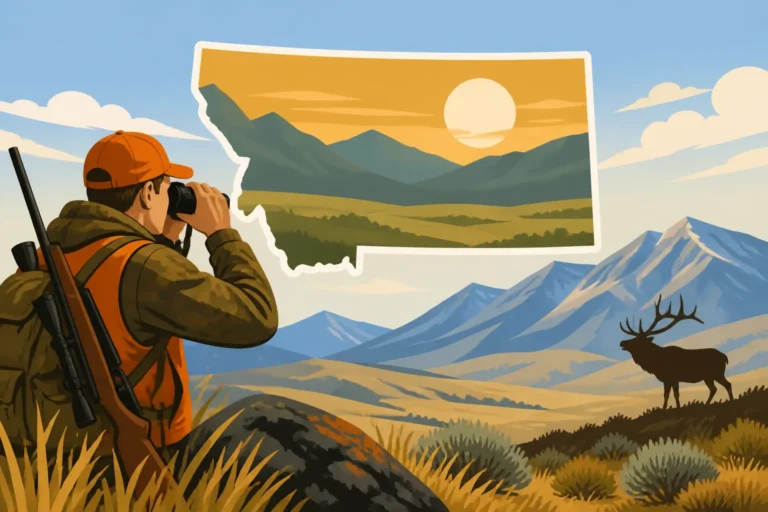
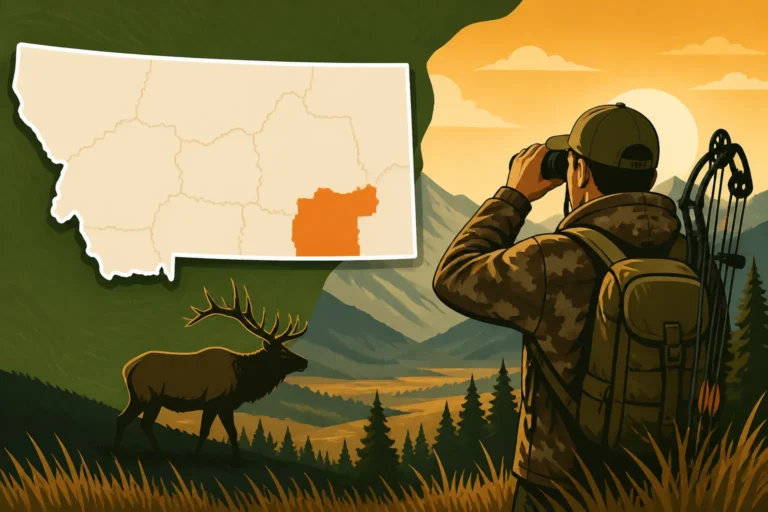
The Kootenai National Forest, tucked away in the northwestern corner of Montana, is a true gem, bordering Idaho to the west and Canada to the north. It’s a place defined by its majestic mountains, dense forests, and the lifeblood of the Kootenai River. But this beauty comes with inherent challenges for hunters; its sheer scale and ruggedness demand careful planning and a deep understanding of the territory.
Geography and Key Features
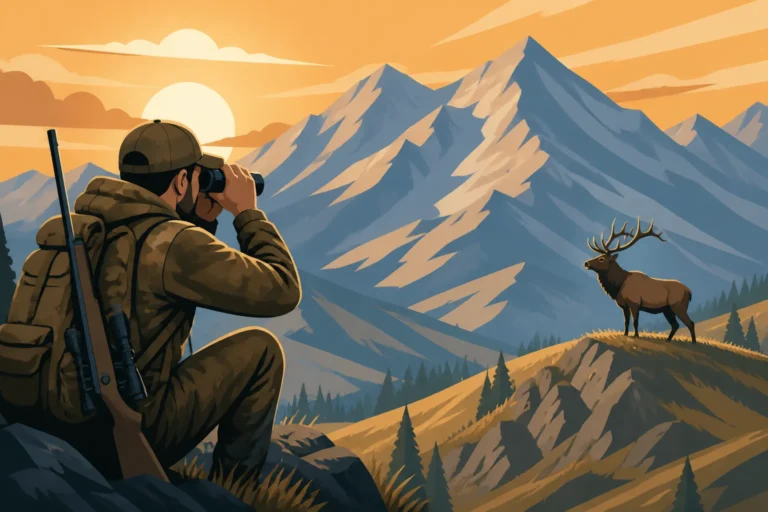
Imagine an area dominated by the Cabinet Mountains and the Salish Mountains, with peaks soaring well over 7,000 feet. This isn't rolling hills; it's steep, unforgiving terrain carved by ancient glaciers and fed by countless creeks and rivers. The Kootenai River itself is a dominant feature, creating vital riparian corridors that are magnets for wildlife. You'll find everything from broad, timbered valleys to narrow, rocky canyons and high alpine basins that hold snow late into the year. The diverse topography means elk, deer, and other game can utilize a vast range of habitats, often moving vertically to escape pressure or find feed. Understanding these elevation changes and the natural barriers they create is fundamental to successful hunting here.
When you're looking at a map, don't just see green; envision the drainages, the ridges, and the saddle points. Consider how these features funnel animals or provide escape routes. The deep timber can be incredibly difficult to navigate, and visibility is often limited to mere yards. This isn't wide-open country where you can glass for miles; it often requires slow, deliberate still-hunting or methodical glassing of smaller openings. The density of the forest, combined with steep slopes, can make packing out an animal an arduous, multi-day undertaking.
Ecosystems and Game Habitat
The Kootenai's diverse geography leads to an equally diverse array of ecosystems, each supporting specific types of game. The lower elevations, especially near river bottoms and along major drainages, feature a mix of ponderosa pine, Douglas fir, and riparian vegetation like cottonwoods and willows. These areas are prime habitat for whitetail deer, particularly during the rut, and can hold black bear as well. Elk will move through these areas, especially in early season or during harsh winters, but often prefer the higher, thicker security cover.
As you ascend, the forest transitions to denser stands of lodgepole pine, spruce, and subalpine fir. These dark timber areas, often punctuated by old clear-cuts or burns, are quintessential elk country. Elk rely on the dense cover for bedding and thermal regulation, especially during hunting season when pressure pushes them into their sanctuaries. Mule deer, while present throughout, often favor the more open, broken timber and south-facing slopes, particularly as winter approaches. Understanding these habitat preferences is key to knowing where to focus your efforts. For example, a south-facing slope with a mix of timber and open browse will be attractive to mule deer for feeding and sunning, while an adjacent north-facing slope with dense, dark timber will be a likely bedding area for elk.
Species to Hunt in the Kootenai National Forest
The Kootenai National Forest offers a wealth of hunting opportunities for a variety of big game species and even some upland birds. However, knowing what's available and where to focus your efforts is crucial, as populations and access vary significantly.
Elk and Deer Opportunities
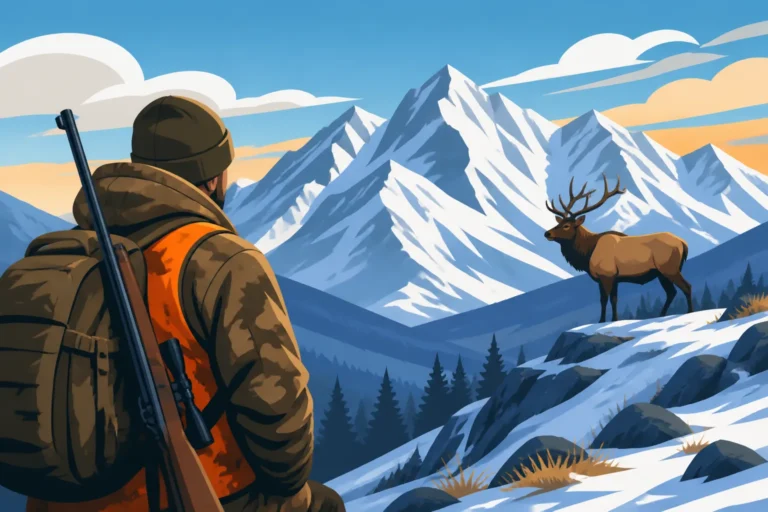
Elk are arguably the most sought-after big game animal in the Kootenai. While not boasting the herd numbers of some central or eastern Montana districts, the Kootenai offers a challenging, rewarding hunt for both bull and cow elk. During the archery season, especially through September, you'll often find bulls in their rutting patterns, responding to calls in the higher elevations and dark timber. Success often comes from covering serious ground, locating active areas, and then employing classic strategies like bugling or cow calling. For a deeper dive into calling tactics, check out our guide on How to Call Elk in Montana. Once the rifle season begins, elk tend to gravitate towards the densest cover, often moving into roadless areas or wilderness study areas to escape hunter pressure. This means hunters must be prepared to venture deep into the backcountry, often requiring multi-day trips.
Both mule deer and whitetail deer are abundant in the Kootenai. Whitetails primarily inhabit the lower elevations, river bottoms, and agricultural fringes that border the forest. Hunting these areas often involves still-hunting through riverine thickets, setting up tree stands, or utilizing ground blinds near known travel corridors. Mule deer, conversely, are typically found at higher elevations, preferring the more open, broken timber and brushy slopes. Spot-and-stalk tactics are highly effective for mule deer, requiring patience and good optics to locate them in their preferred habitats. Understanding the distinct behaviors and preferred habitats of these deer species will greatly influence your hunting strategy in this region.
Other Big Game and Upland Birds
Beyond elk and deer, the Kootenai also offers opportunities for other species, though often under more restrictive conditions. Black bears are common throughout the forest, with both spring and fall hunting seasons. Spring bear hunting often involves baiting or spot-and-stalk tactics on south-facing slopes where bears emerge from hibernation to feed on new growth. Fall bear hunting can coincide with deer and elk seasons, with bears often found in areas with abundant berry crops or near active game trails.
Mountain lion hunting is also available, typically requiring a permit and often utilizing hounds, though still-hunting is possible for patient and experienced hunters. Moose tags are extremely limited in Montana and are usually obtained through a highly competitive draw process, but the Kootenai does contain some moose habitat. If you're lucky enough to draw a moose tag, expect to hunt dense, wet areas. For smaller game, the Kootenai provides excellent opportunities for various upland birds, including ruffed grouse, spruce grouse, and dusky grouse (blue grouse). These birds are often found along logging roads, creek bottoms, and in dense timber patches, offering a fun diversion or an additional challenge during big game seasons.
Navigating Access and Regulations in the Kootenai
One of the biggest hurdles for any hunter planning a trip to the Kootenai National Forest is figuring out access and staying compliant with Montana's specific hunting regulations. This isn't a place where you can just show up; careful research and planning are paramount.
Public Access Points and Road Systems
The Kootenai National Forest boasts an extensive network of Forest Service roads, some well-maintained and open, others gated, deactivated, or requiring high-clearance 4×4 vehicles. These roads provide the primary arteries for accessing the vast public lands. However, many areas within the Kootenai are designated as roadless or wilderness study areas, meaning motorized access is strictly prohibited beyond certain points. These wilderness areas, like parts of the Cabinet Mountains Wilderness, offer incredible solitude and potential for untouched hunting opportunities, but they demand a commitment to foot or horseback travel. If you're considering hunting these areas, be sure to brush up on Montana Backcountry Hunting Guide principles.
Using mapping tools like onX Hunt is absolutely essential here. It allows you to visualize the road network, identify legal public access points, distinguish between open and closed roads (though always double-check with the local Forest Service office), and mark property boundaries. There's nothing worse than hiking miles only to find yourself on private land or a closed access point you didn't anticipate. Always carry physical maps as a backup, as cell service is virtually non-existent in much of the Kootenai. Local Forest Service offices in towns like Libby, Troy, and Eureka can also provide invaluable up-to-date information on road conditions and area-specific closures.
Essential Regulations and Permits
Montana's hunting regulations are complex, and it’s critical to thoroughly review the current year's FWP (Montana Fish, Wildlife & Parks) regulations. The Kootenai National Forest spans multiple hunting districts (HUs), each with its own specific rules, season dates, and tag requirements. For instance, some districts might be general for elk, meaning you can hunt with a statewide elk tag, while others might require a limited-entry permit, which you apply for through the draw. Understanding the difference between Montana General vs Permit Tags Explained is crucial for effective planning.
Nonresident hunters, in particular, need to pay close attention to the Montana Nonresident License Draw Explained process and deadlines. While general deer and elk tags are available as part of a combination license, drawing a specific permit for certain areas or species can be challenging and often requires accumulating preference points. Ensure you have all necessary licenses and stamps, including a Conservation License, Base Hunting License, and the appropriate species tags. Always be aware of antler point restrictions, antlerless tag rules, and any specific unit-by-unit regulations regarding weapon type or season dates. Misunderstanding a regulation can quickly turn a dream hunt into a nightmare.
Strategic Planning for a Kootenai Hunt
Hunting the Kootenai National Forest successfully isn't just about showing up with a rifle and a positive attitude. It demands meticulous planning, from extensive e-scouting before you even leave home to refined on-the-ground tactics that adapt to the challenging environment.
E-Scouting and Map Tools
Before you ever set foot in the Kootenai, spend countless hours e-scouting. This is where tools like onX Hunt and GoHunt become invaluable partners. Start by identifying the hunting districts you're interested in and examining the terrain in detail. Look for north-facing slopes with dark timber – prime elk bedding areas, especially during the general season. Conversely, identify south-facing slopes with good forage, which are often feeding areas or sunning spots for deer and elk, particularly later in the season. Trace drainages and identify saddle points or natural funnels that animals might use to travel between feeding and bedding areas.
Pay close attention to changes in timber density, clear-cuts (old and new), and areas where different habitat types converge. Water sources are another critical component; mark springs, creeks, and wallows, as these are vital for all big game. Use the public/private land layers on onX Hunt to identify potential access issues or prime public land pockets surrounded by private holdings. Consider also looking at historical fire maps, as recent burns can create excellent new forage for elk and deer, drawing them to specific areas in the years following a fire. This comprehensive approach to e-scouting is the first, most crucial step in How to E-Scout Montana Hunting Units.
On-the-Ground Scouting and Tactics
While e-scouting gets you in the ballpark, nothing replaces actual boots on the ground. If possible, a pre-season scouting trip, even a short one, can provide invaluable intelligence. During scouting, look for fresh sign: tracks, scat, rub lines, and wallows. Note the density of the timber, the steepness of the slopes, and the prevailing wind and thermal patterns. Understanding how thermals work in mountainous terrain – rising in the morning, falling in the evening – is absolutely critical for scent control when hunting elk or deer in the Kootenai. Read up on How to Use Thermals in Montana Elk Country to master this skill.
When hunting, patience and perseverance are key. This is often not a high-volume, quick-kill type of hunt. Many successful Kootenai hunts involve slow, deliberate still-hunting through dense timber, taking a few steps, then pausing and listening for extended periods. When glassing, focus on clear-cuts, natural openings, or benches where animals might feed or sun themselves. Don't be afraid to leave the roads and venture deep; often, the further you get from easy access, the less pressure you'll encounter and the higher your chances of finding undisturbed game. Be prepared for tough hunting conditions, including steep climbs, thick brush, and unpredictable weather, but embrace the challenge—the rewards in the Kootenai are truly worth the effort.
Kootenai National Forest Big Game Overview
To help you visualize your hunting strategy, here's a quick overview of the primary big game species you'll encounter in the Kootenai National Forest and their typical characteristics:
| Species | Primary Habitat in Kootenai | Typical Elevation Range | Hunting Methods | Key Considerations |
|---|---|---|---|---|
| Elk | Dense conifer forests, clear-cuts, high alpine basins | 4,000 – 8,000+ feet | Spot-and-stalk, calling, still-hunting in timber | Seek security cover; thermals are crucial; physically demanding |
| Whitetail Deer | River bottoms, riparian areas, lower elevation timber | 2,000 – 4,500 feet | Still-hunting, tree stands, ground blinds | Utilize thick cover; focus on travel corridors |
| Mule Deer | Open timber, brushy slopes, broken country | 3,500 – 7,000 feet | Spot-and-stalk, glassing clear-cuts and open slopes | Good optics essential; often move into higher country under pressure |
| Black Bear | Timbered areas, berry patches, clear-cuts | 2,500 – 6,500 feet | Spot-and-stalk, baiting (spring), opportunistic during deer/elk hunts | Look for food sources; spring bears on green-up slopes |
| Mountain Lion | Rugged, timbered areas; follow deer/elk populations | 2,000 – 8,000+ feet | Hound hunting (permit), still-hunting (rare success) | Limited permits; challenging; often coincidental with other hunts |
| Moose | Wet, boggy areas, dense willow thickets | 3,000 – 5,500 feet | Spot-and-stalk | Extremely limited permits; often near water sources |
Disclaimer
Hunting in the Kootenai National Forest, as with any wilderness activity, carries inherent risks. Always prioritize safety, adhere to all Montana Fish, Wildlife & Parks regulations, and be prepared for rapidly changing weather conditions and rugged terrain. This guide provides general information and should not replace official FWP regulations or professional advice.