Montana Elk Bugling Explained
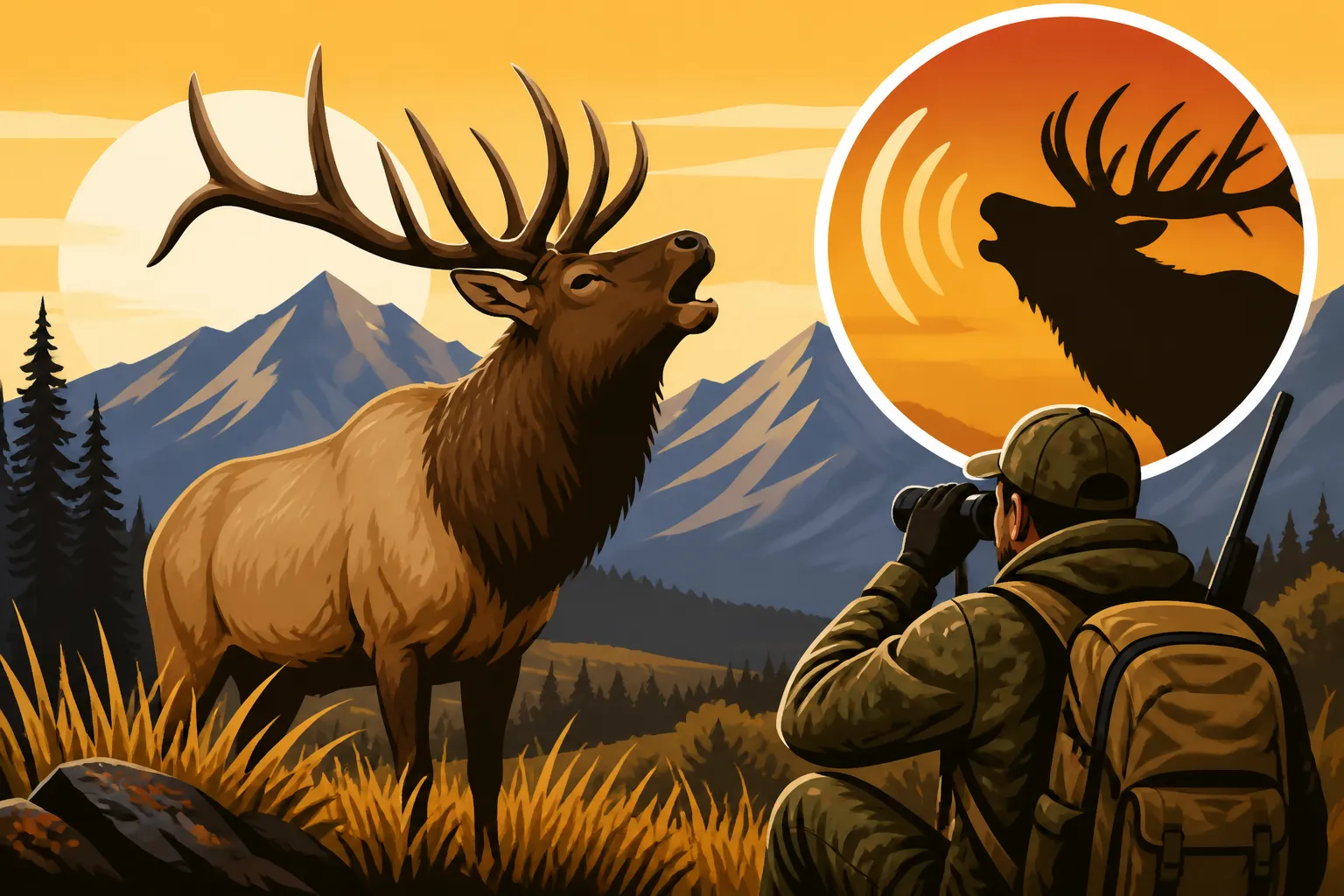
For anyone who's spent time in Montana's incredible elk country, there's nothing quite like the sound of a bull elk bugling. It's an electrifying, primal sound that cuts through the crisp mountain air, a call that promises adventure and adrenaline. But for many, especially those new to elk hunting or Montana's unique challenges, understanding why bulls bugle and, more importantly, what they're saying can feel like trying to decipher a secret language. This guide is all about breaking down the nuances of Montana elk bugling, helping you translate those wild calls into actionable hunting strategies.
The Language of Elk: Why Bulls Bugle
It’s easy to think of a bugle as just a loud noise, but it's so much more than that. Elk are incredibly vocal animals, and their bugles serve a complex range of purposes within their social structure, especially during the breeding season, or rut. When you hear a bull let out a full-throated bugle, he’s not just shouting into the void; he’s communicating vital information to every other elk (and hunter!) within earshot. Ignoring or misunderstanding these calls can be the difference between a successful hunt and a frustrating week in the woods.
Asserting Dominance and Territory
One of the primary reasons a bull elk bugles is to announce his presence and assert his dominance within a given area. Think of it as a sonic billboard proclaiming, "I'm here, I'm big, and this is my turf!" This is especially crucial for mature herd bulls who have gathered cows. Their bugles aren’t just a show; they’re a warning to younger, less dominant bulls to keep their distance.
A bull’s bugle can often give you clues about his size and attitude. A big, mature bull with a large harem of cows will often bugle frequently and with great confidence. It’s his way of saying, "Don't even think about it." These bugles establish a pecking order without direct confrontation, conserving precious energy. Hunters who can interpret these dominant bugles might pinpoint where a herd bull is holding his cows, offering a starting point for their strategy, whether it's a patient stalk or a more aggressive calling sequence.
Communicating with Cows and Calves
While dominance is a big part of it, bugles also play a softer, more subtle role in communication within a herd. A bull will bugle to keep his cows gathered and to ensure they know where he is. This is less about aggression and more about cohesion. Imagine a bull moving his cows through a dense patch of timber; a soft, directional bugle or a series of chuckles can serve as a locator call for his scattered harem.
Calves and cows also have their own distinct calls, and bulls respond to these. A lost calf's mew or a cow's estrus whine can trigger a protective or responsive bugle from a bull. Understanding this softer side of elk communication is vital for hunters employing calling tactics. Often, a well-placed cow call or calf call will elicit a response from a bull who might ignore a challenge bugle, especially if he's not feeling particularly dominant or is moving through thick cover.
Challenging Other Bulls
This is perhaps the most exciting aspect of elk bugling for hunters: the challenge. When one bull bugles, another bull might respond, creating a vocal duel that can escalate into a physical confrontation. This is the heart of the rut, and it’s when many hunters find their greatest success using calls. A challenge bugle is an invitation to fight, a direct dare, and it often comes with a distinct tone and intensity.
A bull responding to a challenge is sizing up his competition. He's trying to determine if the intruder (you, the hunter!) is worth confronting. He might "scream" back with a more aggressive, raspy bugle, rake a tree, or even start marching toward the sound. Understanding this challenge-and-response dynamic is crucial for those hoping to call a bull within range. It’s a high-stakes game of bluff and bravery, and knowing when to push and when to back off can make all the difference in a hunt. This direct challenge interaction is often what hunters visualize when thinking about how to call elk in Montana.
Decoding the Different Bugle Sounds
Elk communication isn't just about volume; it's about nuance. A bugle isn't just a bugle. There's a whole vocabulary within the bugling repertoire, each sound carrying specific meaning. Learning to distinguish these sounds is like learning the difference between a question, a statement, and a warning in human speech. It allows you to anticipate elk behavior and react appropriately, turning passive listening into active hunting.
The Location Bugle and How to Interpret It
The location bugle is often the first sound you'll hear in the morning or evening. It's generally a long, drawn-out call, often without a lot of aggressive chuckles or grunts tacked onto the end. A bull simply wants to announce his presence or ascertain the location of other elk. He might be waking up and letting the world know he’s there, or he might be trying to find his herd after they’ve dispersed.
For hunters, the location bugle is a golden opportunity. It tells you there's an elk in the area, and roughly where. These bugles are often less committed, meaning the bull isn't necessarily charging in; he's just talking. Your interpretation of this sound should be to confirm presence and direction, and then plan your approach. If you're bugle-locating a bull, this is the sound you're hoping to elicit. A good strategy might be to respond with a soft cow call, gauging his interest without immediately challenging him. This is where scouting tools like those offered by GoHunt can be invaluable, helping you identify potential bedding areas or travel corridors where these initial morning or evening calls are likely to occur.
The Challenge Bugle and What It Signals
This is the sound that gets every elk hunter's heart pounding. A challenge bugle is usually shorter, sharper, and often ends with an aggressive series of grunts and chuckles. It screams, "Come get some!" This isn't just a friendly greeting; it's a direct threat, an invitation to a fight for dominance or access to cows. The intensity can vary, from a tentative challenge by a satellite bull to a full-blown scream from a dominant herd bull.
When you hear a challenge bugle, it's signaling that the bull is agitated and potentially willing to confront another bull. Your response needs to be calculated. Matching his intensity, or even exceeding it, can draw him closer, but it also increases the risk of him hanging up just out of range, trying to pinpoint the exact location of the perceived rival. Understanding how to gauge the heat of the rut and the bull's individual attitude is critical here. An effective strategy might involve a blend of aggressive bugles followed by subtle cow calls to draw him into a vulnerable position, especially when you are employing archery elk tactics where close proximity is key.
The Chuckle, Grunt, and Lip Bawl: Closer Communication
Beyond the full bugle, elk have a range of shorter, more intimate vocalizations that are just as important to understand. These sounds are often made at closer ranges, within the herd, and indicate a bull's current mood or intention.
- The Chuckle: This short, guttural sound often follows a bugle, especially a challenge bugle. It's pure aggression, the audible equivalent of a bull pawing the ground and lowering his head. It says, "I'm still here, and I'm serious." When you hear a bull chuckling, he's often close and intensely focused on the perceived intruder.
- The Grunt: Bulls grunt for a variety of reasons. Often, it's a low, throaty sound accompanying a bugle, but it can also be a solitary sound, especially when a bull is rounding up his cows or moving through thick cover. It's a general locator and herd management sound. If you hear grunts without a bugle, it might mean the bull is pushing his cows, or quietly working his way through an area.
- The Lip Bawl: Less common but highly effective, the lip bawl is a distinct, guttural moan that a bull makes, often when he's highly agitated or trying to coax a cow. It's a very realistic sound to imitate and can be incredibly effective in drawing in a bull who is hanging up or is particularly territorial. It speaks to a raw, emotional state in the bull.
Recognizing these sounds helps you paint a more complete picture of the elk's behavior. A bull that's bugling and chuckling is in a different mood than one that's only grunting. This closer communication is critical when you're trying to set up on a bugling elk and seal the deal.
Timing is Everything: When Elk Bugle in Montana
Knowing what the elk are saying is one thing, but knowing when they're most likely to say it is another crucial piece of the puzzle. Montana elk don't just bugle constantly; their vocalizations are heavily influenced by the season, time of day, and weather conditions. Understanding these patterns will significantly improve your chances of being in the right place at the right time.
Early Season: Locating Bulls Before the Rut
Before the peak of the rut kicks in, typically in late August and early September, bugling can be sporadic. Bulls are often still in bachelor groups, growing their antlers, and not yet focused on breeding. However, you will still hear "pre-rut" bugles. These are usually less aggressive, more often in the form of location bugles. Bulls might bugle to test their voices, or to locate other bachelor group members.
For archery hunters hitting the woods in early September, these initial bugles are your primary way to find elk. You won't hear the constant screaming of the peak rut, so you need to be patient and listen for those lone bugles at dawn and dusk. This period is excellent for scouting and establishing where specific groups of bulls are spending their time. If you can pinpoint a bachelor group before they break up for the rut, you’ve got a massive advantage. Tactics for early archery season elk often revolve around quiet approaches and minimal calling.
The Peak Rut: A Symphony of Sound
Mid-September through early October is when Montana elk country truly comes alive with sound. This is the peak of the rut, and bugles will dominate the soundscape. Dominant herd bulls will be bugling almost continuously to keep their cows together and ward off challengers. Satellite bulls, desperate for an opportunity to breed, will be bugling aggressively, trying to draw cows away or challenge the herd bull.
During the peak rut, you'll hear every type of bugle described above, often in rapid succession. This is the time for aggressive calling if you choose, but also a time for careful listening. The sheer volume of noise can be overwhelming, making it hard to pinpoint specific elk. Pay attention to the quality and location of the bugles. Is a bull moving toward you or away? Is he answering a bugle from another bull, or is he just "talking to himself?" This period offers some of the most exciting hunting opportunities for hunting the rut in Montana, but it also requires excellent discernment to avoid pushing elk out of the area.
Post-Rut: Fading Calls and Changing Tactics
As October progresses into November, the intensity of bugling dwindles. Most cows have been bred, and bulls are exhausted from weeks of fighting and breeding. Their testosterone levels drop, and their focus shifts from procreation to survival and regaining lost weight. You might still hear a sporadic bugle, especially from a younger bull still looking for a receptive cow, or an older bull making a soft location call.
For hunters during the late season or general rifle season, relying solely on bugling is often a mistake. While you might get a response now and then, it’s not the primary tactic. Instead, focus shifts to finding elk in their wintering grounds, often in thicker timber or on south-facing slopes. Your strategy will move towards still-hunting, glassing, and focusing on elk sign rather than vocalizations. Any bugles you hear should be treated as a bonus, but not the expectation.
Mastering Elk Calling Techniques for Montana Hunters
Hearing and understanding bugles is one thing; effectively imitating them to draw a bull in is another. Elk calling is both an art and a science, requiring practice, patience, and a deep understanding of elk behavior. In Montana's vast and often pressured landscapes, perfecting your calling technique can give you a significant edge.
Choosing the Right Bugle Tube and Reeds
Just like a musician chooses their instrument, an elk caller needs the right tools. The market is flooded with various bugle tubes and diaphragms, and finding what works best for you is key.
- Bugle Tubes: These come in different lengths and materials. Longer tubes generally create deeper, more resonant sounds, mimicking a larger bull. Shorter, more compact tubes are easier to carry but might produce a slightly higher pitch. Some tubes have an expandable end to adjust tone. Brands like Phelps Game Calls or Primos often offer a good range of options. Experiment with a few to find one that feels comfortable and allows you to produce a variety of sounds without straining.
- Diaphragm Reeds: These are the heart of your bugle. They come in single, double, triple, and even quadruple reed configurations, and in various thicknesses.
- Single Reed: Easier to use, great for cow and calf calls, and some basic bugles.
- Double Reed: Offers more versatility, can produce deeper bugles with practice.
- Triple/Quad Reed: Best for producing deep, raspy bull bugles and challenge calls, but require more air pressure and practice to master.
I always recommend starting with a double or triple reed and practicing extensively. It's not just about making noise; it's about making realistic noise. Record yourself, listen to real elk bugles (many resources are available online and through apps), and refine your technique. Being able to consistently produce authentic sounds is paramount for calling elk successfully.
Emulating Different Bugle Types Effectively
Once you have your equipment, it's about learning the techniques to produce the various bugle types we discussed. This isn't just one sound; it's a range of sounds, each with its own purpose.
- Location Bugle: Start with a clear, rising whistle, hold it, then drop into a slower, more deliberate glunk or grunt. Keep it smooth and unaggressive. Practice controlling your breath to make the whistle long and steady.
- Challenge Bugle: This requires more intensity. Start with a sharper, more urgent whistle, then immediately drop into a rapid, aggressive series of chuckles and grunts. Think about the bull's rage and frustration, and try to inject that into your call. You want it to sound like a bull ready to fight. This is where those multi-reed diaphragms shine.
- Glunk/Chuckle: These are usually made by cutting off air with your tongue or diaphragm. Practice making short, sharp, guttural sounds. The more realistic, the better.
Varying your tone, pitch, and length is crucial. A bull might not respond to a generic bugle, but he might turn his head for one that sounds like a credible threat or a curious younger bull. And remember, the context of your calls (aggressive vs. passive) needs to match the situation you’re in.
Combining Bugles with Cow and Calf Calls
Few elk encounters involve just bugling. The most effective callers usually combine bull vocalizations with cow and calf calls. This creates a much more realistic scenario, painting a picture for the bull that he's hearing a small herd, perhaps with an aggressive bull in the mix.
- Cow Calls: There are various cow calls—mews, estrus whines, assembly mews. Learn to make several different ones. A single cow mew can be very effective in piquing a bull's curiosity, especially if he's not actively bugling. An estrus whine can often be the final persuasive sound that brings a bull into range. For mastering these, check out this guide on cow calling Montana elk.
- Calf Calls: A lost or distressed calf call can be incredibly effective, often triggering a protective response from a herd bull or curiosity from a satellite bull. Sometimes, the sound of a small, vulnerable calf is enough to bring an otherwise wary bull within striking distance.
A common sequence might involve a soft location bugle, followed by a few cow mews, and then silence. If the bull responds, you can then try a more aggressive challenge bugle, or continue with cow/calf sounds to draw him in closer. It's a dynamic conversation, and you need to be able to improvise based on the bull's reactions. The more realistic and varied your calling, the more success you'll likely see.
Strategic Application: Using Bugles in Your Hunt
Understanding elk sounds and how to make them is only half the battle. The true mastery comes in applying these skills strategically in the field. Montana's diverse terrain, from dense timber to open sagebrush hills, demands adaptable tactics. Your bugle isn't just a sound; it's a tool in your overall hunting strategy.
Locating Elk with Passive Bugles
Often, the most effective use of a bugle, especially in the early morning or late evening, is for locating elk rather than immediately trying to call them in. A soft, inquisitive bugle, or even a series of cow mews, can elicit a response from a bull without putting him on high alert. This is particularly useful in unfamiliar territory or when you're trying to determine the general whereabouts of elk.
Start with minimal calling from a vantage point where sound travels well. Let out a single, medium-volume bugle, then listen intently. Wait several minutes. If you hear a response, note its direction and estimated distance. Don't immediately fire back with another bugle. Often, a subtle answer, like a single cow call, is enough to keep him talking without making him suspicious. This passive approach is excellent for confirming that elk are indeed in a specific drainage or on a particular ridge. This technique is a foundational element of any comprehensive elk hunting strategy. Once you've located a responsive bull, you can then plan a stalk or a more aggressive calling approach, ensuring you consider factors like wind direction and thermals before moving in.
Aggressive Calling: Drawing Bulls In
When conditions are right – primarily during the peak rut, with an agitated bull, and favorable wind – aggressive bugling can be incredibly effective. This involves confidently mimicking a challenging bull, often incorporating chuckles, grunts, and even rubbing trees or kicking dirt to simulate a physical presence. The goal here is to convince the bull that a rival is encroaching on his territory or trying to steal his cows, compelling him to come investigate.
This approach often works best when you have multiple callers. One caller (the "shooter") positions themselves closer to the elk, while another caller (the "bugler") stays back 50-100 yards, drawing the bull's attention away from the shooter. The bugler initiates the aggressive calls, and as the bull approaches, the shooter is ready for a shot. However, aggressive calling can also backfire if the bull is not in the mood to fight, is extremely pressured, or if your calls sound unnatural. It’s a high-risk, high-reward strategy that demands a good understanding of the bull’s current disposition. If you're tackling DIY elk hunting, mastering this requires significant practice and confidence.
Reading Elk Responses and Adjusting Your Strategy
The biggest mistake a caller can make is to simply keep calling without paying attention to the elk's response. Elk are constantly communicating, and their body language and vocalizations will tell you if your strategy is working, or if you need to change gears.
- Aggressive Charge: If a bull screams back, rakes a tree, and starts moving purposefully toward you, your aggressive calling is working. Be ready.
- Hanging Up: If a bull bugles repeatedly from the same spot, or only moves a short distance and then stops, he's "hung up." He suspects something isn't right or wants you to commit further. This is when you might need to back off the aggressive bugles and switch to softer cow calls, or try to sneak closer while he's distracted.
- Moving Away: If the bugles become fainter, or you hear no response, the bull is likely moving away. You've either spooked him, or he's lost interest. It's time to reposition or try a different tactic.
- Silence: Sometimes, the best response to a bull's bugle is complete silence, especially if he’s getting close. Elk have incredible hearing, and human sounds, even subtle ones, can give you away.
Always listen more than you call. Let the bull dictate the conversation. A bull that’s already on his way in might just need a quiet finish, while a bull that’s shy might need more coaxing. This dynamic interaction is what makes elk hunting so engaging and challenging. Paying close attention to how thermals shift throughout the day, as detailed in understanding Montana's thermals, is also key to reading responses, as elk will always use the wind to their advantage.
Common Bugling Mistakes and How to Avoid Them
Even seasoned hunters can make mistakes, and new hunters often fall into common traps when it comes to elk bugling. These errors can quickly turn a promising encounter into a frustrating bust. Being aware of these pitfalls and actively working to avoid them will greatly improve your effectiveness in Montana's challenging elk country.
Overcalling and Spooking Elk
This is probably the most common mistake, especially among excited new callers during the rut. The temptation to constantly bugle when you hear a bull is strong, but it can quickly backfire. Imagine someone shouting at you non-stop; eventually, you'd probably just walk away. Elk are no different. Constant, repetitive bugling, particularly aggressive challenges, can make a bull wary or simply push him away.
Overcalling sounds unnatural. Real elk don't just bugle every 30 seconds. They have periods of silence, they move, they listen. If you're constantly calling, you're not giving the bull time to respond naturally, or to even believe that you're a real elk. Furthermore, excessive calling can alert other hunters to your presence, especially on heavily pressured public land. The key is patience. Bugle, then wait. Listen intently for 5-10 minutes, or even longer. Let the bull make the next move. If he’s silent, try a different call, like a soft cow mew, before resorting to another bugle. Less can often be more in the world of elk calling.
Misinterpreting Elk Behavior
Another significant pitfall is failing to accurately read the bull's intentions. As discussed, not all bugles mean the same thing, and not all bulls will respond to the same calling sequence. A hunter who aggressively challenges a satellite bull might scare him off, while a hunter who softly calls to a dominant herd bull might get ignored.
For instance, if a bull is bugling and moving parallel to you, he might be trying to circle downwind to get your scent. If you don't recognize this, you could quickly be winded. If a bull is coming in silently after an aggressive challenge, he might be an old, wise bull who knows the game and is trying to slip in undetected. Don't assume every bugle requires an immediate, aggressive response. Pay attention to his tone, his cadence, his direction of travel, and any accompanying sounds (like chuckles or grunts). Combine this with your knowledge of terrain and wind direction. Tools like GoHunt's mapping features can help you visualize the terrain and anticipate where an elk might try to circle to get your wind. This constant assessment and adaptation are what separates good callers from great ones.
Ignoring Wind and Thermals While Calling
Perhaps the most critical, yet often overlooked, aspect of bugling (and all elk hunting) is the wind and thermals. Elk rely heavily on their sense of smell for survival, and no matter how perfect your bugle sounds, if the wind carries your scent to them, the hunt is over. This is a cold, hard truth in Montana's mountains.
Wind direction can change quickly and unexpectedly, especially in mountain drainages. Thermals, the rising and falling air currents, are a constant factor. In the morning, thermals typically rise, carrying scent uphill. In the evening, they fall, carrying scent downhill. During midday, they can be swirling and unpredictable.
Never, ever call into a situation where your scent is blowing towards the elk. This means constantly checking the wind with a wind indicator (powder or puff bottle). If you get a response from a bull but the wind is wrong, don't press it. Either wait for the wind to shift, or try to reposition yourself to get a favorable wind advantage. Sometimes, it means hiking an extra mile to get into the right position. It’s frustrating, but it’s absolutely essential. Ignoring the wind is like loudly announcing your presence, then sending a neon sign that says "HUMAN HERE!" It’s a guaranteed way to empty the woods of elk. Success in the backcountry, as explored in the Montana backcountry hunting guide, hinges on this fundamental understanding of wind and thermals.
Conclusion
Montana elk bugling is more than just a sound; it's the heartbeat of the mountains during the rut, a complex language that, once understood, can unlock incredible hunting opportunities. From asserting dominance and communicating within the herd to challenging rivals, each bugle has a story to tell. By learning to decode these calls, mastering various calling techniques, and applying them strategically while meticulously respecting factors like wind and thermals, you'll dramatically increase your chances of success. It takes practice, patience, and a deep appreciation for these magnificent animals, but there's no greater reward than engaging in that primal conversation and calling in a Montana bull.
Disclaimer
Hunting carries inherent risks, including but not limited to injury or death. Always prioritize safety, adhere to all local, state, and federal hunting regulations, and ensure you have proper training and equipment. This guide is for informational purposes only and does not substitute for professional instruction, local regulations, or personal experience. Respect wildlife, private property, and the natural environment.