Best Time to Hunt Mule Deer in Montana
Figuring out the absolute "best" time to hunt mule deer in Montana feels like trying to catch smoke sometimes, doesn't it? One year the rut hits early, the next year a warm spell keeps the bucks locked away. It's a frustrating puzzle, especially when you're planning a trip or burning precious vacation days. This guide is here to break down the nuances of Montana's mule deer seasons, help you understand the critical factors, and ultimately, strategize your hunt for maximum success, no matter what Mother Nature throws your way.
Understanding Montana's Mule Deer Seasons
Montana offers a diverse range of hunting opportunities for mule deer, spread across different seasons that cater to various hunting styles and preferences. Each period has its own unique set of challenges and advantages, largely dictated by deer behavior, weather patterns, and hunter pressure. It's never as simple as just "showing up," especially with the changing conditions in Big Sky Country.
Archery Season Opportunities
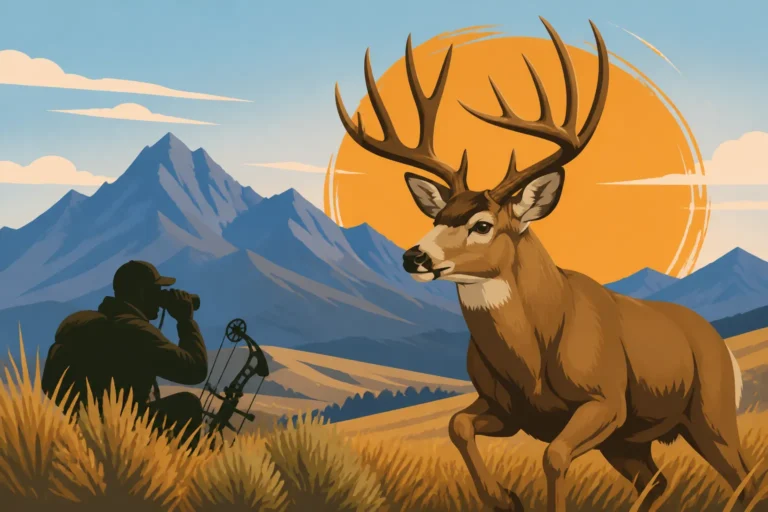
Archery season, typically running from early September through mid-October, is a truly special time to be in the mule deer woods. The air is crisp, the fall colors are starting to pop, and you're often hunting bucks in velvet or recently shed velvet, still in their bachelor groups. The frustration here often comes from the weather; early September can still feel like summer, making meat care a real concern, and deer might not be moving much during daylight hours. However, the advantage is usually lower hunter pressure compared to the rifle season, and deer are often in predictable summer patterns, hitting feed and water sources regularly. This is a fantastic time for an intense Montana Mule Deer Hunting: Archery Tactics experience, focusing on stealth and close-range encounters.
During these early weeks, you might find bucks still hanging out together, sometimes even with remnants of velvet on their antlers. This can be a boon for spotting multiple bucks, but they're often wary and haven't been pressured by hunters yet. As the season progresses into October, bucks begin to break up their bachelor groups, and a shift in behavior starts to become noticeable as they anticipate the upcoming rut. You'll see them starting to rub out their antlers if they haven't already, and a subtle increase in their daytime movement might occur as temperatures drop.
General Rifle Season Dynamics
The general rifle season for mule deer in Montana typically kicks off in late October and runs through late November. This is undeniably the most popular time to hunt, and for good reason: it usually coincides with the mule deer rut. The anticipation is palpable, but so is the potential for crowds. Hunters descend on public lands, creating a dynamic environment where deer can be pushed and become more nocturnal. The weather becomes a significant factor, too. Early rifle season can be mild, but by mid-November, you're often dealing with snow, freezing temperatures, and blustery winds.
The challenges of the general rifle season are real. Finding unpressured areas, especially during the first week or two, can be tough. But the rewards are equally great. A buck that would normally be almost invisible might throw caution to the wind in pursuit of a doe, offering shots that wouldn't exist earlier in the year. Understanding Montana General Rifle Season Dates and the specific regulations for your chosen hunting district is absolutely crucial here, as different units can have varying opener and closer dates or special restrictions. This is when a lot of hunters consider putting in for general deer licenses, and it’s a high-stakes, high-reward period.
Late-Season Considerations
While the general rifle season usually closes in late November, some specific units in Montana might have extended or late-season opportunities, often for antlerless deer or under special permit-only hunts. These opportunities are generally tied to specific management objectives, such as reducing deer populations in certain areas or addressing agricultural depredation. Hunting during this time means facing the full force of Montana's winter. Deep snows and bitter cold are the norm, which can make for brutal hunting conditions but also concentrate deer onto specific winter ranges or accessible feeding grounds.
Late-season hunting is not for the faint of heart or the ill-prepared. You'll need serious cold-weather gear, robust planning, and a deep understanding of how mule deer behave when faced with harsh conditions. However, the deer you find are often focused solely on survival, seeking out the best available forage and shelter, which can make their patterns more predictable if you know what to look for. It's an unforgiving but potentially rewarding time for those willing to brave the elements.
The Influence of the Rut on Mule Deer Hunting
For many, the mule deer rut is the holy grail, the "best time" to be in the field. It’s when bucks are at their most vulnerable, driven by instinct and hormones. But the rut isn't a single, monolithic event; it's a dynamic period with distinct phases, and understanding each one can drastically improve your chances.
Early Rut Indicators and Behavior
The early stages of the rut, sometimes called the "pre-rut," typically begin in late October and extend into early November. This is when bucks start to feel the urge, rubbing their antlers on saplings and bushes, sparring with other bucks to establish dominance, and beginning to actively seek out does. You might see increased daytime activity as they wander more, covering ground to locate groups of does. They're still somewhat cautious, but their focus is shifting from simply feeding to finding a mate.
During this phase, bucks are often still in good condition, fueled by their summer and fall forage. They're moving with a purpose, but they're not yet completely consumed by the madness of the peak rut. This can be an excellent time for hunters who prefer to "still-hunt" or use Montana Mule Deer Hunting: Spot-and-Stalk Tactics, as bucks are responsive to calls and are moving through varied terrain. They might respond to a doe bleat or a grunt, thinking a rival is nearby or a receptive doe is waiting.
Peak Rutting Activity: Prime Time
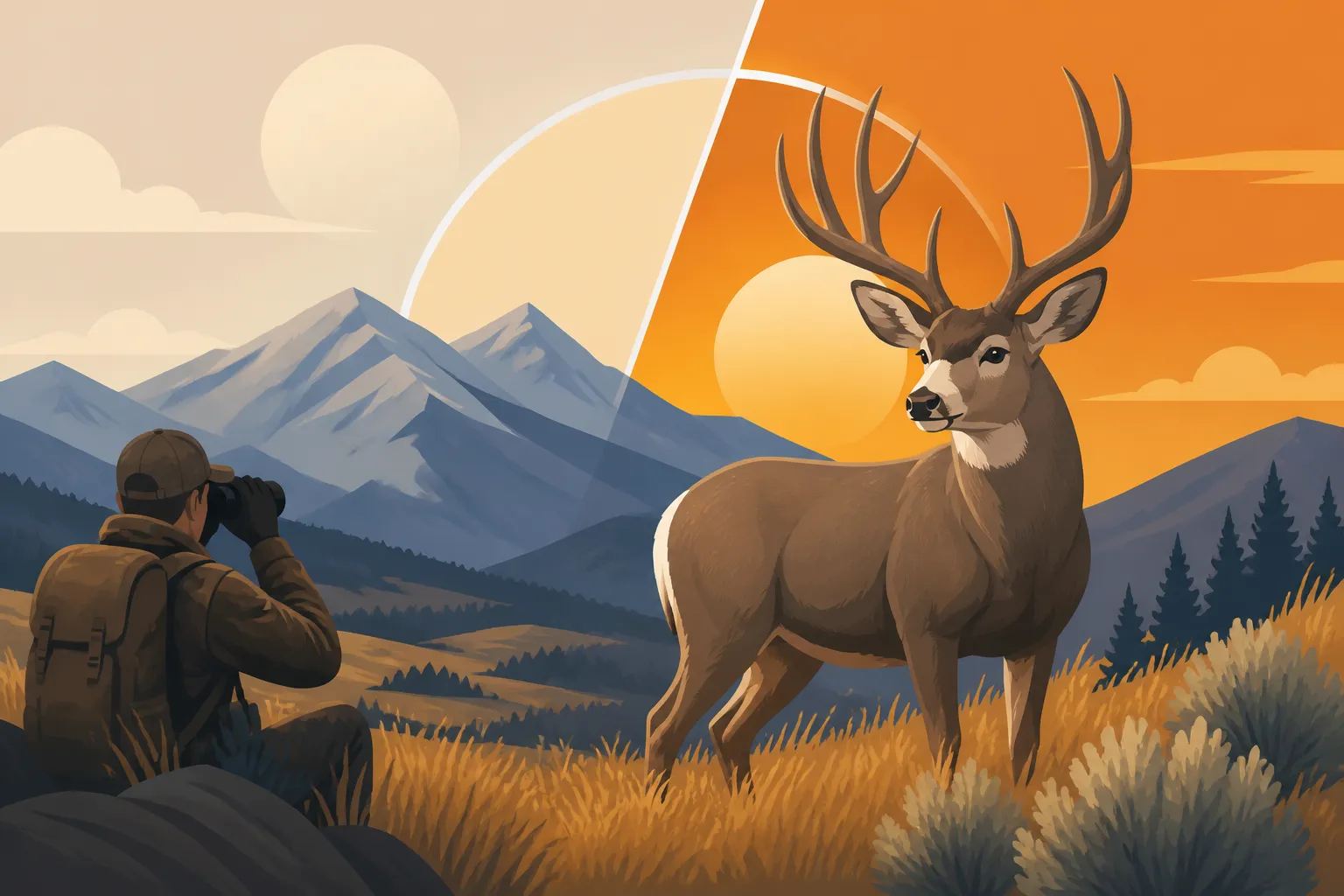
The peak of the mule deer rut usually hits mid-November, often correlating directly with the general rifle season. This is when bucks are absolutely committed to breeding. They're chasing does relentlessly, sparring aggressively, and often throwing caution to the wind. It's not uncommon to see multiple bucks trailing a single doe, creating intense, often chaotic, scenes. This heightened activity makes them more visible and more susceptible to making mistakes.
This is the period when bucks are most susceptible to being seen during daylight hours, often in open country, totally absorbed in their pursuit. While this is widely considered the "best time" due to increased buck movement, it also comes with the highest hunter pressure. Everyone else knows it's the peak rut, too! Your challenge becomes finding bucks that haven't been pushed out of an area or becoming extremely proficient at How to Glass for Montana Mule Deer to locate them before they're spooked. Bucks can lose a significant amount of body weight during this period, and their singular focus on breeding makes them less wary of potential threats.
Post-Rut Tactics
Once the peak rut subsides in late November or early December, bucks enter the "post-rut" phase. They are often exhausted, having burned significant energy during the breeding season. Their primary focus shifts back to survival: finding food, conserving energy, and recovering lost body mass before the full brunt of winter sets in. They'll often seek out prime feeding areas and thick cover for bedding, trying to regain their strength.
Hunting during the post-rut requires a different approach. Bucks are less mobile and less prone to making mistakes driven by hormones. You'll need to focus on identifying their winter range, tracking their movements between bedding and feeding, and being incredibly patient. Deep snow can sometimes push them into lower elevations or south-facing slopes, which can concentrate them but also make them more visible to other hunters. Understanding how Montana Mule Deer Migration works in your specific area is key to finding these recovering animals.
Key Environmental Factors and Their Impact
Montana's environment is notoriously unforgiving and constantly changing. Successful mule deer hunting, regardless of the season, hinges on understanding how these environmental factors dictate deer behavior.
Weather's Role: Snow and Cold Fronts
Snowfall and significant cold fronts are game-changers for mule deer hunting in Montana. A fresh blanket of snow not only makes tracking deer easier but also often triggers increased movement as deer seek out accessible forage or move to lower, more sheltered elevations. A sudden drop in temperature or a heavy snowstorm can dramatically alter their patterns, pushing them off high country into more accessible areas. This can be frustrating if it happens mid-hunt and changes all your prior scouting.
Early season hunters might wish for a cold snap to get deer moving, while late-season hunters might dread the blizzards that can make travel impossible. Knowing how to adapt to these conditions, from wearing the right gear to understanding how deer use topography to escape the wind and cold, is vital. Deer will prioritize survival, and a good hunter knows how to predict where that instinct will lead them.
Habitat and Migration Patterns
Mule deer in Montana exhibit distinct seasonal migration patterns. They spend summers in high-elevation alpine basins and dense timber, where forage is abundant and temperatures are cooler. As fall progresses and winter approaches, they migrate down to lower elevations, often onto open sagebrush plains or agricultural lands, where snow depth is less and food can be pawed through. Understanding these patterns is fundamental to choosing the Best Montana Districts for Mule Deer in Montana and timing your hunt.
For example, a buck you scouted in August at 8,000 feet might be 20 miles away and 3,000 feet lower by November. This requires extensive pre-season scouting, often leveraging tools like GoHunt's mapping and filtering features, to identify critical migration corridors and winter range. Knowing where deer will be rather than just where they are is the difference between a successful hunt and a frustrating one. These habitat shifts are influenced by forage availability, pressure, and, of course, the relentless march of seasons.
Hunter Pressure and Access
Montana is a popular hunting destination, and public lands can see significant hunter pressure, especially during the general rifle season and particularly during the peak rut. This pressure can cause mule deer to alter their behavior, becoming more nocturnal, moving into thicker cover, or relocating to less accessible areas. The frustration of arriving at your carefully scouted spot only to find a dozen other trucks can be soul-crushing.
Mitigating hunter pressure involves strategy. This might mean hunting mid-week instead of weekends, getting much deeper into the backcountry than others are willing to go, or targeting areas that require a longer hike. Utilizing resources like the Montana Fish, Wildlife & Parks (FWP) Block Management Areas (BMAs) can provide access to private lands that see less pressure, but these often require careful planning and understanding specific rules. Learning How to Hunt Mule Deer on Montana Public Land effectively means accepting and strategizing around the reality of other hunters.
Strategizing Your Montana Mule Deer Hunt
Timing your mule deer hunt effectively means more than just picking a date; it means aligning your chosen hunting methods with the deer's behavior and the prevailing conditions.
Matching Methods to Season
Different phases of the season lend themselves to different hunting methods. During the early archery season, when deer are still in bachelor groups and relatively unpressured, tactics like Montana Mule Deer Hunting: Spot-and-Stalk Tactics or ambushing deer near water sources can be highly effective. Still-hunting through timber or glassing open basins are also productive.
As the general rifle season and the rut approach, bucks become more mobile and visible. This is prime time for extensive glassing, covering vast amounts of country with high-quality optics, and then executing a precise stalk. If you're hunting post-rut, focused still-hunting in thick cover or patiently watching known feeding and bedding areas becomes paramount. Always have the right gear for the conditions, from lightweight binos in early fall to heavy snow boots and warm layers for late-season hunts.
Utilizing E-Scouting and Local Knowledge
Pre-season preparation is paramount for mule deer hunting in Montana. E-scouting, using tools like GoHunt, OnX, or Google Earth, allows you to identify potential bedding areas, feeding zones, water sources, and migration corridors from the comfort of your home. You can analyze terrain, identify public land access points, and even find areas that might hold deer based on historical data. This kind of diligent preparation can significantly reduce wasted time in the field.
Beyond maps, tapping into local knowledge can be invaluable. This might mean calling the local FWP biologist for general trends, chatting with folks at local diners, or poring over forums and articles about specific regions. Every piece of information helps build a clearer picture of how deer behave in your chosen hunting district. Checking Montana Mule Deer Population Trends and How to E-Scout Montana Hunting Units for your specific district will give you a significant edge.
Here's a quick overview of how different times stack up:
| Season Phase | Typical Dates | Mule Deer Behavior | Pros for Hunters | Cons for Hunters |
|---|---|---|---|---|
| Archery (Pre-Rut) | Early Sept – Mid-Oct | Bachelor groups, predictable patterns, feeding. | Less pressure, velvet bucks, good weather (sometimes). | Early heat, deer still patterned to nocturnal movement. |
| Early Rifle (Pre-Rut/Start of Rut) | Late Oct – Early Nov | Bucks breaking up, sparring, seeking does. | Increasing movement, less wary than peak rut. | Variable weather, increasing pressure. |
| Peak Rut (Rifle) | Mid-Nov | Intense chasing, breeding, highly active. | Bucks vulnerable, high daytime movement. | Extreme hunter pressure, brutal weather possible. |
| Late Season (Post-Rut) | Late Nov – Early Dec | Recovering, focused on survival, winter range. | Concentrated deer, deep snow for tracking. | Brutal weather, deer very wary, limited units. |
Ultimately, the "best" time to hunt mule deer in Montana isn't a single date on the calendar, but rather a dynamic window influenced by specific objectives and external conditions. For those seeking a truly unique challenge and a chance at a velvet buck with less competition, the early archery season holds immense appeal. If you're after the classic, adrenaline-fueled rut hunt, mid-November during the general rifle season is likely your target, albeit with higher crowds and unpredictable weather. And for the hardy few, the late season offers a chance at hard-earned meat, often requiring a deep dive into how deer survive winter. Whichever you choose, diligent preparation, adaptability, and a realistic understanding of the conditions will serve you best.
Disclaimer
Hunting is an inherently dangerous activity. This guide provides general information and should not be considered a substitute for official Montana Fish, Wildlife & Parks regulations. Always consult current regulations, carry appropriate safety gear, and ensure you have all necessary licenses and permits before heading into the field. Conditions in Montana can change rapidly; always be prepared for extreme weather.