Montana Elk Behavior During the Rut
It's incredibly frustrating when you're out in the vastness of Montana, chasing after elk during the rut, and it feels like they're just… not doing what you expect. Understanding the nuanced behaviors of Montana elk during their breeding season can make all the difference between a silent, empty woods and a thrilling encounter. This comprehensive guide will peel back the layers of the elk rut, helping you decipher their intricate communication, movement patterns, and responses to various factors, so you can hunt smarter and with greater confidence.
Understanding the Phases of the Montana Elk Rut
The elk rut in Montana isn't a single, monolithic event. It's a dynamic, multi-stage process, each phase bringing its own set of behaviors, challenges, and opportunities for hunters. Thinking of it as a progression, rather than a switch flipping on and off, is key to anticipating their moves.
The Pre-Rut Build-Up
Before the full chaos of the rut explodes, there’s a crucial build-up phase, typically starting in late August and running into early September, especially in the higher elevations of western Montana. During this time, bull elk are shedding velvet and their antlers are hardening. Their testosterone levels are climbing, and they start to feel the urge to spar and establish dominance. You might hear some tentative bugles, often solitary and less aggressive than what's to come.
For hunters, this phase is often characterized by bulls moving out of their summer bachelor groups, becoming more solitary or forming smaller groups of two to three. They're still focused heavily on feeding to gain as much body mass as possible before the strenuous rut ahead. Cows, on the other hand, are still in larger groups, often accompanied by calves. They're not yet receptive to breeding, so their behavior is relatively consistent, focusing on good forage and water sources. Scouting during this time, perhaps using resources from GoHunt to analyze historical migration and feeding patterns, can provide invaluable information on where bulls might stage before heading into the main breeding grounds. Locating these bachelor groups before they disperse is a prime tactic for Montana Archery Elk Hunting Guide.
The Peak Rut Frenzy
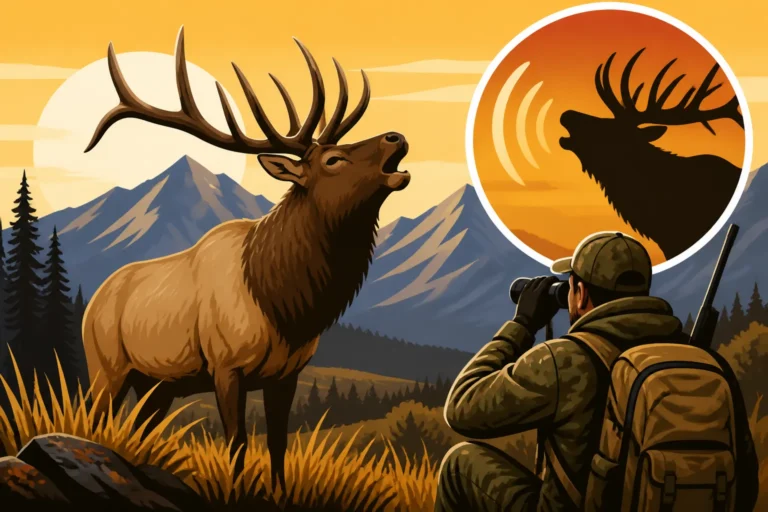
This is the phase everyone talks about, usually kicking off in mid-September and lasting through early October across much of Montana. It's when the herd bulls are actively gathering and defending their harems of cows, and the mountains echo with the sounds of bugling. The air is thick with anticipation, and the energy is palpable, even for a hunter miles away.
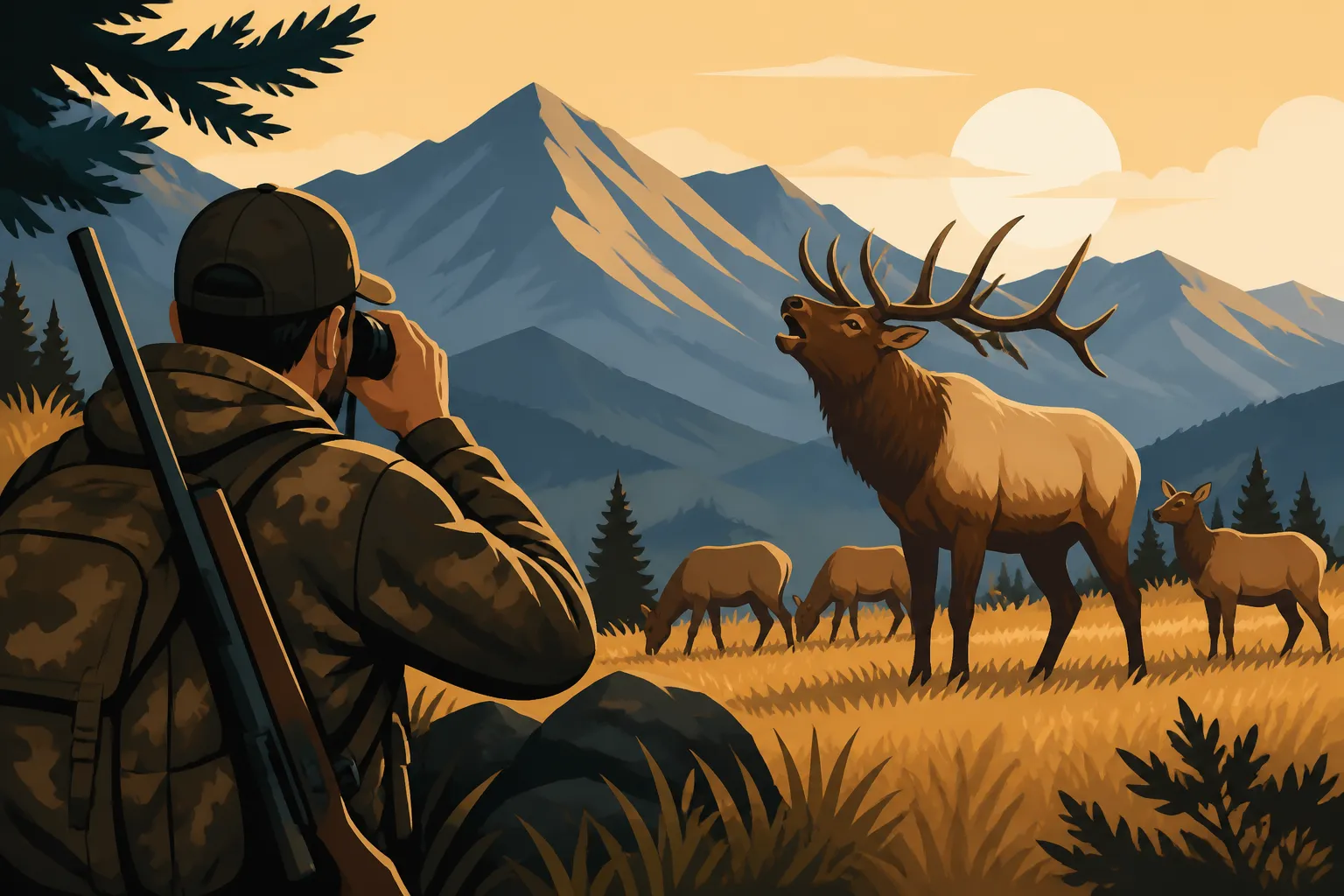
During the peak rut, bull elk are less concerned with feeding and more obsessed with breeding. Their primary behaviors revolve around herding cows, fending off satellite bulls, and bugling to announce their presence and challenge rivals. Cow elk become receptive to breeding, and their movements are largely dictated by the herd bull trying to keep them together. You'll see cows running, or the herd bull pushing them intensely to prevent them from wandering off or being stolen by another bull. Smaller, satellite bulls are constantly circling the edges of the harems, looking for an opportunity to sneak in and breed a receptive cow. This intense competition means bulls are vocal almost constantly, making How to Call Elk in Montana a highly effective strategy. Hunters often find this to be the most exciting, albeit challenging, time to be in the woods, as elk are very active but also highly stressed and unpredictable.
Post-Rut Exhaustion and Recovery
Once the peak of the rut subsides, typically in mid-October, the behavior of elk shifts dramatically. The herd bulls are physically depleted, having spent weeks burning calories, fighting, and neglecting to feed. Many have lost a significant amount of weight and are injured from sparring.
During the post-rut, bull elk will often leave the cow groups entirely to seek out secluded areas with good forage, focusing solely on rebuilding their strength and fat reserves for the winter. They're much less vocal, and their movements become more discreet. Cow elk will often remain in larger groups, sometimes joining up with other cow/calf groups, as they are now focused on feeding and preparing for the coming winter. The chaos of the rut gives way to a more subdued existence, and the elk return to a more cautious, survival-oriented mindset. Understanding this transition is vital for those still hunting, as tactics will need to shift from calling to more subtle approaches like How to Still-Hunt Montana Timber.
Vocalizations and Communication During the Rut
The sounds of the rut are iconic, painting an auditory landscape across Montana's wild places. But it's not just random noise; every bugle, chuckle, and cow call serves a specific purpose, conveying critical information within the elk herd. Learning to interpret these vocalizations is like learning a foreign language – one that can lead you to a bull.
The Language of Bull Elk
Bull elk vocalizations during the rut are incredibly diverse and complex. The classic "bugle" is the most recognizable, a high-pitched scream that tapers into a series of grunts or chuckles. This bugle is primarily used to declare territory, advertise fitness, and challenge other bulls. A dominant herd bull will bugle frequently to keep his harem together and warn off rivals.
Satellite bulls, on the other hand, might use more subtle bugles, often from a distance, testing the waters and trying to gauge the dominance of a herd bull before committing to a challenge. The grunts and chuckles at the end of a bugle are often a sign of agitation or aggression, particularly when a bull is close to a rival or actively herding cows. Understanding these nuances is crucial for How to Bugle-Locate a Montana Bull Elk effectively. Sometimes, you'll hear "roars" which are deeper, guttural sounds, often associated with a bull actually fighting or pushing a challenger. These distinct vocalizations, combined with visual cues like posturing and sparring, form a complete communication system that hunters can exploit.
Cow and Calf Communication
While bull bugles dominate the soundscape, cow and calf vocalizations are equally important, often providing the key to unlocking a bull’s location or willingness to respond. Cow calls are typically shorter, high-pitched mews or chirps. These are used to communicate with other cows, call calves, and express receptiveness to a bull.
During the rut, a cow in estrus will often emit a specific, drawn-out "estrous bawl" – a sound that drives bulls absolutely wild. This is a critical sound for hunters to mimic. Calves, too, have their own repertoire of mews and chirps, often signaling distress or seeking their mothers. Knowing How to Cow Call Montana Elk accurately can sometimes be more effective than bugling, especially when trying to draw in a wary bull or a bull that's already with cows. A herd bull will often respond to a cow call because he wants to gather that cow into his harem or prevent a satellite bull from doing so. The collective noise of a cow-calf group can also indicate a herd is nearby, even if the bulls are momentarily silent.
Interpreting Silence and Subtle Cues
Not all communication is auditory. Sometimes, the most important message is silence. If you're bugling aggressively and suddenly everything goes quiet, it could mean a bull is closing the distance silently, trying to circle downwind to scent-check you, or has simply moved off. Elk are incredibly adept at navigating the terrain quietly, especially large bulls.
Hunters need to pay close attention to subtle cues beyond vocalizations. Fresh tracks, rubbed trees, wallows, and disturbed ground all tell a story of recent elk activity. The smell of elk, a musky, strong odor, especially near a rutting bull, can be a dead giveaway. Even the posture of a cow can tell you if she's agitated, wary, or perhaps even in estrus. Combining auditory signals with these visual and olfactory clues is what allows a hunter to piece together the full picture of elk behavior. Tools like GoHunt can help you overlay these physical signs with topographical maps to understand why elk are using certain areas during the rut.
Daily Movement Patterns and Habitat Use in the Rut
Understanding when and where elk move during the rut is as important as knowing why they do it. Their daily routine shifts considerably from other times of the year, driven by the intense demands of breeding.
Early Morning and Late Evening Activity
During the peak of the rut, elk activity, particularly vocalization, tends to be highest in the early morning, from just before dawn until a couple of hours after sunrise, and then again in the late evening, leading up to dark. This isn't just because hunters are out there listening; the elk themselves are often most active during these cooler periods.
In the morning, herd bulls are consolidating their harems, chasing off challengers, and moving between bedding areas and feeding grounds. This is often when you'll hear the most intense bugling and see the most interaction. As the sun rises and temperatures climb, elk will typically move into thicker timber or north-facing slopes for bedding, seeking shade and security. Late afternoon sees a resurgence in activity as they begin to move towards feeding areas and water sources again. Hunters often plan their approaches during these times, moving quietly into position before the sun fully rises or sets. This strategic movement is essential for Montana Backcountry Hunting Guide success, where anticipating elk movement in vast terrain is paramount.
Mid-Day Bedding and Sanctuary
Despite the high energy of the rut, elk still need to rest. Mid-day, generally from late morning through mid-afternoon, is typically when elk are bedded down. However, during the rut, "bedded down" doesn't necessarily mean "inactive." Herd bulls, especially, will often bed with their harems, still bugling sporadically to maintain control and challenging any nearby rivals.
Bedding areas during the rut are often located in dense cover, such as thick timber patches, creek bottoms, or north-facing slopes where temperatures remain cooler. These areas provide security from predators and relief from the sun. The cows will rest, chew their cud, and try to conserve energy, while the bull is still "on duty," constantly scanning and scent-checking. For a hunter, approaching a bedding area during this time can be extremely challenging and risky, as the elk are alert, and the wind can shift unexpectedly. Sometimes, however, a calculated still-hunt into such an area can pay off, but it demands extreme caution and an intimate understanding of wind and thermals. This is where How to E-Scout Montana Hunting Units becomes invaluable, identifying potential bedding areas and escape routes before you ever step foot in the field.
Influences of Weather and Terrain
Montana's weather is notoriously unpredictable, and it plays a significant role in modifying elk behavior during the rut. A cold front, for instance, can often trigger an increase in elk activity, extending their periods of movement and vocalization throughout the day. Conversely, warm, sunny weather can push elk into thicker cover earlier in the day and keep them bedded longer.
Terrain also dictates movement. Elk will use drainages to travel discreetly, follow ridges for easier movement and to catch thermals, and seek out benches on steep slopes for bedding and security. Understanding how thermals work – rising in the morning, falling in the evening – is critical when planning an approach, especially if you're trying to get close to a bugling bull. A change in wind direction can spoil a hunt instantly. The dense timber of western Montana might see different rut behaviors compared to the more open country of central or eastern Montana, where elk may be more concentrated around specific water sources or isolated pockets of cover. When planning for Montana Elk Season Dates Guide, always factor in what the typical weather patterns are for your chosen hunting district.
Here's a quick look at how the rut phases influence behavior:
| Rut Phase | Typical Dates (Montana) | Dominant Bull Behavior | Cow Behavior | Calling Effectiveness | Hunting Tactics |
|---|---|---|---|---|---|
| Pre-Rut | Late August – Early September | Sparring, velvet shedding, solitary bugles | Large groups, focused on feeding | Low to Moderate (Locator) | Spotting, patient observation, locator bugles |
| Peak Rut | Mid-September – Early October | Herding cows, aggressive bugling, fighting | Receptive to breeding, follow herd bull | High (Challenge/Estrus) | Aggressive calling, ambush points |
| Post-Rut | Mid-October – Early November | Exhausted, seeking solitude and forage, quiet | Large groups, focused on feeding | Low | Still-hunting, glassing, ambushing travel routes |
Factors Influencing Elk Behavior During the Breeding Season
Elk are creatures of habit, but they are also highly adaptable. Several factors can significantly alter their rut behavior, presenting new challenges and requiring hunters to be flexible and observant.
Hunter Pressure and Adaptation
One of the most significant disruptors of natural elk rut behavior in Montana, especially on public land, is hunter pressure. When numerous hunters are bugling, driving roads, and moving through prime elk habitat, elk quickly become wary. Instead of responding readily to calls, bulls might go silent, move into thicker, more inaccessible areas, or become nocturnal.
Heavily pressured elk will often move into dense, dark timber, seek refuge in wilderness areas, or gravitate towards private land where they feel safer. They might still bugle, but it will be less frequent, more cautious, and harder to pinpoint. Hunters need to adjust their strategies, perhaps by moving deeper into the backcountry to find undisturbed elk, learning How to Beat the Crowds on Montana Public Land. This might mean focusing on still-hunting or using subtle cow calls rather than aggressive bugling. Patience and stealth become even more critical when elk have learned to associate human sounds with danger. Remember, elk learn quickly, and what worked last week might not work today if the pressure is high.
Moon Phases and Temperature
While the peak of the rut is largely driven by photoperiod (daylight length), both moon phases and temperature can influence the intensity and timing of daily elk activity. A full moon, especially early in the rut, can sometimes lead to increased nocturnal activity. If elk are active all night breeding under a bright moon, they might be less active and vocal during daylight hours, preferring to bed down earlier.
Conversely, a new moon or overcast conditions often correlate with more prolonged daylight activity. Temperature is another major factor. Unseasonably warm weather can suppress daylight activity significantly, pushing elk into dense timber or shady north slopes, and making them more active during the cooler parts of the day or even at night. A sudden drop in temperature, on the other hand, can invigorate elk, prompting more movement and bugling. Paying attention to detailed weather forecasts, including overnight lows and daytime highs, can give you a tactical advantage. This is where How to Hunt a Cold-Front Elk Push in Montana becomes relevant.
Food Sources and Water Availability
Even during the rut, elk need to eat and drink, though feeding might take a backseat for an exhausted herd bull. The availability and quality of food sources and water in a specific area can influence where elk choose to spend their rut. If a particular drainage or basin has excellent forage and readily available water, it's more likely to attract and hold elk through the breeding season, especially the cow-calf groups which are the magnet for bulls.
Elk will often move between bedding cover and these food and water sources. Identifying these key resources through diligent scouting and map study – perhaps referencing GoHunt's satellite imagery and topographical maps to pinpoint water bodies, open meadows, and dark timber – can help you predict their travel corridors. Even a small, hidden wallow or spring can be a hot spot during the rut, drawing elk in from surrounding areas. Overcast conditions or recent rain can make water less of a limiting factor, spreading elk out, while dry conditions will concentrate them around reliable water sources. Always keep an eye out for How to Hunt Elk Wallows in Montana.
Predation Pressure
Montana is home to various predators, including wolves, mountain lions, and bears, all of which can influence elk behavior, even during the rut. While a herd bull might be primarily focused on breeding, an encounter with a predator can send an entire harem scrambling, potentially breaking up the group or pushing them into new areas.
Wolves, in particular, can significantly alter elk movement patterns. Elk in areas with high wolf populations might be more skittish, move more frequently, and utilize denser cover for security. You might find bulls bugling less or using specific terrain features to their advantage to avoid detection. Hunters need to be aware of the signs of predator activity – tracks, scat, or recent kills – as these can indicate areas where elk are on high alert. Observing signs of predator presence can sometimes help you narrow down where elk might not want to be, or where they might be moving from. This additional layer of awareness adds to the complex puzzle of understanding Montana Elk Behavior During the Rut.
Disclaimer
Please be aware that hunting regulations and seasons can change annually. Always consult the most current Montana Fish, Wildlife & Parks (FWP) regulations before planning any hunting trip. This guide provides general information and should not be considered a substitute for official FWP regulations or professional guide services.