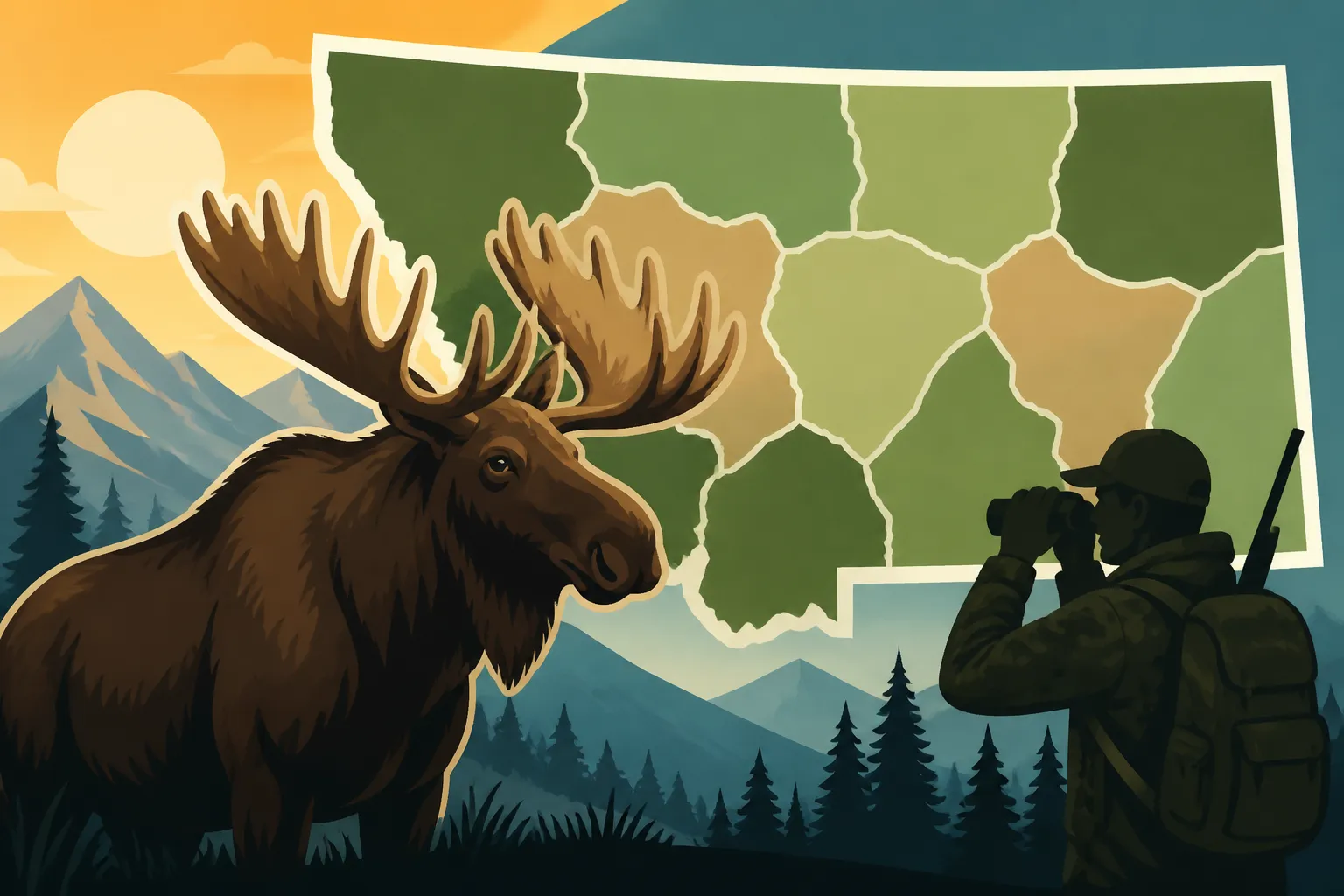
Montana Moose Range and Districts
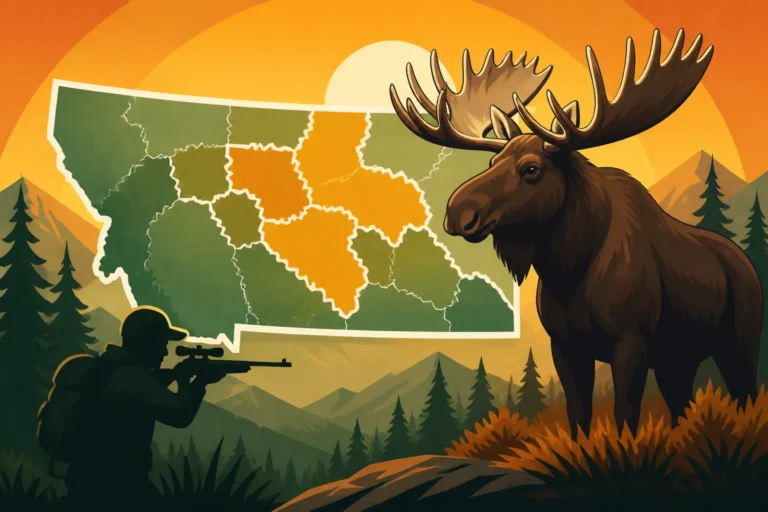
For many hunters, the elusive Montana moose represents the pinnacle of big game pursuit, but trying to figure out where these majestic animals actually live and which districts offer a realistic chance at drawing a tag can feel like searching for a needle in a haystack. This guide is designed to demystify the range and specific districts where Montana moose roam, helping you understand their habitat preferences and how the draw system impacts your hunting dreams.
Understanding Montana Moose Habitat and Behavior
Moose are fascinating creatures, quite different from elk or deer in their habitat preferences and daily routines. They aren't found just anywhere in Montana; they have very specific needs that dictate where they thrive. Knowing these preferences is the first step in understanding their distribution across the state.
Preferred Environments for Moose
Unlike the vast herds of elk that might roam open parks and timbered slopes, moose are largely solitary animals that prefer wetland environments and dense, regenerating forests. Think willow bottoms, beaver ponds, and areas with abundant browse like aspen, willow, and dogwood. These aren't the high, windswept ridges you might associate with bighorn sheep or mountain goats. Instead, moose are often found munching on aquatic vegetation or browsing in dense cover where they can escape the summer heat and find protection from predators.
Their unique dietary needs mean you’ll often find them near water sources, which also provide a ready escape route from danger. In summer, they’ll spend hours in lakes and ponds, cooling off and grazing on submerged plants. As fall approaches, their diet shifts more towards woody browse, pushing them into denser timbered areas but still often in proximity to water. This preference for moist, dense habitats means their range is more fragmented than other big game, typically concentrated in specific mountain ranges and river drainages.
Behavioral Patterns and Seasonal Movements
Moose are creatures of habit, often sticking to relatively small home ranges once they've found a suitable area. While they don't undertake the sweeping migrations of elk or mule deer, they do exhibit seasonal movements driven by food availability and breeding. In the spring and summer, they are often found near water, taking advantage of succulent aquatic plants. As the rut approaches in late September and October, bulls become more active, moving around to find cows, which can temporarily expand their observable range.
During the colder months, they might move to areas with deeper snow cover but still accessible browse, often favoring areas with a good mix of mature timber and new growth. Understanding these subtle shifts is crucial for any hunter hoping to locate them. They are generally less vocal than elk, though bulls will sometimes let out a deep groan or "bellow" during the rut. Still-hunting through dense cover or targeting specific water features are often more effective tactics than trying to call them from afar, especially outside of the peak rut. For those considering an archery hunt, understanding these patterns is paramount, as detailed in our guide on Best Time to Hunt Moose in Montana.
Key Montana Moose Districts and Their Characteristics
Montana's moose population, while not as widespread as elk or deer, is distributed across several key regions, primarily in the western and southwestern parts of the state. These areas offer the ideal mix of habitat, elevation, and forage that moose require.
Western Montana Moose Hotspots
Western Montana, particularly the forested mountains and river valleys, is considered prime moose country. Regions like the Kootenai, Flathead, and Lolo National Forests hold significant moose populations. These areas are characterized by vast stretches of coniferous forests interspersed with numerous lakes, rivers, and wetland complexes, which are essential for moose habitat. Areas around Libby, Kalispell, and Missoula often report moose sightings and harvest.
Hunting districts in these regions, such as those within the Flathead and Lolo management areas, require drawing a highly coveted permit. The terrain here can be rugged and heavily timbered, making moose hunting a physically demanding endeavor. However, the reward of finding a bull moose in this breathtaking wilderness is unparalleled. Access can sometimes be challenging, often requiring extensive hiking or even pack stock to reach remote areas. Our comprehensive Montana Backcountry Hunting Guide offers valuable insights for navigating these challenging landscapes.
Southwestern Montana Moose Strongholds
Southwestern Montana also boasts strong moose populations, particularly in mountain ranges like the Gravelly, Centennial, and Tobacco Root Mountains, as well as portions of the Beaverhead-Deerlodge National Forest. This region is known for its blend of timbered slopes, high-elevation willow bottoms, and pristine mountain streams. Towns like Ennis, Dillon, and Lima are often gateways to these moose-rich areas.
Hunting districts in these areas, like those around the famed Big Hole Valley or the sparse timber of the Centennials, are highly sought after. These districts typically have lower moose densities than some western areas but can produce large, mature bulls. The competition for tags here is fierce, underscoring the challenge of the Montana Moose Draw Point Requirements. For hunters, identifying specific drainages with ample willow and water can be incredibly productive, as moose tend to concentrate in these localized pockets.
Table: General Moose Distribution by Montana Region
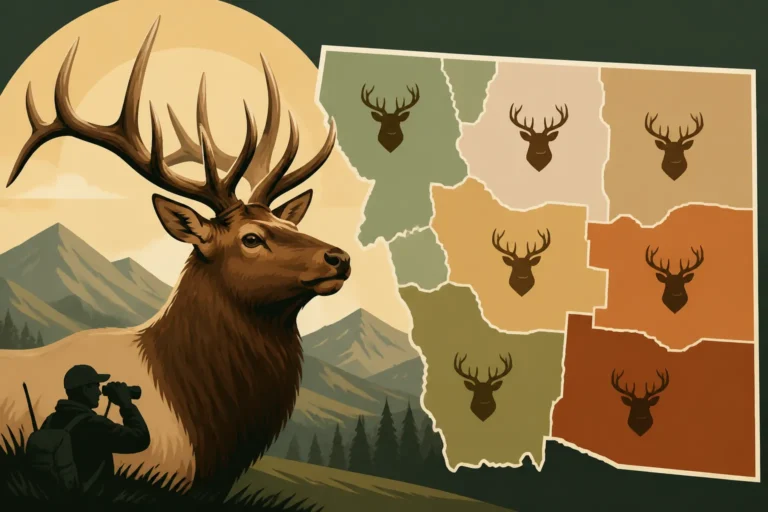
To give you a clearer picture of where moose are generally found, here's a quick overview of Montana's FWP Regions and their moose presence. Remember, these are general trends, and specific districts within these regions will have their own unique characteristics.
| FWP Region | General Moose Presence | Key Characteristics & Habitat | Primary Species Focus (General) |
|---|---|---|---|
| Region 1 | High | Dense forests, numerous lakes & rivers, wetland complexes (e.g., Kootenai, Flathead) | Elk, Whitetail, Moose, Bear |
| Region 2 | High | Rugged mountains, extensive timber, river bottoms (e.g., Lolo, Bitterroot) | Elk, Whitetail, Moose, Bear |
| Region 3 | Moderate to High | Mountain ranges, high-elevation willows, mixed forest (e.g., Gravelly, Tobacco Root) | Elk, Mule Deer, Moose, Antelope |
| Region 4 | Low to Moderate | Central mountains, river corridors. Less widespread. | Elk, Mule Deer, Whitetail, Bear |
| Region 5 | Low | Sparse, localized pockets in mountain ranges. | Elk, Mule Deer, Antelope, Whitetail |
| Region 6 | Very Low | Primarily plains, rare sightings along major rivers. | Antelope, Whitetail, Mule Deer |
| Region 7 | Very Low | Eastern plains, virtually non-existent for hunting. | Antelope, Mule Deer, Whitetail |
Note: Moose presence diminishes significantly as you move east into the plains regions of Montana.
Navigating the Moose Draw and Scouting Strategies
Drawing a Montana moose tag is one of the most challenging feats in North American big game hunting. The low number of available permits combined with high demand means that most hunters will accumulate preference points for many years. However, understanding the draw system and effective scouting can increase your odds of success once that coveted tag is finally in hand.
The Montana Moose Permit Draw
Montana's moose tags are allocated through a limited-entry draw system. Unlike general tags for elk or deer, moose permits are specific to particular hunting districts and are extremely limited in number. Non-residents typically face even tougher odds due to quotas, and both residents and non-residents often accumulate preference points for a decade or more to have a realistic chance. You can explore this further in our guide to Montana Moose Season Dates and Tags. The application period typically falls in March, with results announced in the spring.
The best strategy for the draw, frankly, is patience and consistency. Buy a preference point every year, even if you don't apply for a tag, to gradually improve your odds. Websites like GoHunt provide invaluable data on draw odds, success rates by district, and point trends, which can help you make an informed decision on which districts to apply for. This detailed information can often show you how to draw a Montana moose tag as a nonresident, or at least how to strategize for the long game. Always check the current year's regulations from Montana Fish, Wildlife & Parks (FWP) before applying, as rules and district boundaries can change.
Effective Scouting for Moose
Once you've drawn that golden ticket, effective scouting becomes paramount. Moose are not as visible as elk in open country; they often prefer dense cover. This means your scouting methods need to adapt.
- E-Scouting: Begin with digital tools. Platforms like onX Hunt or even Google Earth allow you to identify potential moose habitat from your home. Look for willow-choked creek bottoms, beaver ponds, clearcuts with good regenerating browse, and areas with a mix of dense timber and water. Pay close attention to north-facing slopes in summer for cooler bedding, and south-facing slopes in winter for sun exposure. Using these tools to How to E-Scout Montana Hunting Units can save you countless hours in the field.
- Boots on the Ground: Nothing beats physically exploring the terrain. Focus on areas identified during e-scouting. Look for fresh tracks, browse lines on willows and aspen, rubbed trees, and bedding areas. Moose sign is distinct – large, oblong droppings and heavy tracks. Early season scouting, even without a tag, can help you learn an area's potential.
- Summer Observations: During late summer, moose are often more visible in aquatic environments. While you can't hunt then, spotting them can confirm their presence in a particular drainage. Remember, moose are often more active at dawn and dusk, much like other big game species.
- Trail Cameras: Strategically placed trail cameras near water sources or well-used trails can provide valuable information on moose movement patterns and antler growth, without disturbing the animals.
Finding a moose often comes down to perseverance and focusing on their preferred habitat. Don't get discouraged if you don't see them immediately; they are masters of concealment.
Conservation and Management of Montana's Moose Population
Montana's moose population has faced challenges over the years, leading to conservative management strategies aimed at sustaining healthy herds. Understanding these challenges and FWP's approach is vital for appreciating the privilege of pursuing these magnificent animals.
Population Trends and Challenges
Historically, Montana's moose populations were robust, but recent decades have seen some declines in certain areas, particularly in parts of southwestern Montana. Various factors contribute to these challenges:
- Habitat Degradation and Fragmentation: While moose prefer specific habitats, these areas are often impacted by human development, logging practices that don't consider moose needs, and changes in forest composition. Fire suppression, for example, can reduce the regenerating browse moose prefer.
- Climate Change: Warmer temperatures can stress moose, especially during summer, as they are not well-adapted to heat. This can lead to reduced foraging and increased susceptibility to disease.
- Parasites and Disease: The winter tick (Dermacentor albipictus) can have devastating effects on moose populations, particularly calves. Large infestations can lead to significant blood loss, hair loss, and even death. Brain worm (Parelaphostrongylus tenuis), carried by deer, can also be fatal to moose, which are not natural hosts for the parasite.
- Predation: While predation by wolves and bears is a natural part of the ecosystem, it can exert additional pressure on moose populations, especially when combined with other stressors.
Montana Fish, Wildlife & Parks actively monitors moose populations through aerial surveys, harvest data, and research studies to understand these dynamics better and inform management decisions.
Montana FWP Management Strategies
Montana FWP employs a variety of strategies to manage and conserve moose populations, aiming for sustainable hunting opportunities while ensuring the long-term health of the species.
- Limited Quotas: The most direct management tool is setting extremely limited permit quotas for hunting. This ensures that harvest levels are sustainable and do not negatively impact breeding populations. These quotas are adjusted annually based on population estimates and research.
- Habitat Improvement Projects: FWP works with land management agencies and private landowners on projects designed to improve moose habitat. This can include prescribed burns to encourage new browse growth, willow planting in riparian areas, and protecting critical wetland habitats.
- Research and Monitoring: Ongoing research helps biologists understand moose ecology, disease prevalence, and population dynamics. This scientific data is crucial for adaptive management, allowing FWP to respond to new challenges.
- Public Education: Educating hunters and the general public about moose conservation, responsible recreation in moose habitat, and the importance of reporting sightings or sick animals is another key component of FWP's strategy. Hunters are an important part of conservation efforts, and their license fees directly fund these initiatives.
By understanding the delicate balance of moose populations and the efforts made to conserve them, hunters can play a more informed and responsible role in their continued presence across the Big Sky State.
Disclaimer
Please be aware that hunting regulations, season dates, and specific district boundaries can change annually. Always consult the official Montana Fish, Wildlife & Parks (FWP) regulations for the current year before planning any hunting trip. This guide is for informational purposes only and should not replace official FWP documentation.