How Weather Moves Montana Elk
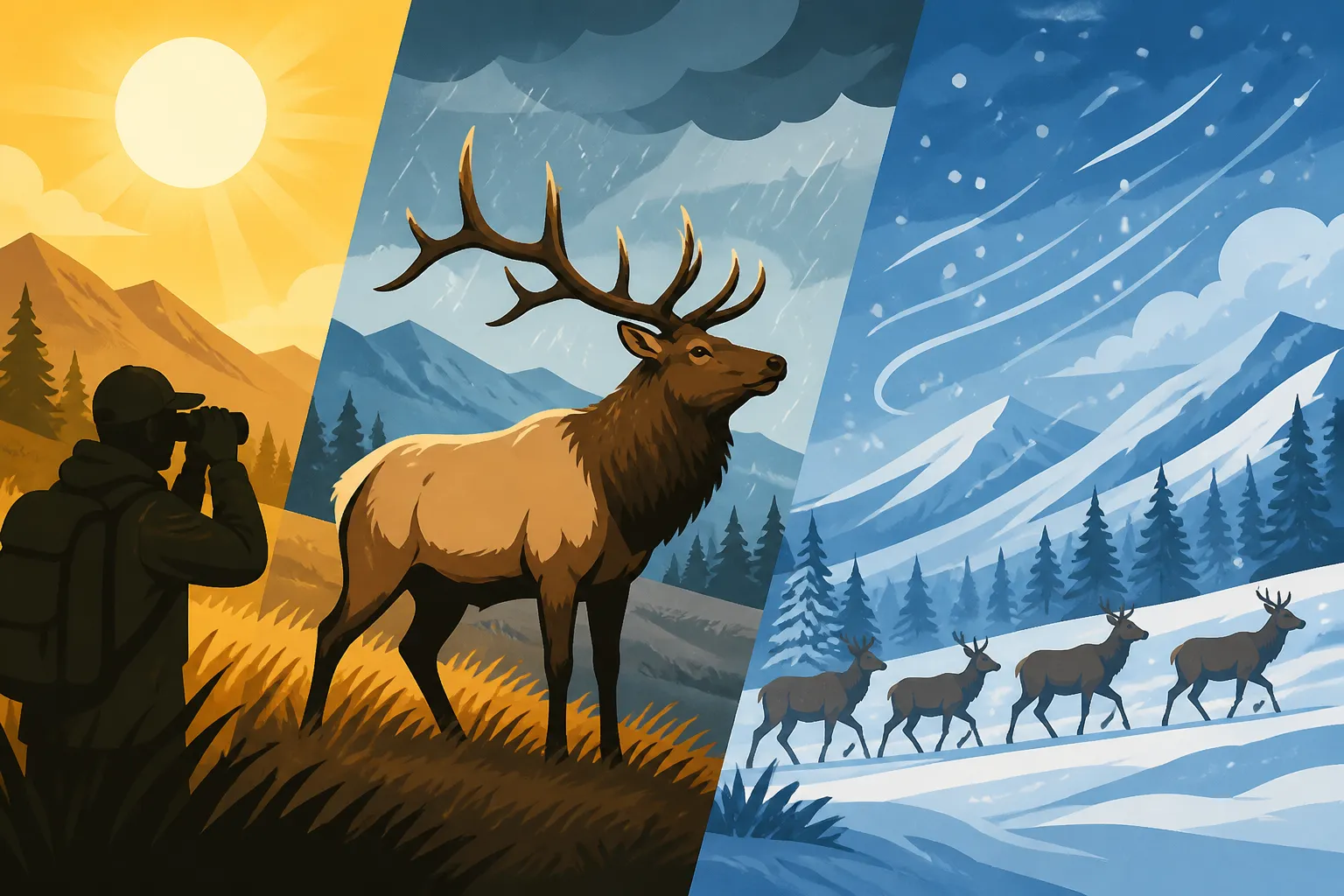
Nothing's quite as frustrating as showing up for your long-awaited Montana elk hunt only to find the woods eerily silent, the elk seemingly vanished into thin air. You've scouted, you've planned, and now you're wondering if you picked the wrong week. Often, it's not you, it's the weather. Elk are creatures of habit, but those habits are heavily dictated by atmospheric conditions. This guide will help you understand how different weather patterns move Montana elk, and more importantly, how you can adapt your hunting strategy to put yourself in the right place at the right time.
The Impact of Cold Fronts and Temperature Swings on Elk
Cold fronts are often the elk hunter's best friend, ushering in changes that can ignite activity. But not all cold fronts are created equal, and understanding the nuances is key to predicting elk movement.
How a Sharp Cold Front Triggers Elk Movement
Imagine a balmy October day, shirt-sleeve weather, and then BAM! The temperature drops 30 degrees overnight, followed by a crisp, clear morning. This dramatic shift is exactly what can kick elk into gear. Before a severe cold front truly settles in, especially one bringing precipitation, elk often feed heavily. They sense the impending change and will try to fill their bellies, making them more visible and vocal. Once the front hits and the pressure drops, elk can become more active during daylight hours. They might move from higher, exposed ground to more sheltered, timbered areas, or shift from open feeding grounds into dense cover to escape the wind and cold. This is a prime opportunity to capitalize on their increased movement. You can learn more about this by checking out our guide on how to hunt a cold-front elk push in Montana.
However, the immediate aftermath of a super severe, sudden front might see them hunkering down for a day or two. It's a fine line. The initial drop often spells opportunity, but prolonged extreme cold can slow things down until their bodies adjust. Many experienced hunters keep a close eye on weather forecasts, particularly tracking pressure systems and significant temperature shifts, using tools like GoHunt's weather overlays to anticipate these changes.
The Role of Temperature Drops in Elk Behavior
Beyond just a cold front, a steady, significant drop in temperature over a few days can gradually shift elk patterns. During the early archery season, when temperatures can still be quite warm, elk often feed most actively in the cool hours of dawn and dusk, bedding down in thick timber or north-facing slopes during the heat of the day. A consistent cooling trend, especially if it drops daytime highs into the 40s or 50s, will extend their feeding periods. They won't feel the need to seek out the deepest, darkest timber quite as quickly, allowing for more opportunities to catch them out and about.
Conversely, unseasonably warm spells can make elk almost entirely nocturnal, forcing them into the thickest, coolest cover during daylight. This is when you really have to slow down, pick apart the dark timber, and focus on bedding areas rather than wide-open feeding grounds. Their metabolism slows down, and they conserve energy. This can be one of the most frustrating scenarios for a hunter.
Hunting Strategies for Post-Cold Front Conditions
When a cold front rolls through, your strategy needs to adapt. If it's a mild-to-moderate cold front, expect elk to be on the move, especially during the first 24-48 hours. Focus on travel corridors between bedding and feeding areas, often along saddles, ridges, or timbered benches. If the front brings snow, this is your golden ticket for tracking. Fresh snow lays down a literal map of elk movement, showing you exactly where they've been.
If the cold front is severe, with biting winds and heavy precipitation, elk will seek shelter. Look for south-facing slopes that catch the sun, dark timber that blocks the wind, or dense draws. They'll be looking for thermal cover. This might mean still-hunting very slowly through bedding areas, as they won't want to move far. In these conditions, focusing on How to Find Elk in Montana Dark Timber becomes paramount. Don't be afraid to adjust your hunt plan hour by hour as the weather evolves.
Precipitation: Rain, Snow, and Their Influence on Elk Activity
Precipitation, whether it's a gentle rain or a foot of fresh snow, plays a huge role in how and where elk move throughout Montana's vast landscapes.
Elk Behavior During Rain and Light Precipitation
A steady, light rain can be a hunter's dream, quieting the forest floor and making it easier to move undetected. Elk generally don't mind light rain and will often remain active, feeding, and moving through the woods. The soft ground makes for quieter walking, which can be an advantage for still-hunting or stalking. In these conditions, elk might even move into more open areas or feed for longer periods, as the rain offers a bit of cooling relief if temperatures are mild.
However, heavy, driving rain can make them seek shelter in dense timber or under thick canopies. Their coats are waterproof, but they don't enjoy being drenched for hours on end, especially if it's cold. If you find yourself in a downpour, focus your efforts on the fringes of dense timber, looking for pockets of cover where elk might be waiting out the worst of it. They won't be moving much, but they'll be there, and you might catch them stirring as the rain eases.
Tracking Elk in Fresh Snow
Ah, fresh snow! For many, this is the ultimate game-changer for Montana Elk Hunting Methods Explained. A fresh dusting or a few inches of new snow transforms the hunting landscape. Not only does it quiet your footsteps, but it also paints a clear picture of every animal's recent movements. Elk tracks become undeniable signposts, telling you direction of travel, approximate size of the animal, and how fresh the activity is. When tracking elk in fresh snow, always pay attention to how deep the tracks are and if any snow has fallen into them – this tells you how recently the elk passed.
Elk will often feed heavily before a snowfall, anticipating the cover it provides. Once the snow hits, they might seek shelter initially, but then become quite active. Look for fresh tracks leading from bedding areas to feeding grounds, or along ridges and draws. Learning How to Hunt Elk in Montana Snow is a skill every Montana hunter should develop. This is where patience, keen observation, and tracking skills really pay off. Even in heavy timber, fresh tracks can lead you right to them.
Heavy Snowfall and Winter Range Migration
A significant, sustained heavy snowfall, especially in the high country, can trigger major elk migrations to lower elevations and their traditional winter ranges. This isn't just a daily movement; it's a seasonal shift driven by survival. As the snow deepens, covering forage and making travel difficult, elk will move to areas with less snow, more accessible food, and generally milder conditions. This often pushes them out of wilderness areas and into foothills, river bottoms, or even private agricultural lands.
These migration corridors are legendary among hunters, but also notoriously difficult to predict precisely. Timing is everything. Keep a close watch on weather patterns and snow depths in the high country, particularly towards the latter half of the season. Understanding Montana Elk Migration Patterns can give you a significant advantage. This type of movement creates choke points and funnels that can be prime ambush locations, but it also concentrates elk, and often, other hunters.
Wind: The Silent Factor in Montana Elk Hunting
Wind is often overlooked, but it's a critical element in elk hunting. It can be your best friend or your worst enemy, affecting everything from elk communication to their sense of security.
How Wind Affects Elk Bedding and Feeding
Elk rely heavily on their sense of smell for detecting danger. When the wind blows steadily, it carries scent in one direction, creating a "safe zone" on the downwind side. Because of this, elk will almost always bed with the wind at their back, allowing them to smell anything approaching from behind, while they can visually watch the area in front of them. When feeding, they might graze into the wind, constantly scent-checking the air.
Strong, gusty winds can make elk particularly skittish. The swirling air currents make it difficult for them to pinpoint threats by smell, increasing their anxiety. They might move into denser timber for protection, or choose to bed on leeward slopes (the side protected from the wind) where the swirling is less chaotic. This means you need to adjust your approach constantly, using the terrain to block your scent. Tools like GoHunt's mapping features can show topography and potential wind funnels, helping you plan your stalk.
Using Wind to Your Advantage or Disadvantage
Ignoring the wind is one of the quickest ways to blow a stalk. Always, and I mean always, hunt into the wind or with a crosswind. Your scent is your biggest giveaway. If you're walking with the wind at your back, you're broadcasting your presence to every animal ahead of you. This is especially true when still-hunting. Take your time, test the wind frequently with a puff bottle or some loose dirt, and adjust your route as necessary.
In mountainous terrain, understanding How to Use the Wind Hunting Montana Elk also means understanding thermals. Thermals are air currents that rise as the sun heats the ground (updrafts) and fall as the air cools after sunset or overnight (downdrafts). This means in the morning, scent tends to rise, and in the evening, it tends to fall. You'll want to hunt uphill in the morning and downhill in the evening to keep your scent above or below the elk. Ignoring thermals in the mountains is a rookie mistake that will consistently put elk on alert.
Thermals and Mountain Winds in Elk Country
Mountain hunting presents a unique challenge with wind. Beyond the general direction, thermals play a massive role. In the mornings, as the sun warms the mountain slopes, air rises, carrying your scent upwards. This means you want to ascend the mountain with the rising thermal, keeping your scent above any elk below you. As evening approaches and the air cools, thermals reverse, and cold air sinks. Now, you want to descend the mountain, moving below any elk, as your scent will be carried downwards.
This constant shift requires vigilance. Even in consistent wind patterns, local terrain features like draws, ridges, and canyons can create micro-thermals and swirling winds that are difficult to predict. Always be aware of your elevation relative to the elk and how the thermals are likely affecting scent. This is where spending time learning about How to Use Thermals in Montana Elk Country really pays off. A slight shift in your position can mean the difference between a successful stalk and a ghosting elk.
Drought, Heatwaves, and Fire Smoke: Unconventional Weather Impacts
While cold, snow, and wind are the usual suspects, other weather phenomena, often exacerbated by climate patterns, can have profound impacts on elk.
The Influence of Drought on Elk Watering and Foraging
Drought conditions significantly alter elk behavior, especially in areas with limited water sources. During prolonged dry spells, elk will concentrate around remaining waterholes, springs, and perennial creeks. This makes these spots high-traffic areas and potential ambush points for hunters. However, it also means elk might have to travel further for water, expending more energy, which can change their overall activity patterns.
Foraging is also impacted. During a drought, palatable forage can become scarce and dry, forcing elk to move more widely to find food. They might become less particular about what they eat, or they might seek out irrigated agricultural fields on private land, leading them away from traditional public land haunts. Identifying these critical water sources and understanding how they concentrate elk is vital during dry years. Platforms like GoHunt can help you identify water sources in specific hunting districts.
Hunting Elk During Unseasonably Warm Weather
Unseasonably warm weather, especially during the archery or early rifle seasons, can make elk hunting incredibly challenging. High temperatures stress elk, causing them to reduce activity during the day and spend more time seeking shade and cooler temperatures. This often means they become almost entirely nocturnal, feeding under the cover of darkness and bedding down deep in north-facing timber or in high, cool elevations before the sun rises.
When facing warm conditions, you need to adjust your hunt entirely. Focus on hunting the very first and last hours of daylight, when temperatures are at their lowest. Slow down your movements, especially if you're hiking in steep terrain, to minimize sweating and scent. Concentrate on areas with dense, dark timber, high elevation basins, or proximity to water sources. These are the places elk will seek refuge from the heat. This is also when understanding Montana Elk Habitat and Elevation becomes crucial.
Navigating Smoke-Filled Landscapes and Their Effects
Wildfires are an unfortunate reality in many Western states, including Montana, and their smoke can have complex effects on elk and hunting. While some studies suggest elk might tolerate smoke surprisingly well, prolonged heavy smoke can certainly alter their behavior. Reduced visibility might make them feel more secure in open areas, as predators (including humans) would have a harder time spotting them. However, heavy smoke can also irritate their respiratory systems, potentially making them less active or pushing them into areas with clearer air.
For hunters, smoke creates significant challenges. Visibility can drop to near zero, making glassing impossible and navigation tricky, even dangerous. The smell of smoke can also mask human scent, but it can also simply be disorienting. Always prioritize safety in smoky conditions, and be aware of fire restrictions and potential evacuations. On a more tactical note, with limited visibility, elk might feel more comfortable moving in daylight, as their primary defense (sight) is compromised, and their other senses might be on higher alert. This is when close-quarters hunting, like still-hunting through timber, becomes a primary method.
Table: How Weather Elements Influence Elk Behavior and Hunting Strategy
Understanding these impacts at a glance can help you quickly adapt your plans in the field.
| Weather Element | Elk Behavior Impact | Hunting Strategy Adjustment |
|---|---|---|
| Sharp Cold Front | Increased activity pre-front, then increased daytime movement post-front seeking shelter. May hunker down in extreme cold. | Hunt travel corridors for 24-48 hours after a moderate front. Still-hunt dense timber during extreme cold. Look for sheltered areas. |
| Temperature Drops | Extended feeding periods as temperatures cool. Decreased activity, nocturnal movement during unseasonable warmth. | Focus on morning/evening in warm weather; hunt deep timber/water. More flexible daytime hunting in consistently cool weather. |
| Light Rain | Active movement, feeding. Quieter forest floor. | Excellent for still-hunting and stalking. Focus on active feeding areas. |
| Heavy Snowfall | Initial seeking of shelter, then increased movement for forage. Triggers migration to lower elevations/winter range. | Ideal for tracking. Target migration corridors during heavy, sustained snowfall. Focus on How to Hunt Elk in Montana Snow. |
| Wind (Steady) | Beds with wind at back, feeds into wind. Relies on scenting danger. | Always hunt into or across the wind. Circle downwind of suspected bedding areas. Prioritize scent control. |
| Wind (Gusty/Swirling) | Increased skittishness, seeks dense cover/leeward slopes for protection. Difficult for them to scent. | Slow down. Use terrain to block wind/scent. Be extra vigilant for elk on edge. Consider ambush points rather than stalking. |
| Drought/Heatwave | Concentrates near remaining water. Nocturnal feeding. Seeks deep shade, high elevations. | Hunt water sources at dawn/dusk. Focus on dark, north-facing timber and high-country basins. Understand Montana Elk Habitat and Elevation. |
| Fire Smoke | Variable. May feel more secure due to low visibility. Respiratory irritation possible. | Prioritize safety. Focus on close-quarters hunting, still-hunting timber. Use scent control as smoke can also mask human scent. |
Adapting Your Strategy to Weather Conditions in Montana Elk Country
Being adaptable is the hallmark of a successful Montana elk hunter. The weather can change on a dime in the mountains, and your ability to pivot your strategy accordingly will directly impact your success.
Pre-Season Planning and Weather Research
Long before your boots hit the dirt, your research should include historical weather patterns for your chosen Montana Hunting Districts Explained. While you can't predict specific days, knowing whether your hunt typically falls during warm archery season, the unpredictable rut, or late-season snows will inform your gear choices and general strategy. Use resources like GoHunt to look at past weather trends in specific units. This helps you prepare for the types of weather you're likely to encounter, rather than being surprised. Understanding the typical conditions for Best Time to Hunt Elk in Montana for your specific district is invaluable.
It's also crucial to monitor long-range forecasts as your hunt date approaches. Are there any major fronts expected? Any unusual heat waves or extended periods of drought? This allows you to mentally prepare and pack appropriately for potential shifts. Remember, conditions in the high country can be vastly different from what the nearest town reports.
In-Season Adaptations: Reading the Signs
Once you're in the field, it's all about reading the current conditions and adjusting on the fly. Don't stick to a rigid plan if the weather completely changes. If a sudden rainstorm hits, instead of waiting it out in your tent, consider it an opportunity to move quietly. If heavy snow starts falling, start looking for those fresh tracks and transition areas.
Pay attention to more than just temperature and precipitation. Is the wind swirling around a specific ridge? Are there thermals pushing your scent up a draw in the morning? Are the elk moving earlier or later than usual because of heat or cold? These subtle cues are your best indicators. You can even combine this with knowledge of Montana Backcountry Hunting Guide principles, understanding how to move and set up camp in different weather. Being present and observant is key. Often, the best adaptations happen because you're immersed in the environment, not just watching a forecast on your phone.
Leveraging Technology for Real-Time Weather Intel
Modern hunting hasn't replaced woodsmanship, but technology can certainly enhance it. Beyond standard weather apps, there are specialized hunting apps that provide detailed wind forecasts, thermal predictions, and snow depth reports specific to your hunting area. GoHunt's mapping platform, for example, offers detailed weather overlays that can show real-time wind direction, temperature, and even predicted thermals for your exact location. This can be incredibly powerful when planning a stalk or deciding which ridge to hunt.
Even simple tools like a handheld Kestrel weather meter can give you accurate, localized temperature, wind speed, and barometric pressure readings. This hyper-local data can be more reliable than regional forecasts, helping you make more informed decisions about where elk might be and how they might be moving on that particular mountain at that specific moment. Don't underestimate the power of combining your innate understanding of elk behavior with precise, real-time data to give you an edge.
Disclaimer
Hunting is an inherently dangerous activity. This guide provides general information and recommendations; however, conditions in Montana can change rapidly and unpredictability. Always prioritize safety, adhere to all Montana Fish, Wildlife & Parks regulations, and ensure you have the necessary skills, experience, and gear for your chosen hunting environment. The author and publisher are not responsible for any incidents, injuries, or legal issues that may arise from the use of this information. Always consult official FWP regulations before your hunt.