How to Hunt Elk Wallows in Montana
Hunting elk in Montana can often feel like chasing ghosts, especially when the landscape is vast and the elk aren't bugling their locations from every ridge. But there's a secret weapon many experienced hunters leverage: the elk wallow. These muddy, scent-filled depressions are more than just puddles; they're essential hubs for elk activity, offering a predictable spot in an unpredictable world. This guide will walk you through how to find, interpret, and effectively hunt these vital natural magnets, helping you turn frustration into a filled freezer.
The Allure of Elk Wallows in Montana
Elk wallows are fascinating features of the landscape, acting as crucial gathering points that betray the presence and habits of elk herds. Understanding what they are and why elk use them is the first step to successfully hunting them.
What Defines an Elk Wallow?
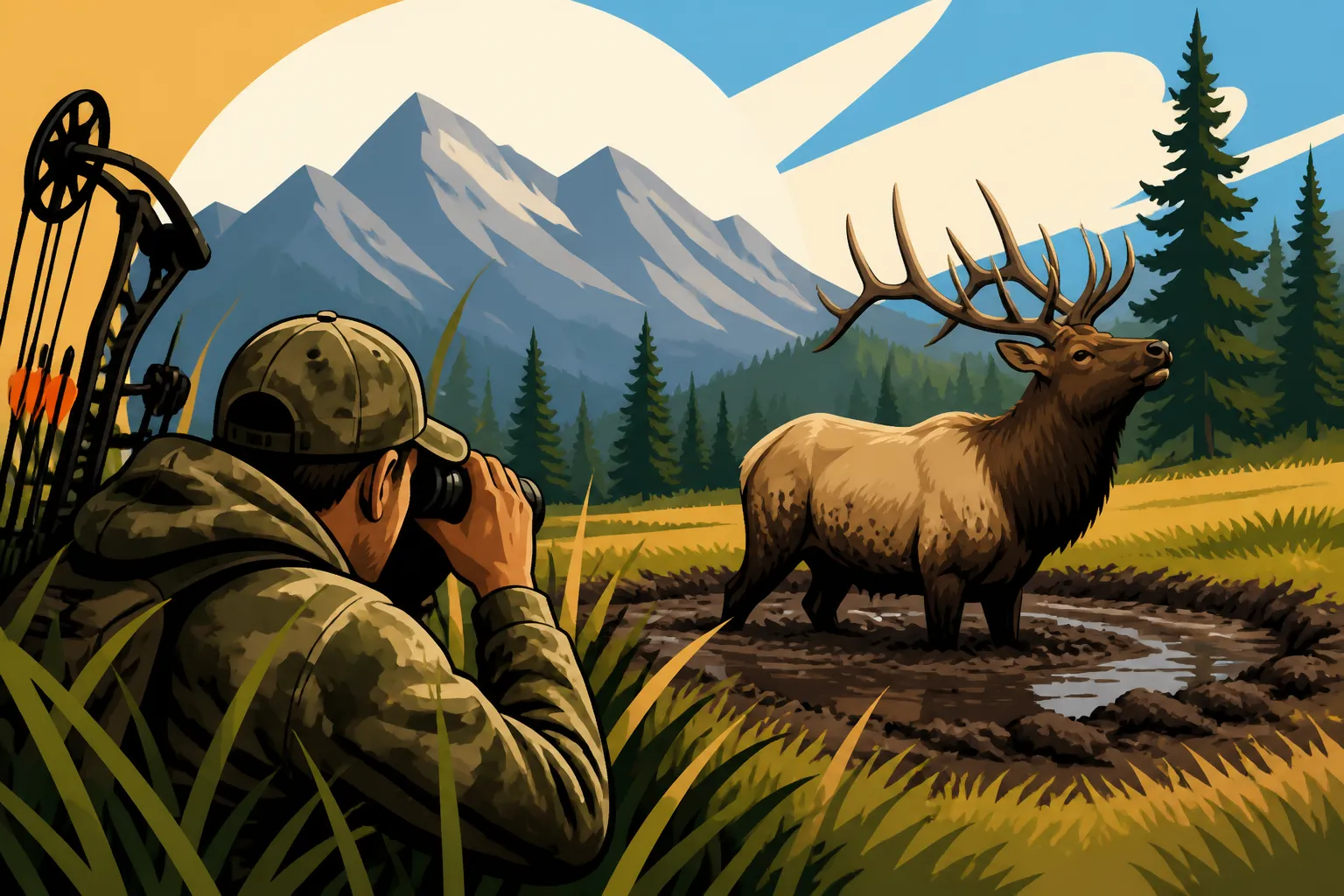
An elk wallow isn't just any muddy puddle; it's a specific, often excavated depression in the earth, typically filled with water, where elk roll around. These spots are usually identifiable by several key features: a saucer-like depression, churned mud, and sometimes a distinct, musky odor that can be surprisingly pungent, especially when a bull has recently visited. The size can vary from a small bathtub-like depression to a large, shallow pool, often with evidence of antlers digging into the surrounding earth. The mud in an active wallow is often a soupy consistency, perfect for coating an elk's hide. Beyond the physical appearance, there's a chemical and sensory component. Many wallows occur in areas rich in specific minerals, which elk may inadvertently ingest or absorb through their skin, potentially aiding in their health or simply attracting them. The overall sensory experience – the sight of the churned mud, the fresh tracks, the sound of water, and that unmistakable elk scent – combine to tell a story of recent activity.
Why Elk Are Drawn to Wallows
Elk are drawn to wallows for a multitude of reasons, making these locations central to their daily lives and, by extension, to a hunter's strategy. One primary reason is thermoregulation. Elk are large animals with thick coats, and during warmer parts of the hunting season, a cool mud bath helps them shed excess heat and regulate their body temperature. Imagine the relief of a cool mud coating on a warm September afternoon. Secondly, wallows provide relief from insects. The mud acts as a natural bug repellent and helps dislodge ticks, flies, and other pests that can plague them.
Perhaps most critically for hunters, wallows serve as important scent-marking stations, especially for bull elk. During the rut, bulls will aggressively wallow, coating themselves in their urine and mud, which helps broadcast their presence, dominance, and readiness to breed to cows and rival bulls alike. This is a powerful form of communication, signaling territory and sexual status. You might notice broken saplings and fresh rubs around a wallow, further signs of a bull's presence. Finally, wallows can be a source of minerals. While not as direct as a mineral lick, the soil in some wallow locations may contain trace elements that elk seek out, contributing to their overall health.
Montana's Unique Wallow Dynamics by Season
The importance and use of wallows shift throughout Montana's hunting seasons, influenced by weather, elk behavior, and the phases of the rut. In the early archery season, typically August and September, wallows are often highly active due to warmer temperatures and the peak of insect activity. Elk, especially bulls, are looking for relief from the heat and bugs as they build up fat reserves for the coming rut. Finding these spots can be absolutely critical for early season bowhunters.
As the rut progresses into late September and early October, wallows become increasingly important for bulls. They aren't just for cooling down anymore; they're battlegrounds and display areas. Bulls will spend significant time here, scent-checking, rolling, and challenging rivals. This makes wallows prime ambush points during the peak of the Montana Elk Rut Explained. By general rifle season, usually late October and November, wallow activity can decrease, but not entirely disappear. If temperatures remain mild, or if there's a dry spell, elk will still seek out water sources and wallows for hydration and continued mineral intake. However, during colder periods, their use becomes less frequent as thermoregulation priorities shift. Understanding these seasonal changes is crucial for timing your wallow hunt correctly.
Strategically Finding Productive Wallows
Locating an elk wallow is one thing, but finding one that's consistently used by elk, particularly the kind of elk you're hoping to tag, requires a strategic approach that combines modern technology with old-school boots-on-the-ground scouting.
Leveraging E-Scouting Platforms and Topographical Maps
Before you ever set foot in the woods, the best place to start your search for productive wallows is from the comfort of your home, using e-scouting tools and topographical maps. Platforms like GoHunt, OnX Hunt, and even Google Earth provide invaluable satellite imagery and topo data that can reveal potential wallow locations. Look for areas with specific characteristics: north-facing slopes, which tend to hold moisture longer and offer cooler bedding areas; dense timber, particularly dark timber pockets that provide shade and security; saddles or benches where elk naturally funnel; and, critically, areas near known water sources like springs, seeps, or small creeks.
When using GoHunt or similar tools, pay close attention to contour lines indicating slight depressions in otherwise flat or gently sloping terrain. Often, these subtle dips, especially in timbered areas, are where water collects and wallows form. Cross-reference these potential spots with historical elk sign if available, or areas known for elk activity. Consider how elk would travel to and from these spots – are there trails, bedding areas, or feeding grounds nearby? The goal of e-scouting is to narrow down the vast Montana landscape into a handful of highly probable locations worth investigating further. It's an essential first step in How to E-Scout Montana Hunting Units.
Interpreting Ground Sign for Active Wallows
Once you've identified potential wallow locations through e-scouting, it's time for boots-on-the-ground scouting. This is where you become a detective, looking for undeniable evidence of current elk activity. Upon finding a wallow, the first thing to assess is the mud itself. Is it wet and soupy? Are there fresh tracks pressed into it, clearly showing hoof prints with sharp edges? Is there a distinct, musky elk odor, particularly that strong bull smell? These are all indicators of recent use. If the mud is dry and cracked, or if tracks are faded and filled with debris, the wallow is likely inactive or hasn't been used recently.
Beyond the mud, look for other corroborating signs. Check the surrounding vegetation for fresh rubs where bulls have scraped their antlers, or fresh droppings nearby. You might even find strands of elk hair caught on branches or in the mud. Overhanging branches or saplings might be broken or muddied from an elk rolling beneath them. A consistently active wallow will often show multiple layers of this fresh sign. Don't be afraid to take notes or drop pins on your GPS to track activity over time. The fresher and more abundant the sign, the higher the probability of elk returning.
The Importance of Water Sources and Wallow Clusters
Elk, like all animals, need water, and wallows are intrinsically linked to accessible water sources. While a wallow itself holds water, it’s often fed by an underground spring, a seep, or located alongside an intermittent stream. When you're scouting, identifying these consistent water sources nearby will greatly increase the likelihood of finding active wallows. Elk prefer predictable, year-round water, especially in drier parts of the season.
Furthermore, elk often don't just use a single wallow. You might find "wallow clusters" – several wallows in close proximity, sometimes connected by faint trails. If one wallow isn't active, another nearby might be. This creates a network of activity, providing elk with options. When scouting, if you find one wallow, thoroughly search the immediate area, especially along benches, in drainages, and within timbered pockets, for others. A cluster of active wallows in a secure area, close to bedding and feeding, can be an absolute goldmine for a hunter. For a broader understanding of water-centric hunting, you might also want to read about How to Hunt Elk Water Holes in Montana.
Mastering the Wallow Ambush
Once you've pinpointed an active wallow, the next step is to strategize how to effectively hunt it. This isn't just about showing up; it's about meticulous planning, understanding elk behavior, and executing a flawless ambush.
Wind, Thermals, and Scent Control as Your Allies
In Montana's rugged terrain, wind and thermals are not just weather phenomena; they are critical elements of your hunting strategy, especially around a stationary ambush point like a wallow. Elk have an incredible sense of smell, and a single whiff of human scent will send them packing. Always, and I mean always, hunt with the wind in your favor. This means positioning yourself downwind of the wallow, so your scent blows away from where the elk will approach.
Thermals are also paramount, particularly in mountainous elk country. As the sun rises, warm air pushes up the drainages (updraft). As the sun sets, cool air descends (downdraft). This means that in the mornings, your scent will likely be carried uphill, and in the evenings, it will be carried downhill. You need to position yourself to account for this. If you're hunting an evening wallow, you might need to set up lower than the wallow, allowing your scent to drift down and away. For a morning hunt, you might need to be higher. This intricate dance with air currents is something you'll need to master. Extreme scent control is non-negotiable; shower with scent-eliminating soap, wear clean clothes stored in scent-proof bags, and use scent sprays. For more depth, explore How to Use the Wind Hunting Montana Elk and How to Use Thermals in Montana Elk Country.
Optimal Stand and Blind Placement
Setting up your ambush requires careful consideration of concealment, shooting lanes, and exit strategies. Whether you choose a natural ground blind, a portable pop-up ground blind, or a tree stand, the goal is to be invisible. For ground blinds, utilize natural features like thick brush, fallen trees, or rock formations to break up your outline. A portable ground blind, like those from Primos or Ameristep, can be effective if set up well in advance to allow elk to habituate to its presence. Ensure you have clear shooting lanes to the wallow and any common approach trails.
Tree stands offer an elevated advantage, getting your scent up higher and providing a better vantage point, but not all wallows have suitable trees. If using a tree stand, position it so you have a clear view and a safe shot, again considering the wind and thermals. Your approach to the setup should be quiet and slow, causing minimal disturbance. Think about your backdrop – you don't want to silhouette yourself against an open sky. Consider the sun's position throughout the day to avoid glare or casting long shadows. For detailed tactics, check out Montana Ground Blind Tactics.
The Waiting Game: Patience and Timing
Hunting an elk wallow is often a test of patience. Elk don't operate on a rigid schedule, but there are patterns. Bulls often visit wallows during the midday heat for cooling, and again in the late afternoon/early evening as they move from bedding to feeding areas. During the rut, they might visit at any time, driven by instinct. Your best bet is to commit to long sits, ideally arriving well before dawn for a morning hunt or early afternoon for an evening hunt, and staying until well after dark.
This means you need to be comfortable and prepared to sit for extended periods, remaining absolutely still and silent. Pack snacks, water, and appropriate layers of clothing. Movement and noise are your biggest enemies. While waiting, use your binoculars to scan the area, looking for any subtle movement or flick of an ear. Resist the urge to check your phone or fidget. This is when your mental game is as important as your physical readiness.
Enhancing Your Wallow Hunting Success
Beyond the fundamentals of finding and ambushing, there are several key elements that can significantly boost your chances of success when hunting elk wallows.
Using Calls to Your Advantage
While wallow hunting is primarily a waiting game, strategic calling can sometimes be the perfect subtle nudge to bring an elk within range. This isn't usually about aggressive bugling or cow calling to locate elk, but rather using soft, subtle vocalizations to pique the curiosity of an approaching or hesitant elk. A soft cow call or two, mimicking a lonely cow, can sometimes convince a bull to investigate further, especially during the rut when he's looking for company.
If you hear elk approaching but they seem to hang up, a quiet, almost inquisitive social calling sequence might be enough. Don't overdo it. The goal is to sound natural and inviting, not like a distressed animal or an overzealous hunter. Practice your calls beforehand to ensure they sound authentic. Knowing when to call and, more importantly, when to remain completely silent is a skill developed over time. For a deeper dive into vocalizations, refer to Montana Elk Calling Sounds Explained.
Necessary Gear for the Wallow Hunter
Having the right gear is paramount for a successful and comfortable wallow hunt. Since it's often a stationary endeavor, comfort becomes a higher priority than if you were spot-and-stalk hunting. Here’s a rundown:
- Optics: A good pair of binoculars (10×42 or 12×50) is essential for scanning the timber and identifying elk movement. A rangefinder is crucial for confirming distances to potential shooting lanes around the wallow.
- Quiet Clothing: Layers are key for Montana's unpredictable weather. Ensure your outer layers are quiet, preferably fleece or wool, to minimize noise when you shift or move. Camouflage is a personal preference, but breaking up your silhouette is most important.
- Comfortable Seating: A small, lightweight portable chair or a comfortable seat cushion can make hours of sitting much more bearable.
- Hydration and Snacks: Long sits require sustenance. Bring enough water and quiet, high-energy snacks.
- Bug Spray/Thermacell: Depending on the season, mosquitoes and flies can be relentless around wet, muddy areas. A good bug repellent or a Thermacell device can be a lifesaver.
- Headlamp: For getting to and from your stand in the dark.
- First-Aid Kit: Always carry a basic first-aid kit for emergencies.
- Weapon: Your chosen weapon, whether bow or rifle, should be sighted in and ready. For those considering a backcountry journey to reach remote wallows, having a look at Montana Backcountry Hunting Gear List could provide further insights.
Post-Shot Strategy and Recovery
What happens after the shot is just as critical as the hunt itself. If you make a good shot, observe the elk's reaction and listen for sounds of it crashing. Mark the exact spot where the elk was standing when you shot, and where you last saw it. These points of reference are invaluable for tracking.
If the shot felt good and the elk showed signs of being hit hard, give it time. For a heart or lung shot, waiting 30-60 minutes is often sufficient. For a gut shot, waiting 4-6 hours, or even overnight if conditions are cool, is prudent to allow the animal to expire and stiffen up. When you begin tracking, move slowly and deliberately, looking for blood, broken branches, and displaced earth. If you lose the blood trail, expand your search in concentric circles from the last known sign. Having a tracking partner can be incredibly helpful. Once the elk is recovered, the hard work of field dressing and packing out begins. Be prepared with game bags, a sharp knife, and a plan for cooling the meat, especially in warmer early season hunts. If you're wondering about the logistics of getting your harvest out of the wilderness, learning How to Pack Out an Elk in Montana will be essential.
Montana Elk Wallow Activity by Season and Time
To summarize, here's a general guide to elk wallow activity throughout the hunting season in Montana:
| Season Phase | Typical Months | Primary Reasons for Wallowing | Peak Activity Times | Key Hunter Considerations |
|---|---|---|---|---|
| Early Archery | August – Early September | Thermoregulation, Insect Relief | Mid-day (hottest part), late afternoon | High activity; focus on water sources, shady timber. Scent control is critical. |
| Peak Rut | Mid-September – Early October | Scent Marking, Dominance Display, Thermoregulation | All day, but especially mid-day and late afternoon | Bulls are aggressive and less cautious. Increased vocalizations. Prime time for archery hunters. |
| General Rifle | Late October – November | Hydration, Mineral Intake, occasional cooling | Late morning, early afternoon (if mild) | Activity decreases but remains if temperatures are mild or conditions dry. Focus on secure, timbered areas. |
| Late Season | December | Hydration (less frequent use) | Infrequent, opportunistic | Wallows become less reliable. Focus shifts to food sources and winter range. Only active during unseasonably warm periods. |
Disclaimer
Please remember that hunting regulations, seasons, and access can change. Always consult the official Montana Fish, Wildlife & Parks (FWP) regulations and maps before planning any hunting trip. Stay safe, be ethical, and respect the land and wildlife.