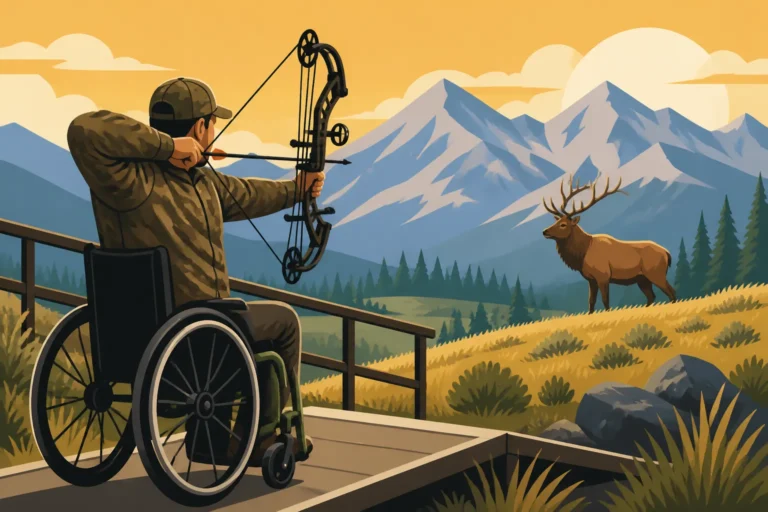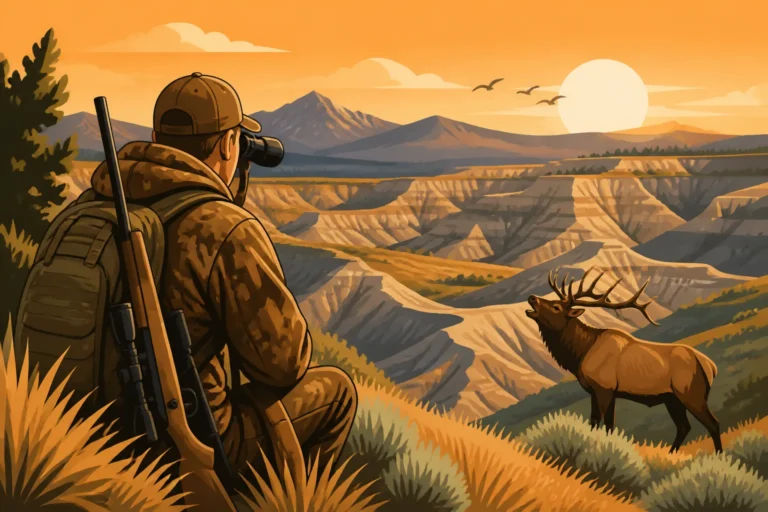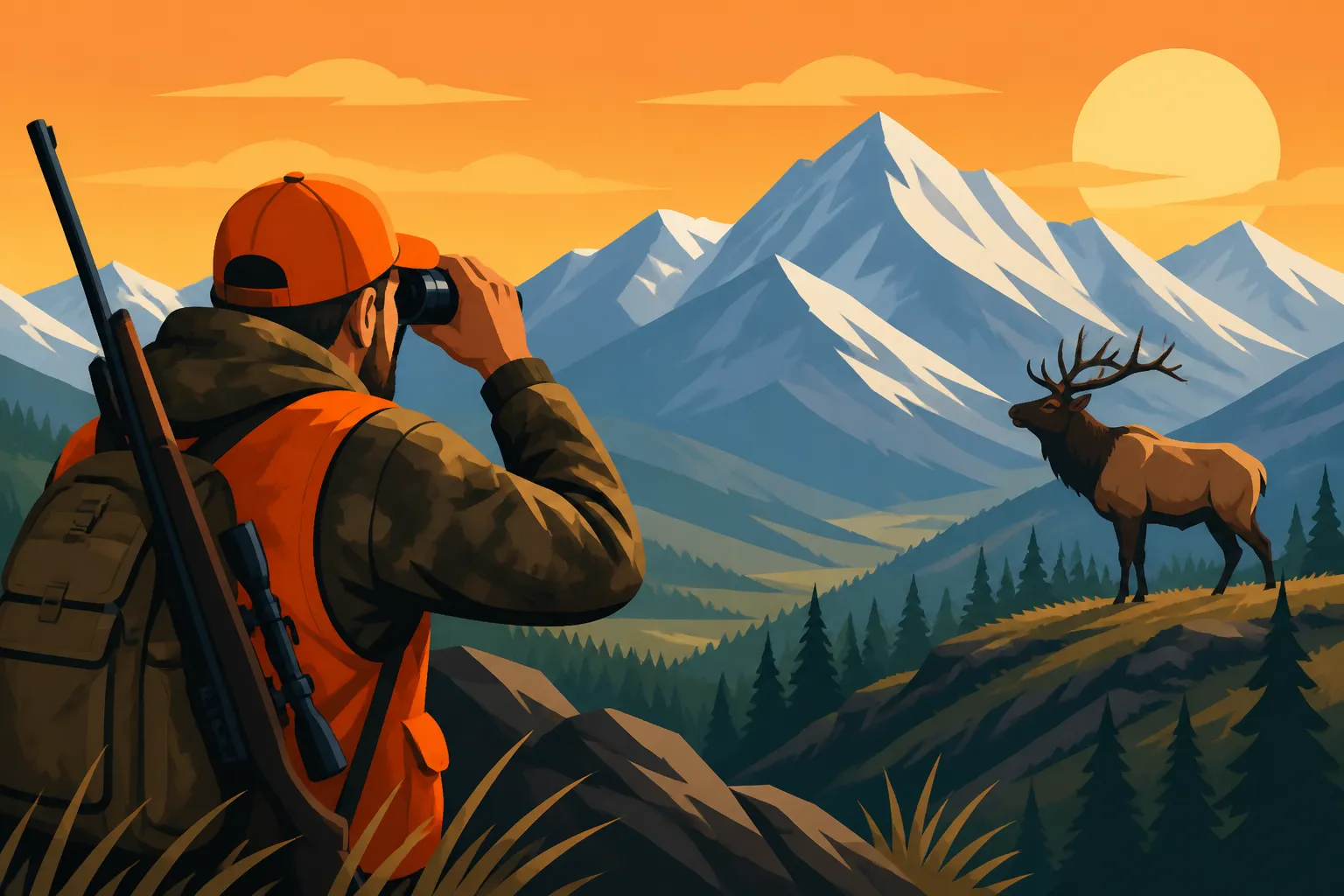
Montana Backcountry Hunting Areas
The call of the Montana backcountry is undeniably strong, pulling at the hearts of hunters who dream of vast, untamed wilderness and the ultimate challenge of pursuing game far from roads and crowds. Yet, for many, the sheer scale and raw demands of these remote landscapes can feel overwhelming, leaving you wondering where to even begin planning such an epic adventure. This guide aims to break down the mystique of Montana's backcountry hunting areas, offering a deep dive into what it truly takes to venture into these wild spaces, from meticulous planning and physical preparation to the specific regions that define the ultimate Big Sky country experience.
Understanding Montana's Backcountry: What Makes It Unique?
Montana's backcountry isn't just a place; it's a state of mind, a commitment to self-reliance, and an immersion into some of the wildest landscapes left in the Lower 48. When we talk about backcountry hunting here, we're not just referring to a few miles off a gravel road. We're talking about vast, often designated wilderness areas, roadless tracts of national forest, and remote public lands where motorized access is either highly restricted or completely prohibited. This is where the truly adventurous spirit finds its home, and where the rewards can be as immense as the challenges.
Defining "Backcountry" in Montana Hunting Context
In Montana, "backcountry" typically refers to areas characterized by their remoteness and limited infrastructure. These are places where you commit to packing in everything you need on your back, or perhaps with the aid of horses or mules, and where extraction of an animal often involves days of strenuous work. Unlike easily accessible general hunting districts, the backcountry demands a different level of preparation and self-sufficiency. It's often synonymous with designated Wilderness Areas like the Bob Marshall, Absaroka-Beartooth, or Lee Metcalf, which are protected by federal law to remain wild and untrammeled. But it also encompasses large roadless areas within national forests, even if they don't carry the official "wilderness" designation, because the practical realities of hunting there are the same. You're far from help, far from convenience, and completely reliant on your skills and gear.
The sheer scale of these areas means you won't find many other hunters, if any, once you push past the immediate trailhead. This low hunter pressure is a huge draw, but it also means that if something goes wrong, you're truly on your own. It's an experience that tests your limits and often reshapes your understanding of what you're capable of. The game animals in these zones, particularly elk and mule deer, often exhibit different behaviors due to less human interaction, presenting unique opportunities and challenges. The success rates can sometimes be lower than road-accessible areas simply because of the physical demands, but the quality of the experience, and the trophy potential for those who push deep, can be unparalleled.
The Allure and Reality of Wilderness Hunting
The allure of wilderness hunting in Montana is powerful: vast, untouched landscapes, solitude, and the chance to pit your wits against wild animals in their natural element. It's about disconnecting from the modern world and reconnecting with something primal. Imagine waking up to frost on your tent, the distant bugle of an elk echoing through a pristine valley, and the knowledge that every step you take is earned. This dream drives countless hunters to tackle the immense physical and logistical hurdles. The stories told around campfires after a successful backcountry hunt are rarely just about the kill; they're about the journey, the adversity overcome, and the raw beauty witnessed.
However, the reality of wilderness hunting can be stark. It's physically grueling, often involving thousands of feet of elevation gain, miles of hiking with heavy packs, and enduring unpredictable weather shifts from scorching sun to freezing rain or snow, sometimes all in one day. Mental toughness is as crucial as physical strength. You'll face challenges like navigating dense timber, crossing swollen rivers, or dealing with equipment failures far from any resupply. Packing out an elk from deep in the backcountry can be a multi-day ordeal, a testament to endurance and grit. The romantic notion of a pristine hunt quickly meets the practical demands of survival, navigation, and extreme physical exertion. It's a humbling experience that strips away the superficial and leaves you with a profound appreciation for nature's power and your own limitations. This dichotomy—the beautiful dream versus the harsh reality—is what truly defines the wilderness hunter.
Key Characteristics of Montana's Backcountry Terrain
Montana's backcountry terrain is incredibly diverse, but it generally shares characteristics that demand respect and specialized planning. Primarily, you're dealing with vast stretches of mountainous country. This means significant elevation changes, from valley bottoms often around 4,000-5,000 feet, climbing to peaks topping 10,000 feet or more. The landscape is dominated by dense evergreen forests—lodgepole pine, Douglas fir, subalpine fir, and spruce—interspersed with high alpine meadows, rocky scree fields, and rugged ridges. Water sources are generally plentiful, with countless streams, rivers, and high mountain lakes, though knowing where to find reliable, treatable water is critical.
Travel within these areas is mostly on foot or horseback. Trails can range from well-maintained, popular routes to faint game trails that disappear into the underbrush. Many areas are completely trailless, requiring expert navigation. Expect a mix of open parks for glassing, steep timbered slopes that demand still-hunting, and dense pockets of "dark timber" where elk often seek refuge. The weather can be extreme and change rapidly, even in early fall. Snow can fall at any elevation, even in September, and temperatures can swing wildly between day and night. Understanding these varying microclimates and features is paramount to planning your approach and ensuring your safety and success.
Key Backcountry Regions and Their Challenges
Montana boasts several iconic backcountry regions, each with its own unique character, challenges, and opportunities. These areas are not for the faint of heart, but for those willing to embrace the difficulty, they offer an unparalleled hunting experience. Understanding the specifics of these major complexes is the first step in deciding where to focus your efforts for a truly wild hunt.
The Bob Marshall Wilderness Complex
Often referred to simply as "The Bob," the Bob Marshall Wilderness Complex is a truly legendary expanse of nearly 1.5 million acres in northwestern Montana, encompassing the Bob Marshall, Great Bear, and Scapegoat Wilderness Areas. It's a crown jewel of the National Wilderness Preservation System and arguably the most famous backcountry hunting destination in Montana. The Bob is characterized by vast, unspoiled river drainages, towering mountain peaks, deep canyons, and extensive timber. Elk, mule deer, and black bear are common, and it's also home to a healthy grizzly bear population, which demands serious bear awareness and preparedness.
Hunting in The Bob is a commitment. Access is primarily by foot or horseback via numerous trailheads, with some popular entry points near towns like Augusta, Ovando, and Seeley Lake. Outfitters often run pack trips deep into the wilderness, establishing remote camps. If you're going DIY, expect to hike many miles and gain considerable elevation. Navigating The Bob can be challenging due to its sheer size, variable trail conditions, and dense timber. Weather can be notoriously fickle, with early season snowstorms not uncommon. The reward, however, is the chance to hunt in truly pristine country with a real sense of solitude and the potential for a mature bull elk that has rarely seen human pressure. For more on navigating this specific wilderness, check out our guide on how to hunt elk in the Bob Marshall.
The Absaroka-Beartooth Wilderness
Situated along Montana's southern border with Wyoming, the Absaroka-Beartooth Wilderness (often abbreviated as "The A-B") spans over 940,000 acres, boasting Montana's highest peaks, including Granite Peak at 12,807 feet. This region is known for its dramatic alpine landscapes, vast plateaus, deep glacial valleys, and a rugged, exposed environment above treeline. Below treeline, you'll find thick timber and countless drainages feeding into rivers like the Yellowstone. It's a formidable area that tests even the most seasoned hunters. Elk, mule deer, moose, and mountain goats all call this high-altitude wilderness home.
Access to The A-B is typically from trailheads outside of towns like Cooke City, Nye, or Gardiner. Like The Bob, motorized vehicles are strictly prohibited, meaning everything is foot or horse-powered. The biggest challenges here are the extreme elevations, the scarcity of timber cover in many high-country areas (making you more exposed to weather and requiring different hunting tactics), and the incredibly steep, rocky terrain. Packing an animal out of the A-B often involves traversing difficult, uneven ground. Hunters need to be acclimatized to altitude and prepared for sudden, severe weather changes, including blizzards even in mid-September. The solitude and stunning vistas, coupled with the chance at a high-country bull or buck, make it a bucket-list destination for many.
Other Notable Wilderness and Roadless Areas
While The Bob and The A-B are the largest and most famous, Montana is dotted with many other significant wilderness and extensive roadless areas that offer incredible backcountry hunting opportunities. These often provide a similar remote experience but might be more manageable in size or closer to certain towns.
One such area is the Lee Metcalf Wilderness in southwestern Montana, near Bozeman. While smaller, it's incredibly rugged and provides fantastic opportunities for elk and mule deer. Its proximity to more populated areas means some trailheads can see more traffic, but pushing deeper quickly brings solitude. The Mission Mountains Wilderness near Missoula is another steep, heavily timbered area with good elk potential, though very challenging access.
In Central Montana, the Anaconda-Pintler Wilderness and Scapegoat Wilderness (part of The Bob Marshall Complex, but often considered separately due to distinct access points) offer deep mountain hunting experiences. Even outside of designated Wilderness Areas, vast tracts of National Forest land across the state, such as those within the Beaverhead-Deerlodge, Helena-Lewis and Clark, and Lolo National Forests, contain extensive roadless areas that require multi-day pack-in trips. These areas might not have the "Wilderness" designation but present very similar backcountry hunting conditions, often with fewer regulations than true wilderness on things like mechanized game carts (though always verify specific unit regulations). Each of these areas requires thorough research on their unique topography, game populations, access points, and specific hunting regulations through the Montana Fish, Wildlife & Parks (FWP) hunt planner.
Essential Planning for a Montana Backcountry Hunt
Embarking on a Montana backcountry hunt is far more than just showing up with a rifle and a backpack. It requires months, sometimes even years, of meticulous planning, research, and preparation. This isn't a casual weekend trip; it's an expedition that demands respect for the wilderness and a thorough understanding of the logistical complexities involved.
Researching Units and Draw Odds for Backcountry Success
The first crucial step in planning your Montana backcountry hunt is diving deep into unit research. Montana's hunting regulations are complex, with a mix of general licenses and limited-entry permits for specific species and districts. Many prime backcountry areas fall into the latter category, requiring you to draw a special permit. Tools like GoHunt's Insider service are invaluable here, providing detailed draw odds, unit statistics, and expert analysis that can help you strategize your application. You'll want to look for districts that contain significant wilderness or roadless acreage, and then cross-reference that with elk or deer populations and harvest data.
Understanding the Montana FWP hunt codes and district boundaries is paramount. You need to know if the district you're targeting is primarily general-season accessible or if it's a limited-entry draw. Researching Montana General vs Permit Tags Explained can shed a lot of light on this. Many non-residents will apply for the highly coveted nonresident combination license, which puts them in the draw for both general elk and deer tags. However, if you're aiming for a specific, high-demand backcountry unit, you'll often need to apply for additional permits. Study historical draw odds meticulously, considering how many Montana Preference Points vs Bonus Points you might need to build up for a realistic chance. Don't just look at the overall odds; dig into the statistics for specific hunt codes for the species you're after (e.g., bull elk, either-sex deer). This detailed research will help you choose units that align with your experience level and draw strategy, maximizing your chances of success both in the draw and in the field.
Season Dates and Species Considerations
Once you've narrowed down potential hunting districts, understanding the specific season dates for your target species is critical. Montana's hunting seasons vary not only by species but also by weapon type and district. For example, Montana Elk Season Dates Guide shows that archery season typically runs through September, followed by the general rifle season in late October and November. Backcountry hunting often lends itself well to archery season, as animals are more vocal and spread out, though packing out an animal in warmer early-season temperatures requires meticulous How to Keep Elk Meat Cool in Montana's Early Season strategies.
If you're primarily focused on elk, you'll want to investigate districts known for healthy elk populations in their summer and fall ranges within these wilderness areas. Mule deer are also popular in the high country, and sometimes you can combine a multi-species hunt if tags allow. Consider the rut timing for your chosen species, as this can dramatically impact animal behavior and your hunting strategy. For instance, the peak of the elk rut in September offers exciting calling opportunities, while late-season hunts in November might involve tracking migrating herds pushed by snow. Always consult the current year's Montana FWP regulations for precise dates, weapon restrictions, and any specific unit rules, as these can change annually.
Logistics: Transportation, Resupply, and Contingency
Logistics for a backcountry hunt are complex and require exhaustive planning. First, consider how you'll get to the trailhead. Are you flying into a city like Bozeman or Missoula and renting a vehicle, or driving your own? If you're driving, is your vehicle capable of handling potentially rough forest service roads? Many trailheads are miles from pavement, and a flat tire in a remote area can quickly become a major problem. For those truly wanting to penetrate deep, looking into How to Pack Into the Montana Backcountry with pack animals might be an option, either with your own stock or by hiring a local outfitter for a drop camp.
Resupply options are limited in the backcountry. For typical 5-10 day hunts, you'll pack in everything you need. For longer trips, you might cache food and water, or arrange for a predetermined resupply point with a support team. Always pack more food and fuel than you think you'll need, along with a robust first aid kit. What if you get injured? What if a major storm rolls in and you're socked in for days? A detailed emergency plan, including satellite communication devices (like a Garmin inReach or Zoleo), a trusted contact at home, and knowledge of emergency services in the area, is non-negotiable. Share your itinerary with multiple people and stick to it. Having backup plans for vehicle breakdowns, extreme weather, or even an unsuccessful hunt is part of responsible backcountry adventuring.
Navigation and E-Scouting for Remote Areas
Navigating Montana's vast backcountry is an art form, one that blends modern technology with traditional map and compass skills. Getting lost in these expansive, rugged landscapes can quickly turn a challenging hunt into a life-threatening situation. Therefore, mastering navigation and leveraging pre-hunt e-scouting tools are foundational to any successful backcountry endeavor.
Leveraging Digital Tools: onX Hunt and GoHunt
In today's hunting world, digital mapping applications like onX Hunt have revolutionized how we plan and execute backcountry hunts. onX Hunt provides incredibly detailed topographic maps, satellite imagery, land ownership boundaries (crucial for distinguishing public from private land), and features for marking waypoints, drawing lines, and tracking your movement. Before your hunt, you can spend hours e-scouting from home, identifying potential elk bedding areas, travel corridors, water sources, and escape routes. You can mark tentative camps, glassing knobs, and even plan your route for packing out an animal. Crucially, onX Hunt allows you to download maps for offline use, ensuring you have navigation capabilities even without cell service, which is common in Montana's remote areas.
Beyond navigation, platforms like GoHunt's Insider service offer unparalleled data and analysis for planning How to E-Scout Montana Hunting Units. They provide draw odds, harvest statistics, animal concentrations, and detailed unit profiles that can help you select the most promising districts for a backcountry hunt. Combining the data-driven insights from GoHunt with the mapping precision of onX Hunt gives you a powerful advantage. You can overlay historical elk movements, past wildfire burns (which often create prime forage), and identify north-facing slopes where elk seek thermal cover. These digital tools don't replace boots on the ground, but they drastically reduce the amount of time you spend looking for game, allowing you to hunt smarter, not just harder.
Interpreting Topographic Maps and Satellite Imagery
While digital tools are indispensable, a solid understanding of traditional topographic maps and satellite imagery remains crucial, especially as a backup. Topographic maps show elevation changes through contour lines, helping you visualize the steepness of terrain, identify saddles, ridges, and drainages that are impossible to discern from a flat map. Learning to read contour lines—how close together they are (steepness), their V and U shapes (drainages and ridges)—is a skill that will serve you well when planning routes, predicting animal movement, and even when your digital device runs out of battery.
Satellite imagery, whether through onX Hunt or Google Earth, offers a bird's-eye view that reveals vegetation types, timber density, and open parks. You can often spot game trails, old logging roads (even if reclaimed), and subtle terrain features that might indicate good hunting spots or obstacles. Look for changes in vegetation color that could signify different plant communities, indicating potential food sources or cover for elk and deer. Pay attention to shadows and sun exposure to understand thermal advantages. Combining the elevation data from topographic maps with the visual information from satellite imagery allows for a comprehensive understanding of the landscape before you ever set foot in it.
Real-Time Navigation and GPS Reliability
Once you're in the field, real-time navigation becomes your constant companion. Your GPS device, whether a dedicated unit or your smartphone running onX Hunt, will be your lifeline. Always carry a physical map and compass as a backup, and know how to use them. Electronics can fail due to battery drain, extreme cold, water damage, or software glitches. When relying on a smartphone, bring multiple portable chargers or a solar charger to ensure your battery lasts through the hunt.
Practice using your navigation tools before you're in a critical situation. Know how to mark waypoints, create routes, and check your elevation. Understand how the wind and thermals will affect animal movement based on your position and the surrounding terrain. For example, knowing How to Use Thermals in Montana Elk Country is critical. In the backcountry, your ability to navigate effectively not only keeps you safe but also helps you stay on track with your hunting strategy. Constantly checking your position against your planned route and identified features ensures you're not wasting energy or getting disoriented, especially when How to Find Elk in Montana Dark Timber where visibility is limited and the landscape can quickly become disorienting.
Physical and Mental Preparation for the Backcountry
Montana backcountry hunting is as much an athletic endeavor as it is a hunting trip. The physical demands are immense, and the mental fortitude required to push through discomfort, doubt, and setbacks is often the deciding factor between success and failure. You cannot simply show up out of shape and expect to thrive; preparation is key.
Building Backcountry Fitness and Stamina
If you're planning a multi-day trip deep into Montana's mountains, your fitness level needs to be top-tier. This isn't just about being able to walk a few miles; it's about being able to ascend thousands of feet in elevation with a 40-50 pound pack, then reverse that with potentially 80-100 pounds of meat, all while maintaining alertness and focus. Your Montana Elk Hunt Fitness Plan should start months in advance. Focus on building cardiovascular endurance through activities like trail running, rucking (hiking with a weighted pack), and stair climbing. Incorporate strength training, particularly for your legs, core, and back, as these muscle groups will bear the brunt of the work.
Don't neglect specific training. If you plan to hunt at high altitudes, try to spend some time conditioning at elevation if possible, or at least incorporate intense cardio sessions. Practice hiking on uneven terrain, simulating the rocky, steep, and often off-trail conditions you'll encounter. Remember, a successful hunt often means packing out hundreds of pounds of meat over multiple trips, so being strong and having the stamina to do it repeatedly is vital. The more physically prepared you are, the safer you'll be, the more ground you'll cover, and the more you'll enjoy the experience, even when things get tough.
Developing Mental Fortitude and Resilience
While physical fitness gets you up the mountain, mental fortitude keeps you there when things go sideways. The backcountry will test you. You'll face grueling ascents, relentless weather, missed opportunities, and the ever-present ache of tired muscles. Doubt, frustration, and a desire to quit are common. Developing mental resilience means learning to push through these moments. This can be honed through challenging training sessions where you deliberately push past your comfort zone, or by tackling difficult personal goals.
Visualize scenarios: what will you do if you get lost? If you injure yourself? If a blizzard hits? Having a plan and a calm mindset to execute it can make all the difference. Practice positive self-talk and remind yourself of your "why." The ability to remain optimistic, persistent, and adaptable when faced with adversity is paramount. Backcountry hunting is a marathon, not a sprint, and your mental game needs to be as strong as your physical one. The solitude itself can be a mental challenge for some; embracing it as an opportunity for reflection and focus is a key part of the experience.
Practicing Crucial Skills Before the Hunt
Beyond physical and mental preparation, you need to hone practical skills. Navigation is primary; practice with your chosen GPS device, but also be proficient with a Montana Hunt Planner Maps Explained or topographical map and compass. Learn how to read the terrain, identify water sources, and predict game movement based on wind and thermals. Your shooting skills need to be sharp under pressure. Practice shooting after strenuous exercise, simulating the elevated heart rate you'll have in the field.
Additionally, learn and practice basic survival skills: fire starting, shelter building, water purification, and emergency signaling. Knowing Montana Backcountry Hunting Safety Tips can literally save your life. If you plan to use a particular type of camp setup, like a wall tent, practice setting it up at home. If you're going after elk, spend time practicing your calls. Crucially, learn how to field dress and quarter an animal quickly and efficiently. Practicing How to Quarter an Elk in the Montana Backcountry beforehand means you won't be fumbling with knives and saws for the first time when you're exhausted, cold, and trying to preserve meat. The more you prepare and practice, the more confident and capable you'll be when it matters most.
Packing Smart: Gear Essentials for Montana Wilderness
When every ounce matters, and your life might literally depend on your gear, making smart packing choices for a Montana backcountry hunt is non-negotiable. This isn't the time for "I might need this"; it's about efficiency, reliability, and functionality. Every item should have a purpose and earn its place in your pack.
Backpacks, Shelter, and Sleep Systems
Your backpack is arguably the most critical piece of gear. It needs to be a sturdy, high-quality pack designed for hauling heavy loads, with a comfortable suspension system. Brands like Mystery Ranch or Kifaru are popular choices among serious backcountry hunters due to their robust construction and ability to convert for meat hauling. A pack in the 65-85 liter range is generally suitable for a 5-10 day hunt. Look for external frames or adjustable internal frames that can handle the weight of an elk quarter.
For shelter, ultralight tents, tipi-style tents, or floorless shelters paired with a stove are common. The choice depends on your budget, weight tolerance, and the time of year. Ultralight backpacking tents (1-2 person) from brands like Big Agnes or MSR offer protection with minimal weight. For colder, longer hunts, a lightweight tipi tent with a small wood stove offers immense comfort and drying capabilities, but it adds significant weight. Always ensure your shelter is rated for three or four seasons to withstand Montana's unpredictable weather.
Your sleep system must keep you warm and dry, even if temperatures dip below freezing. A high-quality sleeping bag rated to at least 0°F (-18°C) is often recommended for fall hunting, especially at higher elevations. Pair this with an insulated sleeping pad (R-value of 4 or higher) to prevent heat loss to the ground. Brands like Therm-a-Rest or Exped make excellent pads. Don't skimp on your sleep system; a good night's rest is vital for recovery and mental clarity in the field. If you are looking for specific gear advice, our Montana Backcountry Hunting Gear List dives deep into what you should consider.
Food, Water, and Cooking in the Field
Food in the backcountry needs to be calorie-dense, lightweight, and easy to prepare. Dehydrated meals are a staple, supplemented with high-energy snacks like nuts, jerky, protein bars, and dried fruit. Plan for at least 2,500-3,500 calories per day, depending on your exertion level. Don't underestimate how much energy you'll burn. Pack a variety of foods to keep morale high. For cooking, a lightweight stove system (like Jetboil or MSR PocketRocket) with enough fuel is essential.
Water is life in the backcountry. While Montana often has abundant water sources, you can't always rely on finding them exactly when and where you need them, and all water should be treated. Carry a reliable water filter (e.g., Sawyer Squeeze, Katadyn BeFree) or purification tablets/drops. Have capacity to carry at least 2-3 liters of water, more if you anticipate dry stretches. A collapsible reservoir can be useful for gathering water and filtering it back at camp. Always know where your next water source is, especially in high, exposed areas or during dry spells.
Safety, First Aid, and Emergency Gear
Your safety gear is non-negotiable. A comprehensive first aid kit capable of handling everything from blisters to major trauma is essential. Tailor it to backcountry needs, including items for sprains, cuts, burns, and medications for pain, allergies, and stomach issues. Include an emergency blanket and a small repair kit for gear. A satellite communication device (like a Garmin inReach, Zoleo, or Spot X) is paramount for emergency communication, as cell service is nonexistent in most backcountry areas. These devices allow you to send SOS messages, check in with family, and sometimes even receive weather updates.
Other crucial safety items include a reliable headlamp with extra batteries, a fire starter (waterproof matches, lighter, ferro rod), a sharp knife (and a backup), and bear spray, carried in an accessible chest holster, for personal protection against bears, which are prevalent in Montana's backcountry. Make sure you understand how to use bear spray effectively. A whistle, signalling mirror, and a small, brightly colored panel for ground-to-air signaling can also be invaluable in an emergency. Never head into the Montana wilderness without these critical safety layers.
Accessing Remote Trailheads and Wilderness Boundaries
Reaching the starting point of your Montana backcountry adventure is often a mini-adventure in itself. Remote trailheads and wilderness boundaries can be challenging to access, requiring careful planning and consideration of your mode of transport and the regulations governing the specific area.
Road Access and Vehicle Considerations
The journey to a backcountry trailhead often begins on well-maintained state highways, but quickly transitions to county roads and then, more often than not, rough, unpaved Forest Service roads. These roads can vary dramatically in condition: some are well-graded gravel, while others are narrow, rocky, deeply rutted, and suitable only for high-clearance 4×4 vehicles. During wet conditions, they can become muddy, slick, and impassable. It's not uncommon to encounter downed trees, washed-out sections, or deep snowdrifts blocking access, especially early or late in the season.
Before you go, research the specific access roads to your chosen trailhead. The local Forest Service or Bureau of Land Management (BLM) office can provide current road conditions. Websites like onX Hunt often show different road classifications and closures. It's wise to have a robust vehicle, preferably a truck or SUV with good ground clearance and four-wheel drive. Always carry a spare tire (or two!), a jack, basic tools, and a shovel. If you're renting a vehicle, ensure it's allowed on unpaved roads and that your insurance covers such travel. Parking at trailheads can also be limited and may require an overnight parking pass or fee, so check ahead.
Horseback and Pack-In Services
For many, the quintessential Montana backcountry experience involves horses or mules. Pack animals allow you to penetrate deeper into the wilderness with significantly more gear and provisions than you could carry on your back. This extends your range, duration, and comfort, and makes packing out large game like elk much more manageable. If you don't own your own stock or have the expertise to pack them, hiring a licensed outfitter for a drop camp or a fully guided hunt is a popular option. Guides can provide invaluable knowledge of the terrain, animal behavior, and local conditions.
A "drop camp" service means an outfitter packs you and your gear into a pre-determined location, drops you off with provisions, and then picks you up at a later date. This offers a middle ground between a fully DIY backpack hunt and a fully guided experience. It still demands self-sufficiency once the packer leaves, but alleviates the burden of initial heavy hauling. For a more comprehensive experience, consider Montana Horseback Hunting Outfitters who provide horses, guides, and full camp services, allowing you to focus purely on the hunt. When considering pack services, book well in advance, as popular outfitters fill up quickly, sometimes years out.
Navigating Wilderness Regulations and Permits
Montana's backcountry, especially within designated Wilderness Areas, comes with strict regulations designed to preserve its wild character. These rules often go beyond general hunting regulations. For example, in Wilderness Areas, motorized vehicles are strictly prohibited, as are mountain bikes and even game carts. Drones are also generally not allowed. Some areas may have specific campfire restrictions or require food to be stored in bear-resistant containers.
It's crucial to understand the specific rules for the area you'll be hunting. This means consulting the Montana FWP regulations, as well as the rules set by the managing federal agency (e.g., U.S. Forest Service) for that particular wilderness or national forest. Some trailheads might require self-issuing permits for entry, though these are typically for tracking user numbers rather than restricting access. Always be mindful of leave-no-trace principles; pack out everything you pack in, and minimize your impact on the land. Ignoring these regulations can result in fines and damage the future of backcountry hunting access. Our Montana Wilderness Area Hunting guide provides more detail on these specific regulations.
Ethical Hunting and Conservation in Montana's Backcountry
Hunting in Montana's backcountry comes with a profound responsibility to both the land and the animals. It's a privilege, not a right, and maintaining the integrity of these wild places for future generations requires a strong commitment to ethical practices and conservation principles.
Minimizing Impact and Practicing Leave No Trace
The core tenet of backcountry hunting is to leave no trace that you were ever there. This means adhering strictly to the seven principles of Leave No Trace:
- Plan Ahead and Prepare: Research your route, know regulations, and pack appropriate gear.
- Travel & Camp on Durable Surfaces: Stick to established trails or durable ground like rock or dry grass. Camp at least 200 feet from water sources and trails.
- Dispose of Waste Properly: Pack out all trash, including food scraps and toilet paper. Bury human waste in catholes 6-8 inches deep and at least 200 feet from water, camp, and trails.
- Leave What You Find: Do not disturb cultural artifacts, rocks, plants, or other natural objects.
- Minimize Campfire Impacts: Use established fire rings, keep fires small, and burn all wood to ash. Better yet, use a stove for cooking and a headlamp for light.
- Respect Wildlife: Observe from a distance, never feed animals, and store food securely (especially crucial in bear country).
- Be Considerate of Other Visitors: Respect their solitude and experience.
In the context of hunting, this also extends to proper blood disposal and animal carcass management. Do your best to spread out carcass remains to allow for natural decomposition and minimize impact on localized areas. Minimizing impact ensures that the wild character of these areas remains intact and accessible for everyone.
Field Care and Meat Preservation
Successfully harvesting an animal in the backcountry is only half the battle; proper field care and meat preservation are critical to honoring the animal and ensuring you have quality wild game meat to take home. The goal is to cool the meat as rapidly as possible to prevent spoilage, especially if you're hunting during Montana Archery Season Dates when temperatures can be warm.
Immediately after the animal is down, begin the quartering process. This involves skinning the animal and breaking it down into manageable pieces – typically bone-in quarters, backstraps, and tenderloins – to facilitate cooling and packing. Hang the quarters in game bags in a shady, airy spot, away from direct sunlight, or drape them over logs to allow air circulation. If possible, elevate the meat off the ground to prevent scavengers. Consider our detailed guide on How to Quarter an Elk in the Montana Backcountry. If you're on a multi-day pack-out, keeping the meat cool can involve strategies like hanging it overnight and packing it out in the cooler morning temperatures. Some hunters even use specialized game bags that allow for some air exchange while protecting the meat from insects and dirt. Never pile meat directly on the ground; always use game bags and ensure good airflow.
Respecting Wildlife and the Wilderness Spirit
Backcountry hunting is more than just harvesting an animal; it's about deeply connecting with nature and fostering respect for the wildlife you pursue. This means understanding animal behavior, habitat, and the role you play in the ecosystem. Recognize that you are a visitor in their home, and approach every interaction with humility and reverence. Ethical shot placement, minimizing animal suffering, and diligently recovering every animal you harvest are fundamental responsibilities. If you do wound an animal, exhausting every effort to recover it is an ethical imperative.
The "wilderness spirit" encourages self-reliance, patience, and a deep appreciation for the untamed. It’s about experiencing nature on its own terms, understanding that success is never guaranteed, and finding satisfaction in the effort, the challenge, and the moments of profound beauty. It's about recognizing that the true trophy of a backcountry hunt isn't just the animal, but the memories, the lessons learned, and the strengthened bond with the wild places of Montana. By adhering to these principles, we ensure that the privilege of hunting in these magnificent areas endures for generations to come.
Disclaimer
Please remember that hunting regulations, seasons, and access can change. Always consult the official Montana Fish, Wildlife & Parks (FWP) regulations for the current year before planning any hunt. This guide is for informational purposes only and does not supersede official FWP guidelines. Additionally, backcountry hunting carries inherent risks; always prioritize safety and be prepared for emergencies.