Montana Walk-In Access Explained
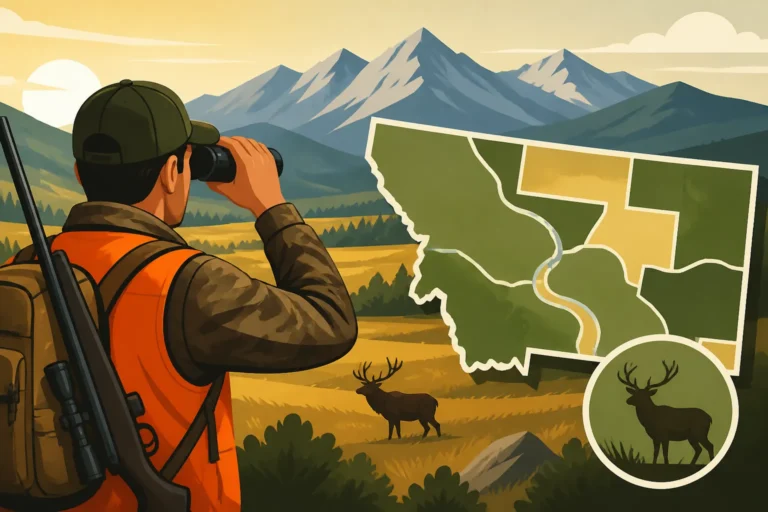
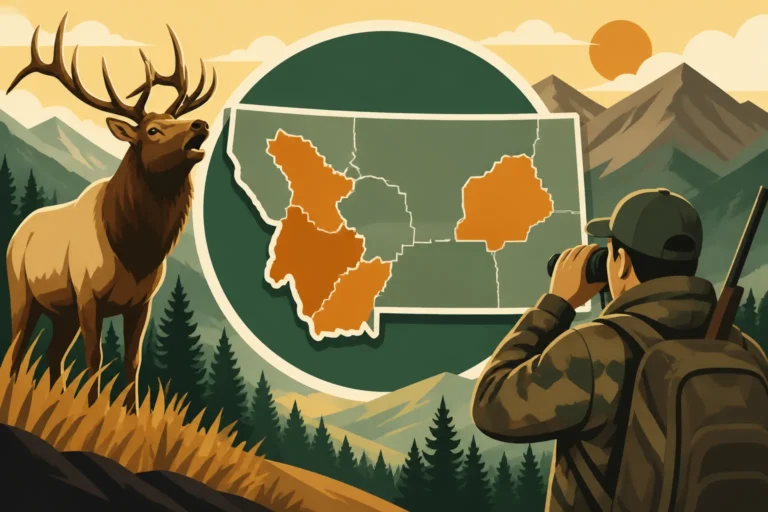
One of the biggest headaches for any hunter, especially those new to Montana or planning a DIY trip, is figuring out where you can actually go. Private land is everywhere, and getting permission can feel like trying to win the lottery. Thankfully, Montana's Walk-In Access (WIA) program is a brilliant solution, unlocking thousands of acres of private land for public hunting and creating opportunities that would otherwise be completely out of reach. This guide will meticulously explain the WIA program, how it works, how to find these invaluable areas, and how to make the most of them on your next Montana hunting adventure.
Understanding Montana's Walk-In Access Program
Hunting in Montana can sometimes feel like a puzzle, especially when you’re looking at a map and seeing vast stretches of private land with no clear way to access them. That's where the Walk-In Access (WIA) program truly shines, serving as a critical bridge between private landowners and public hunters, creating opportunities that would otherwise be impossible without special permission.
What is Walk-In Access WIA?
At its heart, the Montana Walk-In Access program is a voluntary agreement between private landowners and Montana Fish, Wildlife & Parks (FWP) to open up private lands for public hunting. FWP leases these parcels of land, providing financial compensation and other benefits to landowners in exchange for allowing hunters to access their property on foot. Think of it as an expansion of Montana’s incredible public land hunting opportunities, bringing otherwise inaccessible private ground into the public domain, at least temporarily. For a hunter, this means more ground to cover, more diverse habitats to explore, and ultimately, more chances to find game. It's an absolute game-changer for anyone committed to a true Montana DIY Elk Hunting Guide or any other species.
The primary purpose of WIA is quite simple: to enhance public hunting access across the state, especially for those without private land connections or the means to hire an outfitter. It acknowledges the reality that much of Montana's prime hunting habitat lies on private property. By compensating landowners, FWP can secure hunting opportunities that benefit both parties – landowners receive income and peace of mind regarding liability, while hunters gain valuable access. It's a win-win that has steadily grown over the years, becoming an indispensable tool for resident and nonresident hunters alike looking to expand their hunting footprint beyond just state or federal lands.
The history of WIA is rooted in the recognition of growing pressure on public lands and the desire to create more opportunities for hunters. Over time, FWP has expanded the program, making it one of the most successful private land access initiatives in the country. It’s continually evolving, with new parcels added and existing agreements renewed, demonstrating a consistent commitment to maintaining and increasing hunter access across the state. This dedication has made WIA a cornerstone of Montana's progressive approach to wildlife management and public recreation.
Distinguishing WIA from Block Management Areas
It's common for new hunters, and even some seasoned folks, to get the Walk-In Access program mixed up with Block Management Areas (BMAs). Both are fantastic FWP programs that provide public hunting access to private lands, but they operate with some key differences in how they are managed and accessed. Understanding these distinctions is crucial for planning your hunt effectively and ensuring you comply with the specific rules of each program.
Walk-In Access (WIA) areas are generally more fluid and typically involve simpler access rules. You can usually just show up and hunt, provided you adhere to the posted regulations (which are often basic: foot traffic only, no vehicles, respect property boundaries). These areas are marked with distinct yellow FWP signs. While WIA maps exist, they are often less granular in terms of specific entry points or mandatory check-in procedures. The idea is to make access as straightforward as possible for the hunter. WIA parcels can range from small strips of land providing access to larger public tracts to extensive blocks of private ground themselves.
Block Management Areas (BMAs), on the other hand, often come with more structured rules and regulations that are managed directly by the landowner in cooperation with FWP. When you're hunting a BMA, you'll typically find a designated sign-in box where you might need to register, pick up a map specific to that BMA, or even obtain a daily hunting slip. Some BMAs have restrictions on the number of hunters allowed at any given time, specific hunting dates, or designated parking areas. The level of management varies greatly between BMAs, from Type I (more FWP managed, often simpler) to Type II (more landowner managed, often with specific rules). We dive into this in much more detail in our guide on Montana Block Management Areas Explained, but it's important to recognize that BMAs are generally more controlled environments.
While both programs serve the overarching goal of increasing hunting access to private land, their operational differences impact how you plan and execute your hunt. WIA offers a more spontaneous, "just go" approach once you know the general rules for a specific area, while BMAs require a bit more planning and adherence to potentially more stringent, often landowner-specific, guidelines. Both are incredibly valuable for expanding your hunting opportunities, and many savvy hunters will utilize both types of access when developing a comprehensive Montana Public Land Hunting Strategy.
Here's a quick comparison of the two programs:
| Feature | Walk-In Access (WIA) | Block Management Area (BMA) |
|---|---|---|
| Access Method | Primarily foot traffic only. | Often foot traffic, but some may allow specific vehicle access. |
| Hunter Limits | Generally no daily limits, first-come, first-served. | Often has daily hunter limits, requiring sign-in or permits. |
| Rules & Regulations | FWP general rules, minimal landowner-specific rules. | Varies widely; often detailed landowner-specific rules, access dates. |
| Signage | Distinctive yellow FWP WIA signs. | Green FWP BMA signs with sign-in box details. |
| Mapping | Found on FWP online maps, mapping apps. | Detailed individual BMA maps available at sign-in boxes or FWP. |
| Management | More FWP oversight, simpler agreements. | More direct landowner involvement in daily management. |
| Best For | Spontaneous hunts, connecting public land, diverse species. | Structured hunts, managing pressure, specific game species. |
Navigating the Walk-In Access System
The success of the Walk-In Access program hinges on the voluntary participation of private landowners. Without their willingness to open their gates and fields, these incredible hunting opportunities simply wouldn't exist. Understanding their motivation and how to effectively locate these areas is crucial for any hunter hoping to leverage WIA.
How Landowners Participate in WIA
For many private landowners in Montana, the decision to enroll their property in the Walk-In Access program comes down to a few key incentives that benefit them directly. First and foremost is the financial compensation they receive from Montana Fish, Wildlife & Parks. This payment can be a significant draw, especially for agricultural producers or those with large tracts of land that might otherwise sit idle from a revenue-generating perspective outside of ranching or farming. It’s a way to monetize their land while still maintaining control over their property.
Beyond the direct financial incentive, a huge benefit for landowners is the comprehensive liability protection provided by FWP through state law. This is a critical factor, as many landowners are hesitant to allow public access due to fear of lawsuits if a hunter were to get injured on their property. WIA enrollment significantly mitigates this risk, offering peace of mind. Additionally, FWP often assists with land management aspects, such as providing signage, helping with fence maintenance, and even sometimes assisting with weed control. These are tangible benefits that reduce the landowner's burden and contribute to the overall health and aesthetics of their property.
The agreement process itself is quite streamlined. FWP actively identifies suitable private lands, often targeting areas that can enhance existing public access or provide critical habitat for desired game species. FWP staff then work directly with landowners, explaining the program's benefits, outlining the terms of the lease, and addressing any concerns they might have. It's a collaborative effort designed to create a mutually beneficial relationship. Landowners retain full ownership of their property and can still conduct their agricultural operations, while FWP manages the public access aspects, ensuring hunters understand and respect the boundaries and rules. This careful balance is what makes WIA such a sustainable and growing program.
Locating WIA Lands on the Map
Once you understand what WIA is, the next crucial step is actually finding these golden opportunities. Montana FWP has made significant strides in providing accessible information, but truly leveraging WIA requires a bit of savvy with modern mapping tools. For anyone planning a Montana hunting trip, mastering these resources is non-negotiable.
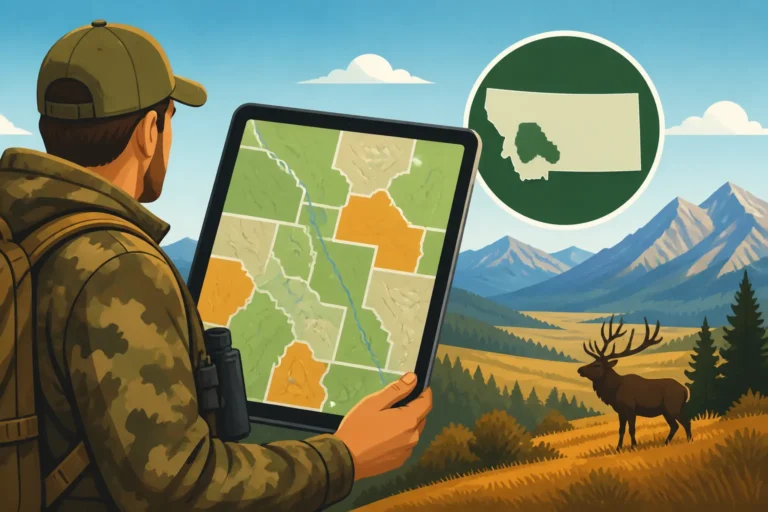
The primary resource for locating WIA areas is the Montana FWP website. They provide interactive online maps that are updated regularly, showing the current WIA properties across the state. These maps allow you to zoom in on specific hunting districts, see the boundaries of WIA parcels, and sometimes even get details about the specific rules for that area. Additionally, FWP often releases printable brochures or annual hunting guides that list WIA properties by region, which can be useful for pre-hunt planning or as a backup when you're out of cell service. Checking these resources before each season is vital, as WIA agreements can change year to year.
While FWP's native tools are good, dedicated mapping applications truly elevate your ability to find and utilize WIA lands effectively. Services like onX Hunt have become absolutely indispensable for modern hunters. onX Hunt provides detailed property ownership overlays, showing public and private land boundaries, and crucially, overlays for WIA and Block Management Areas. This allows you to see WIA parcels in context, understand how they connect to other public lands, and identify potential access points. Being able to visualize property lines and land ownership in real-time, even in the field, helps prevent accidental trespassing and ensures you're always hunting legally. For any serious hunter, it's a foundational tool for How to E-Scout Montana Districts.
The importance of cross-referencing information and staying updated cannot be overstated. While mapping apps are powerful, FWP is the official source. Always verify the status of a WIA property with the latest FWP maps or contact the regional FWP office if you have any doubts. Advanced platforms like GoHunt also provide detailed state draw odds and application strategies, which, while not directly WIA-focused, can help you plan which units to target, knowing that WIA might provide critical access. Use these tools to virtually "walk" the property, identifying potential game travel corridors, bedding areas, and water sources. This pre-scouting is critical, as WIA parcels can sometimes be smaller, requiring a more precise approach to your hunt.
Practical Considerations for Hunting WIA Properties
Hunting on Walk-In Access properties requires a respectful and informed approach. While these lands are open to the public, they remain private property, and upholding the integrity of the program is paramount to ensuring its continued existence. A good hunter understands that their actions reflect on the entire hunting community.
Understanding and Respecting WIA Rules
The beauty of the Walk-In Access program often lies in its simplicity: arrive, walk in, and hunt. However, this simplicity doesn't mean there are no rules. The most fundamental regulation for all WIA properties is that they are foot traffic only. This means no motorized vehicles of any kind – no ATVs, dirt bikes, or even e-bikes, unless explicitly stated otherwise (which is rare). Respecting this rule is non-negotiable. It's about preserving the tranquility of the property, preventing damage, and maintaining the landowner's trust. Violating this rule is not only illegal but can jeopardize the WIA agreement for future seasons.
While the general rules are consistent, some WIA parcels may have additional specific requests from the landowner, which will be clearly posted on signs at the access points or detailed in FWP’s online maps or brochures. These might include restrictions like "No Waterfowl Hunting," "No Camping," or "Designated Parking Area Only." It’s your responsibility to read and understand these specific stipulations before you step foot on the property. Imagine showing up ready for a duck hunt only to find out it's not allowed – a quick check beforehand saves frustration and ensures compliance. These small, localized rules are a courtesy to the landowner and often relate to their agricultural operations or other land uses.
The consequences of non-compliance are severe and far-reaching. Trespassing, vehicle violations, littering, or any other disrespectful behavior on a WIA property can lead to hefty fines, loss of hunting privileges, and, most importantly, can result in the landowner pulling out of the program. Every hunter has a stake in making WIA successful, and that means adhering to the rules, treating the land with respect, and leaving no trace. A bad experience for one landowner can mean less access for everyone in the future. So, always assume you are a guest, act accordingly, and help maintain the positive relationship between hunters and landowners.
Scouting and Strategy for Walk-In Access Areas
Successfully hunting Walk-In Access areas requires a thoughtful strategy, combining pre-season preparation with on-the-ground adaptability. Since WIA parcels can vary greatly in size, terrain, and game populations, a one-size-fits-all approach won't cut it. Your homework starts long before opening day.
Pre-season scouting is paramount. Start with virtual scouting using powerful tools like onX Hunt. Utilize the WIA overlays to identify parcels, paying close attention to their proximity to other public lands (like National Forests or BLM ground), water sources, and potential food plots or agricultural fields. Look for natural funnels, pinch points, and areas of dense cover that might hold game or serve as travel corridors. Cross-reference this with satellite imagery to get a clearer picture of the terrain. While you can't always walk every WIA parcel beforehand, even a drive-by to check access points, signage, and immediate surroundings can be incredibly valuable. Remember, understanding How to E-Scout Montana Hunting Units isn't just for big wilderness areas; it's vital for smaller, more fragmented WIA parcels too.
Adapting your strategy to the specific nature of WIA properties is key. Many WIA parcels are not vast, sprawling wilderness areas but rather smaller tracts, often bordering private agricultural lands or connecting to larger public holdings. This means game might be using the WIA land primarily for bedding, feeding, or as a quick travel route between properties. Your tactics should reflect this. For instance, if hunting How to Hunt Elk in Montana on a WIA parcel, you might focus on ambush points near transition zones, rather than expecting to spot-and-stalk a bull across miles of open terrain. Similarly, for How to Hunt Mule Deer in Montana or How to Hunt Antelope in Montana, look for cover where they might feel safe before moving into open fields.
Consider the species you're targeting and the timing of your hunt. WIA can be particularly effective for whitetail deer, especially if the parcels are in river bottoms or adjacent to crop fields, offering excellent cover and food. Upland birds like pheasants and grouse often thrive in the cover provided by WIA grasslands and field edges. For bigger game, hunting the fringes of WIA at first light or last light, when animals are typically on the move, can be highly productive. Always be aware of property boundaries, especially when tracking game. It's a different game than vast stretches of un-fenced public land, but with careful planning and an understanding of animal behavior, WIA can provide incredible hunting opportunities.
Benefits, Challenges, and Maximizing Your WIA Hunt
The Montana Walk-In Access program offers incredible advantages, but like any hunting opportunity, it comes with its own set of challenges. Understanding both the upsides and the potential hurdles will help you go into your WIA hunt with realistic expectations and a plan for success.
The Upsides of Walk-In Access
One of the most significant benefits of the Walk-In Access program is the sheer increase in accessible hunting ground for the average hunter. Imagine looking at a public land map and seeing a vast block of public timber, but it's completely surrounded by private land. Historically, that public land would be "landlocked" without explicit landowner permission. WIA parcels often serve as critical access points, opening up thousands of acres of otherwise inaccessible public ground. Beyond that, many WIA agreements cover excellent private habitat that would never see public hunting pressure otherwise, significantly expanding overall opportunities for Montana hunters. This is invaluable for anyone putting together a Montana Public Land Hunting Guide.
Another powerful advantage, especially for those seeking a more solitary experience, is the potential for reduced hunting pressure. While popular WIA spots can certainly see their share of hunters, many parcels, particularly those that require a bit of a hike or are less obvious on the map, receive far less pressure than readily accessible public land. This can lead to encounters with less wary animals and a more peaceful hunting experience. It's often about finding those hidden gems or putting in the extra effort to get a bit deeper into a WIA property, which can yield fantastic results away from the crowds. For tips on navigating crowded areas, check out How to Beat the Crowds on Montana Public Land.
Finally, WIA offers a remarkable degree of flexibility and spontaneity. Unlike some Block Management Areas that might require reservations or specific sign-in times, most WIA parcels operate on a "show up and hunt" basis (always check specific rules, of course!). This means if your plans change last minute, or you simply want to explore a new area, WIA provides an immediate option. You don't need to call a landowner, wait for a response, or navigate complex sign-in procedures. This makes WIA an excellent option for spur-of-the-moment scouting trips or quick day hunts, allowing you to maximize your time in the field. This flexible access is a huge part of what makes Montana DIY Elk Hunting Guide a viable option for many.
Overcoming WIA Hunting Challenges
While WIA offers abundant opportunities, it's also important to acknowledge and prepare for some inherent challenges. Going in with your eyes wide open will help you adapt and increase your chances of success. It's not always a guaranteed cakewalk, and realistic expectations are key.
One common challenge, especially for big game hunting, is the often smaller acreage of individual WIA parcels. Unlike vast national forests or BLM lands where you might chase elk for miles, WIA properties are frequently smaller. This means game animals can quickly cross property boundaries onto non-accessible private land, making a sustained pursuit difficult or impossible. Your strategy needs to account for these boundaries. This might involve focusing on stand hunting along travel corridors, ambushing animals moving between different habitat types, or carefully still-hunting smaller pockets of cover. Understanding these dynamics is crucial, especially when tackling species like elk in thicker terrain, as covered in How to Hunt Elk in Montana's Wilderness or How to Find Elk in Montana Dark Timber.
Another reality of WIA is the variable quality of habitat and hunting opportunity. Some WIA parcels are absolutely prime, offering fantastic cover, food, and water for game, and can be incredibly productive. Others might be primarily access corridors, less-than-ideal habitat, or heavily grazed pasture with limited cover. Your scouting and research become even more important here. Don't expect every WIA sign to lead to a trophy-rich paradise. It takes time and effort to identify the truly productive parcels, and sometimes a WIA area’s value is less about the land itself and more about the access it provides to adjacent public land.
Finally, while WIA generally offers reduced pressure compared to some highly visible public lands, popular WIA spots, particularly those known for good hunting or easy access, can still attract significant hunter density. It’s not uncommon to pull up to a WIA sign on opening day and see several other vehicles. This means you might need to employ tactics to avoid other hunters, such as hunting mid-week, focusing on less accessible parts of the property, or simply being willing to walk farther than others. Early season or late season, when many hunters have moved on, can sometimes offer a better experience on these more popular WIA parcels.
Walk-In Access in the Broader Montana Hunting Landscape
The Walk-In Access program isn't just a standalone option; it's a vital component of Montana's overall hunting landscape, complementing other access programs and playing a significant role in hunting various species. Understanding how WIA fits into the bigger picture can help you craft a more successful and diverse hunting strategy.
WIA's Role in Big Game and Upland Hunting
For big game hunters, WIA parcels can be incredibly valuable, especially for species like whitetail deer. Many WIA agreements are on private agricultural lands or river bottom properties, which are prime whitetail habitat. These areas often provide abundant food sources (crops), thick cover in riparian zones, and natural travel corridors that whitetails utilize. A well-placed WIA parcel along a river bottom or bordering a cornfield can offer exceptional opportunities for still-hunting or setting up a ground blind, especially during the rut. If you're looking for How to Hunt Whitetail in Montana River Bottoms, WIA is an absolute must-check resource.
WIA is arguably even more impactful for upland bird hunting. Montana boasts fantastic opportunities for pheasants, sharp-tailed grouse, and Hungarian partridge, much of which occurs on private agricultural and prairie lands. Walk-In Access properties provide critical public access to these private grounds, opening up thousands of acres of prime bird habitat that would otherwise be off-limits. Dog handlers and bird hunters often find WIA lands to be a goldmine, allowing them to work cover, flush birds, and enjoy classic upland hunting experiences. This makes WIA an indispensable tool for anyone planning a Montana upland bird hunt.
While WIA can certainly hold elk and mule deer, the approach might be different than hunting vast wilderness areas. For these species, WIA might be most effective as an access point to otherwise landlocked public lands or as smaller, strategic ambush locations. You might find elk using a WIA parcel for bedding during the day or moving through it at dawn and dusk to access water or feeding grounds. Mule deer might seek refuge in small coulees or brushy draws on WIA lands before moving out to feed. Your tactics will likely involve more focused scouting and shorter-range hunting, potentially utilizing still-hunting in timber or carefully planned ambushes near pinch points.
Strategic Integration with Other Access Options
The true power of Walk-In Access often comes from integrating it strategically with other public land and access programs. Think of WIA as a piece of a larger puzzle, designed to enhance your overall hunting experience and expand your options. It's rarely a standalone solution for an entire season but rather a crucial component of a broader strategy.
One of the most effective ways to use WIA is in conjunction with Montana Block Management Areas Explained and existing state or federal public lands. By layering these different access types on your mapping app (like onX Hunt), you can often create expansive huntable zones. A WIA parcel might connect a section of BLM land to a large Block Management area, allowing you to traverse different land types legally and efficiently. This integrated approach allows you to move freely, adapt to changing game patterns, and cover more ground than relying on a single access type. Understanding Montana Public Land Hunting Guide fully means understanding all these pieces.
Furthermore, WIA can be absolutely critical for accessing otherwise landlocked public lands. Imagine a beautiful section of National Forest that has no legal road access and is entirely surrounded by private property. Often, an FWP WIA agreement will provide a designated foot path or strip of access across that private land, unlocking huge opportunities. This transforms a small WIA parcel into a vital gateway, turning what might appear as a small, insignificant piece of land on the map into the most important part of your hunt plan. This is where detailed e-scouting, combined with the WIA maps, becomes invaluable.
Finally, integrating WIA into your overall tag strategy is essential, especially for nonresidents. WIA is generally open to anyone holding a valid Montana hunting license for the species in question, whether you have a general tag or a limited-entry permit. This means WIA lands are not restricted to special permit holders, making them a fantastic resource for general license holders to expand their hunting options. When deciding between Montana General vs Permit Tags Explained, knowing that WIA exists for general hunting can significantly influence your choice of units and overall hunting plan. It's all about maximizing your time and effort in Big Sky Country!
Disclaimer
The information provided in this guide is for general informational purposes only and is subject to change. Hunting regulations, seasons, and Walk-In Access (WIA) property availability can change annually. Always consult the official Montana Fish, Wildlife & Parks (FWP) regulations and maps for the most current and accurate information before planning and executing any hunt. It is the hunter's responsibility to understand and adhere to all laws, rules, and property boundaries.