Hunting the Crazy Mountains
The Crazy Mountains stand as a testament to Montana's wild heart, a jagged, isolated range that calls to hunters seeking true wilderness and demanding experiences. While incredibly beautiful, these mountains can be notoriously difficult to navigate, with a mosaic of public and private land and weather that changes on a dime. This guide is here to help you unravel the complexities of hunting this iconic range, giving you the insights you need to plan a successful and safe adventure.
Understanding the Crazy Mountains Landscape and Access
Hunting the Crazy Mountains is a unique endeavor, often shrouded in a bit of mystery due to its reputation for challenging terrain and mixed land ownership. Before you even think about packing your boots, it's crucial to get a firm grasp on what you're up against geographically and how you're going to legally access the areas you want to hunt. This isn't your typical easy-access public land hunt; it demands diligent preparation.
Geographic Overview and Unique Challenges
The Crazy Mountains are an isolated mountain range in south-central Montana, rising dramatically from the plains east of the Gallatin Valley and north of the Yellowstone River. They're a true "island range," meaning they're not part of a larger mountain chain, which gives them a distinct ecological character. The peaks are rugged, often exceeding 10,000 feet, with the highest point being Crazy Peak at 11,214 feet. You'll find a mix of steep, timbered slopes, high alpine basins, exposed ridges, and deep, brushy drainages.
The sheer steepness and elevation gain are immediate challenges. Many drainages dead-end into cirques, requiring significant vertical effort to get above timberline. The timber itself can be incredibly dense, making travel slow and quiet movement nearly impossible. Weather is another major factor; even in early archery season, you can experience everything from warm, sunny days to snow, sleet, and freezing temperatures, sometimes all in the same day. This unpredictable climate demands a robust gear strategy. Furthermore, water sources, while present, aren't always abundant on higher ridges, necessitating careful planning for hydration, especially during strenuous climbs. Many hunters underestimate these factors, leading to exhaustion and missed opportunities.
Navigating Public and Private Land Access
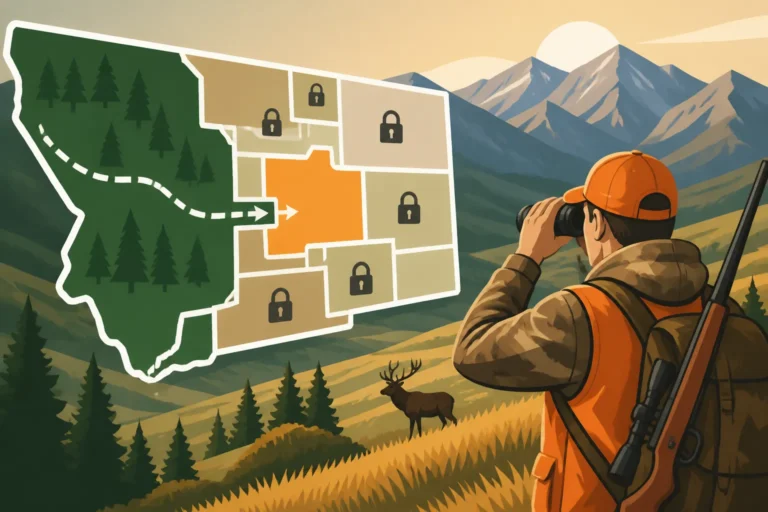
Perhaps the biggest hurdle for hunters in the Crazy Mountains is the tangled web of land ownership. While a significant portion of the higher elevations and some major drainages are part of the Gallatin National Forest, there's a substantial amount of private land, often checkerboarded, at the base and in the lower reaches of the mountains. This means getting to the public land you want to hunt can be incredibly difficult, often requiring crossing private ground or finding specific public easements.
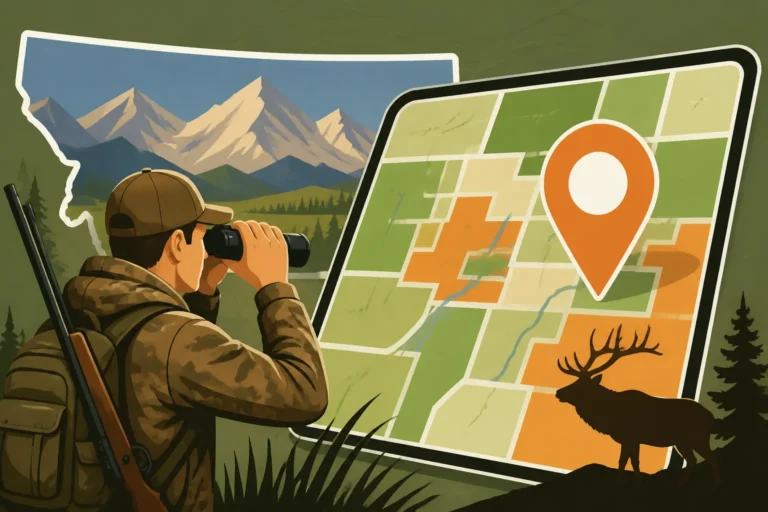
This is where detailed mapping tools become absolutely indispensable. Applications like onX Hunt are not just helpful; they're essential. You'll need to meticulously study property boundaries, look for public access points, and identify potential landlocked public parcels. Relying on outdated maps or general knowledge can lead to trespass issues, which no hunter wants. It’s also important to understand that some access points might be seasonal or require specific permission, so always do your homework. Some private landowners are gracious and allow access, but it's never a given, and you must always ask first and respect their decision. Don't assume you can just walk across private property to reach a national forest boundary. This challenge often dictates where you can hunt more than where you think the animals might be.
Key Game Species and Hunting Seasons in the Crazies
The Crazy Mountains offer a diverse hunting experience, primarily for elk and mule deer, but also with opportunities for black bear and, for those lucky enough to draw a coveted tag, mountain goats and bighorn sheep. Understanding the behavior of these species in this specific environment, coupled with the proper season knowledge, is paramount to success.
Elk and Mule Deer Opportunities
Elk are the crown jewel for many hunters venturing into the Crazies. These mountains provide ideal elk habitat: dense timber for cover, high alpine meadows for feeding, and remote basins where they can escape pressure. Hunting Montana Elk Hunting Methods Explained in the Crazies often involves a combination of archery and rifle seasons, each presenting its own set of challenges and rewards. During archery season, typically in September, the elk are often vocal, and calling can be effective, particularly in the secluded timber pockets. However, the terrain makes getting into a good calling position incredibly difficult without spooking animals. As the general rifle season opens, often in late October, elk can be pushed higher into the more rugged, roadless areas, making for incredibly tough hunting. They are masters of using the topography to their advantage, often moving into dark timber on north-facing slopes where they are almost impossible to detect without active glassing and patience.
Mule deer are also present throughout the Crazy Mountains, though often in lower densities than elk. You'll typically find them in broken timber, aspen groves, and on the more open, grassy slopes and ridges, especially during the early season. As with elk, the general rifle season can push mule deer into thicker cover or higher elevations. Hunters pursuing Montana Mule Deer Hunting: Backcountry Tactics in the Crazies need excellent optics to effectively glass the vast open faces and pockets of timber where bucks often bed. The deer here are known for their evasiveness, often disappearing over a ridge or into a canyon the moment they detect movement. Patience and covering ground are key for both species.
Other Game Species and Season Considerations
Beyond elk and mule deer, the Crazy Mountains also hold populations of black bears. Spring bear season offers a chance to hunt these animals as they emerge from hibernation, often feeding on new green-up on lower slopes. Fall bear season overlaps with deer and elk seasons, offering a potential bonus tag opportunity. Black bears in the Crazies are typically found in the timbered areas and around berry patches, especially in the fall. You'll need to know Montana Black Bear Season Dates to plan your hunt.
For those dreaming of a truly epic hunt, the Crazy Mountains are home to both bighorn sheep and mountain goats. These are extremely limited-entry hunts, requiring years of applying for special permits and a lot of luck in the draw. If you are fortunate enough to draw one of these tags, be prepared for an incredibly physically demanding hunt in some of the most rugged and highest elevations of the range. Pursuing Montana Bighorn Sheep Hunting Guide or a mountain goat means extreme climbs, dangerous terrain, and potentially severe weather.
Here's a generalized table of typical season dates for the primary species in the Crazy Mountains. Always check the official Montana FWP regulations for the exact dates for your specific hunting district, as they can change annually.
| Species | Archery Season (Approx.) | General Rifle Season (Approx.) | Special Permit/Other |
|---|---|---|---|
| Elk | Early Sept – Mid Oct | Late Oct – Late Nov | Some Shoulder Seasons |
| Mule Deer | Early Sept – Mid Oct | Late Oct – Late Nov | |
| Black Bear | Mid April – Mid May (Spring) | Early Sept – Late Nov (Fall) | |
| Mountain Goat | N/A (Permit Only) | Sept – Oct (Permit Only) | |
| Bighorn Sheep | N/A (Permit Only) | Sept – Oct (Permit Only) |
Note: These are general timelines. Always consult the official Montana FWP regulations for precise dates, boundaries, and specific district regulations.
Strategies for a Successful Hunt in the Crazy Mountains
Hunting the Crazy Mountains isn't just about showing up; it's about meticulously planning, understanding animal behavior in this specific terrain, and being prepared to adapt. The Crazies demand a thoughtful, disciplined approach.
E-Scouting and Pre-Season Preparation
The importance of How to E-Scout Montana Hunting Units for the Crazy Mountains cannot be overstated. Given the mixed public/private land, limited access points, and sheer ruggedness, you need to spend hours, if not days, poring over satellite imagery, topographical maps, and public land ownership layers from tools like onX Hunt. Look for:
- Public access routes: Identify legal trails, forest service roads, or public easements that lead into the national forest. Pay close attention to any wilderness designations, as these will affect motorized travel.
- Terrain features: Pinpoint potential bedding areas (north-facing slopes, dense timber), feeding areas (alpine meadows, recent burns, south-facing slopes), and escape routes (steep canyons, high saddles).
- Water sources: Mark springs, creeks, and wallows, especially for early season hunts.
- High-traffic corridors: Look for natural funnels, saddles, and benches that animals might use to travel between feeding and bedding areas or for migration.
- Glassing points: Identify prominent ridges or peaks that will offer expansive views of basins and timbered slopes.
Beyond e-scouting, physical preparation is absolutely non-negotiable. Hunting the Crazies means significant elevation gain, often with a heavy pack. You need to be in excellent cardiovascular shape and have strong legs and core. Start a dedicated fitness regimen months before your hunt. Hiking with a weighted pack, trail running, and strength training will pay dividends in the field. Imagine yourself miles deep, finally spotting an elk, only to realize you're too winded to make a clean stalk. That's a frustration you can largely avoid with proper training. Consider going on a Montana Elk Hunt Fitness Plan to get ready.
Backcountry Tactics and Patience
Once you're in the field, backcountry tactics are key for Montana Backcountry Hunting Guide. The Crazy Mountains are not a place for road hunters. You need to be prepared to hike deep, establish a spike camp, and stay out for multiple days. For a Montana Backpack Elk Hunt, a good strategy involves setting up a base camp near an access point and then using smaller, lighter spike camps to access remote basins.
- Glassing: This is your primary tool in the vast, open country of the Crazies. Get to a high vantage point before dawn and spend hours patiently glassing every patch of timber, every shadow, and every open slope. Quality optics are paramount here. Look for subtle movements, a flick of an ear, or a patch of hide.
- Still-hunting: In dense timber, traditional still-hunting is often the most effective method. Move slowly, literally one step at a time, pausing for minutes to listen and observe. Use the wind to your advantage, always moving into it. The Crazies' timber can be unforgiving, so patience is key.
- Calling: During the archery rut, calling can be very effective for elk, but again, the terrain makes it tricky. Cow calls and soft bugles can lure bulls closer. However, aggressive bugling can often pinpoint bulls that are too far away or in impenetrable terrain. Learn How to Call Elk in Montana effectively.
- Understanding Animal Movement: Elk and deer in the Crazies often feed in high alpine meadows and open slopes during low light, then retreat to dense timber or steep north-facing slopes for bedding during the day. Learning these patterns is vital. Pay attention to fresh sign—tracks, droppings, rubs, and wallows—to understand their current movements.
Always remember that success in the Crazies often comes down to perseverance. You might go days without seeing a single animal, but if you keep at it, stay positive, and continue to execute your plan, the rewards can be immense.
Essential Gear and Safety for High-Country Hunting
Hunting in the Crazy Mountains demands not just physical and mental toughness, but also a meticulous approach to gear and safety. The terrain is unforgiving, the weather unpredictable, and help can be a long way off. Being unprepared is not an option.
Packing for the Unpredictable
Your gear choices are critical in the Crazy Mountains. Every item in your pack should serve a purpose and be able to withstand the rigors of the backcountry.
- Backpack: A high-quality, comfortable backpack with a good frame is essential, especially for a multi-day hunt or for How to Pack Out an Elk in Montana. Brands like Mystery Ranch, Kifaru, or Stone Glacier are popular for their durability and load-carrying capabilities. You'll need enough capacity for your shelter, food, water filtration, cooking system, and emergency supplies.
- Layered Clothing: The key to staying comfortable and safe in the Crazies' fickle weather is a versatile layering system. Think moisture-wicking base layers (wool or synthetic), insulating mid-layers (fleece or puffy jacket), and a waterproof/windproof outer shell. Avoid cotton at all costs. Pack extra socks; wet feet are miserable and dangerous.
- Footwear: Your boots are your most important piece of gear. They need to be waterproof, provide excellent ankle support, and have stiff soles for traversing rocky, uneven terrain. Invest in Best Boots for Montana Elk Hunting and break them in thoroughly before your hunt. Don't skimp here; blisters or twisted ankles can end a hunt quickly.
- Navigation: A reliable GPS device (like your phone with onX Hunt maps downloaded for offline use) and a physical map and compass are non-negotiable. Batteries die, and electronics fail. Always have a backup. Know how to use both.
- Optics: High-quality binoculars (10×42 or 12×50) and a spotting scope (especially for mule deer or sheep/goat hunting) are crucial for efficient glassing in this expansive country. A rangefinder is also vital for ethical shots in steep terrain.
- Shelter: Whether it's a lightweight backpacking tent or a tarp system, your shelter needs to be robust enough to handle high winds, heavy rain, and even snow. A good sleeping bag rated for the lowest expected temperatures is also a must.
- Food and Water: Pack high-calorie, lightweight food. A water filter or purification tablets are essential, as you'll be relying on natural water sources. Always carry enough water for immediate use and be aware of your refill points.
Safety in the Backcountry
Safety should always be your top priority. The Crazy Mountains are remote, and self-sufficiency is paramount.
- Bear Safety: Both grizzly and black bears inhabit the Crazy Mountains. Carry bear spray on your hip and know how to use it. Store food and scented items in bear-resistant containers or hung properly away from camp. Make noise while hiking, especially in dense brush.
- Weather Preparedness: Monitor the forecast closely, but understand that mountain weather is highly localized and can change rapidly. Always pack for worse conditions than predicted. If a storm rolls in, seek shelter immediately. Hypothermia is a real danger.
- Communication: A satellite communication device (like a Garmin inReach or Zoleo) is a smart investment. Cell service is non-existent in much of the Crazies. These devices allow you to send emergency messages and check in with loved ones.
- First Aid: Carry a comprehensive first-aid kit and know how to use its contents. Wilderness First Aid training is highly recommended. Be prepared to treat cuts, sprains, blisters, and other common backcountry injuries.
- Tell Someone Your Plans: Always leave a detailed itinerary with a trusted friend or family member, including your route, expected return date, and emergency contacts.
- Hunting Partners: Whenever possible, hunt with a partner. There's safety in numbers, especially when navigating difficult terrain or packing out an animal. If hunting solo, be extra cautious and conservative in your decision-making.
By respecting the Crazies, preparing thoroughly, and prioritizing safety, you can turn a challenging hunt into an unforgettable Montana adventure.
Disclaimer
Please remember that hunting regulations, land access policies, and wildlife populations can change. Always consult the latest Montana Fish, Wildlife & Parks regulations and local land management agency rules before planning any hunt. This guide is for informational purposes only and does not replace official sources.