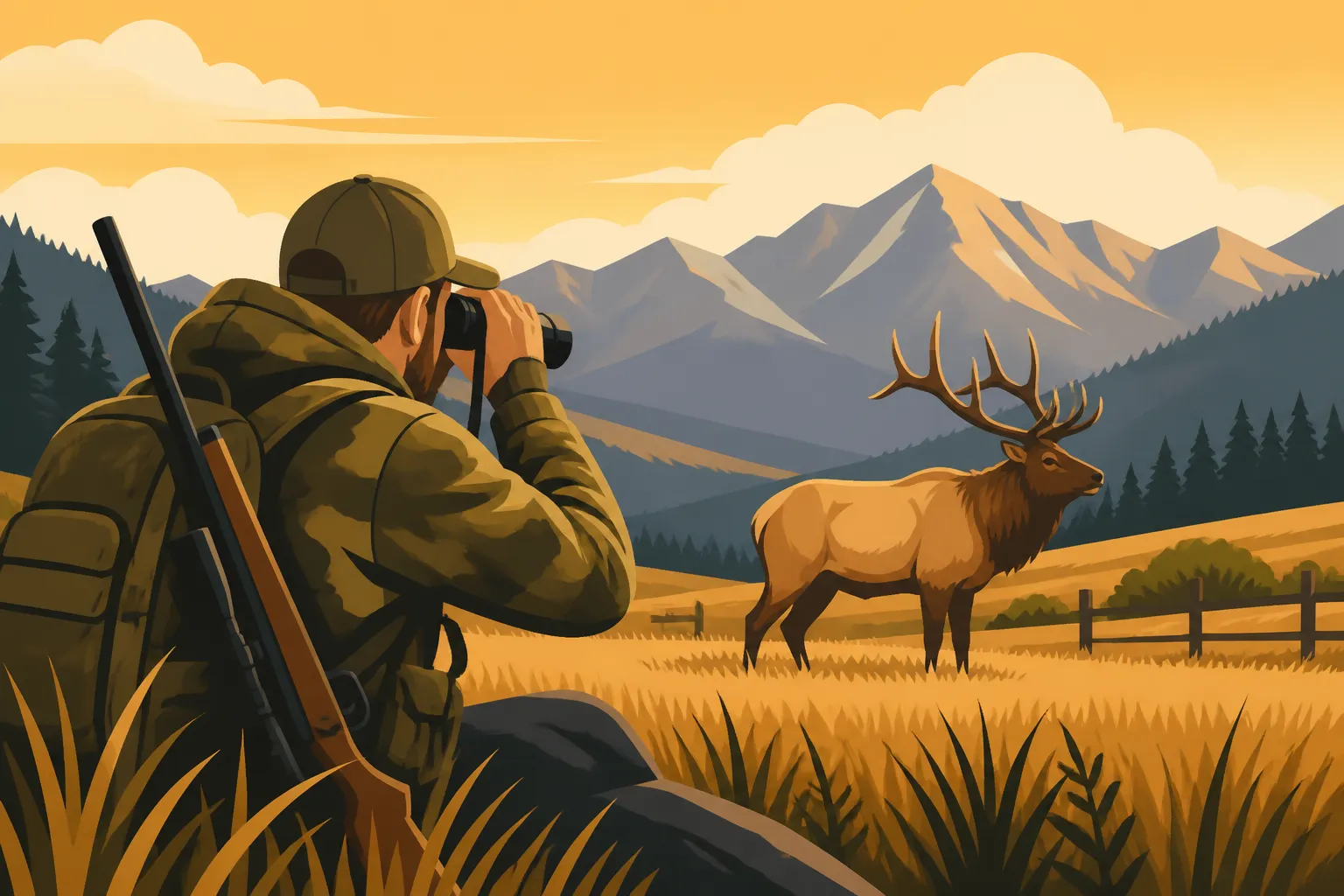
How to Hunt Montana Elk on Private Land
It’s a common frustration for many hunters to arrive in Montana, full of hope, only to find prime elk habitat locked behind "No Trespassing" signs. The vastness of public land is appealing, but those bustling areas can feel like a freeway during hunting season. This guide is here to shed light on how to ethically and effectively hunt Montana elk on private land, helping you uncover opportunities beyond the public land rush and navigate the often-tricky world of private landowner access.
Understanding Montana's Private Land Landscape
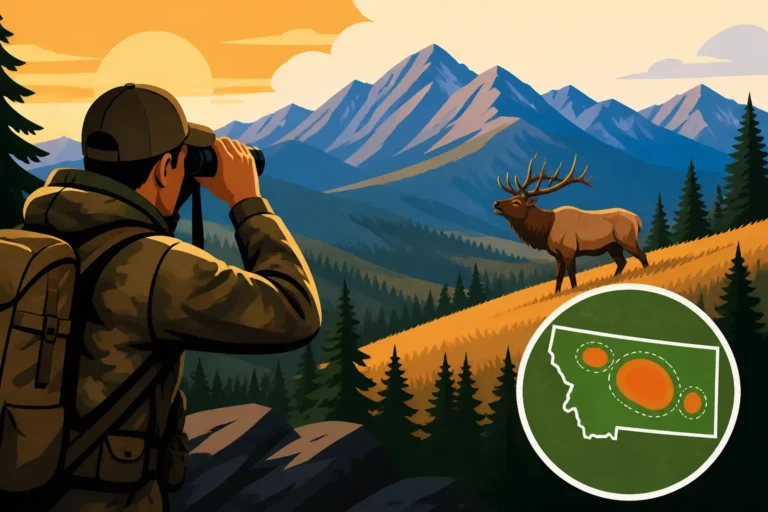
Montana is a state defined by its sweeping landscapes, much of which is privately owned. While public lands are abundant, a significant portion of the most productive elk habitat, especially winter range and agricultural interface areas, often lies on private holdings. This reality presents both challenges and unique opportunities for elk hunters.
The Reality of Land Ownership and Elk Movement
When you picture Montana, you likely think of endless mountains and national forests, and rightly so. We have an incredible amount of public ground. However, a huge amount of prime elk country, particularly lower elevation wintering grounds and areas adjacent to agricultural fields, is privately owned. These private lands can act as critical sanctuaries for elk, especially during high-pressure hunting seasons on public land. Elk, being the intelligent and adaptable creatures they are, quickly learn where they are safe from hunting pressure. This often means they'll move onto private ranches during the day or when hunting pressure is intense, only to filter back onto public ground under the cover of darkness. This pattern of movement is a fundamental truth of hunting elk in many parts of Montana. It means that understanding adjacent private land can be just as crucial as understanding the public land you plan to hunt, even if you never step foot on it. It influences how you plan your approach, where you set up, and how you anticipate elk behavior.
Types of Private Land Access: Lease, Permission, Outfitted
Gaining access to private land isn't a one-size-fits-all situation. It generally falls into a few distinct categories, each with its own pros and cons. The most traditional, and often most rewarding, is simply securing direct permission from a landowner. This is often the holy grail for a DIY hunter. It means knocking on doors, making phone calls, and building personal relationships. Then there's the option of a hunting lease, where you pay a landowner for exclusive access to their property for a season or specific period. These can range from handshake agreements to formal, multi-page contracts. Finally, many private land hunts are facilitated through licensed outfitters. These professionals have established relationships with landowners and offer guided hunts, often providing access to prime ground that would otherwise be unattainable for an individual hunter. Each of these avenues requires a different approach, a different budget, and offers a different level of control and experience. Understanding these options is the first step in deciding how you'll pursue your Montana elk hunting dreams on private acreage.
Gaining Access to Private Land for Elk Hunting
This is arguably the trickiest part of hunting private land in Montana. It’s not just about showing up; it’s about building relationships, demonstrating respect, and often, being patient. The idea of getting permission might feel intimidating, especially if you're not from the area, but it's a skill that can be developed over time.
The Art of Knocking on Doors and Making Connections
Successfully gaining access to private land often boils down to good old-fashioned communication and respect. It's not about being pushy, but rather polite, persistent, and prepared. Start well before hunting season, ideally in the spring or summer. Many landowners are inundated with requests right before opening day and are much more receptive when approached during the off-season. Dress neatly, introduce yourself, and clearly state your intentions. Have a map of their property, perhaps printed from a mapping app, and ask specific questions about where they prefer you hunt, what areas are off-limits, and if there are any specific rules or concerns they have. Offer to help with chores around the ranch, whether it's fixing a fence, moving cattle, or stacking firewood. This goodwill gesture can go a long way in building rapport and demonstrating that you respect their property and their way of life.
Remember, you're asking for a privilege, not asserting a right. Many landowners have had negative experiences with disrespectful hunters, so earning their trust is paramount. A good initial conversation, even if it doesn't immediately lead to access, can lay the groundwork for future opportunities. Sometimes, it's about making a connection year after year until they feel comfortable enough to grant permission. Learn how to get landowner permission in Montana, as this local wisdom can significantly increase your chances.
Formal Lease Agreements and Outfitter Options
For those looking for more guaranteed access, or who prefer a more structured experience, formal lease agreements and outfitted hunts are excellent alternatives. A hunting lease involves paying a fee to a landowner for exclusive hunting rights to their property for a specified period, usually a season. These agreements can range widely in price and what they include, from simple access to lodging and even guide services. Leases offer predictability and often reduce competition, but they come with a significant financial commitment. It's crucial to get everything in writing, clearly outlining boundaries, species allowed, hunter numbers, and any specific rules.
Alternatively, many hunters opt for a guided experience through a reputable outfitter. Montana boasts a wide array of excellent outfitters who have established relationships with private landowners. These outfitters provide access to prime private ground, often with high success rates, coupled with expert guiding, camp services, and game retrieval. While a guided hunt with a Montana elk hunting outfitter can be a substantial investment, it often provides a high-quality, memorable experience, especially for non-residents who have limited time and resources for scouting. When considering this route, research outfitters carefully, check references, and understand exactly what’s included in the price. The decision between a Montana Guided vs DIY Elk Hunting in Montana often comes down to budget, experience level, and how much planning you want to undertake yourself.
Understanding Landowner Preference Tags
Montana offers a unique system for landowners that can indirectly benefit hunters seeking private land access: the landowner preference system. While it primarily helps landowners secure licenses for themselves or their immediate family, it also plays a role in the broader access dynamic. Essentially, resident landowners who own a certain acreage and meet specific criteria can apply for preference points or even tags in certain districts. This system is designed to help those whose land provides significant habitat for game animals.
For hunters, especially non-residents, this system can sometimes lead to what are known as "outfitter-sponsored" tags. Some landowners with significant acreage may work with outfitters, and in some cases, these outfitters can secure a certain number of these landowner tags, which they then offer as part of their guided hunt packages. These aren't always easy to come by, and they often add to the cost of an already expensive guided hunt, but they can provide guaranteed access to a tag in a desirable unit where drawing a general or limited entry permit might otherwise be very difficult. This is a complex part of the Montana hunting regulations, so thoroughly understanding Montana Landowner Preference Explained is vital if you're considering this avenue for securing a tag and access simultaneously.
Strategies for Hunting Private Land Elk
Once you've secured access to private land, the hunting strategy itself shifts. While the core principles of elk hunting remain – finding sign, understanding their movements, and being patient – private land often demands a more nuanced approach due to reduced pressure and different habitat dynamics.
Adapting Hunting Tactics to Private Property
Hunting elk on private land often means encountering animals that are less pressured or habituated to human presence, especially compared to elk on heavily hunted public lands. This can be a double-edged sword: while they might be less wary, they also might not be moving as predictably, as they haven't been "pushed" into standard escape routes. Your typical Montana Elk Hunting Methods Explained might need some tweaking. For instance, aggressive calling, which might spook public land bulls, could work wonders on a more relaxed private land elk. Still-hunting through timber or setting up on food sources might be more effective, as elk are often feeding and moving during daylight hours rather than solely in the deepest cover.
It's crucial to spend time observing the specific property you're hunting. What are the elk's preferred bedding areas, travel corridors, and feeding grounds? Are there unique terrain features like secluded draws, coulees, or river bottoms that offer sanctuary? Your tactics should reflect the specific behavior of the elk on that property, rather than simply applying general elk hunting knowledge. Being adaptable and willing to experiment with different approaches will lead to greater success.
Managing Pressure and Elk Behavior on Private Land
Even on private land, elk can feel pressure, though it might come from different sources than public land. It could be from ranching operations, agricultural activities, or even other hunters if the property isn't exclusively leased. The key is to understand these pressure points and how they influence elk behavior. For example, if cattle are moved through a certain pasture daily, elk might avoid that area during those times. If haying operations are underway, elk could shift their patterns entirely.
One significant advantage of private land is the potential to control human pressure. If you're the only hunter or one of a very few, you can deliberately apply pressure to move elk without pushing them off the property entirely. This is a tactic often employed in Montana Backcountry Hunting Guide scenarios, but it's equally effective on private land. For example, you might make a strategic push through a bedding area mid-day, knowing that the elk will likely relocate to a quieter section of the same property, rather than disappearing over a public land boundary. This allows for calculated maneuvers that can be highly effective in setting up future opportunities. Furthermore, understanding How to Pattern Montana Elk Movement is critical, as movements on private land may be less about escaping hunters and more about access to food, water, and security within the property's confines.
Scouting and Pre-Season Preparation for Private Parcels
Just because it's private land doesn't mean you can skip the scouting. In fact, it's even more crucial, as you likely have limited time during the actual season and want to maximize your chances. Pre-season scouting on private property allows you to identify key areas without disturbing the elk during hunting season. Focus on finding fresh sign: rub lines, wallows, active trails, and bedding areas. Pay close attention to food sources, particularly where agricultural fields meet timber or cover. These transition zones are often hotspots for elk movement at dawn and dusk.
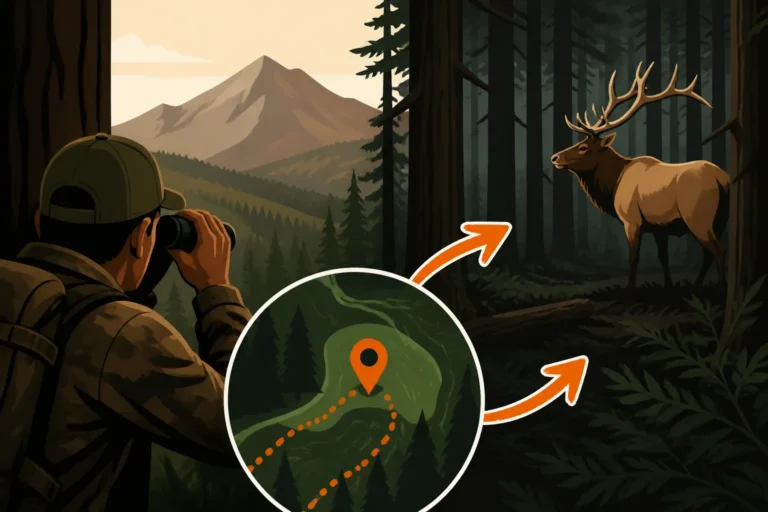
Walk the property boundaries thoroughly, paying special attention to how elk might enter and exit the property, especially if it borders public land. Use mapping tools to identify pinch points, saddles, and water sources. Consider setting up trail cameras in strategic locations to monitor elk activity and identify specific animals. Getting to know the land, its terrain, and its unique features intimately before the season begins will give you a significant advantage. This diligent preparation is a cornerstone of a Montana DIY Elk Hunting Guide approach, even when you have private access.
Leveraging Technology and Resources
In today's hunting world, technology is your best friend. From sophisticated mapping applications to publicly available data, there's a wealth of information at your fingertips that can drastically improve your private land hunting strategy.
Utilizing Mapping Tools and Aerial Imagery
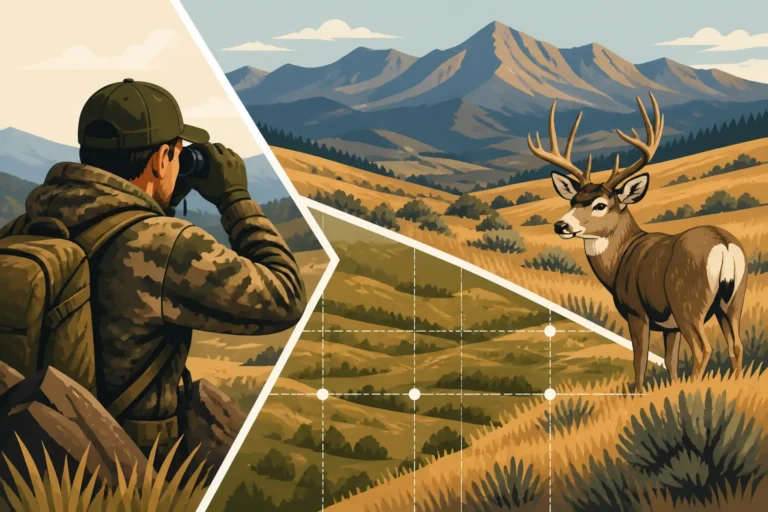
Modern mapping applications have revolutionized how hunters approach both public and private lands. Tools like OnX Hunt, BaseMap, and others allow you to layer various maps, including public/private land ownership, topo lines, aerial imagery, and even real-time weather and fire data. For private land hunting, the ability to clearly see property boundaries, landowner names, and potential access points is invaluable. You can use these apps to identify potential hunting areas, analyze terrain for travel corridors and bedding sites, and even pinpoint ideal locations for glassing or setting up stands.
When approaching landowners for permission, having a clear map of their property with boundaries highlighted can demonstrate your professionalism and preparedness. It allows for precise discussions about where you intend to hunt and what areas to avoid. Furthermore, using aerial imagery to identify subtle features like isolated pockets of timber, small drainages, or hidden water sources can give you a significant advantage, especially if you have limited time to physically scout the property. Brands like GoHunt also offer detailed insights, draw odds, and filtering tools that can help identify potential hunting districts where private land access might be more fruitful or where landowner tags are more commonly available. Using these resources to e-scout your potential hunting areas is a vital first step, even before you make that first phone call or knock on a door.
Montana FWP Resources and Data
The Montana Fish, Wildlife & Parks (FWP) website is an absolute goldmine of information for hunters, whether you're targeting public or private land. Their website provides detailed hunting regulations, season dates, and specific hunt codes for every district in the state. You can dive into data on elk populations, harvest statistics, and even herd health reports. This information is crucial for understanding the potential of any given area. For instance, studying Montana Elk Draw Odds by District can reveal which districts might have healthier or more numerous elk populations, making private land access there even more valuable.
Beyond regulations, FWP also publishes hunt planner maps, which show general land ownership, roads, and other geographical features. While not as detailed as commercial mapping apps for private land boundaries, they offer a good overview. For specific districts, FWP often provides summaries of elk numbers, management objectives, and historical success rates. This type of data helps you make informed decisions about which areas to focus your efforts on. Don't underestimate the power of publicly available FWP data in complementing your private land scouting efforts and overall Montana Public Land Hunting Guide research, which often goes hand-in-hand with private access strategies.
Ethical Considerations and Maintaining Relationships
Hunting on private land is a privilege, not a right. The future of private land access for hunters in Montana hinges on the actions and attitudes of those who are granted permission. Building and maintaining positive relationships with landowners is paramount.
Building Trust and Respect with Landowners
This is the cornerstone of long-term private land access. When a landowner grants you permission, they are extending a significant amount of trust. It's your responsibility to honor that trust in every interaction. Always adhere strictly to any rules they set, no matter how minor they seem. This includes things like driving only on designated roads, closing all gates, respecting livestock, and avoiding specific pastures or areas they've marked off-limits. If you encounter any unexpected issues, like a downed fence or an open gate, report it immediately.
Communication is key. If your plans change, or if you decide not to hunt a particular day, let them know. After your hunt, whether successful or not, always follow up with a thank you. A small token of appreciation, like a gift card to a local store, a cut of game meat, or simply offering to help with a chore, can go a long way in solidifying that relationship. Think of it as a partnership; you're not just a hunter, but a temporary steward of their land. Many of the principles of being a good guest are covered in articles like How to Hunt Montana Elk on Private Land (which is this article, but an important reminder within itself).
Leaving No Trace and Being a Good Steward
Beyond respecting the landowner, you must also respect their land. This means practicing rigorous "Leave No Trace" principles. Pack out everything you pack in, and then some. Pick up any trash you find, even if it's not yours. Be mindful of your impact on trails, fields, and access roads, especially in wet conditions. If you harvest an animal, ensure a clean and efficient field dressing process, and handle the carcass respectfully. Don't leave gut piles in highly visible areas or near water sources if you can avoid it.
Consider the aesthetics and ecological impact of your hunt. A good steward understands that their actions reflect not just on themselves, but on the entire hunting community. By demonstrating care for the land, you not only improve your chances of future access but also uphold the positive image of hunters. This dedication to stewardship helps reinforce the value that hunters bring to wildlife management and conservation, validating the landowner's decision to allow you on their property. This level of care and consideration often ties into strategies for How to Hunt Elk in Montana's Wilderness or the principles discussed in a Montana Backcountry Hunting Gear List for responsible usage.
Comparing Private Land vs. Public Land Elk Hunting
Deciding whether to pursue elk on private or public land in Montana involves weighing various factors, each with its own set of advantages and challenges. There’s no single "better" option; it truly depends on your hunting style, budget, and desired experience.
Advantages and Disadvantages of Private Land
Hunting private land often comes with a significant advantage: reduced hunter pressure. This can lead to elk exhibiting more natural behavior, being less wary, and potentially being more active during daylight hours. Access might be easier, with less hiking required to get into prime areas, and you might have the opportunity to manage elk within a specific property, rather than constantly chasing them from one public parcel to the next. The success rates on well-managed private land can often be higher due to these factors. Plus, for non-residents, an outfitter-sponsored private land hunt might simplify the tag acquisition process, especially for limited-entry units.
However, the disadvantages are often financial. Direct landowner permission can be hard to come by, requiring time and relationship building. Leases are expensive, and guided private land hunts can cost thousands of dollars. Private land hunting can also feel less adventurous for some hunters who cherish the vast, wild feel of public land. You are also beholden to the landowner's rules, which might restrict certain activities.
Integrating Private and Public Land Strategies
Many experienced Montana elk hunters don't view private and public land as mutually exclusive but rather as complementary. Often, the most effective strategy involves understanding how elk move between these two types of land. For example, you might secure permission on a private parcel that serves as a bedding area for elk during the day, knowing they feed on adjacent public land at night, or vice-versa. Or you might hunt public land that borders private ground, anticipating that pressured elk will try to escape onto the private sanctuary, allowing you to intercept them along the boundary.
E-scouting tools are critical here for identifying these interfaces and predicting elk movement. Understanding Montana Hunting Districts Explained helps in this context, as some districts have a higher percentage of private land, influencing elk behavior across all properties. By combining knowledge of public land access points and travel corridors with insights into adjacent private land behavior, you create a more complete hunting picture. This integrated approach, often a cornerstone of a well-executed Montana Public Land Hunting Strategy, acknowledges the dynamic nature of elk movement across the landscape and maximizes your opportunities regardless of where the elk choose to be.
Here's a quick comparison of key aspects:
| Feature | Private Land Hunting | Public Land Hunting |
|---|---|---|
| Hunter Pressure | Generally low to very low | Often high, especially in accessible areas |
| Elk Behavior | Less pressured, more natural movement patterns | Wary, nocturnal, quick to escape pressure |
| Access Difficulty | Requires permission, lease, or outfitter booking | Open access, but can be crowded or require long hikes |
| Cost | Can be significant (lease, outfitter) or free (permission) | Generally low (license fees, travel, gear) |
| Tag Acquisition | Standard draw, or outfitter-sponsored tags (specific situations) | Standard draw for general tags; more competitive for permits |
| Scouting | Focused on specific property; landowner insights valuable | Vast areas, extensive e-scouting and physical scouting needed |
| Flexibility | Restricted by landowner rules | More freedom, but subject to FWP regulations |
| Success Rates | Often higher due to lower pressure | Variable, often lower due to pressure and competition |
| Experience | Can be intimate, focused, less wilderness-feel | More adventurous, wilderness-oriented, self-reliant |
Disclaimer
Please be aware that hunting regulations, license requirements, and access rules in Montana can change frequently. It is imperative that all hunters consult the official Montana Fish, Wildlife & Parks (FWP) regulations guide for the current year before planning or engaging in any hunting activities. This article provides general information and should not be considered a substitute for official FWP documentation or professional legal advice regarding hunting. Always prioritize safety and ethical hunting practices.