Custer Gallatin Hunting Guide
Heading into the sprawling expanse of the Custer Gallatin National Forest for a hunt can feel like stepping into a wilderness labyrinth. You’re faced with immense, rugged terrain, diverse wildlife, and the undeniable challenge of finding your quarry in such a vast landscape. This guide is designed to cut through that uncertainty, offering you practical, hard-earned insights to help you navigate this iconic Montana hunting ground and significantly improve your chances of a successful and rewarding experience.
Understanding the Custer Gallatin National Forest Landscape
The Custer Gallatin National Forest isn't just one type of land; it's a tapestry woven from diverse ecosystems, ranging from towering alpine peaks to rolling foothills and vast open plains. This incredible variety is precisely what makes it such a phenomenal, albeit challenging, hunting destination. It’s a place where you can be glassing high-country basins one day and tracking deer in timbered river bottoms the next.
Geographic Overview and Diverse Ecosystems
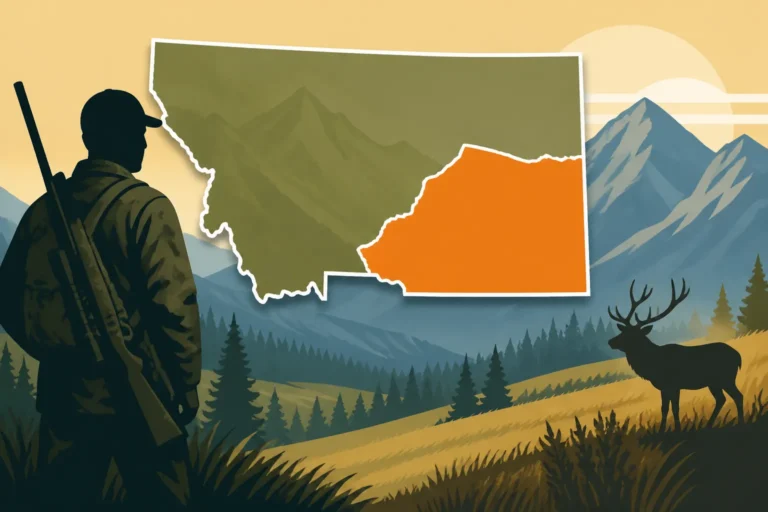
Stretching across south-central Montana, the Custer Gallatin encompasses an incredible 3.1 million acres. Think about that for a second – that’s bigger than some small states! It borders Yellowstone National Park to the south, adding to its wild character and the sheer scope of its ecosystems. On its western flank, you’ll find rugged, glaciated mountains like the Absaroka-Beartooth Wilderness, with elevations soaring over 12,000 feet. These are the classic, postcard-perfect Montana mountains, characterized by dense timber, open parks, and steep, rocky slopes. The eastern parts of the forest, particularly areas like the Ashland Ranger District and the Pryor Mountains, transition into more arid, ponderosa pine breaks and grasslands, offering a completely different hunting experience. This transition zone is often overlooked but can hold significant game, especially for those willing to explore beyond the obvious mountain ranges. Understanding these distinct zones is your first step in deciphering where to focus your efforts, whether you're chasing high-country mule deer or lower-elevation elk.
Accessibility and Key Access Points
Accessing such a massive area can be daunting, and it's where a lot of hunters get stuck. The Custer Gallatin has numerous access points, but some are more challenging than others. For the western, mountainous areas, towns like Bozeman, Livingston, Gardiner, and Red Lodge serve as common gateways. From these towns, you’ll find well-maintained Forest Service roads that lead into trailheads, many of which quickly take you into designated wilderness or roadless areas. Examples include the Hyalite Canyon south of Bozeman, the Paradise Valley leading into the Absaroka Range, and the Beartooth Highway near Red Lodge. On the eastern side, access is often via smaller towns like Ashland or Broadus, with a network of county roads and less-developed Forest Service roads leading into the breaks and rolling hills. It’s critical to remember that "access" doesn't always mean easy driving. Many of these roads can be rough, especially after rain or snow, and a high-clearance 4×4 vehicle is often a necessity. You’ll want to pay close attention to road closures, which are common seasonally or due to weather, timber operations, or wildlife management. Tools like onX Hunt are absolutely indispensable here, allowing you to see exactly where roads are, property boundaries, and potential trailheads, often updated with current Forest Service data.
Primary Game Species and Their Habitat in Custer Gallatin
The Custer Gallatin National Forest is a diverse habitat supporting a wide array of big game. While elk and deer are undoubtedly the main draw for many hunters, the forest also holds significant populations of other exciting species. Knowing where each animal prefers to live and what sustains them in this vast landscape is key to pinpointing your efforts and increasing your odds of success.
Elk Hunting Opportunities and Preferred Terrain
Elk hunting in the Custer Gallatin is truly a world-class experience, offering everything from accessible front-country opportunities to epic backcountry expeditions. The mountainous regions, particularly within the Absaroka, Gallatin, and Crazy Mountains, are prime elk country. These majestic animals thrive in a mosaic of dense timber for security, south-facing slopes for winter feeding, and lush alpine meadows during the summer. During the early archery season, you'll often find elk higher up, in those cool, timbered north-facing slopes, near secluded water sources, and just below the timberline. As the general rifle season progresses and hunting pressure increases, bulls will often retreat into the thickest, darkest timber, favoring steep canyons and roadless areas where they feel safe. If you're planning a trip, be sure to check out our detailed guide on Montana Elk Hunting Guide to get even more species-specific insights. Keep an eye on areas bordering the Absaroka-Beartooth Wilderness, as these areas can hold significant numbers of elk that migrate into more accessible lands as seasons change.
Mule Deer and Whitetail Deer Strategies
While elk often steal the spotlight, the Custer Gallatin also boasts excellent deer hunting, with both mule deer and whitetail deer present, though they prefer different habitats. Mule deer are classic high-country dwellers, preferring the open, broken country, sagebrush hillsides, and scattered timber patches of the forest's middle and higher elevations. They are masters of using topography to their advantage, often bedding on benches where they can see for miles. Hunting mule deer in the Custer Gallatin often involves a lot of glassing, patiently picking apart vast hillsides with high-quality optics. For more detailed tactics, you might find our Montana Mule Deer Hunting Guide particularly useful.
Whitetail deer, on the other hand, are typically found in the lower elevations, along river bottoms, creek drainages, and areas with denser brush and agricultural interfaces, particularly in the eastern parts of the forest and along the Yellowstone River corridor. They are more likely to be found in thick cover, relying on stealth and keen senses. Hunting whitetails often involves still-hunting through river bottoms or setting up on pinch points and travel corridors. In areas where the forest meets private agricultural land, whitetails can be particularly elusive.
Bear, Moose, and Other Species
Beyond deer and elk, the Custer Gallatin National Forest is home to a robust population of black bears, offering exciting spring and fall hunting opportunities. Bears are often found in areas with good food sources, such as berry patches in late summer/fall, or south-facing slopes that green up early in the spring. They prefer timbered areas, especially where there's a mix of different tree species. If you're considering a bear hunt, our Montana Black Bear Hunting Guide provides an in-depth look at successful strategies.
Moose, while not as numerous as elk or deer, also inhabit certain parts of the Custer Gallatin, particularly in the higher elevation willow bottoms and dense timber near water. Drawing a moose tag in Montana is extremely difficult, making it a true once-in-a-lifetime hunt. Mountain lions are also present, preying on the abundant deer and elk, and offer a challenging pursuit for those dedicated enough to pursue them, often with hounds. Other game birds, like various grouse species, can be found throughout the forest, offering additional hunting opportunities.
Navigating Public Land and Regulations
Hunting in Montana, especially on extensive public lands like the Custer Gallatin, requires a deep understanding of regulations and a keen ability to navigate vast, often unmarked, terrain. It’s not just about knowing where the animals are, but knowing where you are and what the rules are for that specific piece of ground. Neglecting this crucial aspect can quickly turn a dream hunt into a legal headache or a frustrating dead end.
Understanding Montana FWP Districts and Regulations
The Custer Gallatin National Forest sprawls across numerous Montana Fish, Wildlife & Parks (FWP) hunting districts. This is a critical point: the forest boundary itself is not a hunting district boundary. Each district has specific regulations regarding species, seasons, weapon types, and often, specific permit requirements. For example, one side of a mountain ridge might be a general elk unit, while the other side requires a special draw permit. These regulations are subject to change annually, so consulting the current FWP hunting regulations is non-negotiable. I recommend studying the Montana Hunting Seasons Explained page on the FWP website and obtaining a physical copy of the regulations booklet. Pay close attention to unit-specific rules, such as antler point restrictions or whether a district is limited entry. Many parts of the Custer Gallatin fall within Region 3, which is known for its diverse hunting opportunities.
Utilizing Mapping Tools for Success
In a landscape as vast and complex as the Custer Gallatin, reliable mapping tools are not just helpful; they are essential. Forget paper maps unless they're a backup. Modern digital mapping applications like onX Hunt have revolutionized how hunters navigate public land. With onX, you can instantly see public/private land boundaries, Forest Service roads, trails, wilderness areas, and even locate yourself with GPS precision. This is invaluable for ensuring you’re on public land, respecting private property, and understanding where you can legally park, camp, or hunt. Another excellent resource for pre-season scouting and understanding draw odds is GoHunt. While GoHunt is more focused on drawing tags, it provides critical information about unit statistics, success rates, and even some terrain analysis that can inform your initial strategy for units within the Custer Gallatin. Before you even set foot in the woods, spend hours How to E-Scout Montana Hunting Units using these tools, marking potential glassing points, bedding areas, water sources, and escape routes.
| Tool/Resource | Primary Function | Key Benefit for Custer Gallatin |
|---|---|---|
| Montana FWP Regulations | Legal Framework | Essential for understanding hunt codes, seasons, and permit requirements for specific districts. |
| onX Hunt | GPS Mapping | Precise boundary navigation, road/trail access, private land avoidance, offline maps. |
| GoHunt | Draw Odds/Stats | Data-driven insights on unit success, tag allocation, and point requirements for permits. |
| US Forest Service Maps | Topographical Detail | Supplement digital maps with traditional topo details, especially for elevations and terrain features. |
General vs. Permit Tags within the Forest
Understanding the distinction between general tags and permit tags is crucial for hunting the Custer Gallatin. A significant portion of the forest is accessible with a general elk or deer license. This means if you draw a general Montana General Elk License Explained, you can hunt in any open general unit within the Custer Gallatin during the specified seasons. These areas typically have more hunter pressure but still offer incredible hunting, especially if you're willing to go deeper into roadless country.
However, certain high-demand areas or those with specific management objectives require a limited-entry permit. These permits are typically applied for through a lottery draw system, often requiring applicants to accumulate preference points over several years to increase their odds. These permit areas can offer higher success rates or opportunities for larger, more mature animals due to controlled hunter numbers. Always check the FWP regulations for the specific hunting district you are interested in, as a general license might allow you to hunt a certain species, but a special permit could be required for antlered animals or specific dates. Knowing which type of tag you hold, or are hoping to draw, will dictate much of your planning and hunting strategy.
Effective Hunting Strategies for the Custer Gallatin
Hunting the Custer Gallatin National Forest demands more than just knowing where the animals might be; it requires adaptable strategies that consider the vast terrain, seasonal changes, and inevitable hunter pressure. Success here often comes down to tenacity, smart planning, and a willingness to adjust your approach based on real-time conditions.
Backcountry vs. Front-Country Approaches
The Custer Gallatin offers both front-country and backcountry hunting experiences, each with its own advantages and challenges. Front-country hunting typically involves areas closer to roads and established trails, making access easier for day hunts or short overnighters. These areas are great for hunters with limited time or physical capabilities, or those just starting out. However, they also see significantly higher hunter pressure, especially during the general rifle season. To succeed in front-country areas, you'll need to be stealthy, hunt hard at dawn and dusk, and be willing to walk further than most, targeting overlooked pockets of cover that elk or deer might use as sanctuaries.
Backcountry hunting in the Custer Gallatin, especially within the Absaroka-Beartooth Wilderness or other roadless areas, offers an entirely different experience. This is where you escape the crowds and immerse yourself in true wilderness. It demands serious physical preparation, a comprehensive Montana Backcountry Hunting Gear List, and the ability to be self-sufficient for multiple days. For those willing to put in the effort, packing into these remote areas often leads to encounters with less pressured animals. Our guide on Montana Backcountry Hunting Guide provides an extensive overview of what it takes to thrive in these remote settings. You'll often find animals in more predictable patterns, as they aren't constantly being pushed by vehicles and human scent.
Seasonal Considerations and Tactics
The time of year you hunt in the Custer Gallatin profoundly influences animal behavior and the tactics you should employ.
Early Archery Season (Late August – September): This is often characterized by warmer weather, lush vegetation, and the start of the elk rut. Bulls are vocal, making How to Bugle-Locate a Montana Bull Elk an effective tactic. Elk are typically higher in elevation, seeking cooler temperatures and security cover. Mule deer are often in summer bachelor groups in high-elevation basins. Still-hunting through timber and calling are primary elk tactics.
Peak Rut (Late September – Early October for Elk, Mid-November for Deer): The elk rut peaks, offering incredible calling opportunities. Bulls are less cautious and can be aggressive. This is a fantastic time for archery hunters to engage with elk. For deer, the mid-November rut sees bucks actively searching for does, making them more visible and vulnerable. For an in-depth look at this period, check out How to Hunt the Rut in Montana. Weather can be highly unpredictable, ranging from warm Indian summer days to early blizzards.
General Rifle Season (Late October – Late November): This is the most popular time to hunt and presents significant challenges due to high hunter numbers. Elk will become extremely nocturnal and often retreat to dense timber or designated refuges. Tactics shift to still-hunting dark timber, focusing on bedding areas during the day, and ambushing animals moving between feed and cover. Mule deer are often in migration mode, moving to lower winter ranges, and can be found in larger groups. Whitetails are entering their rut. For rifle hunters, understanding How to Shoot Long Range at Montana Elk can be crucial, as shots can often be at extended distances in open country.
Late Season (December): Often characterized by deep snow and extreme cold. Animals have moved to their winter ranges, typically lower elevations and south-facing slopes. Food sources become critical. Elk and deer are often grouped up, but can be incredibly wary. This can be a great time for spotting and stalking if you can locate herds, especially on public lands bordering private ranch properties where animals seek refuge. Our Late-Season Elk Hunting in Montana guide delves into these specific conditions.
Overcoming Hunter Pressure and Finding Solitude
Hunter pressure is a very real challenge in parts of the Custer Gallatin National Forest, especially in easily accessible areas during general rifle season. The key to overcoming it is often simple: go where others won't.
- Hike Deeper: The vast majority of hunters don't venture more than a mile or two from a road or trailhead. If you can How to Pack Into the Montana Backcountry and commit to hiking 3-5 miles (or more) into roadless areas, your chances of finding unpressured animals skyrocket.
- Hunt Mid-Week: If your schedule allows, hunting on weekdays rather than weekends can significantly reduce the number of other hunters you encounter.
- Utilize Thermals and Wind: Animals use thermals to their advantage, especially in mountainous terrain. Understanding How to Use Thermals in Montana Elk Country and How to Use the Wind Hunting Montana Elk is crucial for approaching animals undetected and avoiding being scented by other hunters' pushed game.
- Target Overlooked Habitat: Instead of focusing solely on popular basins or ridges, look for small, overlooked pockets of timber, steep north-facing slopes, or obscure drainages that might offer refuge to animals. Sometimes, the nastiest, hardest-to-reach spots are exactly where the big bulls are hiding.
- Hunt Smart with onX: As mentioned,
onX Huntcan help you identify public land surrounded by private, or pockets of public land that are harder to access, which often translates to less pressure. Look for areas with limited road access but vast public acreage behind them.
Essential Gear and Preparation for a Custer Gallatin Hunt
Successfully hunting the Custer Gallatin National Forest isn't just about sharp shooting skills or knowing where the animals are; it's also about being physically and mentally prepared for the demands of the terrain and weather, and having the right gear to support your efforts. The mountains of Montana are unforgiving, and underestimating them can lead to a miserable, or even dangerous, experience.
Physical Conditioning and Mental Toughness
The Custer Gallatin, particularly its mountainous regions, is not for the faint of heart. You will be hiking steep grades, often at elevations exceeding 8,000 feet, potentially carrying heavy packs. A strong cardio base is non-negotiable. Start a rigorous fitness regimen months before your hunt. Focus on exercises that mimic hunting movements: incline treadmill walking with a weighted pack, stair climbing, lunges, and squats. Don't neglect core strength and flexibility, which are vital for navigating uneven terrain and packing out heavy meat. Our How to Physically Prepare for a Montana Elk Hunt guide offers specific training advice.
Beyond physical strength, mental toughness is paramount. You will face challenging weather, long days, frustrating misses, and the constant physical grind. The ability to push through discomfort, stay positive, and maintain focus when tired or discouraged is what separates successful hunters from those who quit. Practice mental visualization of tough scenarios and develop strategies for staying resilient. This mental fortitude will be your most valuable asset when facing the vastness of the Custer Gallatin.
Packing for Mountain Terrain and Variable Weather
Montana weather is notoriously unpredictable, especially in the mountains. You can experience all four seasons in a single day, from warm sunshine to driving rain, hail, or even snow. Your gear needs to be versatile and able to handle rapid changes.
- Layering System: This is crucial. Start with a moisture-wicking base layer, add insulating mid-layers (fleece, puffy jacket), and top it off with waterproof/windproof outer shells. Avoid cotton at all costs; it retains moisture and will make you cold.
- Footwear: Invest in high-quality, broken-in mountain hunting boots with excellent ankle support and waterproof membranes. Blisters can ruin a hunt faster than anything. Bring spare socks (wool or synthetic). Our guide on Best Boots for Montana Elk Hunting has detailed recommendations.
- Backpack: A comfortable, durable pack capable of carrying gear for several days and, crucially, packing out meat, is essential. For backcountry hunts, you'll need a larger pack (65+ liters) designed to carry heavy loads efficiently. Consider options from brands like Mystery Ranch or Kifaru, known for their rugged, load-bearing designs. For a detailed rundown, check out Best Backpack for a Montana Elk Hunt.
- Navigation: While
onX Huntis excellent, always carry a physical map (USGS topo or Forest Service) and a compass as a backup. Know how to use them. - Optics: High-quality binoculars (10×42 or 12×50) and a spotting scope (especially for mule deer) are indispensable for picking apart vast landscapes. Rangefinders are also critical for ethical shot placement in mountain environments.
- Survival Gear: A first-aid kit, fire-starting supplies, headlamp with extra batteries, water filter or purification tablets, emergency shelter, and sufficient food/water for an extra day are non-negotiable, especially on backcountry trips. The mountains are beautiful, but they don't care about your plans.
Planning Your Custer Gallatin Adventure
A successful hunting trip to the Custer Gallatin National Forest isn't something you can just wing. It requires meticulous planning, from understanding the complex tag draw system to embracing ethical hunting practices that ensure the health of the herd and the integrity of the hunting tradition. This preparation is as much a part of the hunt as the time spent in the field.
Drawing Tags and Understanding Odds
For many non-residents and even some residents, drawing a highly coveted tag for species like moose or specific limited-entry elk or deer units within the Custer Gallatin can be a multi-year endeavor. Montana uses a combination of preference points (for deer and elk combination licenses) and bonus points (for species like moose, sheep, goat, and specific permits) to allocate tags. Understanding Montana Preference Points vs Bonus Points is crucial. Preference points typically increase your chances of drawing a general combination license, while bonus points give you additional entries in a random drawing for limited-entry permits, with points squared for each subsequent year you apply without drawing.
The application deadlines are typically in March for the big game combination licenses and later for various specific species and permits. Spend time researching the draw odds for specific hunting districts within the Custer Gallatin if you're targeting a permit hunt. Resources like GoHunt provide excellent data and analysis on draw odds, helping you make informed decisions about where to apply your points and maximize your chances. Don't be discouraged if you don't draw a premium tag right away; many general tags still offer incredible hunting opportunities in the Custer Gallatin.
Respecting the Land and Ethical Hunting Practices
Hunting in a national forest like the Custer Gallatin comes with a profound responsibility to respect the land, the wildlife, and other users. Ethical hunting goes beyond simply following the law; it embodies a commitment to fair chase, animal welfare, and conservation.
- Leave No Trace: Pack out everything you pack in. This includes all trash, spent casings, and any remnants from your camp. Practice minimum impact camping, especially in wilderness or roadless areas.
- Know Your Limits: Only take shots within your effective range to ensure a clean, ethical kill. Practice regularly with your chosen weapon. Understanding Montana Long-Range Shooting Considerations is important, but knowing your personal limit is paramount.
- Efficient Field Care: Once an animal is down, get to it quickly and begin field dressing immediately. In Montana's often warm early seasons, How to Keep Elk Meat Cool in Montana's Early Season is vital to prevent spoilage. Know How to Quarter an Elk in the Montana Backcountry efficiently, especially if you're solo.
- Respect Private Property: Even with detailed maps, be absolutely sure of property boundaries. Trespassing, even accidentally, is a serious offense and jeopardizes future hunting access for everyone.
- Be Considerate of Others: The Custer Gallatin is multi-use land. You'll encounter hikers, campers, anglers, and equestrians. Be courteous, respectful, and keep a low profile. Share the woods responsibly.
- Support Conservation: The fees from your hunting licenses directly fund wildlife management and habitat preservation in Montana. By participating in the draw and purchasing licenses, you're directly contributing to the future of hunting in places like the Custer Gallatin.
Disclaimer
Please remember that hunting regulations and season dates can change annually. It is your responsibility to consult the most current Montana Fish, Wildlife & Parks (FWP) regulations before planning or undertaking any hunting activity in the Custer Gallatin National Forest or any other area in Montana. This guide is for informational purposes only and should not replace official FWP documentation. Safety should always be your top priority.