How to Hunt the Rut in Montana
The rut in Montana is a magical, yet often maddening, time for hunters. You've heard the stories, seen the videos, and probably experienced the frustration of near misses when bull elk are screaming, bucks are chasing does, and antelope are sparring. This guide is dedicated to dissecting the various ruts across Montana's diverse big game species, providing you with the practical strategies, gear insights, and tactical advice needed to capitalize on this intense, behavior-driven period and increase your odds of success.
Understanding the Montana Rut Cycle for Big Game
Montana's diverse landscape means the rut isn't a one-size-fits-all event. Each big game species has its own specific timing and behavioral patterns during this crucial breeding season. Knowing these cycles is your first step toward planning an effective hunt. It's not just about when to hunt, but how the animals will be behaving based on their biological clock.
Elk Rut Dynamics
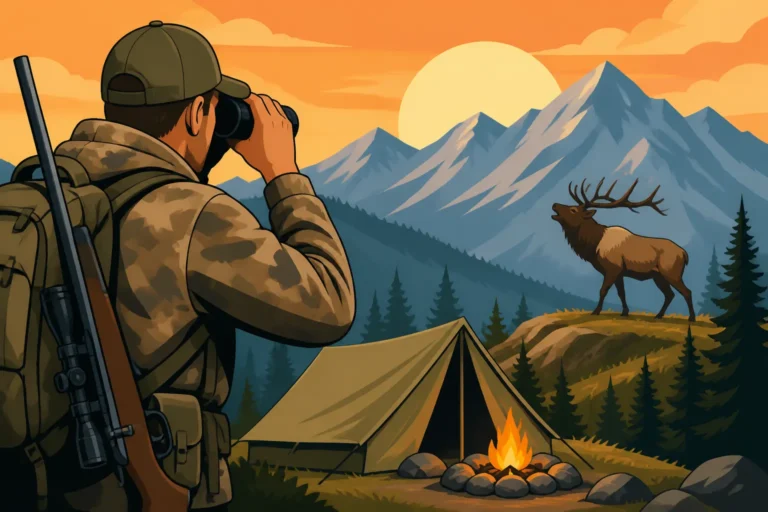
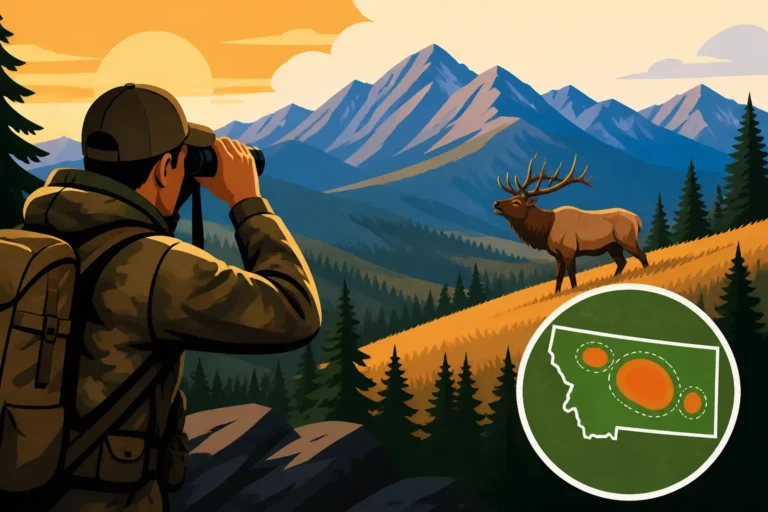
The Montana elk rut is arguably the most anticipated period for many big game hunters, especially bowhunters. Typically, you'll see the earliest signs of the rut starting in late August to early September, with small bachelor groups of bulls breaking up and beginning to scent-check cows. The peak of the rut, when bulls are most actively bugling, herding cows, and sparring, usually occurs from mid-September through the first week or two of October. This period is often characterized by a cacophony of bugles echoing through the mountains, a sound that can send shivers down any hunter's spine. However, this isn't a static event; weather patterns, particularly early snowfalls or warm spells, can shift the peak activity slightly. For a deeper dive into these methods, consider checking out the comprehensive guide on Montana Archery Elk Hunting Guide.
As the rut progresses, cow elk become receptive, and bulls become increasingly aggressive and less cautious. This is the window when strategic calling can be incredibly effective, drawing territorial bulls into range. After the peak, often around mid-October, bugling activity generally declines as most cows have been bred. However, a "second rut" can sometimes occur later in the season if some cows weren't bred during the primary cycle, offering a brief resurgence of activity. Understanding these shifts is crucial for your Montana elk hunting methods.
Mule Deer Rut Timing
Mule deer in Montana follow a different rhythm. Their rut usually kicks off in late October, gaining intensity through November, and often peaking around Thanksgiving. Unlike elk, mule deer don't vocalize as much during the rut; instead, their behavior is dominated by chasing, sparring, and scent marking. Bucks will begin to cruise traditional doe bedding and feeding areas, often covering significant ground in search of receptive females. This can be a physically demanding time for bucks, as they often eat little and expend massive amounts of energy.
Observing doe groups closely is paramount during the mule deer rut, as bucks will inevitably be shadowing them. You'll notice bucks frequently checking does, testing their receptivity, and fending off smaller, younger bucks. The secondary rut for mule deer can extend into early December, particularly in areas with a higher doe-to-buck ratio where some does may not have been bred during the primary window. This late-season activity can offer unique opportunities for hunters willing to brave colder weather. If you're looking for more specific tactics, explore How to Hunt Mule Deer on Montana Public Land.
Whitetail Deer Rut Peaks
Montana's whitetail deer rut largely mirrors that of mule deer in terms of timing, typically running from late October through November, with peak activity often in mid-November. However, their behaviors and preferred habitats are quite distinct. Whitetails are creatures of dense cover, river bottoms, and agricultural fringe areas, making their rut a game of understanding movement patterns through thick timber and brush. Bucks will establish scrape lines and rub routes, which serve as communication hubs during the breeding season.
During the peak of the whitetail rut, bucks become singularly focused on does, often throwing caution to the wind. This intense drive makes them more vulnerable to aggressive calling (like grunting and rattling) and strategic stand hunting near known travel corridors, pinch points, and food sources where does congregate. The initial "seek and chase" phase, followed by the "breeding" phase, and then the post-rut "recovery" phase, all offer different windows of opportunity. For more in-depth knowledge on hunting whitetails, check out our guide on Montana Whitetail Deer Hunting Guide.
Antelope Rut Behavior
The antelope rut in Montana is an earlier affair, typically occurring from late August through late September. On the expansive eastern Montana plains, you'll observe bucks actively gathering and defending harems of does. Dominant bucks will tirelessly chase off rivals, often engaging in impressive, high-speed sparring matches across the open landscape. This behavior is highly visual and can be spotted from long distances, which plays directly into effective hunting strategies.
During this period, bucks are incredibly territorial and focused on their does, making them susceptible to certain tactics. They are less wary of their surroundings than during other times of the year, provided you approach carefully and understand their escape routes. The rut for antelope also coincides with some of the warmest weather of the hunting season, which adds another layer of challenge in terms of meat care and personal comfort. To truly master the art of pursuing these speedsters, read Montana Antelope Hunting Guide.
Key Strategies for Rut Hunting Success
Hunting during the rut is an experience unlike any other, demanding a blend of patience, aggression, and adaptability. The heightened activity and reduced caution of rutting animals create unique opportunities, but they also require specific strategies to capitalize on their breeding-driven behaviors.
Aggressive Calling Tactics
During the rut, especially for elk, calling can be your most potent weapon. Bull elk are driven by a primal urge to gather and defend cows, making them incredibly responsive to vocalizations. Don't be shy; this is the time to be bold. Start with locating bugles or soft cow calls to gauge interest. If you get a response, don't hesitate to become more aggressive. Simulate a hot cow, or a challenging bull, to draw them in. For detailed calling techniques, our article on How to Call Elk in Montana is an excellent resource.
For deer, while not as vocal as elk, aggressive calling still has its place. During the mule deer and whitetail rut, rattling antlers can mimic two bucks fighting, often bringing curious or territorial bucks charging in. Grunt tubes can simulate a buck trailing a doe or a dominant buck, which can also draw in competitors. The key is to understand the intensity and frequency of calls that are natural for the species you're hunting in that specific phase of the rut. You might try soft grunts first, escalating to snort-wheezes or full-on rattling sequences if the situation calls for it.
Spot-and-Stalk in Rutting Areas
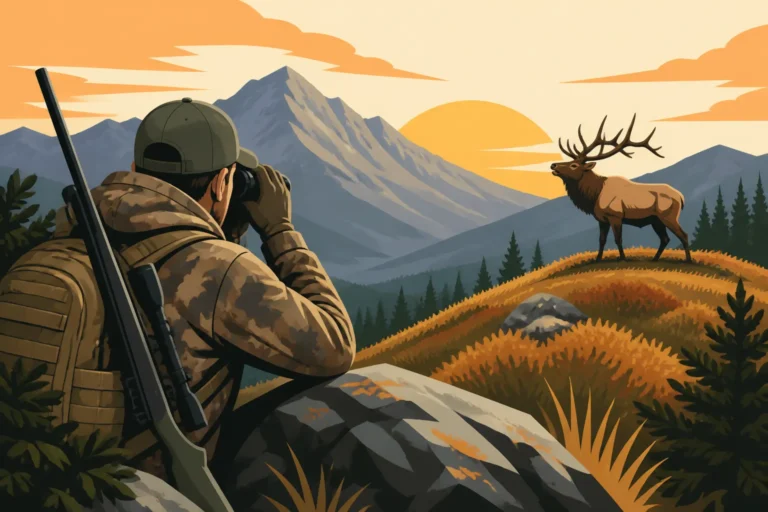
Spot-and-stalk hunting truly shines during the rut, particularly for mule deer and antelope on Montana's open landscapes. With animals constantly on the move and bucks focused on does, covering ground with your optics can be incredibly effective. Instead of waiting for animals to come to you, you actively seek out rutting activity. Set up on high points with a good vantage, and meticulously glass slopes, coulees, and sagebrush flats. When you spot a group of does, a buck won't be far behind.
Once you've located your target, the real work begins: planning your stalk. This means using terrain features to your advantage, paying careful attention to wind direction, and moving slowly and deliberately. Rutting animals might be less wary, but their senses are still sharp. For antelope, you might focus on a lone buck or a small harem, watching their movements and then attempting a close-range stalk. Mule deer bucks, especially mature ones, often hang just outside the main doe group, so you'll need to watch the periphery carefully. Our guide on How to Spot-and-Stalk Montana Mule Deer offers in-depth advice.
Decoying and Blind Hunting
Decoying is a highly effective tactic during the antelope rut. Bucks are so territorial and focused on defending their harems that they will often charge a decoy that simulates a rival male. This strategy requires patience and proper setup, but it can lead to exhilarating close-range encounters. A quality antelope decoy, positioned strategically to appear like it's challenging the dominant buck, can be a game-changer. Ensure your setup allows for a shot as the buck approaches, as they can close the distance incredibly quickly.
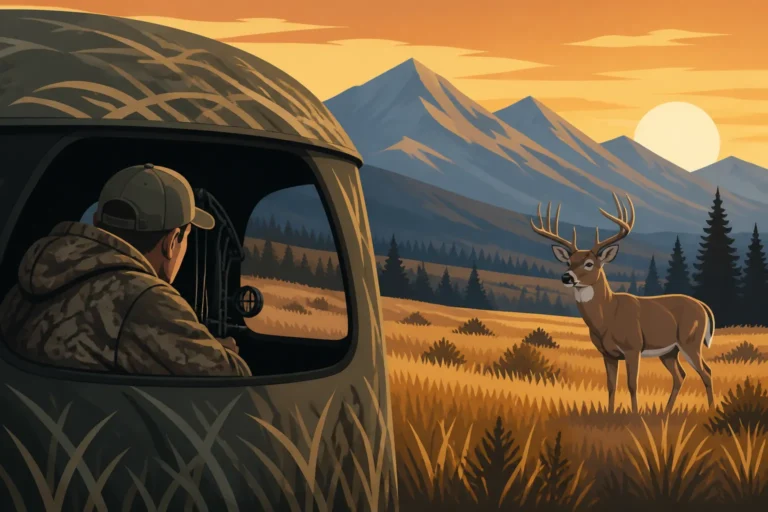
For whitetail deer, especially in dense river bottoms or timbered areas, blind hunting or tree stand hunting over active scrape lines or near known doe travel corridors is often the most productive rut strategy. Bucks will consistently check their scrapes and rubs, and they will travel predictable paths as they cruise for does. Identifying these "funnels" or pinch points, where deer movement is concentrated, is key. Use a good map and scout thoroughly (perhaps with a tool like GoHunt's mapping system) to pinpoint these high-traffic areas. During the rut, a tree stand or ground blind can keep you concealed and provide an elevated vantage point to observe buck movement.
Gear and Preparation for Rut Hunts
The Montana rut often brings unpredictable weather and demanding physical conditions. Being properly equipped and physically prepared isn't just about comfort; it's about maximizing your time in the field and your chances of success. Rushing a shot or abandoning a stalk because you're uncomfortable or ill-prepared is a missed opportunity you can't afford.
Essential Optics and Calling Equipment
High-quality optics are non-negotiable for rut hunting, particularly for species like mule deer and antelope on expansive terrain. A good pair of 10x binoculars is your primary scouting tool, allowing you to tirelessly glass distant hillsides and plains for signs of rutting activity. If you're hunting open country or glassing distant basins for elk, a spotting scope (15-45x or 20-60x) will be indispensable for confirming trophy quality and observing subtle animal behavior without spooking them. Rangefinders are also crucial, allowing you to precisely measure distances in often featureless terrain, critical for ethical shot placement.
For elk hunters, a reliable set of calling equipment is paramount. This includes a diaphragm bugle, a traditional grunt tube, and various cow calls (open reed or bite-and-blow). Practice beforehand to master realistic sounds and sequences. For deer hunters, rattling antlers (or synthetic alternatives) and a grunt tube are essential. Knowing when and how aggressively to use these calls is a skill that takes practice, but during the rut, an animal's natural inclinations make them far more responsive than at other times of the year.
Packing for Dynamic Rut Conditions
Montana weather during the rut can swing wildly, from warm, sunny days to freezing rain or heavy snow, sometimes all within the same hunt. Layering your clothing is absolutely essential. Start with a moisture-wicking base layer, add insulating mid-layers (fleece or synthetic down), and top it off with waterproof and windproof outer shells. Pack extra socks, gloves, and a warm hat. Being cold and wet will quickly send you back to camp, missing out on crucial hunting hours.
Beyond clothing, a well-stocked pack is vital. A quality backpack should carry your optics, calls, emergency first-aid kit, fire-starting supplies, headlamp, knife, and enough food and water for a full day in the field, or even overnight if you're venturing deep into the backcountry. Always carry a reliable navigation device—be it a GPS unit, a smartphone with mapping apps like onX or GoHunt, and a physical map and compass as backup. Don't forget game bags if you're venturing far from the truck; you need a way to protect your meat once you've harvested an animal. For advice on what to bring for more extensive trips, read our Montana Backcountry Hunting Guide.
Physical Conditioning for Active Hunting
Rut hunting is often an active pursuit, requiring significant physical stamina. Whether you're chasing screaming bulls up a steep mountain or spot-and-stalking mule deer across rolling sagebrush, you'll be covering ground. Don't underestimate the physical demands. Start a fitness regimen well before your hunt, focusing on cardiovascular endurance, leg strength, and core stability. Hiking with a weighted pack, especially on varied terrain, is excellent preparation.
If you're planning an elk hunt, especially in mountainous regions like the Absaroka-Beartooth Wilderness or parts of the Beaverhead-Deerlodge National Forest, prepare for long days of climbing and descending. For mule deer and antelope on the plains, you might not gain as much elevation, but you'll still cover miles on foot, often in soft, uneven ground. Being in good shape means you can hunt longer, react quicker, and have the strength to pack out your harvest without excessive fatigue. This kind of preparation directly translates to mental toughness, allowing you to stay focused when opportunities arise. Our Montana Elk Hunt Fitness Plan offers specific guidance.
Navigating Public Land During the Rut
Hunting the rut on Montana's public land can be incredibly rewarding, but it also means contending with increased hunter pressure. Knowing how to find those pockets of unpressured game and effectively use modern tools can make all the difference in a successful season.
Locating Unpressured Rutting Grounds
With increased hunter activity during the rut, especially in easily accessible areas, finding unpressured game becomes a top priority. The key often lies in seeking out areas that are harder to reach. Look for roadless areas, wilderness boundaries, or tracts of public land that require a longer hike, a boat access, or traversing challenging terrain. While other hunters might shy away from these efforts, elk and deer will often retreat to these sanctuaries.
Utilize resources like the Montana Fish, Wildlife & Parks (FWP) block management program maps, which highlight private lands open to public hunting. These Block Management Areas (BMAs) can offer incredible opportunities, often providing access to areas that might otherwise be overlooked. Pay attention to how the land is used; if an area is heavily grazed by cattle, game might be more sparse or move through quickly. The objective is to identify areas where the game feels secure enough to express natural rutting behaviors without constant human disturbance. Understanding how to find and use these areas is covered in our Montana Block Management Areas Explained guide.
Utilizing E-Scouting and Maps
Modern technology has revolutionized the way we scout, especially for public land hunts. E-scouting, or electronic scouting, allows you to meticulously analyze potential hunting grounds from your computer or smartphone, long before you ever set foot in the field. Tools like onX Hunt or GoHunt's Insider platform provide invaluable layers of information. Look for patterns in terrain: north-facing slopes with dark timber are often elk bedding areas, especially during warmer parts of the rut. South-facing slopes can hold mule deer in colder weather. Identify water sources, dense cover, and natural funnels that could concentrate animal movement.
With these digital maps, you can identify remote drainages, potential escape routes, and even historical burn areas that might be regenerating with new forage, drawing in animals. Pay attention to elevation changes and topographical features that could offer vantage points for glassing or concealment for stalks. Use GoHunt to research specific hunting districts, examining draw odds, harvest statistics, and habitat reports. This detailed preparation will give you a significant advantage, allowing you to go into a new area with a strong game plan, rather than wandering aimlessly. For more e-scouting tips, consult How to E-Scout Montana Hunting Units.
Best Times and Places to Avoid Crowds
Successfully hunting the rut on public land often means strategically avoiding other hunters. While peak rut activity is exciting, so is the influx of people. Consider hunting mid-week if your schedule allows, as many hunters are out on weekends. If you must hunt weekends, focus on areas that require extra effort to reach; often, just an extra mile or two from a trailhead can drastically reduce the number of encounters with other hunters.
Another tactic is to embrace challenging weather. A cold front, rain, or a light snowfall can send fair-weather hunters packing, leaving you with less competition. Animals also tend to move more during and after a weather front. Be prepared for these conditions, and you'll often find yourself in prime, unpressured territory. Also, consider your timing within the day. While first light and last light are prime, a strategic mid-day push into bedding areas, especially for elk, can sometimes bust out a bull that other hunters have bypassed. Understanding How to Hunt Montana Public Land Pressure is vital for success.
Species-Specific Rut Hunting Approaches
While the general principles of rut hunting apply across species, each animal presents its own unique set of challenges and opportunities during the breeding season. Tailoring your approach to the specific behaviors of elk, mule deer, whitetail, and antelope will greatly enhance your success.
Elk Rut Hunting Nuances
Hunting elk during the rut is an experience of pure adrenaline. Bulls are constantly bugling, sparring, and herding cows, making them incredibly responsive to calling. Your approach should be a mix of patience and aggression. Start by locating a bugling bull, then try to get a wind advantage. Once positioned, assess the situation. Is he alone? Is he with cows? If he's with cows, a challenging bull bugle or aggressive cow sounds can sometimes draw him away from his harem. If he's a satellite bull trying to cut in, a cow call might be all it takes to bring him closer. Our guide on Archery Elk Tactics for the Rut in Montana delves into these scenarios.
Remember, elk are constantly moving, especially cows being pushed by bulls. Be prepared to move with them, using terrain features to stay hidden and close the distance. Don't be afraid to set up for an ambush near known travel corridors or wallows once you've identified consistent patterns. The rut is also a time when bulls are more susceptible to breaking from their herd to investigate a nearby call, so if you've been considering trying to call one in, this is your prime window.
Mule Deer Rut Hunting Finesse
Mule deer rut hunting requires a more subtle, patient approach compared to the aggressive calling of elk. Since mule deer don't vocalize extensively, your optics become your most important tool. Focus on glassing large areas, searching for groups of does, because where the does are, the bucks will be. Look for bucks cruising the fringes of these groups, checking does, or sparring with other males. Once a buck is spotted, a well-executed spot-and-stalk is often the most effective method.
Pay close attention to the terrain. Mule deer use coulees, draws, and brush to travel discreetly, even during the rut. Plan your stalk carefully, using these natural features for concealment, always keeping the wind in your favor. They might be distracted by does, but they still have keen senses. Early mornings and late evenings are prime, but bucks will often be active throughout the day during the peak rut, constantly searching for receptive does. This makes mid-day hunting surprisingly productive for those willing to stay in the field. Learn more about the best method to hunt these animals with our guide on Best Method to Hunt Montana Mule Deer.
Whitetail Rut Hunting Strategies
Whitetail rut hunting in Montana often revolves around anticipating their movements through thick cover. Unlike mule deer, whitetails thrive in river bottoms, timbered draws, and agricultural fringes. During the rut, bucks will create and regularly check scrape lines and rub routes. These "sign posts" are prime locations for setting up a tree stand or ground blind. Scout these areas heavily before the season to identify active scrapes and natural funnels that force deer movement into predictable paths.
Being patient in a well-placed stand is often the most successful strategy for whitetails during the rut. Bucks are constantly cruising, so if you're in a high-traffic area, it's often a matter of time before one passes by. Consider using rattling antlers or a grunt call to pique the interest of a cruising buck. Remember, whitetails are incredibly sensitive to movement and scent, so meticulous scent control and remaining still are paramount. Also, don't underestimate the power of hunting thick, nasty cover that other hunters avoid; this is where mature whitetail bucks often hide, only emerging during the rut.
Antelope Rut Hunting on the Plains
Hunting antelope during the rut on Montana's eastern plains is a fast-paced, visually driven hunt. Bucks are obsessed with defending their harems, and this territorial instinct can be exploited. Spot-and-stalk is a primary method, but decoying can be incredibly effective. Once you've spotted a dominant buck with his harem, plan your approach to get within decoying range. You or a partner can then pop up a decoy, mimicking a rival buck challenging his territory. The buck will often charge straight in, offering a close-range shot opportunity.
Another strategy is to identify water sources. During the hot late-August to September rut, antelope will frequent waterholes, and bucks will often guard them, adding another layer of predictability to their movements. Patience and understanding the subtle movements of antelope herds are key. They are the fastest land animals in North America, and their eyesight is legendary, so using terrain for concealment and judging wind are absolutely critical. For detailed advice, see How to Hunt Antelope on Montana's Plains.
Here's a quick comparison of rut timings and common tactics for Montana's big game:
| Species | General Rut Timing | Primary Rutting Behavior | Key Hunting Tactics |
|---|---|---|---|
| Elk | Mid-Sept to Early Oct | Bugling, herding cows, sparring | Aggressive calling, spot-and-stalk |
| Mule Deer | Late Oct to Late Nov | Chasing does, sparring, cruising | Spot-and-stalk, glassing, ambushing |
| Whitetail | Early Nov to Mid-Dec | Scrape/rub lines, chasing, cruising | Stand hunting, rattling, grunt calling |
| Antelope | Late Aug to Late Sept | Harem defense, sparring, chasing | Decoying, spot-and-stalk, water holes |
Disclaimer
Hunting involves inherent risks, and conditions in Montana's wilderness can be unpredictable. Always prioritize safety, adhere to all Montana Fish, Wildlife & Parks regulations, and ensure you have the necessary licenses and permits. This guide is for informational purposes only and does not guarantee hunting success. Always hunt ethically and responsibly.