How to Find Wilderness Elk in Montana
Finding elk in Montana's vast wilderness areas can feel like searching for a needle in a haystack, especially when you're dreaming of that truly remote, untamed experience away from the crowds. It's a daunting challenge that often leaves even seasoned hunters scratching their heads about where to even begin. This guide aims to pull back the curtain on locating these elusive animals within Montana's expansive, rugged backcountry, offering practical strategies to increase your odds of a successful hunt.
Understanding Montana's Wilderness Areas for Elk
Montana boasts some of the most pristine and expansive wilderness areas in the Lower 48, offering unparalleled opportunities for solitude and a true big-game hunting experience. These are not your easily accessible trailheads; these are vast tracts of untouched public land, often without roads or motorized access, where elk can thrive with minimal human disturbance. The sheer scale and ruggedness of these areas are both their greatest allure and their biggest challenge.
Defining Wilderness Elk Habitat
When we talk about "wilderness elk," we're generally referring to elk that inhabit roadless, backcountry areas, often within designated wilderness or vast national forests like the Bob Marshall Wilderness Complex or parts of the Beaverhead-Deerlodge National Forest. These elk live differently than their counterparts on agricultural fringes or heavily roaded public land. They typically have larger home ranges, are less habituated to human presence, and are profoundly influenced by food, water, and security cover. Their patterns are often dictated by seasonal migrations, thermals, and the availability of unpressured bedding and feeding grounds. You need to think about what an elk needs to survive, thrive, and avoid pressure, then find those features in the most remote settings.
Key Montana Wilderness Destinations
Montana has several iconic wilderness areas that are prime hunting grounds for elk, each with its unique characteristics. The Bob Marshall Wilderness, often affectionately called "The Bob," is perhaps the most famous. It's a million-plus-acre expanse of rugged mountains, dense timber, and vast river drainages, offering true wilderness hunting. Other significant areas include the Scapegoat Wilderness, the Great Bear Wilderness, and parts of the Absaroka-Beartooth Wilderness. Each of these offers an incredible challenge and reward, but they also demand a high level of physical fitness, specialized gear, and backcountry savvy. Understanding the specific topography, vegetation, and regulations for your chosen area is paramount. You'll want to dive deep into resources like the Montana National Forest Hunting Guide to get a lay of the land before you even pack your boots.
Strategies for Locating Wilderness Elk
Finding elk in these vast, roadless regions is less about luck and more about methodical scouting, understanding elk behavior, and utilizing effective hunting tactics that embrace the wilderness environment. It requires a significant investment of time and effort before you even step foot in the woods.
E-Scouting and Map Study
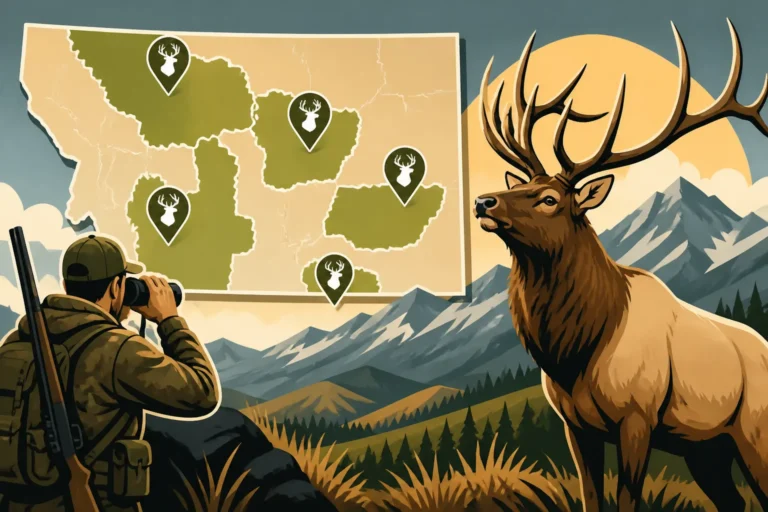
Before you ever put boots on the ground, your most powerful tools are your computer and detailed maps. Start with topographic maps and satellite imagery. Look for features that scream "elk." Think about north-facing slopes with dark timber for bedding cover, particularly those adjacent to open parks or south-facing slopes that offer good forage. Identify potential water sources like springs, seeps, and small creeks. Pay close attention to subtle terrain breaks, saddles, and benches—these are natural travel corridors for elk.
Tools like onX Hunt are absolute game-changers for this. You can overlay public land boundaries, national forest lands, wilderness areas, and even historical fire data, which can reveal new growth for forage. Use contour lines to identify steepness and understand how thermals might behave. Imagine yourself as an elk: where would you eat, drink, bed, and feel safe from predators, including humans? Look for areas that are difficult to access, perhaps requiring a long hike over rugged terrain or crossing a significant river. These spots often hold less pressured elk. Another fantastic resource for planning is GoHunt, which provides detailed draw odds and unit breakdowns that can inform your district selection. For a deeper dive, consider our guide on How to E-Scout Montana Hunting Units.
Ground Scouting and Habitat Interpretation
While e-scouting is crucial, nothing replaces putting your own eyes on the terrain. If possible, plan a pre-season trip, even if it's just a long weekend hike, to verify what you saw on the maps. Look for actual elk sign: rubs on saplings, fresh droppings, heavily used trails, and wallows. Pay attention to the type of forage available. Are there areas with good grass, aspen regeneration, or various shrubs that elk prefer?
Interpreting habitat means understanding how elk use different parts of the landscape throughout the day and year. In early archery season, elk might still be in higher, cooler elevations, taking advantage of lush summer forage. As rifle season approaches and hunting pressure mounts, they'll often retreat to the thickest, nastiest dark timber on north-facing slopes, only venturing out to feed during low-light hours or under the cover of storms. Learning about Montana Elk Habitat and Elevation can provide vital clues to their whereabouts. When you find sign, don't just look at it; analyze it. How fresh is it? What direction were the elk heading? Is it a single animal or a herd? This intel is invaluable for developing your hunting strategy.
Understanding Elk Movement and Behavior
Wilderness elk are masters of evasion. Their movement patterns are often less predictable than elk in more managed areas because they respond more acutely to pressure, weather, and available resources. During the rut (typically late September to mid-October), bulls will be more vocal and visible as they seek cows. This is when calling tactics, like bugling and cow calling, can be highly effective, as detailed in our guide on How to Call Elk in Montana. However, outside the rut, they become much more secretive.
Weather plays a huge role in their movement. A fresh snowfall can push elk down from higher elevations, making them easier to track and locate. Cold fronts often stimulate feeding activity. Conversely, warm, dry conditions might mean elk stay near water sources or bed down deep in timber during the heat of the day. Learning about Montana Elk Migration Patterns and How Weather Moves Montana Elk will give you a significant advantage. Remember, these animals prioritize security. Any perceived threat, be it a hunter, a grizzly bear, or even a sudden change in wind, can send them deeper into cover.
Essential Gear and Preparation for Wilderness Hunts
Hunting deep in the Montana wilderness is not for the faint of heart. It demands a level of self-sufficiency, physical endurance, and specialized gear far beyond what's needed for a day hunt from a truck. Neglecting preparation here can literally be a matter of life and death.
Physical Conditioning and Mental Toughness
You cannot overstate the importance of physical fitness for a wilderness elk hunt. You'll be covering miles over steep, uneven terrain, often at high altitudes, carrying a heavy pack. Training should begin months in advance and include a mix of cardio, strength training, and, critically, hiking with a weighted pack on varied terrain. Imagine carrying 60-80 pounds up and down mountains for days on end – that's what packing out an elk can entail, sometimes multiple trips.
Beyond the physical, mental toughness is paramount. You'll face adverse weather, fatigue, frustration, and solitude. The ability to stay focused, make sound decisions under pressure, and push through discomfort is essential. A positive attitude and realistic expectations will carry you far when the going gets tough, and it will get tough. For a comprehensive overview, check out our guide on How to Physically Prepare for a Montana Elk Hunt.
Backpacking and Hunting Gear
Your gear list for a wilderness hunt will be extensive, but every item needs to earn its place in your pack. Lightweight, durable, and reliable gear is key.
Key Gear Categories:
- Shelter: A lightweight, sturdy tent or tarp system capable of withstanding mountain weather.
- Sleep System: A warm sleeping bag rated for colder than expected temperatures and an insulated sleeping pad.
- Cooking: A compact backpacking stove, fuel, and dehydrated meals.
- Water: Water filter or purification tablets, plus multiple water bottles or a hydration reservoir.
- Navigation: GPS device (like your phone with onX Hunt maps downloaded for offline use), compass, and physical maps. Always have redundant navigation tools.
- Optics: High-quality binoculars and a spotting scope (especially for glassing vast wilderness basins) are critical. Our guide on Best Optics for Montana Big Game can help you choose.
- Clothing: Layered clothing system suitable for varying temperatures and weather conditions, including rain gear. Wool or synthetic non-cotton layers are a must.
- Footwear: Sturdy, broken-in hiking boots designed for rugged terrain. Our recommendations for Best Boots for Montana Elk Hunting are a great starting point.
- Hunting Tools: Rifle or bow, ammunition/arrows, knives, game bags, headlamp, first-aid kit, fire starter, signaling device, and bear spray.
- Pack: A large volume (65-90 liters), comfortable, durable backpack capable of hauling heavy loads. For more, see Best Backpack for a Montana Elk Hunt.
It's tempting to cut corners on gear to save money, but in the backcountry, gear failures can have serious consequences. Invest in quality and test everything before your hunt.
Table: Essential Wilderness Elk Hunting Gear
| Category | Essential Item (Example) | Why It's Crucial |
|---|---|---|
| Shelter | Lightweight 3-season Tent | Protection from elements; critical for multi-day trips. |
| Sleep System | Down Sleeping Bag (0-15°F rated) | Warmth in cold mountain nights. |
| Navigation | GPS Device (onX Hunt), Compass, Paper Map | Stay found in unfamiliar, vast terrain. |
| Optics | 10×42 Binoculars, Spotting Scope | Locate distant elk, assess terrain. |
| Water | Water Filter System | Safe drinking water from natural sources. |
| First Aid | Comprehensive Backcountry Kit | Treat injuries and illnesses far from help. |
| Safety | Bear Spray, Whistle, Satellite Messenger | Crucial for wildlife encounters and emergencies. |
| Clothing | Layered Merino Wool/Synthetic System | Regulate body temperature, manage moisture. |
| Pack | 70-90L Internal Frame Pack | Carry all gear in, haul meat out comfortably. |
| Weapon | Reliable Rifle/Bow & Ammo | Ethical harvest. |
| Field Care | Game Bags, Sharp Knife | Preserve meat quality immediately. |
Navigating the Challenges of Wilderness Elk Hunting
The challenges of hunting in Montana's wilderness are numerous and often unforgiving. From unpredictable weather to demanding logistics, being prepared for what lies ahead is crucial for both success and safety.
Weather and Terrain Extremes
Montana's mountain weather is famously fickle. You can experience all four seasons in a single day. A bluebird morning can quickly turn into a blizzard, even in September. Hunters must be prepared for rain, snow, high winds, and rapidly dropping temperatures. Staying dry is paramount to preventing hypothermia, which is a real danger in these environments. Always pack extra layers and waterproof outerwear, even if the forecast looks clear.
The terrain itself is a formidable opponent. Steep climbs, dense timber, rocky scree fields, and treacherous river crossings are common. Falls are a significant risk, and a sprained ankle miles deep in the backcountry can become an emergency. Travel slowly, pick your steps carefully, and use trekking poles for stability, especially when carrying a heavy pack. Understanding how to move quietly through Montana Timber is also a skill you'll want to hone.
Logistics and Emergency Preparedness
Planning your logistics for a wilderness hunt is akin to planning a small expedition. How will you get to the trailhead? Where will you park? What's your ingress and egress plan? If you kill an elk, how will you pack it out? This is where understanding How to Pack Into the Montana Backcountry and How to Pack Out an Elk in Montana becomes critical. For a truly remote hunt, you might consider using horses or mules, or arranging for an air charter to a designated backcountry airstrip, though this adds significant cost and complexity.
Emergency preparedness is non-negotiable. Beyond a comprehensive first-aid kit, consider carrying a satellite communication device like a Garmin inReach or a Zoleo. These allow you to send SOS messages, communicate with loved ones, and receive weather updates even when outside cell service. File a detailed float plan or itinerary with someone reliable back home, including your expected return date and route. Assume you will be entirely on your own for several days if something goes wrong. Always carry enough food and water (or purification) for an extra few days beyond your planned trip duration. Our Montana Backcountry Hunting Safety Tips offer invaluable advice for staying safe.
Hunter Pressure and Finding Solitude
Even in designated wilderness areas, pressure can be a factor, especially during popular seasons like the general rifle season. However, the sheer size and difficulty of access mean that pressure usually dissipates rapidly the further you get from a trailhead or road. The key is to be willing to go where others won't. This might mean hiking an extra 5-10 miles, ascending a particularly brutal ridge, or navigating through dense, deadfall-ridden timber.
Many hunters will stick to drainages or well-worn trails. To find truly unpressured elk, you often need to climb out of the drainages and hunt the high country, ridges, and basins that are harder to reach. Look for basins that are ringed by high peaks or require significant elevation gain to access. These remote pockets often act as refuges for elk escaping pressure. Leveraging advanced E-scouting tools to identify these low-access, high-potential zones is crucial. Remember, the elk are often where the hunters aren't.
Disclaimer
Hunting in Montana's wilderness areas involves inherent risks, including but not limited to severe weather, dangerous terrain, wildlife encounters, and remote emergencies. This guide provides general information and recommendations. It is your responsibility to thoroughly research, prepare, and understand all applicable regulations, safety protocols, and the specific conditions of your chosen hunting area. Always prioritize safety, carry appropriate gear, inform others of your plans, and be prepared for self-sufficiency in the backcountry.