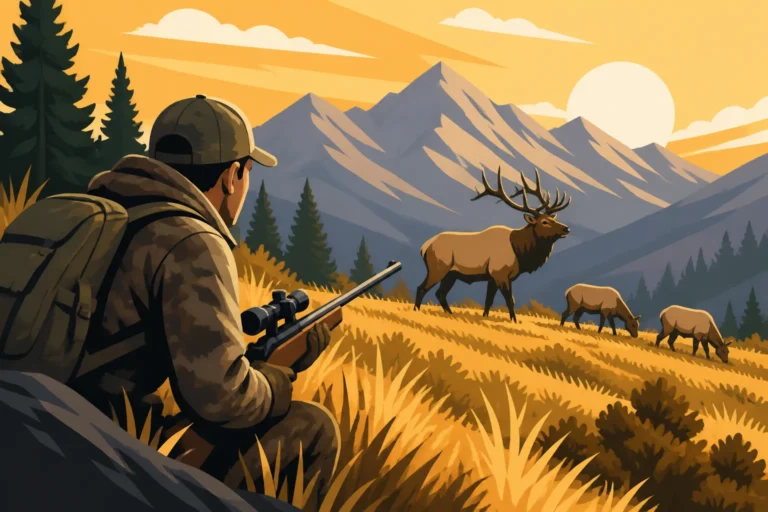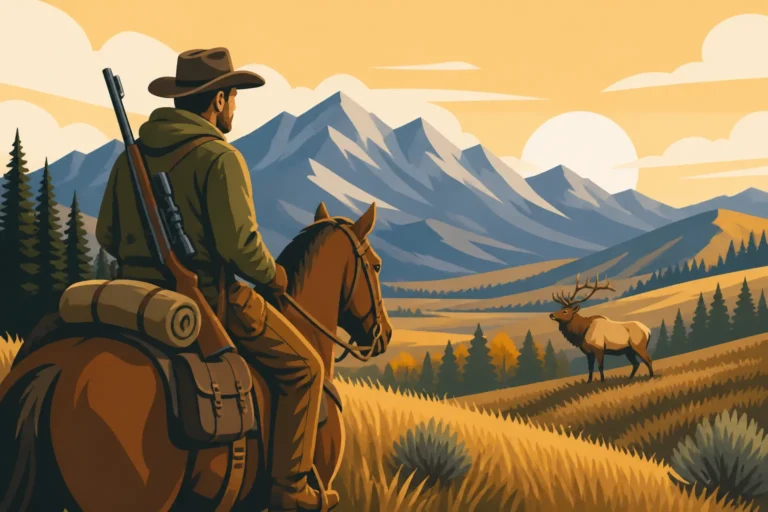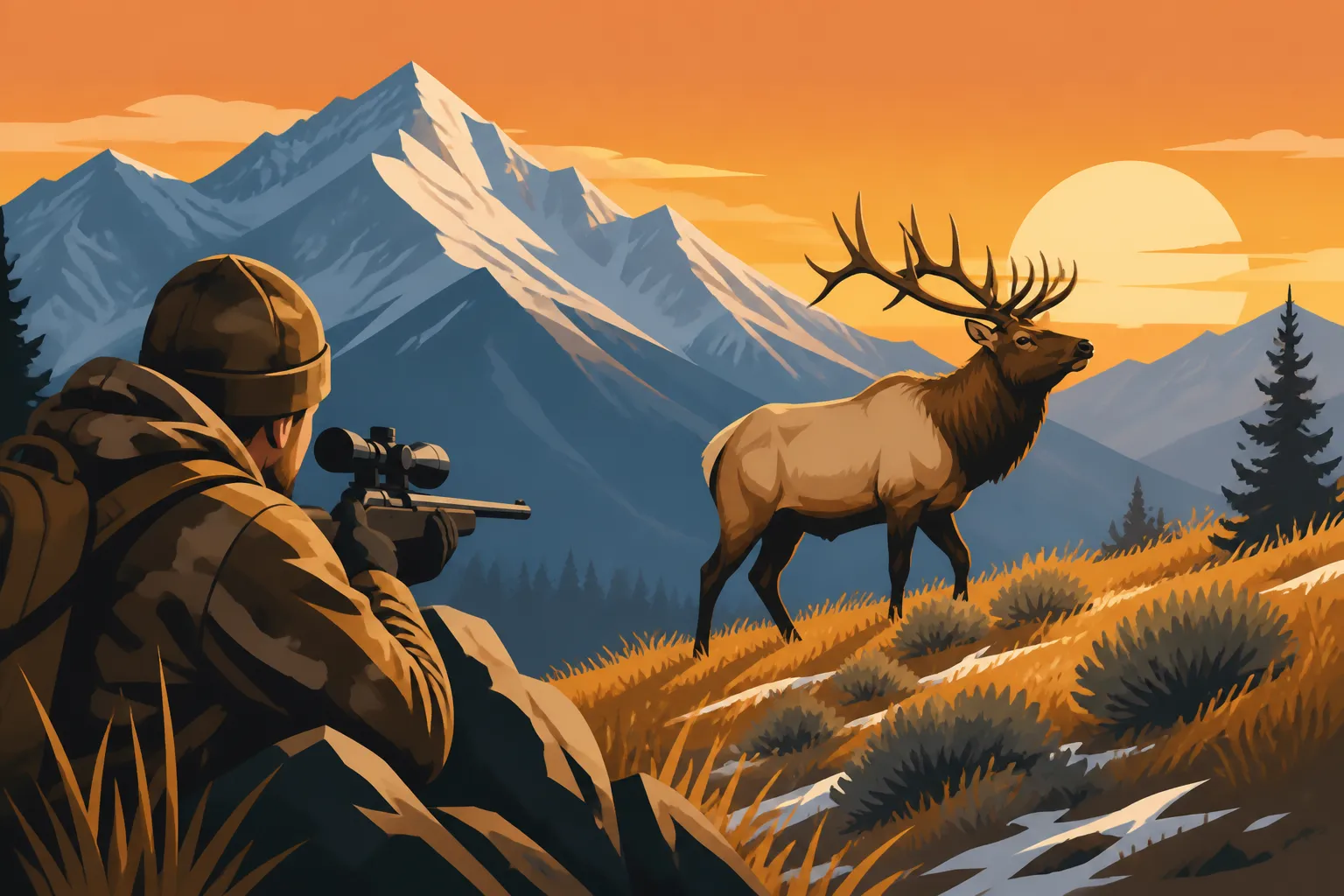
Late-Season Elk Hunting in Montana
The biting wind, the deep snow, the short daylight hours – late-season elk hunting in Montana can feel like an entirely different beast than the early archery days or the peak of the rifle rut. Many hunters get discouraged when the weather turns brutal and the elk seem to vanish, but with the right understanding of elk behavior, proper gear, and a solid strategy, these challenging conditions can actually offer some of the most rewarding opportunities for filling your freezer. This comprehensive guide will walk you through everything you need to know to tackle Montana's late-season elk hunts and come home successful.
Understanding Late-Season Elk Behavior
As autumn fades into winter, elk undergo significant behavioral changes driven by the weather, dwindling food sources, and hunting pressure. Their patterns shift dramatically, and understanding these shifts is paramount to locating and ultimately harvesting a late-season bull or cow. It’s not just about colder temperatures; it’s about a complete ecological recalibration.
Migration to Winter Range and Lower Elevations
When the snow starts piling up in the high country, elk are forced to abandon their summer and early fall haunts. They begin a gradual, or sometimes rapid, migration to their winter range. This typically means moving to lower elevations where snow depths are less severe, forage is more accessible, and often, thermal cover is more abundant. This migration isn't always a direct line; it can involve staging areas, temporary stops, and adaptations based on localized snowstorms.
You'll often find these animals seeking out south-facing slopes, which get more direct sunlight and therefore hold less snow, allowing them to paw through for grasses and forbs. River bottoms, brushy draws, and agricultural lands bordering public access can become critical areas. This can also lead to elk concentrating in areas with better browse or those closer to reliable water sources that aren't frozen solid. Knowing these general migration corridors, even if you’ve never seen them in person, can be greatly aided by using e-scouting tools. With platforms like GoHunt, you can overlay snow depth maps, vegetation types, and historical elk movement data right from your living room, giving you a huge leg up on understanding potential wintering grounds before you even step foot in the field.
Shifting Feeding Patterns and Herd Dynamics
Late-season elk change not only where they eat but also what and how they eat. The lush grasses of summer are long gone, replaced by tougher, drier forage. Elk become much more reliant on browse – the twigs and buds of shrubs like serviceberry, bitterbrush, and mountain mahogany – and often seek out south-facing hillsides with minimal snow to uncover remaining grasses. They'll also spend more time feeding to compensate for the lower nutritional value of winter forage, meaning longer periods where they might be visible.
Another crucial change is their herd dynamics. After the rut, bulls typically break off into bachelor groups, and cows and calves group into larger, sometimes massive, herds for protection. This can be a double-edged sword: finding a large herd means finding many elk, but it also means many more eyes, ears, and noses to contend with. These large groups are often very wary due to sustained hunting pressure from early archery through the general rifle season. Approaching them requires extreme caution, meticulous planning, and often, an understanding of how to use topography to your advantage. A lone elk is a rare sight in the late season unless it’s a bull that’s been pushed hard or is injured.
Essential Gear for Cold Weather and Snow
Hunting in Montana during the late season means facing some truly brutal weather conditions. Sub-zero temperatures, heavy snow, and biting winds are not just possibilities; they are almost certainties. Being improperly equipped isn't just uncomfortable; it can be dangerous. Your gear needs to perform flawlessly under pressure.
Layering Systems for Extreme Cold
The cornerstone of any successful cold-weather hunt is a versatile layering system. Forget bulky, single-layer parkas that leave you sweating during a strenuous climb and shivering when you stop. A proper layering system allows you to adapt to fluctuating temperatures and exertion levels, preventing both overheating and hypothermia.
Start with a moisture-wicking base layer – merino wool or synthetic materials are key, as cotton will absorb sweat and make you cold. Next, add a mid-layer for insulation, like a fleece or a lightweight puffy jacket. For active hunting, a breathable softshell outer layer is excellent. For periods of stillness, like glassing or waiting on a stand, a heavy-duty insulated puffy jacket or parka is crucial. Good brands like Sitka Gear and Kuiu offer excellent layering options designed for hunters. Don't forget insulated pants, ideally with side zippers for ventilation. The ability to shed or add layers quickly and quietly will make all the difference in staying comfortable and focused on the hunt. Consider packing an extra dry base layer for multiday hunts, as nothing feels better than fresh, dry clothes after a long, cold day.
Footwear and Traction for Snowy Terrain
Your feet are your foundation, and in deep snow and icy conditions, they are also incredibly vulnerable. Investing in high-quality, insulated, waterproof boots is non-negotiable. Look for boots with a high gram count of Thinsulate or similar insulation (400-800 grams is a good starting point for truly cold conditions), and make sure they are fully waterproof, preferably with a GORE-TEX membrane. A stiff sole is beneficial for side-hilling and kicking steps in snow, and a deep lug pattern on the sole will provide much-needed traction.
Beyond the boots themselves, consider adding traction aids. Microspikes or lightweight crampons can be invaluable for navigating icy slopes or frozen creek crossings, especially when carrying a heavy pack. Gaiters are also essential for keeping snow out of your boots and preventing your pant legs from becoming saturated. Remember to break in new boots thoroughly before your hunt to avoid painful blisters in remote country. For deep snow, snowshoes might even be necessary, especially if you plan to explore less-traveled areas or need to pack out an elk from considerable depth. Consider practicing with your snowshoes before the hunt to get comfortable moving quietly through timber.
Optics and Navigation in Low Light
Winter days are short, and the sun hangs low in the sky, creating long shadows and challenging light conditions. High-quality optics become even more critical during the late season. A good pair of binoculars (10×42 or 12×50) with excellent light-gathering capabilities will help you pick apart dark timber and spot elk in fading light. A spotting scope can extend your reach and confirm details at extreme distances, which is often necessary when elk are concentrated in open areas.
Navigation is equally vital. Deep snow can obscure trails and familiar landmarks, making it easy to get disoriented. A reliable GPS unit, paired with a detailed mapping application like onX Hunt, is a must-have. Download offline maps for your hunting unit beforehand, as cell service is often nonexistent in Montana's backcountry. Always carry a compass and a physical map as a backup. A headlamp with a red light setting is also critical for early morning hikes and late evening pack-outs, preserving your night vision while allowing you to move safely. Knowing how to read a compass and map can be literally life-saving, especially if your electronics fail due to cold temperatures.
Strategic Approaches for Late-Season Success
Late-season elk hunting demands a shift in strategy. The fast-paced calling tactics of the rut are largely ineffective, and the elk's primary motivations are now survival: finding food, conserving energy, and staying safe from predators, including hunters. Your approach needs to reflect these priorities.
Focus on Food Sources and Thermal Cover
As discussed, elk are driven by food and shelter in the winter. Your primary scouting objective should be to identify these critical resources within your chosen hunting district. Look for south-facing slopes with residual grasses or abundant browse. Pay attention to areas where snow depth is consistently lower due to wind scour or sun exposure. These are prime feeding zones.
Equally important is thermal cover. This typically means dense stands of conifer trees – spruce, fir, and lodgepole pine – that block the wind and trap what little warmth there is. Elk will bed in these areas, particularly on north-facing slopes adjacent to south-facing feeding areas, allowing them to warm up in the sun before retreating to cover. They often won't move far from these bedding areas, especially on really cold days. Think about how to approach these areas downwind, slowly and deliberately, anticipating short escape routes. Using aerial and topographic maps available through services like GoHunt or onX Hunt can help you pinpoint these transition zones between feeding and bedding areas, making your scouting efforts more efficient.
Still-Hunting and Glassing Tactics
Calling is generally not effective in the late season, as bulls are no longer responsive to cow calls or bugles. Instead, focus on quiet, deliberate movement – known as still-hunting – through potential bedding and feeding areas. This involves taking a few slow steps, stopping, and carefully scanning your surroundings for movement, shapes, or colors that don't belong. Move into the wind or crosswind, utilizing thermals in mountainous terrain, which tend to rise during the day and fall at night. This gives your scent the best chance of being carried away from the elk.
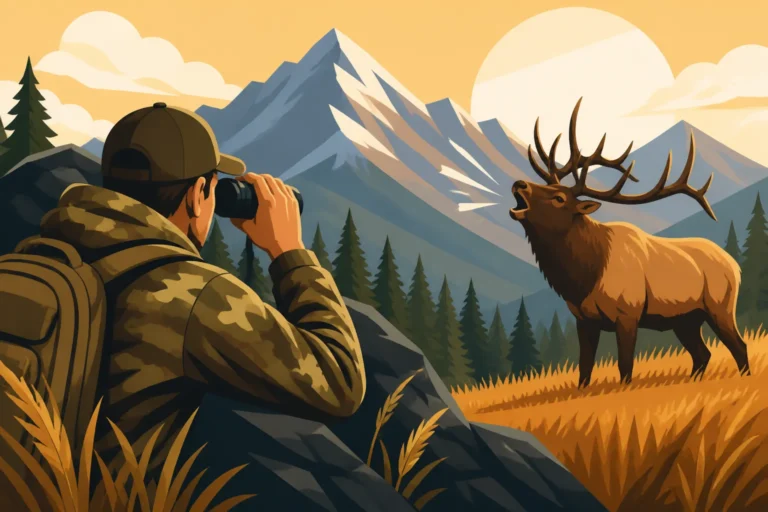
Glassing is another powerful late-season tactic, especially in open country or areas with clear vantage points overlooking vast landscapes. Find a high point, set up your spotting scope and binoculars, and patiently scan every nook and cranny. Elk often move slowly and deliberately in the late season, making them harder to spot if you're rushing. Focus on areas where you expect elk to be feeding or moving between bedding and feeding. Pay close attention during the first and last hours of daylight, as this is when elk are most likely to be active. You can learn more about effective glassing techniques in our guide on How to Glass Montana's Big Country.
Locating Elk in Montana Snow
Snow is a double-edged sword for late-season hunters. On one hand, it makes travel more difficult and can push elk into thicker cover. On the other, it provides an incredible advantage: tracking. Fresh snow lays down a pristine canvas, revealing every movement an elk has made. Learning to read tracks in the snow is a skill that takes practice but can be incredibly effective.
Look for large, distinct tracks indicating mature elk. Pay attention to the depth of the tracks, which can give you an idea of how recent they are. A dusting of fresh snow over older tracks means the elk were there before the last snow. Follow tracks slowly and deliberately, always anticipating where the elk might be headed. They'll often follow the path of least resistance, moving along ridges, in the bottom of drainages, or through areas of lighter timber. Remember that elk will often bed just off a main trail or ridge, so fan out and search surrounding areas carefully. Our guide on How to Hunt Elk in Montana Snow delves deeper into this invaluable tactic. When you find fresh tracks, slow down, be quiet, and be ready for a shot.
Navigating Montana's Diverse Late-Season Terrain
Montana is a vast and varied state, and late-season hunting conditions can change dramatically from one region to another. What works in the high, rugged mountains might be entirely different from the rolling plains or river bottoms. Understanding the specific challenges and opportunities presented by different terrains is key to planning a successful hunt.
High Mountain Country Challenges
The high country during late season is truly formidable. Think deep snow, treacherous icy slopes, and extreme cold. Roads are often impassable, making access a significant challenge. However, these areas can still hold elk, especially if they haven't migrated completely out. Some elk herds are known to be "non-migratory" or simply delay their descent as long as possible, especially if pressure is low.
Hunting these areas often requires a dedicated backcountry approach, potentially utilizing snowmobiles for initial access to trailheads, followed by extensive hiking or snowshoeing. Physical conditioning is paramount here, as you'll be exerting yourself at higher altitudes in demanding conditions. When hunting this type of terrain, focus on the transition zones where timber meets open avalanche chutes or south-facing benches. Elk might still be found browsing on exposed ridges or in protected pockets. Always be mindful of avalanche danger and rapidly changing weather. Consult our Montana Backcountry Hunting Guide for more in-depth strategies.
Rolling Foothills and Timbered Draws
This is often where many elk end up during the late season, especially in districts with a mix of public and private lands. The rolling foothills and heavily timbered draws offer a balance of accessible forage and protective cover. Snow depths here are typically less severe than in the high mountains but can still be significant.
In these areas, elk will often follow drainages, utilizing the thermal cover and moving along contours to minimize energy expenditure. Focus your efforts on the intersections of thick timber, brushy draws, and open meadows or clear-cuts. These are prime areas where elk will browse and move between bedding and feeding. You'll likely encounter more hunter pressure here than in the deep backcountry, so stealth and patience are crucial. Consider hunting during the week when pressure is often lighter, or focus on areas requiring a longer hike to access. Understanding how to navigate areas like the Missouri Breaks or the Rocky Mountain Front during this time of year can significantly boost your odds.
River Bottoms and Agricultural Interfaces
In regions like eastern Montana or areas where rivers cut through agricultural land, late-season elk will often move into river bottoms and adjacent private property. These areas offer reliable water, often plenty of dense cover, and easy access to agricultural fields for food. However, public access can be limited.
Hunting these areas usually involves securing permission on private land or utilizing Block Management Areas. Even on public river bottom strips, elk can be incredibly wary due to constant human presence. Your strategy here should involve long-range glassing from a distance, understanding property boundaries precisely (using tools like onX Hunt), and planning approaches that minimize your presence. Elk will often bed in the thickest cover during the day and move out to feed in the fields at night. Setting up an ambush point along a known travel corridor or focusing on small, overlooked pockets of public land can be effective. Our guide on How to Hunt Whitetail in Montana River Bottoms offers valuable insights into similar tactics that can be adapted for elk.
Physical and Mental Preparation for Harsh Conditions
Late-season elk hunting isn't just a physical challenge; it's a mental one too. The cold, the relentless snow, the short days, and the often-low success rates can wear down even the most seasoned hunter. Being prepared in both body and mind is crucial for staying safe and effective in the field.
Conditioning for Cold Weather and Snow Travel
Even if you're in decent shape, moving through deep snow is a whole different beast. It’s physically demanding, akin to walking uphill in sand, but with added weight from your gear and the constant battle against freezing temperatures. Your body will burn calories at an accelerated rate just to stay warm.
Prioritize cardiovascular endurance and leg strength in your fitness regimen. Activities like hiking with a weighted pack, stair climbing, and cross-country skiing or snowshoeing are excellent ways to simulate the demands of late-season hunting. Don't neglect core strength, which is vital for balance and stability when navigating uneven, snowy terrain, especially with a rifle or bow. Start your training well in advance of the season, gradually increasing intensity and duration. Remember to hydrate properly, even in cold weather, and carry high-calorie snacks like nuts, jerky, and energy bars to fuel your body throughout the day. Check out our Montana Elk Hunt Fitness Plan for more detailed preparation strategies.
Mental Fortitude and Patience
The late season can be brutal on the mind. Days are short, visibility can be poor, and elk can seem impossible to find. It’s easy to get discouraged, question your decisions, and ultimately give up. This is where mental fortitude comes into play. You need to be prepared for long days with no sightings, for freezing cold hands and feet, and for the sheer grind of pushing through waist-deep snow.
Cultivate patience. Successful late-season hunters understand that it’s often about putting in the time, slowly and deliberately covering ground, and capitalizing on the brief windows of opportunity. Don't rush your stalks, don't give up after a few hours, and maintain a positive attitude. Break the hunt down into smaller, manageable goals: "I'll glass this basin for two hours," or "I'll still-hunt this timber patch until noon." A realistic outlook helps manage expectations. Remember that every hour spent in the field, even without seeing an elk, is an hour learning the terrain, the conditions, and how elk might be using it. This mental toughness is a skill, just like shooting, and it can be developed over time.
Safety Considerations in Winter Conditions
Winter conditions bring a host of unique safety concerns that hunters must take seriously. Hypothermia and frostbite are real dangers, especially if you get wet or are caught unprepared in a sudden storm. Always carry emergency supplies, including a fire starter, extra warm layers, high-energy food, a first-aid kit, and an emergency shelter (like a bivy sack or space blanket).
Navigating snowy terrain also presents risks. Be aware of avalanche danger, especially in mountainous regions. If you plan to hunt in areas prone to avalanches, consider taking an avalanche safety course and carrying appropriate gear like a beacon, probe, and shovel. Icy slopes can lead to falls and serious injury, so move slowly and deliberately, using trekking poles for stability. Always tell someone where you are going and when you expect to return. Consider carrying a satellite communication device like a Garmin inReach or a Zoleo for emergency communication outside of cell service. These devices can literally be lifesavers.
Montana's Late-Season Regulations and Draw Strategies
Understanding the specific regulations and draw strategies for late-season elk hunting in Montana is crucial. The opportunities vary widely by hunting district, and many of the best late-season hunts are permit-only, requiring successful navigation of the Montana Fish, Wildlife & Parks (FWP) drawing process.
General vs. Permit Tags for Late Season
Montana offers both general elk tags and limited entry permit tags. While the general season typically closes at the end of November, many districts have special late-season opportunities that extend into December or even January. These extended seasons are usually managed through specific permits (often called "B" licenses or specific District permits) designed to manage local elk populations.
- General Tags: If you hold a general elk tag (often part of the nonresident Big Game Combo license or a resident statewide elk license), you are typically limited to the standard general season dates. However, some general elk districts may have "shoulder seasons" that extend past the main rifle season, often specifically for antlerless elk or with specific weapon restrictions (e.g., archery only). Always consult the FWP regulations specific to your hunting district.
- Permit Tags: Most prime late-season elk hunting opportunities, especially for either-sex or bull elk, require a successful draw for a limited entry permit. These permits are allocated through a bonus point system, making them highly competitive. Some late-season permits might be specific to antlerless elk, designed to reduce herd numbers in areas with agricultural damage or high populations.
It’s vital to distinguish between these two types of opportunities. A general tag might allow you to hunt during the main rifle season, but if you're looking for those coveted late-season December hunts, you're almost certainly going to need a specific permit. Our guide on Montana General vs Permit Tags Explained can help clarify these distinctions.
Applying for Late-Season Elk Permits
The application process for Montana's limited entry permits typically occurs in the spring, well in advance of the fall hunting season. For nonresidents, this is often done in conjunction with applying for the nonresident Big Game Combination license or standalone elk licenses. Montana uses a bonus point system, where applicants accrue points for unsuccessful draws, increasing their odds in subsequent years.
To apply effectively for late-season permits, you need to:
- Research Hunt Codes: Identify the specific hunting districts (HUs) that offer late-season opportunities and the corresponding hunt codes. This information is available in the annual FWP hunting regulations.
- Understand Draw Odds: Use resources like GoHunt or the FWP draw odds reports to understand your chances of drawing a particular permit. Some late-season permits in high-success or trophy units can require many bonus points, while others might be easier to draw.
- Prioritize Your Application: Decide which permits are most important to you and apply accordingly, listing your choices in order of preference.
- Meet Deadlines: The application deadlines are strict, usually in March for elk permits. Miss it, and you miss your chance for the year. Our Montana Big Game Draw Deadlines article provides a comprehensive overview of these critical dates.
Remember that successfully drawing a late-season permit is just the first step. The real work begins once you have that tag in hand. Many hunters build up bonus points for years to secure a coveted late-season permit, recognizing the unique potential these hunts offer.
Scouting for Late-Season Districts
Even if you’ve hunted a district during the general season, late-season conditions can render your previous scouting largely irrelevant. As elk move to their winter range, entirely new areas might become productive. E-scouting becomes invaluable here.
Utilize online mapping tools such as GoHunt or onX Hunt to identify potential wintering grounds. Look for south-facing slopes, areas with dense thermal cover, and lower elevations where snow accumulation is typically less. Pay attention to historical data on elk concentrations and migration patterns if available. Check public land boundaries, Block Management Areas, and any landlocked public sections that might see less pressure. During the actual season, current snow reports and weather forecasts are critical. A significant snowstorm can push elk down quickly, creating new opportunities in lower elevations. Conversely, a mild winter could keep elk higher longer. Being able to adapt your scouting and hunting plans to real-time conditions is the hallmark of a successful late-season hunter.
Key Considerations for Late-Season Elk Hunting
Beyond the strategies and gear, there are several overarching considerations that can make or break a late-season hunt. These often come down to logistics, ethical considerations, and leveraging the tools at your disposal.
Logistics of a Winter Hunt
Planning the logistics of a late-season hunt is arguably more complex than an early season trip. Road closures are a common occurrence due to snow and ice, potentially cutting off access to your planned hunting grounds. Always have a backup plan for access points and alternative areas. Vehicle readiness is also paramount; four-wheel drive, good snow tires, and emergency recovery gear (shovel, chains, tow strap) are essential.
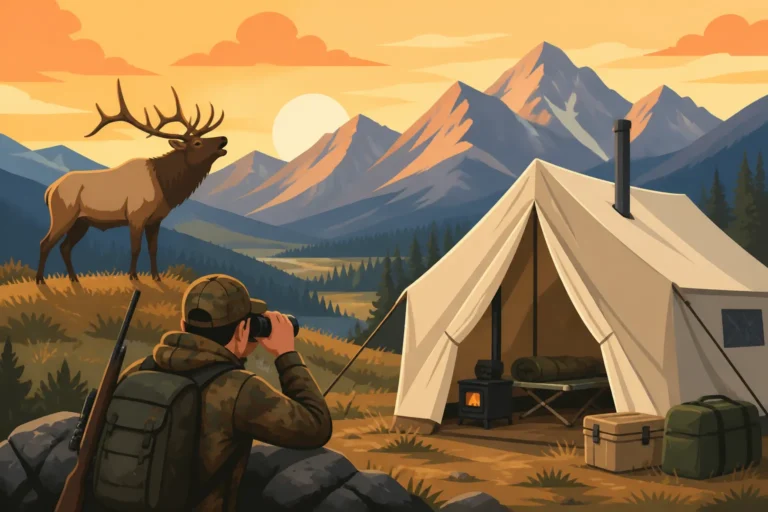
Your camp setup also needs to be winterized. A comfortable, warm camp can be a game-changer for morale and recovery. Consider a wall tent with a wood stove if permissible and practical for your hunting area. If you're backpacking, ensure your tent is rated for four seasons and your sleeping bag can handle temperatures well below what you expect to encounter. Food and water considerations also shift; you'll need more high-calorie food, and water sources might be frozen, requiring you to melt snow. Our guide on How to Set Up a Montana Elk Camp offers additional tips for winterizing your base.
Ethical Considerations and Game Recovery
Hunting in extreme cold and snow adds layers of ethical responsibility, particularly concerning shot placement and game recovery. A wounded animal can be incredibly difficult to track and recover in deep snow, especially as blood trails can become obscured or quickly freeze. It's imperative to take only high-percentage shots and to know your rifle and your limits implicitly. Practice shooting in cold conditions, dressed in your hunting layers, to understand how the cold affects you and your equipment.
If you make a shot, give the animal ample time before tracking, especially if it was not a clear kill shot. In freezing temperatures, meat can freeze quickly, which can be both a blessing (for preservation) and a curse (for quartering). Be prepared for a potentially difficult pack-out. Have a plan for how you will quarter and pack out an elk from considerable snow depth. This might involve additional gear like a game cart (if the snow isn't too deep) or extra game bags and hauling frames. Learning How to Pack Out an Elk in Montana is a skill that becomes even more critical in winter.
Leveraging Technology for Success
Modern hunting technology can provide a significant advantage in the late season. Beyond the e-scouting tools mentioned earlier, handheld weather devices can give you real-time updates on barometric pressure, temperature, and wind, helping you anticipate elk movement. Rangefinders are also indispensable, especially when shooting across vast, snowy landscapes where judging distance can be difficult.
GoHunt is a powerful platform that really shines when you're planning for competitive draws and understanding the nuances of different hunting units. For example, their insights into specific hunt codes and their associated draw odds can help you determine if a particular late-season permit is even within reach based on your bonus points. They also provide detailed filtering tools that let you explore units by public land percentage, historical harvest rates, and even terrain types, which are all critical factors when considering where elk might concentrate in the late season. This level of detail, combined with onX Hunt for real-time navigation and boundary data, creates a formidable toolkit for any hunter serious about success in Montana's challenging late season.
Late-season elk hunting in Montana is not for the faint of heart, but for those willing to embrace the cold, the challenge, and the strategic shifts it demands, it offers an incredibly unique and deeply rewarding experience. With thorough preparation, the right mindset, and an understanding of how elk adapt to winter, you can transform these formidable conditions into your best chance for success.
| Aspect of Late-Season Hunting | Key Considerations | Recommended Action |
|---|---|---|
| Elk Behavior | Migration to lower elevations, focus on specific forage, larger wary herds | E-scout winter range, focus on south-facing slopes, observe herd dynamics. |
| Weather Conditions | Extreme cold, deep snow, strong winds, short daylight | Layer effectively, use insulated boots & gaiters, carry emergency survival gear. |
| Hunting Strategy | Less calling, more still-hunting, glassing, and tracking | Identify food/thermal cover, move slowly & quietly, utilize fresh snow for tracking. |
| Physical Demands | High exertion in cold, deep snow, potential for long pack-outs | Train specifically for winter conditions, maintain hydration & high-calorie intake. |
| Safety | Hypothermia, frostbite, avalanche risk, getting lost | Carry emergency comms, first-aid, know avalanche safety, inform others of plans. |
| Regulations | Special permit requirements, different season dates than general | Thoroughly research FWP regulations, understand draw odds, apply by deadlines. |
Disclaimer
Hunting is an inherently dangerous activity. This guide provides general information and recommendations but cannot account for all variables or individual circumstances. Always prioritize safety, adhere to all local, state, and federal hunting regulations, and ensure you have the necessary skills, gear, and physical fitness for your chosen hunting environment. The author and publisher are not responsible for any incidents or injuries that may occur.