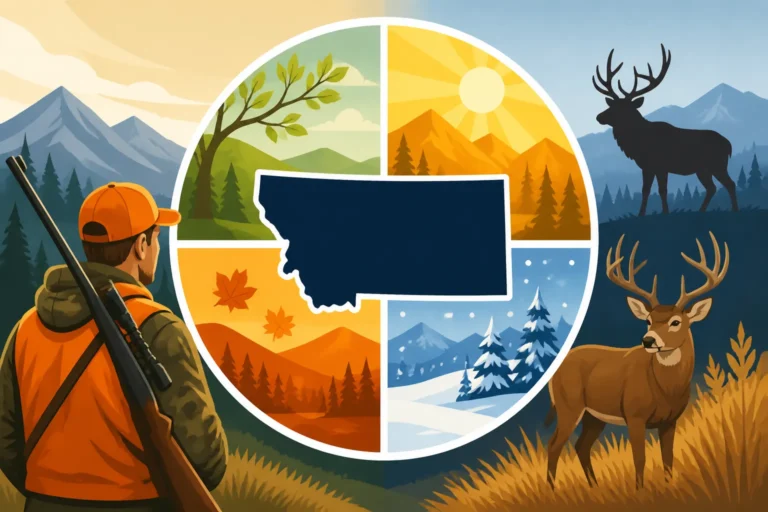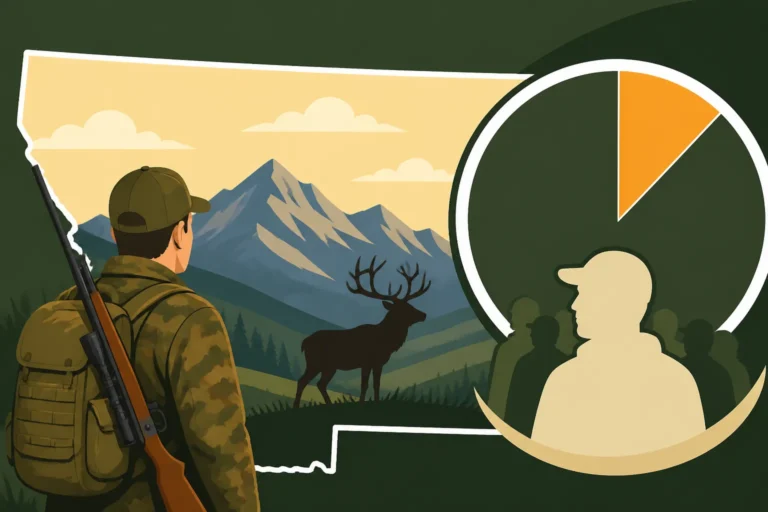
Montana General Elk License Explained
Trying to make sense of Montana's elk hunting regulations can feel like deciphering an ancient scroll, especially when you're staring at the general elk license options. It's not just a piece of paper; it's your key to the mountains, but understanding what it actually allows you to do, where you can go, and how to even get one, can be incredibly confusing. This comprehensive guide is here to untangle the complexities of the Montana General Elk License, helping both residents and nonresidents navigate the system with confidence and clarity.
Understanding Montana's Elk License System Basics
Montana's approach to big game licensing, particularly for elk, is unique and can be a bit of a labyrinth for the uninitiated. The "general" designation is often where the confusion begins, as it doesn't always mean what people expect. It's crucial to grasp these fundamental differences before diving deeper into application strategies or hunting plans.
The "General" Concept: What It Means and Why It Is Different
When you hear "Montana General Elk License," it essentially refers to a license that grants you access to hunt elk in a large number of designated "general" hunting districts across the state. Unlike limited-entry permits that are tied to specific, often highly coveted, hunting districts with strict quotas, a general license offers broader geographic flexibility. However, this flexibility comes with its own set of rules and limitations. It doesn't mean you can just wander into any unit and start hunting. Instead, it means you can hunt elk in any district that is not a "permit only" unit. The districts requiring permits are often those with lower elk populations, specific management objectives, or high demand. These permits are typically drawn through a separate, much more competitive lottery. The general license, on the other hand, allows you to target elk in districts where the Montana Fish, Wildlife & Parks (FWP) has determined that a general season harvest is sustainable and beneficial for herd management. It's a balance between providing opportunity and managing the resource.
Resident vs Nonresident General Elk Licenses: Key Distinctions and Challenges
The path to obtaining a general elk license in Montana diverges significantly depending on whether you are a resident or a nonresident. For residents, acquiring a general elk license is relatively straightforward. Once you purchase your base hunting license and conservation license, a general elk tag can usually be purchased over the counter without going through a draw, although there are still some resident-specific draw opportunities for specific antlerless tags or more coveted districts. This accessibility reflects the state's commitment to providing hunting opportunities for its citizens.
For nonresidents, the challenge is considerably greater. There is no over-the-counter general elk license. Instead, nonresidents must apply for the highly sought-after "Nonresident Big Game Combination License" or the "Nonresident Elk Combination License" through a lottery drawing. This draw is incredibly competitive, with far more applicants than available tags. The limited number of nonresident combination licenses is a direct reflection of state policy aimed at managing hunter numbers and ensuring resident opportunity, which can be a source of significant frustration for out-of-state hunters dreaming of a Montana elk hunt. Understanding these underlying mechanisms is the first step in successfully navigating the system, whether you're planning a trip or considering a move.
The Importance of Hunt Codes and Districts: How They Relate to General Tags
Montana's hunting landscape is meticulously divided into numerous hunting districts (HDs), each with its own specific regulations and hunt codes. Even with a "general" elk license, you can't ignore these codes. A general elk license permits you to hunt in any HD that is designated as a "general" unit for elk. However, within these general units, there might still be specific regulations concerning weapon types, season dates, or antler restrictions. For example, some general units might allow either-sex elk harvest during archery season but only antlered bull harvest during general rifle season, or perhaps even antlerless harvest with a separate "B" tag.
The hunt codes found in the annual FWP regulations are your roadmap. Each code specifies the species, sex, weapon type, and season dates for a particular HD. It's critical to review the regulations for your chosen hunting district every single year, as these can change. A district that was general last year might become permit-only, or its general season dates might shift. Ignoring these details can lead to severe penalties, including fines and license revocations. This level of detail underscores that "general" refers to the type of tag, not a lack of rules. For a more detailed look into these regional variations, exploring resources like the Montana Hunting Districts Explained is a crucial step in your planning process.
The Nonresident General Elk Combination License
For many out-of-state hunters, the "Nonresident General Elk Combination License" is the golden ticket to pursuing elk in the Treasure State. But it's far from a simple purchase; it's a commitment to a competitive application process, and understanding its components is vital for anyone hoping to draw this coveted tag.
What the Combo License Includes
The Montana Nonresident Elk Combination License is more than just an elk tag; it's a package deal designed to offer a broader hunting and fishing experience across the state. Typically, this combination license includes:
- A General Elk Tag: This is the primary component, allowing you to hunt elk in designated general elk hunting districts.
- A General Deer Tag: Often, a general deer tag (usually an "either-sex" deer tag, but always check current regulations as this can vary for mule deer vs. whitetail) is bundled with the elk license, providing the opportunity to hunt deer in general deer districts. This means you might get a chance at a mule deer buck or a whitetail.
- An Upland Bird License: This opens up opportunities for various upland game birds like pheasants, grouse, and partridge in accordance with season dates and regulations.
- A Fishing License: Yes, that's right! You get the chance to fish Montana's world-famous rivers and lakes, adding another dimension to your outdoor adventure.
This comprehensive package makes the nonresident combination license incredibly appealing, effectively allowing hunters to pursue multiple species and enjoy fishing during their trip. However, it's important to note that the specific inclusions can sometimes vary slightly year to year, so always confirm the current regulations on the Montana FWP website. For those looking to understand the broader context of what you can hunt in Montana, checking out a guide like Montana Big Game Species Guide can be incredibly helpful.
The Application and Draw Process: Navigating the Lottery for Nonresidents
Successfully securing a nonresident general elk combination license requires navigating a highly competitive lottery drawing. The application period typically opens in January and closes around April 1st, but exact dates can shift, so always check the FWP calendar. The process goes like this:
- Purchase Base Licenses: You'll first need to buy a Nonresident Base Hunting License and a Conservation License. These are prerequisites for applying for any big game draw.
- Submit Application: During the application window, you'll apply for the Nonresident Elk Combination License online through the FWP licensing system. You'll specify your first choice and potentially a second choice if available for certain permits, though for the general combo, it's usually a direct application.
- Credit Card Authorization: FWP will authorize a hold on your credit card for the full cost of the license, but they only charge it if you're successful in the draw.
- The Draw: Results are usually announced in May or June. If your application is drawn, your card is charged, and your license is mailed or available digitally. If not, the hold is released.
This is a high-stakes game for many, and the waiting period can be agonizing. It's crucial to ensure all your information is correct and submitted on time. Any errors can lead to disqualification. For a step-by-step walkthrough, refer to How to Apply for a Montana Hunting License.
Understanding Draw Odds and Point Systems: Preference Points vs Bonus Points
One of the most complex aspects of the nonresident draw is understanding the point systems that heavily influence your chances. Montana utilizes two distinct systems:
- Preference Points: These are used for the Nonresident Deer and Elk Combination Licenses. Each year you apply for one of these combination licenses and are unsuccessful, you can choose to purchase a preference point (or it's sometimes automatically purchased if you apply and select that option). These points essentially move you higher in line for the next year's draw. For combination licenses, 75% of the available tags are awarded to applicants with the most preference points, while the remaining 25% go into a random drawing for all applicants, including those with zero points. This means building preference points is critical for nonresidents hoping to draw a combo license. You can purchase one preference point annually even if you don't apply for a tag, which is a common strategy for building points.
- Bonus Points: These are used for limited-entry permits (e.g., specific elk HD permits, moose, sheep, goat permits), which are separate from the general combination licenses. For bonus points, every point you have gives you an additional entry into the drawing. So, if you have 5 bonus points, you get 6 entries (your current application + 5 bonus entries). The more bonus points you have, the higher your mathematical odds become, but it's still a lottery.
The difference is significant: preference points move you up a literal queue for the combo license, while bonus points multiply your chances in a random draw for limited permits. Many nonresidents use tools like GoHunt's Insider service to analyze Montana Elk Draw Odds by District and strategize their point accumulation, as understanding the nuances between Montana Preference Points vs Bonus Points can drastically affect your long-term success. It’s an investment, both financially and in terms of patience.
Resident General Elk License Information
While nonresidents face a challenging draw for general elk tags, the process for Montana residents is considerably more accessible. However, "accessible" doesn't mean "simple." Residents still need to understand the nuances of the licensing structure and specific regulations within their hunting districts.
How Residents Obtain a General Elk License: Over-the-Counter vs. Draw
For most Montana residents, obtaining a general elk license is a relatively straightforward process. After purchasing a resident Base Hunting License and a Conservation License, residents can typically purchase their general elk tag "over-the-counter" from any FWP license provider, including online, authorized vendors, or FWP offices. This direct purchase means no draw anxiety for the main general elk tag.
However, it's important to clarify that while the main general elk tag is over-the-counter for residents, there are still specific elk hunting opportunities that require a draw, even for residents. These usually pertain to:
- Elk B Licenses: These are antlerless elk tags, often specific to certain hunting districts, aimed at managing cow populations. While some districts might offer unlimited B tags, many are limited and require a separate drawing.
- Limited Entry Permits: For highly desirable or biologically sensitive areas, even residents must apply for limited-entry permits through a bonus point drawing system. These are for specific hunt codes within certain districts and are often for either-sex or trophy bull opportunities.
So, while the general "bull or antlerless where legal" elk tag is readily available for residents, understanding when and where to apply for additional "B" tags or limited permits is crucial for maximizing opportunities.
Understanding Resident Hunt Districts and Regulations: Specific Resident Rules
Montana's hunting regulations are highly localized, and resident hunters must pay close attention to the specific rules for their chosen hunting district (HD). Even with a general elk tag, not all general districts operate under identical rules. Key areas where regulations can vary include:
- Antler Restrictions: Some districts might have antler point restrictions (e.g., "spike or better," "four points on one side or better") even within general seasons, while others are "either-sex."
- Season Dates: While there's a statewide general archery season and general rifle season for elk, specific districts might have shoulder seasons, early archery openers, or late-season extensions for specific purposes (like antlerless harvest). Checking the Montana Elk Season Dates Guide is non-negotiable every year.
- Weapon Restrictions: Most general districts allow rifle hunting during the general season, but some might have archery-only or muzzleloader-only segments, or restrictions on certain public lands.
- Access: While the tag might be general, accessing prime hunting grounds still requires knowing about public land access points, Block Management Areas, and potential private land permissions.
The FWP regulations booklet is the resident hunter's bible, and resources like the Montana FWP Hunt Planner map viewer are invaluable for understanding boundaries and specific rules within each HD. Staying informed about these local nuances is what truly separates a prepared hunter from one who might inadvertently break regulations.
The Cost and Annual Renewal: What Residents Can Expect
The cost of a resident general elk license is significantly lower than for nonresidents, reflecting the state's prioritization of its own citizens. For current information, resident elk licenses typically cost around $20, but this is in addition to:
- Base Hunting License: Required for all hunters.
- Conservation License: Also required, contributing to wildlife management and land access.
- AIS Prevention Pass: Funds efforts to prevent aquatic invasive species.
So, while the elk tag itself is inexpensive, the total cost for a resident to be fully licensed for elk hunting will be closer to $50-$60, varying slightly each year with fee adjustments.
Residents must renew their licenses annually. The hunting year typically runs from March 1st to the end of February of the following year. It's a good practice to purchase all necessary licenses well in advance of the season openers, especially if you plan to participate in any special draws for "B" tags or limited permits, which have earlier application deadlines. Setting a reminder to check the FWP website for the new year's regulations and license requirements around January or February is a smart move for any dedicated Montana resident hunter.
Hunting with a Montana General Elk License
Once you've secured your Montana General Elk License, the real work—and adventure—begins. Knowing where you can hunt, when, and with what limitations is paramount to a successful and legal hunt.
Where You Can Hunt: General Units vs. Permit-Only Areas
The "general" aspect of your elk license dictates that you can hunt elk in any hunting district (HD) that is designated as a "general elk unit." This means you have a wide range of public lands, including National Forests, Bureau of Land Management (BLM) lands, and State Trust Lands, available to you within these specific districts. These general units often comprise the majority of the state's elk habitat, but they can also see more hunter pressure, especially in easily accessible areas.
Conversely, you are not permitted to hunt elk with a general license in "permit-only" units. These units require a special permit obtained through a separate, often very difficult, draw. Permit-only units are typically established for specific management reasons, such as managing a smaller herd, improving trophy quality, or distributing hunter pressure. It is absolutely critical to consult the current year's FWP hunting regulations and maps to identify which districts are general and which are permit-only. Trying to hunt a permit-only unit with a general license is a serious violation. Utilize tools like the FWP Hunt Planner or third-party apps like onX Hunt to overlay hunting district boundaries with land ownership maps, helping you stay within legal general areas. If you're pondering How to Choose a Montana Hunting District, knowing this distinction is your starting point.
Season Dates and Regulations: Overview of General Archery and Rifle Seasons
Montana's elk hunting seasons are divided into distinct periods, primarily archery season and general rifle season, with some specific districts having "shoulder seasons" or muzzleloader opportunities.
- General Archery Season: This typically runs for about five weeks, starting in early September and ending in mid-October. During this time, hunters with a general elk tag (and an archery validation) can pursue elk using archery equipment. Many general units are either-sex during the archery season, offering a great opportunity for both bulls and cows. This season often coincides with the peak of the rut in many areas, making calling tactics highly effective.
- General Rifle Season: The general rifle season for elk traditionally opens in late October and runs through late November. This is when the majority of elk hunters hit the woods. Regulations during rifle season can be more restrictive than archery season, with many general units shifting to "antlered bull only" or having specific antler point restrictions. Some general units may also have provisions for "Elk B" tags for antlerless harvest during this time.
It's imperative to consult the official Montana FWP Montana General Rifle Season Dates and Montana Archery Season Dates each year, as exact start and end dates can fluctuate slightly. Pay close attention to unit-specific regulations concerning weapon choice, sex of animal, and any potential closures or extended seasons within your chosen HD.
Strategic Considerations for General Tag Holders: Maximizing Success in General Units
Hunting with a general elk tag in Montana requires a well-thought-out strategy, especially considering potential hunter pressure. Here are some key considerations:
- Go Deeper: General units often have plenty of elk, but the most accessible areas tend to get hit hard. Be prepared to hike further into roadless areas, utilizing a Montana Backcountry Hunting Guide for tips, or consider areas with limited vehicle access. Elk will quickly move into thicker cover or steep terrain when pressure increases.
- Hunt Mid-Week: Weekends, especially during the general rifle season, see the highest hunter numbers. If your schedule allows, hunting Monday through Friday can significantly reduce competition.
- Utilize E-Scouting: Before you even set foot in Montana, spend hours using digital mapping tools like onX Hunt or GoHunt maps. Identify potential bedding areas, feeding zones, water sources, and escape routes. Look for areas away from roads and trails. GoHunt's detailed analytics can be invaluable for understanding population trends and success rates in general units. For deeper insights, learn How to E-Scout Montana Hunting Units.
- Focus on Specific Habitats: During different times of the season, elk will favor different habitats. Early season might see them in higher, cooler timber, while late season might push them to lower elevations as snow accumulates. Learning How to Find Elk in Montana Dark Timber or understanding How to Hunt Elk in Montana Snow can be game-changers.
- Patience and Persistence: General units rarely offer "easy" hunts. It often takes days of grinding, covering ground, and staying mentally tough. Don't get discouraged if you don't see elk immediately.
Common Challenges and Misconceptions
Despite its "general" moniker, hunting elk in Montana with this license is anything but simple. There are several significant challenges and persistent misconceptions that hunters, particularly nonresidents, often face. Addressing these head-on can help set realistic expectations and prepare you for the realities of the hunt.
Navigating Public Land Access: The Reality for General Tag Hunters
One of the biggest draws of a Montana general elk license, especially for out-of-state hunters, is the vast amount of public land available. Montana boasts millions of acres of national forests, BLM lands, and state trust lands open to hunting. However, simply having a general tag doesn't magically guarantee easy access to elk-filled country. The reality is often more complex:
- Landlocked Public Land: Many parcels of public land are "landlocked" by private property, meaning you cannot legally access them without landowner permission or by crossing other public lands that might be difficult to reach. This is a common frustration, as satellite maps might show prime public hunting areas that are functionally inaccessible.
- Block Management Areas (BMAs): Montana's Block Management Program is a fantastic initiative that provides public access to private lands for hunting. However, BMAs operate under specific rules, often requiring sign-in, limited hunter numbers, or designated hunting days. Relying solely on BMAs for a general elk hunt might be limiting, as not all BMAs are created equal for elk, and they can be subject to significant pressure. Learning How to Use Block Management for DIY Hunts is essential.
- Hunter Pressure: As mentioned, easily accessible public lands, even in general units, can experience heavy hunter pressure, especially during the general rifle season. Elk quickly learn to avoid these areas, pushing deeper into wilderness or private land. This often means general tag holders must be prepared for a physically demanding hunt, willing to hike miles away from roads to find unpressured animals. A thorough understanding of Montana Public Land Hunting Guide is indispensable.
Understanding Antlerless vs. Either-Sex Rules: Specific Regulations Within General Units
A critical distinction for general elk tag holders is understanding the difference between "either-sex" and "antlered bull only" or "antlerless" regulations, which vary significantly by hunting district and season.
- Either-Sex: During an "either-sex" season (often during general archery season in many units), your general elk tag allows you to harvest either a bull or a cow elk. This provides maximum flexibility and often aligns with herd management objectives to control overall elk populations.
- Antlered Bull Only: In many general rifle seasons, regulations shift to "antlered bull only." This means your general elk tag is valid only for a bull with at least one antler of a certain length, or sometimes with specific point restrictions (e.g., "spike or better"). Harvesting a cow or a sub-legal bull in an antlered-bull-only unit is a serious violation.
- Antlerless Elk (B Tags): If you wish to harvest an antlerless elk (cow or calf) during an antlered-bull-only general rifle season, you often need to obtain a separate "Elk B" license. These B tags are often limited, district-specific, and may require a draw, even for residents. They are designed to allow targeted harvest of cows in areas where herd reduction is desired.
Carefully reading the FWP regulations for your chosen hunting district is absolutely essential to avoid mistakenly harvesting an illegal animal. The regulations will clearly outline the specific sex and antler restrictions for each season and hunt code.
"General" Doesn't Mean "Easy": Setting Realistic Expectations
Perhaps the biggest misconception surrounding the Montana General Elk License is that "general" implies an easy hunt or guaranteed success. The truth couldn't be further from that. Montana elk hunting, even in general units, is notoriously challenging.
- Low Success Rates: Statewide success rates for elk in Montana, even combining general and permit hunts, hover around 10-20%. For general, public land hunts, especially for nonresidents, these rates can be even lower. This is not a reflection of a lack of elk, but rather the difficulty of hunting them in vast, rugged terrain with considerable pressure.
- Physical Demands: Elk hunting in Montana typically involves significant physical exertion. You'll be hiking steep mountains, covering miles daily, often at high altitudes. Being in top physical condition, as outlined in guides like How to Physically Prepare for a Montana Elk Hunt, is not just recommended, it's often a prerequisite for success and safety.
- Weather Extremes: Montana weather during hunting season can be unpredictable and extreme, ranging from warm, sunny days to blizzards and sub-zero temperatures, often within the same week. Hunters must be prepared for all conditions.
- Elk are Wily: Wild elk are incredibly smart, adaptable, and have a keen sense of survival. They quickly learn to avoid humans, especially after the seasons open. Locating them often requires skill, patience, and the ability to adapt your tactics.
Setting realistic expectations is crucial. A general elk tag offers a tremendous opportunity for an incredible adventure, but it demands dedication, hard work, and a healthy dose of humility. Going in with the mindset that it will be a true hunt, rather than a guaranteed harvest, will lead to a more fulfilling experience regardless of whether you punch your tag.
Maximizing Your Chances and Resources
Successfully hunting elk with a general license in Montana isn't about luck; it's about preparation, knowledge, and utilizing every available resource. From digital tools to physical conditioning, every piece of the puzzle contributes to increasing your odds in the vast and challenging Montana landscape.
E-Scouting and Research for General Units: Tools and Tactics
In today's hunting world, effective e-scouting is as important as having good boots. For general elk units, where hunter pressure can be a factor, finding those hidden pockets of elk habitat away from the crowds is key.
- Digital Mapping Applications: Platforms like onX Hunt, BaseMap, and particularly GoHunt's mapping tools are indispensable. They allow you to overlay land ownership, topo maps, satellite imagery, and even historic fire data. Look for:
- Roadless Areas: Identify public lands that are a significant distance from designated roads. These often hold less pressured elk.
- Thick Timber and North-Facing Slopes: Elk seek cover and cooler temperatures, especially after early season pressure or during warmer spells. North-facing slopes often retain snow longer and provide critical shade. Learning How to Find Elk in Montana Dark Timber is a key skill.
- Water Sources: Identify springs, seeps, and wallows, particularly in drier units. Elk need water daily.
- Food Sources: Locate clear cuts, south-facing slopes, or benches with good feed.
- Access Points: Plan your entry and exit routes, noting potential challenges like steep terrain or private land boundaries.
- GoHunt Insider: This service is particularly valuable for Montana, offering detailed draw odds, application strategies, and unit profiles. For general tag holders, GoHunt Insider's data can help you identify general units with higher elk populations, better public land access, or a history of better success rates, helping you refine your focus.
- FWP Hunt Planner: The official Montana FWP website has an excellent interactive map that shows hunting district boundaries, general vs. permit status, and often links directly to specific regulations.
- Google Earth: Utilize the historical imagery feature to look for changes over time, like past clear-cuts that are now regenerating, or old logging roads that have revegetated.
The goal of e-scouting is to narrow down vast areas into manageable sections, identifying 3-5 potential zones you can then physically scout or explore upon arrival. This deep dive into How to E-Scout Montana Hunting Units is a modern hunter's superpower.
Physical Preparation and Gear: What it Takes for a General Elk Hunt
Hunting Montana's general units often means covering challenging terrain. Being physically prepared and properly geared up isn't just about comfort; it's about safety and increasing your chances of success.
- Fitness: A Montana elk hunt is an endurance event. Incorporate hiking with a weighted pack, stair climbing, and cardiovascular training into your routine months before the hunt. Focus on leg strength, core stability, and overall stamina. Even if you plan a relatively easy hunt, being fit will make the experience more enjoyable and safer, especially if you have to pack out an elk.
- Footwear: Invest in high-quality, broken-in hiking boots with good ankle support. Waterproofing is a must. Bring multiple pairs of moisture-wicking socks. Blisters can ruin a hunt faster than anything.
- Layered Clothing: Montana weather is notoriously fickle. Dress in layers, starting with a moisture-wicking base layer, insulating mid-layers (fleece or down), and a waterproof/windproof outer shell. Avoid cotton.
- Optics: Good binoculars (10×42 or 10×50), a spotting scope (if hunting open country), and a rangefinder are crucial for locating and evaluating elk, especially when trying to discern legal bulls. Consider brands like Vortex or Swarovski for reliable performance. Learn about Best Optics for Montana Big Game.
- Backpack: A comfortable, capable hunting backpack (35-65 liters) is essential for day hunts, carrying water, food, extra layers, first-aid, and game processing tools. If you plan to kill an elk in the backcountry, a pack frame or a larger pack designed for hauling meat is critical.
- Navigation: In addition to your phone with GPS apps, always carry a physical map and compass as a backup. Know how to use them.
Remember, every ounce matters when you're hiking miles up and down mountains. Prioritize essential gear, but don't skimp on quality for critical items.
Utilizing Montana FWP Resources and Hunt Planners: Official Information
Beyond e-scouting tools, the Montana Fish, Wildlife & Parks (FWP) website is the most authoritative and crucial resource for any hunter.
- Annual Regulations: This is your primary guide. Read it cover to cover, especially the sections pertaining to elk, your chosen hunting district, and general regulations. Don't assume anything. Regulations change annually, so last year's book is outdated.
- Hunt Planner: The FWP interactive Hunt Planner map is excellent for visualizing hunting districts, land ownership, and specific regulations tied to hunt codes. It's user-friendly and provides real-time updates.
- District-Specific Information: FWP often publishes annual reports or management plans for specific hunting districts, which can provide insights into elk populations, harvest data, and management objectives. These can be goldmines for understanding where elk might be found and what challenges exist.
- Block Management Atlas: If you plan to use Block Management Areas, the FWP publishes an annual Block Management Atlas, detailing access rules, available species, and maps for each BMA. This is essential reading if you intend to hunt these private lands.
- Contact FWP Biologists and Game Wardens: Don't hesitate to call the regional FWP office for the area you plan to hunt. Biologists can offer valuable insights into herd conditions, winter ranges, and general elk movements. Game wardens can clarify regulations and access questions. They are there to help ensure legal and ethical hunting.
By diligently using these official resources, you're building a foundation of knowledge that will enhance your hunt planning and execution, giving you the best possible chance at a successful and enjoyable experience with your Montana General Elk License. Even understanding Montana Hunting Seasons Explained at a high level provides a critical backdrop for success.
Disclaimer
Please be aware that hunting regulations, season dates, and license requirements in Montana are subject to change annually. While this guide aims to provide accurate and up-to-date information, it is not a substitute for consulting the official Montana Fish, Wildlife & Parks (FWP) regulations. Hunters are responsible for understanding and complying with all current state laws and regulations before engaging in any hunting activities. Always check the latest FWP publications and resources.