Montana General Deer License Explained
Navigating the world of Montana deer hunting can feel like trying to read a treasure map written in ancient runes, especially when you're first figuring out licenses. Many hunters, both new to the state and seasoned veterans, often get tangled up in the specifics of what a "general" deer license actually means for their hunt. This guide is here to untangle that knot, walking you through everything you need to know about the Montana General Deer License, from acquisition to application, and how to make the most of it in the field.
Understanding Montana's Deer License Structure
Montana's hunting license system, while designed to manage wildlife effectively, can certainly present a learning curve. Before you even think about hitting the timber or glassing the plains, it's crucial to grasp the fundamental differences in how deer licenses are structured.
General Deer License Versus Permit Tags
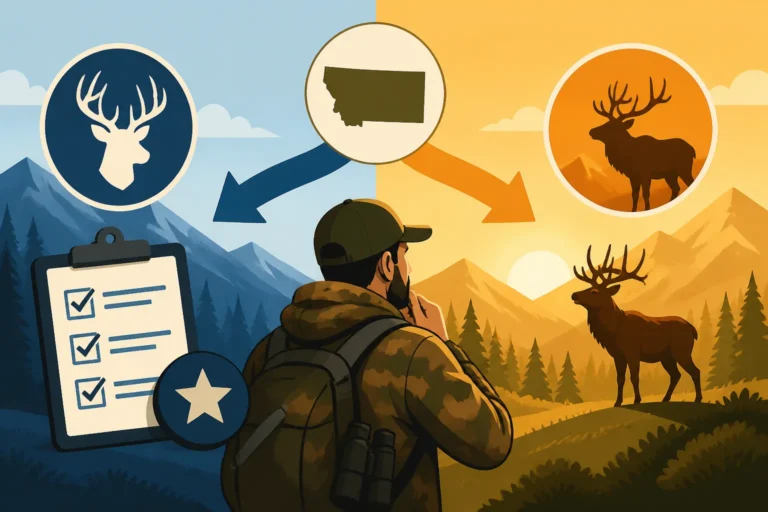
At its core, Montana differentiates between a "general" license and "permit" tags for many species, and deer are no exception. A general deer license is your golden ticket to hunt deer (either whitetail or mule deer, depending on the specific regulations of the area) throughout most of the state, without being restricted to a particular hunting district. Think of it as a broad pass. While it grants wide access, it's essential to remember that "general" doesn't always mean "everywhere." There are always nuances, specific district regulations, and often antler point restrictions that still apply. This is a significant distinction from special "permit tags," which are typically drawn through a lottery system for specific hunting districts (HDs) and often for a particular sex or species (e.g., an antlerless mule deer permit for HD 410). These permits are generally for areas with limited quotas or specific management objectives. The flexibility of a general tag is a huge draw for many hunters, allowing them to adapt their plans based on scouting, weather, or hunter pressure without being locked into a single, specific area. You can dive deeper into the differences by reading our comprehensive guide on Montana General vs Permit Tags Explained.
Resident Versus Nonresident General Deer Licenses
The path to acquiring a general deer license in Montana varies quite a bit depending on whether you call Big Sky Country home or if you're traveling from out of state. These differences aren't just about cost; they involve different application processes and success rates.
For residents, obtaining a general deer license is relatively straightforward. You purchase a base hunting license, a conservation license, and an Aquatic Invasive Species (AIS) prevention pass, and then add your general deer tag. The cost is significantly lower, and general deer tags for residents are generally guaranteed as long as you apply by the deadline. It's truly one of the most accessible hunting opportunities for those who live here.
For nonresidents, the process is more competitive and often involves applying for a combination license through a draw. The most common route for nonresidents to hunt deer in Montana is by applying for the Nonresident Deer Combination License, or more frequently, the Nonresident Big Game Combination License (which includes deer and elk). This combination license is typically a drawing, and while the deer portion might be more attainable than the elk portion, it's still not guaranteed. Nonresidents accrue preference points, which can significantly improve their odds over time. The stakes are higher, the costs are steeper, and planning needs to start much earlier. Understanding Montana Nonresident License Draw Explained is key to navigating this complex system.
Montana General Deer License Key Differences
| Feature | Montana Resident General Deer License | Montana Nonresident Deer Combination License |
|---|---|---|
| Availability | Generally guaranteed upon purchase. | Acquired via competitive lottery draw. |
| Cost | Significantly lower (base license + tag + fees). | Substantially higher (combo license fee + application fees). |
| Application | Purchase directly online or at FWP offices. | Apply online through FWP, typically as part of a combo license draw. |
| Points System | Not applicable for general deer license. | Preference points used to improve draw odds over successive years. |
| Species Included | Either-sex deer (mule or whitetail, depending on HD rules). | Either-sex deer (mule or whitetail, depending on HD rules). |
| Primary Route | Direct purchase. | Nonresident Deer Combo or Nonresident Big Game Combo. |
How to Acquire a Montana General Deer License
The steps to secure your Montana General Deer License are different based on your residency status. Misunderstanding these steps can lead to missing crucial deadlines, so pay close attention!
The Application Process for Residents
For Montana residents, getting your general deer license is relatively straightforward, but there are still important deadlines and requirements to meet. First and foremost, you need a valid Hunter Education certificate unless you meet specific exemptions (born before January 1, 1985, or participating in the apprentice hunter program).
Once that's in order, you'll need to purchase a Base Hunting License. This is a foundational requirement for all resident big game hunting. Next up is the Conservation License, which contributes to conservation efforts across the state. Finally, you'll need the Aquatic Invasive Species (AIS) Prevention Pass, a mandatory fee that helps fund efforts to prevent the spread of harmful aquatic species. With these in hand, you can then purchase your General Deer License.
The entire process can be completed online through the Montana Fish, Wildlife & Parks (FWP) licensing system, or in person at any FWP office or authorized license provider. While resident general deer licenses aren't typically a draw, it's crucial to purchase them before the start of the general rifle season, or by specified deadlines if you plan to hunt archery season. Always double-check the current year's regulations for exact dates. For a comprehensive overview, our guide on How to Apply for a Montana Hunting License details the steps for all hunters.
Nonresident Deer Combo Application and Draw Dynamics
Nonresidents face a more competitive system, almost always involving a draw, particularly for deer. Your primary avenue for hunting deer in Montana as a nonresident is through the Nonresident Deer Combination License or, more commonly, the Nonresident Big Game Combination License. The latter includes both deer and elk, making it a popular choice for those looking for a diverse Western hunting experience.
The application period for these combo licenses typically opens in January and closes around April 1st. This is a hard deadline, and missing it means you're out of luck for the year. Nonresidents also have the option to purchase preference points during the application period, even if they don't apply for a license. These points accumulate over years, significantly increasing your odds in future draws. It's a critical strategy for many, as point creep (where more points are needed each year to draw) is a real factor.
The draw for nonresident combo licenses is conducted later in the spring, usually by mid-April. If successful, your license will be mailed or available digitally. If unsuccessful, you'll be notified, and your preference points will update for the next year. Many hunters rely on resources like GoHunt to analyze draw odds, track point trends, and make informed decisions on their applications. Their filtering tools and state data analysis are invaluable for understanding your chances of success. Understanding Montana Preference Points vs Bonus Points is vital for developing a long-term draw strategy.
What the Montana General Deer License Allows You to Hunt
Holding a general deer license in Montana opens up a vast amount of country and opportunity, but it's important to understand the specifics of what you can hunt and where.
Statewide Opportunities and District Restrictions
While the general deer license provides wide-ranging access, it doesn't grant carte blanche to hunt anywhere and for any deer. Montana is divided into numerous Hunting Districts (HDs), and each HD has its own set of specific regulations, even for general licenses. This is where hunters often get tripped up. For example, some HDs might be open for "general either-sex deer" during a certain period, meaning you can harvest a buck or a doe with your general tag. Other districts might be restricted to "general antlered deer only," requiring you to harvest a buck meeting specific antler point criteria (e.g., "forked antler or better"). Crucially, some HDs are entirely "closed to general deer hunting," meaning you would need a specific permit tag for that area if deer hunting is even allowed.
These district-specific rules are published annually in the Montana FWP hunting regulations, and it's your responsibility to know and understand them for the specific HD you plan to hunt. Ignoring these local variations can lead to violations. Always verify the current year's regulations before heading out. Our guide on Montana Hunting Districts Explained provides a deeper dive into how these areas are structured and managed.
Species Covered: Mule Deer and Whitetail
The beauty of a Montana General Deer License is that it typically allows you to hunt both of the state's popular deer species: mule deer and whitetail deer. This versatility means you can tailor your hunt to the specific habitat you're in or the species you prefer to pursue.
Mule Deer are iconic to the Western landscape, known for their large ears and their characteristic "pronking" or "stotting" gait when alarmed. They typically inhabit more open, rugged country, from the high mountains to the rolling badlands and plains of eastern Montana. Hunting mule deer often involves extensive glassing and long-range spot-and-stalk tactics. Their patterns can be influenced by weather, forage, and hunting pressure, often moving into thicker cover during daylight hours once the season is underway. To learn more about targeting these majestic animals, check out our Montana Mule Deer Hunting Guide.
Whitetail Deer, on the other hand, are more typically found in timbered river bottoms, dense agricultural fringes, and mixed forest environments. They are known for their secretive nature and preference for thick cover, often utilizing natural features like creek bottoms and brushy draws for travel and bedding. Hunting whitetail in Montana often involves still-hunting timber, hunting pinch points, or utilizing tree stands or ground blinds overlooking feeding areas or travel corridors. Their patterns are heavily influenced by the rut, which usually peaks in November, coinciding with the general rifle season. If you're keen on pursuing whitetails, our Montana Whitetail Deer Hunting Guide offers valuable insights.
With your general deer license, you'll need to decide which species you're pursuing in the field, and ensure you're in an HD that allows for the harvest of that species with a general tag. Sometimes, you might even have opportunities for both in the same general area, though their preferred habitats often keep them somewhat separated.
Key Considerations for Hunting with a General Deer Tag
Having the license in your pocket is just the first step. To make your Montana deer hunt successful, you need to understand the practicalities of access, timing, and strategy.
Navigating Public and Private Land Access
Montana is a state celebrated for its vast expanses of public land, offering incredible opportunities for hunters with a general deer license. These include National Forests, Bureau of Land Management (BLM) lands, and State Trust Lands. Each type of public land has its own character and access rules, which you'll need to be aware of. For instance, National Forests often provide mountainous, timbered habitat ideal for mule deer, while BLM lands and State Trust Lands often feature more open, rolling terrain that can hold both mule deer and whitetails, particularly in central and eastern Montana. Navigating these lands often requires detailed maps (like those from onX Hunt or GoHunt mapping systems) to identify boundaries and legal access points. A great resource for planning is our Montana Public Land Hunting Guide.
Beyond the federally managed lands, Montana offers a unique program called Block Management Areas (BMAs). These are private lands where landowners have voluntarily enrolled their property with FWP to allow public hunting access. BMAs are a phenomenal resource for general deer hunters, providing access to diverse habitats that often hold healthy deer populations. The rules for accessing BMAs vary significantly – some are "sign-in" properties where you simply sign a register at a kiosk, while others require reservations or daily sign-out procedures. It's crucial to consult the annual Block Management Program guide, available from FWP, to understand the specific rules for each BMA. Our detailed guide on Montana Block Management Areas Explained can help you maximize these opportunities.
Of course, there's also direct private land access. While not covered by your general license per se (you still need the license), gaining permission from private landowners is always an option. This often requires knocking on doors, respectful communication, and sometimes even offering to help with chores. Many landowners are receptive to ethical hunters, especially those willing to follow specific ranch rules.
Season Dates and Timing for General Deer Hunts
Understanding the specific season dates for deer in Montana is absolutely critical. Missing a season opener or hunting outside of legal dates can result in significant penalties. Montana's hunting seasons are structured with both archery-only periods and general rifle seasons, with specific dates varying by region and hunting district.
The archery-only season for deer typically runs from early September through mid-October, allowing bowhunters an opportunity to pursue deer before the rifle season opens. This period often coincides with milder weather and the early stages of the deer rut, offering unique hunting challenges and rewards. During this time, only archery equipment is legal for deer.
The general rifle season usually opens in late October and extends through the Sunday after Thanksgiving, running for approximately five weeks. This is the most popular time for deer hunting in Montana. During this period, both firearms and archery equipment are legal. The timing of the general season often means hunters are in the field during the mule deer and whitetail rut, which can make deer more active and visible, particularly in November. However, it also means potentially facing colder weather, snow, and increased hunter pressure.
It's paramount to consult the official Montana FWP hunting regulations each year. These documents detail the specific opening and closing dates for all species, as well as any district-specific variances. Regulations are often finalized in late spring or early summer, so checking for the most current information is key. You can find more specific date breakdowns in resources like Montana General Rifle Season Dates.
Maximizing Your Montana General Deer License
Drawing a general deer license is a great start, but the real work begins with strategic planning and effective field execution. Making the most of your tag involves smart pre-season preparation and solid hunting tactics.
E-Scouting and Pre-Season Preparation
In today's hunting world, effective e-scouting can make or break a hunt, especially when you're targeting deer with a general license across potentially vast and unfamiliar terrain. Before you even set foot in the field, you should spend considerable time with mapping applications like onX Hunt or the detailed platforms offered by GoHunt. These tools allow you to analyze satellite imagery, topographical maps, and public/private land boundaries from the comfort of your home.
When e-scouting for deer, focus on identifying key habitat features:
- Water Sources: Ponds, creeks, river bottoms, and springs are magnets for deer, especially in arid regions.
- Food Sources: Look for agricultural fields (especially for whitetail), clearcuts with new growth, aspen groves, or areas with abundant browse.
- Bedding Areas: Dense timber, thickets, brushy draws, and north-facing slopes (which offer shade in early season or thermal cover in late season) are prime spots for deer to bed down during the day.
- Travel Corridors: Identify natural funnels, saddles, ridges, and river bends that deer might use to travel between food and bedding areas, or between different patches of cover.
- Access Points and Pressure: Pay attention to roads, trails, and other signs of human activity. Often, the best hunting is found a mile or more from easy access points, in areas less frequented by other hunters.
Beyond identifying potential hunting spots, e-scouting also helps you understand the terrain, estimate hiking distances, and formulate a travel plan. Using these tools to overlay FWP hunting district boundaries is also crucial to ensure the area you're targeting is open to general deer hunting and adheres to all antler restrictions. For a deeper dive into digital scouting, check out our guide on How to E-Scout Montana Hunting Units.
Field Strategies for General Deer Hunters
Once you've done your homework and arrived in Montana, it's time to translate that knowledge into action. Hunting deer with a general license requires adaptability and a solid understanding of basic deer behavior.
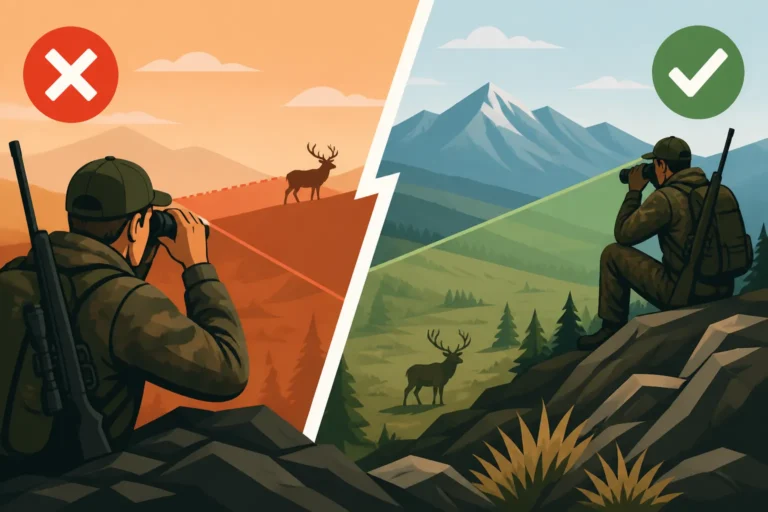
For Mule Deer, spot-and-stalk is arguably the most effective method, especially in the more open landscapes where they thrive. This involves finding a high vantage point, often called a "glassing knob," and using high-quality optics (binoculars, spotting scopes) to systematically scan distant hillsides, ridges, and draws for deer. Once a deer is spotted, the real chess match begins: planning a stalk that keeps you undetected, using terrain and wind to your advantage, to get within shooting range. This often means long hikes, careful movement, and patience. Our guide on How to Spot-and-Stalk Montana Mule Deer offers detailed techniques.
For Whitetail Deer, especially in dense river bottoms or thick timber, still-hunting and setting up on travel corridors can be highly effective. Still-hunting involves moving slowly and deliberately through cover, taking a few steps, then pausing for several minutes to scan for deer. It requires immense patience and keen observation skills. Alternatively, identifying key funnels, pinch points, or food sources and setting up a ground blind or tree stand can allow you to ambush deer as they move naturally through their habitat. The key is to understand their daily patterns and intercept them.
Regardless of the species, always pay attention to the wind and thermals. Deer have an incredible sense of smell, and hunting with an unfavorable wind will almost certainly lead to busted stalks. In mountainous terrain, thermals (air currents that move up slopes in the morning and down in the evening) play a crucial role. Learning to use the wind and thermals to your advantage is a critical skill for any Montana deer hunter.
Common Challenges and Solutions for General Deer Hunters
Even with a general license and good preparation, Montana hunting can throw curveballs. Addressing common challenges head-on will increase your chances of success and enjoyment.
Dealing with Hunter Pressure
One of the most significant challenges, especially for those hunting easily accessible public lands with a general deer license during the popular general rifle season, is hunter pressure. Montana is a sought-after hunting destination, and public land can see a fair amount of traffic. This pressure can push deer into thicker, more remote cover, or make them largely nocturnal.
To mitigate hunter pressure:
- Go Deeper: Many hunters don't venture far from roads or established trails. If you're willing to put in the miles and get into roadless areas, you'll often find fewer people and more undisturbed deer. Areas designated as Wilderness or large roadless national forest tracts are excellent for this, though they demand a higher level of physical fitness and backcountry preparedness. Consider researching Montana Backcountry Hunting Guide to prepare for these more strenuous hunts.
- Hunt Mid-Week: Weekends often see the highest influx of hunters. If your schedule allows, hunting on weekdays can significantly reduce competition.
- Seek Out Block Management Areas: While BMAs can still see pressure, many have specific sign-in or reservation systems that limit the number of hunters, helping to spread out the pressure. Some Type 1 BMAs (first-come, first-served) might still be busy on opening weekends, but Type 2 (reservation-based) offer a more controlled experience.
- Focus on Overlooked Habitats: Deer might be pushed out of typical prime spots. Look for small, overlooked pockets of public land, steep and nasty terrain, or thick, dark timber that other hunters might avoid. Often, the deer are there, just harder to find.
Understanding Regulation Changes and Updates
Montana's hunting regulations are not static; they are reviewed and updated annually by the Fish, Wildlife & Parks (FWP) commission. These changes can include shifts in season dates, new antler point restrictions, changes to general vs. permit tag areas, or even modifications to block management access rules. Relying on outdated information is a recipe for disaster and potential legal trouble.
To stay on top of regulation changes:
- Always Consult the Current Year's Regulations: Before you apply for a license or head into the field, download and thoroughly read the most recent Montana FWP hunting regulations. These are typically available online in late spring or early summer.
- Attend Public Meetings (Residents): FWP often holds public meetings during the regulation-setting process. For residents, attending these can provide valuable insights into proposed changes and the rationale behind them.
- Utilize Online Resources: Websites like FWP's official page are the primary source. Additionally, hunting communities and services like
GoHuntoften provide summaries and analysis of major regulation changes, helping hunters quickly grasp what's new and how it impacts their plans. Subscribing to FWP newsletters or following their social media channels can also provide timely alerts. It's a responsibility every hunter shoulders to ensure they are compliant.
These regular updates reflect FWP's ongoing efforts to manage Montana's diverse wildlife populations sustainably, responding to herd health, population trends, and environmental factors. Staying informed ensures a legal, ethical, and more successful hunt.
Disclaimer
Please remember that hunting regulations, season dates, and license requirements are subject to change annually by Montana Fish, Wildlife & Parks (FWP). While every effort has been made to provide accurate and up-to-date information in this guide, it is the sole responsibility of the hunter to consult the official FWP hunting regulations for the current year before applying for any license or heading afield. This guide is for informational purposes only and does not supersede official FWP publications.