Montana 2026 Hunting Regulation Changes
It's incredibly frustrating, isn't it, trying to plan a big Montana hunting adventure years in advance only to find that the regulations you need to build your strategy around simply aren't finalized yet? Many of us dream of chasing elk or mule deer in the Big Sky Country, and knowing the lay of the land—especially when it comes to licenses and season dates—is paramount. This comprehensive guide is here to demystify the process of how Montana's hunting regulations are set, help you understand the factors that drive those changes, and show you exactly how to stay ahead of the curve so you're ready when the 2026 information finally drops.
The Montana Regulation Setting Timeline Explained
Planning a hunt in Montana, especially as a nonresident, often requires looking at least a year or two down the road. But when it comes to finalized regulations for 2026, it's a common misconception that they'd be available so far out. The reality is, Montana Fish, Wildlife & Parks (FWP) has a methodical, multi-stage process that typically solidifies regulations much closer to the actual hunting season. This isn't just about bureaucracy; it's about making data-driven decisions based on the most current information available on herd health, habitat conditions, and hunter feedback.
Why Regulations Aren't Set Years in Advance
Montana's wildlife management is a dynamic science, not a static rulebook. The FWP's decisions are highly responsive to current conditions, which means finalizing regulations too far in advance would be like trying to predict the weather a year from now – you can make an educated guess, but you won't be precise. For instance, wildlife populations can fluctuate based on severe winters, drought conditions impacting forage, or disease outbreaks like Chronic Wasting Disease (CWD).
Consider the 2026 season. As of now, in 2024, FWP biologists are busy collecting data from the past hunting season, conducting aerial surveys, monitoring winter range conditions, and analyzing harvest statistics. They are also actively engaged in discussions for the upcoming year's regulations (e.g., 2025). The formal process for 2026 will typically begin with public proposals and internal discussions in late 2024 or early 2025, leading to proposed rules, public comment periods, and then final adoption usually in early spring of the year the regulations will take effect. This fluid approach ensures that the rules on the books reflect the best available science and the current state of Montana's incredible wildlife.
The Annual Regulation Review Cycle
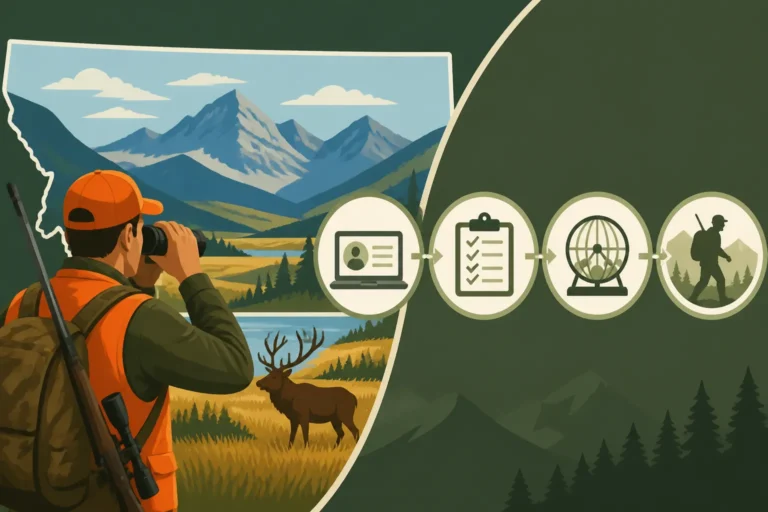
The FWP's regulation review cycle is a multi-step process that ensures transparency and public input. It generally kicks off in late summer or early fall of the year prior to the regulations being set. So, for 2026, initial discussions and proposals might start emerging in the fall of 2024. These proposals are usually driven by FWP staff, often in response to biological data, management plan objectives, or public concerns.
Once proposals are drafted, they go through internal FWP review before being presented to the Fish and Wildlife Commission. This commission, made up of citizens appointed by the governor, holds public meetings where these proposals are debated. Following these discussions, the FWP then opens up formal public comment periods, allowing hunters, landowners, and conservation groups to voice their opinions. This input is crucial and genuinely influences the final decisions. After reviewing all comments, the Commission makes final decisions and adopts the regulations, typically in February or March of the year the regulations are active. So, if you're planning for 2026, the critical period for final regulation announcements will likely be early 2026. This is why tools like the GoHunt Insider often focus heavily on tracking these FWP meetings and public comment periods, giving hunters a heads-up on what might be coming.
Key Factors Influencing Montana Regulation Changes
Montana's hunting regulations aren't pulled out of thin air. They are the result of a complex interplay of ecological, social, and economic factors. Understanding these drivers can help you anticipate potential changes, even before they are officially proposed.
Wildlife Population Health and Management Goals
At the heart of all regulation changes is the health of Montana's wildlife populations. FWP biologists constantly monitor herd numbers, age structures, recruitment rates (how many young animals survive to adulthood), and overall animal condition. For instance, if an elk herd is consistently below objective numbers in a particular hunting district due to harsh winters or low calf survival, FWP might propose reducing antlerless tags or shortening seasons to allow the population to rebound. Conversely, if an elk population is consistently above objective, especially on private lands where depredation issues might arise, FWP might increase antlerless opportunities, like through specific Montana Elk B License Explained options or extended shoulder seasons.
Similarly, mule deer populations in some areas have faced challenges, leading to tighter restrictions or more conservative tag allocations. Disease, such as CWD, is another significant factor. If CWD is detected in a new area, FWP might implement special regulations to monitor its spread, such as mandatory testing or increased harvest quotas in affected areas to reduce population density. The goal is always to maintain sustainable, healthy populations while providing reasonable hunting opportunities.
Hunter Demand and Experience
Montana is a premier hunting destination, drawing both residents and nonresidents. The sheer volume of hunter demand, especially for highly coveted species like elk and big mule deer, significantly influences regulation setting. FWP tries to balance opportunity with quality. If certain hunting districts are experiencing extreme pressure, leading to a diminished hunting experience or decreased success rates, FWP might consider measures to disperse hunters or reduce overall pressure.
This could manifest as changes to specific permit areas, adjusting the number of available tags, or even altering season dates. Nonresident demand is particularly influential, as Montana has caps on the number of nonresident big game combination licenses issued. Discussions around Montana Nonresident License Draw Explained and preference points are continuous, often leading to adjustments in how tags are allocated or how preference points accrue. The FWP aims to provide a fair distribution of hunting opportunities while also acknowledging the economic contributions of out-of-state hunters.
Public Input and Landowner Concerns
The public comment period is not just a formality in Montana; it's a vital part of the regulation-setting process. FWP actively seeks input from hunters, landowners, conservationists, and the general public on proposed changes. This feedback can dramatically shape the final rules. For example, if a proposal for an extended shoulder season generates significant opposition from local landowners concerned about livestock disturbance or increased hunter traffic, FWP might modify or even withdraw the proposal.
Landowners, especially those with significant acreages, play a crucial role. Their concerns about wildlife depredation on crops or forage, as well as requests for more tools to manage game on their property, can lead to specific regulations. Programs like Block Management Areas, which provide public access to private land, are also subject to ongoing review and potential changes based on both landowner and hunter feedback. Understanding how to engage in these public input processes is key for any hunter hoping to influence future regulations.
Areas Likely to See Continued Regulatory Scrutiny for 2026
While specific 2026 changes aren't yet known, certain topics and challenges are consistently on FWP's radar. These are the areas where hunters should anticipate ongoing discussion and potential adjustments in future seasons.
Elk Management Strategies
Elk management in Montana is a complex and often contentious issue. Many districts struggle with elk populations consistently above or below FWP objectives, particularly on private lands where elk often concentrate during the hunting season. This leads to ongoing debates about harvest strategies.
You can expect continued discussions around the efficacy and structure of "shoulder seasons," which are extended hunting periods, often for antlerless elk, designed to reduce herd numbers in specific areas. There's constant evaluation of whether these seasons are effectively meeting management objectives without unduly impacting hunter experience or conflicting with landowner interests. Additionally, there's always scrutiny on general elk season structures, antler restrictions (or lack thereof), and how permit areas for Montana General vs Permit Tags Explained are drawn. The FWP is actively working on new elk management plans, and these overarching strategies will inevitably lead to localized regulation adjustments over time. Staying informed about the broader FWP elk management initiatives can provide crucial clues about where future regulation changes might occur.
Nonresident Tag Allocation and Costs
Nonresident hunters contribute significantly to Montana's economy, but the allocation of tags is a constant point of discussion. Montana FWP has a statutory cap on nonresident combination licenses, and demand consistently outstrips supply, leading to increasing draw odds and point creep for coveted tags.
For 2026, expect continued scrutiny on the nonresident draw process, including potential tweaks to the preference point system or bonus point rules. Discussions around Montana Preference Points vs Bonus Points are always active. There's also perennial debate about nonresident license costs. While no specific increases for 2026 are announced, license fees are reviewed periodically to ensure they adequately fund wildlife management and conservation efforts. Any changes here would directly impact the cost of a Montana Nonresident Combination License Guide for out-of-state hunters. Hunters using services like GoHunt for their application strategy should pay close attention to any announced changes to nonresident quotas or application processes, as even minor adjustments can significantly alter draw odds.
Chronic Wasting Disease Management
Chronic Wasting Disease (CWD) is a fatal neurological disease affecting deer, elk, and moose. It continues to be a major concern for FWP, with new detections occasionally occurring across the state. The management of CWD is a long-term challenge that will undoubtedly influence future regulations.
For 2026, anticipate that FWP will continue to implement CWD management strategies, particularly in newly detected or high-prevalence areas. This often includes mandatory CWD testing for harvested animals, especially during specific periods or in certain hunting districts. Hunters might also see regulations designed to increase harvest of specific age classes or sexes in affected areas to help control the disease's spread by reducing population density. Restrictions on carcass transport may also be in place to prevent the movement of infected materials. These measures are critical for maintaining the long-term health of Montana's deer and elk herds, and hunters should be prepared for their continued presence and potential expansion.
How to Stay Informed About 2026 Montana Regulations
Navigating the world of hunting regulations can feel like a full-time job, especially when you're looking a couple of years down the road. But with a proactive approach and the right resources, you can absolutely stay on top of the likely changes for 2026 and beyond.
Utilizing Official FWP Resources
The absolute best and most accurate source for Montana hunting regulations is the Montana Fish, Wildlife & Parks (FWP) official website. This should be your first stop for any information regarding seasons, licenses, draw results, and proposed changes.
- FWP Website: Make it a habit to check the FWP website regularly, especially in the late fall and winter preceding the year you plan to hunt. Navigate to the "Hunting" section, then look for "Regulations" or "Hunt Draw Information." This is where you'll find links to current regulations, commission meeting agendas, proposed rule changes, and public comment opportunities.
- Commission Meetings & Agendas: FWP posts the dates and agendas for Fish and Wildlife Commission meetings well in advance. These meetings are where proposed regulation changes are first discussed and then ultimately voted on. While attending in person might not be feasible for everyone, the agendas often detail specific proposals, and minutes or recordings are usually available online.
- Email Newsletters & Social Media: Sign up for FWP's email newsletters. They often send out alerts about public comment periods, draw deadlines, and significant regulation changes. Following FWP on their official social media channels (Facebook, X, etc.) can also provide timely updates and reminders. Remember, for the 2026 season, you'll want to start paying close attention to these resources in late 2024 and throughout 2025.
Subscribing to Hunting Industry Updates
Beyond the official FWP channels, several reputable hunting organizations and media outlets do an excellent job of tracking regulatory changes across Western states, including Montana. They often provide analysis and context that can be incredibly helpful.
- Hunting Forums and Communities: Online hunting forums dedicated to Montana or Western hunting can be a great place to pick up early chatter about proposed changes. Just be sure to verify any information you find with official FWP sources.
- Dedicated Draw Application Services: Services like GoHunt specialize in helping hunters navigate the complex draw systems in Western states. Their "Insider" service, for example, tracks FWP commission meetings, analyzes draw odds, and provides updates on regulation changes as they happen. They often distill complex FWP proposals into easily digestible summaries, which can be invaluable when trying to understand the potential impact of changes for the 2026 season. They also help explain how Montana Elk Draw Odds by District can shift year to year. While not a substitute for official FWP rules, these services can provide excellent early warning and strategic advice.
- Hunting Publications and Websites: Many national and regional hunting publications will cover major regulation changes for popular hunting states like Montana. Look for articles that specifically address legislative updates or FWP proposals as they emerge.
Participating in Public Comment Periods
Your voice matters! FWP's public comment periods are a genuine opportunity for hunters to influence the final regulations. Don't assume your single comment won't make a difference; collectively, hunter feedback is a powerful force.
When FWP opens a public comment period for proposed regulations (which will happen for 2026 regulations, likely in early to mid-2025), take the time to read the proposals thoroughly. Understand the rationale behind the proposed changes. Then, submit your comments respectfully and constructively, focusing on how the proposed changes might impact wildlife, habitat, or the hunting experience. For example, if you have strong feelings about Montana Archery Season Dates or Montana General Rifle Season Dates being altered, this is your chance to provide factual and well-reasoned input. Your participation helps FWP make more informed decisions that balance the needs of wildlife with the desires of the hunting community.
Anticipating Potential 2026 Regulation Adjustments
While we can't predict the future, understanding past trends and ongoing challenges allows us to make educated guesses about where Montana FWP might focus its regulatory attention for the 2026 season. These aren't guarantees, but rather areas to watch closely.
Adjustments to Season Lengths and Dates
One of the most common areas for regulation changes involves the length and timing of hunting seasons. These adjustments are often made in response to wildlife population trends, harvest success rates, and disease management efforts.
For 2026, keep an eye on elk season dates, especially those for archery and general rifle seasons. If certain districts are experiencing chronic over-harvest or, conversely, under-harvest relative to management objectives, FWP might propose minor shifts. For instance, shoulder seasons for antlerless elk could be expanded or contracted based on their effectiveness in meeting population goals. Similarly, changes to Montana Antelope Season Dates or specific deer seasons might occur in areas where populations are struggling or thriving. These adjustments are often targeted at specific hunting districts rather than statewide, so paying close attention to the district-level proposals will be key.
Changes to License and Permit Structures
The underlying structure of Montana's hunting licenses and permits is also subject to periodic review and adjustment. This can include how tags are allocated, the types of tags available, and the rules surrounding them.
One area of continuous discussion revolves around the balance between general tags and limited-entry permits. For 2026, there could be modifications to which districts are general for certain species, or changes to the number of permits available in highly sought-after permit areas. The FWP also frequently reviews antler restrictions, like "brow-tined bull" requirements in some elk districts, or specific rules for antlerless deer tags. Nonresident permit quotas, particularly for specialized tags, could also see minor adjustments, impacting Montana Nonresident Tag Quotas Explained. Any changes to the structure of B licenses (antlerless tags) are also a possibility, such as how many can be purchased or their availability in certain districts.
Evolving Access and Land Use Regulations
Access to hunting land, especially public land and privately owned lands participating in public access programs, is a critical component of Montana's hunting heritage. Regulations related to access and land use are constantly evolving.
For 2026, hunters should be aware of potential changes affecting how they access Montana Public Land Hunting Guide or utilize programs like Montana Block Management Areas Explained. While the core of these programs is usually stable, FWP might refine rules around specific Block Management Areas, such as sign-in procedures, vehicle restrictions, or hunt dates, based on landowner feedback or hunter pressure. There could also be new or modified regulations concerning travel management on National Forests or other public lands, impacting where you can drive or utilize ATVs. Furthermore, as private land use changes, there might be new initiatives or regulations designed to encourage landowner participation in public access programs or to address conflicts between hunting and other land uses. Using resources like the Montana Hunt Planner Maps Explained can help you track these changes on the ground.
Navigating the Montana Draw
The Montana draw system can feel like a labyrinth, especially for nonresidents. Understanding the mechanics, the points system, and how to apply smartly will be crucial for 2026, regardless of specific regulation changes.
Understanding Preference Points and Bonus Points
Montana uses a two-tiered point system: preference points and bonus points. This is often a point of confusion for new applicants.
- Preference Points: These are used for the nonresident Big Game Combination, Elk Combination, and Deer Combination licenses. They literally give you preference in the draw. If you have more preference points than another applicant, you get priority for a tag. You gain one preference point for each year you apply unsuccessfully or choose to purchase a point directly. They accumulate until you draw a combo license, at which point your preference points are reset to zero. Understanding How Montana Preference Points Work is crucial for nonresidents.
- Bonus Points: These are used for all other limited-entry permits (like specific elk or deer permits, moose, sheep, goat, and antelope permits). For bonus points, your accumulated points are squared, and that's how many "chances" you get in the draw. So, if you have 3 bonus points, you get 3×3=9 chances. This means the more points you have, the exponentially better your odds become. You gain a bonus point for each year you apply unsuccessfully for a specific permit or purchase one. Bonus points do not reset to zero after drawing a permit; you retain them and continue to accumulate. Knowing How Montana Bonus Points Work is vital for applying to special drawing permits.
Regardless of any minor tweaks to the system, the fundamental difference between these two point types will remain. Strategic use of both, whether by applying for a combination license and building preference points, or by accumulating bonus points for specific permits, is key to eventually drawing a coveted Montana tag.
Strategic Application Approaches
Applying for Montana tags isn't just about filling out a form; it's a strategic game, especially as a nonresident. Your approach can significantly impact your long-term success.
- Combo License Strategy: For nonresidents, deciding which combo license to apply for (Big Game, Elk, or Deer) is the first big decision. The Big Game Combo includes both deer and elk, but has lower draw odds than applying for just the Elk Combo. Consider your primary goal: Is it elk, or would you be happy with a deer hunt? Building preference points is a long game, so consistency is key. Even if you can't hunt every year, buying a preference point will keep you in the running. Services like GoHunt are excellent for analyzing past draw odds to help inform your strategy for a Montana Combination License Draw Odds.
- Permit Application Strategy: Once you've secured a combo license (or are trying to), applying for specific permits requires even more research. Look at historical draw odds for the specific hunting districts you're interested in. Some districts are much easier to draw than others, even with zero bonus points, while others require many years of accumulation. Don't waste your bonus points on permits you have no realistic chance of drawing unless you're truly willing to wait decades. Research Montana Elk Draw Odds by District and focus on units that align with your point totals and hunting goals.
- Group Applications: Montana allows group applications for certain licenses and permits. If you plan to hunt with friends, understanding Montana Group Applications Explained is crucial. The application will be processed based on the lowest number of preference or bonus points among the group members, so choose your hunting partners wisely!
Monitoring Draw Deadlines and Results
Missing a deadline in Montana's draw system is a costly mistake. Staying organized and knowing key dates is paramount.
- Application Deadlines: The main application deadline for most big game species (elk, deer, antelope, moose, sheep, goat) is typically April 1st. However, specific deadlines can vary slightly year to year or for different species (e.g., bear permits). Always double-check the FWP website for the official dates. Setting reminders well in advance is highly recommended. The Montana Big Game Draw Deadlines page on FWP's site is your best friend here.
- Draw Results: Draw results for the main big game licenses and permits are usually released in early to mid-May. You'll typically receive an email notification, or you can check your FWP online account. Don't forget that How to Read Montana Draw Results can sometimes be confusing, so understanding the terminology (e.g., "successful," "unsuccessful," "alternate") is important.
- Payment and Point Purchase: If you are unsuccessful in the main draw, you usually have a window to purchase a preference or bonus point. This is often done in July or August. If you drew a tag, ensure your payment information is up to date. Keep an eye on the FWP timeline for all these critical dates.
Montana Draw Timeline (Typical)
| January – March | FWP Commission debates proposed regulations for the upcoming year (e.g., 2025 proposals during early 2025). Hunters prepare applications. |
|---|---|
| April 1 | Primary Big Game Application Deadline (Elk, Deer, Antelope, Moose, Sheep, Goat combo licenses & limited-entry permits). |
| Early – Mid-May | Draw Results announced for the main big game species. |
| June – July | Unsuccessful applicants can purchase preference or bonus points for the next draw period (often a separate deadline from the main application). |
| Late Summer/Fall | FWP begins internal discussions and preliminary data analysis for regulations for the next year's season (e.g., 2026 discussions beginning late 2024/early 2025). |
| Fall – Winter | Public comment periods for specific proposals begin. This is your chance to provide input on proposed 2026 regulations (likely late 2025/early 2026 for 2026 regulations). |
| February – March (of hunt year) | FWP Commission finalizes and adopts regulations for the current hunt season (e.g., 2026 regulations finalized early 2026). Hunting licenses become available for purchase. |
Preparing for Your Montana Hunt
Even without finalized 2026 regulations, there's a lot you can do right now to ensure you're ready when the time comes. Proactive preparation can make all the difference between a frustrating scramble and a smooth, successful hunt.
Physical Conditioning and Gear Acquisition
Montana hunting is physically demanding. Regardless of specific regulations, the mountains, timber, and vast plains will test your endurance. Start a rigorous fitness regimen now. Focus on cardio, strength training, and hiking with a weighted pack. This is especially true if you plan for a Montana Backcountry Hunting Guide or a true DIY experience.
Beyond physical fitness, begin accumulating and testing your gear. This includes everything from your rifle or bow setup to your boots, optics, and camping equipment. The best boots for Montana elk hunting will be different from what you use back home. Don't wait until the last minute to discover a blister or a faulty headlamp. Research gear reviews, buy high-quality items, and put them through their paces long before you leave home. Consider what you’d need for a Montana Backcountry Hunting Gear List.
E-Scouting and Understanding Montana Terrain
Technology has revolutionized scouting, allowing you to "hunt" from your armchair long before you ever set foot in Montana. Utilize satellite imagery, topo maps, and digital scouting tools to familiarize yourself with potential hunting areas.
Look for key features: north-facing slopes with dark timber (often holding elk), south-facing slopes for early season feeding, saddles, drainages, water sources, and potential bedding areas. Understand how Montana Elk Habitat and Elevation influences animal movement. While specific districts might change, the general topography and animal behavior patterns won't. This detailed e-scouting can save you countless hours of boots-on-the-ground scouting once you arrive. Tools like onX Hunt are invaluable for this, helping you understand How to E-Scout Montana Hunting Units and identify public land access points.
Financial Planning and Budgeting
A Montana hunt, especially for nonresidents, can be a significant financial investment. Start budgeting now for all potential costs, which might include licenses, travel, gear, lodging, food, and meat processing.
Even if license fees for 2026 aren't set, you can estimate based on current Montana Hunting License Costs and factor in a potential slight increase. Consider transportation costs, whether flying and renting a vehicle or driving. If you plan to use an outfitter, research Montana Guided Elk Hunt Cost early, as quality outfitters book years in advance. Don't forget unexpected costs, like vehicle repairs or emergency supplies. Having a solid financial plan will alleviate stress and allow you to fully enjoy your hunting experience when 2026 finally rolls around.
Disclaimer
The information provided in this guide is based on general knowledge of Montana's hunting regulation setting process and currently available information. Specific 2026 Montana hunting regulations have not yet been finalized by Montana Fish, Wildlife & Parks (FWP) and are subject to change. Hunters are solely responsible for verifying all regulations, season dates, and license requirements directly with Montana FWP before applying or hunting. This guide is for informational purposes only and should not be considered legal advice or a substitute for official FWP publications.