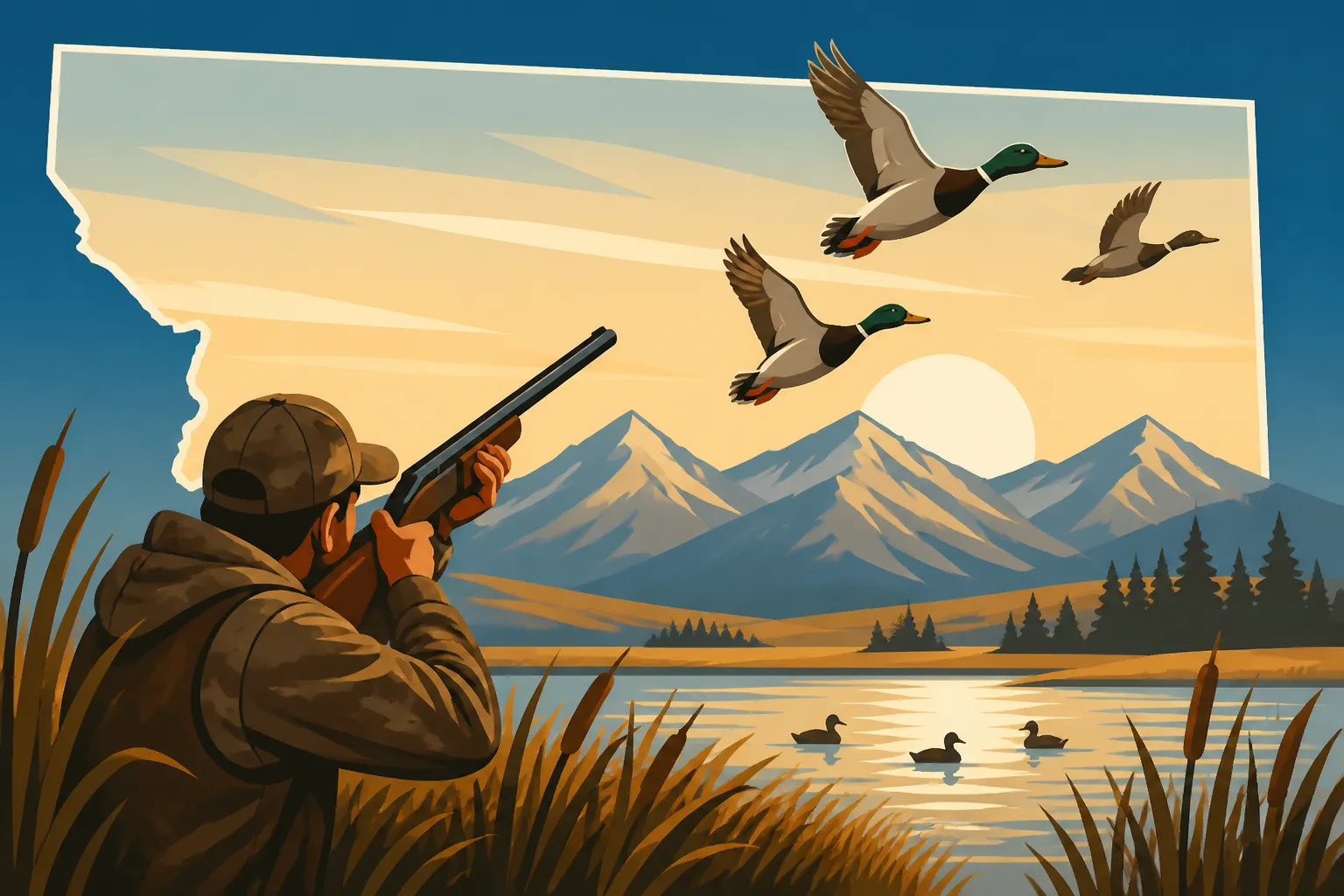
Montana Waterfowl Season Dates
Trying to make sense of Montana's waterfowl season dates can feel like trying to hit a green-winged teal at 60 yards in a crosswind – it's tough, confusing, and if you miss, the consequences can be costly. With different zones, varying opening and closing days for ducks versus geese, and special early seasons, it's easy to get tangled up. This comprehensive guide is here to break down the complexities, helping you confidently navigate the regulations so you can focus on what really matters: calling in those birds and enjoying a successful day afield.
Navigating Montana's Waterfowl Hunting Zones
Montana is a vast state, and when it comes to waterfowl, it's split into distinct hunting zones, each with its own set of rules and season dates. This isn't just a suggestion; understanding which zone you're in and how it impacts your hunt is the absolute first step before you even think about loading your decoys. Ignoring these zones is a sure-fire way to find yourself on the wrong side of a game warden.
Understanding the Zones: East vs. West
For migratory game birds like ducks and geese, Montana is generally divided into two primary zones: the Western Zone and the Central/Eastern Zone. This division isn't arbitrary; it reflects the different migration patterns, bird populations, and geographical characteristics across the state. The Continental Divide often serves as a rough, though not exact, boundary, with the western parts of the state falling into one zone and the larger central and eastern plains comprising the other.
Imagine you're planning a hunt near Missoula; you're firmly in the Western Zone, which typically has later opening dates to align with later migrations and different agricultural patterns. Now, if your sights are set on the vast farmlands and prairie potholes around Fort Peck or near Billings, you'll be operating under Central/Eastern Zone regulations. These areas often see earlier migrations and different concentrations of birds. It's crucial to check the exact FWP regulations map each year, as the boundaries can be quite specific, sometimes following county lines or major rivers. Don't just guess; a quick check on the official Montana Fish, Wildlife & Parks (FWP) website or a platform like GoHunt can clarify which zone you're in. This initial check is non-negotiable for a legal and productive hunt.
Key Differences in Regulations
The differences between Montana's waterfowl zones go beyond just a few days on the calendar. They can significantly impact your hunting strategy. For example, duck seasons in the Western Zone often open later and might have a later closing date, sometimes extending into January. This caters to the later arrival of birds from the Pacific Flyway and the milder early winter conditions in some western valleys. In contrast, the Central/Eastern Zone often sees earlier openers, sometimes in late September or early October, to intercept birds moving down the Central and Mississippi Flyways as cold weather pushes them south.
Moreover, special seasons, like the early September Canada goose season, might only apply to certain zones or specific hunting districts within those zones, often in areas where local goose populations are abundant. These specific regulations are designed to manage local bird numbers effectively while also providing additional hunting opportunities. Always remember that these differences exist for a reason, tied to the biological needs of the birds and local conditions. A great way to stay on top of these nuances is to review the FWP hunting regulations pamphlets thoroughly or use the detailed resources available on GoHunt's Insider platform, which often break down these complex rules into digestible summaries and interactive maps. This helps immensely when you're trying to figure out, for instance, how to hunt elk in Montana's wilderness versus how to set up for ducks in eastern Montana.
Detailed Season Dates for Ducks and Geese
Now that we've covered the critical zonal differences, let's dive into the nitty-gritty of the actual season dates. It's important to remember that these dates are subject to change annually based on federal frameworks and FWP decisions, so always consult the most current year's regulations. For this guide, we'll discuss the typical structure you can expect.
Duck Season Breakdowns
Montana's duck season is often a "split" season, meaning there's an early opener, a short closure, and then a longer, continuous season. This split is designed to capitalize on different waves of migratory birds and adapt to varying weather patterns.
- Early Season (Often late September to early October): This initial segment is typically shorter, perhaps 5-10 days. It targets early migrants and local birds before they become too pressured. In the Central/Eastern Zone, you might find teal, wood ducks, and early-arriving mallards during this window. Western Zone openers might be a little later. The advantage here is often milder weather, which makes setting decoys and enjoying the sunrise a bit more comfortable, though scouting for birds can be trickier if they haven't settled into their full migration patterns.
- Main Season (Late October to mid-January): After a brief closure (usually a week or two), the main duck season reopens and runs for an extended period. This is when the bulk of the migratory birds are typically moving through Montana. You'll see a greater variety of ducks, including pintails, wigeons, gadwalls, and more mallards. Water bodies that were too warm or dry earlier in the fall might be more appealing to ducks as temperatures drop. Late season hunting, especially when snow starts to fly, can be phenomenal as ducks concentrate on remaining open water. Hunters often find great success targeting ducks during this period. For deeper dives into general hunting periods, checking a resource like Montana Hunting Seasons Explained can provide a broader context on how waterfowl seasons fit into the overall hunting calendar.
Goose Season Specifics
Goose hunting in Montana also follows the zonal structure, but often with additional complexities due to different species and population management goals.
- Canada Goose Season: These are often the most sought-after geese in Montana. Their seasons typically mirror the duck seasons, often with an early segment and a longer main season, also split by zone. In the Central/Eastern Zone, the main Canada goose season usually runs from early October through mid-January, sometimes with a break in between. The Western Zone often sees a later start, perhaps mid-October, running into January. Canada geese are incredibly adaptable, so understanding their local movements, whether they're feeding in agricultural fields or resting on large reservoirs, is key.
- Light Goose (Snow/Ross's Goose) Season: These smaller, more numerous geese often have longer, more liberal seasons, especially in the Central/Eastern Zone. This is largely due to their booming populations. Their main season might run from early October well into February or even early March, sometimes with an added Conservation Order Light Goose Season to help manage their numbers. These birds can offer fast-paced, high-volume hunting opportunities, particularly in agricultural areas.
- Other Goose Species (e.g., White-fronted Geese): White-fronted geese, or "specklebellies," are also present in Montana, especially in the eastern part of the state. Their seasons are usually integrated into the general goose season framework, but they might have specific bag limits. Hunters need to be able to identify these birds in flight, as exceeding species-specific bag limits can lead to violations.
Special September Canada Goose Seasons
One of the most exciting opportunities for waterfowl hunters in Montana is the special early September Canada goose season. This season is specifically designed to target resident Canada goose populations before the main migratory push arrives. These birds often breed and summer in Montana, becoming a nuisance in some agricultural areas or urban environments.
- Location and Timing: This early season is typically very localized, often occurring in specific hunting districts or regions within the Central/Eastern Zone, and sometimes in parts of the Western Zone. It usually opens around September 1st and might run for a couple of weeks. The exact districts and duration can vary, so yearly verification is essential.
- Advantages and Tactics: The advantage of this season is that geese are often predictable, concentrated in specific areas like alfalfa fields, harvested grain fields, or local ponds and rivers. The weather is usually pleasant, making for comfortable hunting. Tactics during this period often involve field hunting with large decoy spreads, pass shooting along flight paths between roosts and feeding areas, or targeting smaller water bodies where family groups congregate. For hunters looking for an early start, this season can be incredibly productive, often yielding limits of mature birds. Many hunters use platforms like GoHunt not just for regulations but also to scout potential private land access or find public land areas where these early-season geese might be holding.
Bag Limits, Possession, and Species-Specific Rules
Understanding when you can hunt is only half the battle; knowing how many birds you can take and what types is equally crucial. Montana's bag limits for waterfowl are fairly complex, designed to protect certain species while allowing generous takes on others. It's not a free-for-all, and misidentification can quickly turn a great day into a legal headache.
Daily Bag and Possession Limits for Ducks
Duck limits are often where hunters can get tripped up, as they involve overall daily limits and species-specific restrictions within that limit.
- Overall Daily Bag Limit: For a typical season, Montana's overall daily duck bag limit is usually around 6 or 7 ducks per hunter. This means you can't shoot more than this total number of ducks in a single day, regardless of species.
- Species-Specific Limits: This is where it gets tricky. Within that overall daily limit, there are often stricter caps on certain species. For example, you might be limited to:
- 2 Mallards (often only 1 hen)
- 2 Pintails
- 2 Canvasbacks
- 1 Scaup (during certain periods)
- 1 Redhead
- 1 Wood Duck
- Why the Restrictions? These limits are in place to protect species that are less numerous or more vulnerable, ensuring sustainable populations. For instance, mallard hens are often restricted to protect breeding potential. Pintails and canvasbacks have faced population challenges historically, leading to lower bag limits.
- Possession Limit: The possession limit refers to the maximum number of birds you can have in your physical possession, including birds at home, in your vehicle, or at a camp. This is typically two or three times the daily bag limit. So, if the daily limit is 6, the possession limit might be 18. This allows hunters to accumulate birds over several days of hunting, especially if they are on a multi-day trip or hunting far from home. Make sure to keep wings on one bird of each species you harvest until you reach your permanent residence, as this aids in species identification during game checks.
Goose Limits and Migratory Bird Harvest Information
Goose limits, while also split by species, tend to be a bit more straightforward than ducks, but still require careful attention.
- Canada Goose Limits: The daily bag limit for Canada geese varies by zone and sometimes by specific regions within a zone. It might be 4-5 per day in the Central/Eastern Zone and perhaps 2-3 per day in the Western Zone during the main season. The special September Canada goose season might have a more liberal limit, sometimes as high as 8 per day, again to manage resident populations.
- Light Goose Limits (Snow/Ross's Geese): These are often the most liberal. During the regular season, limits might be 20 per day. During the Conservation Order Light Goose Season, there are often no daily bag or possession limits at all, reflecting the need to significantly reduce their population due to habitat destruction concerns on their breeding grounds.
- White-fronted Goose Limits: Typically, the daily bag limit for white-fronted geese is 1 or 2 per day.
- Harvest Information Program (HIP): This is a critical requirement for all migratory bird hunters. Before you even head out, you must register with the Harvest Information Program (HIP) each year. This is a federal program that collects harvest data to help wildlife managers make informed decisions about migratory bird populations and future season structures. It's usually a quick online registration process through FWP. Failure to register can result in a fine, even if you have all your other licenses and stamps. It's a simple step that ensures you're contributing to conservation efforts.
Conservation Order Light Goose Season
The Conservation Order Light Goose Season is a special, extended period specifically for hunting snow geese and Ross's geese. This season is usually held in late winter and early spring, often from late February through mid-March, but again, check current FWP regulations for precise dates and eligible areas.
- Purpose: The primary goal of this season is population control. Snow goose populations have exploded to unsustainable levels, leading to severe degradation of Arctic breeding habitats. The Conservation Order aims to reduce these numbers.
- Special Regulations: During this season, regulations are significantly relaxed to maximize harvest. This typically includes:
- No daily bag limit.
- No possession limit.
- The use of electronic calls is often permitted (which is usually illegal for regular waterfowl seasons).
- The use of unplugged shotguns (holding more than 3 shells) is often permitted.
- Hunting Opportunities: This season offers a unique and often exhilarating hunting experience, characterized by massive flocks of geese. It requires different tactics, often involving huge spreads of decoys (sometimes hundreds or thousands), specialized electronic calls that mimic large flock sounds, and extensive scouting to locate feeding areas. Hunters can find tremendous success if they put in the effort. It's a stark contrast to a typical duck hunt, offering a high-volume, dynamic pursuit. For those interested in year-round hunting planning, knowing about opportunities like this can round out your understanding of Montana Hunting Seasons Explained.
Required Licenses, Stamps, and Crucial Planning Tips
Before you even think about setting foot in a marsh or field, you need to make sure your paperwork is in order. Hunting without the proper licenses and stamps is a swift way to end your season prematurely and incur hefty fines. It's not just about compliance; it's about supporting conservation efforts that directly benefit the birds you love to hunt.
Federal and State Stamp Requirements
Waterfowl hunting requires a unique set of federal and state stamps in addition to your basic hunting license. Don't overlook any of these!
- Base Hunting License: This is your fundamental license for any hunting in Montana. You'll need this before you can purchase any other species-specific tags or stamps. For non-residents, this is part of the overall combination license package. Understanding the Montana Base Hunting License Requirements is your first step into any hunting season.
- Montana Conservation License: Every hunter in Montana, resident or nonresident, needs a Conservation License. This fee contributes directly to habitat projects and conservation work across the state. This is typically purchased along with your base license. Learn more about the Montana Conservation License Explained.
- Montana Migratory Bird Stamp: This is the state-specific stamp for hunting ducks, geese, coots, and snipe in Montana. It's relatively inexpensive, and the funds generated are directly used for waterfowl habitat acquisition and development within the state. You can purchase this through the FWP licensing system.
- Federal Migratory Bird Hunting and Conservation Stamp (Federal Duck Stamp): This is a mandatory federal stamp required for anyone 16 years of age or older to hunt migratory waterfowl. It's typically purchased at post offices, FWP offices, or online. What's often overlooked is that a significant portion of the revenue from Federal Duck Stamp sales goes directly to purchasing or leasing wetlands and wildlife habitat for the National Wildlife Refuge System, providing critical habitat for waterfowl and other wildlife. It's one of the most successful conservation programs in history.
- Harvest Information Program (HIP) Registration: As mentioned earlier, this is a free, annual registration required for all migratory bird hunters. You register your intent to hunt migratory birds, and your information is used to survey hunters about their harvest. It's quick, easy, and absolutely essential.
Neglecting any of these can lead to fines and loss of hunting privileges. Always double-check your entire license and stamp portfolio before opening day.
Beyond the Basics: Preparing for the Hunt
Beyond the paperwork, a successful Montana waterfowl hunt requires diligent preparation and a keen understanding of bird behavior and habitat.
- E-Scouting and Physical Scouting: Modern tools like digital mapping apps (e.g., GoHunt's mapping system, onX Hunt) are invaluable for identifying public land, potential wetlands, river bottoms, and agricultural fields that might hold birds. You can look for water sources, likely roosting areas, and flight corridors. Platforms like GoHunt combine regulation data with detailed mapping, allowing you to see hunting district boundaries, public land ownership, and potential access points all in one place. After e-scouting, nothing beats boots-on-the-ground scouting. Drive country roads, observe bird movements, and identify where they're feeding and resting. Early morning and late evening drives are critical for patterning flights. Learn How to E-Scout Montana Hunting Units to maximize your pre-hunt preparation.
- Weather and Water Conditions: Waterfowl hunting is heavily dependent on weather and water. Cold fronts can push new birds into the area, while heavy snow can concentrate them on limited open water. Drought conditions can dry up smaller potholes, forcing birds to larger rivers and reservoirs. Always keep an eye on the forecast and local water levels.
- Gear and Decoys: Your gear will depend on your chosen hunting method. If you're hunting smaller potholes, a dozen duck decoys might suffice. Field hunting for geese might require hundreds of full-body goose decoys. Waders, waterproof clothing, a reliable shotgun, and appropriate non-toxic shot are all essential. Don't forget a good dog, if you have one, as a reliable retriever can make all the difference in quickly recovering downed birds in cold water or dense cover.
- Public Access and Block Management: Montana offers extensive public lands, including National Wildlife Refuges (with specific hunting regulations), BLM land, and State Trust Lands. However, always check specific refuge rules as they can differ from general FWP regulations. Additionally, Montana's Block Management Program provides access to private lands for public hunting. Checking the Block Management Areas (BMAs) close to your desired hunting zone can reveal fantastic waterfowl opportunities. Resources like Montana Public Land Hunting Guide and How to Use Block Management for DIY Hunts are indispensable for finding access.
- Safety First: Waterfowl hunting often takes place in cold, wet conditions. Hypothermia is a real risk. Always tell someone where you're going and when you expect to return. Wear your PFD if hunting from a boat, and be mindful of safe shooting zones, especially when hunting with others in a blind. Your safety, and that of your hunting partners, should always be the top priority.
Hunting Montana's waterfowl is an incredible experience, offering diverse opportunities from mountain sloughs to vast prairie wetlands. By understanding the zones, dates, limits, and necessary permits, you'll be well-prepared for a memorable and legal hunting adventure.
| Category | Western Zone (Typically) | Central/Eastern Zone (Typically) | Requirements & Notes |
|---|---|---|---|
| Ducks | Late Oct – Mid Jan (often with a split) | Early Oct – Mid Jan (often with a split) | Daily Bag Limit: 6-7 (species specific sub-limits apply) |
| (Example: Oct 15-22, then Nov 1 – Jan 20) | (Example: Oct 1 – Oct 9, then Oct 22 – Jan 28) | Possession Limit: 2-3x Daily Bag Limit | |
| Canada Geese | Late Oct – Mid Jan (often with a split) | Early Oct – Mid Jan (often with a split) | Daily Bag Limit: 2-5 (varies by area) |
| (Special September season in select areas) | (Special September season in select areas) | Possession Limit: 2-3x Daily Bag Limit | |
| Light Geese (Snow/Ross's) | Limited or integrated with general goose season | Early Oct – Mid Mar (often very long) | Regular Season: 20 Daily, 60 Possession |
| Conservation Order: No Daily/Possession Limit | Electronic calls/unplugged shotguns may be allowed | ||
| White-fronted Geese | Integrated with general goose season | Integrated with general goose season | Daily Bag Limit: 1-2 |
| HIP Registration | Required for ALL migratory bird hunters annually | Required for ALL migratory bird hunters annually | Free, online via FWP |
| Federal Duck Stamp | Required for hunters 16+ | Required for hunters 16+ | Purchased at post offices, FWP, or online |
| MT Migratory Bird Stamp | Required | Required | Purchased via FWP |
| MT Conservation License | Required | Required | Purchased via FWP |
| Base Hunting License | Required | Required | Purchased via FWP |
Note: Dates and limits are illustrative based on typical Montana FWP regulations. ALWAYS verify with the current year's official Montana FWP regulations before hunting.
Disclaimer
Please remember that hunting regulations, including season dates, bag limits, and licensing requirements, can change annually. The information provided in this guide is for general informational purposes only and should not be considered legal advice. It is the sole responsibility of each hunter to review and comply with the most current official Montana Fish, Wildlife & Parks (FWP) regulations before engaging in any hunting activities. Always consult the official FWP website or printed regulations pamphlet for the most accurate and up-to-date information.