Montana Elk Hunting: Archery Tactics
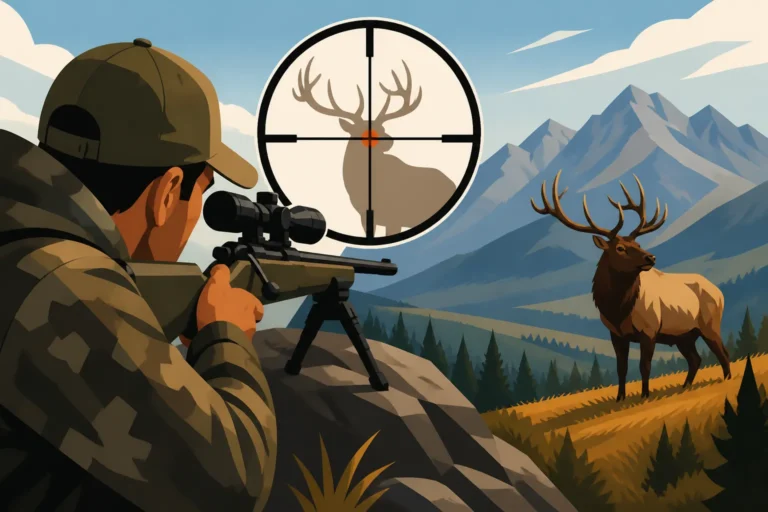
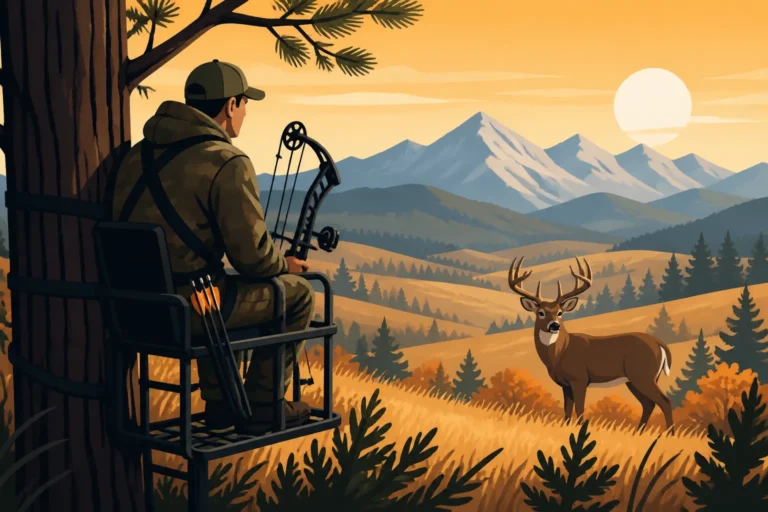
There's nothing quite like the raw, intense challenge of pursuing a wild bull elk with a bow and arrow in the vast landscapes of Montana. It's a game of inches, demanding patience, precision, and an intimate understanding of elk behavior, all while navigating rugged terrain. This guide will delve deep into the specific archery tactics you'll need to develop and refine for a successful Montana elk hunt, helping you turn those close encounters into hard-earned opportunities.
Navigating Montana's Archery Elk Season
Archery season in Montana offers a unique blend of opportunities and challenges. Unlike rifle season, which often coincides with cooler weather and snow pushing elk, archery hunters contend with a mix of pre-rut and rut activity, alongside potential heat and early season pressure. Understanding these dynamics is paramount to success.
Timing Your Hunt: Early Season vs. The Rut
Montana's archery season typically kicks off in early September, offering hunters a chance to pursue elk before the full intensity of the rut takes hold. This early period can be fantastic for targeting predictable patterns, as bulls are often still in bachelor groups and focused on feeding, usually in higher-elevation timbered basins or around reliable water sources. However, as the month progresses, the elk behavior shifts dramatically, moving into the much anticipated rut.
The early part of archery season, roughly the first two weeks of September, is characterized by less vocal elk. Bulls are less interested in fighting and more concerned with feeding and gaining strength before the rut. This means tactics like still-hunting, glassing open hillsides at dawn and dusk, and focusing on bedding areas can be incredibly effective. You're looking for patterns – where they feed, where they water, and where they bed. As the third week of September hits, the pre-rut excitement starts to build. Bulls begin to separate from their bachelor groups, becoming more vocal with sporadic bugles as they test each other. This transition period is often a sweet spot, as bulls are becoming more responsive to calls but haven't yet locked down with cows, making them a bit more vulnerable. To understand the general timing for your adventure, check out our comprehensive guide on Montana Elk Season Dates and Tags to align your trip perfectly.
By the end of September and into early October, the rut is usually in full swing, especially in most general hunting districts. This is when the mountains come alive with bugles, and bulls are intensely focused on gathering and defending their harems. It's a chaotic, exhilarating time to be in the woods, but it also means bulls are less predictable and more prone to being distracted by their cows. You'll often hear multiple bulls screaming, sometimes just out of sight, and enticing them away from their ladies can be a monumental challenge. If you're planning on hunting during this high-energy period, our article on Archery Elk Tactics for the Rut in Montana offers specialized insights.
Public Land Realities and Access Strategies
Montana is renowned for its vast expanses of public land, including national forests, BLM land, and state trust lands. This is where most archery elk hunters will focus their efforts. However, with that access comes the reality of hunter pressure, especially in easily accessible areas. You're not just hunting elk; you're also often navigating other hunters who share the same passion and goals.
The key to public land success often lies in getting away from roads and popular trailheads. Elk, being smart creatures, quickly learn to avoid areas with high human activity. This means being willing to put in the miles on foot, or even considering a pack-in hunt into a remote wilderness area. Utilize resources like the Montana FWP Hunt Planner maps and online tools to identify roadless areas, wilderness boundaries, and potential travel corridors where elk might feel safer. Platforms like GoHunt offer incredible resources for researching units, overlaying public and private land boundaries, and even analyzing draw odds and harvest data. This kind of detailed e-scouting can save you countless hours and significantly improve your odds before you even step foot in the field. Our Montana Public Land Hunting Guide provides a broader overview of how to maximize your opportunities in these areas.
Another crucial aspect of public land hunting is understanding and respecting Block Management Areas (BMAs). These are private lands that the Montana Fish, Wildlife & Parks (FWP) has enrolled in a program to provide public hunting access. While many BMAs are geared towards deer and antelope, some offer excellent elk opportunities. Always check the specific rules and access dates for each BMA, as they can vary greatly, from sign-in boxes to reservation systems. These areas can often provide a less pressured hunting experience compared to national forest land, especially if you're targeting specific agricultural interfaces where elk might feed. For more detailed tips on virtual scouting, check out How to E-Scout Montana Hunting Units.
Core Archery Elk Hunting Tactics
Archery elk hunting isn't a one-size-fits-all endeavor. Montana's diverse terrain, from dense timber to open sagebrush hills, demands a versatile approach. Successfully taking an elk with a bow often comes down to mastering a few core tactics and knowing when to deploy them.
The Power of Elk Calling
Elk calling is arguably the most iconic and thrilling aspect of archery elk hunting, especially during the rut. There's nothing quite like the adrenaline surge when a bull answers your bugle or charges in to a cow call. However, calling is an art, not just a noise-making exercise, and it requires finesse, realism, and situational awareness.
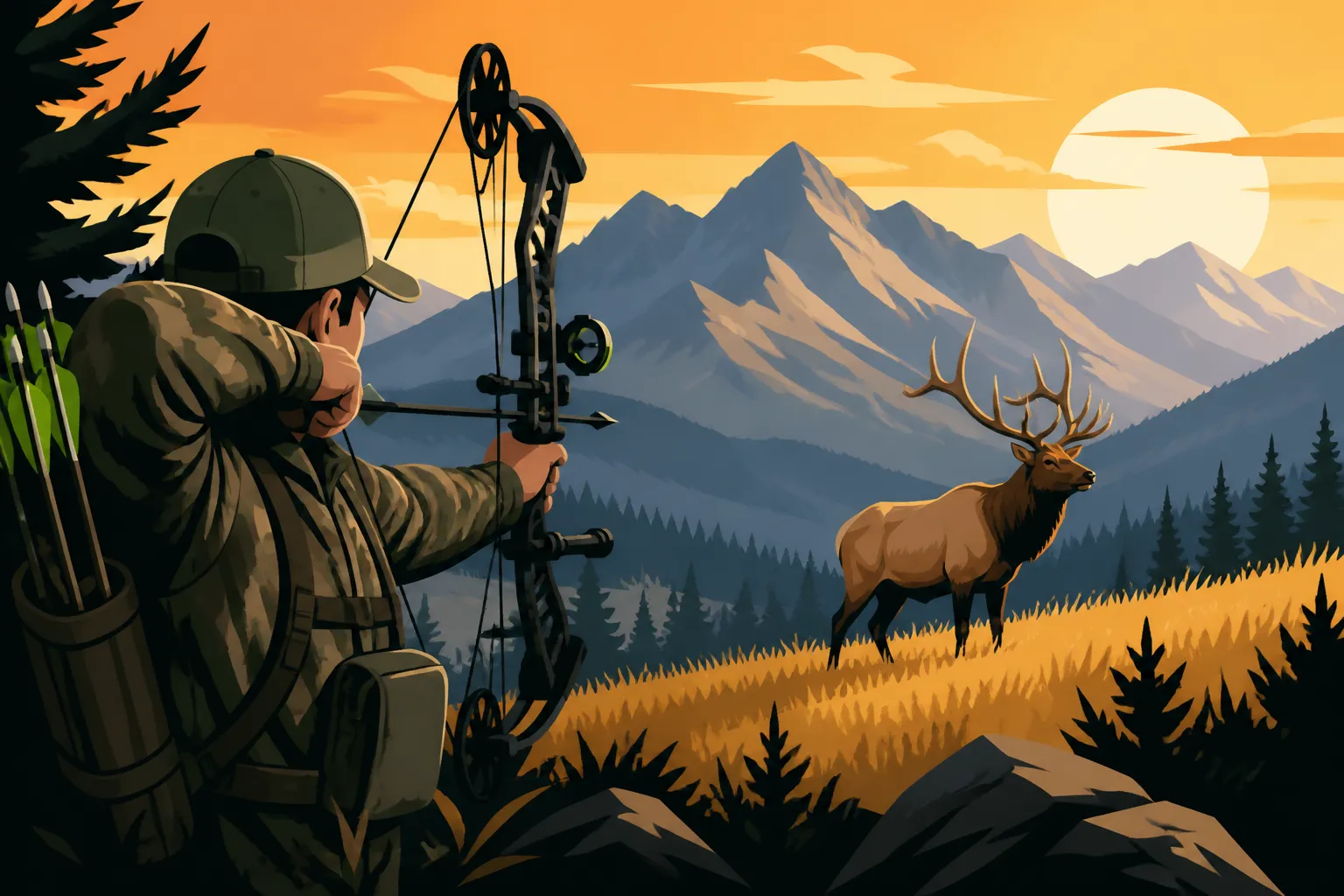
During the pre-rut and early rut, a subtle cow call can often be more effective than an aggressive bugle, especially if you're trying to locate elk without alarming them. As the rut intensifies, bugling becomes a primary tool for locating bulls and challenging dominant animals. Learning to mimic a variety of elk sounds – from soft mews and chirps to aggressive growls and screaming bugles – is crucial. When a bull responds, don't immediately overcall. Let him work, let him wonder where that cow or challenging bull is. Use terrain to your advantage, positioning yourself where the bull has to come looking for you, ideally into bow range. Pay close attention to the wind, as elk have an incredible sense of smell, and a single gust in the wrong direction can end your hunt instantly. For a deeper dive into vocal strategies, our article How to Call Elk in Montana offers comprehensive guidance. And if you're specifically looking to pinpoint those elusive bulls, learn How to Bugle-Locate a Montana Bull Elk.
Executing the Spot-and-Stalk
While calling gets all the glory during the rut, the spot-and-stalk is a timeless and highly effective tactic, especially during the early archery season or when elk are "call shy" due to pressure. This method demands exceptional optics, patience, and a deep understanding of terrain, wind, and elk behavior.
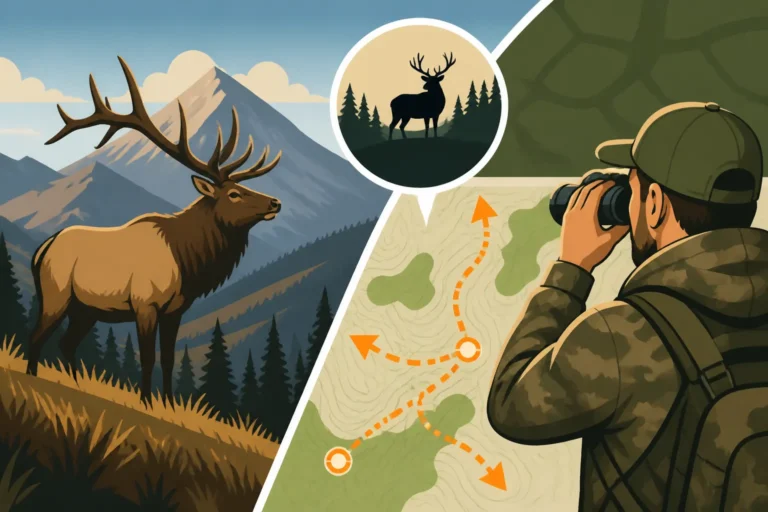
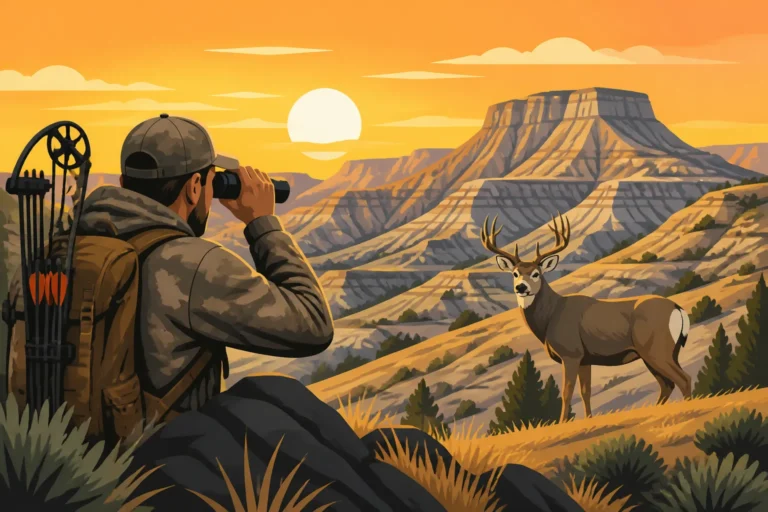
Spotting involves glassing vast amounts of country, often from a high vantage point, at dawn and dusk when elk are most active. You're looking for any sign of movement, a flicker of an ear, a patch of brown against the timber. Once an elk is spotted, the stalk begins. This is where the real challenge lies. You must use every fold in the terrain, every patch of timber, every shadow to get within bow range, typically 60 yards or less. Always consider the wind; it's your absolute worst enemy if it's not in your favor. Thermals, the rising and falling air currents, are also critical. In the morning, thermals rise; in the evening, they fall. Understanding how these air currents move through ravines and up hillsides can be the difference between a successful stalk and being busted. Moving slowly, deliberately, and quietly is paramount. Every step must be planned to avoid snapping twigs or rustling leaves. Our guide on Montana Elk Hunting: Spot-and-Stalk Tactics offers more detailed strategies for this thrilling approach, and you'll want to master How to Use the Wind Hunting Montana Elk for maximum effectiveness.
Ambush Points and Ground Blinds
Sometimes, the most effective archery tactic is simply being in the right place at the right time. Setting up an ambush along known travel corridors, near water sources, or around feeding areas can be incredibly productive, especially when elk are not vocal or actively rutting.
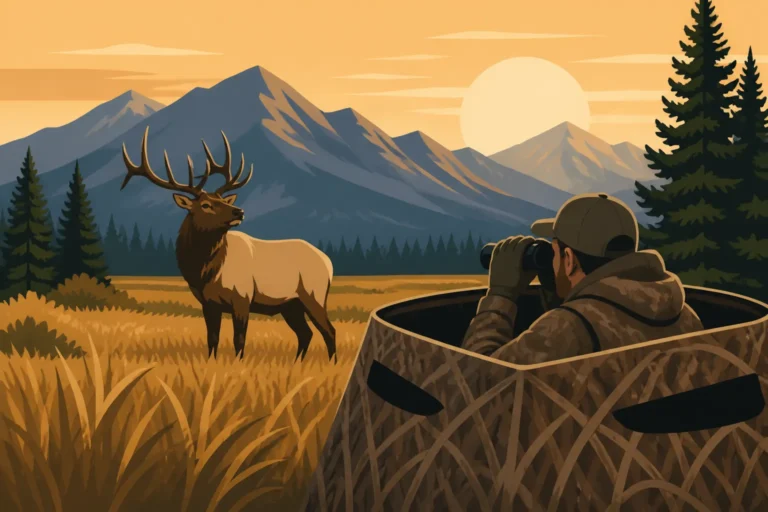
Elk are creatures of habit. They often use the same trails to move between bedding areas, feeding grounds, and water sources. Identifying these high-traffic routes through scouting, either in person or through detailed map study with tools like GoHunt, is key. Setting up a ground blind or finding natural cover near one of these routes, especially where it bottlenecks or offers limited visibility, can offer a close-range shot opportunity. Focus on areas with fresh tracks, droppings, and rubbed trees. Water sources, particularly during warm early-season hunts, are also prime ambush spots. Elk often visit springs, wallows, and small ponds in the mid-day heat. A well-placed ground blind near a secluded wallow can be a golden ticket. Our article on How to Hunt Elk Wallows in Montana provides specialized advice, and for general ambush tactics, consider reading How to Ambush Elk on Montana Public Land. This is especially true for those thick, dark timber patches where elk feel safe; learning How to Find Elk in Montana Dark Timber is invaluable for setting up an effective ambush.
Here's a quick comparison of these primary archery tactics:
| Tactic | Best Season/Scenario | Pros | Cons |
|---|---|---|---|
| Calling | Rut, pre-rut, locating bulls in timber | Exciting, can draw elk to you, effective for locating | Can educate elk, requires practice and realism, wind-dependent, easily busted |
| Spot-and-Stalk | Early season, call-shy elk, open country | Adaptable to non-vocal elk, allows for targeting specific animals | Extremely challenging to get close, highly wind-dependent, physically demanding, requires stealth |
| Ambush/Blind | Water sources, travel corridors, bedding fringes | High-percentage close shots, less physical, good for patient hunters | Requires extensive scouting, dependent on elk patterns, can be long waits with no action |
Essential Preparation for Archery Success
Archery elk hunting in Montana isn't just about the hunt; it's about the journey and the preparation that leads up to it. Being physically, mentally, and technically ready will exponentially increase your chances of success and, more importantly, your enjoyment and safety in the backcountry.
Your Archery Setup: Precision and Reliability
Your bow setup is your lifeline in the field. It needs to be tuned, reliable, and something you can shoot with confidence under pressure. This means more than just buying a new bow; it means hours of practice, understanding your equipment, and ensuring everything is dialed in for the conditions you'll face in Montana.
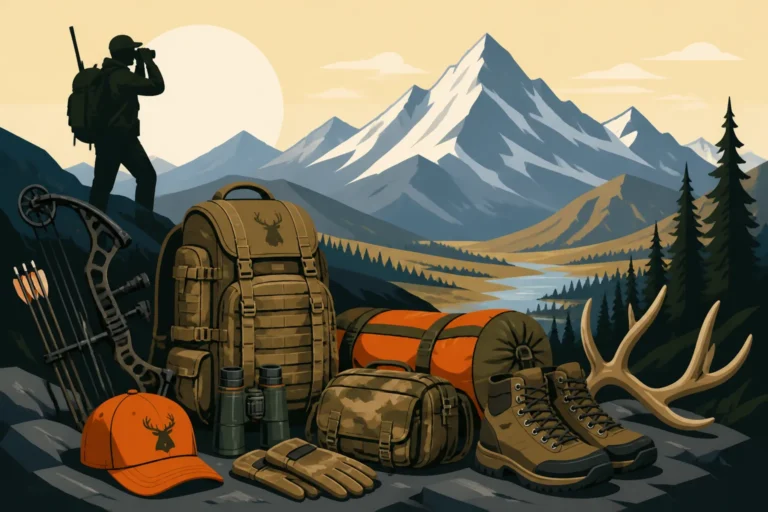
Start with a reputable bow from brands like Bowtech, Hoyt, or Mathews, ensuring it's set to a draw weight you can comfortably and consistently hold. Accuracy is paramount, so ensure your sights are precisely tuned, especially at varying distances. Broadhead selection is critical; for elk, you want a broadhead that is durable, penetrates well, and flies true with your field points. Many experienced Montana hunters opt for fixed-blade broadheads for their robust design and consistent performance on tough elk hide and bone. Practice shooting from various positions – kneeling, sitting, uphill, downhill – simulating real-world hunting scenarios. Don't forget your accessories: a reliable rangefinder is non-negotiable for judging distances in uneven terrain, and a quality set of binoculars will aid in spotting and evaluating elk. Always have backup releases, extra nocks, and a small repair kit. Our guide on Best Archery Setups for Montana Elk dives into the specifics you'll need.
Physical and Mental Fortitude
Montana elk country is no joke. The mountains are steep, the air is thin, and covering miles with a pack on your back is the norm. Physical fitness isn't just about comfort; it's about safety, endurance, and being able to capitalize on an opportunity when it arises. Mentally, you need to be resilient, patient, and prepared for adversity.
Start your physical training months in advance. Focus on cardiovascular endurance (hiking with a weighted pack, running, stair climbing) and strength training (core, legs, back). Simulate hunting conditions by hiking steep terrain with your loaded pack and hunting boots. The ability to climb several thousand feet, stalk quietly, and then execute a precise shot with an elevated heart rate is what separates successful hunters. Alongside physical preparation, mental toughness is crucial. You will face frustrating moments: missed opportunities, bad weather, blown stalks, and days without seeing a single elk. Learning to push through discomfort, stay positive, and maintain focus is just as important as your physical conditioning. Many hunters find that reading detailed accounts of others' experiences, like those found in the GoHunt research articles, can help prepare them for the real challenges ahead. For a structured approach to getting hunt-ready, check out our piece on How to Physically Prepare for a Montana Elk Hunt. When the moment comes and you've harvested an elk, knowing How to Pack Out an Elk in Montana will be the ultimate physical test, so train for it.
Archery elk hunting in Montana offers an unparalleled experience, blending intense challenge with immense reward. It demands dedication, preparation, and a willingness to learn and adapt. By understanding the season dynamics, mastering key tactics, and ensuring you're fully prepared, you'll significantly increase your chances of punching that tag and creating memories that will last a lifetime. For a broader understanding of strategies, our overarching guide on Montana Elk Hunting Methods Explained is a great resource, and for those ready to commit to the ultimate challenge, consider pursuing How to Hunt Elk in Montana's Wilderness. Good luck out there!
Disclaimer
Hunting is an inherently dangerous activity. Always prioritize safety, understand and adhere to all Montana Fish, Wildlife & Parks regulations, and ensure you have the necessary skills and equipment for your chosen pursuit. This information is for educational purposes and should not replace professional guidance or official regulations.