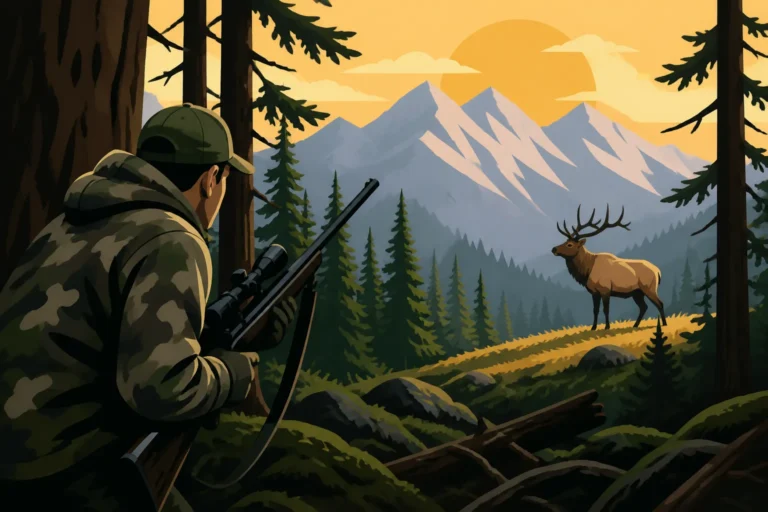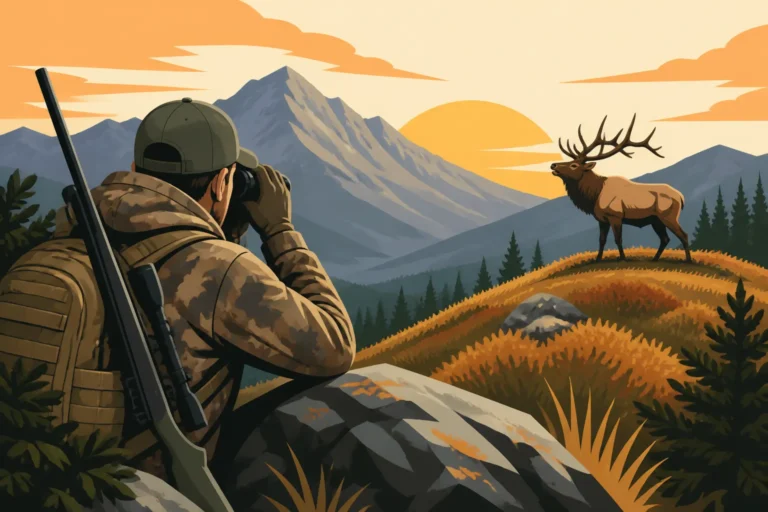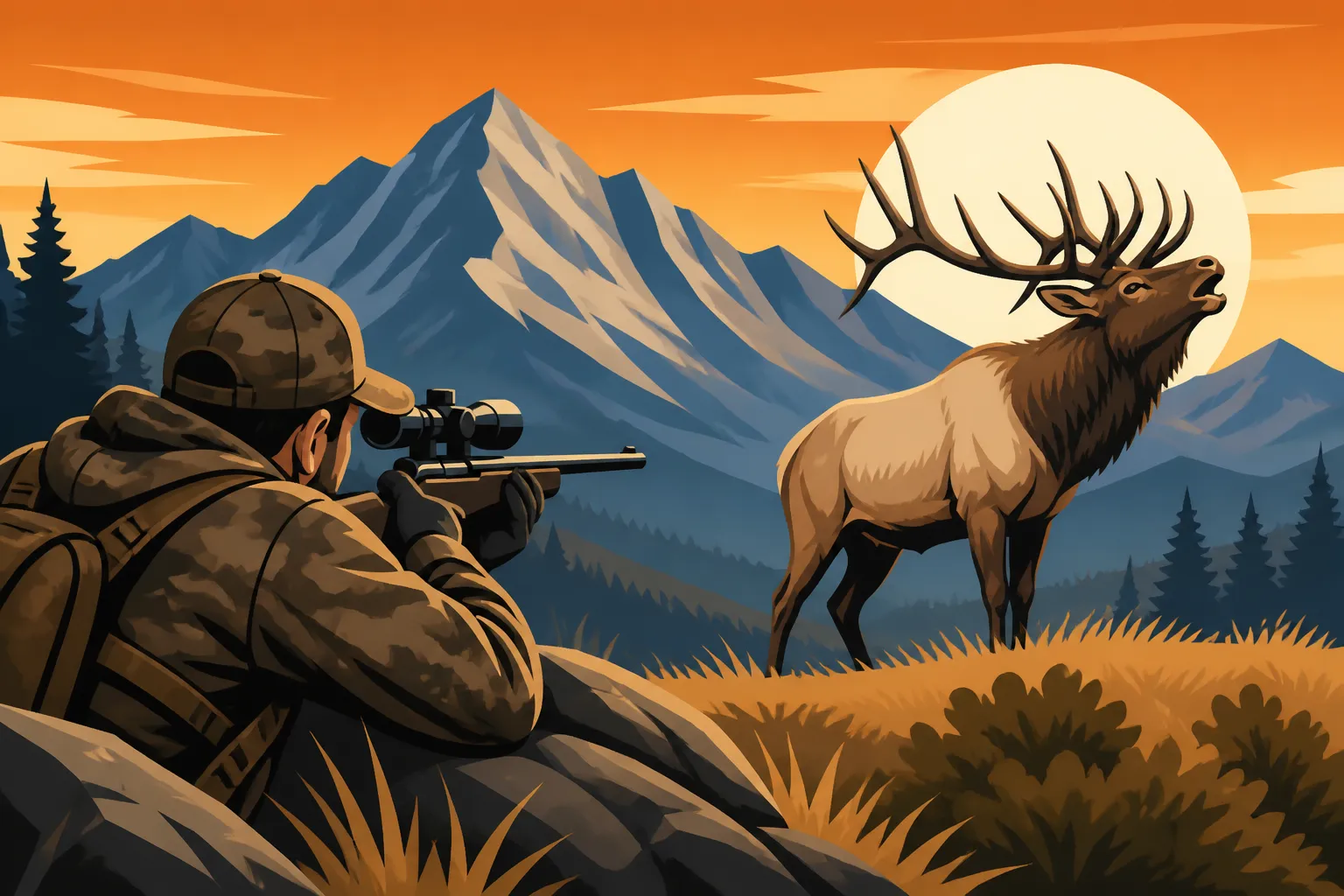
How to Hunt Montana Elk in the Peak Rut
Trying to navigate the chaos and opportunity of the Montana elk rut can feel like a high-stakes chess match where the board keeps changing. Hunters often struggle to pinpoint the exact peak, understand the nuanced vocalizations, and execute the right strategy when bulls are most active and vulnerable. This guide aims to demystify the peak rut, offering detailed insights into elk behavior, proven hunting tactics, and essential gear to help you capitalize on one of Montana's most thrilling hunting periods.
Understanding the Peak Rut in Montana
The peak rut for elk in Montana is a magical, albeit frantic, time when the entire herd dynamic shifts, offering unique opportunities for hunters. It's not just about hearing bugles; it's about understanding the symphony and chaos of elk reproduction that drives their every move. Ignoring these underlying motivations means missing out on crucial tactical advantages.
Timing and Environmental Factors
While popular belief often pegs the "rut" as a single, consistent timeframe, the truth is more nuanced. The peak rut for Montana elk typically occurs in late September into early October, but it's heavily influenced by environmental cues. Factors like daylight hours, temperature, and even herd health can subtly shift the exact timing. A sudden cold snap after a period of warm weather, for instance, can sometimes kick activity into overdrive, as bulls become more comfortable moving and vocalizing throughout the day. Conversely, unseasonably warm temperatures might suppress daylight activity, pushing the primary action into the cooler hours of dawn and dusk, or even overnight. It's crucial for hunters to pay attention to these subtle shifts, often gleaned through preseason scouting or by keeping an eye on local elk activity reports as the season progresses. Understanding the broader context of Montana Elk Season Dates Guide can help you plan your hunt to coincide with these critical windows.
Elk Behavior During the Peak Rut
During the peak rut, bull elk are driven almost entirely by the urge to breed. This intense focus manifests in several key behaviors that hunters can exploit. Dominant bulls are constantly bugling, challenging rivals, and herding cows, rarely resting. You'll hear distinct bugles: aggressive challenges, soft chuckles, and desperate lost calls. Subordinate bulls, often referred to as "satellite" bulls, will constantly try to sneak in and breed cows, leading to a complex dynamic of chasing, fighting, and vocalizing. Cows are receptive for short windows, and when they are, the herd bull will be intensely protective. This heightened activity level means elk are often less wary than usual, their minds preoccupied with the stresses of breeding. However, their movements can also be erratic, making them a challenge to pattern. Understanding these behaviors is key to knowing How to Call Elk in Montana effectively.
Key Strategies for Hunting During the Peak Rut
Hunting the peak rut requires a dynamic approach. You can't just sit and wait; you need to engage, adapt, and sometimes even become part of the drama unfolding in the timber. Success often comes down to reading the situation and choosing the right tactic at the right moment.
Aggressive Calling and Bugling
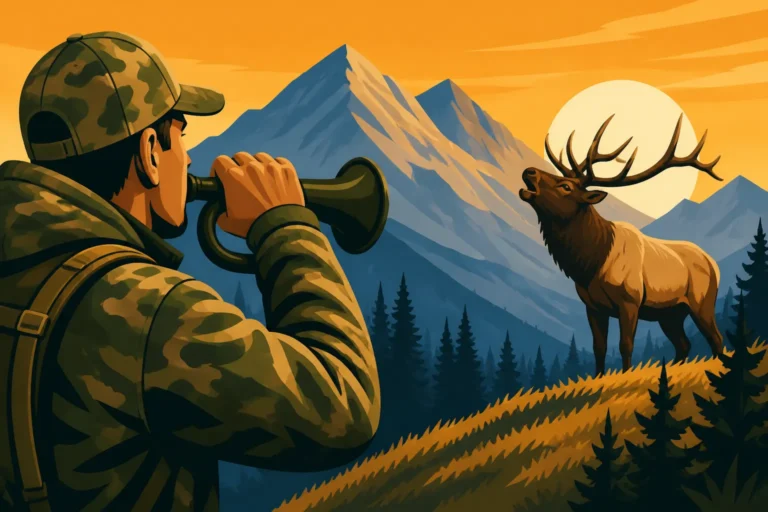
During the peak rut, elk are highly vocal, and aggressive calling can be your most potent weapon. Dominant bulls are quick to respond to perceived challenges, and satellite bulls might be lured in by the sound of a hot cow or a bull fight. Your calling strategy should reflect the mood of the elk you're hearing. If a bull is screaming his head off, an equally aggressive challenge bugle might pull him in for a fight. If he’s more subdued, a series of cow calls might intrigue him enough to investigate. It’s not just about making noise; it’s about mimicking the intensity and inflection of real elk. Many successful hunters employ a "call and move" strategy, bugling to locate a bull, then quickly repositioning to get an advantage before calling again. This tactic is especially effective in dense timber where sightlines are limited. For an in-depth look at specific techniques, check out our guide on How to Bugle for Montana Elk and How to Cow Call Montana Elk.
Spot-and-Stalk in Rut Hotspots
While calling is paramount, don't underestimate the power of spot-and-stalk during the rut, especially if you're hunting more open country or if the elk aren't responding well to calls. During the peak rut, elk often congregate in specific "hotspots" – meadows, ridge saddles, or dark timber fringes where cows gather and bulls compete. Using high-quality optics, like a good spotting scope and binoculars, is crucial. Glass open areas at first light and last light, looking for active herds, sparring bulls, or cows being pushed around. Once you locate a group, the challenge becomes closing the distance. The constant movement and vocalizations of a rutting herd can both help and hinder you. The noise can mask your approach, but the sheer number of eyes and noses can make getting close without being detected incredibly difficult. This is where meticulous attention to wind direction and terrain becomes critical. Modern tools like GoHunt provide excellent mapping resources, allowing you to e-scout potential hotspots and plan your approach routes, considering thermals and terrain features before you even step foot in the field. This can significantly improve your chances of success during Archery Elk Tactics for the Rut in Montana.
Setting Up Ambushes Near Activity
Another highly effective tactic during the peak rut is setting up ambushes. Instead of chasing elk, you position yourself in a location where you anticipate elk will move, based on their rutting behavior. This could be a natural travel corridor between bedding and feeding areas, a wallow where bulls are known to challenge each other, or a pinch point within a basin that funnels elk traffic. After locating a herd through calling or glassing, identify their likely travel patterns throughout the day. Do they move from a north-facing slope where they bed into a lower meadow to feed? Do they frequently cross a particular ridge to access water? Once you understand these movements, position yourself downwind, concealed, and ready for a shot. The key is patience and discipline. Sometimes a bull will be drawn in by soft calls from your ambush, especially if you sound like a lone cow, hoping to attract a bull that might just be passing through your setup. For a broader understanding of how these strategies fit into a larger hunting plan, consider reading about Montana Elk Hunting Methods Explained.
Gear and Preparation for Rut Hunting
The peak rut in Montana is an intense experience, both for the elk and for the hunters pursuing them. Having the right gear and being physically and mentally ready can make all the difference in converting an encounter into a successful harvest. This isn't a casual stroll; it's a marathon of decision-making and physical exertion.
Essential Calling Gear
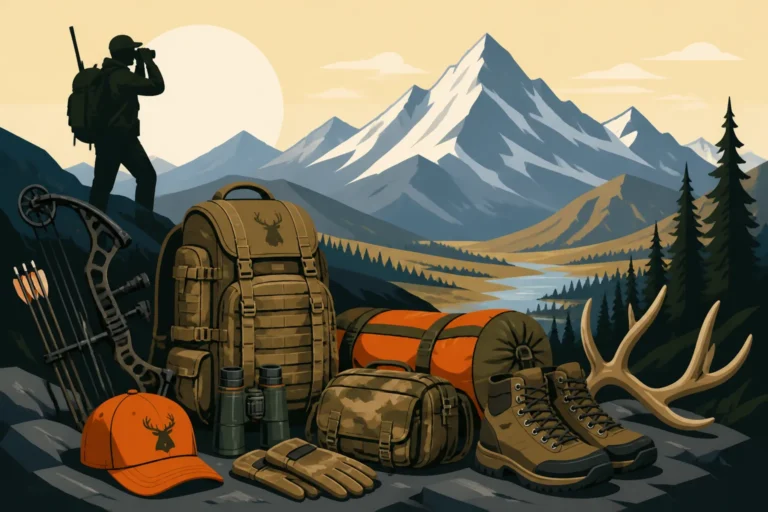
For peak rut elk hunting, your calling arsenal is as important as your weapon. You'll need a variety of calls to mimic the full spectrum of elk vocalizations. This typically includes a diaphragm call, a bugle tube, and external reed calls (both cow and calf calls). Practice with these calls extensively before your hunt. It's not enough to just make the sound; you need to understand the cadence, volume, and emotion behind each call. A soft, pleading cow call can be just as effective as a full-throated challenge bugle, depending on the situation. For instance, if you hear a bull bugling aggressively in the distance, a loud, drawn-out challenge bugle from you can often stop him in his tracks or even draw him closer for a confrontation. Conversely, if a satellite bull is skirting the edges of a herd, a subtle series of cow mews might entice him to break away and come looking. Knowing when to be aggressive and when to be subtle is an art learned through practice and experience.
Optics and Scouting Tools
High-quality optics are non-negotiable for hunting the vast and rugged terrain of Montana, especially during the rut. A good pair of 10x binoculars is your primary tool for scanning timber edges and open slopes. Consider a spotting scope, especially in expansive areas like the Missouri Breaks Hunting Guide regions, to identify distant elk and confirm trophy potential before committing to a long hike. Beyond traditional optics, embrace modern technology. GPS devices or mapping apps like onX Hunt are crucial for navigation, marking elk sightings, and understanding property boundaries. E-scouting platforms, such as GoHunt's Insider tool, are invaluable for researching potential hunting units, studying historical success rates, and identifying potential bedding and feeding areas. You can overlay public land maps, wilderness boundaries, and even historical burn areas to get a complete picture of the terrain and elk movement patterns. This digital reconnaissance, combined with pre-season physical scouting, allows you to enter the field with a well-informed plan, rather than just wandering blindly. You can learn more about this strategy in our guide on How to E-Scout Montana Hunting Units.
Physical and Mental Readiness
Hunting elk in Montana during the peak rut is physically demanding. You'll cover miles over steep, uneven terrain, often at high altitudes. Your lungs and legs will burn, and you'll push through dense timber and across rocky slopes. Being in top physical condition is paramount. This means cardiovascular training, strength training, and being comfortable carrying a heavy pack. However, physical readiness is only half the battle. The mental game is equally critical. The rut can be emotionally charged; you might get close to a screaming bull only to have him spook, or you might hear elk all around you but struggle to pinpoint their exact location for hours. Frustration can set in quickly. Cultivate patience, persistence, and the ability to make clear decisions under pressure. Stay positive, trust your instincts, and remember that every setback is a learning opportunity. Being prepared for the mental grind is as important as being able to climb that next ridge. Our article on How to Physically Prepare for a Montana Elk Hunt offers excellent advice in this area.
Strategic Considerations for Montana's Peak Rut
Beyond the immediate tactics, successful rut hunting in Montana requires a deeper understanding of the environment and how elk interact with it. From navigating public land pressure to understanding the nuances of weather, these strategic considerations can elevate your game.
Navigating Public Land Pressure
Montana boasts a vast amount of public land, which is a blessing, but during the peak rut, it often means encountering other hunters. Learning How to Beat the Crowds on Montana Public Land is a critical skill. One effective strategy is to hunt deeper into wilderness areas or less accessible regions where hunter traffic tends to thin out. This often means being willing to walk farther or utilize tactics like backpacking in for several days, as detailed in our Montana Backcountry Hunting Guide. Another approach is to target specific times and days when pressure is typically lower, such as weekdays or during inclement weather. Remember, elk are smart; they'll often move into thicker, nastier cover when pressured, so be prepared to follow them into these challenging areas. Utilizing mapping apps like onX to identify roadless areas or parcels with limited access points can give you an edge in finding undisturbed elk.
Understanding Habitat and Thermals
Elk don't just exist in a vacuum; their movements during the rut are heavily influenced by habitat and atmospheric conditions. Understanding Montana Elk Habitat and Elevation is crucial. During the peak rut, bulls are chasing cows, but they still need food, water, and security cover. They might be highly active in open parks and meadows during cooler parts of the day, but they will retreat to dense timber or north-facing slopes to bed during warmer periods. Recognizing these patterns and knowing where to look for them can save you countless hours of unproductive hunting.
Thermals – the rising and falling air currents – play a massive role in how elk perceive their surroundings and how you should approach them. In the mornings, air warms and rises, carrying your scent uphill. In the evenings, air cools and sinks, carrying your scent downhill. Misjudging thermals can lead to a quick bust. Always try to approach from a direction where your scent is being carried away from the elk's anticipated location. This often means planning your attack in the middle of the day when thermals are less predictable, or waiting for a consistent crosswind. Knowing how to use these natural air currents effectively is paramount for any hunter wishing to close the distance on a rutting bull.
The Role of Weather and Fronts
Weather patterns can dramatically impact elk behavior during the peak rut. A strong cold front, especially one bringing rain or snow, can often kick elk activity into high gear. The cooler temperatures make bulls more comfortable moving and bugling throughout the day, and they may feed more aggressively before or after a storm. Conversely, extended periods of warm, dry weather can make elk largely nocturnal, forcing them to conserve energy and reducing their daylight vocalizations. Pay close attention to the forecast, and adjust your hunting strategy accordingly. If a storm is rolling in, consider focusing your efforts before it hits or immediately after it passes. If it's warm, shift your focus to early mornings, late evenings, and shady, high-elevation bedding areas. Adaptability to changing weather conditions is a hallmark of successful Montana elk hunters.
| Rutting Elk Behavior | Typical Timeframe | Recommended Hunting Tactic | Key Considerations |
|---|---|---|---|
| Active Bugling & Challenging | Early Morning / Late Evening | Aggressive Calling, Ambushes | Bulls are seeking fights; use challenge bugles and cow calls. |
| Herding Cows | Throughout the Day | Spot-and-Stalk, Patience | Focus on cow groups, watch for herd bull activity. |
| Sparring & Rubbing Trees | Mid-day | Still-Hunting, Scent Control | Bulls marking territory, less vocal, but still alert. |
| Wallowing | Mid-day | Ambush near wallows, Scent Control | Bulls cooling off, sometimes vulnerable, but can be quick. |
| Satellite Bull Activity | Throughout the Day | Soft Cow Calls, Patience | Smaller bulls trying to sneak in; less wary of subtle calls. |
| Bedding Down | Mid-day (Warm periods) | Stealthy Spot-and-Stalk, Thermals | Approach quietly into thick cover, mind the wind. |
Conclusion
Hunting Montana elk during the peak rut is an unparalleled experience, full of raw emotion, challenging terrain, and incredible opportunities. It demands dedication, adaptability, and a deep understanding of elk behavior. By meticulously planning your timing, mastering aggressive calling and calculated spot-and-stalk techniques, equipping yourself with the right gear, and understanding how environmental factors shape elk movements, you're not just hunting for an elk; you're immersing yourself in one of nature's grandest spectacles. Embrace the challenge, learn from every encounter, and you'll find that the rewards go far beyond filling a tag.
Disclaimer
Please note that hunting regulations, seasons, and access can change. Always consult the most current Montana Fish, Wildlife & Parks (FWP) regulations before planning any hunting trip. This guide is for informational purposes only and does not supersede official FWP guidelines.