How Big Are Montana Elk
If you've ever dreamt of heading out for a hunt in the vast, rugged landscape of Montana, one of the first questions that probably pops into your head is, "Just how big are those elk?" It's a fair question, and frankly, a crucial one. Understanding the typical size, weight, and antler development of a Montana elk isn't just about bragging rights; it's about preparation, ethical hunting, and truly appreciating the magnificent animals you're pursuing. This guide will walk you through everything you need to know about the impressive dimensions of the Big Sky Country's iconic wapiti.
The General Dimensions of Montana Elk
When we talk about elk in Montana, we're primarily referring to the Rocky Mountain Elk subspecies (Cervus canadensis nelsoni), which is generally the largest subspecies in North America, aside from perhaps Roosevelt elk in certain areas. These are truly impressive animals, both in body mass and antler size, and their sheer presence in the landscape is enough to give any hunter goosebumps.
Average Body Size and Weight
Let's get down to the numbers. While there's always natural variation, you can expect mature Montana elk to be substantial. Bulls, as you might imagine, are significantly larger than cows. A mature bull elk can stand anywhere from 5 to 6 feet tall at the shoulder and measure 8 to 10 feet from nose to tail. When it comes to weight, you're looking at a serious animal.
- Mature Bull Elk: Typically weigh between 700 to 1,100 pounds live weight, with some exceptional specimens pushing well over 1,200 pounds. Think about that for a second—that's the weight of a small car moving through the timber! Once field dressed (meaning the internal organs are removed), a bull might still yield 400-600 pounds of carcass weight, which translates to a substantial amount of meat for your freezer. If you’re planning a backcountry hunt, understanding how to quarter an elk in the Montana backcountry is critical, as you’ll never pack out a whole animal.
- Mature Cow Elk: While smaller than bulls, cows are still very large animals. They usually stand around 4.5 to 5 feet at the shoulder and weigh between 450 to 650 pounds live weight. Field dressed, a cow can still provide 250-400 pounds of meat. For many hunters, especially those focused on filling the freezer, a cow elk tag is a fantastic opportunity to secure a significant amount of lean, organic protein.
These numbers are averages, of course. A young, spike bull will be closer to a cow's size, perhaps 400-500 pounds, while an ancient, dominant herd bull could easily top the 1,000-pound mark. The region also plays a role; elk in lush, high-elevation mountain drainages with abundant forage might be slightly heavier on average than those living in drier, more open country.
Antler Characteristics and Growth
Beyond their impressive bodies, Montana bull elk are most recognized by their magnificent antlers. Antlers are bone, shed and regrown annually, a cycle driven by hormones and nutritional intake.
- Annual Cycle: Bulls typically begin to grow new antlers in early spring, shedding their old ones in late winter. This growth phase continues through the summer, with the antlers hardening by late August or early September, just in time for the rut.
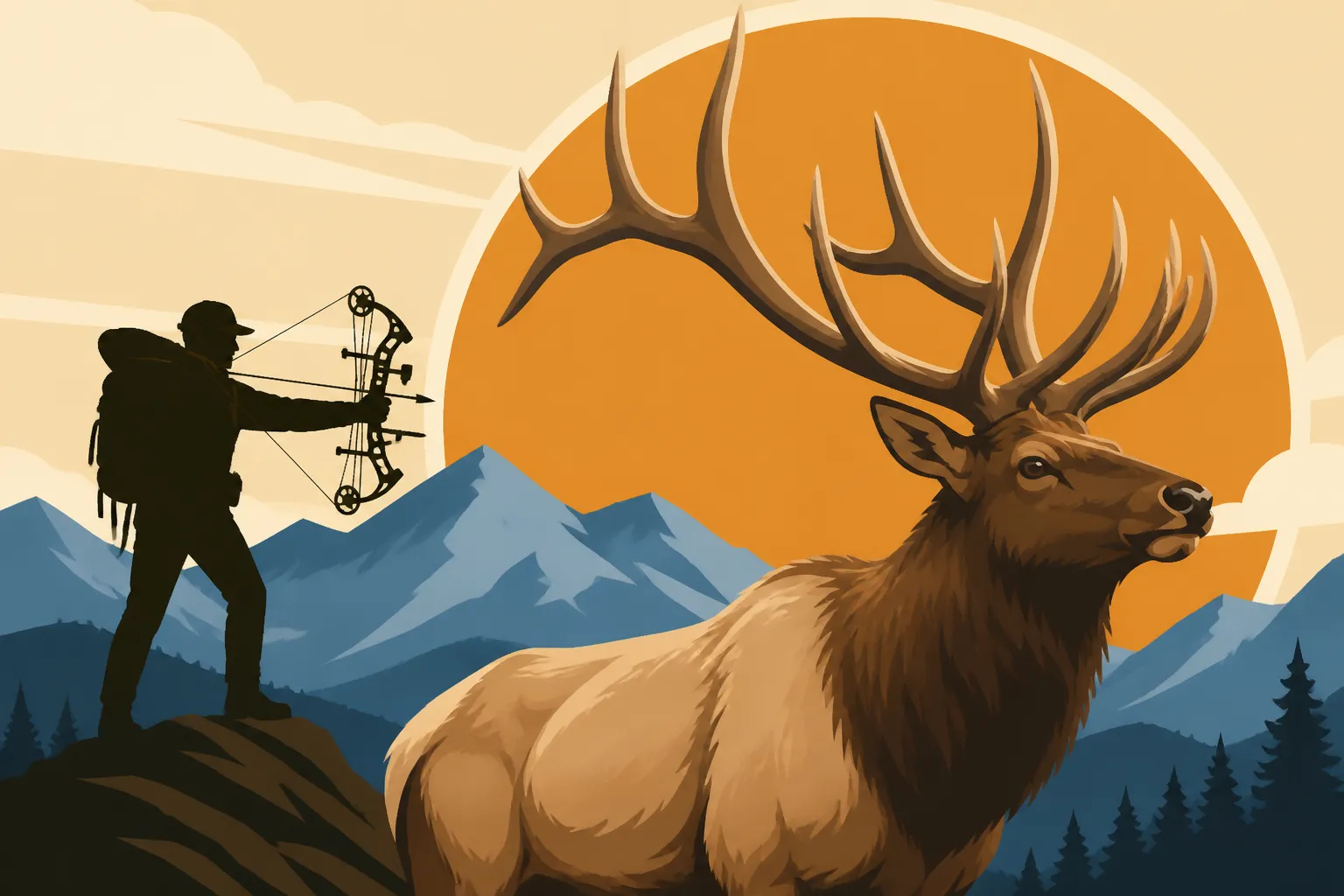
- Typical Antler Configuration: The classic, most desirable antler configuration for a mature bull elk is a 6×6, meaning six points on each side. These points are often referred to as "tines" or "points," and include the brow tines, bez tines, trez tines, and then the royals and dagger points. However, it's not uncommon to see 5x5s, 7x7s, or even non-typical configurations with abnormal points. A bull's first set of antlers, typically grown at around 1.5 years old, is usually just spikes or small forked horns.
- Spread and Mass: The spread of a mature bull's antlers can range from 40 to 60 inches, sometimes more. While spread is visually impressive, antler mass (the circumference of the main beam) and tine length are also significant factors in judging a bull's overall size and potential score. The Boone & Crockett Club and Pope & Young Club (for archery) scoring systems take into account main beam length, spread, total points, and various circumference measurements. Understanding these metrics is part of learning how to field judge a Montana bull elk properly.
It's a common misconception that all older bulls automatically have the biggest antlers. While antlers generally increase in size and mass up to a bull's prime (usually between 5 and 10 years old), they can begin to regress in very old age, becoming smaller or more atypical.
Key Factors Influencing Elk Size
Montana is renowned for its healthy elk populations and the opportunity to pursue large, mature animals. However, the size an individual elk attains is not just random; it's a complex interplay of several crucial factors.
Age and Genetics
Just like humans, elk have a genetic blueprint that determines their potential for growth, and age is a direct indicator of how much of that potential has been realized.
- The Prime Years: A bull elk's body size will continue to increase until it's about 5-6 years old, after which it mostly stabilizes. Antler growth, however, typically peaks between 5 and 10 years of age. A 2.5-year-old bull will have significantly smaller antlers and a smaller body than a 6.5-year-old bull. This is why many hunters specifically target mature bulls; they've reached their full potential.
- Genetic Influence: Genetics play a huge role. Herds in certain areas simply have a predisposition for larger body frames and more impressive antler growth. This is passed down through generations. While hunters can't control genetics, understanding that some units consistently produce larger animals than others is valuable. Tools like GoHunt can provide insights into harvest data and trophy potential within specific hunting districts, helping hunters make informed decisions. Sometimes, the genetics in a specific drainage or mountain range just produce bigger, wider, or heavier-antlered bulls, irrespective of other factors.
Habitat, Nutrition, and Climate
No matter the genetics, an elk won't reach its full potential without the right environmental conditions. Food, water, and weather are paramount.
- Forage Quality and Abundance: This is arguably the most critical factor. Elk need vast amounts of high-quality forage throughout the year to put on weight and grow impressive antlers. Lush mountain meadows, areas with ample browse and forbs, and even agricultural interfaces can provide the rich nutrients necessary. During the summer, elk are essentially stockpiling resources. If the forage is poor or scarce, their bodies will prioritize survival over antler growth, resulting in smaller antlers the following year. This is why you often find big elk in drainages with diverse vegetation and good growing conditions.
- Water Availability: Elk need reliable water sources, especially during the hot summer months. Areas with abundant springs, streams, and wallows tend to hold healthier elk. Water also helps with forage quality, ensuring plants remain green and nutritious.
- Severity of Winters: Montana winters can be brutal. A severe winter with deep snow and prolonged cold forces elk to burn through their fat reserves rapidly. This stress can impact body condition and, crucially, the energy available for antler growth the following spring. Mild winters, conversely, allow elk to maintain better condition, leading to larger antlers in the growing season. This cumulative effect over several years can be seen in the overall health and size of a herd. The Montana Elk Herd Size and Population varies, and these factors are carefully monitored by FWP.
Considering these factors, some of the most productive elk habitats in Montana are found in the national forests like the Custer Gallatin or Beaverhead-Deerlodge, which offer a mix of high-elevation summer range, timbered security, and lower-elevation winter range.
Practical Tips for Field Judging Montana Elk
Spotting a majestic bull elk in its natural habitat is an experience in itself, but being able to accurately assess its size and trophy potential in the field is a skill that comes with practice and knowledge. It's not just about looking at antlers; it's about seeing the whole animal.
Estimating Body Weight and Height
You can't exactly carry a scale or a tape measure into the backcountry, so field judging body size relies on visual cues and experience.
- Proportionality is Key: Look at the animal's overall build. Mature bulls have a much deeper chest, a thicker neck (especially during the rut due to muscle buildup for fighting), and a more robust body compared to cows or younger bulls. A spike bull will have a neck that's proportional to its body, whereas a mature bull's neck will appear much thicker and almost blend into its chest.
- Using Known References: If you have a cow or a smaller bull in the same group, you can use them as a reference point. Compare the animals side-by-side. A mature bull will often dwarf a cow. Another trick is to use an object you do know the size of, like your pickup truck, if you're glassing from a distance and the elk happens to be near a road or landmark. This helps calibrate your eye.
- Gait and Movement: Observe how the elk carries itself. A truly mature, heavy-bodied bull often moves with a slower, more deliberate gait, projecting a sense of power.
Assessing Antler Score Potential
This is where many hunters focus their attention, and it requires a keen eye and understanding of scoring principles. Scoring systems like Boone & Crockett provide a standardized way to compare antlers, but in the field, you're making educated guesses.
- The "Six Point" Rule (or Lack Thereof): While a 6×6 is highly desired, simply counting points isn't enough. A young bull can be a 6×6 with short tines and minimal mass. Focus on the length of the main beams, the spread between the antlers (outside and inside), the mass or circumference of the main beam (especially at the bases), and the length of individual tines. Are the brow tines long and prominent? Do the royal tines sweep back impressively?
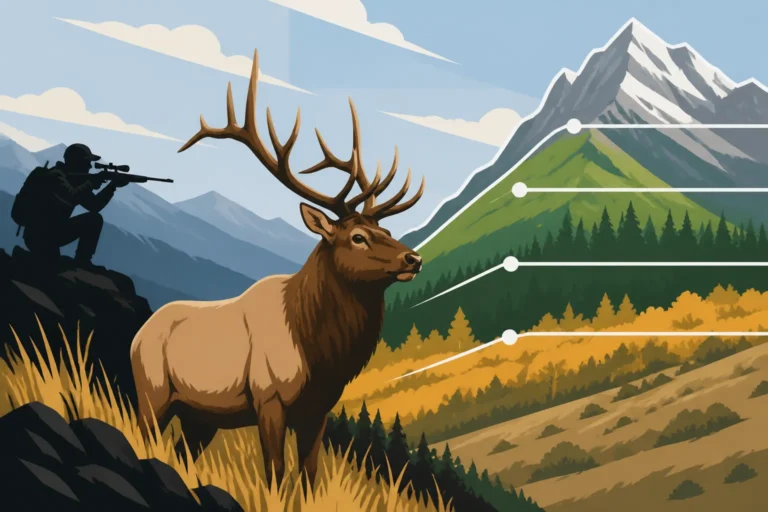
- Using Optics: Quality binoculars (10×42 or 12×50) and a spotting scope (20-60x) are indispensable for field judging. They allow you to count points accurately, assess mass, and estimate spread from a distance without disturbing the animal. Spend time behind your glass, looking for those defining features.
- "Ear Tip" Measurement: A common visual reference is the distance between the tips of an elk's ears when alert and forward. This is usually around 30-32 inches. If the outside spread of the antlers is significantly wider than the ear tips, you know you're looking at a bull with a good spread. If it's a lot wider, say double that distance, you're talking about a real monster. Knowing these tricks can make a huge difference, especially when you're trying to make a quick decision in the field during Montana Rifle Elk Hunting Guide or Montana Archery Elk Hunting Guide.
- Consulting Data: Before your hunt, delve into resources like GoHunt. Their Insider membership often provides detailed unit analyses, including harvest statistics and photos of previously taken bulls in specific areas. This can give you a realistic idea of the quality of animals typically found in the hunting district you'll be exploring, whether it's for Montana Elk Hunting: Archery Tactics or general rifle season.
Remember, the goal isn't always a world-record bull. For many, a healthy 5×5 or a large cow represents an incredibly successful and rewarding hunt.
| Antler Feature | What to Look For | Why it Matters |
|---|---|---|
| Main Beam Length | How far do the main beams extend beyond the last point? | Contributes significantly to overall score and visual impressiveness. |
| Antler Mass | The thickness of the main beam and bases. | Heavy mass is a hallmark of a mature bull and adds to score. |
| Spread | The distance between the widest points of the antlers. | Creates a dominant visual profile; inside spread is part of B&C score. |
| Tine Length | Length of individual points (brow, bez, trez, royals, dagger). | Long, well-defined tines indicate good genetics and health. |
| Number of Points | Typically 6×6 is prime, but quality of points matters more. | A solid 5×5 with great mass can outscore a weak 6×6. |
Montana Elk Population and Trophy Potential
Montana boasts a fantastic reputation for elk hunting, drawing hunters from across the globe. This reputation isn't just because the scenery is stunning; it's because the state consistently produces healthy herds and impressive animals.
Population Health and Trends
Montana Fish, Wildlife & Parks (FWP) manages elk populations across the state, and generally, these herds are thriving. In many areas, elk numbers are at or above objective levels, leading to liberal general season opportunities and, in some districts, even antlerless B licenses or second elk tags to manage population growth.
- Robust Herds: The overall health of Montana's elk herds is strong. This means a good age structure within the populations, allowing bulls to reach maturity and express their full genetic potential. This strong population contributes to Montana being a premier destination for Montana Elk Hunting Guide.
- Management Strategies: FWP employs a variety of management strategies, including varying license quotas, season lengths, and antler point restrictions in certain hunting districts (HDs). These strategies aim to balance recreational opportunity with sustainable population management, ensuring future generations of elk and hunters. For instance, some districts have antler-point restrictions designed to protect younger bulls and allow them to grow into their prime. Knowing the Montana General vs Permit Tags Explained is key to understanding how management applies to you.
- Impact of Pressure: While many parts of Montana offer vast public land hunting opportunities, some areas experience significant hunter pressure, especially during the Montana General Rifle Season Dates. This pressure can sometimes affect the age structure of bulls in easily accessible areas, pushing them into more remote or private land sanctuaries. However, even in heavily hunted districts, savvy hunters can still find success by venturing off the beaten path, utilizing tactics outlined in a Montana Public Land Hunting Strategy.
Where the Big Ones Roam
Every hunter dreams of that truly massive bull, and Montana definitely has the potential to deliver. While a giant can theoretically turn up anywhere, certain areas are more prone to producing record-book animals.
- Limited-Entry Districts: Montana has a system of limited-entry permits for certain hunting districts. These permits are typically harder to draw and are designed to manage hunter numbers and promote the growth of older-age-class bulls. Districts that consistently require high preference or bonus points to draw often correspond with areas known for exceptional trophy potential. Researching Montana Elk Draw Odds by District is a critical step for any hunter hoping to draw one of these coveted tags.
- Wilderness and Backcountry Areas: The state's vast wilderness areas, like the Bob Marshall, are often considered strongholds for mature bulls. The sheer size, rugged terrain, and limited access mean less hunter pressure, allowing bulls to age naturally. Hunters willing to put in the effort for a Montana Backcountry Hunting Guide or use strategies from Montana DIY Elk Hunting Guide have a greater chance of encountering undisturbed, mature animals.
- Optimal Habitat: Areas with a rich mix of feed, water, and security cover (dark timber, remote canyons) consistently grow bigger elk. The Rocky Mountain Front, the Greater Yellowstone Ecosystem, and certain parts of western Montana are frequently mentioned in discussions about trophy potential. These regions offer the perfect combination of genetics and habitat.
- Utilizing E-Scouting Tools: With modern technology, e-scouting has become an invaluable tool. Platforms like GoHunt and OnX allow hunters to analyze terrain, public land boundaries, historical harvest data, and even anecdotal reports to pinpoint areas with higher trophy potential. This is an essential step covered in articles like How to E-Scout Montana Hunting Units, helping you narrow down your focus to districts known for producing Best Montana Districts for Trophy Bulls.
While Montana has the animals and the opportunities, drawing a premium tag or accessing remote wilderness areas requires dedication, planning, and often, a bit of luck. But the reward of encountering a truly massive Montana elk makes every bit of effort worthwhile.
Disclaimer
Always consult the most current Montana Fish, Wildlife & Parks (FWP) regulations before planning any hunting trip, as rules, dates, and quotas can change annually. This guide provides general information and should not be used as a substitute for official FWP hunting regulations.