Best Montana Outfitters in the Missouri Breaks
Dreaming of hunting the legendary Missouri Breaks can spark visions of vast, untouched landscapes and incredible wildlife. But let's be real: navigating this rugged, remote country to find an elk, mule deer, or antelope can feel incredibly overwhelming, especially for those who aren't intimately familiar with its unique challenges. This comprehensive guide is here to help you understand what makes the Missouri Breaks so special for hunters and, more importantly, how to find the very best outfitters who can turn your dream hunt into a successful reality, saving you from countless headaches and wasted effort.
The Allure and Challenge of Montana's Missouri Breaks
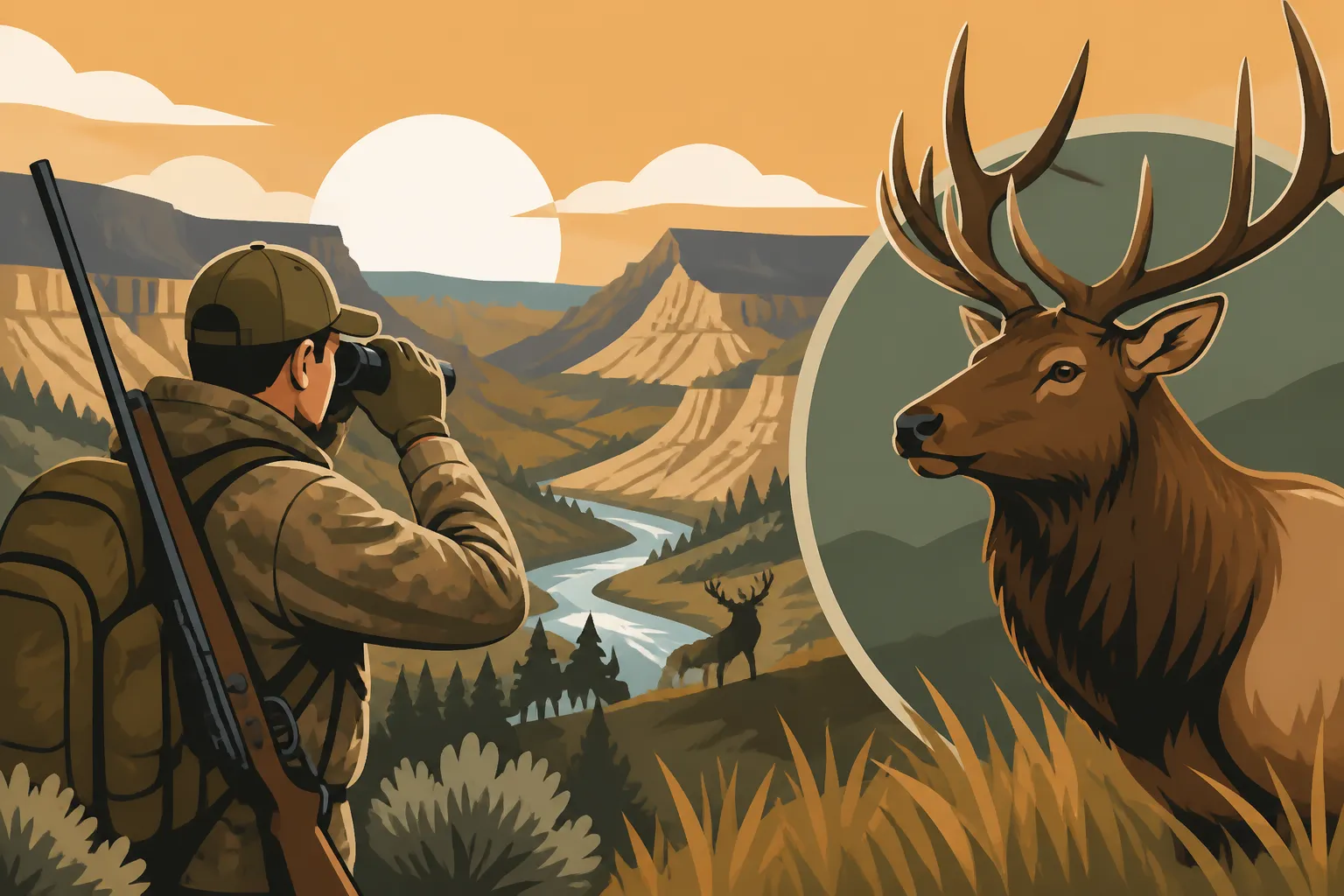
The Missouri Breaks are legendary for a reason. This vast, wild expanse of central Montana, carved by the mighty Missouri River, offers some of the most remote and challenging hunting experiences in the state. It's a land of deep coulees, towering bluffs, winding river bottoms, and expansive sagebrush flats, largely unchanged for centuries. While incredibly rewarding, it’s not a place to venture unprepared.
What Makes the Breaks So Unique for Hunters
Imagine miles of unbroken sagebrush flats giving way to dramatic breaks that plunge into the Missouri River. This isn't your typical timber hunting. The terrain here is often steep, broken, and lacks readily accessible roads. Water sources can be scarce away from the river, and the weather can swing wildly from scorching heat to bitter cold, sometimes all in the same day. For big game, particularly mule deer and elk, the Breaks offer excellent habitat, with plenty of cover in the deep draws and riverine areas, and abundant forage across the plateaus.
What really sets the Breaks apart is the sheer scale of the landscape and its relative remoteness. Cell service is often non-existent, and simply getting into certain areas requires specialized equipment, often a jet boat, or a substantial pack string. This isolation is a double-edged sword: it means less hunter pressure in many spots, but it also amplifies the challenge of navigation, game retrieval, and safety. A hunt here feels like stepping back in time, a true wilderness experience that tests your resolve and rewards your persistence. The opportunities for Montana Mule Deer Hunting or Montana Elk Hunting are exceptional, but accessing them effectively is key.
Why an Outfitter is Often Your Best Bet in the Breaks
For many, especially non-resident hunters or those without extensive experience in truly wild, untamed country, an outfitter in the Missouri Breaks isn't just a luxury—it's practically a necessity. These professionals possess generations of knowledge about the land, the wildlife patterns, and the logistics required to operate safely and successfully in such an unforgiving environment. They know the river, how to navigate its currents and shoals, and where the game prefers to hide out during different parts of the season.
Consider the challenge of packing out a mature bull elk or a heavy mule deer buck from the bottom of a steep, winding coulee miles from the nearest road. An outfitter brings the specialized equipment—be it horses, mules, or even a jet boat for river-based recovery—and the manpower to make such an undertaking feasible. They handle the camp setup, cooking, and daily logistics, allowing you to focus purely on the hunt. For many, the investment in a reputable outfitter pays dividends not just in potential success, but in safety, comfort, and the overall quality of the wilderness experience. Without local expertise, finding elk in thick timber or understanding How to Find Elk in Montana Dark Timber can be a huge hurdle.
Key Qualities of a Top-Tier Missouri Breaks Outfitter
Choosing the right outfitter in the Missouri Breaks is perhaps the most critical decision you'll make for your hunt. This isn't a place for shortcuts or inexperienced guides. You're looking for seasoned professionals who understand the nuances of this unique landscape and its wildlife.
Experience and Deep Local Knowledge
The best outfitters in the Missouri Breaks aren't just guides; they're historians of the land. They've spent decades, often a lifetime, learning its secrets. This includes knowing where the elk bed down when the wind shifts, which coulees hold big mule deer bucks during the rut, and where the antelope migrate during different weather patterns. They understand the intricacies of the thermals and winds that whip through the breaks and river bottoms, which are absolutely crucial for a successful stalk.
Furthermore, a top outfitter will have an intimate understanding of the specific hunting districts they operate in. They know the public land boundaries, any private land access agreements, and the subtle changes in game behavior that occur throughout the season. Their expertise extends beyond just finding animals; it includes knowing how to approach them in challenging terrain, how to interpret tracks and sign on varied ground, and how to adapt hunting strategies to unexpected weather or animal movement. When you're in a place as vast as the Breaks, local knowledge is your most valuable asset, transforming potential confusion into confident, targeted hunting. Being able to effectively How to E-Scout Montana Hunting Units is a skill, but nothing beats boots-on-the-ground knowledge.
Essential Logistics and Robust Equipment
Hunting the Missouri Breaks demands specialized logistics and reliable, heavy-duty equipment. Think about it: a hunt along the Missouri River might require a powerful jet boat capable of navigating shallow water and strong currents, ferrying hunters and gear deep into roadless sections of the river breaks. For interior hunts, a well-trained string of horses and mules is indispensable for packing in camps and packing out game from remote basins and ridges.
A high-quality outfitter will have a meticulously maintained fleet of boats or a healthy, experienced string of pack animals, along with all the necessary gear for comfortable and safe backcountry living. This includes durable wall tents, cooking equipment, robust game bags, and all the tools for field dressing and meat care in potentially warm early season conditions. The ability to safely and efficiently recover game from challenging terrain is paramount, especially when you've finally connected on that bull elk deep in a coulee. When researching outfitters, platforms like BookYourHunt can provide photos and details about the specific equipment used, giving you a clearer picture of their capabilities. The importance of having the right gear, from Best Backpack for a Montana Elk Hunt to reliable horses, cannot be overstated.
Reputation, Ethical Practices, and Safety Focus
Before you commit to a Missouri Breaks outfitter, dig deep into their reputation. A truly top-tier outfitter will have a long history of satisfied clients, which you can often verify through references, testimonials, and online reviews. But beyond client satisfaction, look for a strong commitment to ethical hunting practices and safety. The Breaks are remote, and things can go wrong quickly if proper precautions aren't in place.
An ethical outfitter prioritizes fair chase hunting, respects wildlife regulations, and ensures their guides are properly licensed and trained in first aid and backcountry safety. They operate with integrity, being transparent about their success rates (which can vary wildly depending on weather, game populations, and hunter skill), and setting realistic expectations for the hunt. Their focus should be on providing a memorable, safe, and legal hunting experience, not just punching a tag. You can often find detailed vetting resources on sites like GoHunt, which help evaluate an outfitter's track record and ensure they uphold the highest standards.
Types of Hunts and Services Offered in the Missouri Breaks
The Missouri Breaks offer a diverse hunting landscape, and consequently, outfitters here often provide a range of hunting styles to match the terrain, the game, and the hunter's preference and physical ability. Understanding these options is key to picking the right adventure for you.
Guided River Hunts: Exploring by Jet Boat
One of the most distinctive ways to hunt the Missouri Breaks is by utilizing the river itself. Guided river hunts typically involve using powerful jet boats to access remote stretches of the Upper Missouri River Breaks National Monument and surrounding public lands. This method allows hunters to cover significant distances efficiently, reaching areas that would be incredibly difficult or impossible to get to on foot or horseback. The boat serves as a comfortable base camp, ferrying hunters to various drop-off points each day to hike into the draws and bluffs overlooking the river.
This style of hunt is particularly effective for those targeting mule deer and elk that frequent the river bottom and the adjacent breaks, especially during cooler weather or when seeking water. It also offers a less physically demanding option for some, as the boat does much of the heavy lifting for transportation. Retrieving game near the river is also made significantly easier with a boat, saving hours of arduous packing. It's an immersive experience, combining the majesty of the river with the thrill of the hunt, and gives you a unique perspective on this wild country.
Traditional Backcountry Hunts: Horseback Pack-In Adventures
For the classic, immersive wilderness experience, many Missouri Breaks outfitters offer traditional horseback pack-in hunts. This is where you truly leave civilization behind, venturing deep into the backcountry on horseback, often several days' ride from the nearest road. These hunts typically involve setting up comfortable, full-service wall tent camps in strategic, remote locations known for holding game. The horses and mules not only transport you and your gear but are indispensable for packing out heavy game from difficult terrain.
These types of hunts are physically demanding, requiring hunters to be in good shape to ride for hours and then hike steeply once off the horse. However, the rewards are immense: unparalleled solitude, stunning scenery, and access to areas that rarely see human pressure. This is the quintessential Montana Backcountry Hunting Guide experience, offering a chance to connect with the land in a profound way, chasing animals like elk and mule deer in their natural, undisturbed habitat. If you're looking for that raw, wild Montana adventure, a horseback pack-in hunt in the Breaks delivers. Planning for such a trip involves considering How to Prepare for High-Country Montana Hunting and a solid Montana Elk Hunt Fitness Plan.
Drop Camps and DIY Support: For the Independent Hunter
For hunters who want a taste of the Breaks' remoteness but prefer to do their own hunting, some outfitters offer drop camp services or other DIY support. A drop camp involves the outfitter packing you and your gear (including food and supplies for the duration of your hunt) into a remote location, setting up a basic camp, and then leaving you to hunt independently. They then return on a pre-determined date to pack you and your game out. This can be a more budget-friendly option than a fully guided hunt, while still providing critical logistical support in challenging terrain.
Another form of DIY support might involve transport only—such as a jet boat ride to a specific point on the river, or a single pack-in with a few mules, where you set up your own spike camp. These services are perfect for experienced backcountry hunters who are confident in their navigation, hunting, and game recovery skills, but lack the specialized equipment or local knowledge to safely access and operate in the Breaks on their own. It's a fantastic way to experience the wilderness on your own terms, with a critical safety net provided by the outfitter. This bridges the gap between a fully guided trip and a completely Montana DIY Elk Hunting Guide.
Species-Specific Focus: Elk, Mule Deer, and Antelope
While many outfitters in the Missouri Breaks offer hunts for multiple species, some specialize, or excel, in particular animals. The Breaks are renowned for their healthy populations of both elk and mule deer, often allowing for "combo" hunts where a hunter can pursue both if they hold the appropriate tags. Additionally, the expansive, rolling prairies and plateaus adjacent to the breaks are prime habitat for pronghorn antelope.
Outfitters who focus on elk might be experts in How to Call Elk in Montana or understand Montana Elk Rut Explained. Those specializing in mule deer will know the best glassing points for How to Glass for Montana Mule Deer and track their seasonal movements. Antelope outfitters will often know the water sources or traditional bedding areas on the plains, and how to effectively How to Decoy Antelope in Montana. When choosing an outfitter, consider what species you are most passionate about and inquire about their specific expertise and success rates for that animal.
| Hunt Type | Primary Access Method | Typical Physical Demand | Ideal Hunter Profile | Key Benefits |
|---|---|---|---|---|
| Guided River Hunt | Jet Boat | Moderate to High | Seeks unique access; enjoys river travel; targets river-adjacent game | Access to remote river breaks; easier game recovery; unique experience |
| Traditional Backcountry | Horseback, Foot | High | Experienced backcountry; loves solitude; physically fit; classic wilderness feel | Deep wilderness access; minimal pressure; authentic experience |
| Drop Camp (DIY Support) | Horseback, Jet Boat | Moderate to High | Independent hunter; experienced; wants logistical support without full guide | Cost-effective remote access; hunt on your own terms |
Asking the Right Questions and Booking Your Adventure
Booking an outfitter for a Missouri Breaks hunt is a significant investment in time, money, and anticipation. To ensure you find the best fit and avoid any unwelcome surprises, it's crucial to ask thorough questions and understand all the details before you commit.
What to Ask Potential Outfitters
When you connect with an outfitter, think of it as an interview. You're not just buying a service; you're entrusting them with your hunting experience and safety. Here are some critical questions to ask:
- Success Rates and Opportunities: Ask not just about harvest rates, but opportunity rates. How many shot opportunities do hunters typically get? Are these realistic expectations for your physical condition and hunting style? Be wary of outfitters who promise 100% success; hunting is unpredictable.
- Guide-to-Hunter Ratio: What's the typical ratio? For a truly personalized experience, a 1:1 or 1:2 guide-to-hunter ratio is ideal, especially in complex terrain.
- Physical Demands: Be honest about your fitness level and ask if the hunt aligns with it. Will you be hiking steep inclines all day, or hunting from a blind? Understanding the Montana Elk Hunt Fitness Plan is essential before you commit.
- Accommodations and Food: What kind of camp can you expect (wall tent, cabin, lodge)? What are the sleeping arrangements? What kind of meals are provided, and can they accommodate dietary restrictions?
- Game Care and Recovery: Who handles field dressing? How is meat transported back to camp and then to a processor? Is meat processing and taxidermy included or arranged, and what are the associated costs? How to Quarter an Elk in the Montana Backcountry is a skill you might need to know.
- References: Always ask for a list of recent clients you can contact. Speaking with past hunters will give you invaluable insight into the outfitter's operation, the quality of the guides, and the overall experience.
- Contingency Plans: What happens if there's severe weather, an injury, or an unexpected mechanical breakdown? How do they handle early exits or tag-outs?
- Weapon Specialization: Do they cater more to rifle hunters (Montana Rifle Elk Hunting Guide) or archery hunters (Montana Archery Elk Hunting Guide)? Some guides have more experience with one over the other.
Sites like GoHunt often have comprehensive checklists for vetting outfitters, which can be an excellent resource to ensure you cover all your bases.
Understanding Costs, Inclusions, and Exclusions
Outfitter costs can vary significantly, and it's vital to understand what your payment covers. Don't be shy about asking for a detailed breakdown. Typical inclusions might be guiding services, meals, lodging, and in-field transportation (horses, boats). Exclusions often include your hunting license and tags (which you'll need to draw or purchase separately, like a Montana Nonresident Combination License Guide), transportation to the meeting point, meat processing, taxidermy, personal gear, and gratuities for the guides and camp staff.
Be clear about deposit requirements, payment schedules, and cancellation policies. Many outfitters require a non-refundable deposit far in advance, especially for highly sought-after dates. Insurance for your trip, including cancellation and evacuation coverage, is highly recommended when hunting remote areas like the Missouri Breaks. Remember that the cost is not just for the hunt itself, but for the expertise, logistics, and safety net an experienced outfitter provides in one of Montana's wildest landscapes.
Timing Your Hunt and Application Deadlines
The timing of your hunt in the Missouri Breaks will greatly influence the species you pursue and the conditions you encounter. Archery season for elk and deer typically runs from early September through mid-October, often coinciding with the elk rut. Rifle season usually starts in late October and extends through Thanksgiving weekend. Antelope season generally begins in early October. Each period offers different challenges and opportunities.
For most big game hunts in Montana, especially for elk and deer, non-residents will need to apply for licenses and tags through a draw system. Understanding the Montana Big Game Draw Deadlines is paramount, as is knowing how Montana Preference Points vs Bonus Points work if you plan on hunting Montana multiple years. Many top outfitters book years in advance, so once you've chosen one, confirm your desired hunt dates and ensure you are aware of all application deadlines to secure your tags. Missing a deadline could mean missing your hunt entirely!
Disclaimer
This article is for general informational purposes only and does not constitute professional advice. Laws, prices and regulations vary by location and change over time. Consult a qualified professional for guidance on your specific situation.