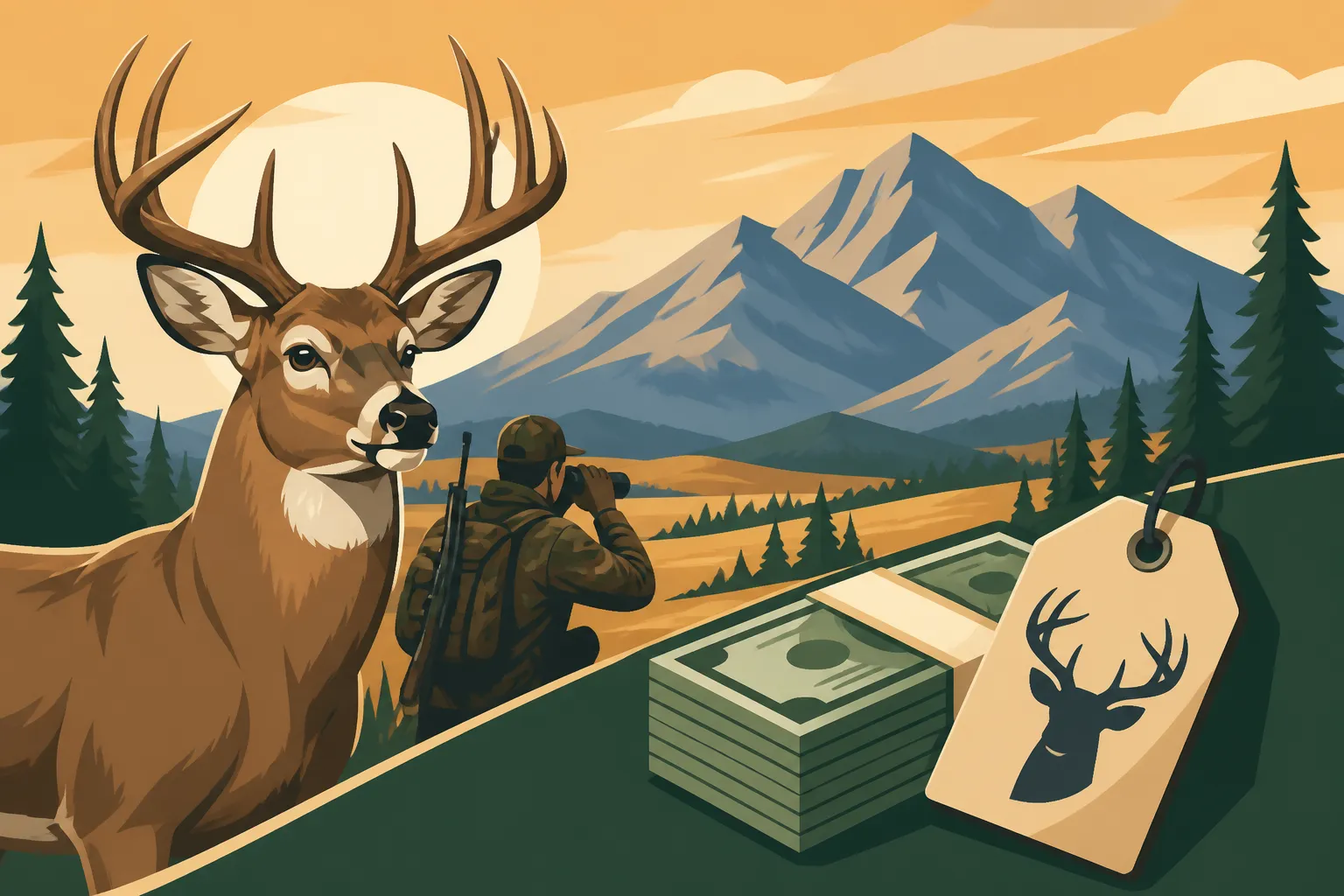
Montana Guided Whitetail Hunt Cost
Dreaming of a Montana whitetail hunt is easy, but then reality hits: how much is this adventure actually going to set you back? It's a question that can quickly turn excitement into anxiety, especially for those considering a guided experience. This guide is here to unravel the complexities of guided whitetail hunt costs in Montana, helping you understand where your money goes and how to budget for the incredible trip of a lifetime.
Understanding the Core Components of a Guided Whitetail Hunt Cost
When you start looking into a guided whitetail hunt in Montana, it’s not just one big lump sum you’re paying for. Instead, it’s an intricate tapestry of services, access, and expertise, all bundled together. Breaking it down helps you see the value in each piece and understand why costs vary so wildly from one outfitter to the next. It’s not about finding the cheapest option, but the one that aligns with your expectations and budget.
The Base Package: What's Usually Included
Most reputable outfitters offer what’s called a "base package," which forms the foundation of your guided hunt. This typically covers the essentials that allow you to focus purely on the hunt itself, rather than worrying about the logistics of surviving in the Montana wilderness.
First and foremost, you're paying for guide services. This isn't just someone to point you in the right direction; it's a seasoned professional who knows the land, understands whitetail behavior, can interpret tracks and signs, and will work tirelessly to get you an opportunity. They often scout extensively before your arrival, putting in countless hours to find where the deer are moving and bedding. Their expertise is invaluable, especially in a vast and varied landscape like Montana's, where whitetails can be elusive. Depending on the outfitter, this might be a 1-on-1 guide-to-hunter ratio, or perhaps 2-on-1, which can influence the cost.
Lodging is another significant component. This can range from rustic wall tents in a remote camp, providing a truly immersive backcountry experience, to comfortable lodges with modern amenities. Some outfitters operate out of rented houses or even local motels if they're hunting areas closer to civilization. The level of comfort and remoteness directly impacts the price. A cozy cabin with hot showers and a chef will naturally cost more than a primitive camp where you're roughing it.
Then there are meals. Most guided hunts are all-inclusive regarding food. You can expect hearty breakfasts to fuel your mornings, packed lunches for the field, and delicious dinners to recount the day's adventures. Again, the quality and type of meals can vary; some outfitters pride themselves on gourmet cooking, while others focus on simple, satisfying camp fare. Dietary restrictions can often be accommodated, but it's crucial to discuss these well in advance.
Finally, transportation during the hunt is usually part of the package. This means getting you from the lodge or camp to the hunting areas, whether that's by truck, ATV, side-by-side, or even horseback in more rugged terrain. It doesn't typically include your travel to and from Montana, but once you're with the outfitter, they handle getting you around the hunting grounds. Remember to clarify what "transportation" means for your specific hunt, especially if you have mobility concerns.
Variables That Significantly Impact Price
Once you understand the basic inclusions, it's time to dig into the factors that cause the actual price tag to fluctuate. These variables are what distinguish one guided whitetail hunt from another and why you’ll see a broad spectrum of costs.
Hunt Duration is perhaps the most obvious variable. A standard guided hunt usually runs for 5-7 days of actual hunting, not including travel days. Shorter 3-day hunts might be available, often at a reduced rate, while longer expeditions will naturally cost more. More days in the field mean more expenses for the outfitter in terms of guide wages, food, fuel, and lodging.
The number of hunters in your party also plays a role. Often, if you book as a pair (2-on-1 guide ratio) or a small group, the per-person cost might be slightly lower than if you demand a dedicated 1-on-1 guide service. Sharing the guide's time and resources can provide a slight discount, but make sure your hunting styles align if you're sharing a guide.
The focus of the hunt matters. Are you simply looking for a quality deer to put meat in the freezer, or are you chasing a record-book whitetail? Outfitters catering to trophy hunters often have prime private land leases or access to areas known for producing larger bucks. These specialized hunts, with their higher success rates on bigger animals, command a premium due to the exclusive access and intensive management often involved.
Time of year is a huge factor for whitetail. Hunting during the peak of the rut (typically mid-November in Montana) is often the most sought-after and expensive period. Demand is high because deer are more active and vulnerable, increasing success rates for mature bucks. Early archery season or late-season hunts might be less expensive due to lower demand or different hunting conditions. Understanding Montana Whitetail Deer Season Dates and Tags can help you time your hunt for both opportunity and budget.
Finally, the specific hunting district and type of land access impact cost. Some districts are known for their trophy potential or abundant deer, making them more desirable. Hunting private land often comes at a higher cost than hunting public land, as outfitters pay substantial leasing fees to landowners for exclusive access and often for managing the deer herd. However, private land typically offers higher deer densities and less hunter pressure, which can make for a more relaxed and successful hunt.
Licensing and Tag Fees for Whitetail
Beyond the outfitter's package, you absolutely cannot forget the cost of your Montana hunting licenses and tags. For nonresidents, these costs are substantial and must be factored into your overall budget. Many a hunter has forgotten to include these until it’s too late, leading to a nasty surprise.
First, you'll need a base hunting license just to participate in any hunting activity in Montana. This is a foundational fee. Then, you'll need a specific deer license, which for nonresidents is often part of a combination license package. The most common route for nonresidents to hunt deer in Montana is through the Nonresident Big Game Combination License or the Nonresident Deer Combination License. These combo licenses often include your Conservation License and the AIS Prevention Pass, which are mandatory fees.
The nonresident combination license draw system can be complex. You apply for these licenses well in advance, and drawing one isn't guaranteed, especially for the coveted deer/elk combo. Understanding Montana Nonresident License Draw Explained and Montana Hunting License Costs is paramount. These licenses can represent a significant portion of your total investment, sometimes thousands of dollars, depending on the specific combination you're applying for.
For whitetail specifically, you'll apply for a general deer tag or sometimes a limited-entry permit if you're targeting a specific, high-demand district. The general deer tag allows you to hunt most units, but it's crucial to confirm the regulations for your chosen hunting district. Sometimes, landowners will have sponsored tags available through outfitters, which can guarantee you a tag but often add to the overall hunt cost. Always verify exactly what type of tag you need for your chosen hunt and factor in the application fees and the actual tag cost when you draw.
Beyond the Base: Hidden Costs and Budget Considerations
Many first-time guided hunters make the mistake of only budgeting for the outfitter's fee and the license. However, a successful and comfortable hunt involves several other expenses that can quickly add up. Overlooking these can lead to financial stress during what should be an enjoyable experience.
Travel, Logistics, and Pre-Hunt Expenses
Getting to Montana and being prepared for the elements involves a fair bit of planning and spending. Your outfitter typically doesn't cover these costs, so they fall squarely on your shoulders.
Travel to and from Montana is a big one. This includes airfare if you're flying in, or the cost of gas, vehicle maintenance, and potentially overnight stays if you're driving a long distance. If you're flying, you'll also need to consider the cost of baggage fees for your rifle case or bow, hunting gear, and potentially cooler space for meat. Renting a vehicle once you land in Montana is often necessary if the outfitter doesn't offer airport pickup or if you plan to do any sightseeing or independent travel before or after your hunt.
Pre-hunt gear purchases can be significant. While you might have core hunting gear, a Montana whitetail hunt often requires specialized items due to the terrain and weather. This could include high-quality layered clothing suitable for fluctuating temperatures, durable hiking boots that are broken in, a reliable backpack, and optics like binoculars or a spotting scope. If you're a new hunter, or if your existing gear isn't up to snuff for Western hunting, these costs can easily reach hundreds or even thousands of dollars. You'll want to review a Montana Guided Hunt Packing List to get a clear idea of what you might need.
Don't forget the logistical costs after the hunt, especially if you're successful. If you harvest a whitetail, you'll need to consider meat processing and shipping. Most outfitters can direct you to local processors, but the processing fee itself is your responsibility. If you want to take your meat home, you'll either need to drive it in coolers or pay for specialized shipping, which can be expensive for frozen meat. The same goes for taxidermy; if you're getting a mount, there's the cost of the taxidermist and then shipping the finished mount back to your home. These are often forgotten but necessary expenses.
Gratuities and Other Incidentals
This is one of the most frequently underestimated costs, yet it's an absolutely essential part of the guided hunt experience. Showing appreciation for the hard work of your guide and camp staff is customary and expected.
Guide gratuities are a significant expense. Your guide spends long, arduous hours with you in the field, working tirelessly to make your hunt a success. They are your teachers, companions, and laborers. The standard tipping rate for a hunting guide is typically 10-20% of the hunt's base cost, depending on their performance and your satisfaction. For example, if your hunt cost a certain amount, a good tip could be a significant additional expense. Always budget for this generously. It's best to bring cash for tips, as digital payment options might not always be available in remote areas. For more details on this, look into Tipping a Montana Hunting Guide.
Beyond the guide, remember the camp staff. This can include cooks, camp jacks, and anyone else who makes your experience comfortable and seamless. They often work behind the scenes, ensuring you have warm meals, a clean camp, and comfortable lodging. A smaller, separate tip for these individuals, or a communal tip for the camp, is a thoughtful gesture.
Finally, consider incidentals and personal expenses. This category covers everything from alcoholic beverages (if allowed and desired) not included in the package, to snacks for the field, souvenirs, or any unexpected items you might need to purchase in a local town. Having a small emergency fund set aside for these "just in case" situations is always a good idea. You might also want to buy a hunting magazine or two at the local store, or grab a coffee at a diner to soak in the local atmosphere. These little things add up.
The Value of Preparation: Physical and Mental
While not a direct monetary cost in the same way as tags or guide fees, investing in your physical and mental preparation is crucial for getting the most out of your guided whitetail hunt, and thus, maximizing the value of your financial investment.
Montana hunting, even for whitetail in more accessible areas like river bottoms or agricultural lands, can be physically demanding. Long days in varied terrain, potentially in adverse weather, require a certain level of fitness. If you arrive out of shape, you'll struggle to keep up, limiting your hunting opportunities and potentially leading to discomfort or injury. Committing to a Montana Elk Hunt Fitness Plan (even if it's for whitetail, the principles apply) or a regular exercise routine beforehand is an investment in your success and enjoyment. This ensures you can walk the distances, climb the hills, and endure the elements without feeling completely drained, letting you stay focused on the hunt.
Mentally, preparing for the hunt means understanding the realities of hunting. It's not always easy, and success is never guaranteed. There will be slow days, cold days, and frustrating moments. Having a positive attitude, patience, and realistic expectations will greatly enhance your experience, regardless of whether you punch your tag. The mental toughness to stick with it, even when conditions are tough, can be the difference between success and going home empty-handed. Remember, the experience of being in Montana's wild places, learning from your guide, and immersing yourself in nature is a significant part of the value, beyond just harvesting an animal.
How to Navigate and Potentially Reduce Guided Whitetail Hunt Costs
While a guided hunt is an investment, there are smart ways to approach the process to ensure you’re getting good value for your money and potentially finding options that fit a tighter budget. It’s all about doing your homework and asking the right questions.
Researching and Comparing Outfitters
Choosing an outfitter isn't like picking a hotel; it's a much more personal and impactful decision that dictates the quality of your entire experience. Thorough research is your best friend here.
Start by compiling a list of potential outfitters specializing in Montana Whitetail Deer Hunting Guide. Don't just look at their websites; dive deep into their reputation. Read reviews on platforms like BookYourHunt, which provides verified reviews from past clients. Pay attention to what people say about guide professionalism, success rates, quality of accommodations, and overall experience. Look for consistent positive feedback.
Once you have a shortlist, contact each outfitter directly. This is your chance to ask all your questions. Inquire about their typical hunt structure, guide-to-hunter ratios, what's included and not included in their pricing, and their success rates over the past few seasons. Ask for references from recent clients—and make sure you actually call them! Speaking to previous hunters can give you invaluable insights into the outfitter's operations and integrity. A good outfitter will be transparent and happy to provide this information.
Consider exploring different types of guided experiences. While fully guided hunts are popular, some outfitters offer semi-guided options. In a semi-guided hunt, the outfitter might provide lodging, meals, and advice on hunting areas, but you do the actual hunting (spotting, stalking, calling) yourself. This can be a more budget-friendly option for experienced hunters who want some support but prefer more independence. However, for a first-time Montana whitetail hunter, a fully guided experience often offers the best chance of success and the most comprehensive learning opportunity. For more on this, you might explore How to Choose a Montana Hunting Outfitter.
Timing Your Hunt and Booking Strategies
Smart timing and booking can make a difference in cost and availability. Outfitters book up fast, especially for prime dates.
As mentioned earlier, hunting during the peak rut is the most expensive and competitive time for whitetail. If your primary goal is to simply harvest a whitetail and experience Montana hunting, rather than specifically chasing a monster buck during the rut, consider booking during the early archery season or the late general rifle season. These periods might see slightly lower demand and potentially lower prices, though they come with different hunting challenges and opportunities. For instance, early archery might offer more comfortable weather but denser foliage, while late rifle season could mean colder temperatures but deer concentrated on wintering grounds.
Booking well in advance is almost always beneficial. The most sought-after outfitters and dates often sell out a year or more in advance. Booking early allows you to lock in pricing and secure your preferred dates. While "last-minute deals" exist, they are rare for quality Montana whitetail hunts and often come with limited options for dates or areas. Use resources like GoHunt to research potential units and understand season timings before committing. Their platforms can provide data on draw odds and unit information that might influence your booking decisions.
Finally, consider the flexibility of your group size. If you're a solo hunter, you might have fewer options or pay a premium. If you can gather a small group of friends, you might be able to negotiate a slightly better group rate or secure a more exclusive camp experience. A well-prepared and flexible hunting party often finds the best opportunities.
DIY vs. Guided: A Cost Comparison Perspective
For many, the question boils down to guided versus DIY (Do-It-Yourself) hunting. While a guided hunt certainly carries a higher upfront cost, it's important to understand what that cost replaces when considering a DIY trip.
A DIY whitetail hunt in Montana, especially for nonresidents, requires a significant investment of time and research. You'd need to handle all your e-scouting, map reading, physical scouting (if possible), camp setup, cooking, transportation, and game retrieval yourself. You'd also need to own or rent all your camping gear, cooking equipment, and potentially specialized vehicles. While the cash outlay for an outfitter is gone, you're replacing it with your own labor, equipment, and risk. For a detailed look at public land hunting, check out Montana Public Land Hunting Guide.
Consider the following table comparing aspects of guided vs. DIY:
| Feature | Guided Hunt (Whitetail) | DIY Hunt (Whitetail) |
|---|---|---|
| Experience Level | Excellent for beginners, first-timers in Montana, or those seeking high comfort. | Requires significant experience, self-reliance, and advanced planning skills. |
| Upfront Cash Cost | Higher (outfitter fees, licenses, tips) | Lower (licenses, travel, personal gear, processing) |
| Time Investment | Less (outfitter handles logistics, scouting) | High (extensive e-scouting, physical scouting, planning, logistics) |
| Success Rate | Generally higher (expert guides, private land access, dedicated effort) | Varies widely, often lower for first-timers in unfamiliar territory, higher for experienced hunters. |
| Physical Demands | Can be demanding, but supported by guide and resources | Often very demanding, full responsibility for self and game retrieval. |
| Gear & Equipment | Mostly personal hunting gear, outfitter provides camp/transport | All personal gear, camping gear, cooking, potentially specialized vehicles. |
| Land Access | Often private land, less pressure; public land options | Primarily public land (National Forests, BLM, Block Management) |
| Logistical Stress | Minimal (outfitter handles most planning) | High (everything from food to emergency plans is on you) |
| Learning Opportunity | Incredible opportunity to learn from seasoned professionals | Learn through trial and error, self-discovery in the field. |
For many, especially those traveling a long distance to Montana, the value of an outfitter’s local knowledge, guaranteed access (especially to private land for whitetails), and the sheer convenience of having everything handled makes the guided cost well worth it. It’s an investment in a high-quality experience and a greater chance of success, allowing you to focus on the thrill of the hunt rather than the headaches of logistics. Exploring Montana Guided Whitetail Deer Hunt: What to Expect can give you a clearer picture.
Ultimately, a guided whitetail hunt in Montana is more than just a hunting trip; it's an immersive experience in Big Sky Country, a chance to chase a magnificent animal, and an opportunity to connect with nature and skilled professionals. While the costs may seem steep, understanding each component and planning meticulously can make this dream a reality. By factoring in all the expenses – from licenses and outfitter fees to travel, gear, and gratuities – you can budget effectively and set yourself up for an unforgettable adventure.
Disclaimer
This article is for general informational purposes only and does not constitute professional advice. Laws, prices and regulations vary by location and change over time. Consult a qualified professional for guidance on your specific situation.