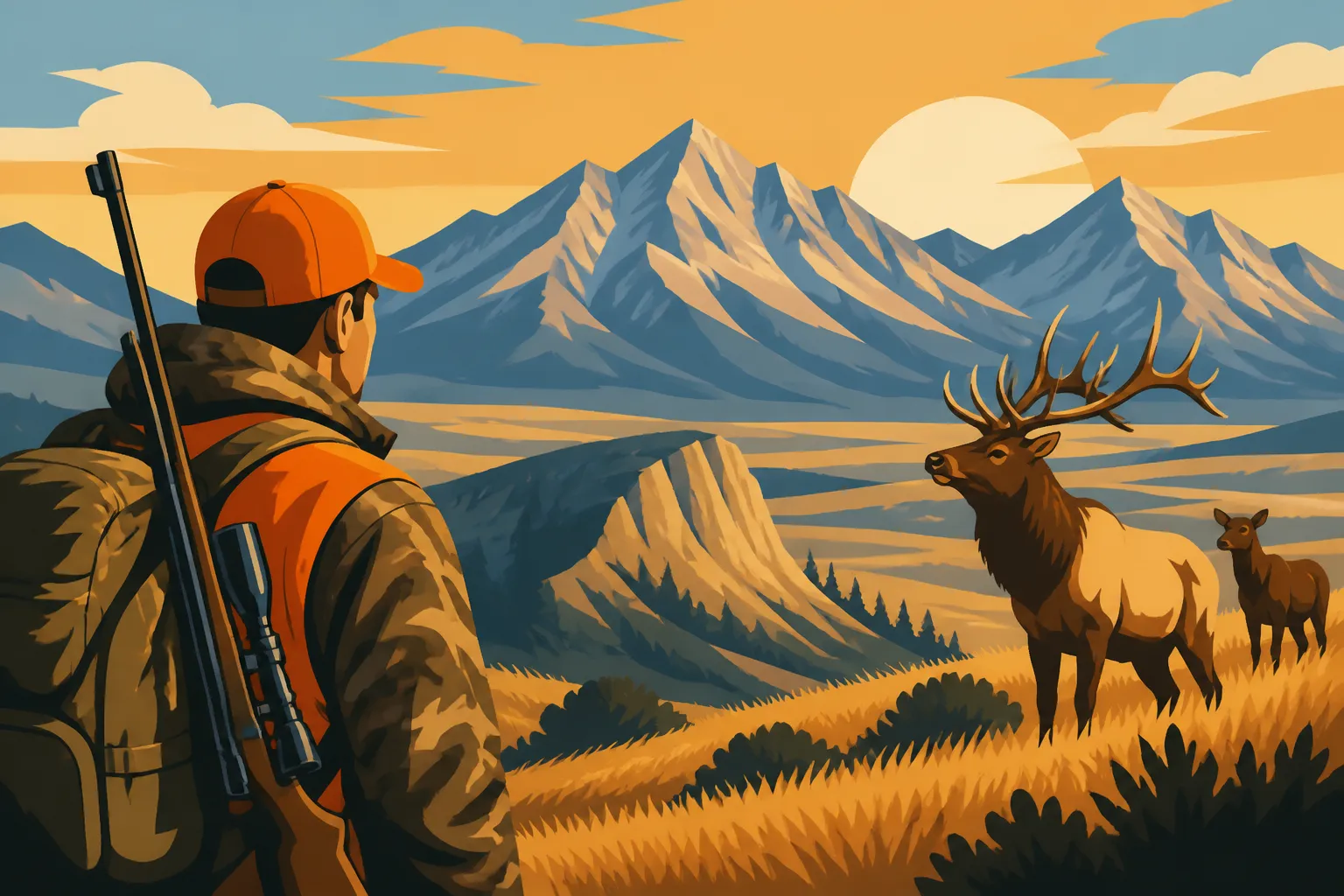
Best Montana Outfitters on the Rocky Mountain Front
Planning a hunt on Montana's iconic Rocky Mountain Front can feel like navigating a maze, especially when you're trying to figure out which outfitter is truly going to deliver the experience of a lifetime. It’s a vast, wild, and incredibly demanding landscape, and choosing the right guide is absolutely paramount to your success and enjoyment. This guide will walk you through what makes the Rocky Mountain Front such a unique hunting destination and how to identify the best outfitters equipped to help you conquer its challenges and achieve your hunting dreams.
The Rocky Mountain Front: A Unique Hunting Arena
The Rocky Mountain Front, where the prairie meets the majestic Rockies, isn't just a geographical boundary; it's a dynamic, untamed hunting ground that demands respect and a specific kind of expertise. This is big country, known for its dramatic elevation changes, unpredictable weather, and some of the most challenging, yet rewarding, hunting opportunities in Montana. It's a place where the landscape itself is a character in your hunting story, often throwing curveballs you wouldn't find in gentler terrains.
The Landscape and Its Challenges
Imagine towering peaks giving way to rolling foothills, intersected by deep canyons and thick timber stands. That's the Rocky Mountain Front. It's a land shaped by ancient glaciers and fierce winds, creating a mosaic of habitats perfect for big game, but also incredibly tough on hunters. You'll encounter everything from dense lodgepole pines and dark timber pockets to exposed rock slides, expansive alpine basins, and windswept plains. This diverse terrain means an outfitter needs to be intimately familiar with how game animals use each feature throughout the season.
The weather here is famously fickle. A warm, sunny morning can quickly devolve into a blizzard, even in early fall. Hunters must be prepared for extreme temperature swings, high winds that can cut through layers, and sudden dumps of snow. This isn't just about comfort; it's about safety. An outfitter's experience with these conditions, and their ability to keep clients safe and productive, is non-negotiable. Furthermore, accessibility can be a major hurdle. Many prime areas are roadless, requiring horseback travel or extensive foot-slogging. Montana Backcountry Hunting Guide goes into more detail about these demanding conditions.
Primary Game Species on the Front
While the Rocky Mountain Front holds a variety of species, it's primarily renowned for its elk and mule deer. These animals thrive in the diverse habitats, from the timbered slopes to the open ridges.
- Elk: Bulls here can grow impressive antlers, and the wilderness character of much of the Front means they often behave less predictably than in more pressured areas. Hunting elk often involves extensive glassing, covering vast distances, and being prepared for close-quarters encounters in the timber. It's a fantastic area for archery hunters looking to chase bugles in the early season, or rifle hunters prepared for the challenges of Montana Rifle Elk Hunting Guide.
- Mule Deer: The Front offers some fantastic opportunities for mature mule deer bucks, especially in the more rugged, less accessible areas. They often inhabit higher elevations during the early season and will drop down as snow pushes them. Spot-and-stalk tactics are very effective here, demanding keen eyesight and stealthy movement.
- Black Bear and Mountain Lion: These predators also call the Front home, offering additional hunting opportunities, often as add-ons to deer or elk hunts, or as dedicated spring bear hunts. Finding a knowledgeable guide for these species can be particularly beneficial due to their elusive nature.
Understanding the unique characteristics of each species and how they interact with this specific environment is crucial, and a top-tier outfitter will possess this deep ecological knowledge.
What Makes an Outfitter "Best" for the Rocky Mountain Front?
When you’re dreaming of a successful hunt on the Rocky Mountain Front, "best" isn't just about drawing a tag; it's about the entire experience, from safety to ethics to the sheer joy of the chase. Given the inherent difficulties of the terrain and weather, a top-tier outfitter in this region stands out not just for their ability to find game, but for their comprehensive approach to a wilderness adventure.
Experience with the Terrain and Weather
This is perhaps the single most critical factor. The Front isn't a place for someone still learning the ropes. An experienced outfitter will have spent countless seasons exploring drainages, understanding animal migration patterns through different weather events, and knowing where to go when the snow flies or the wind howls. They’ll know the subtle nuances of thermals in particular canyons and how the elk react to different pressure points.
Think of it this way: a good outfitter can take you hunting, but the best outfitter can teach you to hunt the Front. They understand the subtle changes in elk behavior before a storm, or where a heavy-antlered mule deer buck might bed to escape midday sun. Their horses will be mountain-savvy, accustomed to steep trails and river crossings. They’ll have contingency plans for everything from a sudden whiteout to a lost horse. Their years on the Front mean they anticipate issues before they become problems, allowing you to focus on the hunt itself.
Guiding Style and Client Support
Different hunters have different expectations and capabilities. Some want a full-service, pampered experience, while others prefer a more hands-on, physically demanding hunt. The "best" outfitter will offer a guiding style that matches your aspirations and fitness level. Do they run small, intimate camps, or larger operations? Are their guides patient teachers or more hands-off?
- Communication: Stellar communication before, during, and after the hunt is a hallmark of a great outfitter. They should be transparent about expectations, physical demands, and potential challenges.
- Safety Protocols: Given the remote and rugged nature of the Front, stringent safety protocols are essential. This includes first aid training, emergency communication devices, and well-maintained equipment.
- Ethical Practices: A reputable outfitter will always prioritize fair chase, sustainable harvest, and adherence to all Montana Hunting Seasons Explained. They will emphasize leaving no trace and respecting the land and wildlife.
- Adaptability: The Front throws curveballs. The best guides can adapt to changing weather, game movement, or client needs without missing a beat, ensuring the hunt remains safe and productive.
Licensing, Safety, and Reputation
Before you even consider booking, verify the outfitter’s credentials. Montana has strict licensing requirements for outfitters and guides. This ensures they meet certain professional standards and are insured. You can typically check an outfitter's licensing status through the Montana Board of Outfitters website. Never overlook this critical step.
Reputation is built on consistent performance and happy clients. Look for outfitters with a long track record of ethical practices and positive testimonials. Websites like BookYourHunt or forums on GoHunt often host reviews and discussions where you can gauge an outfitter's standing within the hunting community. Don't be shy about asking for references—and actually call them. Ask specific questions about guide professionalism, camp conditions, and how challenges were handled. A good outfitter will be proud to share their client testimonials.
Planning Your Guided Rocky Mountain Front Adventure
Once you've zeroed in on the qualities of a great outfitter, the next step is to translate that into a concrete plan for your hunt. This involves understanding the different types of experiences available, knowing what questions to ask, and lining up your preparation to ensure you’re ready when opening day arrives.
Types of Hunts Offered
The Rocky Mountain Front offers a spectrum of guided experiences, each suited to different preferences and budgets.
- Horseback Hunts: These are iconic on the Front. Many of the most productive areas are deep in the wilderness or require significant travel over rough terrain. An outfitter with a string of reliable, mountain-savvy horses can get you into country that would be nearly impossible to reach on foot. This often involves pack-in camps, which might be spike camps or more established wall tent setups. How to Hunt Montana with Horses delves into this experience.
- Wilderness Hunts/Drop Camps: For the hunter who wants a true backcountry experience but doesn’t own horses or extensive gear, drop camps are a fantastic option. The outfitter packs you and your gear into a remote location, sets up a basic camp, and then leaves you to hunt on your own. They return at a predetermined time to pack you and your game out. This offers significant independence but still leverages the outfitter's knowledge of remote access. Full-service wilderness hunts, on the other hand, include a guide, cook, and often a more comfortable camp setup. These are ideal for those who want to focus solely on hunting. Montana Backcountry Hunting Guide provides a good overview of this challenging but rewarding style.
- Ranch Hunts/Private Land Access: While the Front is famous for public land, some outfitters might have access to private land bordering the wilderness. These hunts can sometimes offer different dynamics, potentially with less pressure, but the core challenge of the terrain often remains similar to public land hunts.
- Archery vs. Rifle Hunts: Outfitters will specialize in one or both. Archery hunts often take place earlier in the season, capitalizing on the elk rut, while rifle hunts typically align with Montana's general season. Your weapon choice will heavily influence the best time to hunt and the outfitter's specific expertise. Montana Archery Elk Hunting Guide and Montana Rifle Elk Hunting Guide offer more insights into these methods.
Essential Questions for Potential Outfitters
Don't be shy; this is a significant investment of time and money. A good outfitter wants you to ask questions. Here’s a table of crucial inquiries:
| Category | Key Questions to Ask | Why It Matters |
|---|---|---|
| Experience | How long have you operated on the Rocky Mountain Front? | Local knowledge is paramount in this challenging terrain. |
| What species do you primarily guide for here? | Ensures their expertise aligns with your target game. | |
| What's your success rate (harvest & opportunity) in this area? | Provides a realistic expectation, but remember, hunting is never a guarantee. | |
| Logistics | What's a typical daily schedule during the hunt? | Helps you understand the effort involved and plan your physical preparation. |
| What's the average travel time to hunting areas from camp? | Impacts hunt time and energy expenditure. | |
| What type of accommodations and food can I expect? | Sets expectations for comfort and dietary needs. | |
| How do you handle meat and trophy care in the field? | Crucial for preserving your harvest, especially in remote areas. | |
| What is your emergency plan? | Demonstrates preparedness for the inherent risks of wilderness hunting. | |
| Costs | What is included in the hunt price? (Tags, licenses, food, lodging, caping, etc.) | Prevents hidden costs and ensures clarity on your budget. |
| Are there any additional fees (e.g., trophy fees, fuel surcharges)? | Important for total cost calculation. | |
| What is your cancellation/refund policy? | Protects your investment in unforeseen circumstances. | |
| References | Can you provide 3-5 recent references? | Allows you to speak directly with past clients about their experiences. |
When you're comparing outfitters, having a clear set of questions will help you evaluate apples to apples. This is where platforms like GoHunt can be invaluable for gathering initial information and comparing services.
Booking and Preparation Timeline
Booking a quality Rocky Mountain Front outfitter often requires planning far in advance, sometimes a year or more, especially for prime dates.
- Research (12-18 months out): Start digging into outfitters. Look at their websites, read reviews on BookYourHunt, and talk to other hunters. Get a feel for who aligns with your hunting style and goals.
- Contact & Interview (10-14 months out): Reach out to a few top contenders. Have your list of questions ready. Be honest about your experience level and physical fitness.
- Secure Your Spot (9-12 months out): Once you choose an outfitter, you’ll typically need to place a deposit to reserve your dates. Ensure you understand their contract and cancellation policy.
- License Application (Spring of hunt year): Montana's non-resident draw deadlines are usually in March. Your outfitter can advise on hunt codes and strategy. Montana Nonresident License Draw Explained details this complex process.
- Physical Preparation (6 months out): The Front is no joke. Start a rigorous fitness regimen focusing on cardio, strength, and endurance. Montana Elk Hunt Fitness Plan is a great resource.
- Gear Acquisition & Shakedown (3-6 months out): Assemble your gear, making sure it’s appropriate for extreme mountain conditions. Test everything from your boots to your optics. Montana Backcountry Hunting Gear List is a must-read.
- Final Communications (1-2 months out): Touch base with your outfitter regarding logistics, final payments, weather expectations, and any last-minute questions.
Maximizing Your Guided Hunt Experience
Even with the "best" outfitter, your guided hunt on the Rocky Mountain Front is only as good as the effort you put in. Showing up prepared, both mentally and physically, and understanding the role you play in the team, can make all the difference between a good hunt and a truly unforgettable one.
Physical and Mental Preparation
The Rocky Mountain Front will test your mettle. I cannot stress enough the importance of physical fitness for this type of hunt. You will be walking steep grades, often at altitude, possibly carrying a heavy pack, and navigating challenging terrain.
- Cardio: Incorporate running, hiking with a pack, stair climbing, or cycling into your routine. Simulate mountain conditions as much as possible.
- Strength: Focus on your legs, core, and back. You’ll need the strength to climb, descend, and potentially pack out meat.
- Endurance: Long days are the norm. You need to be able to maintain effort for hours on end, day after day.
- Mental Toughness: Hunting the Front can be grueling. There will be bad weather, tough climbs, and days without seeing game. A positive attitude, resilience, and the ability to push through discomfort are just as important as physical strength. Understand that some days will be about experiencing the wilderness, not just harvesting an animal.
Gear Considerations for the Front
Your gear needs to be rugged, reliable, and appropriate for the rapidly changing mountain weather.
- Layering System: Forget bulky coats. A good layering system allows you to adapt to temperature swings. Think moisture-wicking base layers, insulating mid-layers, and a waterproof/windproof outer shell. How to Handle Cold-Weather Gear for Montana is crucial reading.
- Footwear: High-quality, broken-in mountain hunting boots are non-negotiable. Your feet are your primary mode of transportation; protect them.
- Optics: High-quality binoculars and a spotting scope are essential for glassing vast landscapes, a common tactic on the Front. Best Optics for Montana Big Game will help you choose wisely.
- Backpack: A comfortable, well-fitting pack capable of carrying daily essentials and potentially game meat is a must.
- Navigation: While your guide will lead, having your own GPS or a mapping app like OnX can enhance your understanding of the terrain and provide an extra layer of safety. How to E-Scout Montana Hunting Units can help with pre-trip planning.
Remember, test all your gear before the hunt. A blister or a faulty headlamp discovered deep in the backcountry can quickly sour an otherwise perfect trip.
Ethical Hunting and Respecting the Wilderness
Hunting on the Rocky Mountain Front is a privilege, and it comes with the responsibility of upholding ethical standards and respecting the pristine environment. Your outfitter will reinforce these principles, but they should be inherent to every hunter.
- Fair Chase: Always adhere to fair chase principles. This means no pursuing animals with vehicles, no shooting animals in restricted areas, and generally giving the animal a fair chance.
- Responsible Harvest: Follow all game laws, including specific antler point restrictions or B-tag rules. If you're fortunate enough to harvest an animal, ensure you know How to Quarter an Elk in the Montana Backcountry or deer efficiently to preserve the meat.
- Leave No Trace: Pack out everything you pack in, including all trash and spent casings. Minimize your impact on the land. This ensures that the wilderness remains wild for future generations.
- Wildlife Conservation: Acknowledge that your license fees and participation in hunting directly contribute to wildlife management and habitat conservation in Montana. Being a responsible hunter means being an advocate for these wild places.
By choosing a reputable outfitter and preparing diligently, you're not just booking a hunt; you're investing in an unforgettable adventure on one of North America's most iconic hunting landscapes. It's an experience that will challenge you, reward you, and leave you with stories that last a lifetime.
Disclaimer
This article is for general informational purposes only and does not constitute professional advice. Laws, prices and regulations vary by location and change over time. Consult a qualified professional for guidance on your specific situation.